Hi-Fi Audio
Streaming DACs Compared: FiiO R7, Eversolo DMP-A6, Bluesound Node X and the FiiO PL50
Three streaming DACs compared side by side, plus the optional linear power supply that changes the maths on the least expensive of them.
Introduction
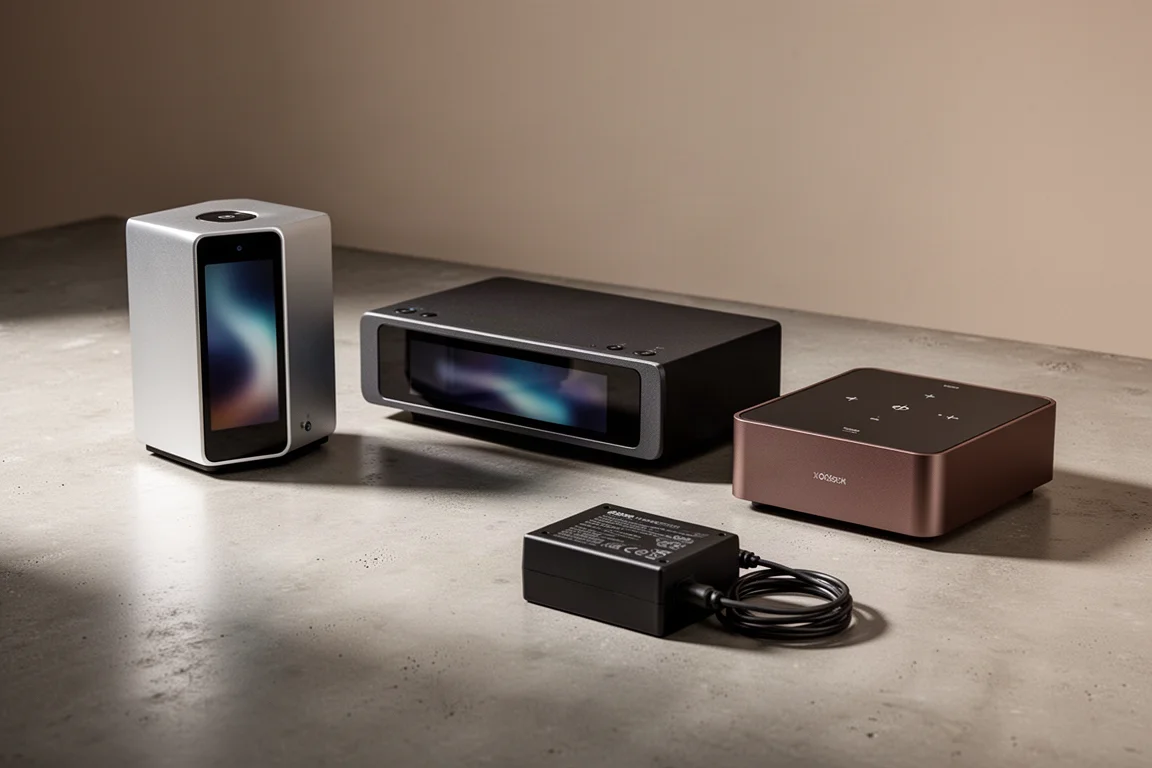
Three streaming DACs, one optional power supply, and a single practical question: which of them belongs in your system? The FiiO R7, the Eversolo DMP-A6 and the Bluesound Node X all occupy the same corner of the market. Each one takes a stream in and sends analogue out to a pair of powered speakers, a preamp or an integrated amplifier.
That matters because the differences between these three units are audible, but they are not dramatic. They are also far easier to pin down when two of them are sitting in the same rack at the same time, in the same room, feeding the same speakers.
How These Four Products Fit Together
The first three products here are complete streaming DACs: a network streamer, a DAC and an analogue output stage in a single box, with either a touchscreen or a control surface on the front. The fourth, the FiiO PL50, is not a streamer at all. It is an optional linear power supply for the FiiO R7, and it exists because the R7 undercuts the DMP-A6 by around 160 euros, which leaves room in the budget for the upgrade.
The FiiO R7 and the Eversolo DMP-A6 share a lot of ground. Both are Roon Ready, both support Tidal Connect, Spotify Connect and Apple AirPlay 2 out of the box, and both handle Apple Music in high-res lossless with bit-perfect playback and gapless transitions. Both offer single-ended RCA and balanced XLR outputs that can be switched between line level and preamp mode with variable volume. Both accept optical, coaxial and USB inputs.
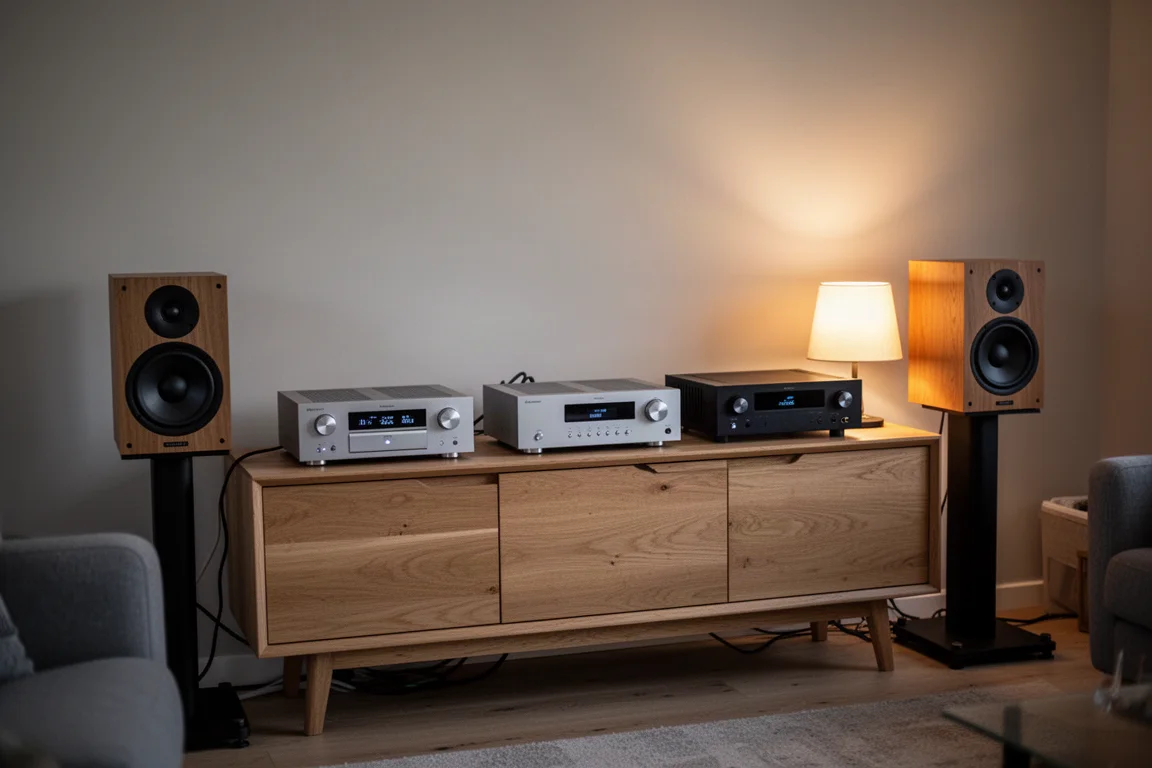
The differences are what decide the purchase. Screen orientation and resolution, headphone amplification, local storage options, app ecosystems and the way each unit handles remote control all diverge sharply, and so does the tonal character of the two DAC stages. Neither the R7 nor the DMP-A6 is a Roon server, so a local library has to be served over UPnP unless Roon runs elsewhere on the network.
FiiO R7: Touchscreen Streaming DAC with a Headphone Amp
The R7 is built around a single ESS 9068AS DAC chip and a 5-inch touchscreen mounted in portrait orientation, the way a phone screen sits. At 699 euros it is the least expensive of the three streamers here, and it is also the most flexible for anyone who wants one box to do everything.
The headline feature is the THX AAA headphone amplifier, which delivers up to 3.6 watts of output power and offers two balanced outputs alongside a single-ended one. Nothing else in this group matches that. There is also an SD card slot on the rear for local files, two sets of single-ended RCA outputs in addition to the balanced XLR pair, and the same line-out or preamp-out flexibility as the DMP-A6.
On the software side, the R7 runs a near-stock version of Android 10 with access to the Google Play Store. In practice that means almost any streaming app can be installed, including Apple Music Classical, SoundCloud and Plexamp, none of which are available on the Eversolo. Apple Music plays in high-res lossless, bit perfect and gapless, and the portrait screen suits the layout of that app far better than a wide landscape panel does.
Two things to know before buying. The coaxial and optical digital outputs are fixed in level, so they cannot be used to drive a downstream DAC with volume control. And the USB input can occasionally introduce lip sync lag when the R7 is used to decode television audio, which is worth checking if that is part of your plan. There is also no cast mode, so controlling Apple Music means walking over to the unit, and there is no VU meter display.
In listening, the R7 has a darker tonality than the DMP-A6. It gives up a little in top-end extension and soundstage width, but it is the easier of the two to listen to for long stretches, and it loses nothing in detail. Leaner, harder-edged recordings from the 1990s come across with more generosity than they do through the Eversolo.
Eversolo DMP-A6: The Wide-Screen Alternative
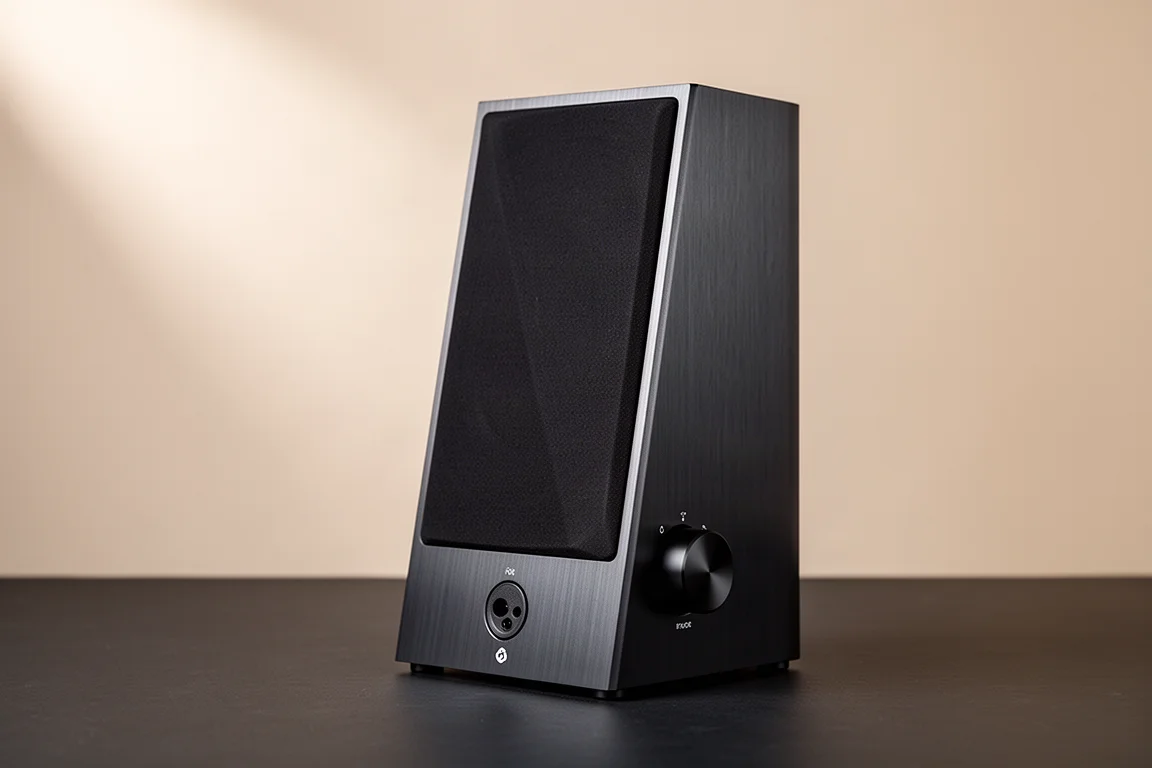
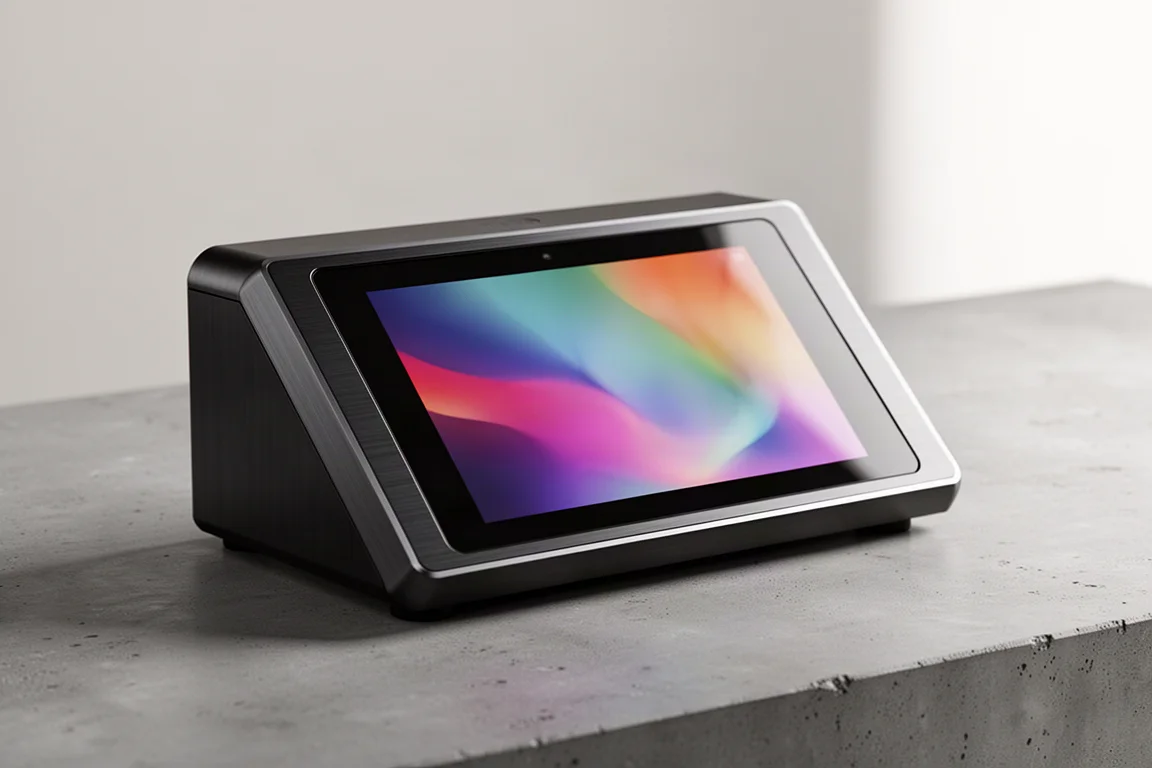
The DMP-A6 steps up the hardware in a couple of visible ways. It uses two ESS ES9038Q2M DAC chips rather than one, and its 6-inch touchscreen runs in an ultra-wide landscape orientation at a noticeably higher resolution than the R7’s panel. At 859 euros it sits a little above the FiiO, though the gap is small enough to be bridged by an accessory.
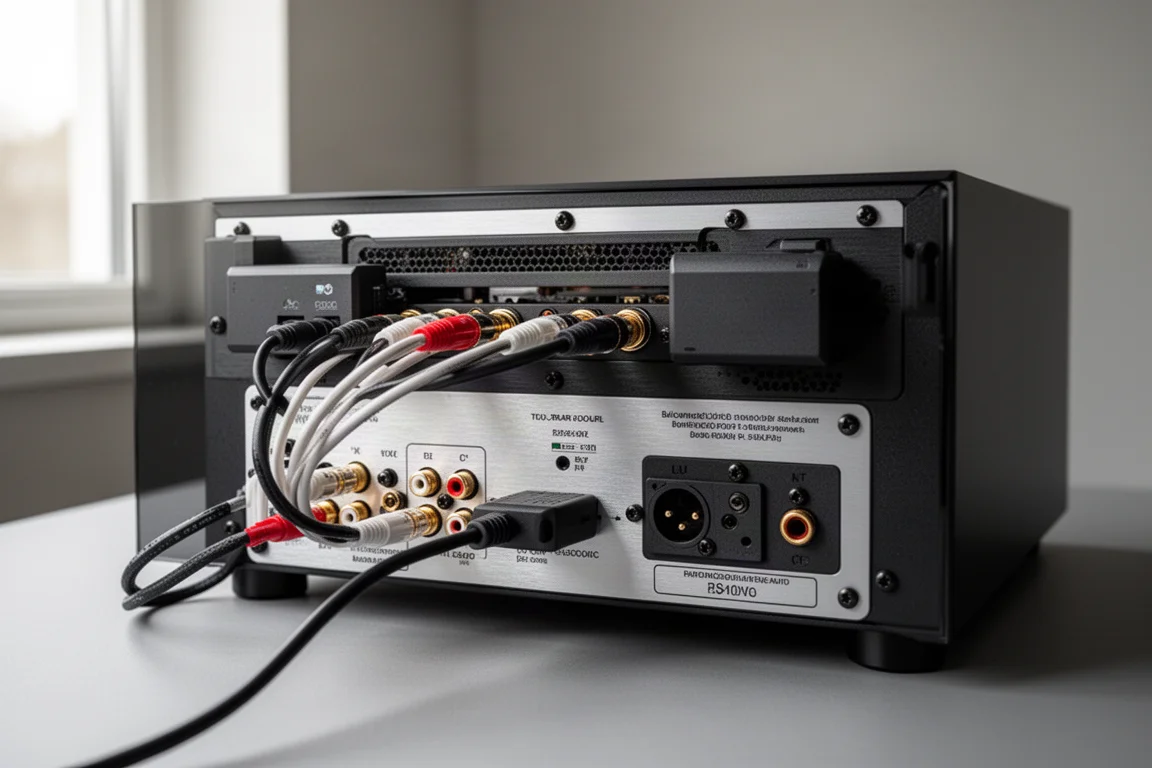
Around the back you get the same single-ended RCA and balanced XLR outputs with switchable line and preamp modes, and the front panel volume knob is larger and more satisfying to turn than the FiiO’s. The HDMI socket is an output only, and it is strictly for multi-channel PCM and DSD. It is not an ARC or eARC input and it is not an I2S connection. Coaxial and optical digital outputs are also present, and unlike the R7’s they are volume adjustable, which allows the DMP-A6 to be paired with an integrated amplifier such as a Peachtree Audio Gan 1.
The most significant omission is the headphone output, which does not exist here at all. Headphone listeners need to add an external amplifier. In exchange, the DMP-A6 offers an NVMe SSD bay behind a panel on the underside, a genuinely useful feature for anyone who wants a self-contained library player, plus USB storage input on the rear.
Software is where the Eversolo takes its own path. Android 11 is heavily customised and does not behave like a phone operating system. There is no Google Play Store, only a curated whitelist of installable apps, and Apple Music is on it, delivering high-res lossless, bit-perfect and gapless playback once high-res lossless is enabled in the app settings. Cast mode is the standout: the phone app mirrors the unit’s screen with near real-time responsiveness, which means Apple Music can be driven from the listening chair, along with settings and the VU meter display, which offers four options. The R7 offers nothing comparable, and its own companion app does not extend to third-party streaming services.
Two practical notes. The wide screen stretches the Apple Music interface and the on-screen keyboard into an awkward ultra-wide layout, and the phone has to be turned sideways in cast mode. An infrared remote is sold separately and was sold out across Europe at the time of writing. One small observation worth recording: the DMP-A6 reports an incoming AirPlay 2 stream as AAC in some cases, which supports the long-standing suggestion that AirPlay 2 can be lossy when fed from certain Apple devices.
Sonically, the DMP-A6 is the more forward of the two. It sounds more extended at the top end, with a slightly wider soundstage and a keener, more energetic presentation that pulls you towards the speakers.
That same brightness means it pairs best with loudspeakers that are not already lively in the treble. With a forward-sounding speaker, the combination can tip into hardness, which is worth planning around before you buy.
Bluesound Node X: The Familiar Alternative
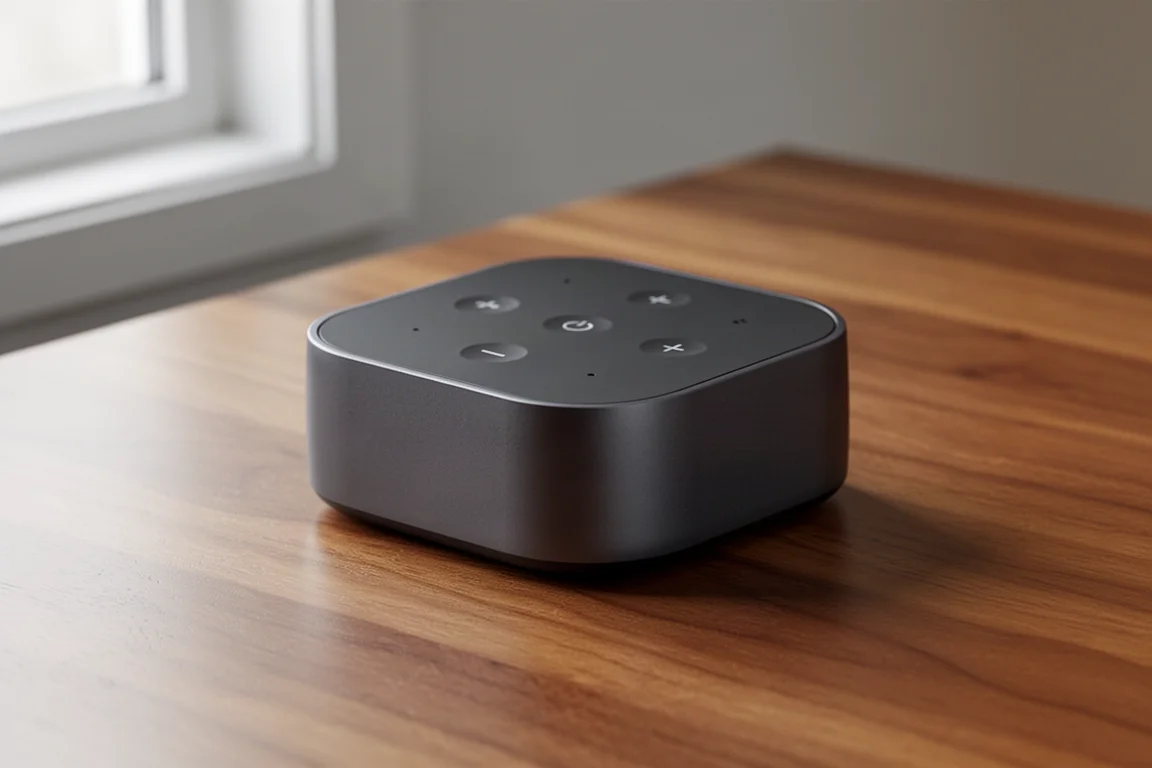
The Node X approaches the same problem from a different angle. It has no touchscreen on the front, only a touch-sensitive plate on the top panel, so the interface lives on a phone or tablet rather than on the device itself. In return it includes a very decent sounding headphone amplifier, which the DMP-A6 lacks entirely.
The trade-offs sit on the connectivity side. There is no balanced XLR output, which rules the Node X out of systems that rely on a balanced connection, and there is no front display to glance at. Its sonic personality sits closer to the DMP-A6 than to the R7, or perhaps somewhere between the two, and it sells for roughly the same money as the Eversolo.
FiiO PL50: A Linear Power Supply Upgrade
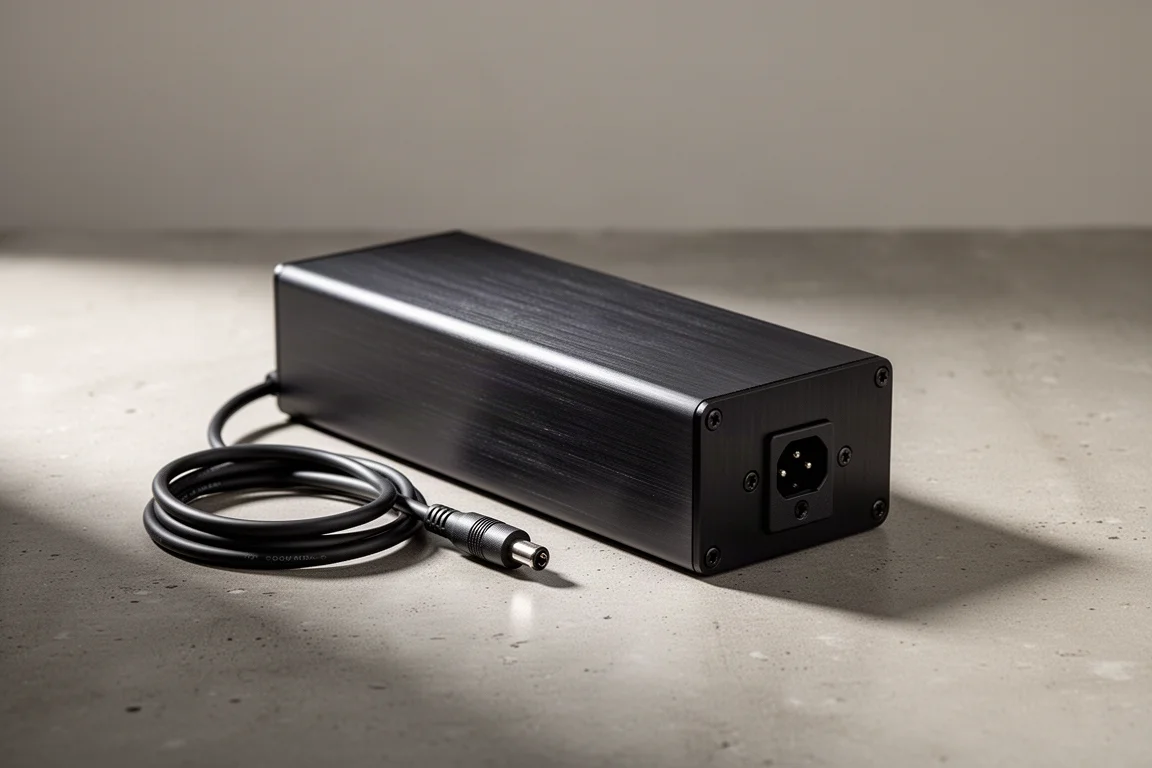
The PL50 is the odd one out in this group because it is not a source component. It is an optional linear power supply for the FiiO R7 that bypasses the streamer’s internal switch-mode supply, and it costs roughly the 160 euros that separate the R7 from the DMP-A6.
The change it makes is real but modest. It does not blow the standard supply out of the water. What it does is tighten the leading edges of hi-hats, smooth the harder edges of distorted guitars without draining the urgency from those tracks, and extend the top end while relaxing the overall presentation. In effect it moves the R7’s darker, more forgiving character a step closer to the openness of the DMP-A6, while keeping the R7’s easy long-session listening.
For anyone weighing the two streamers purely on price, this is the comparison that matters. An R7 with the PL50 lands in the same territory as a standard DMP-A6, and on sound quality alone that combination is the one many listeners would choose.
Matching a Streamer to Your System
If your speakers or amplifier already lean bright, the R7’s darker balance is the safer partner, and the DMP-A6’s extra top-end energy may tip the system into hardness. If your system is relaxed at the top, the DMP-A6’s openness and slightly wider stage will be the more rewarding listen.
Headphone listeners have a straightforward answer: the R7 with its THX AAA amplifier, or the Node X, rather than the DMP-A6. Anyone who wants an internal NVMe drive for a self-contained library will prefer the DMP-A6, while anyone who values being able to install almost any streaming app should look at the R7’s Play Store access. If a VU meter display on the front panel is part of the appeal, only the Eversolo offers one.
Buying Advice
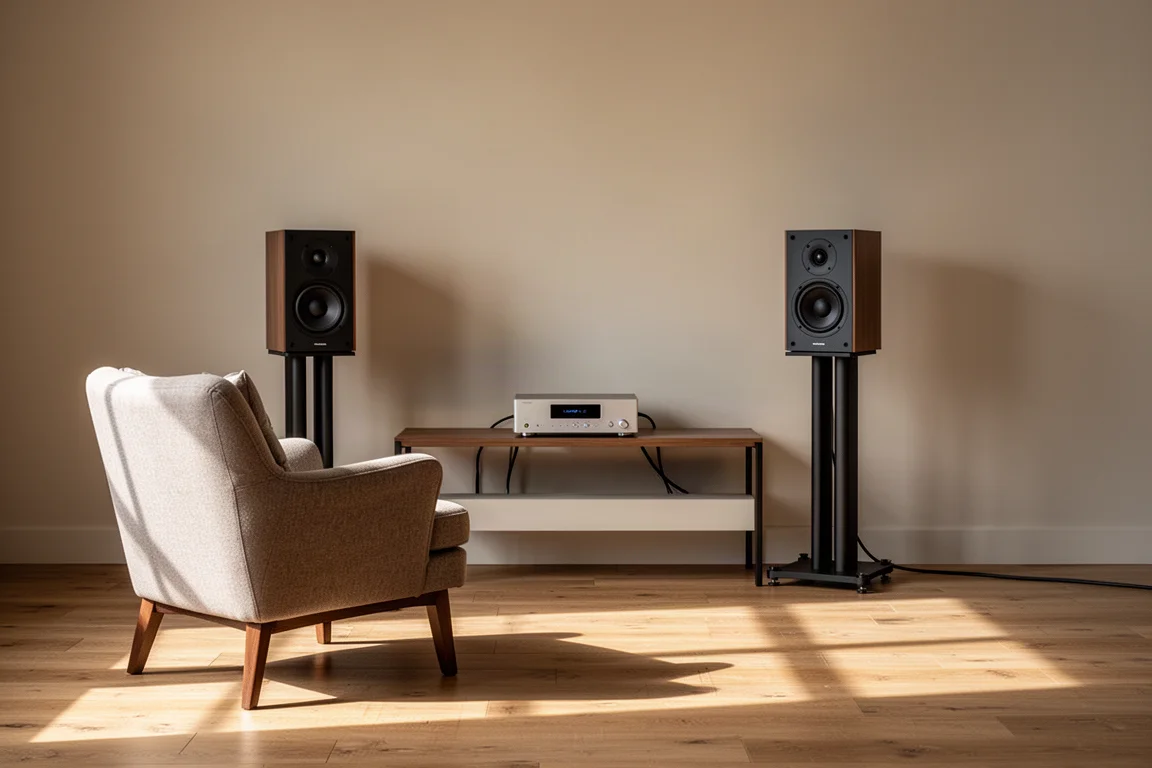
Start with functionality, then consider sound. The three streamers here are close enough that the practical differences, screen orientation, headphone output, storage, app support, remote control and output flexibility, will shape daily ownership far more than the tonal gap between them. None of them is a dramatic step ahead of the others, and the differences in sound quality are not night and day.
Price is the other lever. At 699 euros the R7 leaves room for the PL50 linear supply, which narrows the sonic gap to the 859 euro DMP-A6. The Node X sits at roughly the same money as the Eversolo and brings a headphone amplifier, but no touchscreen and no balanced outputs. If you are drawn to the DMP-A6’s wide display and NVMe bay, the standard model is the one to consider. A Master Edition with improved clocking and a revised output stage is sold through bricks-and-mortar retail at a higher price, and its performance relative to the standard model could not be assessed here.
Conclusion
All three streaming DACs do the same core job well, and all three respond quickly in use. The choice comes down to the features you will actually live with: the R7 for headphone listening, app freedom and a phone-style screen; the DMP-A6 for a wide display, VU meters and internal SSD storage; the Node X for a headphone amplifier without a screen; and the PL50 for R7 owners who want a modest but audible step up in refinement.
Further reading
Related Reviews
Hi-Fi Audio
Accuphase C-57 vs Allnic H-7000V: Two High-End Phono Stages Compared
A fully balanced solid-state phono stage with a pitch-black noise floor meets a tube design built for well-loved records. Here is how to choose between them.
Hi-Fi Audio
Active vs Passive Hi-Fi: Five Components for a Modern System
Five components that define modern active and passive hi-fi systems, with the strengths, trade-offs and setup details worth weighing before you buy.
Hi-Fi Audio
Advance Paris A10 Apex Review: A Hybrid Integrated Amplifier That Covers a Lot of Ground
A French hybrid integrated amplifier with a class A tube preamp stage, analogue power meters, and an internal DAC and phono stage good enough to make extra boxes unnecessary.