Hi-Fi Speakers
Streaming Active Speakers Compared: KEF LSX, LS60 Wireless, KC62 and Buchardt A500
A practical comparison of four streaming active speaker options: the KEF LSX, the KEF LS60 Wireless, the KEF KC62 subwoofer and the Buchardt A500.
Introduction
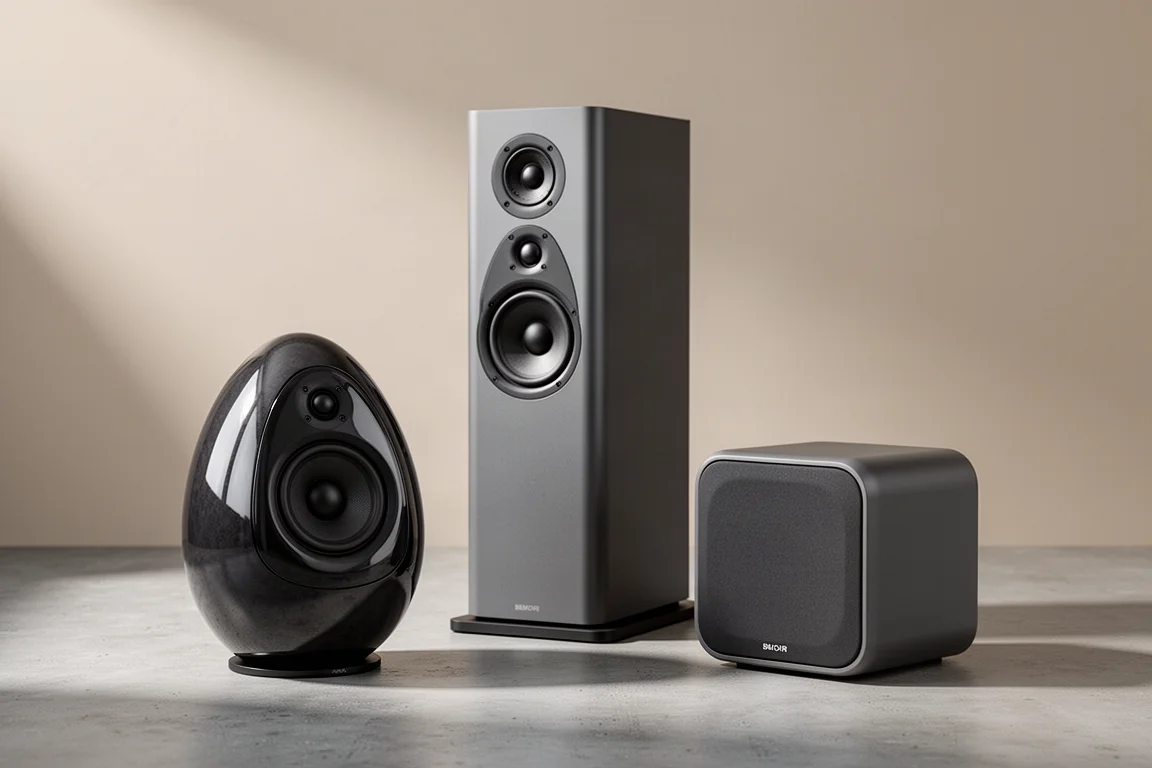
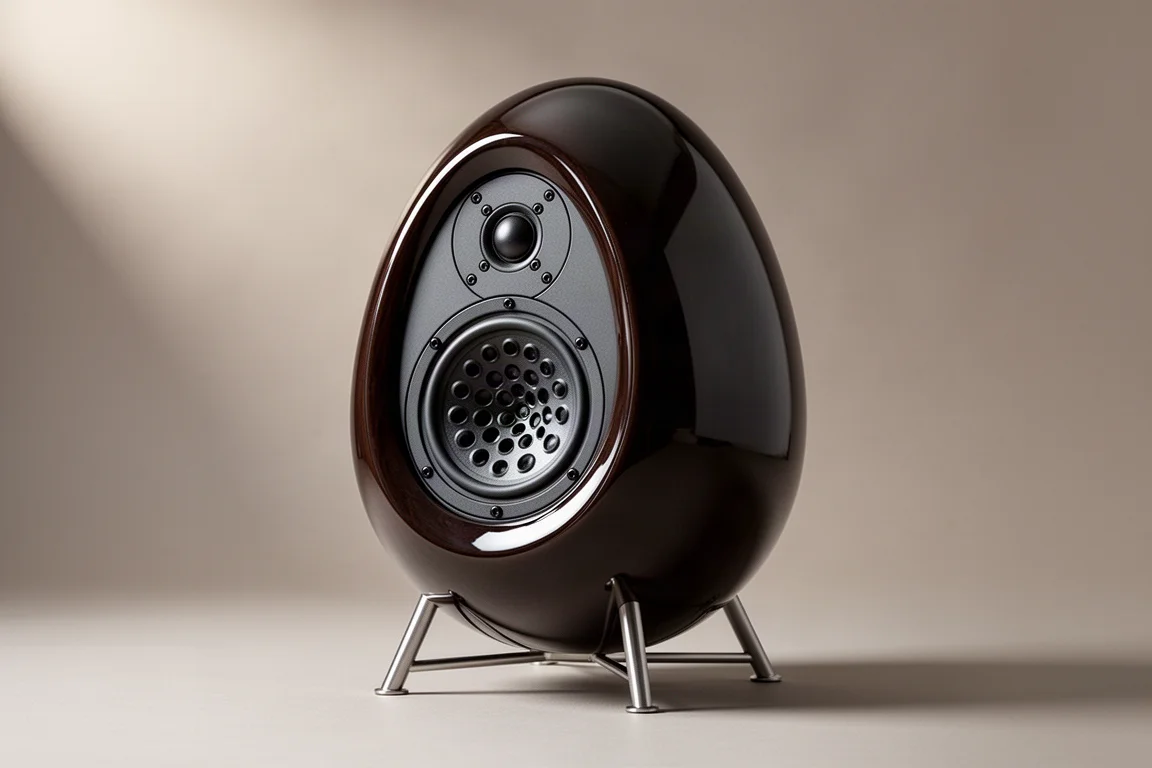
Streaming active speakers put the amplifiers, the digital processing and the streaming platform inside the cabinet. Each driver gets its own amplifier behind a DSP crossover, so there is no rack of outboard electronics to buy, cable or accommodate. The KEF LSX is the most distinctive take on the idea: an egg-shaped standmount designed by Ross Lovegrove, the designer behind KEF’s enormous Muon flagship. It is not the only sensible answer at this level. The KEF LS60 Wireless applies the same streaming approach inside a slim floorstanding cabinet, the KEF KC62 subwoofer extends the low end of either speaker, and the Buchardt A500 has been a reference point in high-end streaming standmounts for years. This comparison sets out what each one actually gives you.
What to Look For in a Streaming Active Speaker System
The first question is platform coverage. The KEF models run KEF’s W2 streaming platform, which covers Bluetooth, Spotify Connect, Tidal Connect, Qobuz Connect, AirPlay 2 and Google Cast, with a choice of Wi-Fi or Ethernet for the network connection. Roon Ready support for the LSX is not expected until 2027, so Roon users will need a workaround in the meantime.
The second question is physical inputs. HDMI eARC handles television audio, Toslink and coaxial inputs accept digital sources, and the LSX also offers a 3.5 mm line level input for an analogue source, which is digitised on entry. USB audio is not part of the LSX specification.
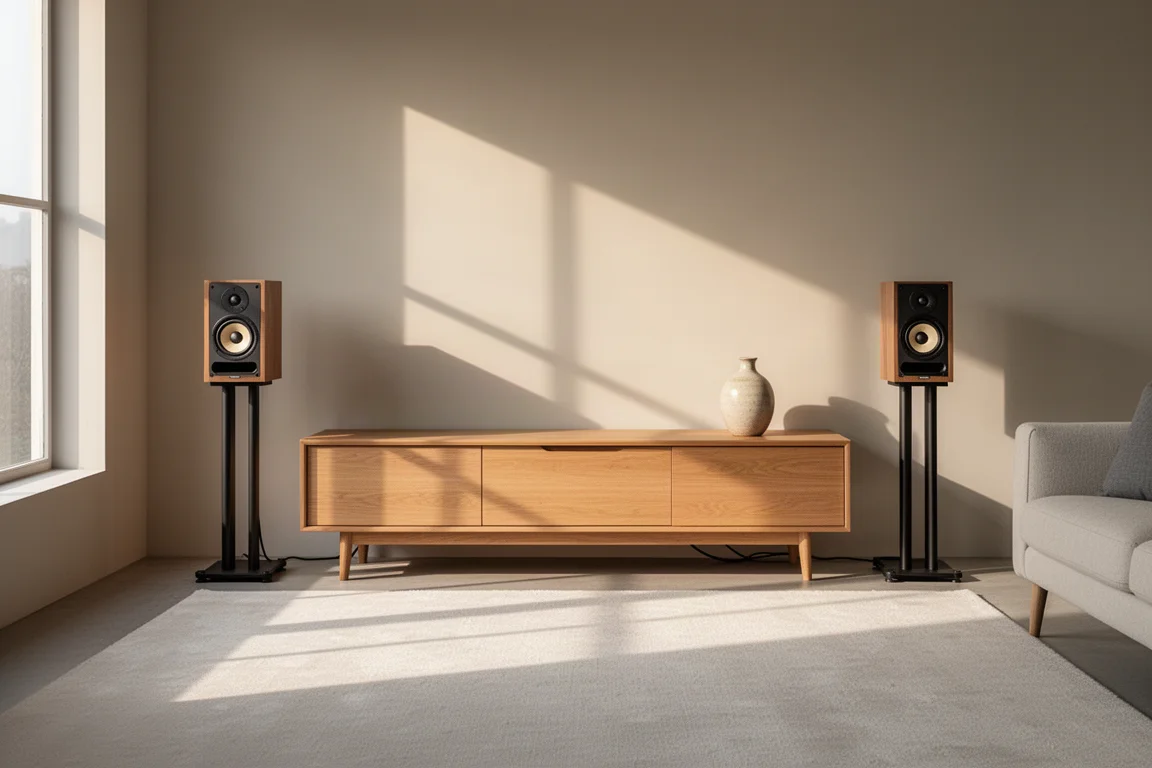
The third question is bass reach against room size. KEF rates the LSX at minus 3 dB down at 42 Hz and the LS60 Wireless at 31 Hz. In a small to medium room, 42 Hz is likely to be enough for most listeners, although the system still benefits from a subwoofer once one is connected and configured.
The fourth question is how easily a subwoofer integrates. When a KEF subwoofer is paired with KEF streaming speakers, the Connect app sets the crossover point and the subwoofer gain, which leaves only the subwoofer’s position in the room for the owner to work out. Cabling and stands deserve a thought too, because the LSX floor stands route cables internally and consume roughly a metre of length from anything you run through them.
KEF LSX: The Compact Streaming Standmount
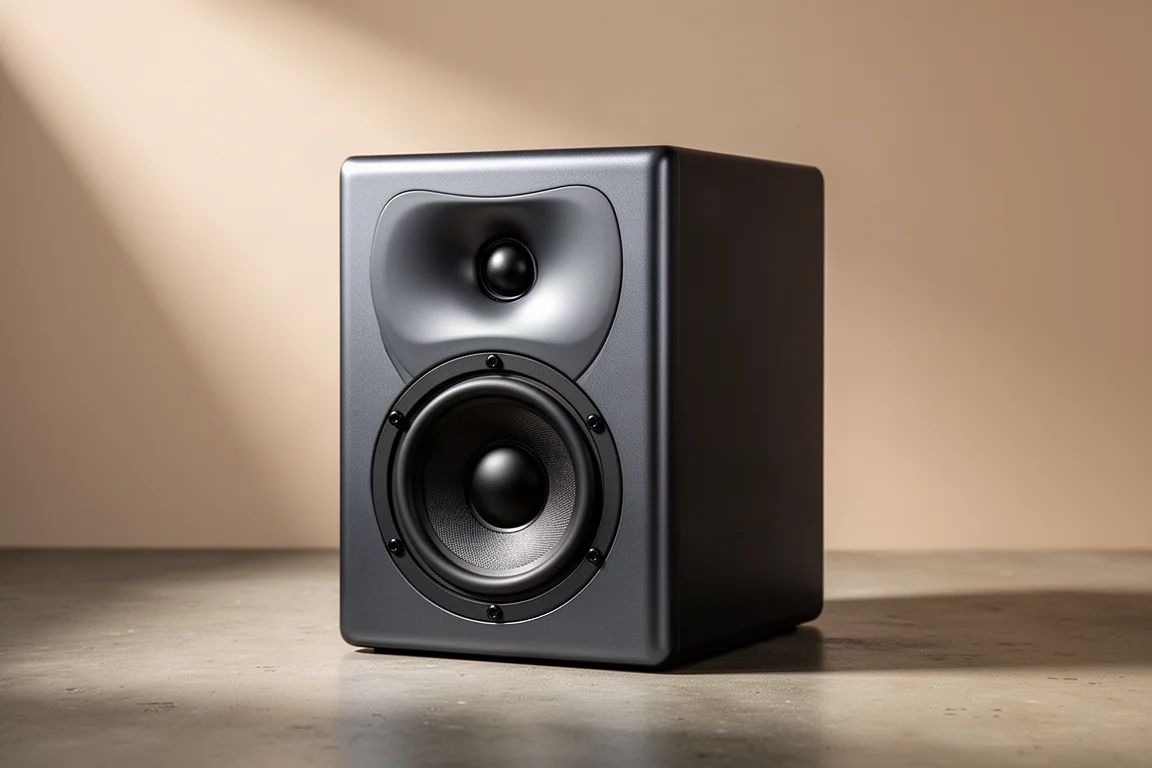
The LSX cabinet is moulded from BMC, and its smooth surface has no hard corners or edges, so the wavefront leaving the driver meets fewer boundaries to bounce off. KEF states that the material’s rigidity allowed its engineers to skip internal bracing, which leaves more air inside the cabinet and greater bass efficiency. The Uni-Q driver array measures 6.5 inches, which is 2.5 inches larger than the 4 inch array KEF built into the LS60’s ultra-slim cabinet.
Amplification is split between a 280 W Class D amplifier for the bass driver and a 100 W Class AB amplifier for the tweeter. A metamaterial disk absorbs most of the tweeter’s back wave, and KEF’s Music Integrity Engine handles phase correction and cone displacement. Both amplifiers operate in the current domain, which lets them control cone acceleration directly and sidestep the distortion that appears as a voice coil heats up and its impedance shifts. Because current drive removes the electrical damping a conventional amplifier provides, KEF adds Velocity Control Technology, a closed-loop system that measures cone velocity and damps resonance as it happens. The Uni-Q also sits on a flexible decoupling chassis, where spring-loaded elements stop the driver’s magnet system from passing vibrations into the cabinet walls.
Streaming runs through the W2 platform over Wi-Fi or Ethernet. Around the back of the primary cabinet there is coaxial digital, Toslink, HDMI eARC and a 3.5 mm line level input, but no USB audio, which is an unusual omission for a speaker that can sit on a large desk. There are no on-speaker controls, so volume for some inputs is handled from the remote, and the metal-fronted infrared remote is a step up from the plastic handset supplied with the LS60 Wireless. Audio passes from the primary cabinet to the secondary over a low-latency interlink that can be wireless or a 3 m RJ45 cable, and the wireless route is the tidier of the two.
On sound, the LSX trade bass reach for bass dynamics. Dense electronic material kicks harder than the 42 Hz rating suggests, and placement accuracy is above average, with individual sounds pinned to their own point in the stage rather than blurring into their neighbours. Vocal intelligibility is high, and top-end transients stay crisp without turning hard. With close-harmony acoustic music, the presentation is genuinely sumptuous.
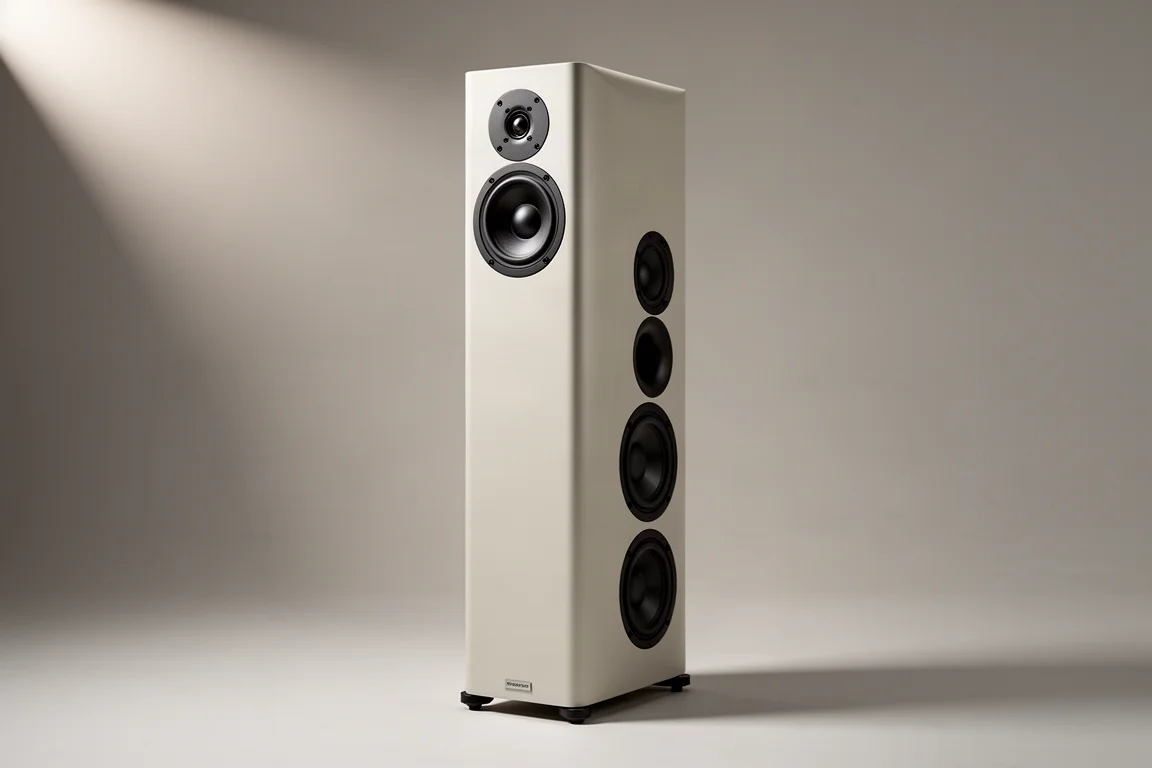
KEF LS60 Wireless: The Simpler Floorstanding Option
A pair of LS60 Wireless sells for $6,000. The cabinet is ultra-slim, which is why the Uni-Q array measures 4 inches rather than the 6.5 inches of the LSX, and the bass is handled by force-cancelling side-firing drivers rated at minus 3 dB down at 31 Hz. They will not reach as low as the KC62, but they go deeper than the LSX manage on their own.
The LS60 Wireless present the midrange more directly and more matter-of-factly than the LSX. Sumptuous is not the word for them. What they offer instead is simplicity: one box per side, set up once and then forgotten.
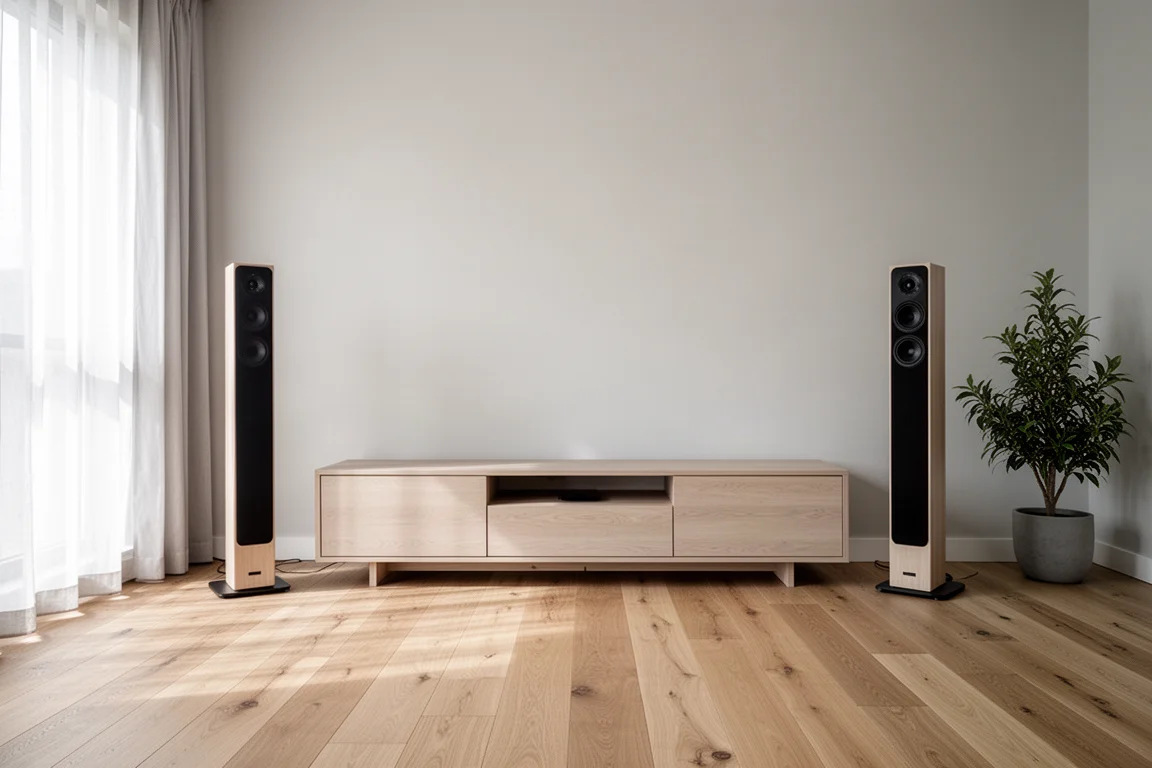
That simplicity has a structural cost. Because the bass drivers live inside the cabinets, bass position is tied to loudspeaker position, and those two are rarely best placed in the same spot. The LS60 also ships with a plastic remote rather than the metal-fronted handset that comes with the LSX.
For anyone who wants a single box per side and no further decisions to make, the LS60 Wireless remains the easier recommendation of the two KEF options.
KEF KC62: The Subwoofer That Extends the System
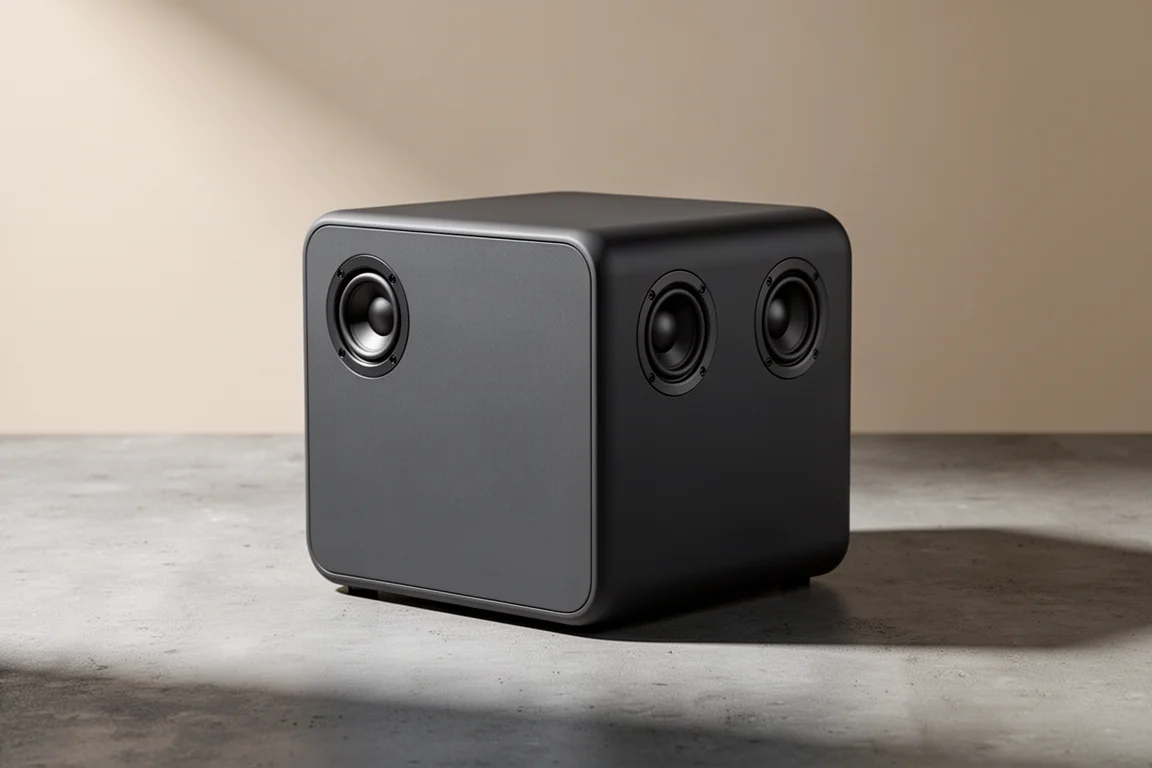
The KC62 costs $1,700 and is not really an optional extra in a compact KEF system, because the LSX do not dig as deep as the LS60 Wireless on their own. The subwoofer is what brings the compact pair level with the floorstander on bass and then takes it beyond.
Integration is the strongest argument for staying inside the KEF family. The Connect app sets the crossover point and the subwoofer gain automatically, which removes two of the three usual headaches of adding a subwoofer. The first subwoofer can be attached to either the primary or the secondary loudspeaker, and firmware in the LSX now sends a turn-on signal to the KC62, or to any other auto-sensing subwoofer, when the speakers power up.
What remains is placement, and that is the part no app can handle. In a small to medium room, moving the subwoofer a metre or so, or adjusting its level, will change what you hear more than any other adjustment in the system. It takes patience, but it is also where much of the final performance comes from.
Buchardt A500: The Factory-Direct Alternative
The Buchardt A500 has been a favourite in high-end streaming standmounts for at least half a decade, and it is sold factory direct from Denmark at €3,800, which lands within about €200 of the LSX. Both are designed in Europe and built in China.
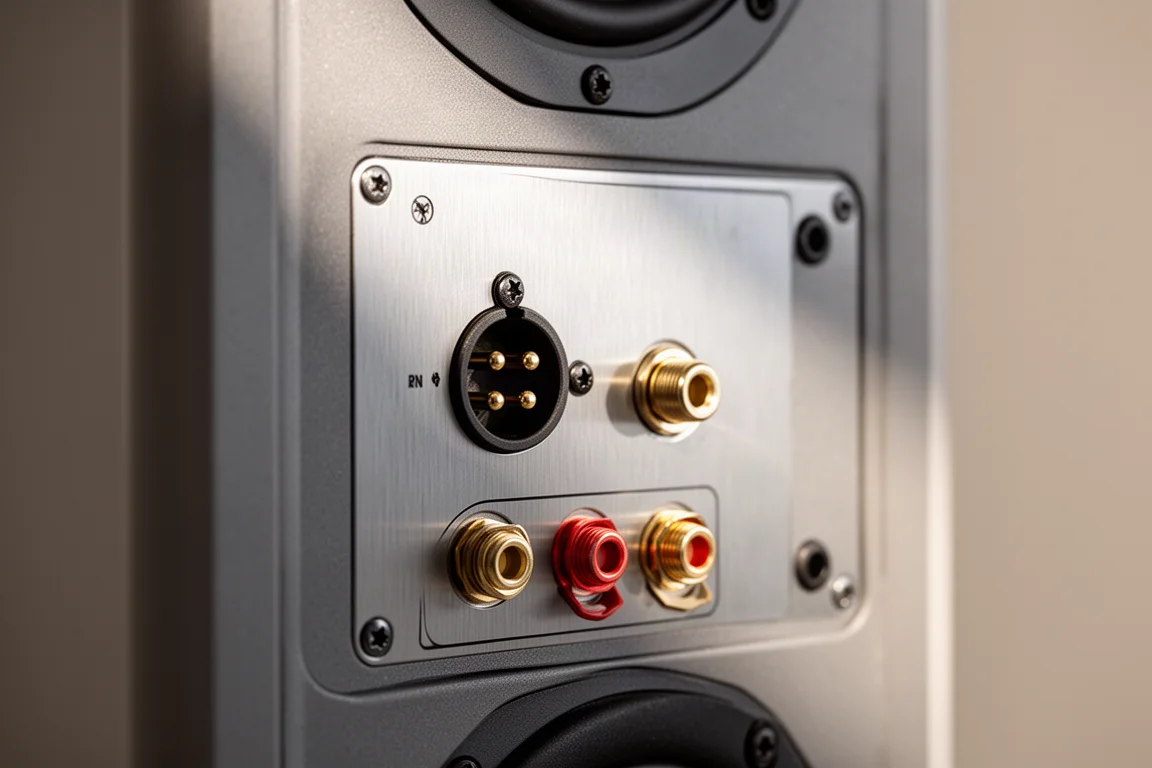
Several A500 features are worth knowing about. The Platin Hub handles connectivity without a tangle of cables behind the speakers, Fletcher-Munson correction makes low-level listening more satisfying, master tunings give you more than one voicing to choose from, and there is an XLR input on the back panel.
On bass extension, the A500 dig lower than the LSX. Where the LSX answer back is in texture and midrange presence: bass notes are exposed more cleanly, and midrange material hits harder and with more clarity. The A500’s soft dome tweeter is also less revealing and more generous with weaker recordings than KEF’s aluminium dome, which is worth weighing if a large part of your library is not audiophile-grade.
Matching the System to Your Room
The arithmetic is worth doing before you commit. A pair of LSX sells for $4,000, the custom LSX floor stands add $800, and the KC62 adds $1,700, which puts a complete LSX system at roughly $6,500 against $6,000 for a pair of LS60 Wireless.
That extra spend buys a larger Uni-Q driver array, amplifier technology that KEF has not yet put in a streaming floorstander, a subwoofer that goes deeper than the LS60’s force-cancelling side-firing drivers manage alone, and a cabinet that reads as an art object rather than a box. It also buys the freedom to place the bass unit somewhere other than where the speakers sit, which in most rooms is the better arrangement.
Room and habits matter as much as the specification. The LSX suit desk placement, and the Connect app includes DSP boundary compensation settings for exactly that use. If you would rather not think about any of this again once the boxes are in place, the floorstander is the calmer choice.
Buying Advice
If you want one box per side and no further decisions, the LS60 Wireless is the straightforward answer at $6,000 a pair.
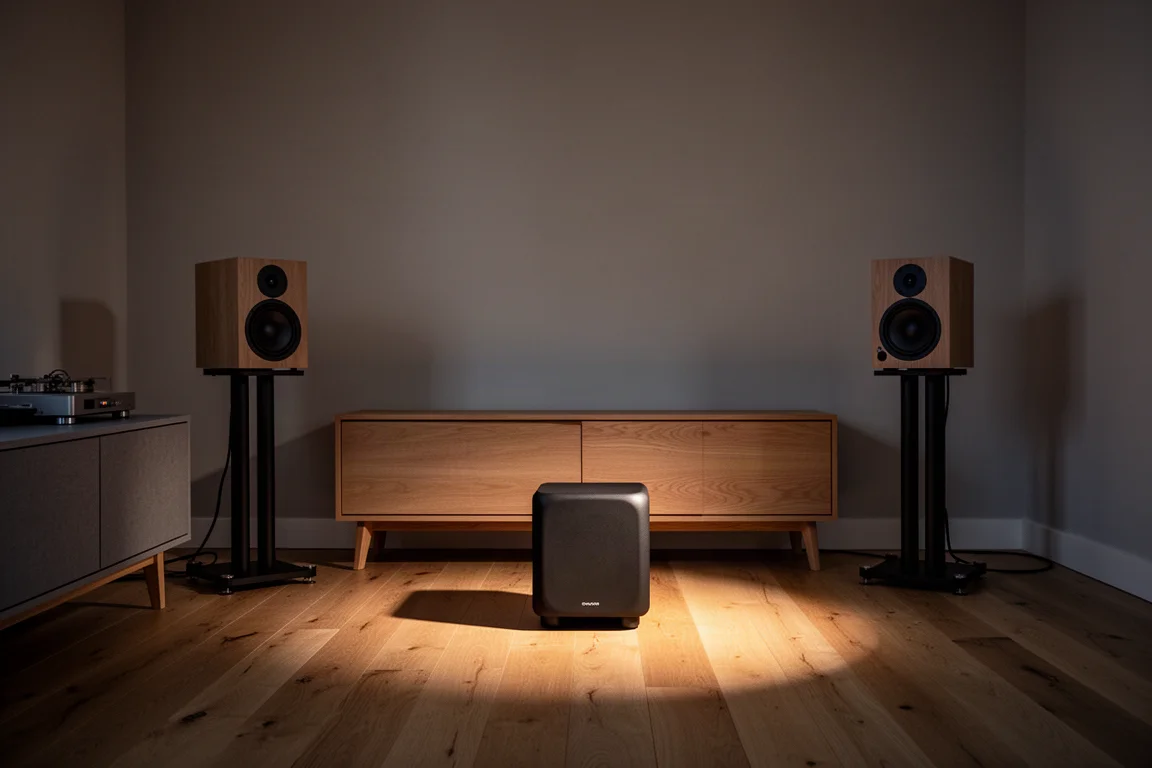
If you want the LSX, plan the whole system from the start: the speakers, the stands and the subwoofer. Budget for longer cables than usual if you route them through the stands, and note that the LSX has no USB audio, so a USB to Toslink converter or a streamer with a coaxial output is the practical workaround. Analogue sources are digitised when they enter the speaker, which is worth accepting before you buy rather than after.
Treat the subwoofer’s position as part of the purchase rather than an afterthought. It is the single adjustment with the largest effect on what you hear, and it rewards the time you put into it.
Conclusion
These four options are aimed at different owners. The LS60 Wireless is the simplest way into streaming active speakers at this level: one box per side, deep bass, no subwoofer to place. The LSX is for the listener who wants the cabinet as an object, values midrange presence and texture over outright bass extension, and is willing to add the KC62 and spend time positioning it. The KC62 is the piece that closes the bass gap between the two KEF systems. And the Buchardt A500 remains a strong factory-direct alternative for anyone who wants deeper bass and a more forgiving tweeter, at the cost of a hub in the chain and slightly less midrange bite.
Further reading
Related Reviews
Hi-Fi Speakers
1723 THX Tower vs 1528 Bookshelf: Which Speaker Fits Your Room?
Two speakers at roughly the same price, built very differently. How the 1723 THX tower and the 1528 bookshelf compare on construction, bass, power needs, and sound.
Hi-Fi Speakers
Acoustic Energy AE 300 Review: Deep Bass From a Compact Standmount
A two-way standmount with real wood veneer, surprising low-end weight, and a warm, easygoing character. Here is what to know before buying.
Hi-Fi Speakers
Acoustic Energy AE1 40th Anniversary Review: A Modern Take on a British Classic
A compact standmount that revives a 1980s favorite with all-new parts, a warm mid-centric balance, and a price of £1,499 per pair.