Running Apps
Strava Premium Review: Is the Subscription Worth It in 2026?
After years as a subscriber, one long-time runner weighs up Strava Premium's $59.99 annual price against what the free tier and a GPS watch app already deliver.
Introduction
Strava needs little introduction among runners and cyclists. Many people already own a GPS watch or similar device that captures a huge amount of activity data, and those devices usually ship with their own companion apps, such as Garmin Connect for Garmin watches. Distance, pace, grade adjusted pace, temperature, and countless other data points are all logged automatically.
That raises a fair question: is Strava Premium, at $59.99 per year or $8.99 per month, actually worth paying for when the free tier and your watch’s native app already cover so much? After around seven years as a subscriber, this review takes an honest look at what you get, what overlaps with apps you may already use, and whether the upgrade earns its keep.
What the Free Tier Gets You
The free version of Strava covers the essentials well. You can record runs, comment within the community, and use some of the built-in safety features. For a lot of runners, that is honestly all they need, since most people use Strava primarily for its social side: commenting on friends’ runs, sharing photos, and keeping in touch with the people they train with.

If you are not especially interested in deep data analysis, and you do not enjoy sitting down with spreadsheets of your own activity, the free tier is genuinely hard to fault. The raw numbers from your runs are typically better explored in your watch’s own app anyway.
Route Building and Suggested Routes
Three of the headline Premium features revolve around routes. You can create your own routes using the map, which is a little fiddly on a smartphone but easier on a laptop or desktop. Routes can be saved for offline use, and Strava will also suggest routes for you with varying elevation and distance.
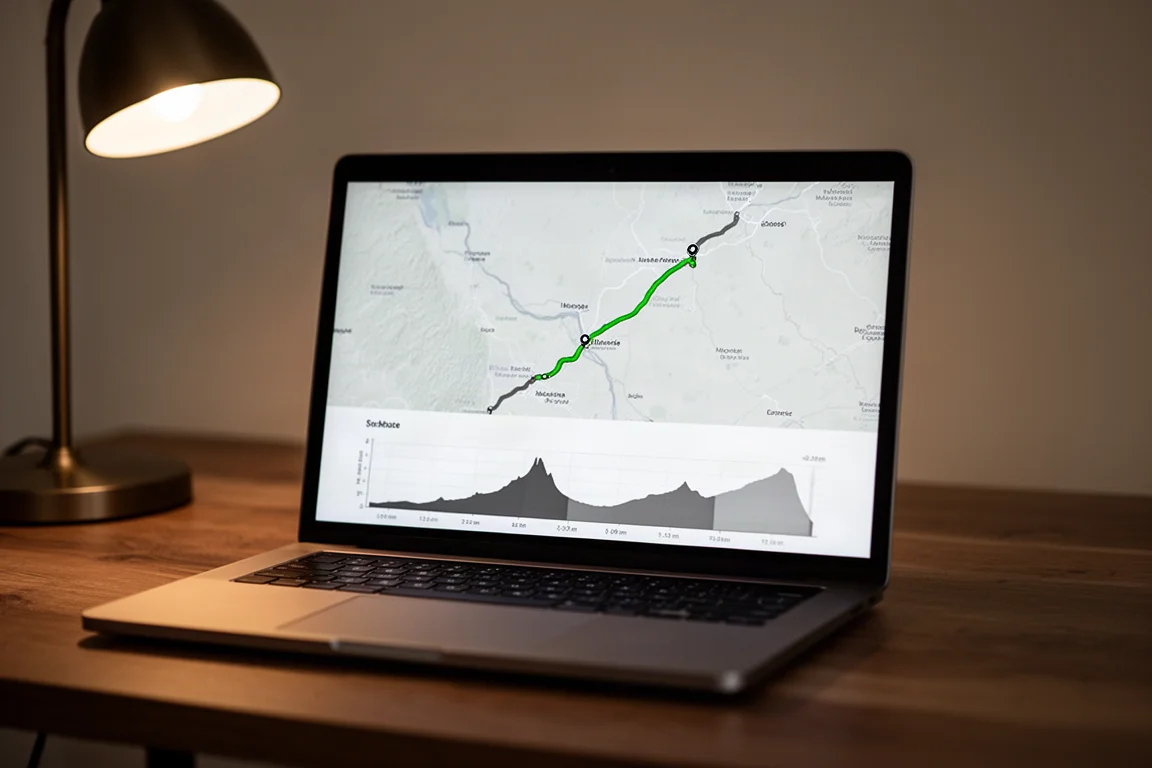
One recurring weakness stands out: Strava is not particularly good at identifying what type of surface you are running on. It gets it right roughly 80% of the time, but plenty of routes have surfaces it simply cannot classify, which matters depending on the session you are planning. And for the writer here, this whole feature set went untouched in seven years of subscribing.
Training Log, Fitness, and Freshness
The training log feature repeats what other apps already do. Garmin Connect, for example, logs all of your training and tells you your training load, and the raw run data from a Garmin watch is more naturally explored there than in Strava. As a Premium perk, it adds little that is new.
The fitness and freshness feature is harder to recommend. The algorithm behind it produces numbers that spike after a race or hard effort and then drop dramatically over time, without ever settling at a consistent level. It bears little resemblance to how you actually feel, how your body is doing, or your recent performances.

The goals section is the one area with genuine appeal. Setting weekly, monthly, or yearly goals can help focus the mind and build training consistency. That said, if you are working towards a specific event such as a marathon, you will likely be following a structured plan rather than worrying about yearly targets.
Training Plans and Segments
The training plans included with the subscription feel somewhat vague. You enter how many times per week you want to run, the race distance, and the race date, but the suggested runs are limited and loosely worded. Instructions like “you could do this or change that” are not pinned to specific race goals or paces. For beginners, that can be daunting, since running at 5k or 10k effort is not something a new runner may understand. The most common race mistake, going out too fast and burning up halfway, is exactly what a clearer plan would prevent. The plans themselves seem reasonable, and they are not unlike what a Garmin watch might suggest, but tailoring them to perceived effort levels and goal finish times would improve them considerably.
The segments feature is clearly alluring to some, but it comes with caveats. Virtual leaderboards lack the delivery of real competition, and because many people record runs on GPS devices and then transfer the data across, the underlying numbers are smoothed and shifted in the process. GPS inaccuracies, signal interference, and environmental conditions mean some segment times do not quite reflect what actually happened. If topping a leaderboard makes you feel good, by all means enjoy it. Just know the picture is not complete.
Buying Advice: Who Should Skip It
In short: the recommendation here is probably no. If you already own a GPS activity watch, you almost certainly have an app that does everything Premium offers. The information is largely the same across these apps, in much the same way modern phones all do the same things. You pay roughly 55 pounds a year for features you may barely open, while the free tier keeps the social side alive.

The newer AI additions do little to change that. The athlete intelligence features are vague and generic, relying largely on your own run descriptions and embellishing them rather than offering real insight. Strava has also recently acquired a running application that will likely be folded into the subscription, but its value remains to be seen.
Conclusion
Strava Premium makes sense mainly for runners who want route building, goal tracking, and training plans in one place and do not already have those features elsewhere. For anyone with a capable GPS watch and its companion app, the free tier plus your watch app will likely cover everything you actually use. Strava remains a wonderful social hub for runners, and that part costs nothing at all.
Product link
View more details for Strava Premium
This product is mentioned in the review. Check the specifications, options, and compatibility before buying.
View more details for Strava PremiumFurther reading
Related Reviews
Running Apps
Best Apple Watch Running Apps: Five Apps That Beat the Native Workout App
Five running apps for the Apple Watch that either do one thing brilliantly or go beyond what the native Workout app can offer, from all-round tracking to race-day pace correction.
Running Apps
Runna App Review: A Training Plan That Adapts to Real Life
A close look at how the Runna app builds a race plan, adjusts intensity and volume, syncs with your watch, and handles travel and holidays.
Fitness Apps
Is the Strava Subscription Worth It? An Honest Look at Features and Pricing
A detailed look at what the Strava subscription unlocks, how recent price rises change the value equation, and when the free tier is enough.