Fitness Apps
Is the Strava Subscription Worth It? An Honest Look at Features and Pricing
A detailed look at what the Strava subscription unlocks, how recent price rises change the value equation, and when the free tier is enough.
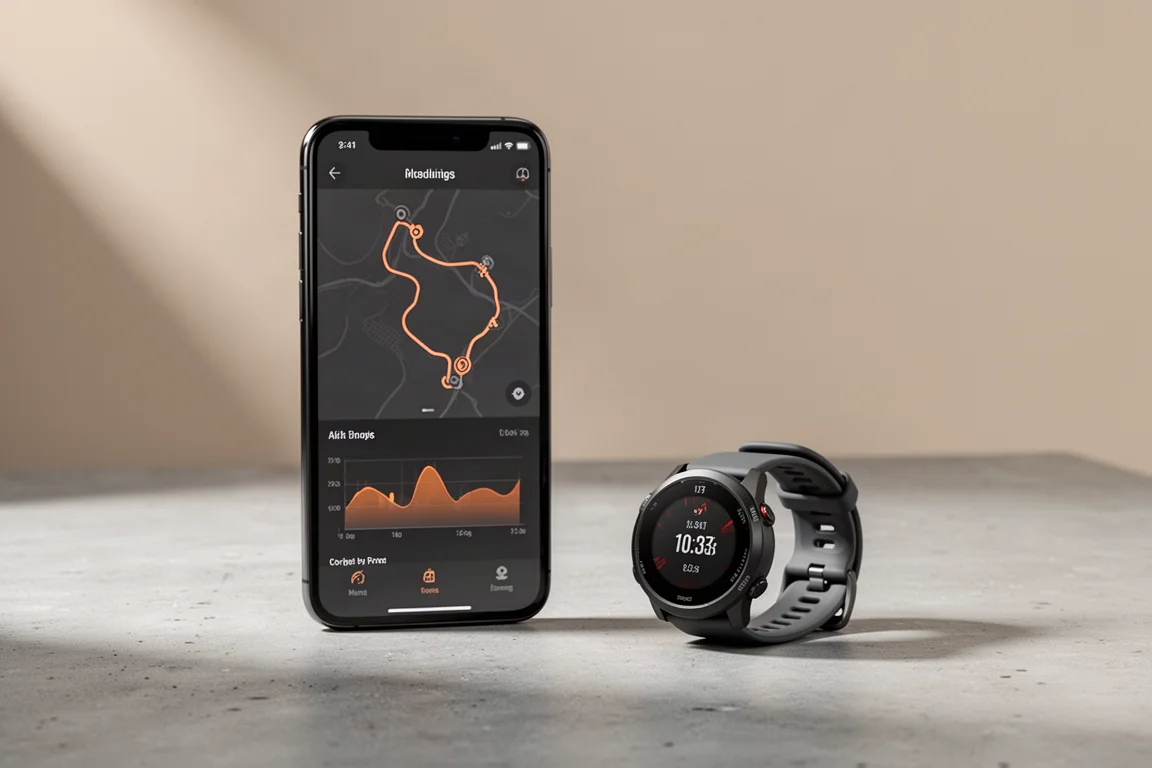
Introduction
Strava is best known as an activity tracking app for running, cycling and swimming, but it doubles as a social network where you can share photos, videos and give Kudos to friends. With recent price rises making headlines, many users are asking whether the paid subscription is still worth it. This breakdown covers what you get free, what the subscription unlocks, and who should actually pay.
What You Get with the Free Tier
The free version is more capable than many people assume. You can record and list all of your activities, access device support, and use the social side of the platform: liking activities, commenting and interacting with the community. Free users also get Strava Beacon, a safety feature that broadcasts your live location to selected contacts.
In practice, the free website looks much the same as the paid one, with numerous features greyed out and marked for subscribers. Crucially, the core social experience, seeing friends’ activities and engaging with the community, costs nothing.

Pricing: The Controversial Bit
Pricing has recently become contentious. Last year the annual plan cost 47.99, with a monthly option at 6.99. In the UK that is jumping to 54.99 per year or 8.99 per month, a meaningful difference. Going forward, Strava is moving to a different price in almost every country, and exact figures have not been clearly communicated, so you need to check your own account for your renewal price.
The frustration is that these rises do not appear to come with meaningful new features. Some countries will see prices roughly double. Whether that is justified depends almost entirely on how much you use the subscriber features below.
Segments, Leaderboards and Live Segments
Segments are Strava’s signature feature, and the subscription deepens them significantly. Subscribers can view full segment leaderboards, see their rank among everyone who has run a segment, and scroll through a complete history of every attempt on that segment. You can also compare against people you follow.
Subscribers can set segment goals, entering a target time and a date to achieve it by. Combined with Live Segments on a compatible watch, including recent Garmin models and the Apple Watch, a dedicated data screen appears as you enter a segment, letting you race your goal, the course record or your own personal best in real time. It is a genuinely fun way to add fartlek-style variety to a run.
Training Log, Race Analysis and Goals
The subscriber training view aggregates all of your activities into one overview, with a log of recent workouts, completed races, and monthly stats sortable by time, distance or elevation gain. One limitation: these stats are cumulative across sports, so you cannot split running and cycling apart.
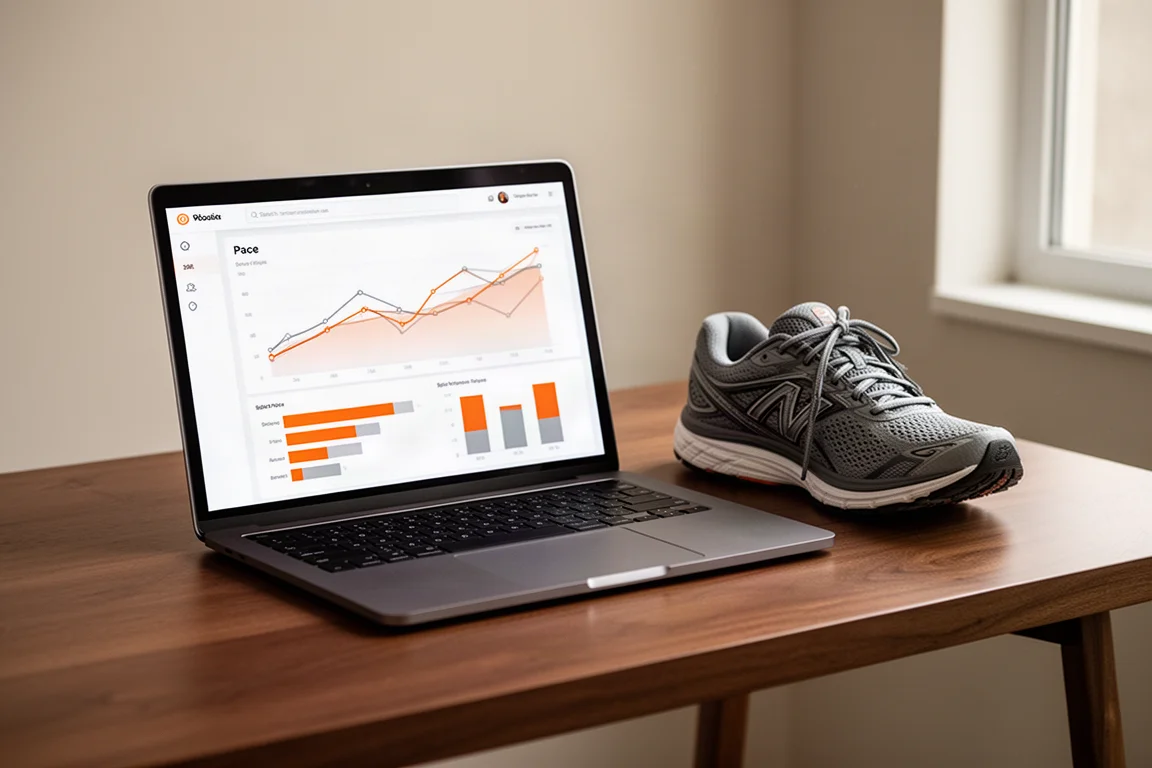
Race analysis is another subscriber perk, showing 5K splits through a race, grade-adjusted pace for hilly courses, and pace distribution across zones. If you use a heart rate monitor, you get time-in-zone analysis too, and cyclists can review power distribution data.
Custom goals round this out. You can set weekly and yearly targets for distance, and monitor progress over time, whether for running, cycling or swimming. The Relative Effort feature, which requires an accurate heart rate monitor, lets you compare how hard you pushed across workouts, including against professional athletes on the platform.
Route Planning and Personal Heatmaps
Route planning is arguably the most-used subscriber feature. You can build new routes anywhere, check popularity data to find where runners and cyclists actually go, and with a compatible watch, sync saved routes across automatically so they are ready to go instantly. For travellers or anyone looking for route inspiration in an unfamiliar city, it is extremely useful.

The personal heatmap shows everywhere you have ever recorded an activity, visualised on a map, and you can overlay it onto the route planner when creating new routes. It works alongside the global heatmap to show both your own history and wider activity patterns.
Extra Features: Fitness, Groups and Weather
Fitness and Freshness attempts to track how fresh or fatigued you are over time, though it works best with consistent heart rate data. On the phone app, subscribers can create group challenges, inviting friends to compete on shared goals. Weather data is also included, imported from a reputable forecasting source, and grade-adjusted pace shows what your effort would have translated to on flat terrain, useful after a hilly run.
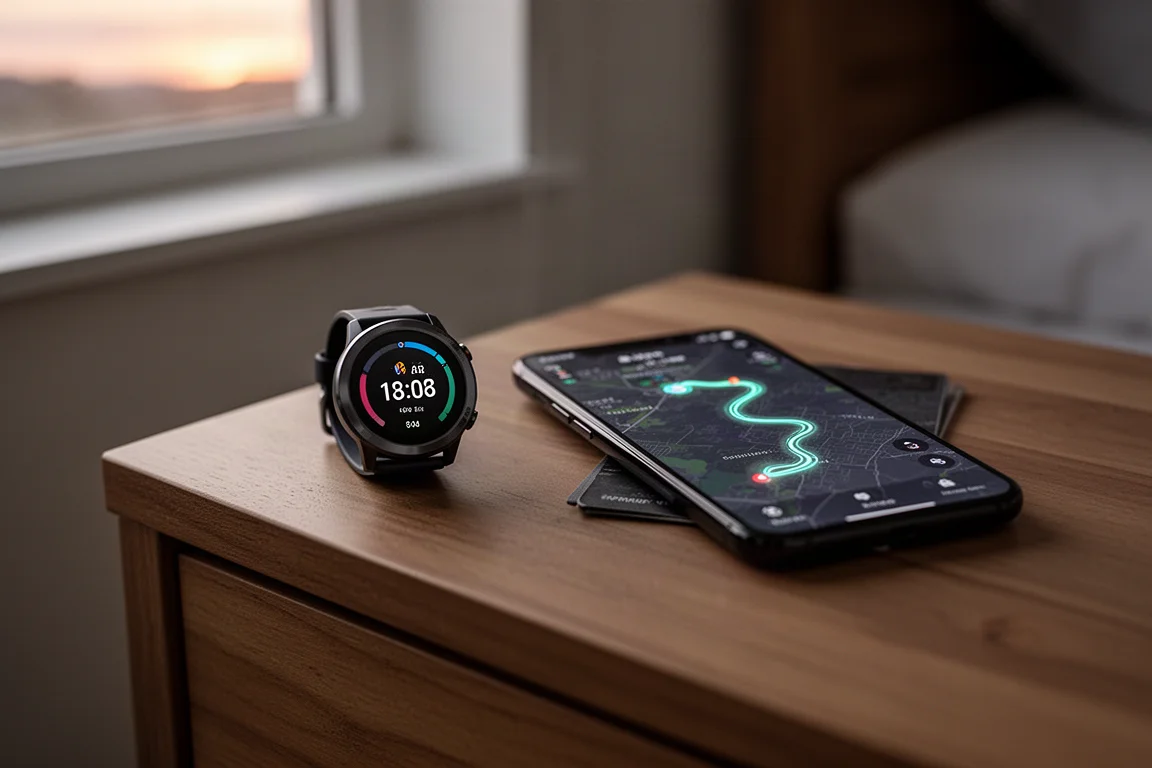
Strava Beacon deserves a final mention. It is free for everyone from the phone, but subscribers can sync it with an Apple Watch or Garmin watch, broadcasting live location from the wrist. That said, Garmin devices have LiveTrack built in natively, and Apple Watch users can use Find My, so this difference matters less than it first appears.
When the Subscription Is Not Worth It
If you use a dedicated sports device such as a Garmin, Coros or Polar watch, much of what the subscription offers is already baked into that brand’s own free app. Course creation, for example, can be done directly in the Garmin interface, and the native apps expose far more data: cadence, stride length, vertical oscillation, ground contact time, recovery time and more. Strava notably does not sync all of this data across, and there are no signs that will change.
If you are a stats-focused athlete, you will likely spend more time in your watch’s native app anyway. Similarly, if your main activities are hiking, skiing or snowboarding rather than running and cycling, there is little in the subscription that applies to you.
For heavy users, particularly those who run, cycle and rely on the social side for coaching or business, the subscription has offered good value for years. But it is expensive, and with prices rising without new features, anyone whose use case is light should spend time with the free tier and their device’s native app before upgrading.
Conclusion
The Strava subscription is genuinely useful for serious runners and cyclists who want segments, route planning and deeper analysis, and the free tier remains fully capable for tracking and social interaction. With pricing rising sharply and varying by country, the honest answer is that value depends entirely on your use case. Check the renewal price in your account, compare what your watch’s native app already gives you, and only pay if the subscriber features will actually change how you train.
Product link
View more details for Strava Subscription
This product is mentioned in the review. Check the specifications, options, and compatibility before buying.
View more details for Strava SubscriptionFurther reading
Related Reviews
Fitness Apps
Garmin Connect Plus Review: Is Garmin's New Subscription Worth $6.99 a Month?
Garmin's biggest Connect update ever arrives behind a paywall. We dig through every feature in the new subscription to see what is genuinely useful and what should have stayed free.

Road Bikes
10 New Road Bikes Worth Watching: Aero, Titanium, Steel and Endurance Standouts
A practical roundup of 10 new road bikes, from aero flagships chasing single-watt gains to titanium, steel and endurance platforms built for real roads.

Saltwater Aquarium Setup
10 Questions About Cycling a Saltwater Aquarium: What You Need to Know
Essential questions and answers for cycling a reef tank or saltwater aquarium, from biome building to light management and bacterial supplements.