Emergency Power
Storm-Ready Power: Four Backup Options from Small Battery Banks to Big Gas Generators
A practical guide to keeping phones, laptops, heat, and even a whole house powered during a winter storm, covering four backup power options and how to use them safely.
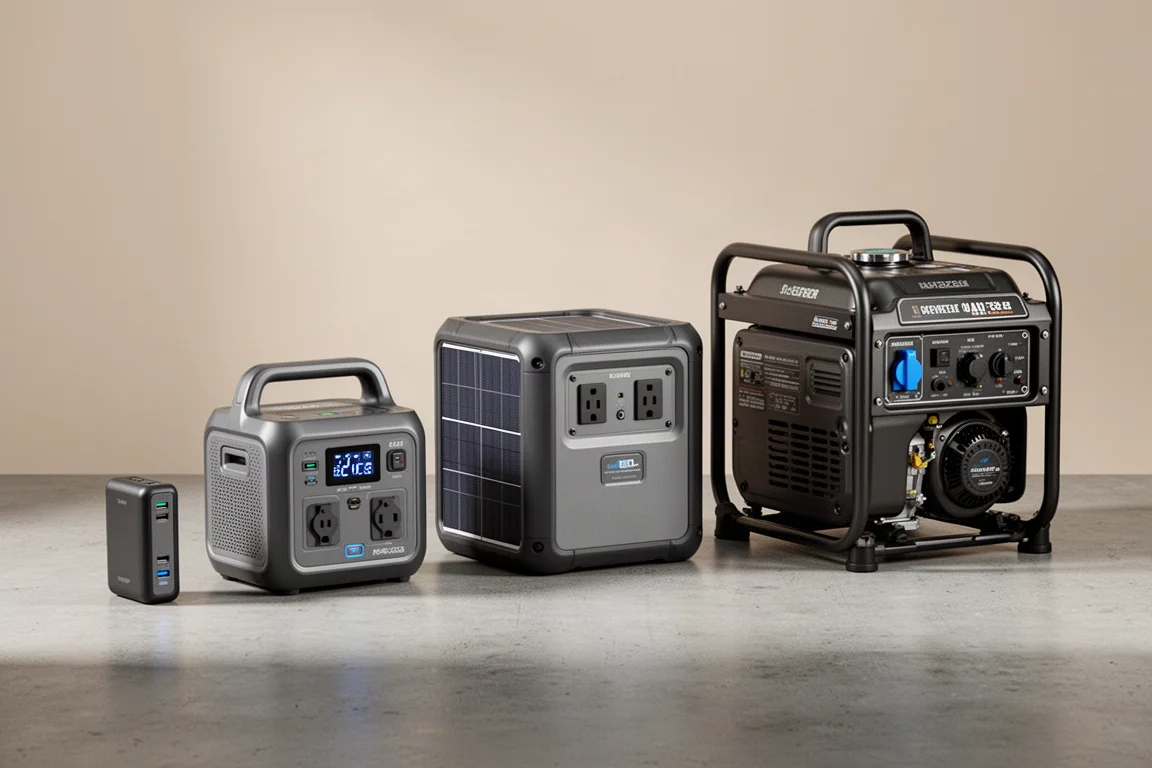
Introduction
When a serious winter storm is on the way, the priority list is simple: keep the power on, keep phones and laptops charged, and keep the family safe. Backup power products solve this at very different scales, and the right choice depends on what you actually need to run. This guide walks through four options from smallest to largest: compact battery banks built on tool batteries, a mid-size solar power station, a large expandable power station, and a big gas inverter generator. Along the way, we cover the safety rules that matter most, especially the one about carbon monoxide that people get wrong every single year.
Small Battery Banks: Phones First
The smallest and cheapest option is a battery bank, something that keeps your phone going and maybe tops up a laptop. These are widely available at hardware stores and big-box retailers, and quality varies. Units sold at hardware stores tend to feel a bit more robust and heavy-duty than the most basic options elsewhere.
A good example is a Ryobi-style bank that takes 18V tool batteries, with multiple batteries sliding in to extend run time. It offers USB-A and USB-C ports and can charge a phone several times. A step up in the same family adds a 12V outlet alongside the USB ports and uses a single tool battery for somewhat less run time but more portability.
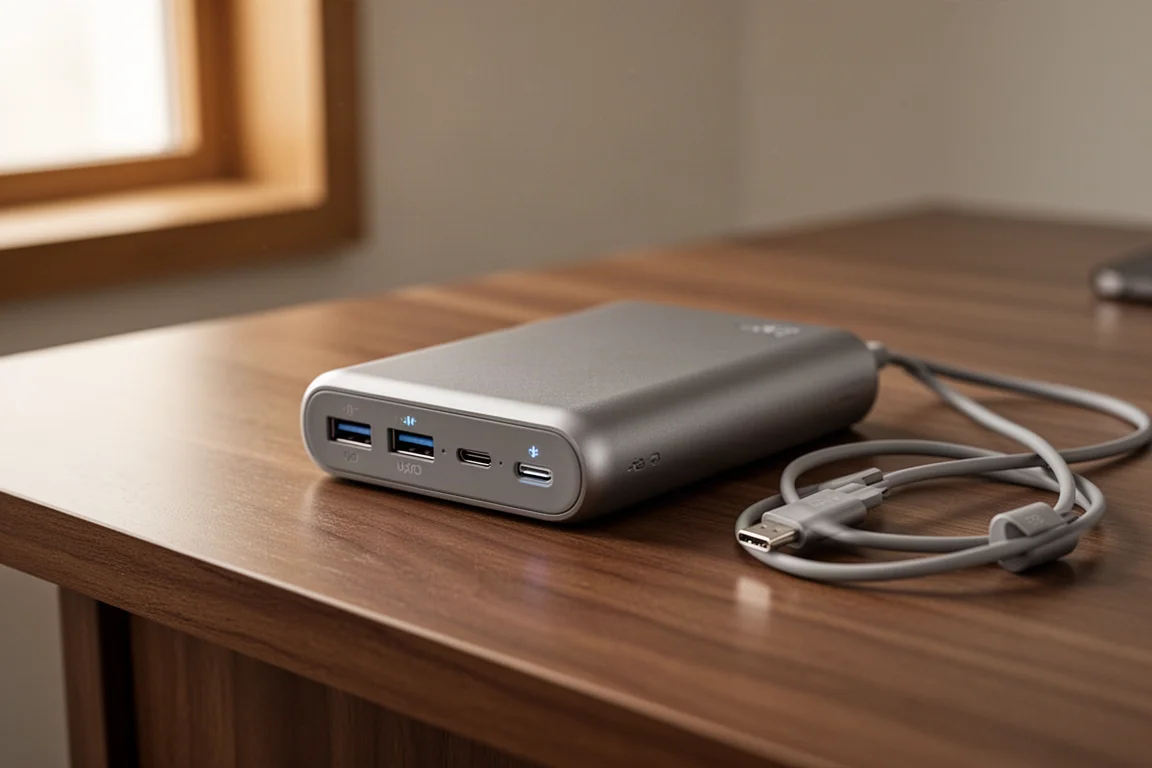
Keep expectations realistic: these are for phones and emergency calls, not for running lights or heat. And charge them fully before the storm arrives so they are ready when you need them.
Tool-Brand Power Supplies: Cheaper If You Are Already Invested
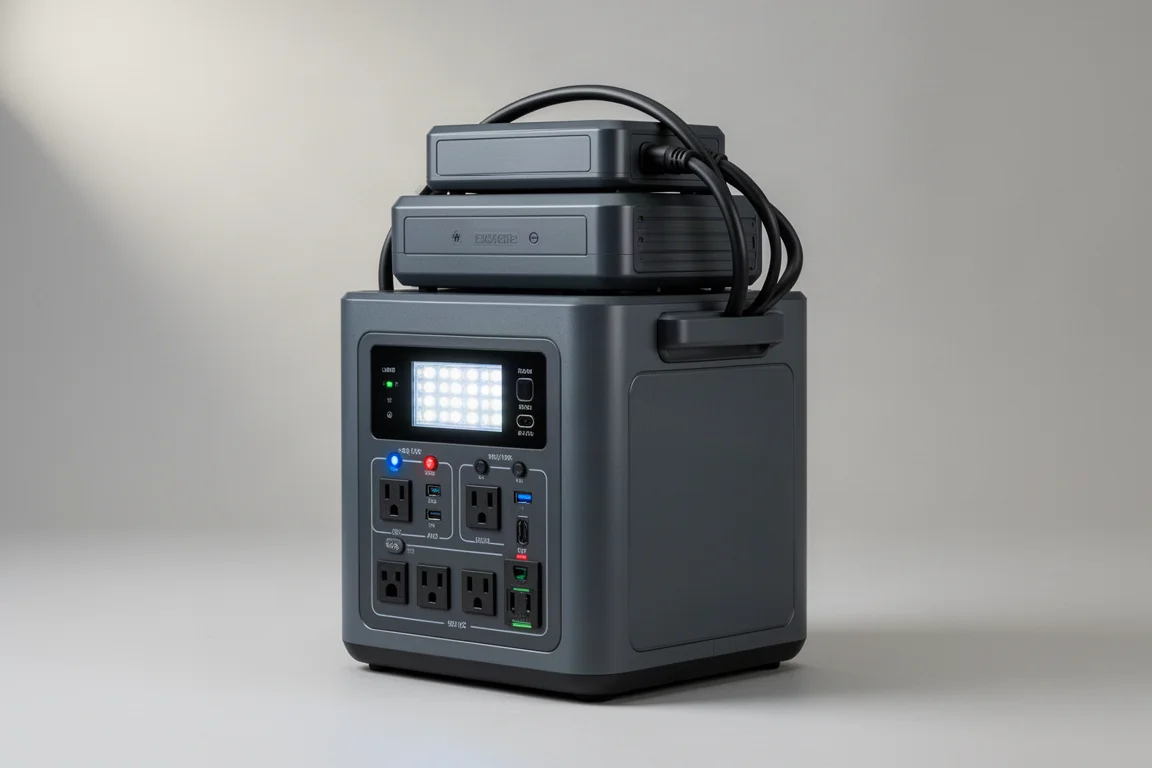
If you already own batteries from a brand like Ryobi, Milwaukee, DeWalt, or Ego, a dedicated power supply that runs on those same 18V batteries is worth a serious look. These units are basically a shell with a power inverter inside, which is why they can cost less than buying an all-in-one unit where you are also paying for an internal battery.
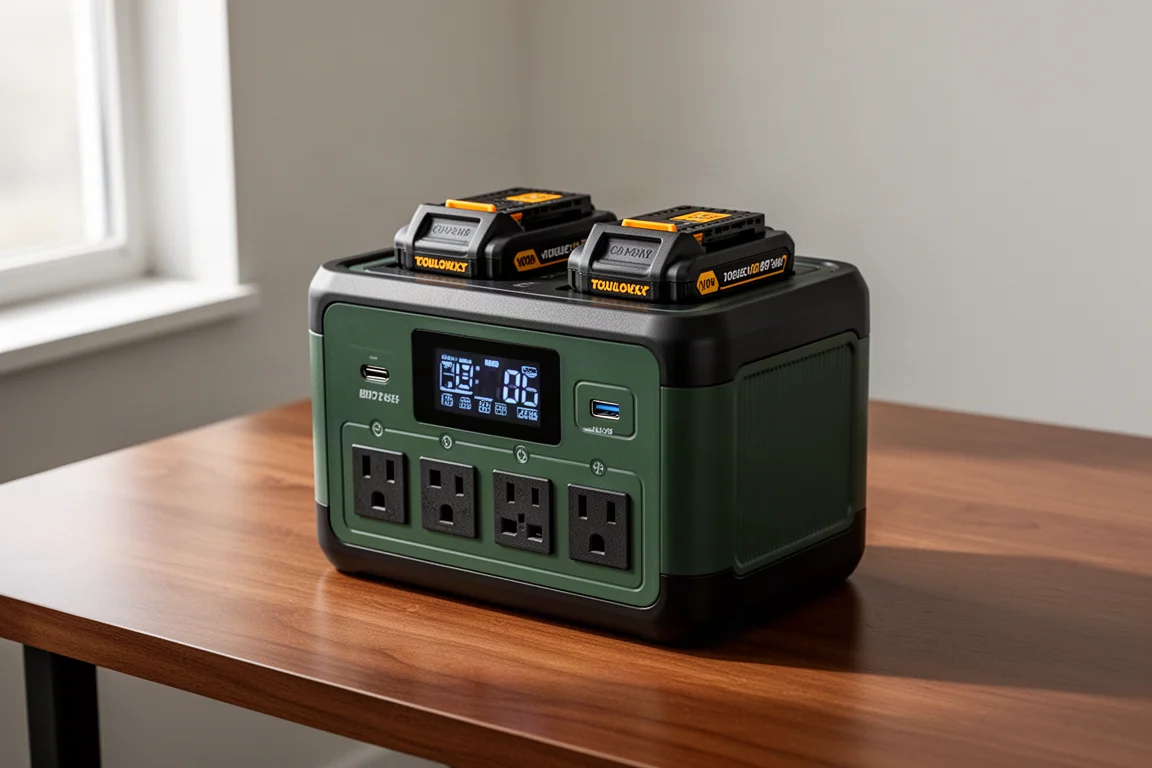
The Ryobi 18V power supply does not need a pile of batteries to work. You can insert a couple, and the more you add, the more output you get. It has an LED screen, multiple outlets, a USB-C port, and can be charged with solar. It even includes built-in safety and hazard lights, which is genuinely useful in a dark, spooky outage. Every major tool brand offers something similar, so check the one you already own.
Mid-Size Solar Power Stations
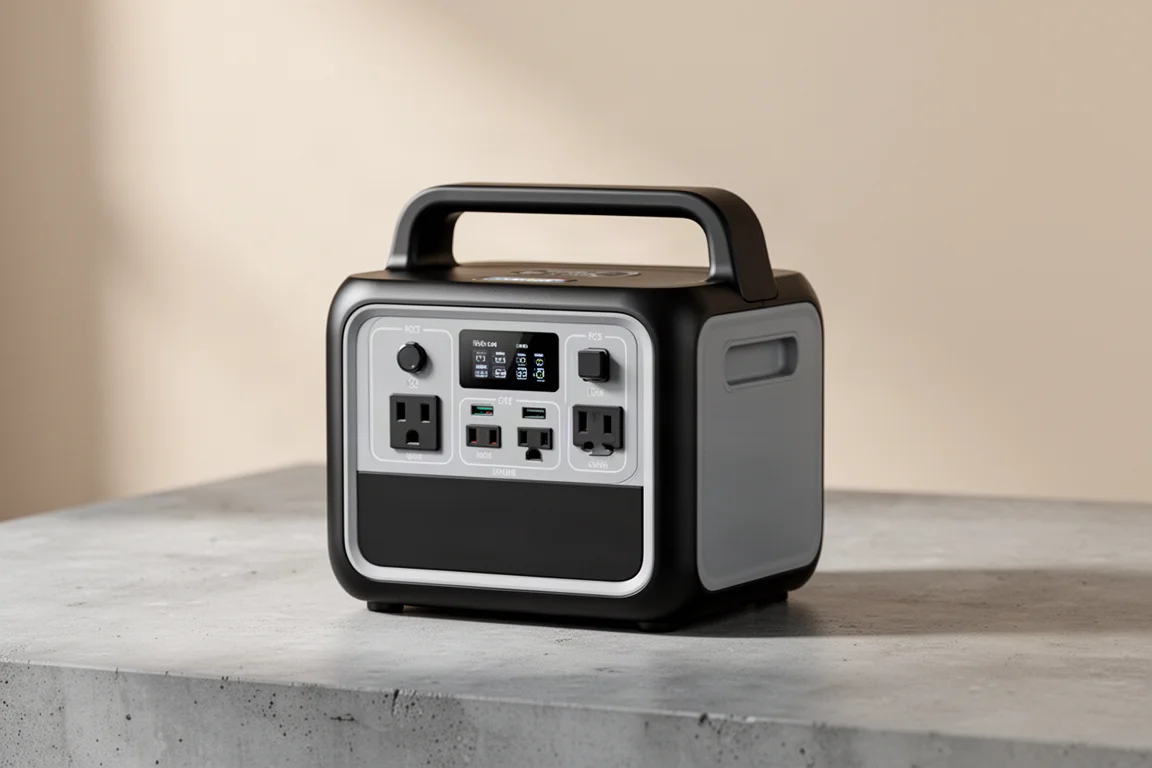
The next step up is a dedicated portable power station with solar charging capability. Brands worth trusting in this category include Bluetti and Anker, though many others exist. A smaller unit in this class handles laptops, TVs, and phones comfortably, with a barrel plug, a 12V outlet, standard AC outlets, USB ports, a 100-watt USB-C output, and a 15-watt wireless charging pad on top.
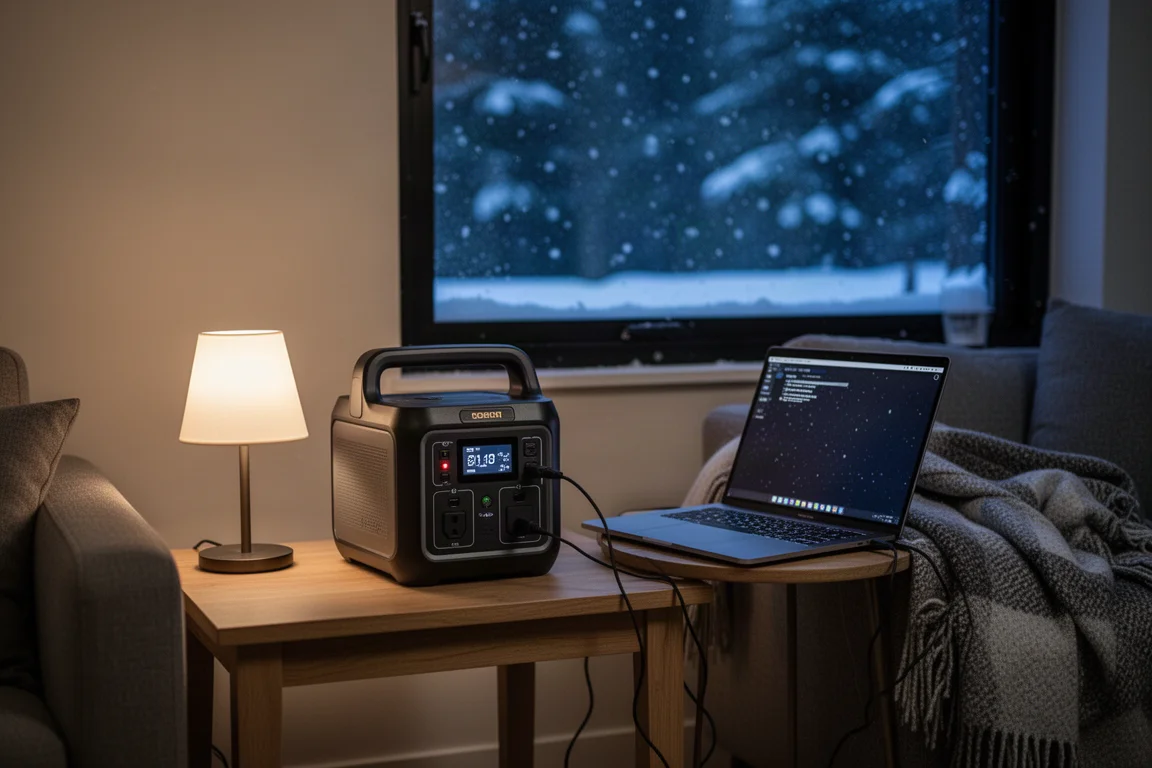
What makes this category stand out is the solar intake. These units accept huge solar input, in some cases up to around 1,500 watts, and they can also be recharged from a wall outlet or even a gas generator. Many offer Bluetooth app control and Wi-Fi connectivity for monitoring and managing output. That flexibility to recharge from the sun after a storm passes is a real advantage in regions where the skies clear quickly.
Whole-Home Power: Anker Solix
At the top of the battery-powered range sit the large portable power stations, and the Anker Solix is a standout example. These are absolute monsters with far more power out and more power in, enough to run an entire house for hours and hours through an inlet switch, powering a furnace, hot water tank, or freezers.
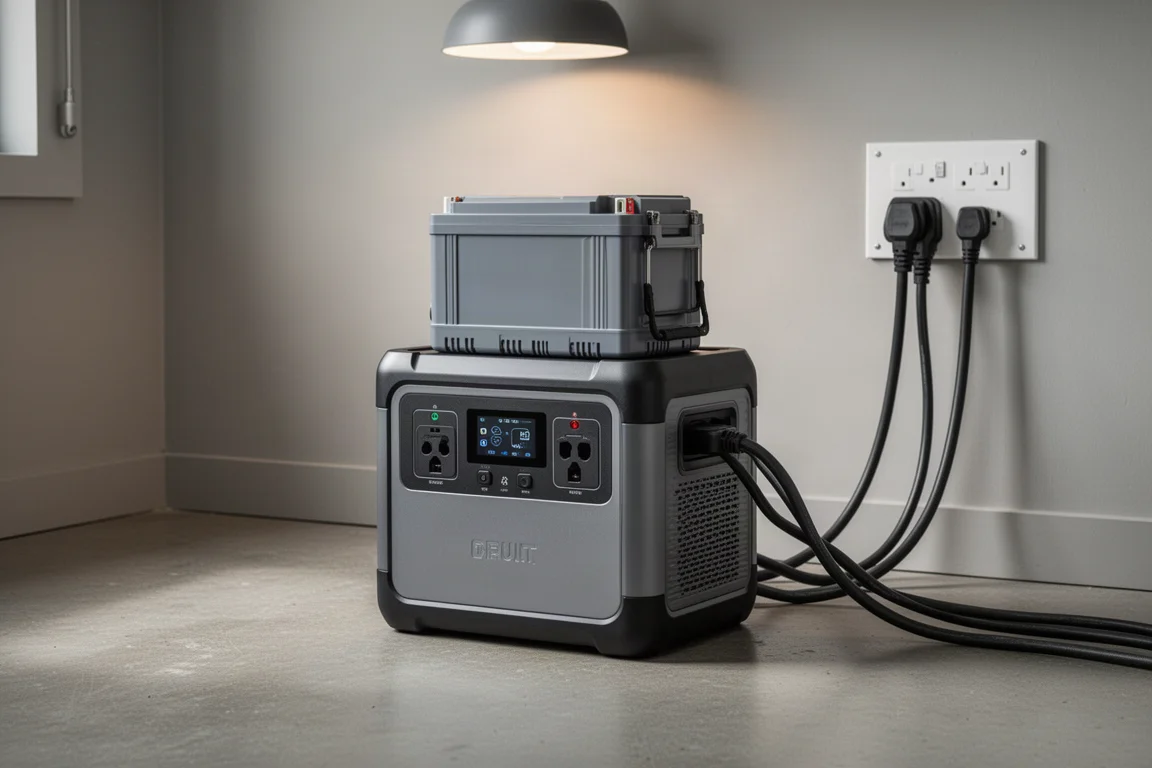
Recharging is fast, whether from a generator or from solar panels, which matters if a storm blows through in the south and the sun comes out the next day. You can also add battery expansion packs, up to six stacked on top of one unit, for days of run time. The trade-off is a powerful price tag, and you still need to manage consumption: skip the dishwasher, washer, dryer, and microwave where you can. The big safety win is that these are safe to run indoors, even in the living room, with no carbon monoxide risk.
Gas Inverter Generators: Predator 9500
This is the option many people picture first: a gas inverter generator like the Harbor Freight Predator 9500. It runs strictly on gas, which keeps things simple: add fuel and it runs as long as you need. It is heavy but has handles that make it manageable to move. Note that these tend to sell out quickly when a big storm is forecast, so buy early. One known issue with this model has been a faulty electric-start switch on some units; a replacement switch is cheap and the fix took about half an hour.
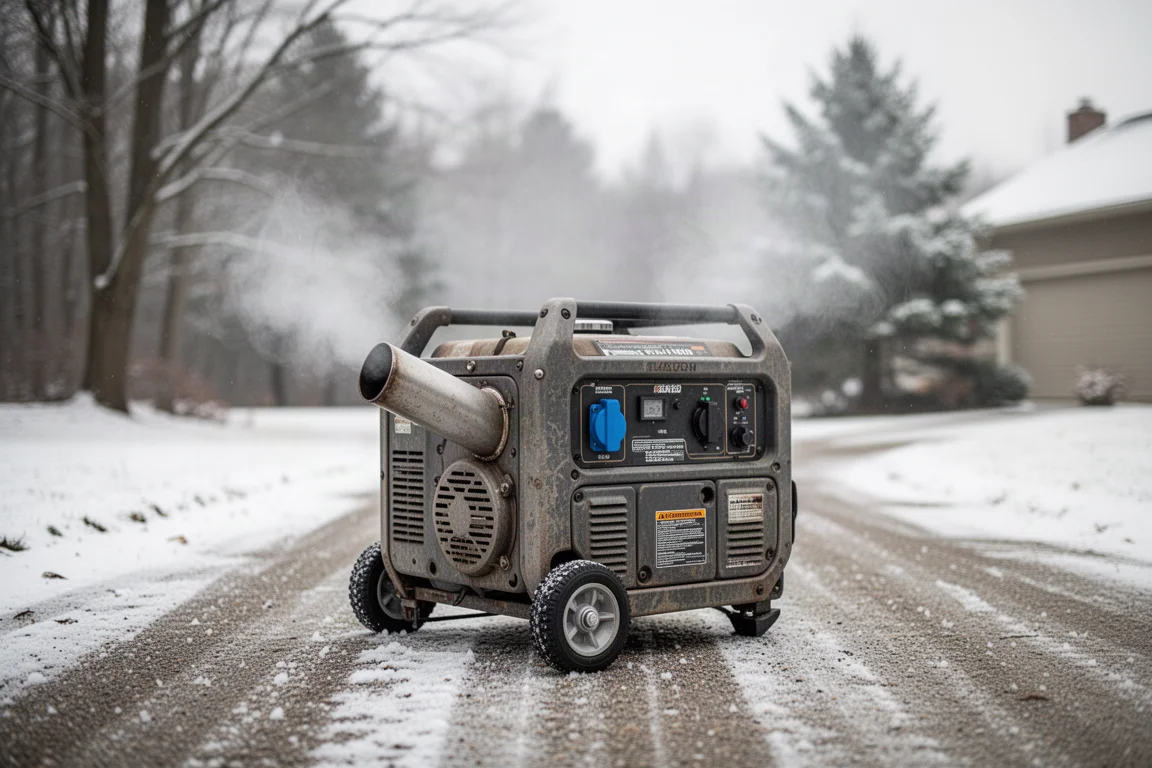
Gas generators are versatile. You can plug lights and TVs directly into the front panel with extension cords, connect it to an inlet switch to power the house, or use it to charge battery power stations for an hour and then shut it down overnight to save gas and keep things quiet. Eco mode cuts fuel use when loads are light, and this unit produces clean power that should not damage electronics, unlike a plain non-inverter generator, where voltage fluctuations can be a risk for phones and computers.
Prep is different here. Cold weather can make the oil gunky, so keep the unit above freezing and let it warm up a bit before starting. Keep a full gas can on hand, and run the unit for about 30 minutes every month so the starting battery stays healthy. Expect some black smoke on a cold first start. Above all: never run a gas generator indoors or in a closed garage. Carbon monoxide can seep into bedrooms even with the garage door down, and this kills people every year. Only battery-powered units are safe to use inside.
Gas vs. Battery: A Sensible Combo
Many people land firmly in one camp, but gas and battery backups genuinely complement each other. Battery stations run out of charge unless you have clear skies for solar, while a gas generator can run for days and weeks but is noisy around the clock. A practical pattern is to run the generator briefly to top up the battery stations, then switch it off and run the house quietly and safely indoors on battery power. If you have expansion batteries and solar panels, battery-only can be the right call; in persistently cloudy regions, gas may still be the safer single choice.
Buying Advice and Conclusion
Match the tool to the need. For phones and emergency calls, a small battery bank on your existing tool platform is plenty. If you are already brand-loyal to a tool battery lineup, a Ryobi 18V-style power supply saves you the cost of an internal battery. For laptops, TVs, and flexible solar recharging, a mid-size station from Bluetti or Anker hits a sweet spot. For whole-home runtime with room to grow, the Anker Solix with expansion packs is the serious option. For unlimited runtime in a prolonged outage, the Predator 9500 gas inverter is hard to beat, provided it stays outdoors with plenty of ventilation. Whatever you choose, charge it or fuel it before the storm, and never run anything combustible inside a closed space.
Further reading
Related Reviews
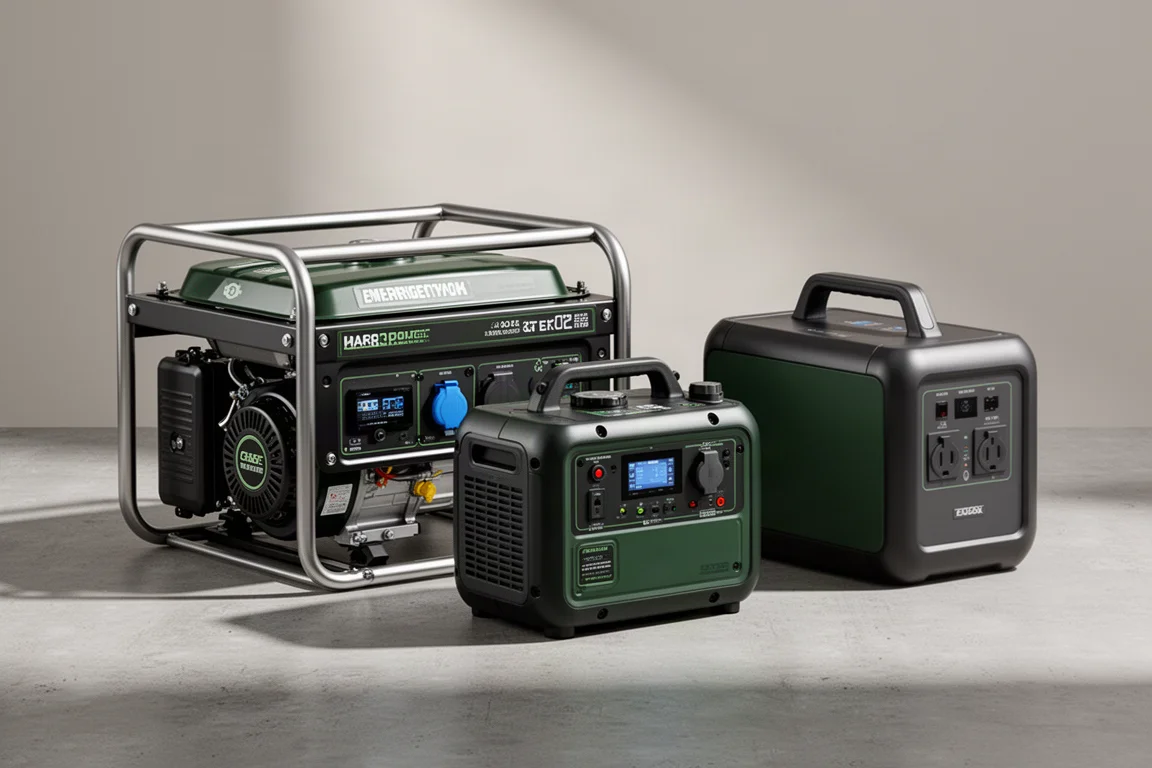
Emergency Power
Best Emergency Backup Generators and Power Stations: From 12,000-Watt Workhorses to Battery Power
Open frame, inverter, super quiet, and power station options compared, with practical guidance on wattage, fuel type, and price.

Backpacking Gear
Building a 10 lb Base Weight: An Ultralight Backpacking Gear List
A practical walkthrough of the ultralight pieces behind a 10 lb base weight, from a 765 g pack and a roomy one-person tent to a full camp chair and a dependable water filter.

Road Bikes
10 New Road Bikes Worth Watching: Aero, Titanium, Steel and Endurance Standouts
A practical roundup of 10 new road bikes, from aero flagships chasing single-watt gains to titanium, steel and endurance platforms built for real roads.