Emergency Power
Best Emergency Backup Generators and Power Stations: From 12,000-Watt Workhorses to Battery Power
Open frame, inverter, super quiet, and power station options compared, with practical guidance on wattage, fuel type, and price.
Introduction
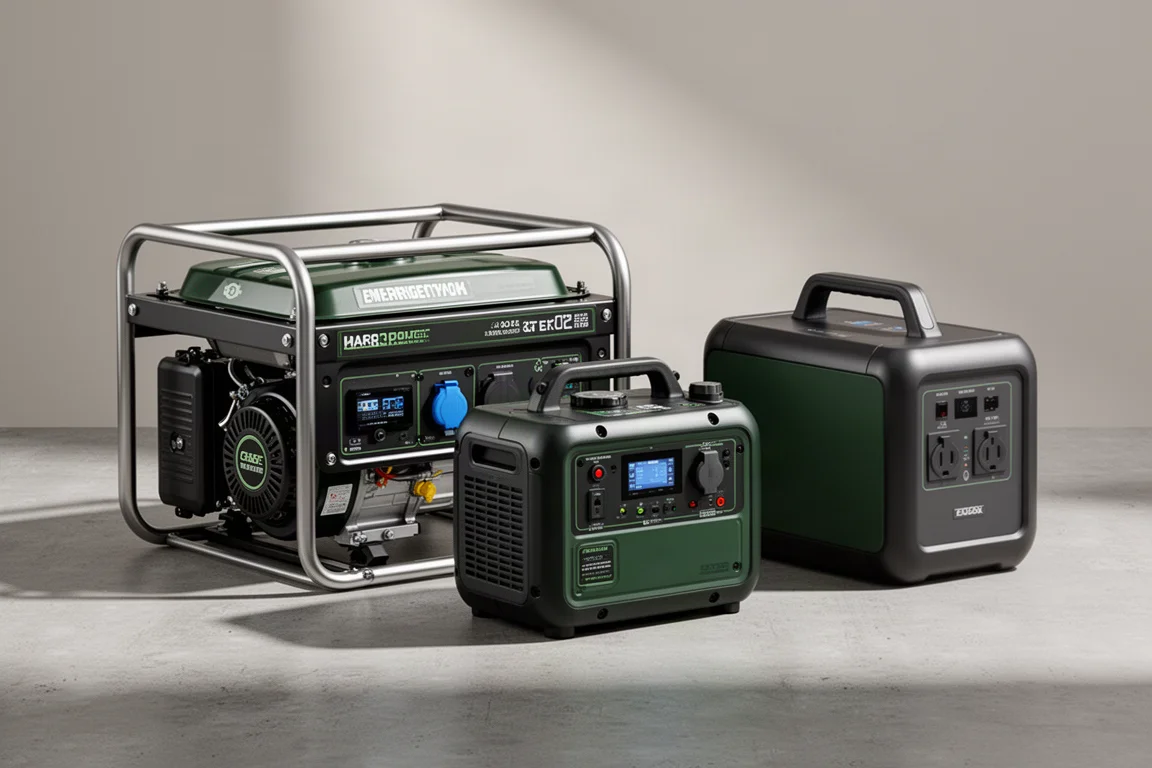
Storm season, winter weather, and rolling blackouts all point to the same conclusion: backup power is worth thinking about before you need it. The market splits into four broad categories. Open frame generators deliver the most power for the least money, but they are loud. Inverter generators clean up the power for sensitive electronics. Fully enclosed inverter generators, often called super quiet models, trade some value for discretion. Finally, power stations, sometimes mislabeled as solar generators, offer silent battery power with zero fumes.
A few things apply across the board: most generators are rated with a starting (peak) wattage and a lower running wattage, running on propane costs you some output versus gasoline, and high altitude reduces power on every model. Also, set any fuel generator well away from living spaces, never in a garage or house, and position it so prevailing winds carry the exhaust away.
Open Frame Generators: Maximum Power Per Dollar
If all you want is as much power as possible for as little money as possible, the old school open frame generator is the way to go. They are loud, and a big loud generator in your yard does announce itself, but nothing else matches the wattage per dollar.
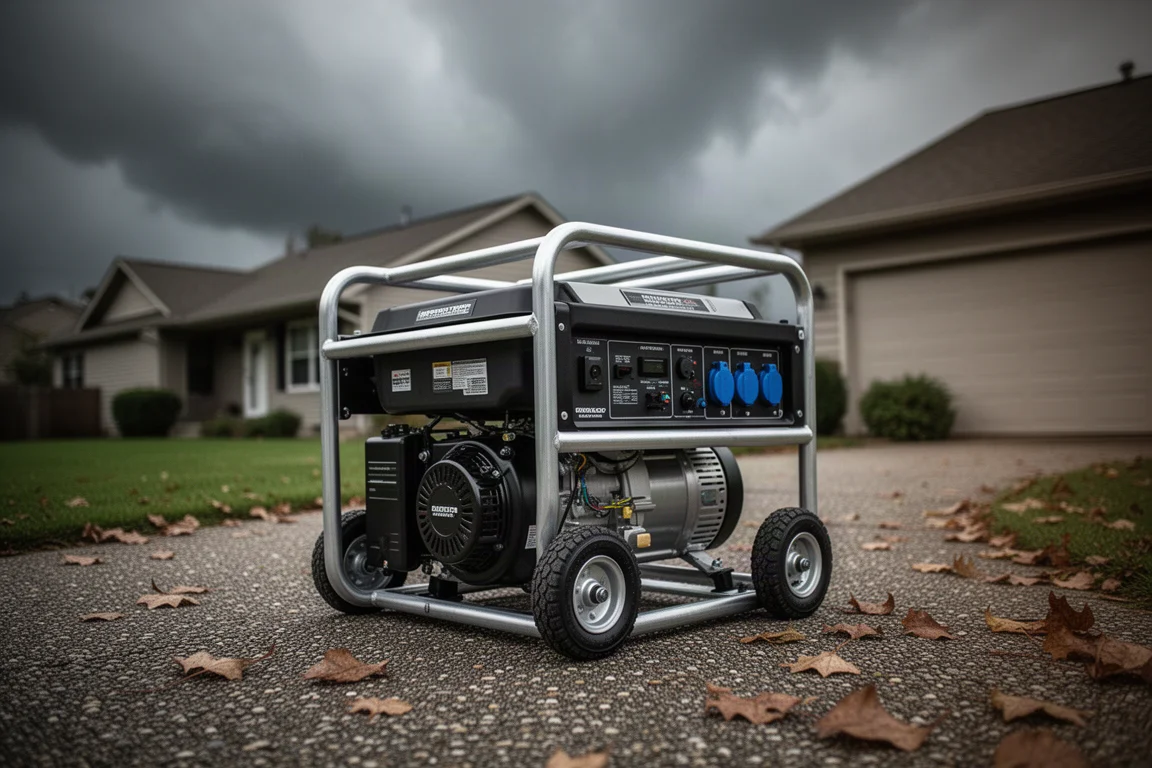
DuroMax 12,000-Watt Dual Fuel Open Frame
The DuroMax tops out at 12,000 starting watts with around 9,500 running watts, and it runs on gasoline or propane, which you don’t get from a lot of competitors in this price class. Expect a little less output on propane. It isn’t the biggest name brand, but feedback on it has been generally positive, and at a list price of $1,349, on sale around $1,099, it makes a compelling argument.
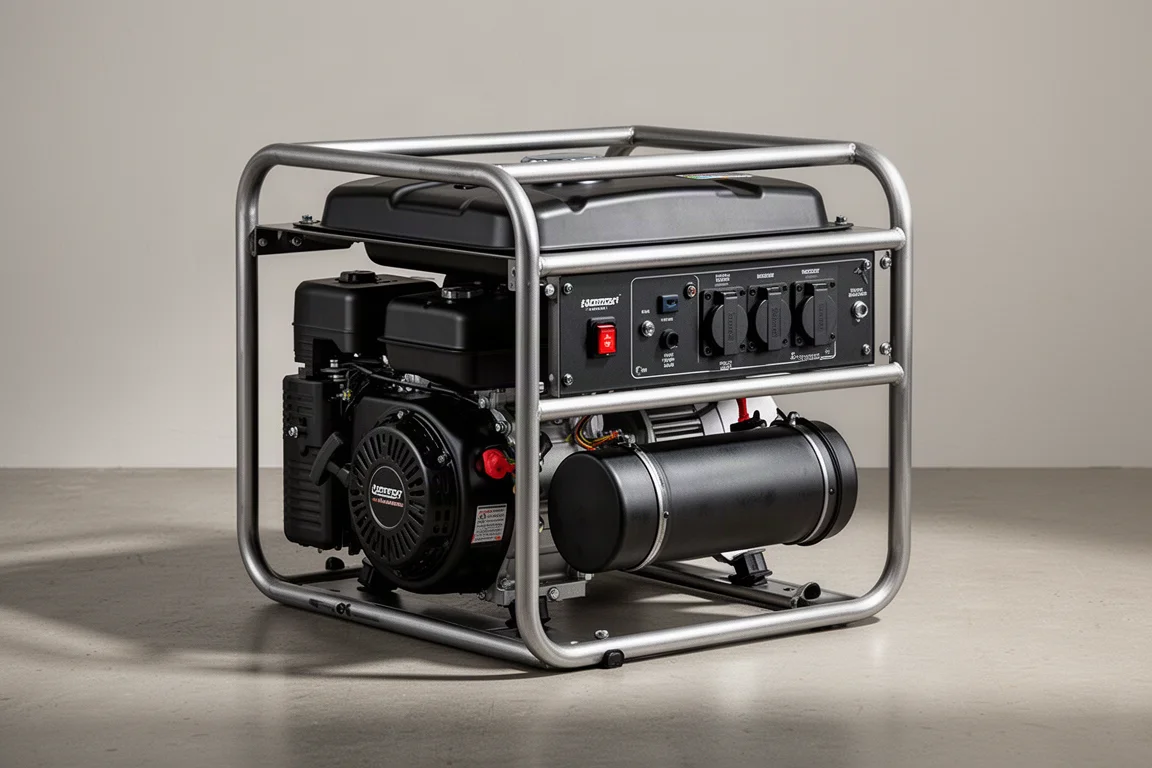
Champion 11,500/9,200-Watt Open Frame
Champion has a strong following, with only occasional negatives reported. At $1,029 you get 11,500 starting and 9,200 running watts with electric start, and a more established name brand than the bargain options. You give up dual fuel and a bit of power to get that.
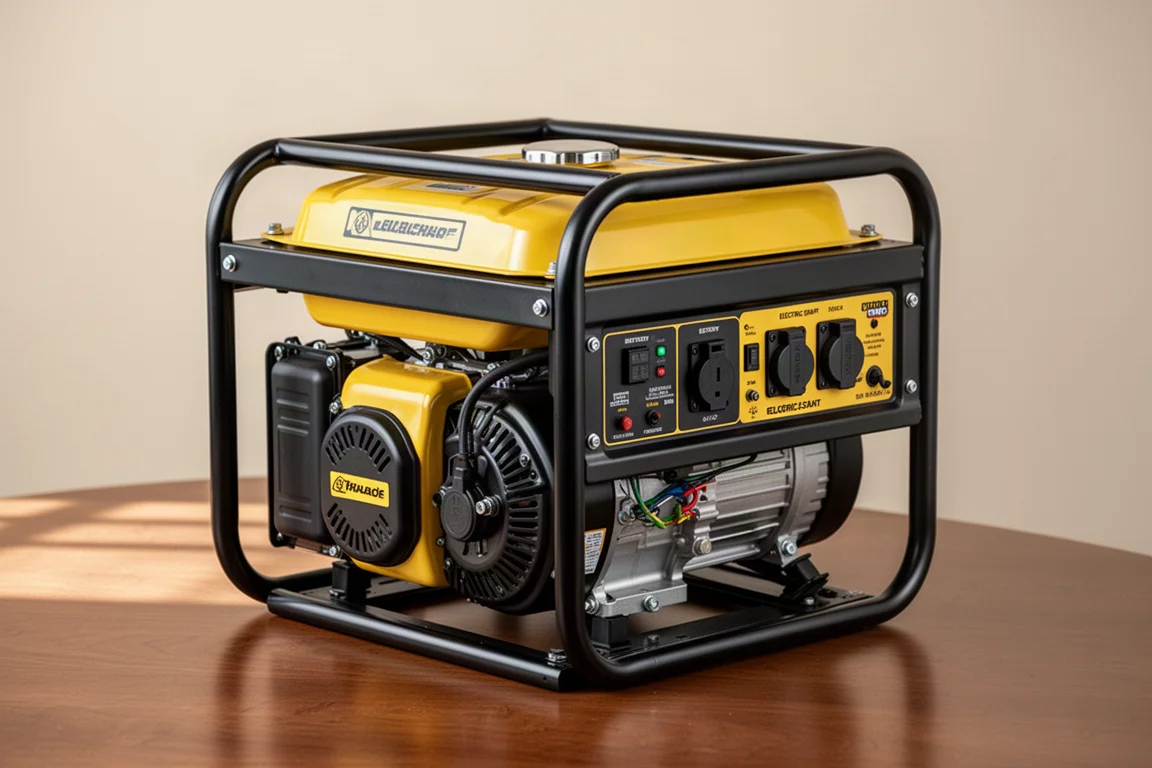
Westinghouse 12,500/9,500-Watt Dual Fuel
Westinghouse is a resurrected brand name licensed onto other manufacturers’ products, and service goes through contracted independent shops rather than a dedicated Westinghouse support network, which makes support questionable. That said, feedback on the products is largely positive, and the specs here are strong: 9,500 running and 12,500 peak watts, dual fuel, for about $1,000. Two things stand out: the listing shows running watts first, which is honest advertising, and it breaks out gas versus propane output at a glance.
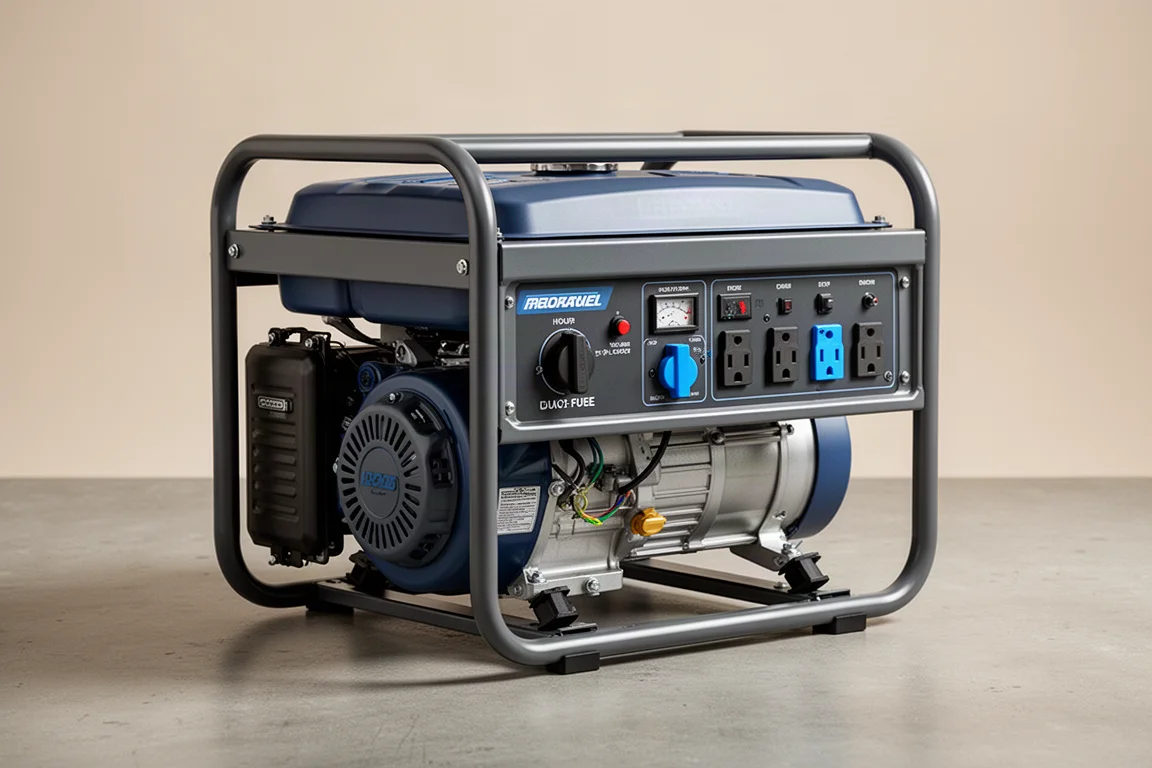
Pulsar 12,000/9,500-Watt Dual Fuel
Pulsar has been around for a while as a bargain brand rather than a true name brand. For $800 with electric start you get dual fuel and roughly 12,000 peak and 9,500 running watts. If support matters less to you than maximum features per dollar, it is worth a look, and buying through a large retailer adds a small layer of backup.
The 9,000-Watt Class: The Standard Home Generator
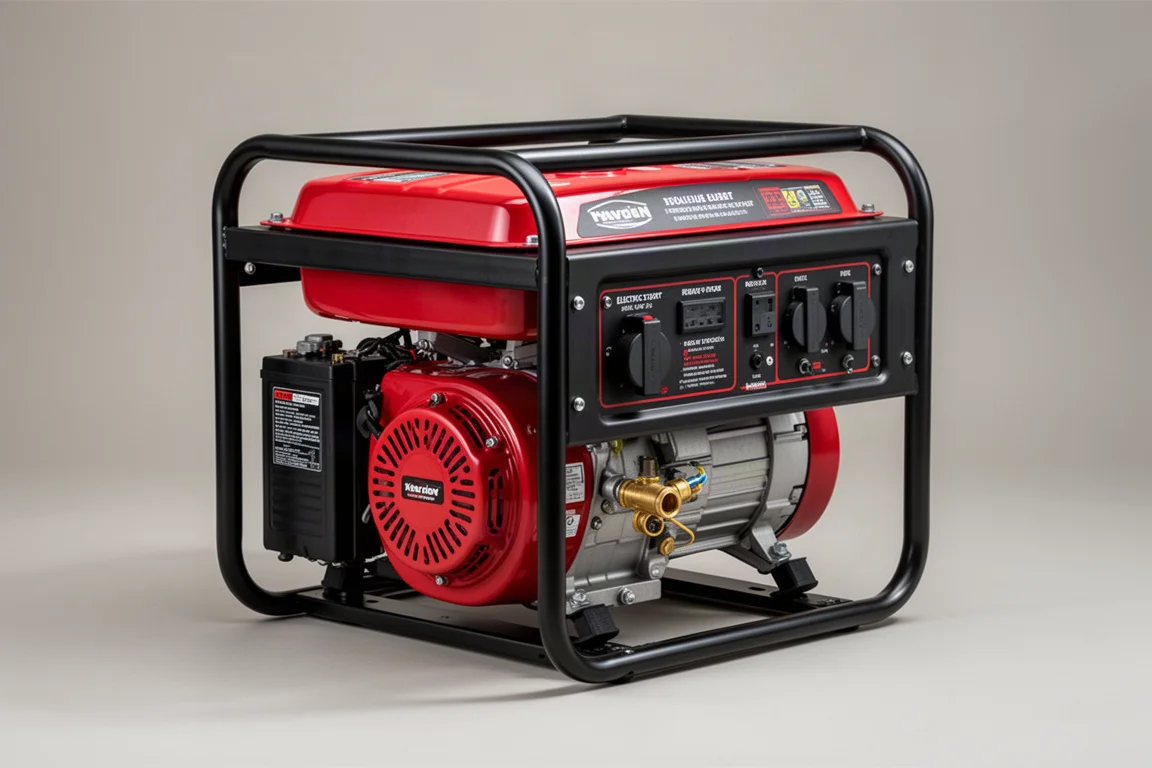
Around 9,000 watts has long been the standard size for a whole-home backup, and this class has some of the best value in the market.
Harbor Freight Predator 9,000-Watt Open Frame
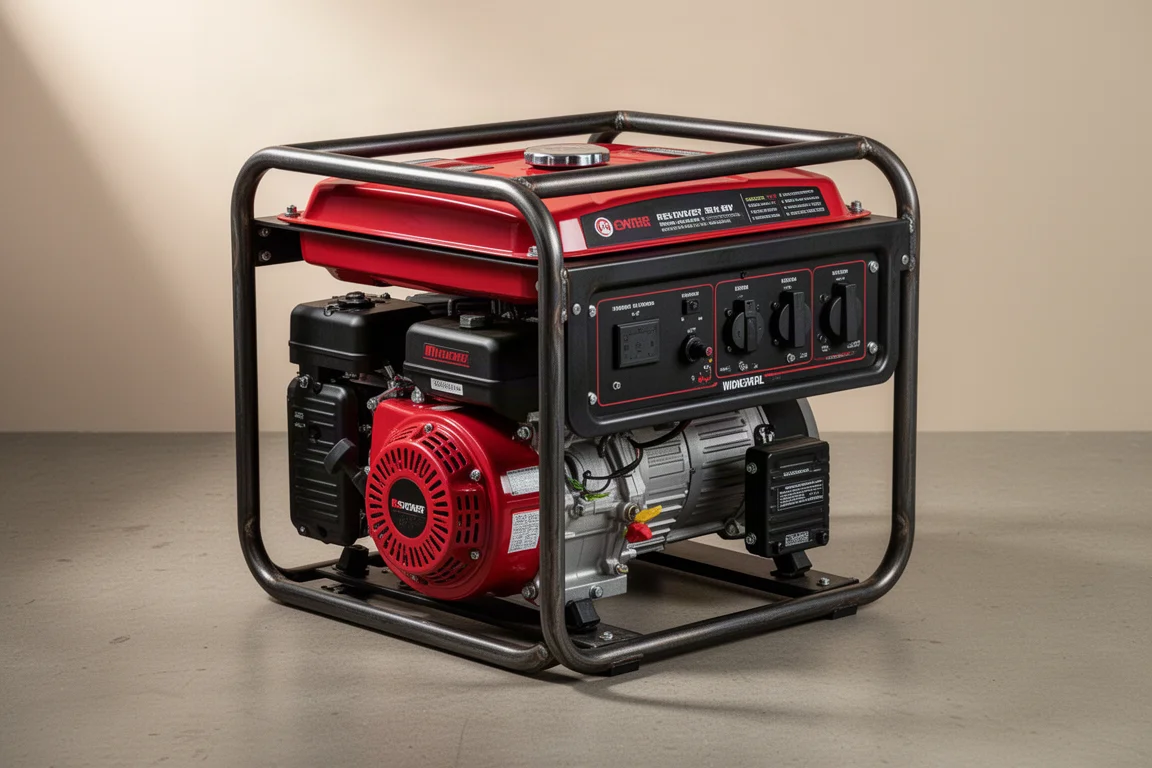
The Predator 9,000 is what many people run as their home generator, and the brand has largely replaced Honda at RV parks and campsites; Consumer Reports has rated the Predator line among the best for the money. A genuinely useful Harbor Freight policy: buy the two-year extended warranty and you can trade up to a newer model during that period, at the local manager’s discretion, though you can’t trade down. That trade-up path is how one owner moved from this open frame unit to the fully enclosed version.
Super Quiet Inverters for RV and Home Backup
Fully enclosed inverter generators are the pick when you want discretion without building your own enclosure. They cost more, but you won’t spend the outage listening to your generator.
Harbor Freight Predator 9,500-Watt Fully Enclosed Inverter
This is the unit many families keep for home backup, purchased with their own money because it was the best value available at the time. With around 9,500 peak watts in an enclosed inverter body, it hits the sweet spot of quiet operation and serious output.
The 3,500-Watt Super Quiet Class
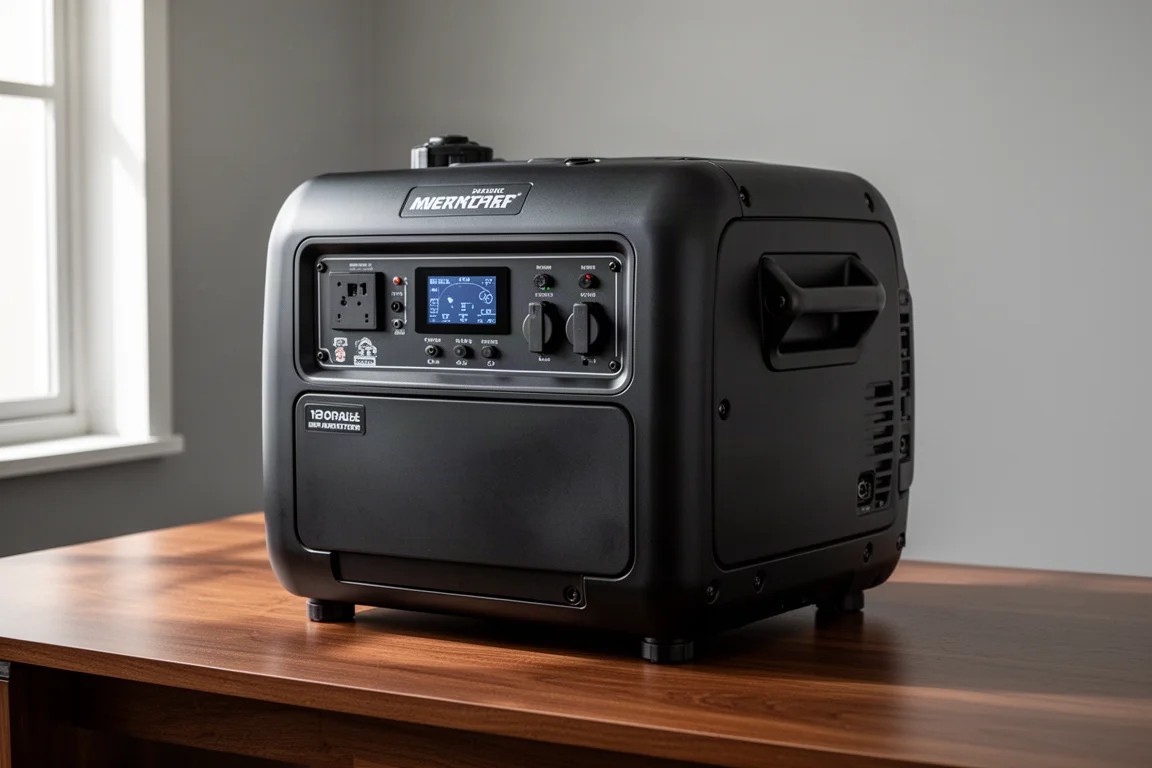
This is the gold standard size for a basic RV generator, typically with a 30-amp plug you can run the whole camper from. Peak ratings sit around 3,500 watts with running output close behind.
Harbor Freight Predator 3,500-Watt Super Quiet Inverter
The Predator 3,500 is the benchmark here: fully enclosed, super quiet, 3,000 running watts, and a 30-amp outlet. Long-term testing from full-time RVers has been positive, especially for running air conditioning with a soft start kit installed.
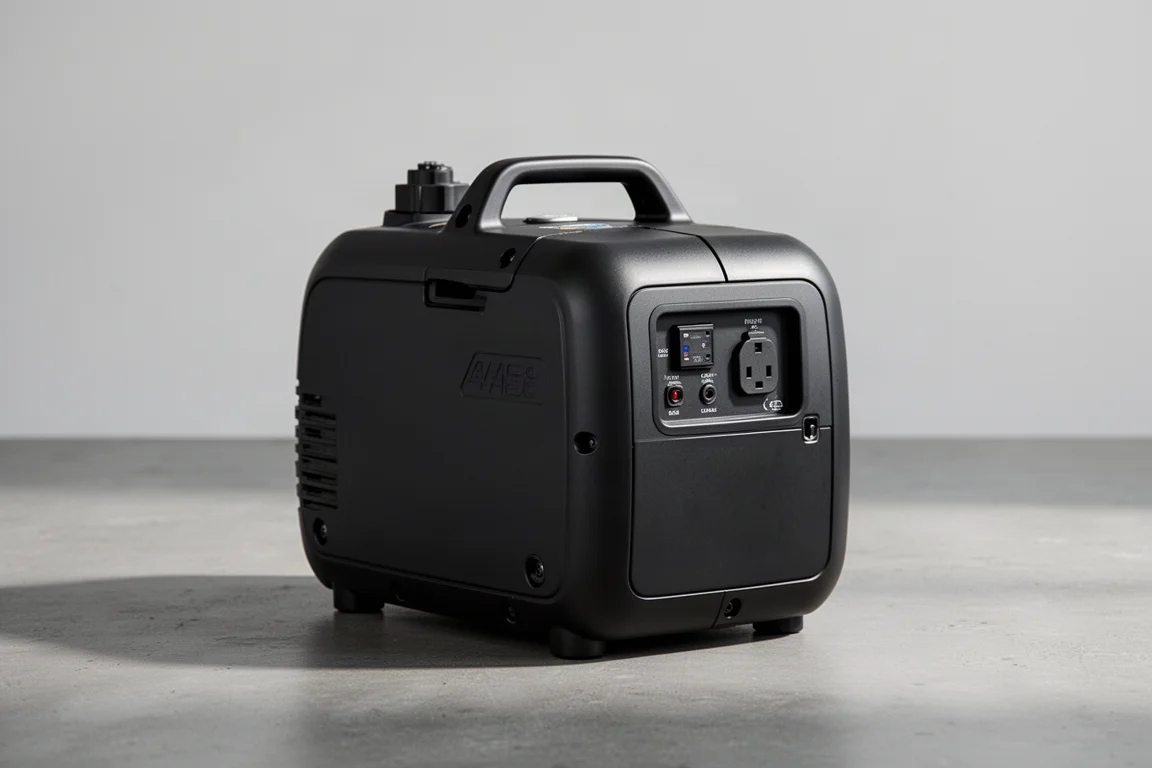
WEN 3,800-Watt Inverter
The WEN comes in at $642 versus roughly $900 for the Predator, with 3,800 peak watts, electric start, and the works. WEN’s general company service record is mixed, but reports on their generators have been noticeably better, and at this price it is hard to ignore.
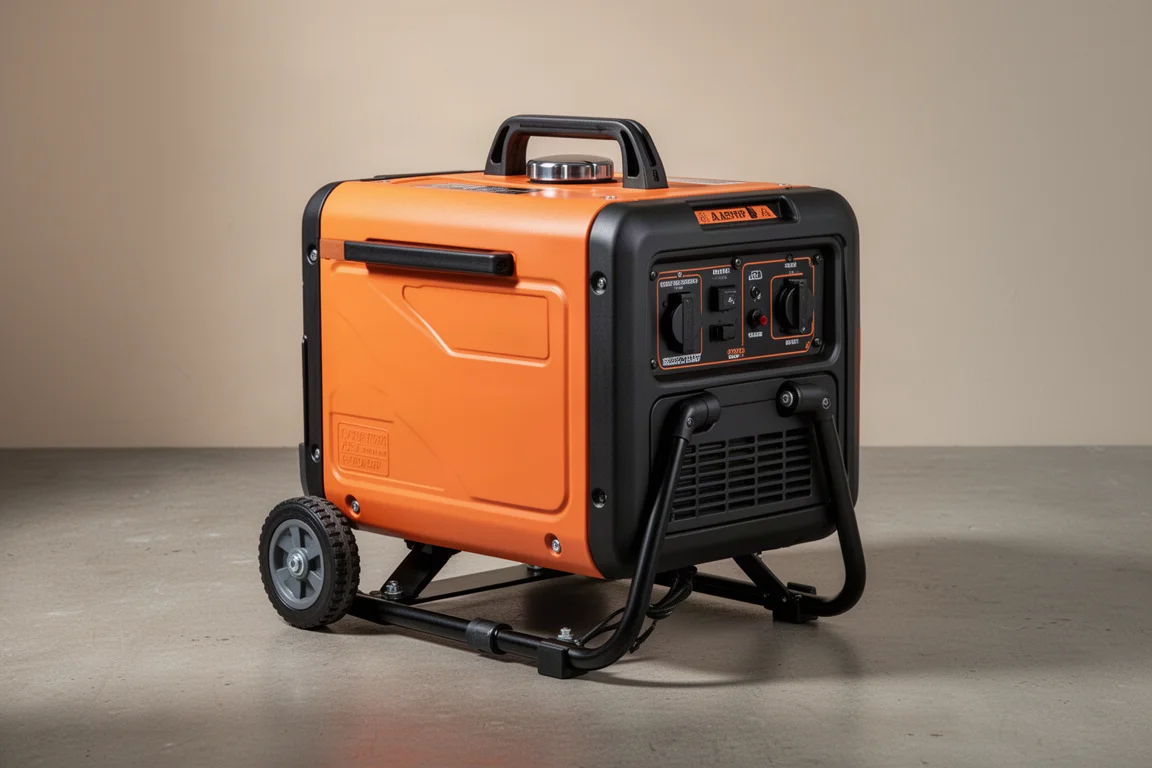
GenMax GM3200i
Don’t confuse the black-and-orange GenMax with Generac; it’s a totally different brand with clearly borrowed styling. The interesting part is the packaging: a claimed 3,200 watts in a compact suitcase format, listed at $600 with a $50 coupon bringing it to $550.
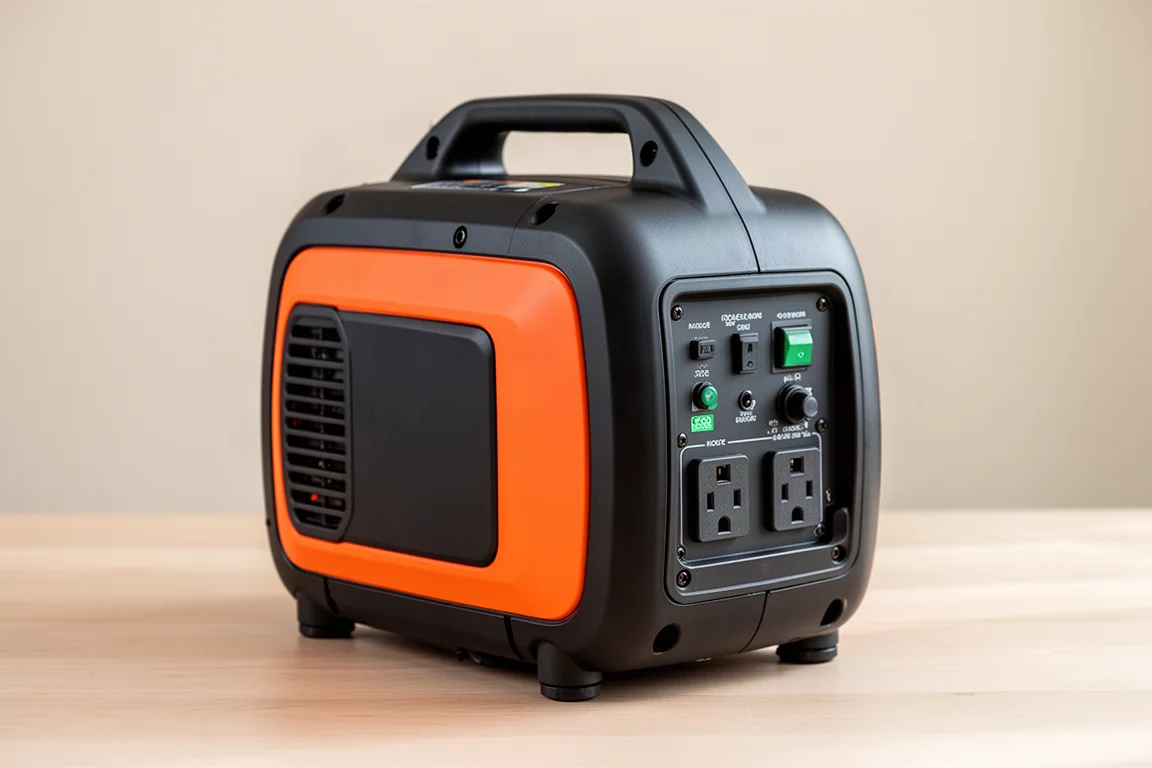
Champion 4,500-Watt Remote Start Inverter
If you need slightly more, the updated Champion delivers 4,500 starting watts with remote start for $749, still under the larger Predator. Larger rear wheels and a pull-out luggage-style handle make it far easier to move around than the small-wheel designs most brands still use.
Small 2,000-Watt Inverters
For light-duty trips or pairing up, 2,000-watt inverters are easy to carry and can be linked in parallel. Note how parallel linking works: you can mix brands and sizes, but the combined output is based on the lower-rated unit, doubled.
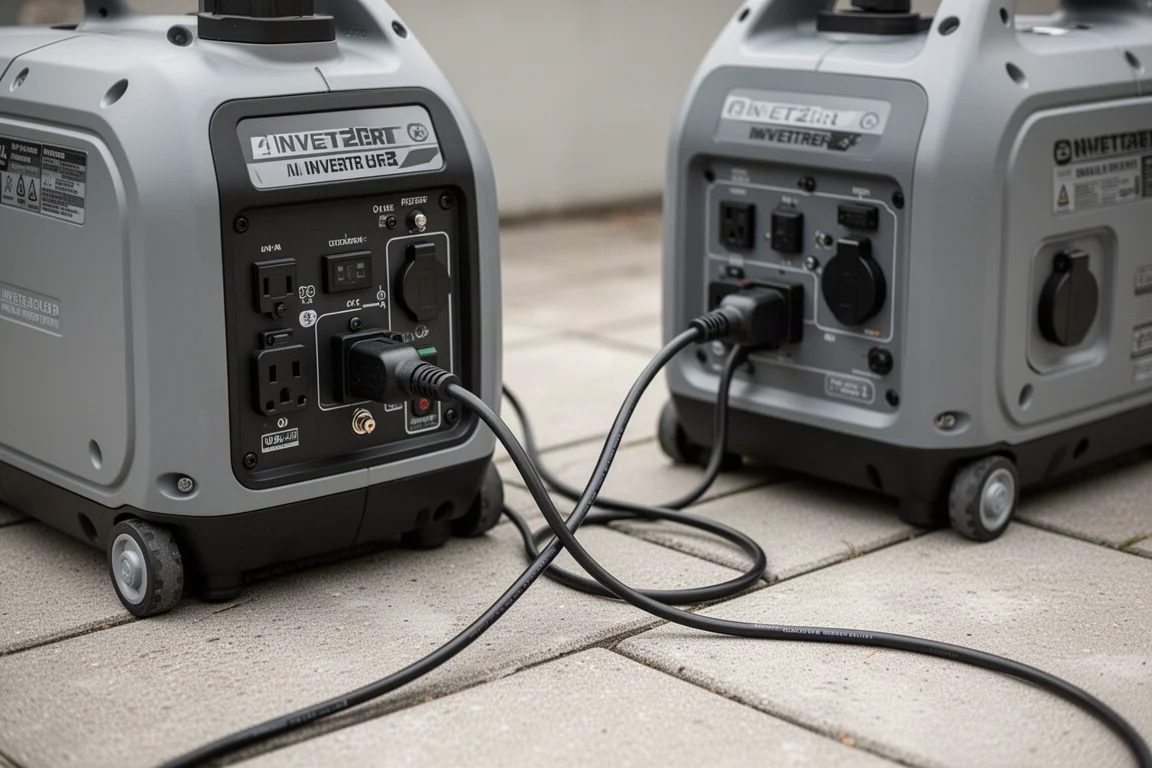
Harbor Freight Predator 2,000-Watt Inverter
The Predator 2,000 runs $620 and can be dual-linked for up to 4,000 watts. It is well built, but in this size class the competition undercuts it significantly.
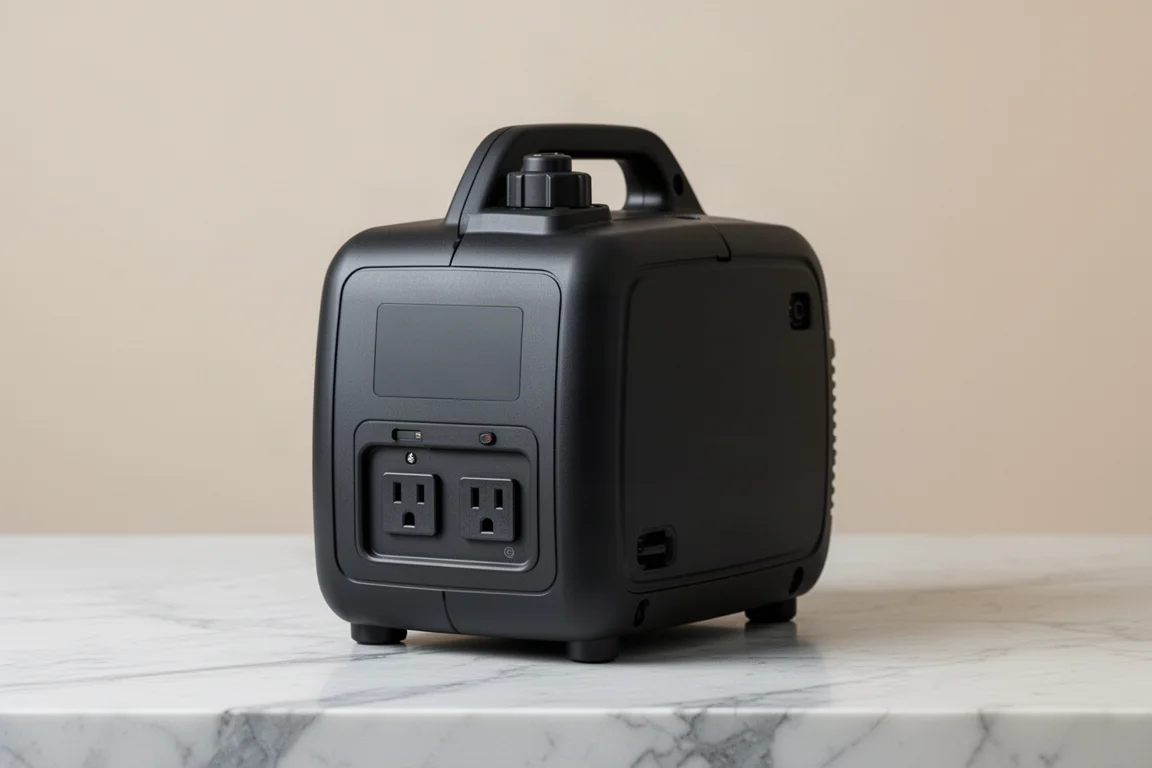
The WEN 2,000-watt inverter at $343 is the standout value here: carb compliant, fuel shutoff, ultralight, and pairable, at less than the Predator’s price. That is a hard argument to beat, even for loyal Predator buyers.
Power Stations: The Battery in the Box
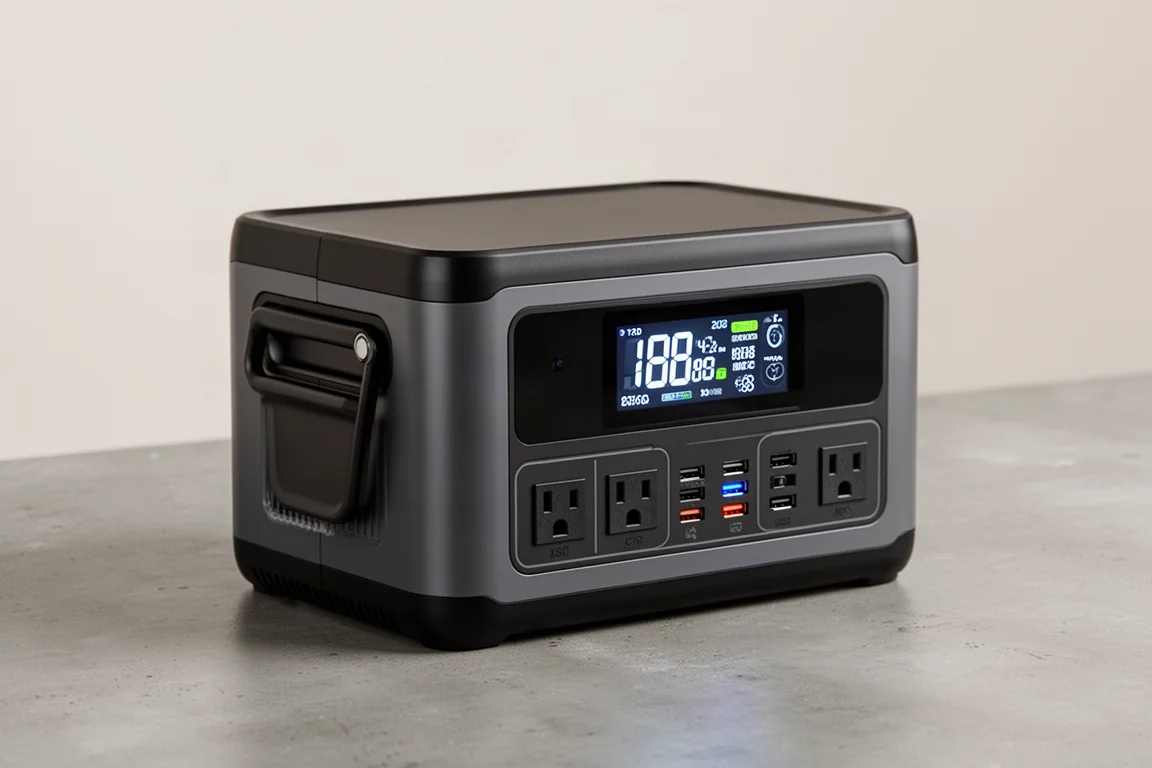
Power stations are silent, fume-free, and rechargeable. LiFePO4 batteries pack slightly less energy per size than lithium-ion, but they are far more stable, don’t catch fire, and last dramatically more recharge cycles, roughly four times as many.
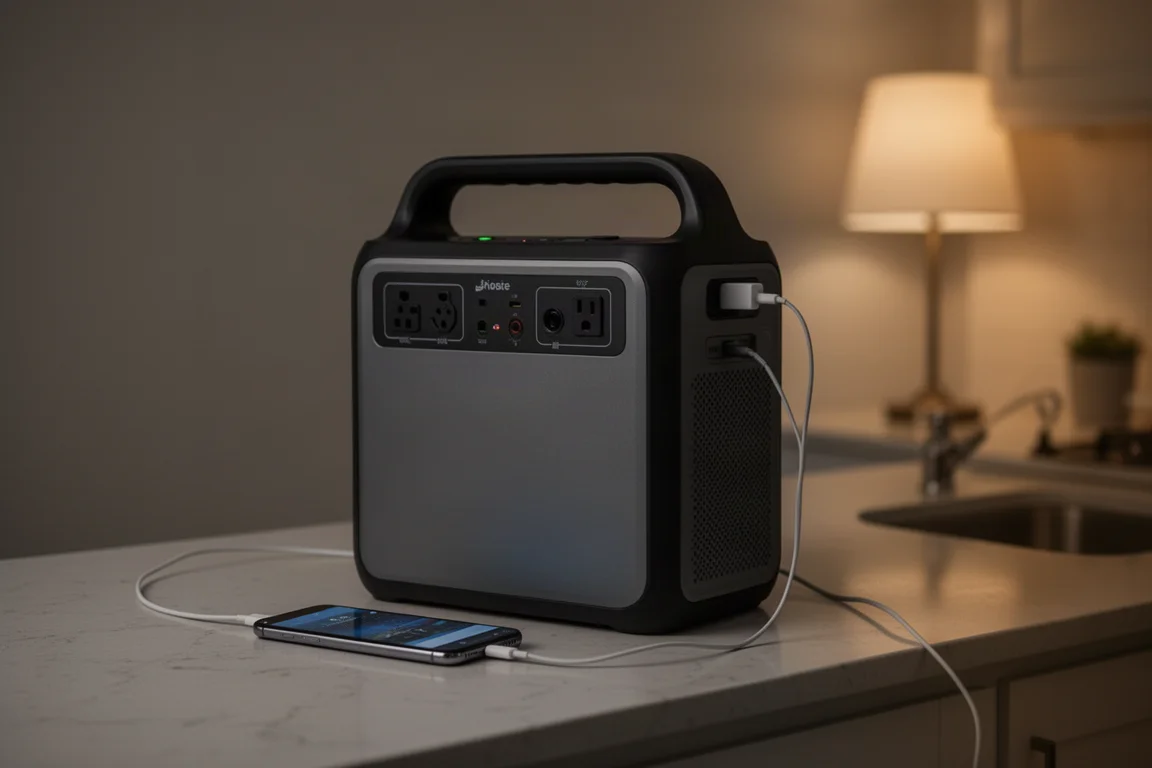
Bluetti 600-Watt Power Station
Bluetti is one of the top two brands in this field. At $300, with a coupon worth another $60, you get 600 running watts, 1,200 surge, pure sine wave output, and a LiFePO4 battery. That won’t run a big air conditioner, but it handles a CPAP, a refrigerator, phones, and laptops comfortably.
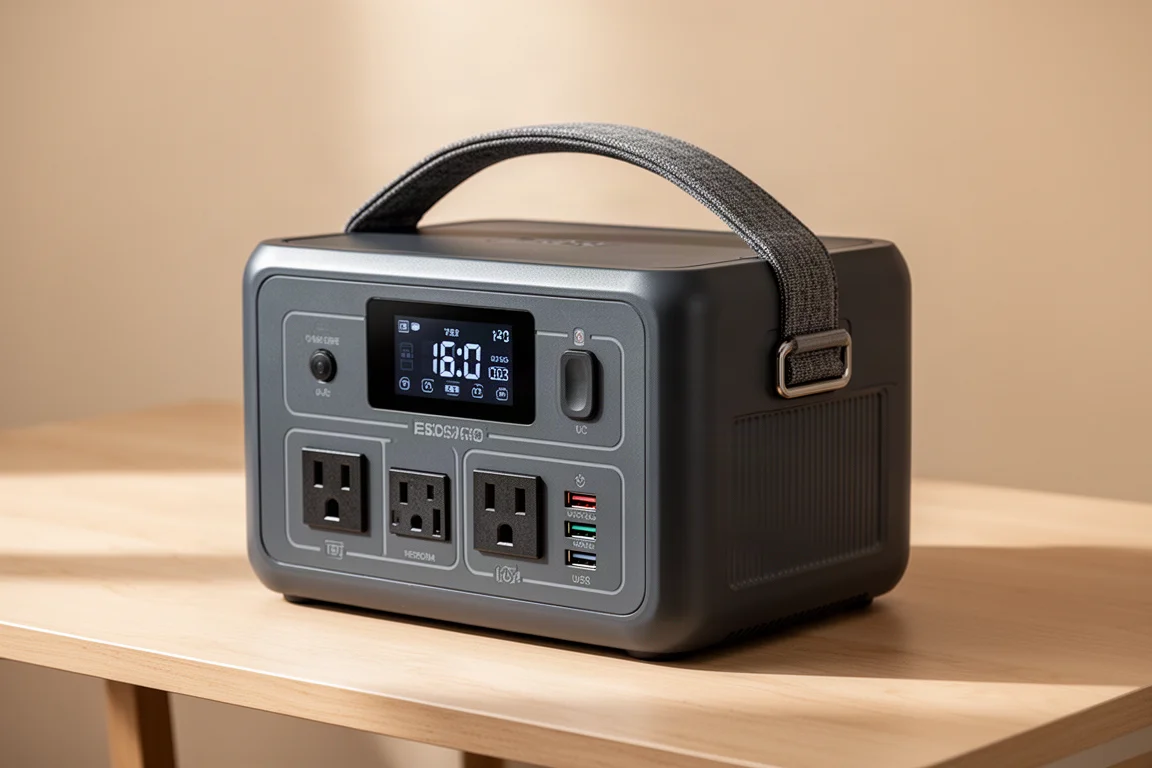
EcoFlow 882Wh Portable Power Station
EcoFlow is the other leading name in the category. The 882Wh unit at $750, with an additional $50 coupon, is an excellent portable solution for powering essentials, though not an entire RV.
Conclusion
Match the tool to the job. If you want maximum power for minimum money and noise doesn’t bother you, open frame models like the DuroMax 12,000 or the $800 Pulsar are unbeatable value. If quiet matters, the Predator 9,500 covers home backup and the Predator 3,500 covers the RV. For light trips, the WEN 2,000 at $343 is the budget pick. And if you want silent, fume-free power for electronics and essentials, the Bluetti 600 at $300 is the easiest entry point into battery backup. Whatever you choose, buy it before the storm season does the deciding for you.
Further reading
Related Reviews
Emergency Power
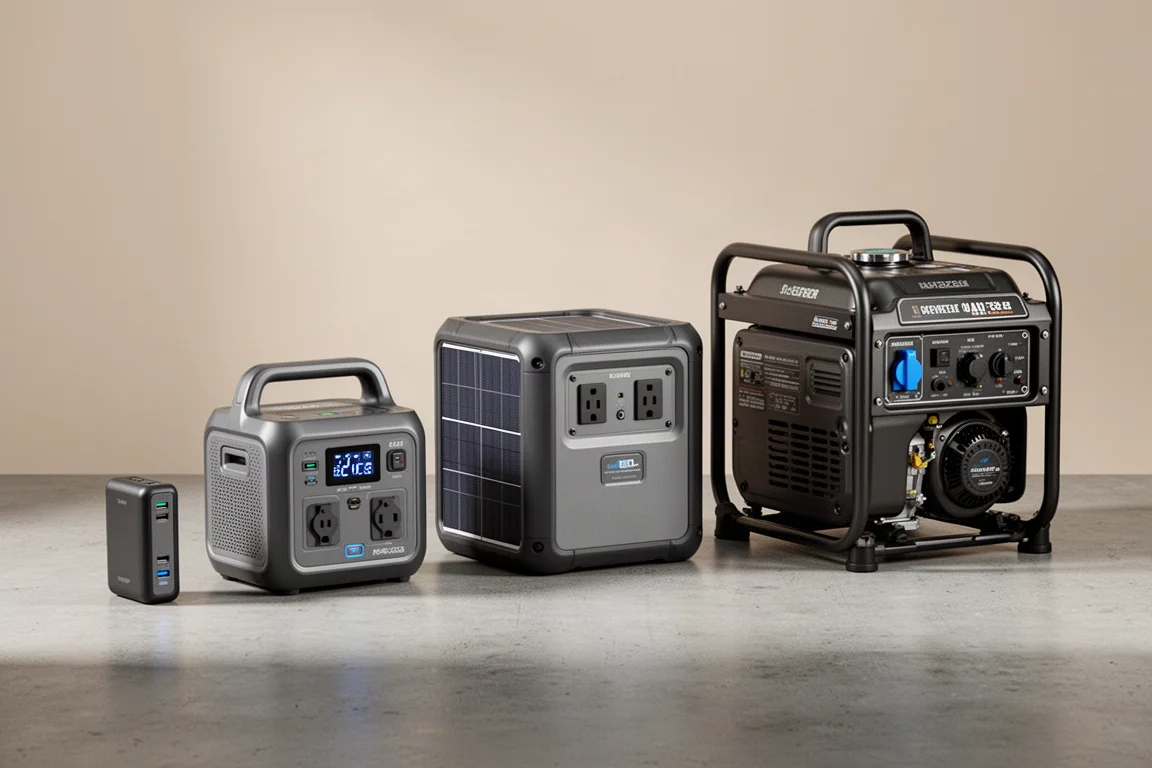
Storm-Ready Power: Four Backup Options from Small Battery Banks to Big Gas Generators
A practical guide to keeping phones, laptops, heat, and even a whole house powered during a winter storm, covering four backup power options and how to use them safely.

Backpacking Gear
Building a 10 lb Base Weight: An Ultralight Backpacking Gear List
A practical walkthrough of the ultralight pieces behind a 10 lb base weight, from a 765 g pack and a roomy one-person tent to a full camp chair and a dependable water filter.
Road Bikes
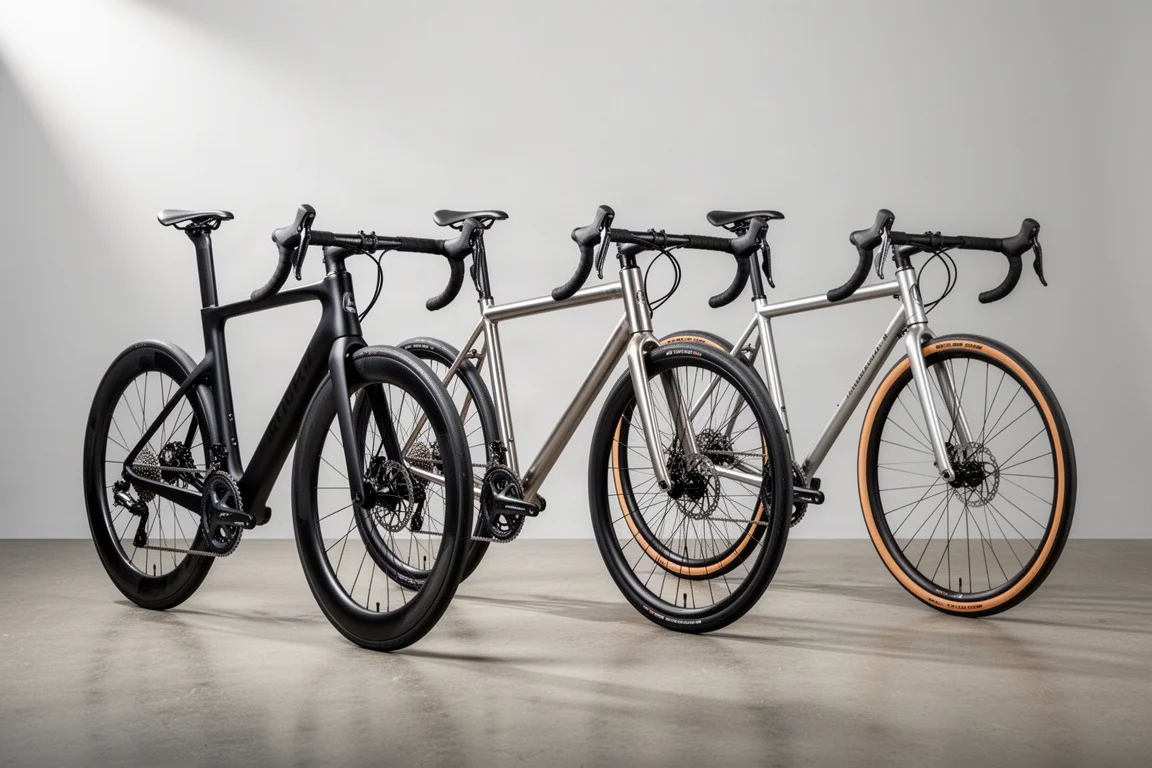
10 New Road Bikes Worth Watching: Aero, Titanium, Steel and Endurance Standouts
A practical roundup of 10 new road bikes, from aero flagships chasing single-watt gains to titanium, steel and endurance platforms built for real roads.