Home Theater
Storm Audio Fusion 20 Review: A Processor and 16-Channel Amplifier in One Chassis
The Storm Audio Fusion 20 combines 20-channel processing, a 16-channel amplifier, and room-specific calibration in one chassis. Here is what it delivers and what to weigh first.
Introduction
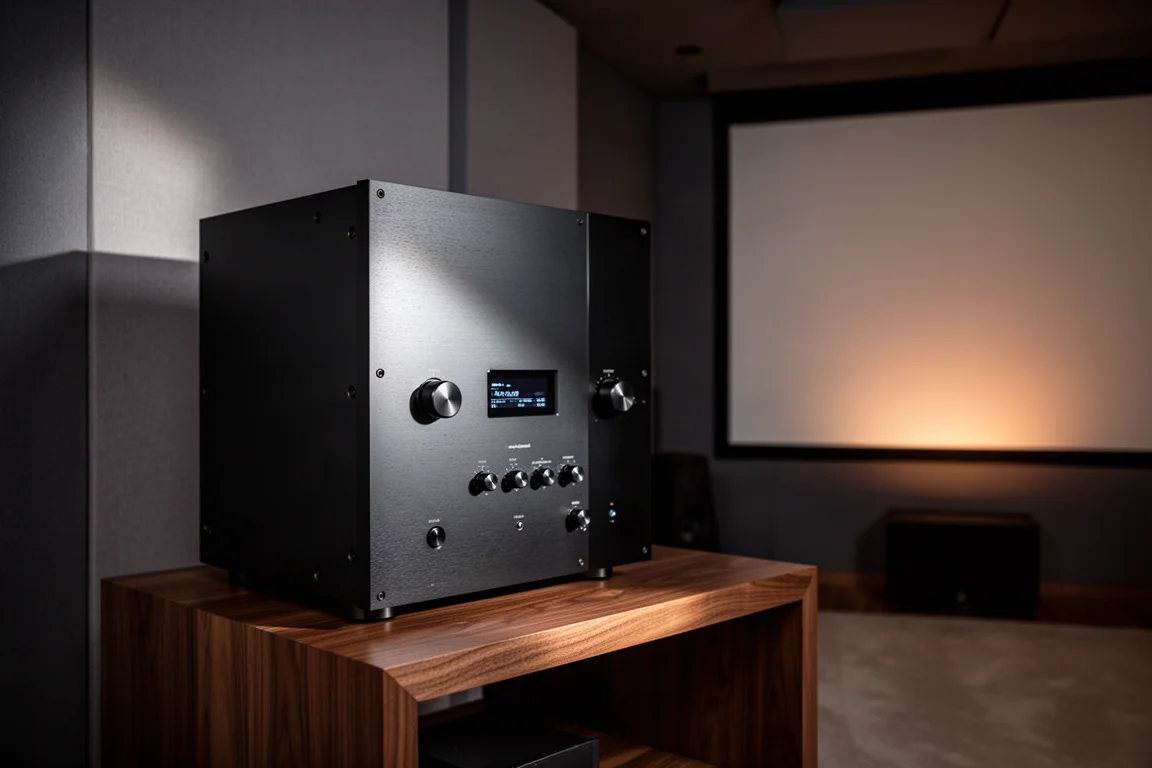
Storm Audio is not a name most home theater buyers know well, and that makes sense. The company comes from the high-end custom install world, where a system is designed around a specific room rather than sold off a shelf. The Fusion 20 brings that background into a single chassis: the flexibility and processing of a high-end surround processor combined with a 16-channel amplifier.
That combination is what sets the Fusion 20 apart. It can process 20 channels, power 16 of them using ICEpower amplification, and assign those channels in far more ways than a typical AV receiver allows, which makes the number of possible configurations close to limitless. It also costs around $20,000, an enormous amount for a home theater component and an immediate non-starter for most people.
This review covers what the Fusion 20 actually delivers, where its limits show up, and who gets real value from it.
Who This Product Is For
The Fusion 20 makes the most sense for someone building a dedicated room around demanding speakers and willing to have the system professionally calibrated. Setup and calibration can be handled in person by a dealer, or remotely by Storm Audio, and that support is part of the product rather than an add-on.
There is a case for describing luxury as the freedom of thought, and the Fusion fits that idea well. You can configure it almost any way you want, but you do not have to work all of it out on your own. Powering a complete high-end theater properly would normally require a serious collection of separate components, and the Fusion replaces much of that stack with one box.
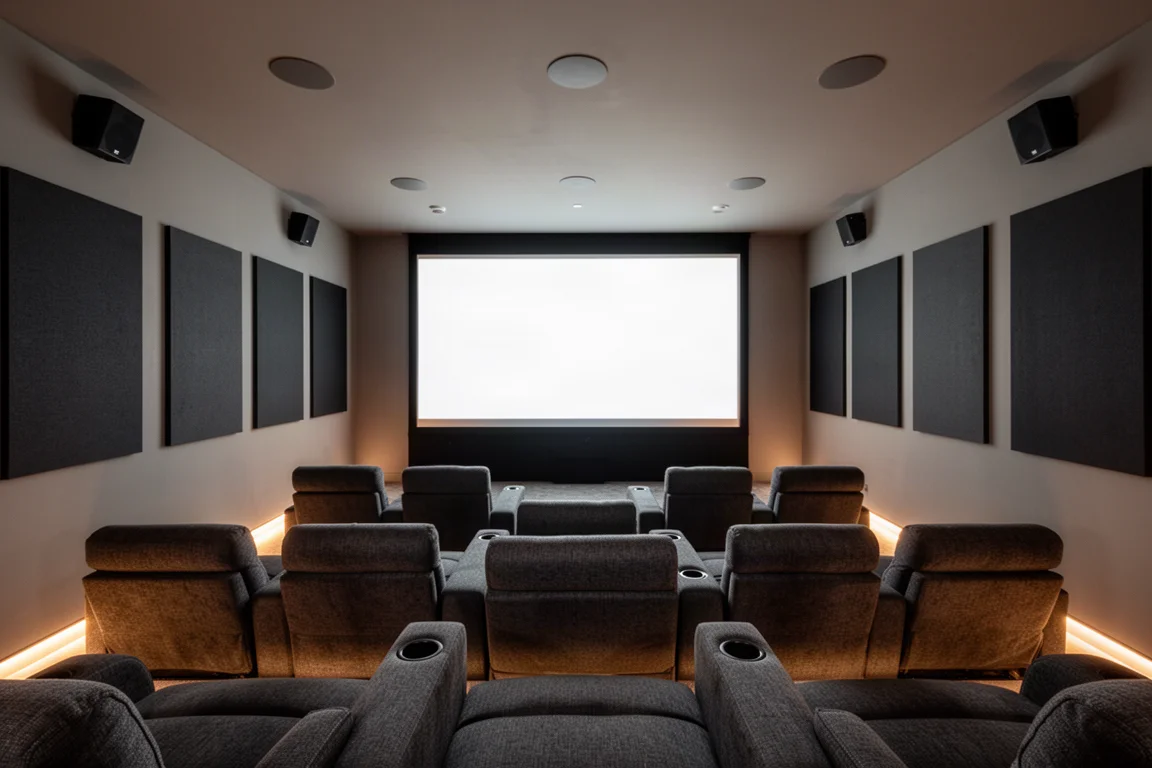
This is not aimed at the buyer who wants to adjust settings from the couch every week. It is aimed at the buyer who wants a room to reach its ceiling and is comfortable letting a specialist handle the tuning.
Main Strengths
The strengths here are not the usual hi-fi vocabulary. Warmth, forwardness, and similar qualities can all be adjusted. What stands out with the Fusion 20 is immediacy, precision, clarity, and the placement of everything happening around the listener.
Processing and Amplifier Headroom
Each of the Fusion’s 16 amplifier channels is rated up to 300 watts into 4 ohms, with 2,000 watts of continuous power available across the entire amplifier section. That matters with speakers that present a demanding load. The Wilson Audio Sabrina V used in this system is a 4-ohm speaker that dips to just over 2 ohms in the bass, so driving it at cinematic levels for a full film is not something to trust to just any receiver.
Channel bridging is where the flexibility pays off. Instead of adding a rack of separates, the internal amplifier channels can be bridged to give each front speaker up to 500 watts, while the center channel and six in-ceiling speakers run from the remaining channels in single-ended mode.
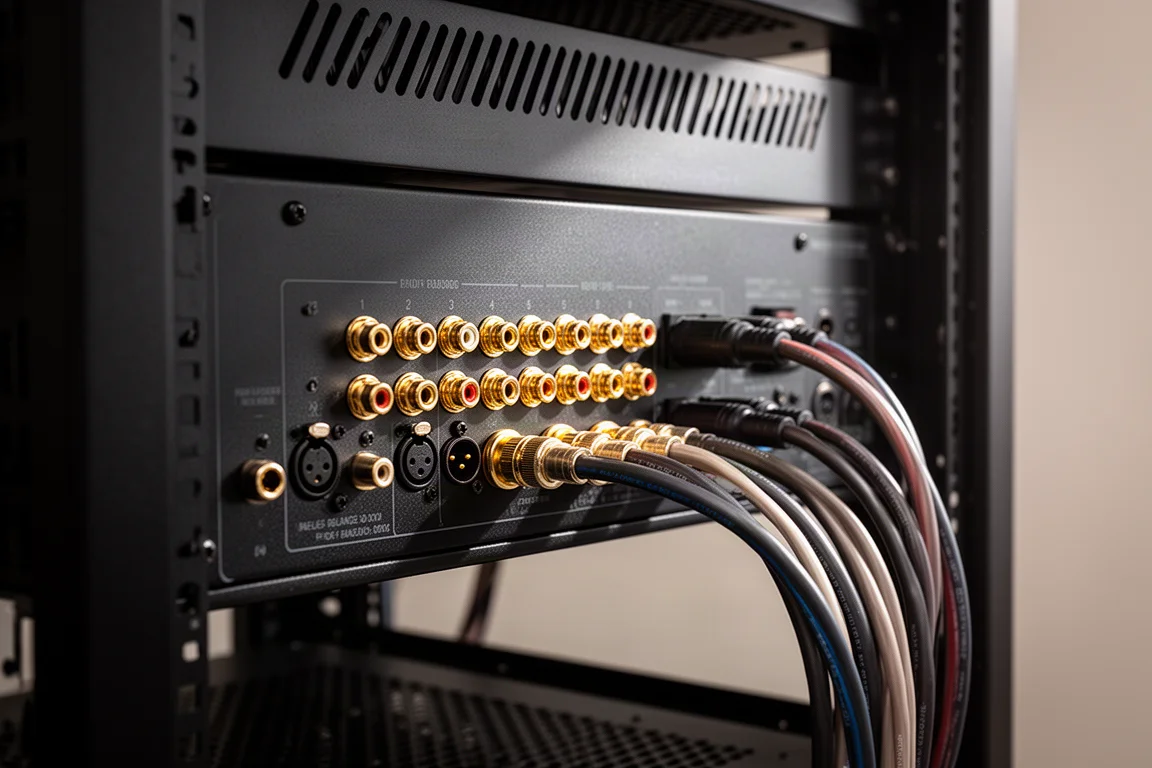
Four XLR outputs provide four independently calibrated subwoofer channels, which opens the door to multi-subwoofer layouts that most receivers cannot manage properly.
Calibration That Adapts to the Room
This is the part that separates the Fusion from a conventional receiver, and it is not a matter of running an automatic routine and accepting whatever comes out.
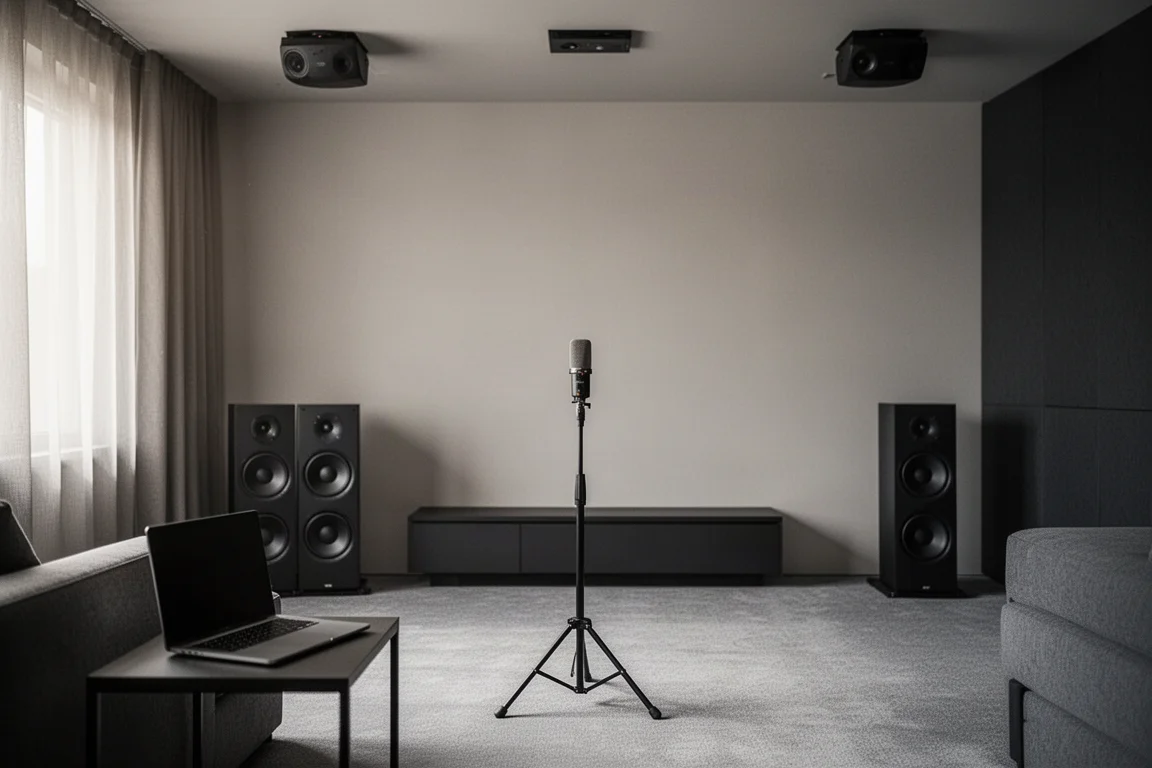
In this system, Storm Audio took control remotely after a conversation about the room, the equipment, and the intended sound. The process started with a custom microphone layout. Every speaker and subwoofer was measured using RoomEQ Wizard, and an initial round of PEQ was applied inside the Fusion. Dirac ART was then run, everything was checked again in RoomEQ, and a further round of adjustments followed while listening feedback was given over the phone. Start to finish, the work took roughly three hours.
The calibration also changed the layout itself. The system had been wired as a conventional 5.3.4 Atmos arrangement, but based on where the speakers actually sit, the overheads were reclassified as top channels and the layout was rebuilt around the room instead of forcing the room into a standard template.
The result was immediate, and it changed how sound behaved in the space rather than simply improving the tone.
Bass Integration and Dirac ART
Dirac ART is included, and it coordinates the speakers and subwoofers to help control the room. That is what made a three-subwoofer layout practical here instead of the usual single-sub approach, with the deepest output coming from a Martin Logan Depth 215 rated at 2,200 watts RMS and delivering clean response below 20 hertz, where bass becomes something you feel as much as hear.
With ART managing how the channels interact, the low end stayed composed across the room rather than concentrating in one seat. Combined with the Fusion’s processing, the bass integration was the most convincing part of the experience: deep, controlled, and consistent from row to row.
Immersive Playback and Dialogue Clarity
Once calibration was finished, the system did not simply sound better. Effects moved with more precision, dialogue locked to the screen, and the entire system disappeared, leaving behind one continuous dome of sound. The overhead and surround speakers in this room had been in place for years, and the Fusion made them vanish into the presentation.
Dolby Atmos playback was the most effortless it has been in that space. Sound moved front to back, side to side, and overhead without an obvious gap or weak point. During a train sequence in which a car is pinned alongside a moving train kicking up gravel, individual stones could be heard ricocheting off sheet metal and glass, the train alongside, and the gravel below, spread in a full 360 degrees.
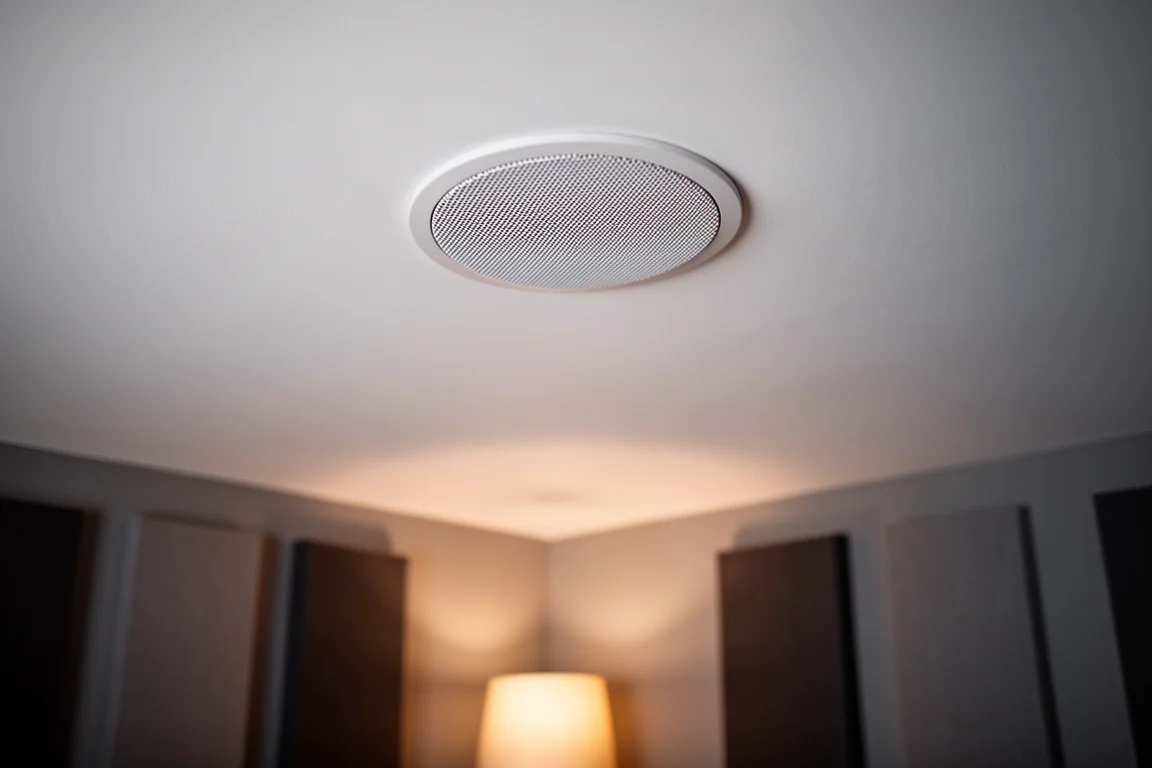
Dialogue never got lost in the chaos. Voices stayed clear and locked to the actors on screen, with more height and width than a center speaker, receiver, or separates combination had managed in the same room, and voices tracked characters as they moved across the screen.
Two-Channel Music Performance
Music performance is the surprise. The Fusion delivered two-channel sound at a level rarely associated with a home theater component, and it did not require limiting playback to two channels to get there. Processing and DSP will put off some listeners who prefer the shortest possible signal path, but the clarity, scale, and control on offer are the sort normally associated with dedicated hi-fi stereo systems. The Fusion can sit at the center of a serious theater and still handle music without feeling like a compromise.
Things to Consider Before Buying
Price is the first consideration. At around $20,000, the Fusion 20 is an enormous amount for a home theater component and an immediate non-starter for most buyers. Inside the high-end world the math looks less extreme, particularly against integrated amplifiers that cost roughly the same without offering comparable control, customization, or flexibility.
The Fusion was also clearly designed with dealers and installers in mind. Day-to-day changes are not as simple as they are on a mainstream receiver, the included remote feels basic, and the app works but is not especially polished. Owners may end up relying on a third-party control system instead, but at this price the remote and app should feel better than they do.
There is also a question of how much equipment and complexity you want to live with. A high-end integrated system can reach a similar level of performance faster, with less equipment and a more polished day-to-day experience, although it costs even more.
Finally, the Fusion is not a shortcut around good hardware. In a direct comparison in the same room with the same speakers and subwoofers, a mainstream receiver with its internal amplifiers bypassed by a nine-channel external amplifier of comparable power still was not close. The difference is not only power: it is what happens when amplifier headroom, processing, and calibration all work together.
Buying Advice
If the goal is the best possible result from a dedicated room, and you are willing to work with a dealer or with remote calibration support, the Fusion 20 delivers more control and ultimately better performance than the alternatives, and it does so for less money than a comparable high-end integrated approach.
Budget for the calibration and treat it as part of the purchase, because the setup work is what unlocks the hardware. The three-hour remote process used here is a good example of what that looks like. Buyers who want the simplest possible day-to-day ownership should look at a premium integrated system instead and accept the higher cost.
Conclusion
The Storm Audio Fusion 20 is not the obvious choice for most home theaters, and it is not priced to be. It is a processor, a 16-channel amplifier, and a calibration service in one chassis, and the combination is what produces the result: effects that move with precision, dialogue that stays locked to the screen, a room that dissolves into one continuous dome of sound, and music playback that holds up on its own terms. For a dedicated room where power, processing, and flexibility should stop being the limiting factors, this is a component worth building around.
Product link
View more details for Storm Audio Fusion 20
This product is mentioned in the review. Check the specifications, options, and compatibility before buying.
View more details for Storm Audio Fusion 20Further reading
Related Reviews
Home Theater
Anthem AVM 90 Review: A 15.4-Channel Flagship Preamp Processor
A close look at Anthem's flagship preamp processor, covering its dual ESS DAC architecture, 15.4-channel layout, ARC Genesis calibration and four independent subwoofer outputs.
Home Theater
Apple TV 4K With AirPods: A Best-Value Home Theater Setup
An Apple TV 4K paired with AirPods over Bluetooth makes a compact home theater setup for movies, spatial music and late-night viewing, and it can be assembled for as little as $300.
Home Theater
Arcam AVR15, AVR25, AVR35, and AVP45 Compared: Which AV Amplifier Fits Your System?
Four new Arcam home theater components share nine-channel amplification and Dirac Live, but differ in power, processing ceiling, and channel flexibility.