Cycling Components
Stealth Steel Touring Build: SRAM Force AXS Wide, Parcours Strada, Garmin Edge 1030 and Garmin Varia
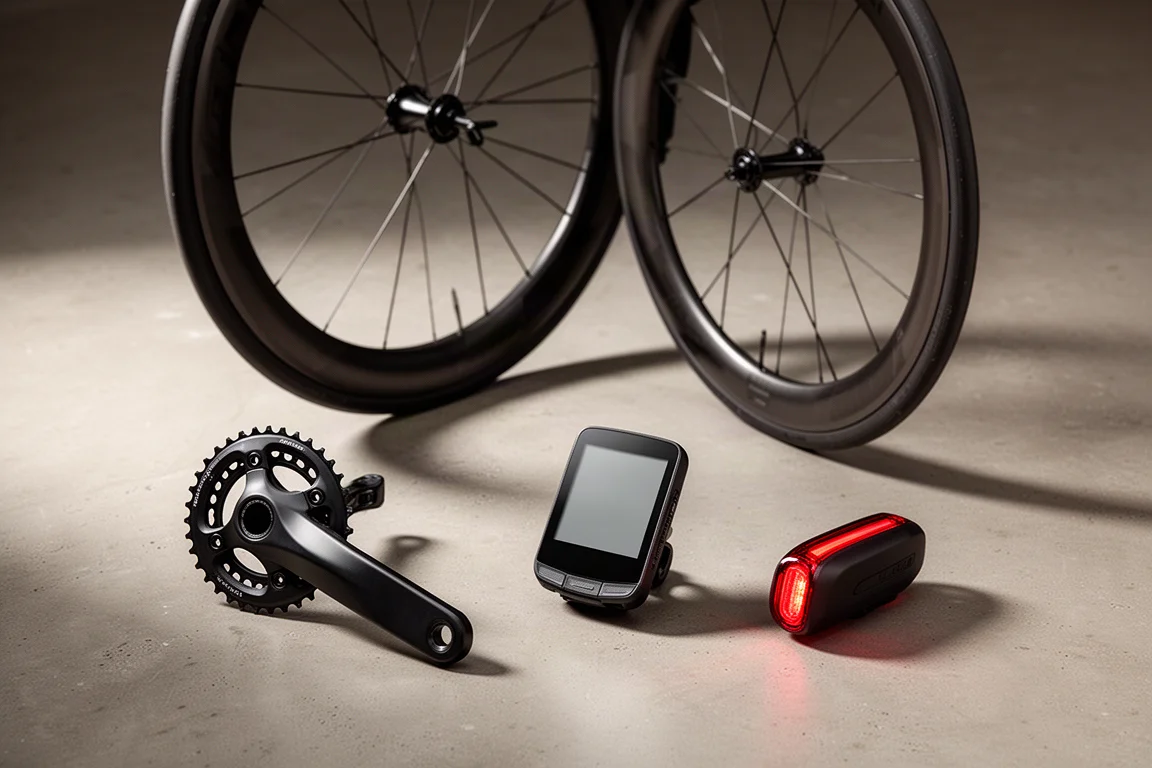
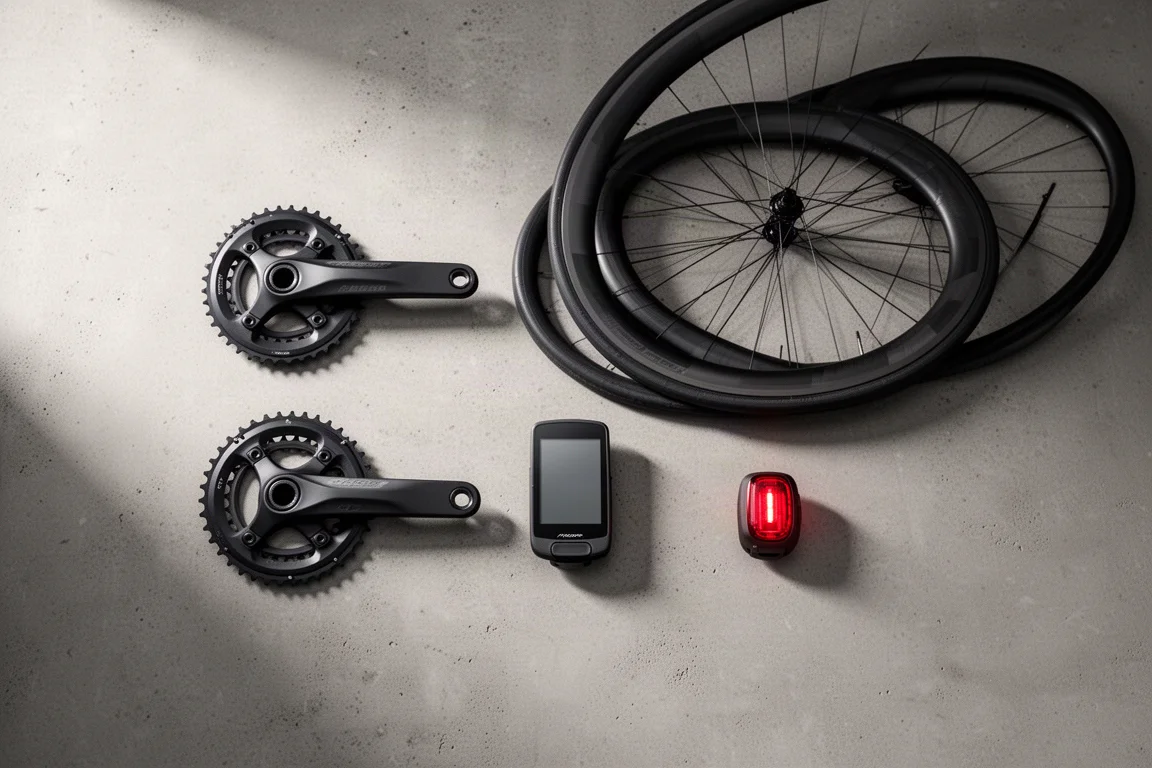
Four components from a custom stainless steel touring bike: an understated electronic groupset, deep-section wheels, a ride-data head unit, and a radar rear light.
Introduction
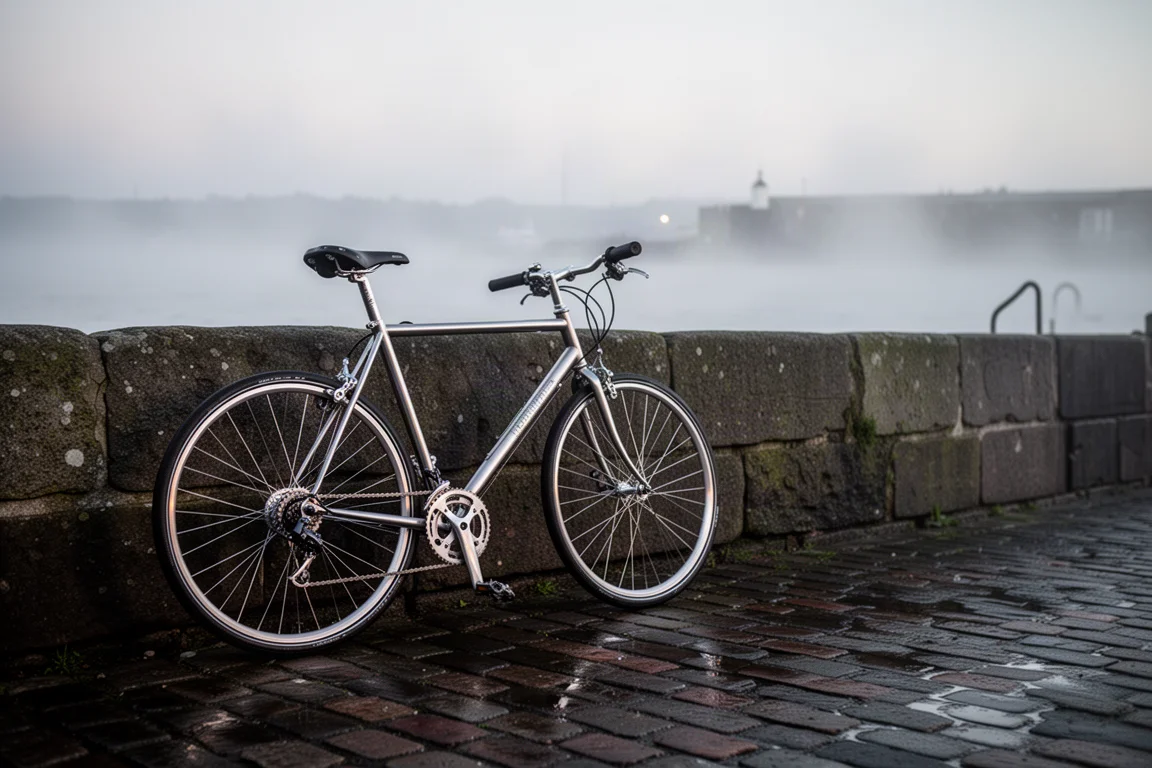
A custom bike usually says something about the person riding it, and this one says two things clearly: keep it quiet, and make it last. The frame is fully stainless steel, built for a rider who works at sea and lives by the coast, and the paint scheme is deliberately restrained, with bare stainless sections left unpainted so small chips and surface marks can be polished out rather than repainted.
Around that frame sits a parts list that follows the same logic. Four components stand out: an electronic groupset chosen for its understated finish, a deep-section wheelset designed around 28mm tyres, a head unit that collects ride data, and a rear light with radar built in. Each is worth understanding on its own terms.
What follows is a closer look at each one, including what it does well and where a buyer should think carefully before committing.
What Makes This Build Work
Two decisions shape everything else on this bike. The first is the material. A fully stainless steel frame costs noticeably more than a conventional steel one, in this case around a thousand pounds on top of the frameset, and it was specified for corrosion resistance rather than weight or stiffness.
The second is restraint. The finish keeps the bike visually quiet, and the unpainted stainless areas are left raw on purpose so that chips from road debris can be dealt with by polishing. Components were then chosen to match that mood, including a finishing kit that ties in with the wheels.
That is the context for the four parts below.
SRAM Force AXS Wide: Understated Electronic Shifting
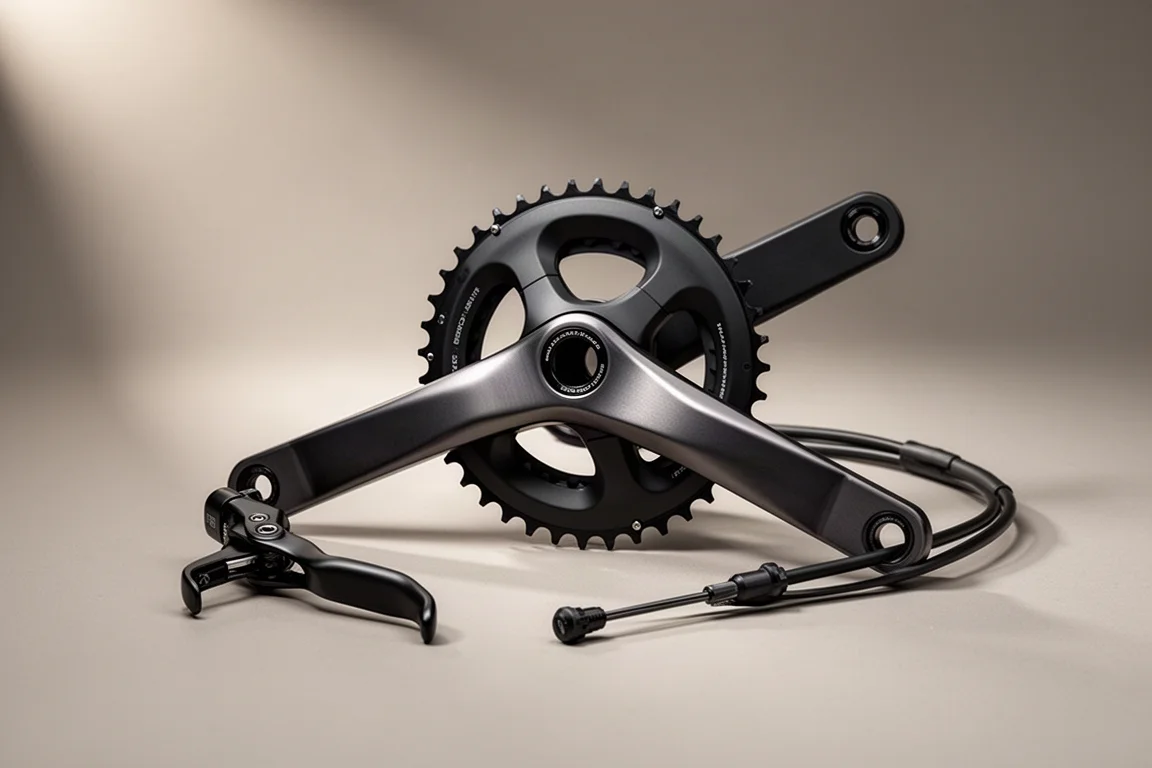
The groupset is where the build’s preference for a low-key look becomes most obvious. SRAM Force AXS Wide was chosen over the brand’s more colourful top tier specifically because its finish is quieter, which suits a frame designed not to draw attention at first glance.
There is a practical argument as well. A wireless electronic groupset keeps cable runs to a minimum, leaving only hydraulic hoses to route through the bike. On something used for touring and general rough treatment, fewer cables means less to maintain and fewer sources of noise.
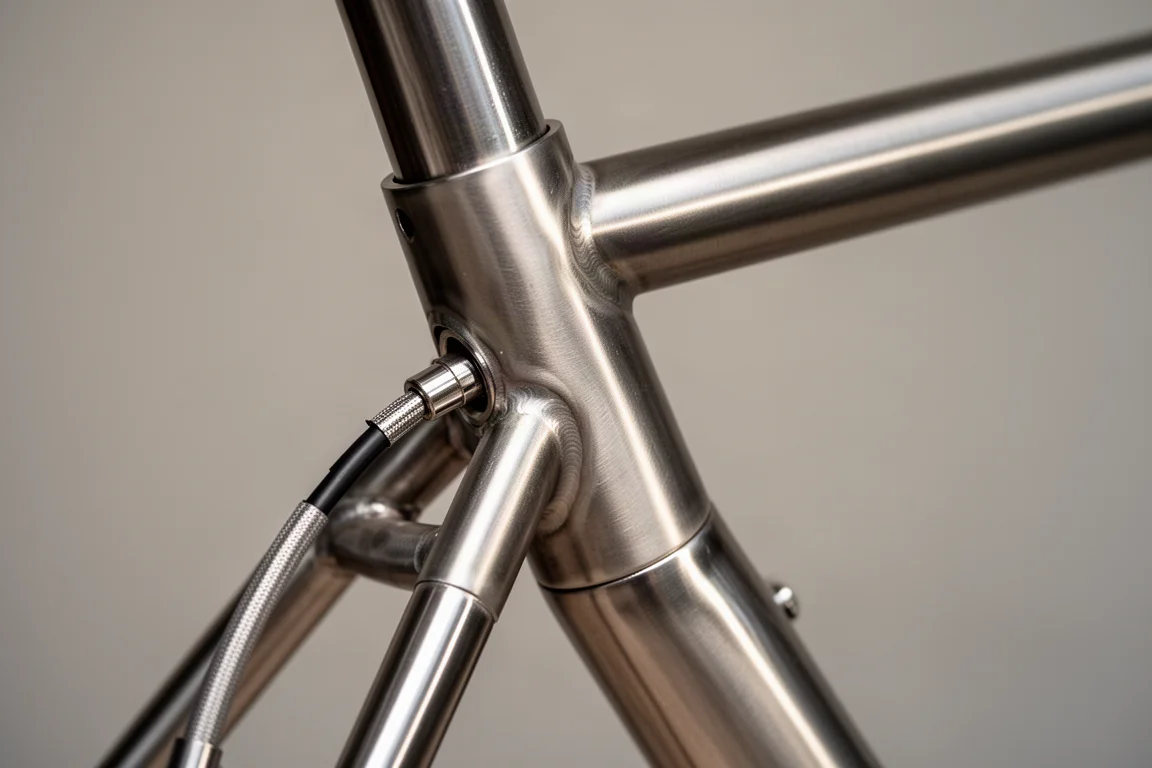
For anyone considering an electronic groupset, the appeal here is the combination of clean routing and a finish that stays visually out of the way. It is not the highest tier in the range, and that was a deliberate choice rather than a compromise.
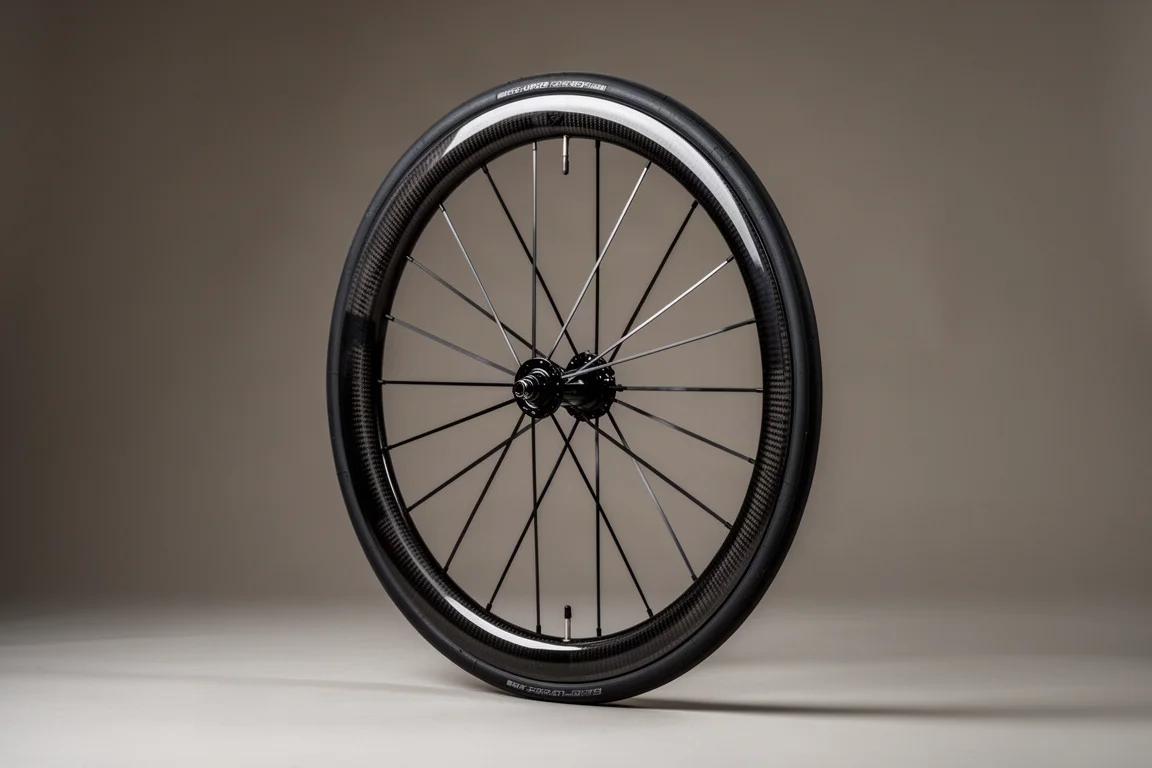
Parcours Strada: Deep-Section Wheels for Windy Roads
The wheelset is a deep-section design built to work best with 28mm tyres. Running that width produces a flush line between tyre and rim, which is the profile the wheel was designed around and part of how it manages airflow.
Deep rims and exposed roads are not an obvious pairing, and this bike spends a lot of time on windy country lanes. Even so, the wheelset has proven comfortable in gusty conditions, which is the point worth noting for riders who have avoided deeper rims for exactly that reason.
Garmin Edge 1030: The Head Unit at the Centre
The head unit arrived as part of a bundle that included a wheel speed sensor and a cadence sensor, which gave the bike basic ride data from the start. A pedal-based power meter was added afterwards, and that is where the interest in tracking output comes from.
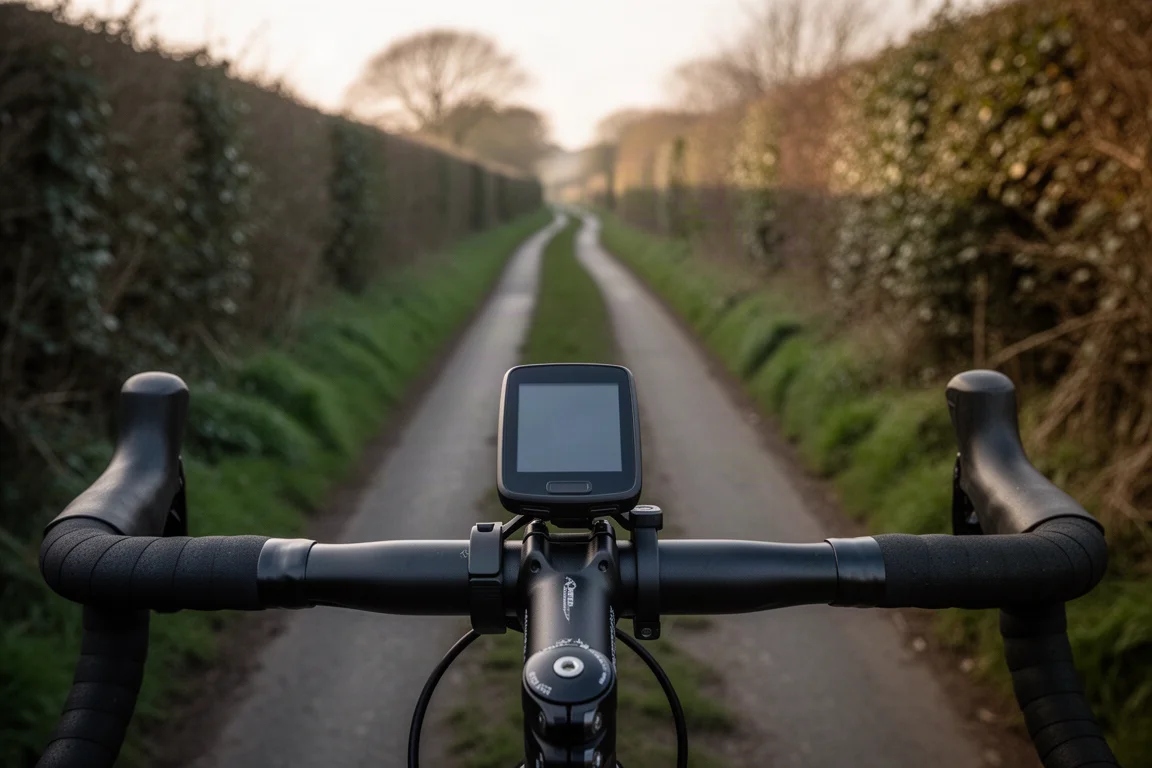
On this build the head unit also does a second job. It displays alerts from the rear radar light, so approaching traffic shows up on the screen instead of arriving as a surprise.
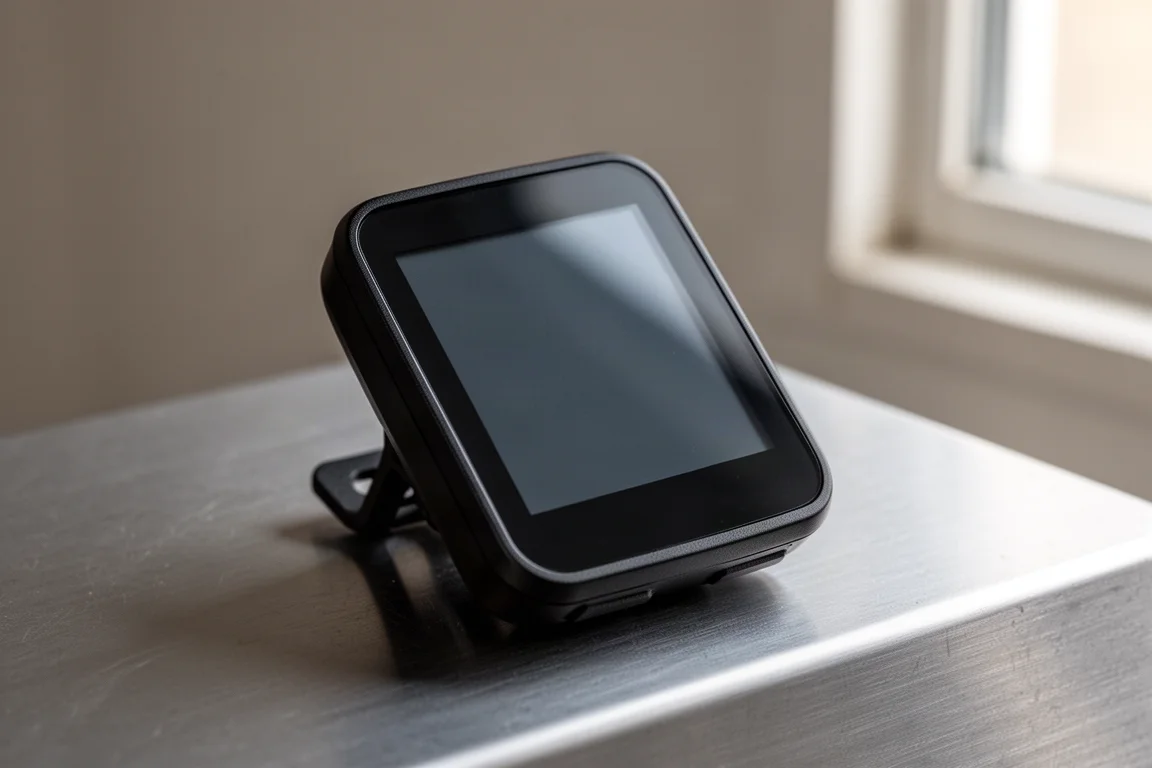
Garmin Varia: Rear Radar for Busy Lanes
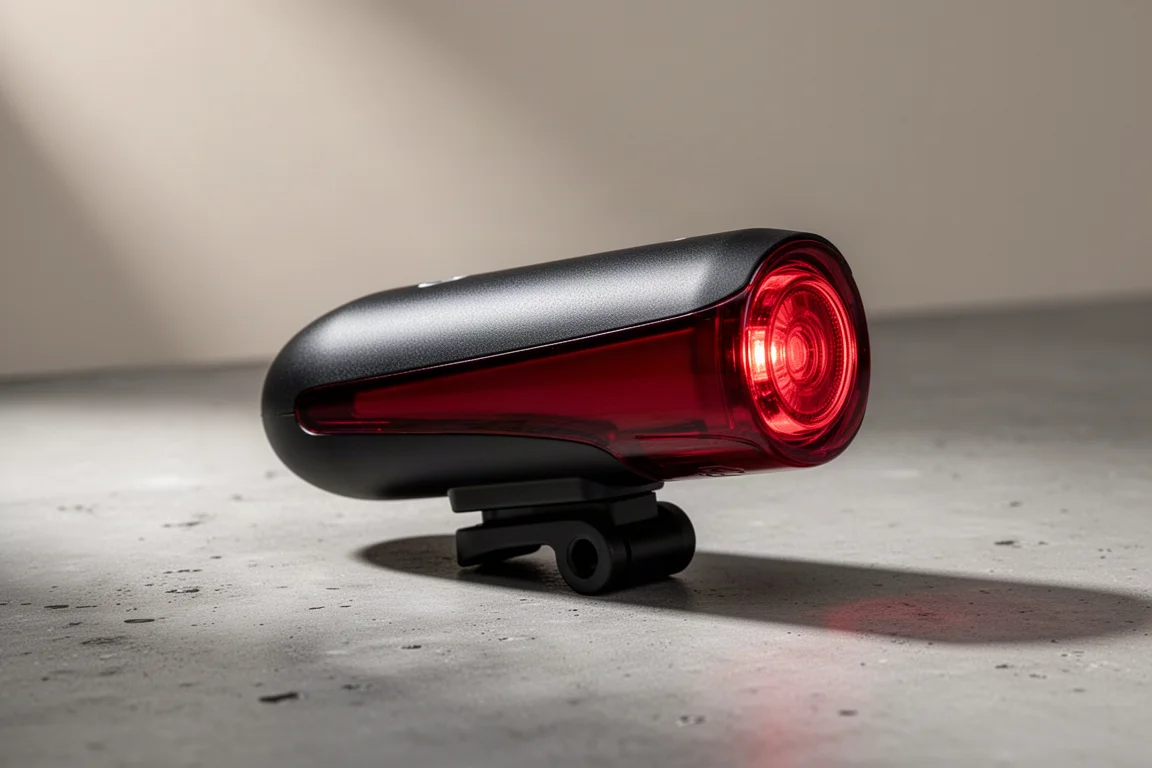
The radar-equipped rear light is the most recent addition to the bike, and the reasoning behind it is easy to follow. This bike is ridden on busy country lanes and narrow single-track roads, where vehicles come up from behind with little warning. Knowing something is closing in before it is alongside adds a layer of comfort.
The caveat matters just as much: it does not replace looking over your shoulder. What it changes is how often that glance turns into a surprise.
Buying Advice
Taken together, these four parts point to a consistent approach. Pick components for how they behave in the conditions you actually ride in, rather than for how they photograph.
If cable clutter and maintenance are your main frustrations, an understated electronic groupset addresses both while keeping the bike looking calm. If your riding is exposed to wind, a deep-section wheelset designed around a specific tyre width is worth trying rather than dismissing outright. And if your routes are busy, narrow or fast, a radar rear light paired with a compatible head unit tackles that directly.
Budget is the practical constraint on all of this. Prioritise the part that solves your biggest day-to-day annoyance first, then build the rest in over time.
Conclusion
A build like this works because the parts agree with each other. The stainless frame is chosen for longevity, the finish is chosen to stay quiet, and the components follow the same brief: minimal cables, confident handling in wind, useful ride data, and better awareness of traffic from behind.
None of the four parts needs to be the most expensive option in its category to make sense. What matters is whether it matches the riding you do, and on that measure each one here earns its place.
Further reading
Related Reviews
Cycling Components
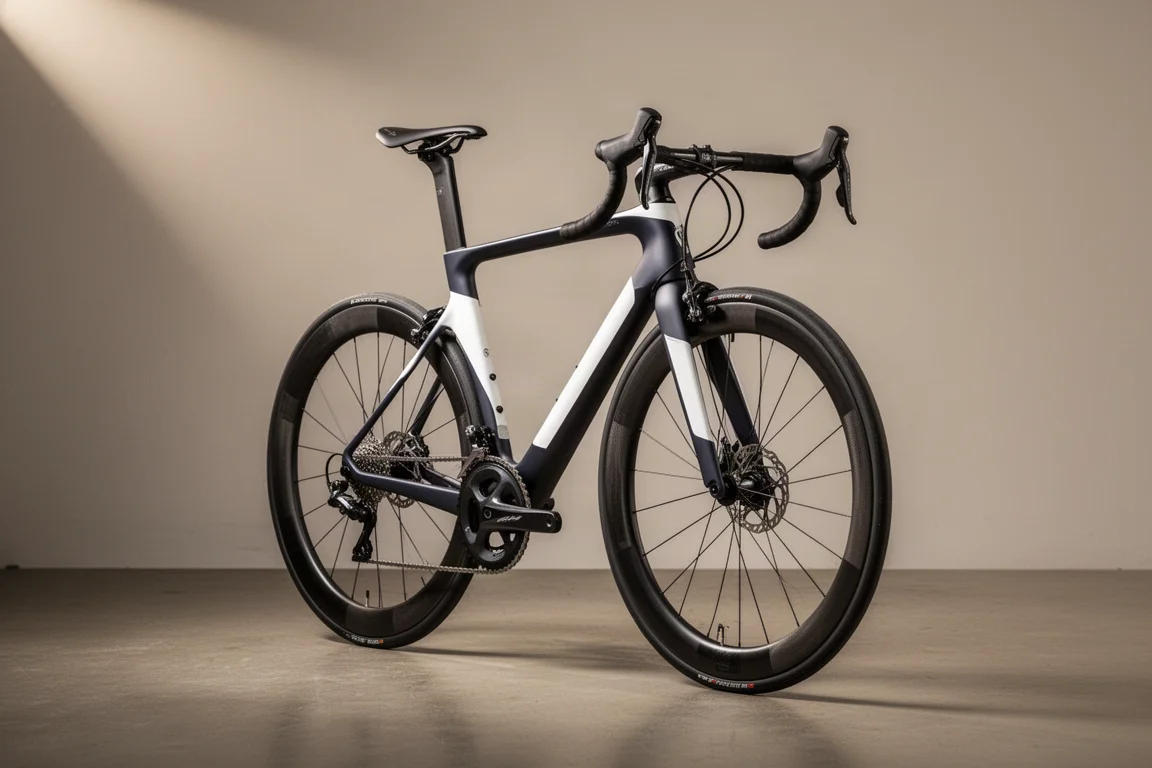
A 20,000-Mile Budget Race Bike Build: Five Parts Worth Knowing
A rim brake race bike assembled from low-cost components and ridden for 20,000 miles. Here is what delivered real speed, what caused problems, and what to weigh before copying the formula.
Cycling Components
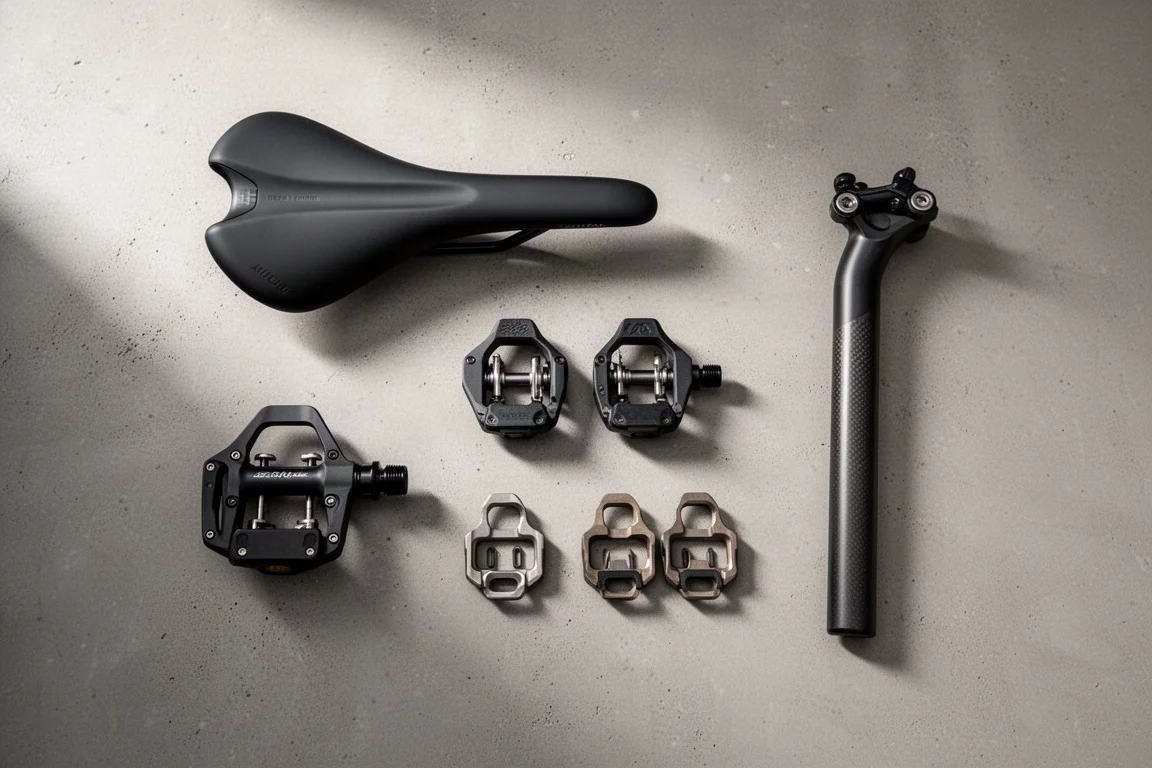
7 Bike Fit Products Fitters Avoid: What to Check Before You Buy
Seven bike components that regularly cause knee, foot and saddle problems, with the specific concerns behind each one and what to look for instead.
Cycling Components
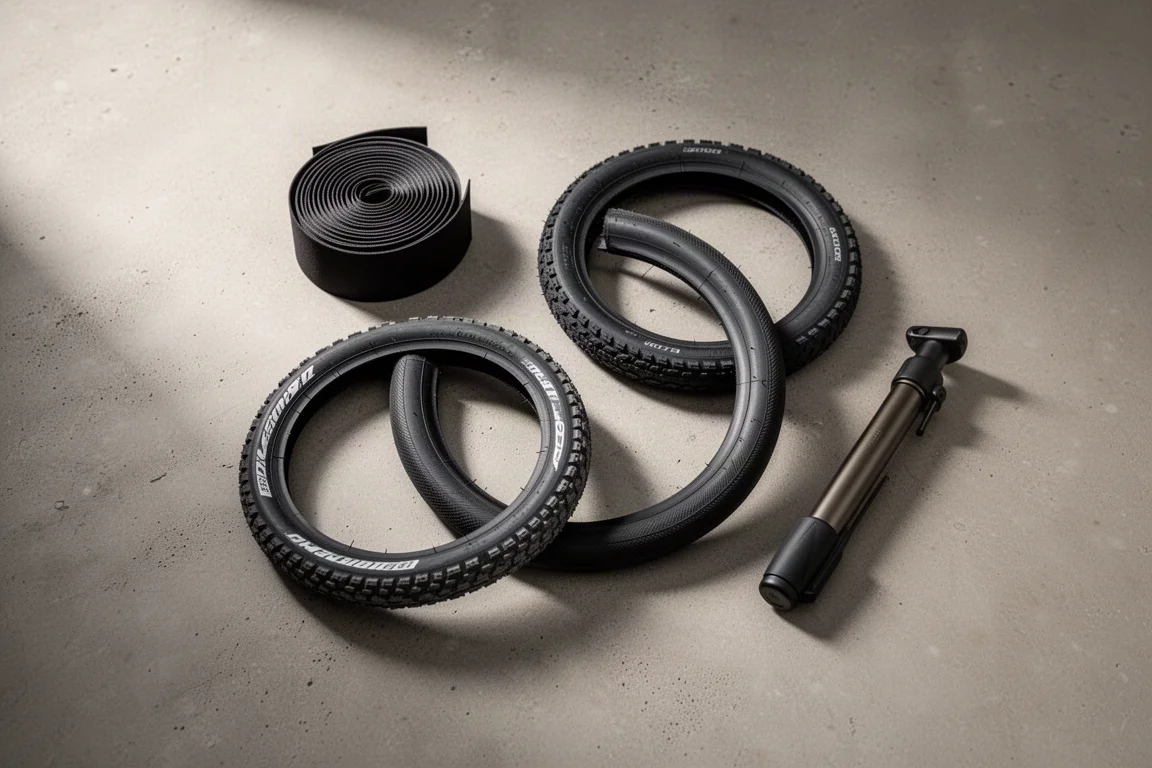
Four Affordable Bike Upgrades That Improve Ride Feel
Four low-cost cycling products that make a real difference to ride feel, plus the free setup changes worth trying first.