Hi-Fi Audio
Starke Sound's New Lineup: Beta 7, P7, A3, F2, SW15 and the Eversolo Pairing
A closer look at Starke Sound's newest speakers, amplifiers, and subwoofers, and why the Beta 7 bookshelf speakers were designed with Eversolo's DMP-A6 and DMP-A8 in mind.
Introduction
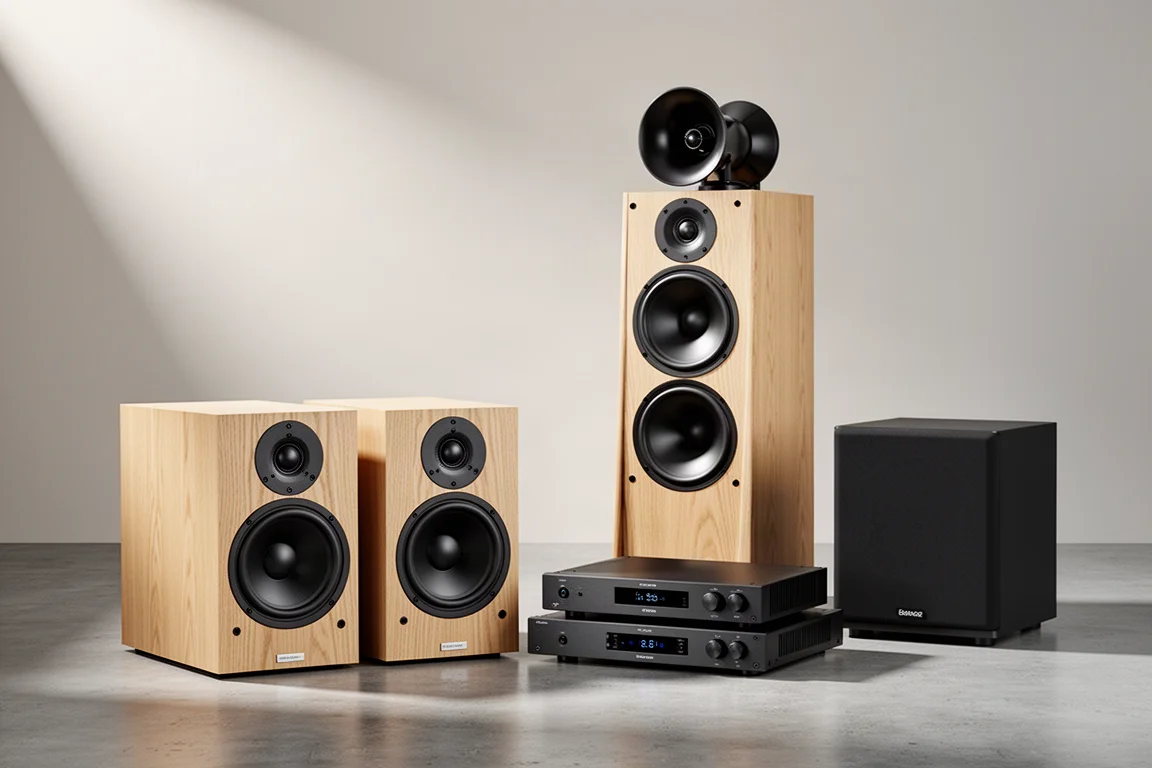
Starke Sound arrived at this year’s show with one of the broadest product spreads in the room: a new anniversary bookshelf speaker, a horn-loaded three-way loudspeaker heading to North America, two amplifiers, and two active subwoofers. Eversolo’s DMP-A6 and DMP-A8 also played a central role in the demonstration, and the way the two brands fit together is a big part of the story.
This roundup walks through each piece in turn, with the details that matter most when you are deciding where your money goes.
Starke Sound Beta 7 Bookshelf Speakers
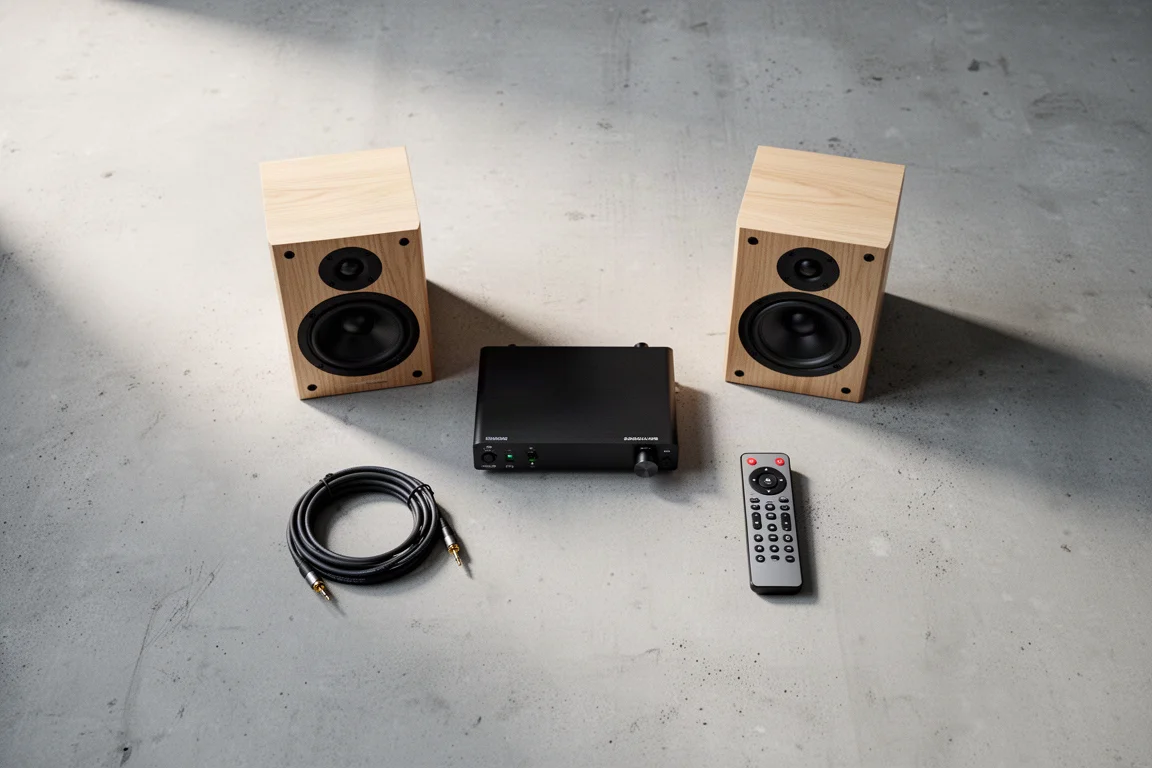
The Beta 7 is the headline product. Starke Sound developed the pair to mark its 15th anniversary, and it represents the company’s first serious step into two-channel bookshelf speakers after years of multi-channel work.
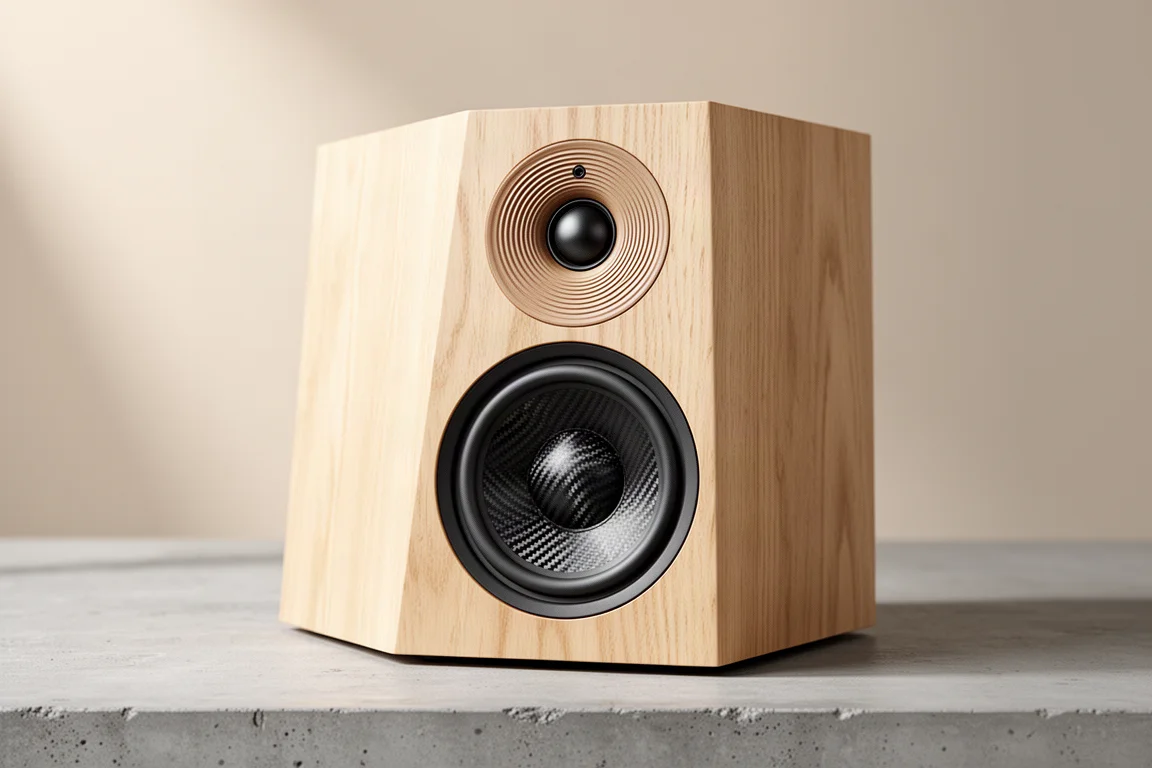
Technically, the Beta 7 is a two-way design with a single crossover, which Starke Sound considers important for keeping the transition between drivers clean. That crossover sits at 1,850 Hz. A 1.15-inch tweeter, rather than the more common 1-inch unit, allows the crossover point to be set lower, so the handoff to the 7-inch woofer stays natural.
That woofer is the part Starke Sound spent the most time on. It is a carbon fiber assembly built from four layers: an outer resin layer, a carbon fiber layer that adds rigidity, a foam layer for damping, and a glass fiber layer at the back that helps control internal reflections. The cabinet is ported and 13.5 inches deep, deeper than a typical small bookshelf, which helps manage reflections inside the box. Claimed frequency response runs from 39 Hz to 23 kHz.
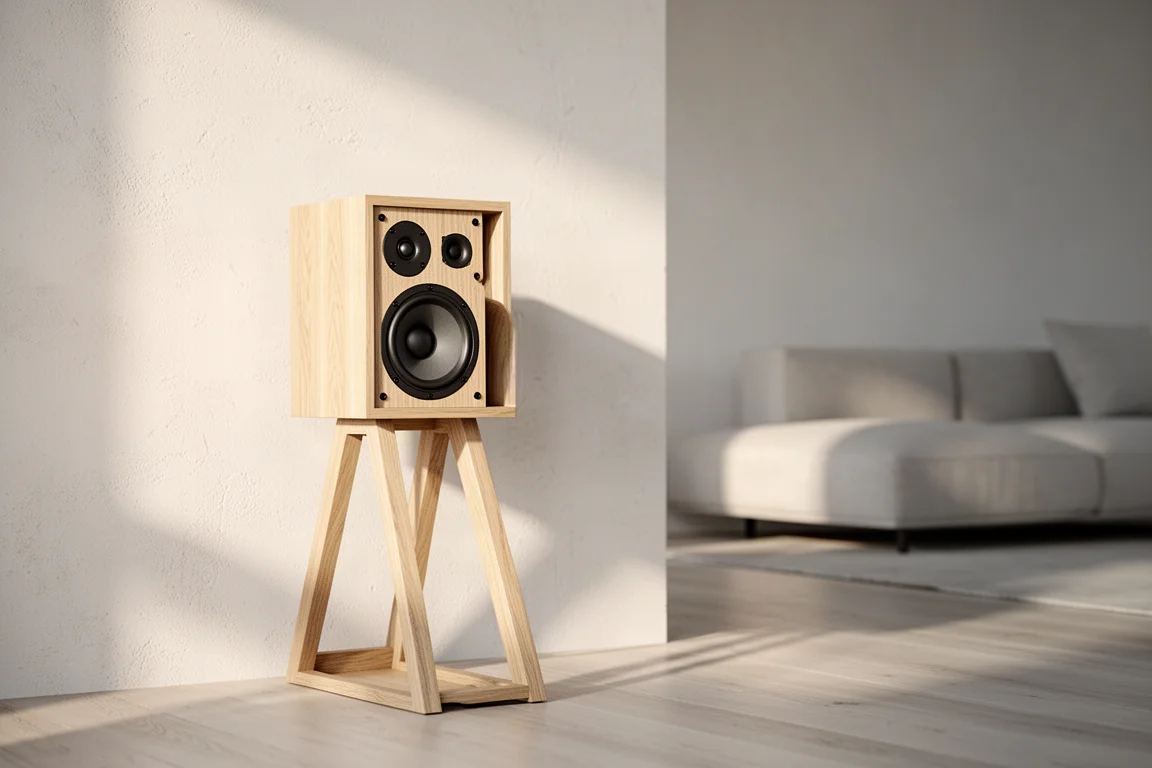
The faceplate is tooled in house, and the rippled waveguide is not purely decorative: the pattern stiffens the front baffle. Three finishes are available: European White Oak, Ebony Black, and Ioki Flaxin, a gray tone. Starke Sound builds its own drivers in its own factory, and that vertical integration is what made this price point possible without changing the driver technology.
Pricing is the surprise. The Beta 7 is $750 for the pair at introductory pricing, and the matching stands are $240 for the pair, so a complete setup lands near $1,000. That is introductory pricing, and the company has said it will more than likely rise later.
Starke Sound P7 Loudspeaker
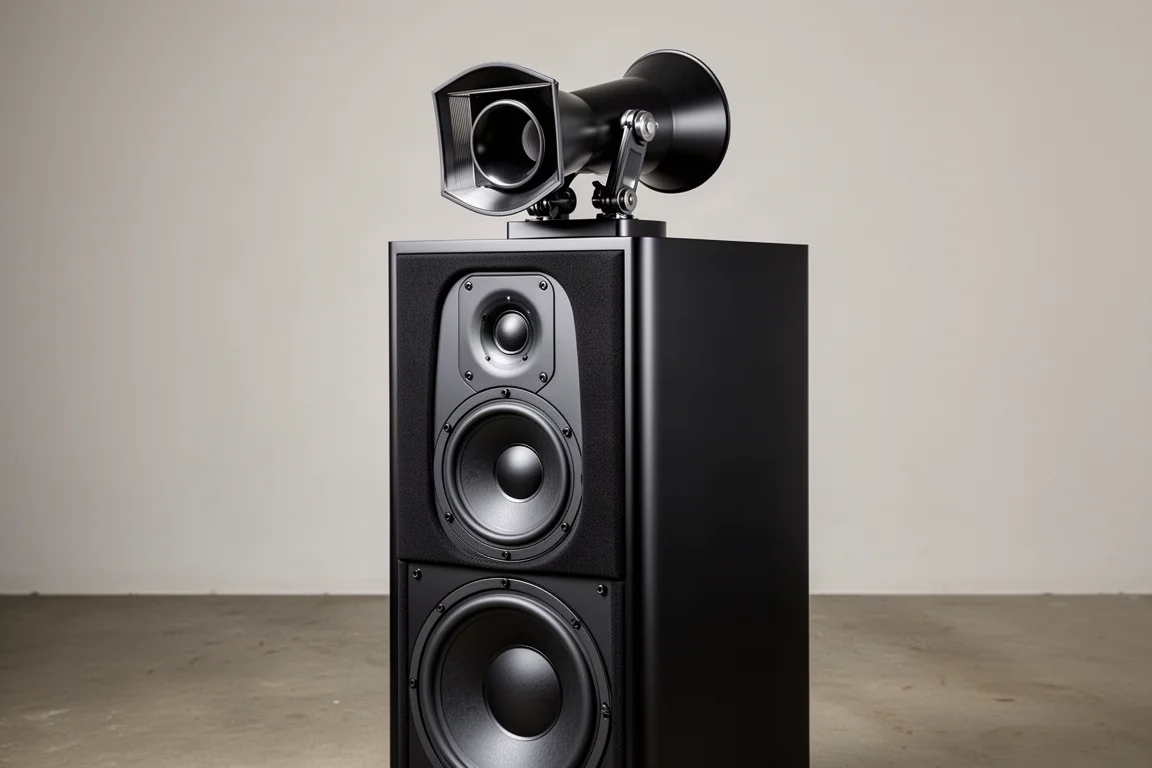
Where the Beta 7 is compact and affordable, the P7 is a different animal: a true three-way loudspeaker built around a ribbon tweeter loaded into a horn-style waveguide. The tweeter module swivels, so it can be aimed at the listening position rather than locked to the cabinet’s axis.
Below it sits a 6.5-inch midrange cone and a 12-inch woofer. Starke Sound rates the P7 down to 45 Hz, though it is designed to work as part of a system rather than carry the low end alone. Maximum SPL is quoted at 134 dB, far beyond normal listening levels, which means the speaker should stay comfortable well inside its limits.
The P7 is the model the company positions for larger home theaters and commercial installations, and custom installers are a natural audience. It is part of a wider P series that includes the P5, P3, and P1, plus in-wall, on-wall, and ceiling options for multi-channel builds. Leaving the grilles on is the intended configuration.
The P series has been finished for roughly a year and a half and was tested in a range of environments before this North American introduction.
Starke Sound A3 Amplifier
The A3 is the amplifier used to drive the P7 in the demonstration, and the numbers explain why. It delivers 620 watts per channel into 4 ohms. It is a three-channel design, but it can be bridged into two channels, which is how it was running here, sending the extra output to the left and right speakers.
It is also fanless. Heat sinks are integrated into the chassis and ventilation runs along both sides, so the amplifier stays quiet while running cool enough without a fan. The first roughly 50 watts operate in Class A before the amplifier slides into Class AB operation, which means most listening stays in the Class A region.
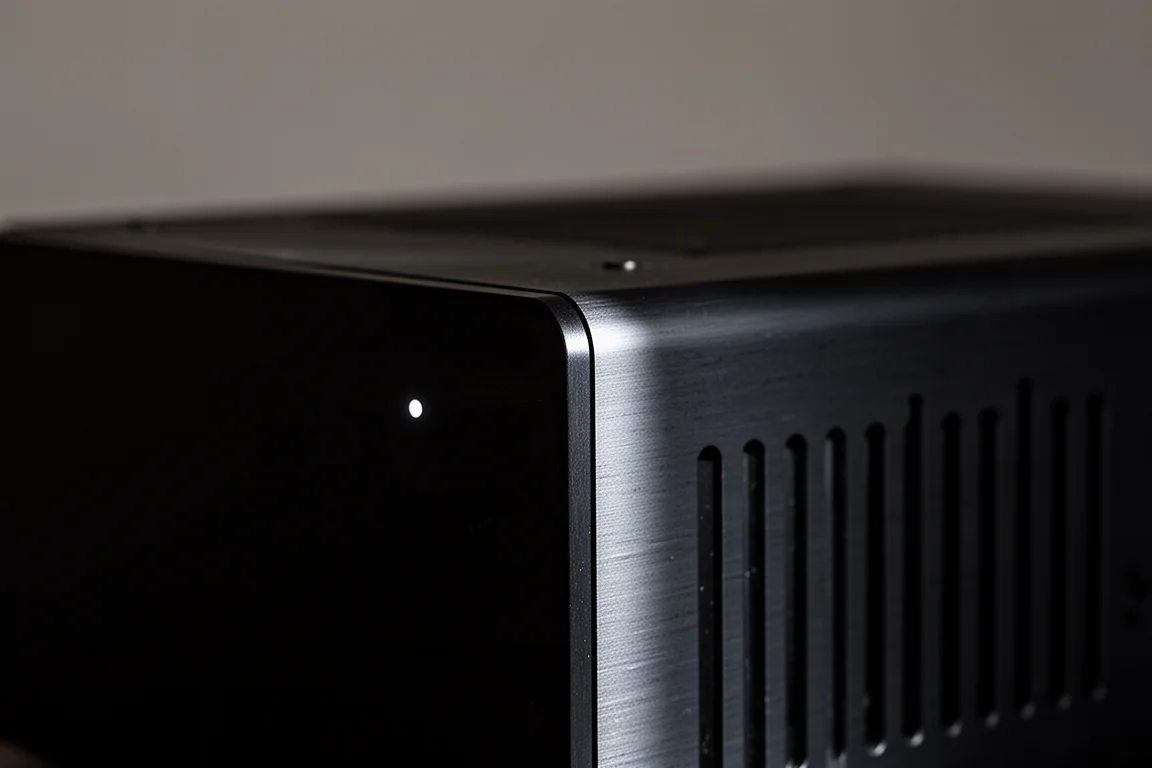
For anyone building a two-channel system around demanding speakers, that combination of high output and silent operation is the main draw.
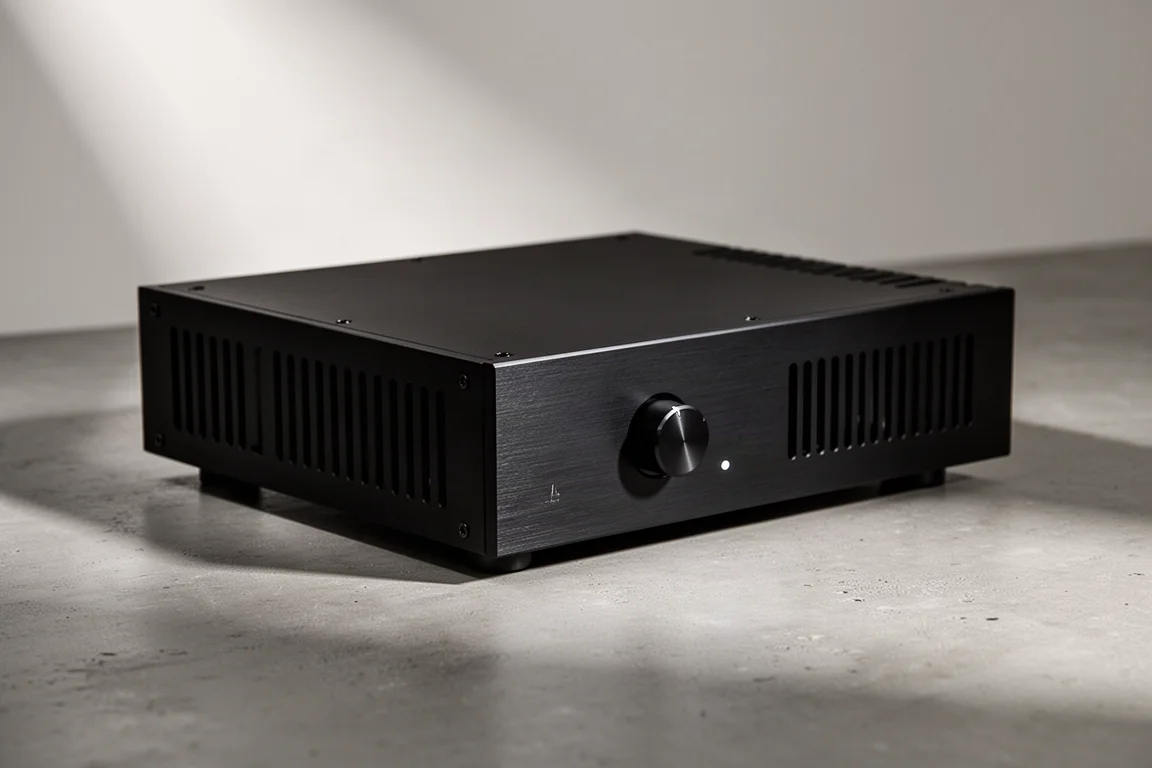
Starke Sound F2 Amplifier
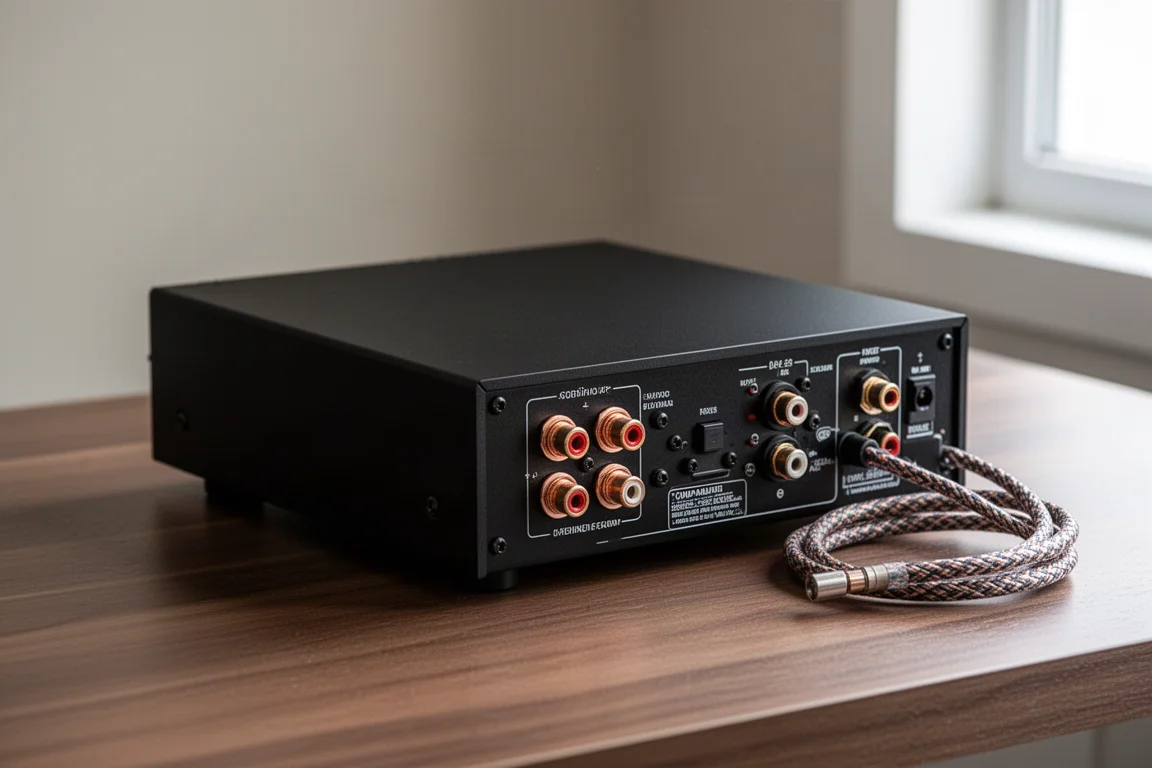
The F2 was developed together with Eversolo and is essentially a two-channel version of the existing F4. It delivers 280 watts per channel into 4 ohms and uses a switch-mode power supply. Copper binding posts on the rear mark it out as the more upgraded option at its price point.
Because it was designed alongside Eversolo’s components, the F2 is intended to sit naturally in the same system, and it is the two-channel companion to the higher-output A3.
Starke Sound SW15 Subwoofer
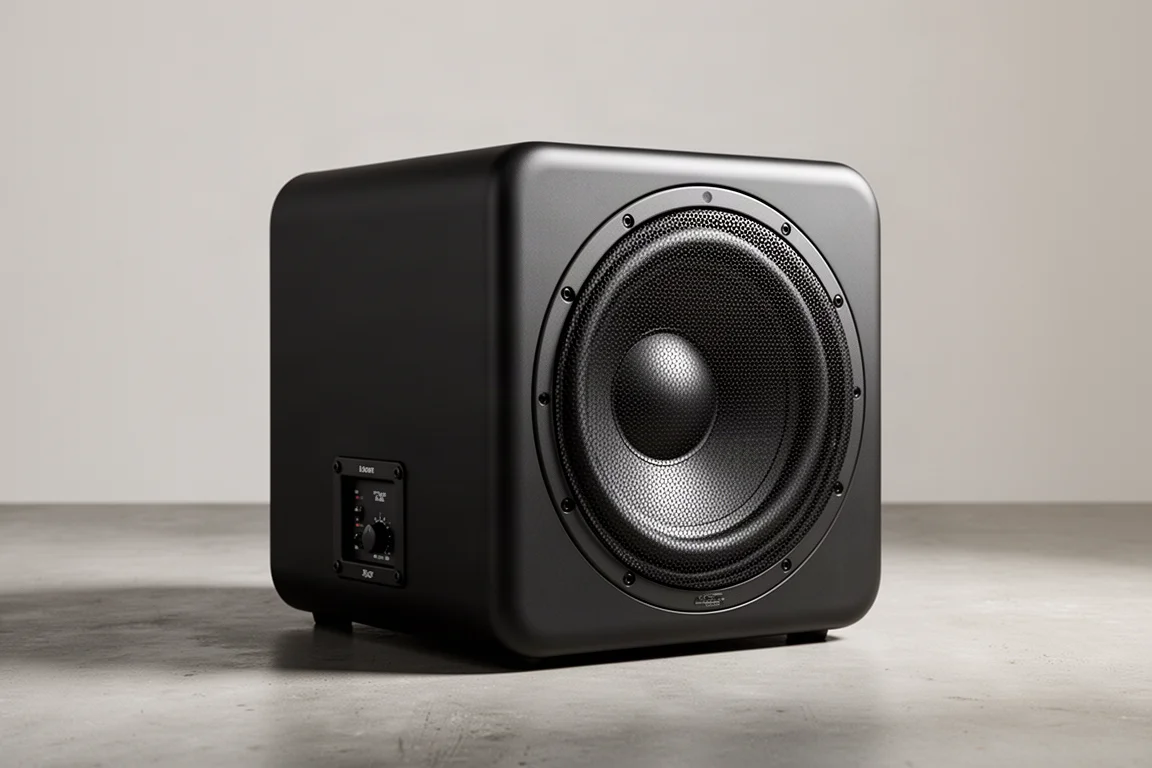
The SW15 is an active, sealed subwoofer built around a 15-inch driver, and its most striking trait is size. The cabinet is smaller than some 12-inch subwoofer designs, which matters when you are working out where a subwoofer can actually live in a room.
Power comes from a 470-watt Class D amplifier with 900 watts of peak output. The SW15 has been on the market for about two years and is sold direct online.
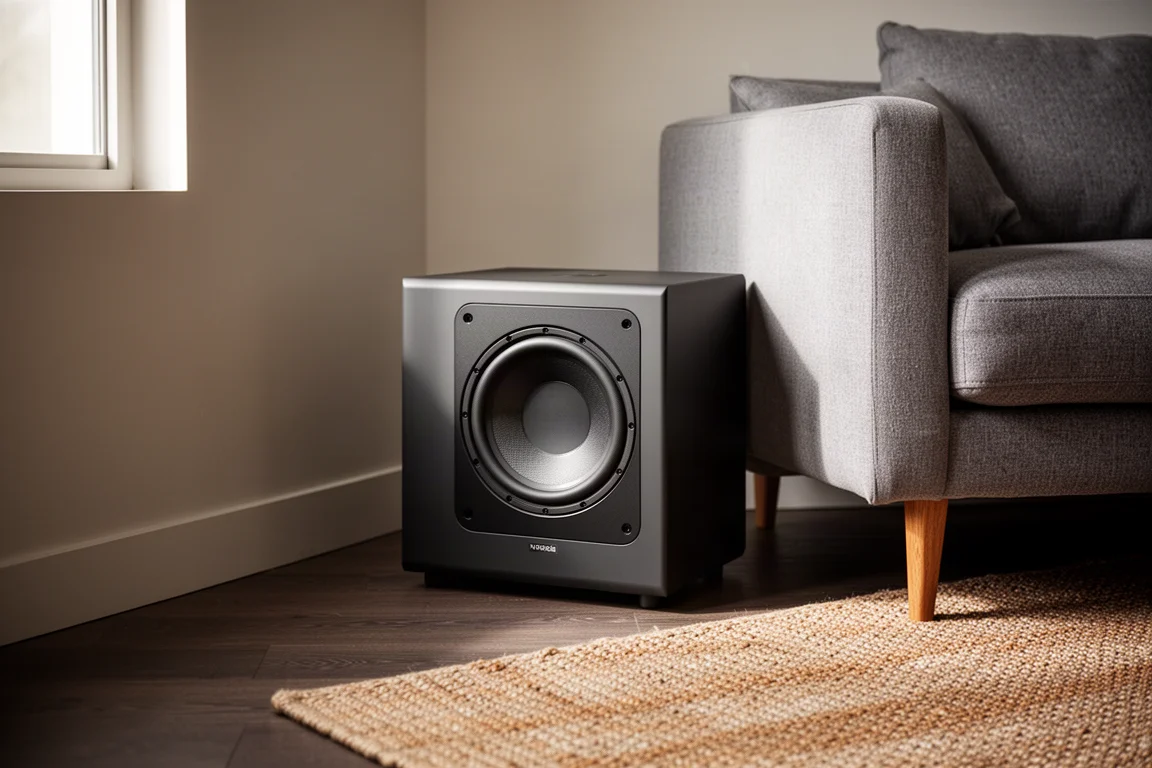
Owners commonly run one, two, or even four of them, and the compact cabinet makes stacking a pair or a quad far easier than it would be with a larger enclosure.
Starke Sound SW15P Ported Subwoofer
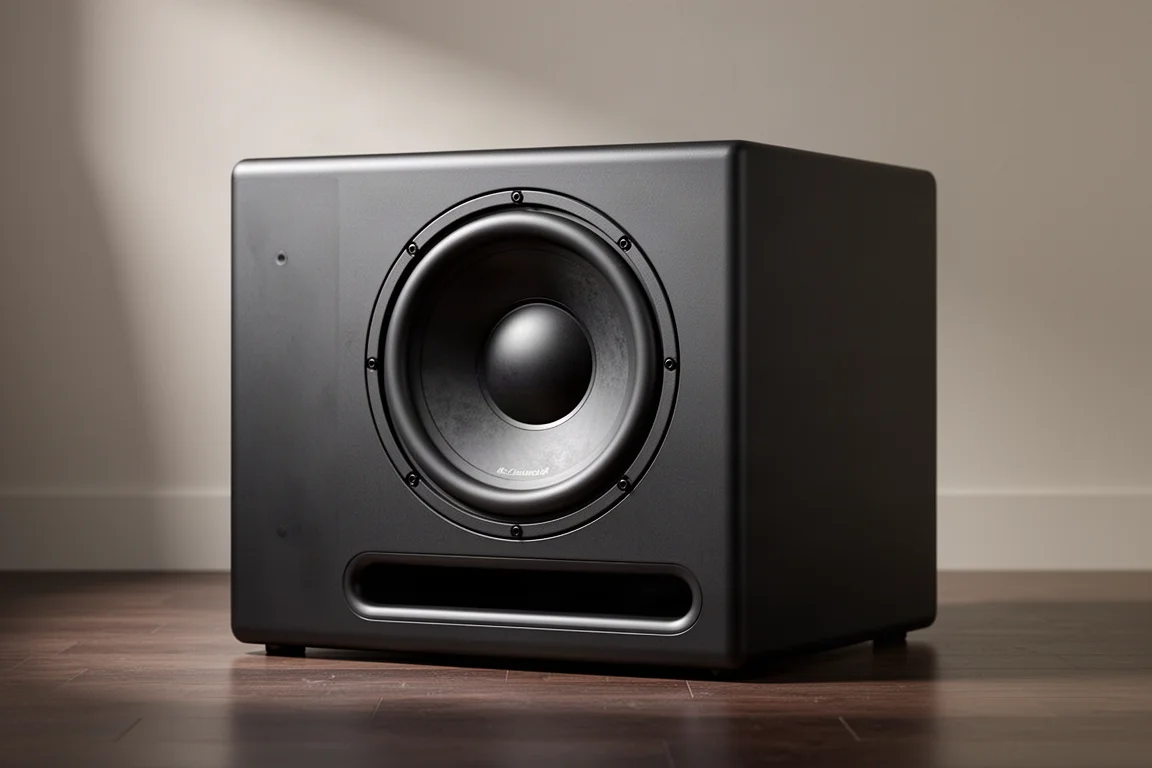
The SW15P is the ported counterpart introduced over the past year. Instead of a circular port, it uses a slotted port. Starke Sound experimented with a more traditional round port during development and found the slot version both sounded better and delivered higher performance.
Eversolo DMP-A6 and DMP-A8: Why the Pairing Matters
Starke Sound and Eversolo have been working together for some time, and the Beta 7 was in development while that relationship was taking shape. The goal was a cost-effective speaker whose pricing, dynamics, and performance lined up with what Eversolo’s DMP-A6 and DMP-A8 already do well.
For DMP-A6 owners, the Beta 7 is positioned as a natural partner: a compact, affordable speaker that plays to the strengths of the source without demanding a large room or a large budget.
The DMP-A8 sits higher in the Eversolo range, and the Beta 7 was tuned with that level of performance in mind as well. Listeners who already own either model, or who are considering one, are the audience Starke Sound had in mind when setting the Beta 7’s price.
Buying Advice
The lineup splits cleanly by room and by goal. If you want a compact two-channel system built around an Eversolo source, the Beta 7 and its matching stands are the obvious starting point, and the introductory price makes the decision easier than the sound quality alone would suggest. Just keep in mind that the price is introductory rather than permanent.
If your priority is output and scale, the P7 and the A3 amplifier are the pair to look at, particularly for a larger home theater or a custom installation where high SPL and flexible placement matter. The F2 covers the two-channel case at a more accessible level and was designed to sit alongside Eversolo components.
For low frequencies, the choice between the SW15 and the SW15P comes down to cabinet and tuning philosophy: sealed and compact for flexible placement and easy multiples, or ported with a slotted design for the version Starke Sound felt performed best.
Conclusion
Starke Sound’s show lineup covers more ground than a single product launch usually does: an anniversary bookshelf speaker priced to attract new buyers, a horn-loaded three-way for larger rooms, two amplifiers with clearly different roles, and two subwoofers that answer the sealed-versus-ported question in their own ways. Paired with Eversolo’s DMP-A6 and DMP-A8, the Beta 7 in particular looks like one of the more accessible entry points into the brand.
Further reading
Related Reviews
Hi-Fi Audio
Accuphase C-57 vs Allnic H-7000V: Two High-End Phono Stages Compared
A fully balanced solid-state phono stage with a pitch-black noise floor meets a tube design built for well-loved records. Here is how to choose between them.
Hi-Fi Audio
Active vs Passive Hi-Fi: Five Components for a Modern System
Five components that define modern active and passive hi-fi systems, with the strengths, trade-offs and setup details worth weighing before you buy.
Hi-Fi Audio
Advance Paris A10 Apex Review: A Hybrid Integrated Amplifier That Covers a Lot of Ground
A French hybrid integrated amplifier with a class A tube preamp stage, analogue power meters, and an internal DAC and phono stage good enough to make extra boxes unnecessary.