Hi-Fi Amplifiers
Starke Sound Fiera 4 vs AD4 vs NAD C 298: Three Class D Amplifiers Compared
A practical comparison of the Starke Sound Fiera 4, the discontinued AD4, and the NAD C 298, covering sound character, output claims, and which listener each amplifier suits.
Introduction
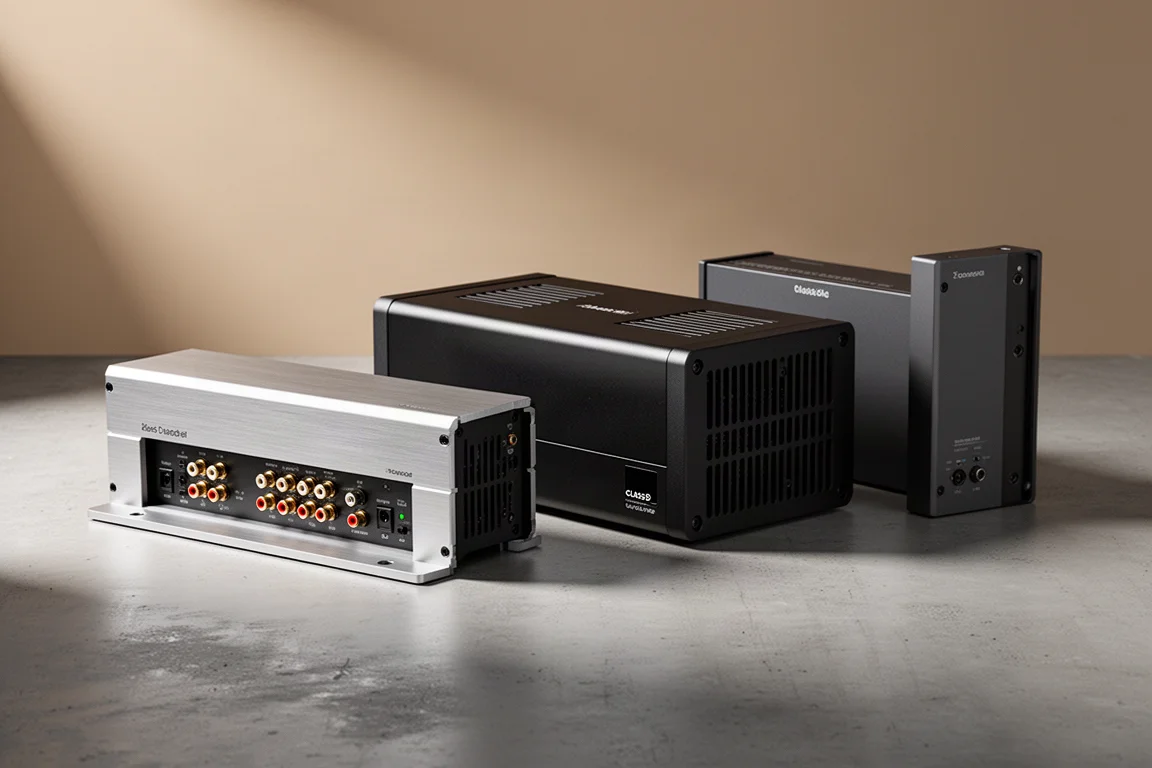
Class D amplification has settled into the mainstream of serious hi-fi, and the Starke Sound Fiera 4 is a useful example of where the category is heading. It is a four-channel Class D power amplifier and the successor to the AD4, a discontinued model that still has a devoted following among listeners who spent time with it.
This comparison places the Fiera 4 alongside its predecessor and the NAD C 298. All three are Class D designs that can drive demanding speakers, but they aim at different targets. The Starke Sound models have a deliberate voicing, while the NAD C 298 aims for neutrality above all.
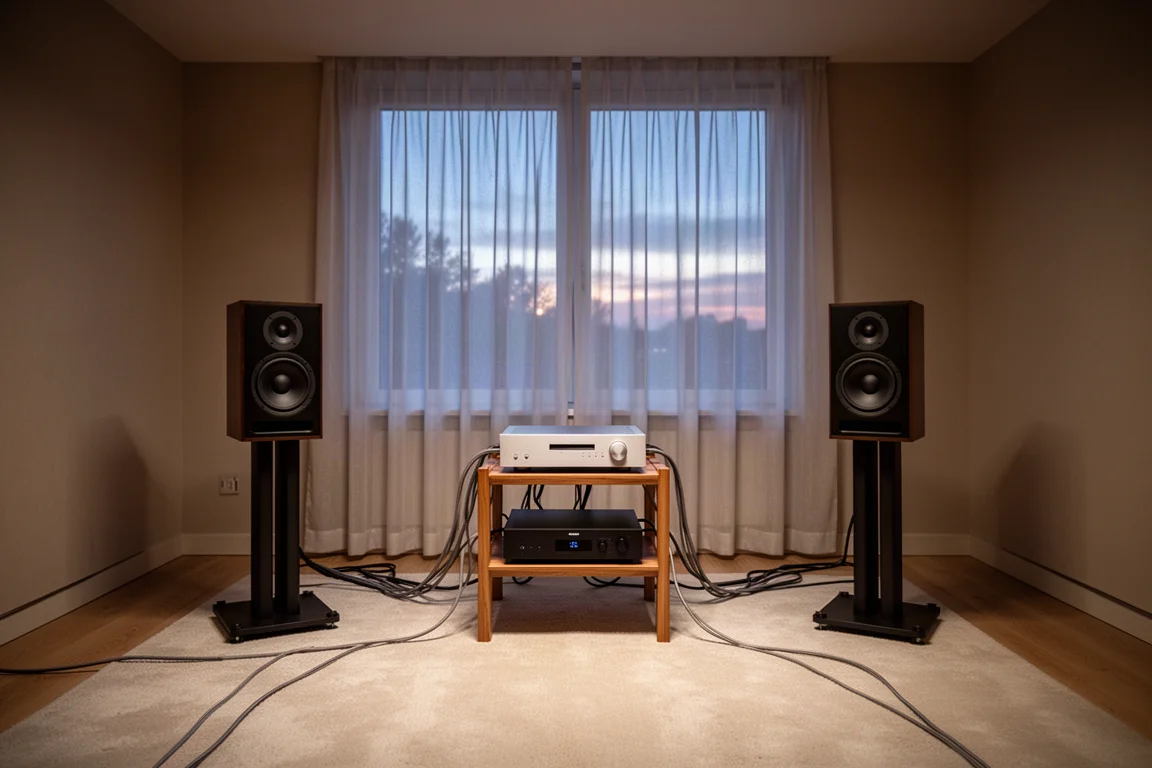
One piece of context shapes everything below. The AD4 was measured independently and found to deliver less output than its published figures suggested, and the Fiera 4 arrives after that episode. Independent measurements of the Fiera 4 now show output ratings that are conservative rather than inflated, which is a meaningful change in approach.
What Changed From the AD4 to the Fiera 4
The biggest change is the power supply. The AD4 used a pair of large toroidal transformers, while the Fiera 4 uses a shielded switching power supply instead. That is common practice in Class D designs, and Starke Sound says the switch was made for better measurements, better sound, and better overall performance. The company also points out that some customers experienced hum with the transformer-based supply, and that a switching supply is faster and simpler to manufacture.
Features and aesthetics carry over almost unchanged. The Fiera 4 is still a four-channel amplifier that can be bridged into two channels with a switch on the rear panel, so it can serve stereo systems as well as multi-channel or bi-amplified setups.
The other constant is the amplification module itself. Most Class D amplifiers on the market use third-party modules, while Starke Sound designs its own in house. The company says that gives it maximum flexibility over how the amplifier sounds, and the voicing of both the AD4 and the Fiera 4 suggests that flexibility is being used.
Starke Sound Fiera 4: Sound and Character
The Fiera 4 has plenty of drive. It handles power-hungry bookshelf speakers and larger floorstanders without strain, and in direct comparison it can sound as though it has more power in reserve than the NAD C 298.
Tonally it is not a neutral amplifier. It leans slightly V-shaped, with a touch more weight in the bass and a touch more energy in the treble. With bright recordings, or with speakers that already trend bright, that treble emphasis can tip into hardness.
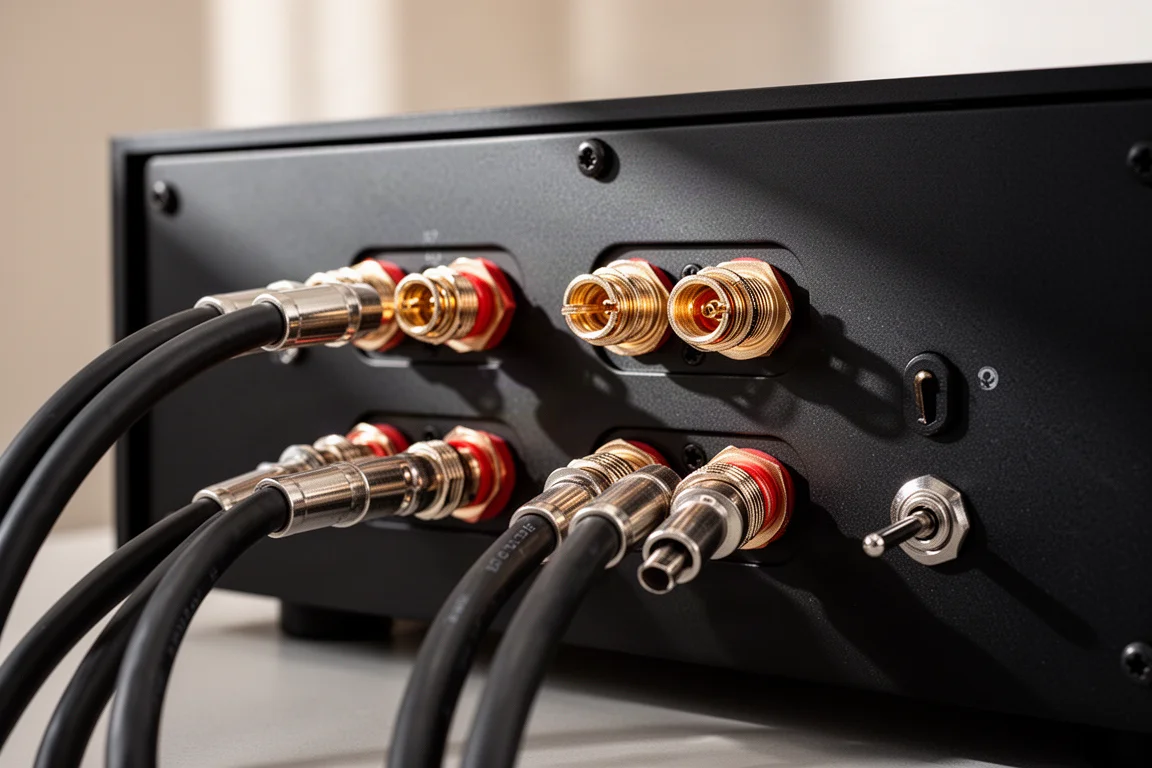
What it does well is pairing. Connected to speakers that are smooth rather than forward, the Fiera 4 opens them up and adds scale. One combination that stood out was the GR Research XLS Encores, where amplifier and speaker seemed to flatter each other in a way that is rare at any price.
Dynamics are strong across the board, and the overall presentation is more extended and more reference-oriented than the AD4’s. What it gives up is some of the soundstage depth, width, and emotional pull that make the AD4 so easy to keep listening to.
Starke Sound AD4: The Warm, Musical Predecessor
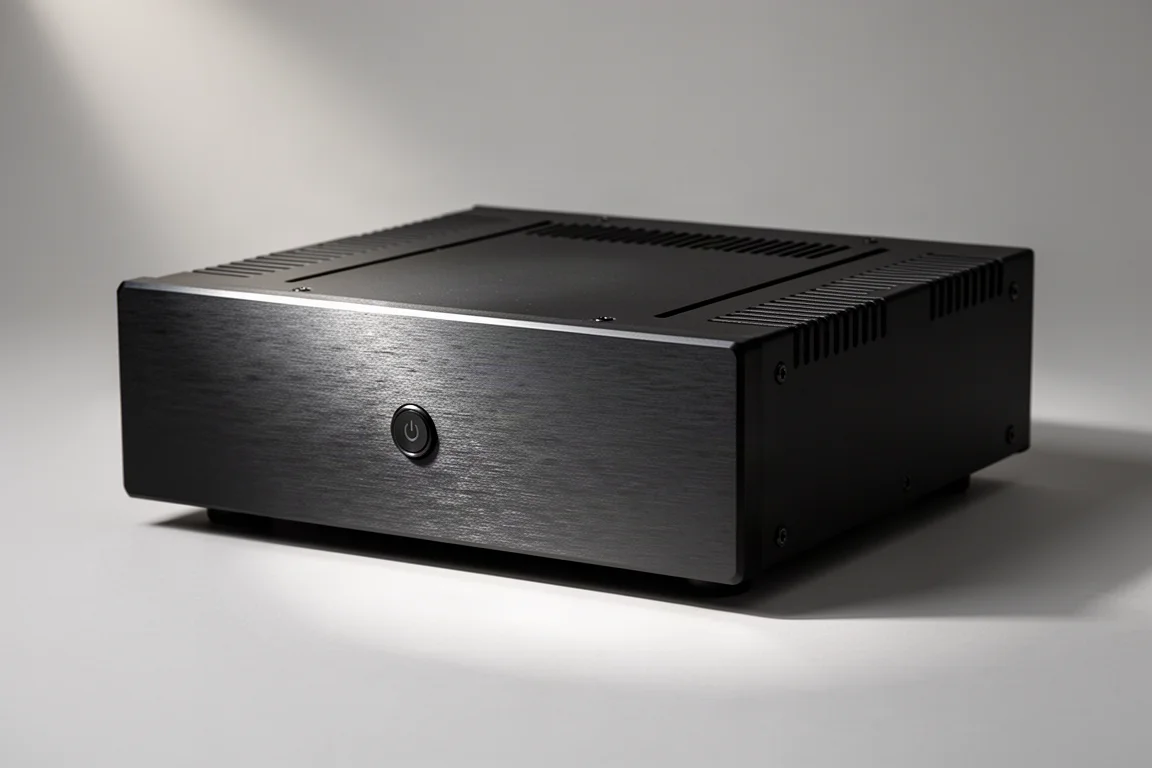
The AD4 is discontinued, but it defines this comparison. Its dual toroidal transformer supply gives it a distinctly different character: warmer, more natural in tone, and noticeably more musical than the Fiera 4.
Listeners who heard both amplifiers on the same speakers in the same room often preferred the AD4. Its strengths are soundstage depth and width, plus a sense of emotion that is hard to measure and easy to notice. It also never sounded short of power, even on demanding speakers, which is precisely what made the independent output measurements so surprising.
That is the caveat to weigh. Measurements of the AD4 showed output capability below the published specification, and a small number of owners encountered hum in their systems. If you find one on the secondhand market, those are the two things to verify before you commit.
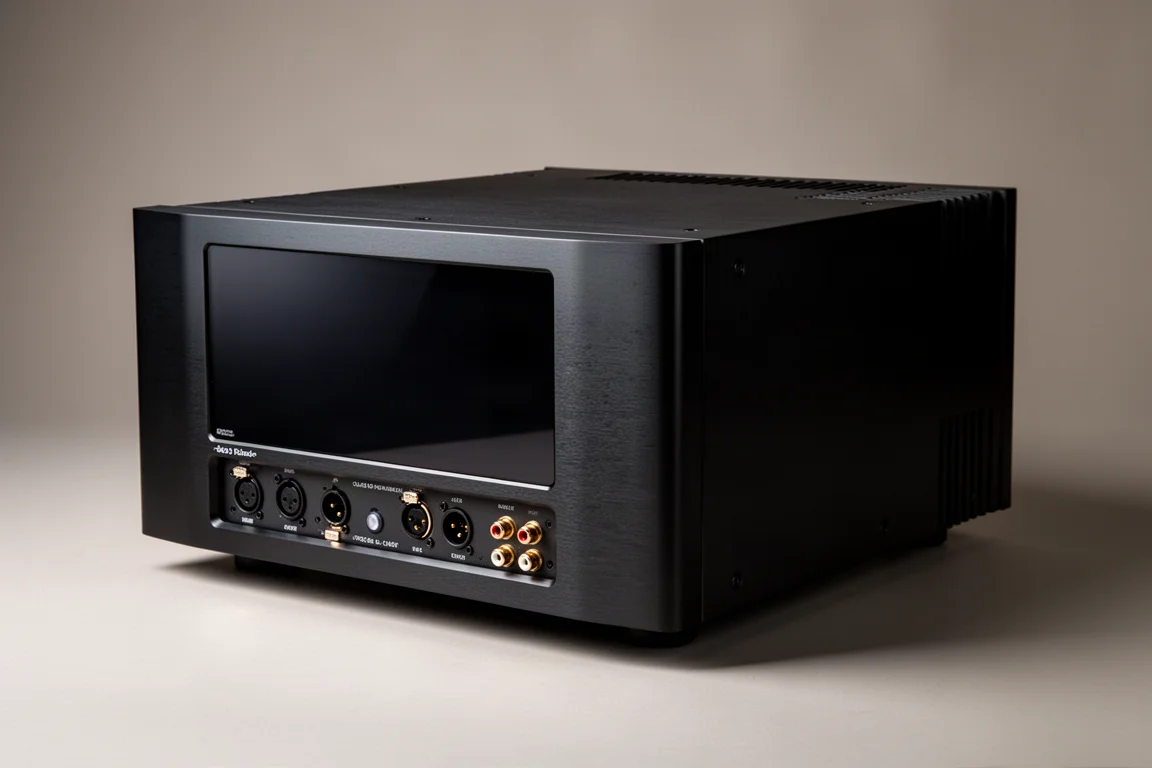
NAD C 298: Reference Balance for Everyday Use
The NAD C 298 is the most neutral of the three. It adds very little colour of its own, which makes it an excellent instrument for evaluating speakers rather than flattering them. In systems where the goal is to hear what a component is really doing, that quality is worth more than any voicing.
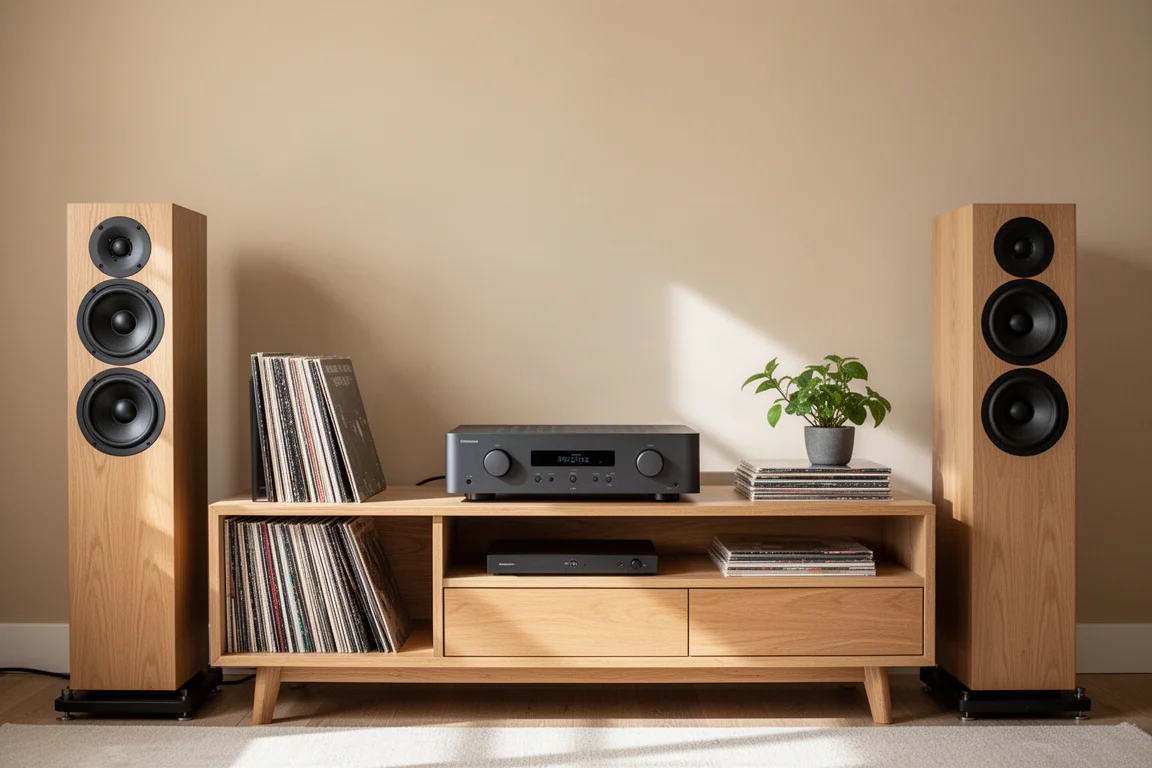
That neutrality is exactly what separates it from the Starke Sound designs. Where the AD4 leans warm and the Fiera 4 leans slightly V-shaped, the C 298 stays even, analytical, and controlled, and it drives difficult loads without complaint.
In direct comparison with the Fiera 4, though, it can sound as though it has slightly less in reserve, and it still carries a recognisable Class D character rather than the warmer, more musical presentation of the AD4. For reference work and long-term system building, that trade-off is often the right one.
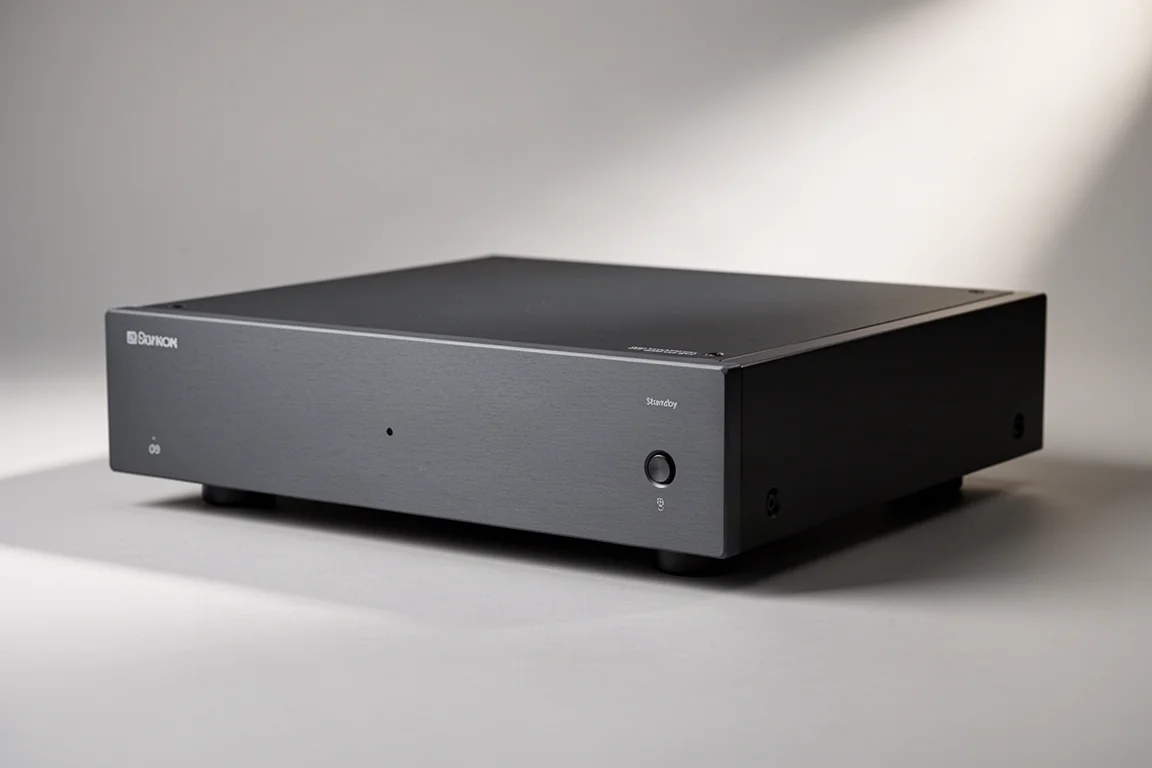
Why Measurements and Listening Impressions Can Diverge
Independent measurements are the most reliable starting point for judging an amplifier, and published specifications should be accurate. Both statements can be true at the same time as the observation that a wattage figure does not fully describe how an amplifier drives real speakers.
Some designs deliver high current and cope with difficult loads despite modest ratings, and the AD4’s dual-transformer supply is one possible reason it never sounded short of power. That remains an educated guess rather than a verified explanation, and it does not excuse publishing inflated figures in the first place.
The more useful lesson is that the Fiera 4 now measures conservatively. A specification you can trust is worth more than a headline number, and it means the Fiera 4 can be judged on its sound rather than on whether the numbers add up.
Buying Advice: Matching the Amplifier to Your Speakers
Start with your speakers. If they are smooth and slightly laid back, the Fiera 4 is the most rewarding of the three, adding scale and energy without tipping into glare. If they are already bright, its treble emphasis may be too much.
If warmth, musicality, and soundstage depth matter more to you than measurement precision, a secondhand AD4 remains a compelling amplifier, provided you confirm there is no hum in your system and you accept that its published output figures were not accurate.
If you want neutrality, a clean reference, and an amplifier that helps you evaluate other components, the NAD C 298 is the straightforward choice, and it will drive demanding speakers without strain.
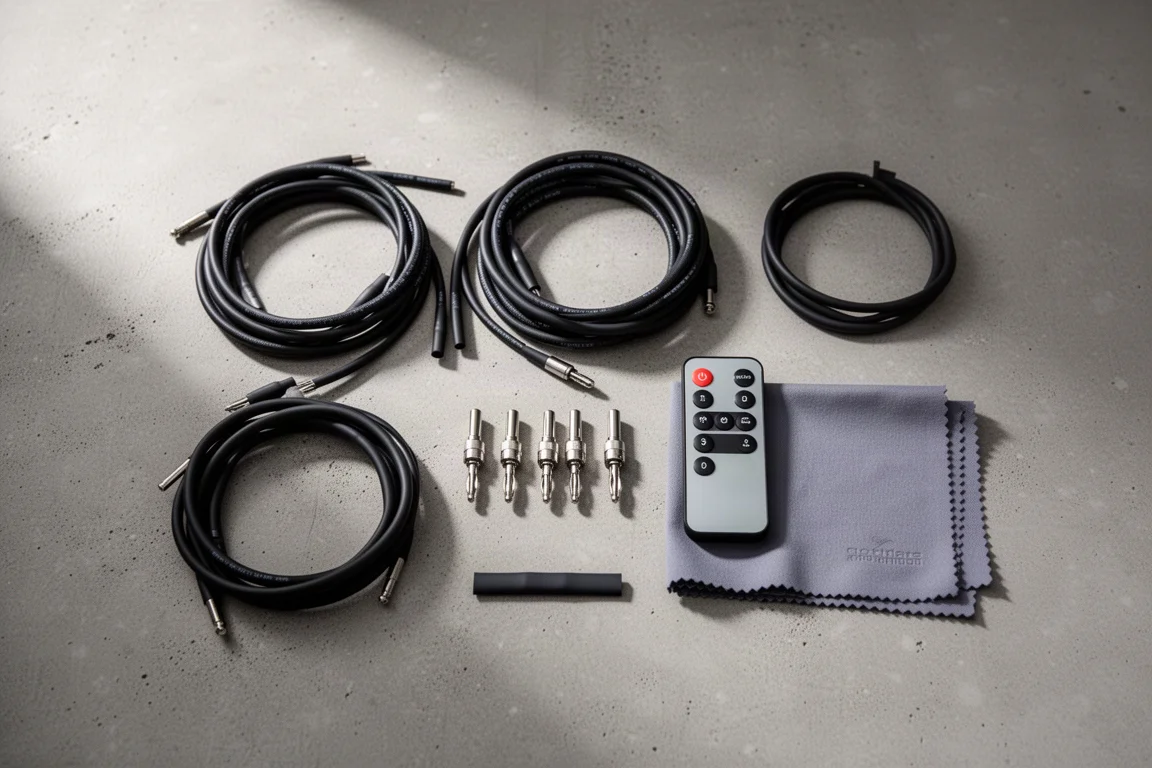
All three have enough power for most real-world speakers, and the Starke Sound models add flexibility with four channels that can be bridged into two. If you can listen before buying, do so. If you cannot, buy for the character you actually want rather than for the biggest number on a spec sheet.
Conclusion
The Fiera 4 is a strong amplifier with a specific personality: extended, dynamic, and slightly V-shaped, and at its best with speakers that are not bright. The AD4 remains the more musical of the two and the one many listeners still prefer, with the caveat that its published specifications did not hold up and that hum affected a small number of systems. The NAD C 298 sits apart as the neutral reference tool of the group.
Choose on character and on your speakers rather than on wattage alone, and any of the three can anchor a system for years.
Further reading
Related Reviews
Hi-Fi Amplifiers
Accuphase E-280 Review: Entry-Level Accuphase With Flagship Attention to Detail
A close look at the Accuphase E-280 integrated amplifier, covering its champagne build, AAVA volume control, sound quality, and the speakers and sources that suit it best.
Hi-Fi Amplifiers
Advance Paris A10 Classic vs Yamaha A-S301: Two Integrated Amplifiers Compared
A practical comparison of a $350 integrated amplifier and a $2,500 reference model, covering the differences that matter and the ones that do not.
Hi-Fi Amplifiers
Affordable Chinese Amplifiers Worth Buying: Five Budget Hi-Fi Amps Compared
A practical look at five affordable amplifiers, what each one does well, and the trade-offs to weigh before you buy.