Camping Tents
Stansport Starlight Mesh Backpacking Tent Review: A Budget Tent With Clear Limits
A low-cost backpacking tent that stays dry in light rain but takes on water in moderate rainfall, with limited ventilation and rough finishing throughout.
Introduction
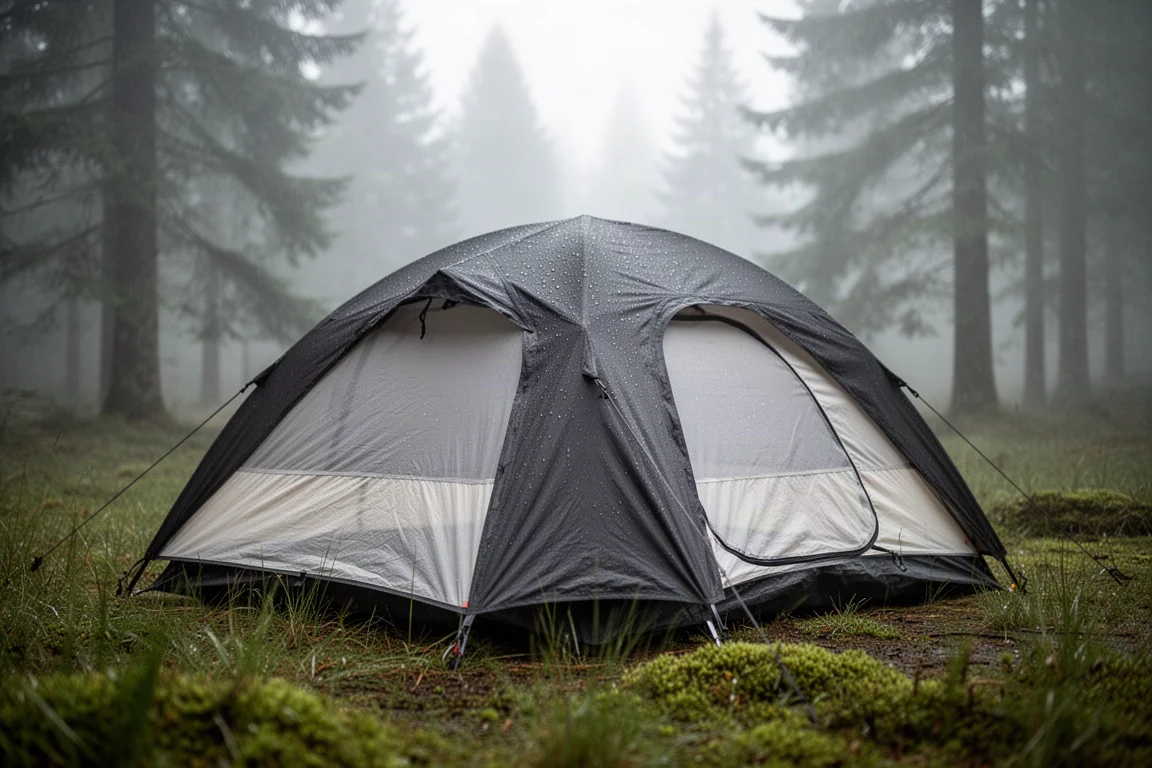
The Stansport Starlight Mesh Backpacking Tent is an entry-level shelter from a brand that has been making outdoor gear since 1949. Stansport presents it as protection against the elements and as suitable for both the campground and the backcountry. The package includes stakes, fiberglass poles, a fly and printed instructions, and the tent sells for around $60, with sale pricing that drops closer to $40.
At that price, the two questions that matter are straightforward: does it keep water out, and can air move through it? Rain testing answered both, and the results were mixed.
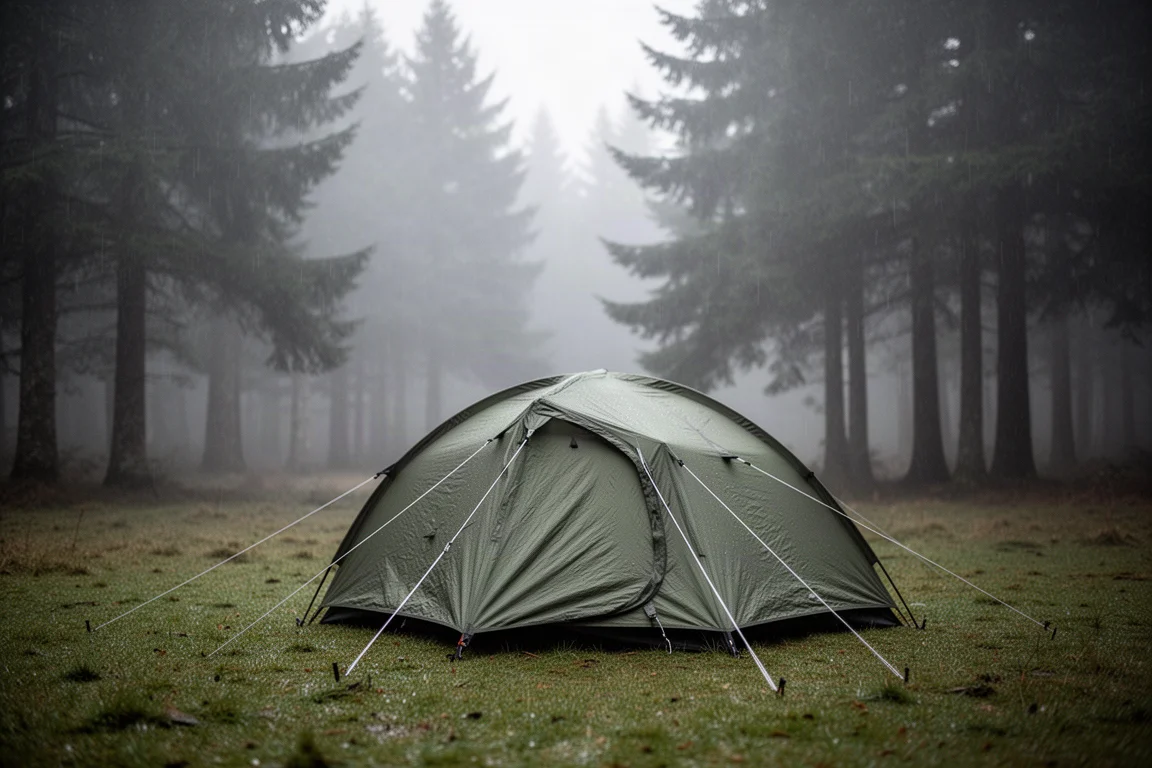
Across roughly 24 hours pitched outdoors, the Starlight stayed dry through light rain but let water inside once rainfall reached moderate levels. The interior also felt damp well before the heavier rain arrived, which is consistent with condensation collecting inside and moisture working up through the floor material rather than a single dramatic failure.
Who This Tent Is For
This tent is aimed at shoppers who want the lowest possible price on a two-layer shelter with a fly, a mesh body and a full pole set. It makes the most sense for someone who needs a cheap tent for fair-weather nights and accepts that weather protection is limited.
It is a much weaker fit for backpackers planning multi-day routes, exposed campsites or trips where rain is likely. The gap between how the tent is described and how it behaves in moderate rain is the central issue, and it is worth understanding that gap before buying.
Main Strengths
Price and light-rain performance are the two areas where the Starlight holds up. Pitching takes roughly 10 minutes from bag to standing, and everything needed to set it up is included in the box.
In light rain, water did not get through the fly. It was also the most water-resistant Stansport tent tested here, although that comparison sets a modest bar. The fabric and seams held well enough to keep a light, steady drizzle outside where it belongs.
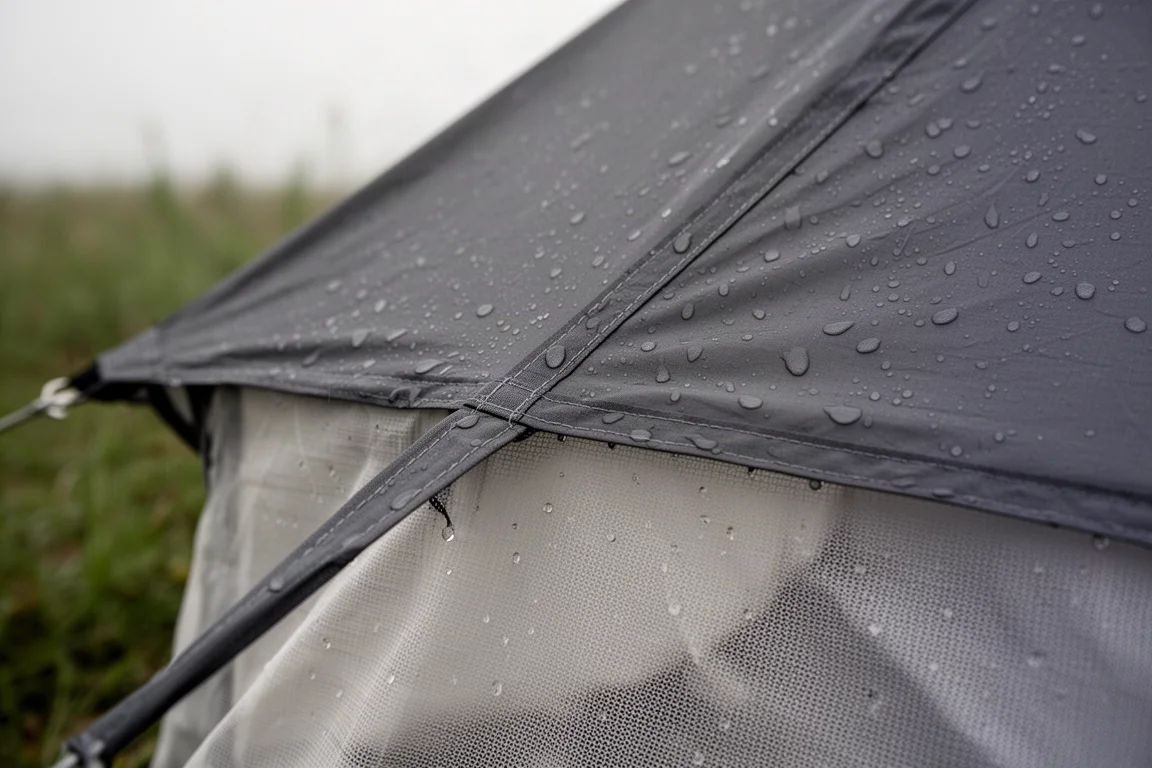
For a buyer who only camps in settled, dry weather, those points carry more weight than the shortcomings. A tent that pitches quickly and shrugs off a light shower is genuinely useful if that is the full extent of the weather it will ever see.
Rain Performance: Light Rain Versus Moderate Rain
The tent spent around 24 hours pitched outdoors, roughly six hours of which were light rain before the weather built into periods of moderate rainfall. It was set up in a sheltered spot under tree cover, which meant a true downpour never reached it during the test window.
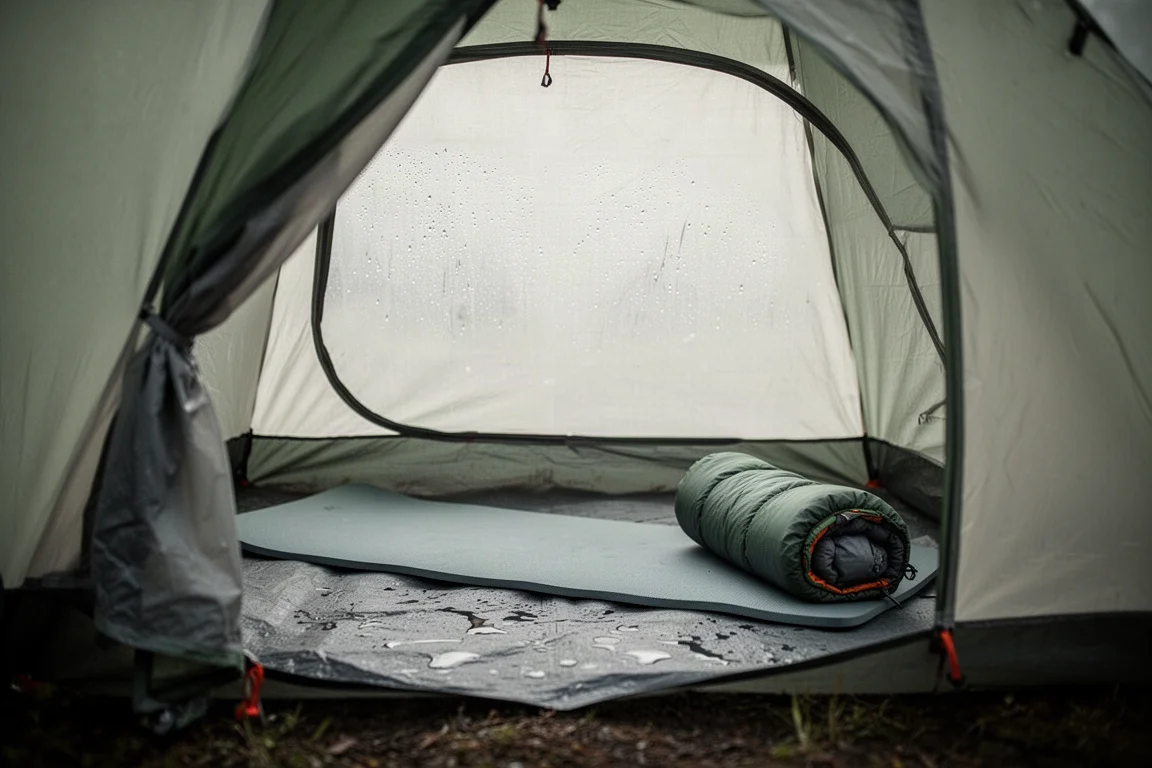
Light rain produced no leakage. Once moderate rainfall settled in, water appeared inside the tent. The interior had already been damp before that, matching the condensation problem created by the lack of airflow and moisture passing through the floor material. The amount of water was not extreme by the standards of a badly sealed budget tent, but a damp interior on a cold night is a real problem regardless of volume.
Design and Build Quality Concerns
Ventilation is the headline issue. The fly sits directly against the body with no way to pull it away, front or back, so air cannot circulate between the layers and condensation has nowhere to escape. The fly also barely covers the edge of the floor around the whole perimeter, which leaves very little margin once rain starts running down the fabric.
Finishing is rough. Stitching is uneven, and there are small holes in the fly fabric where seams are sewn. The front vestibule leans too far in one direction, rear coverage is minimal, and the tie-off point achieves very little because the fly cannot be tensioned away from the body. Setup is fiddly as well: the fiberglass pole sections come apart while being threaded through the sleeves, and the pole ends catch on the fabric.
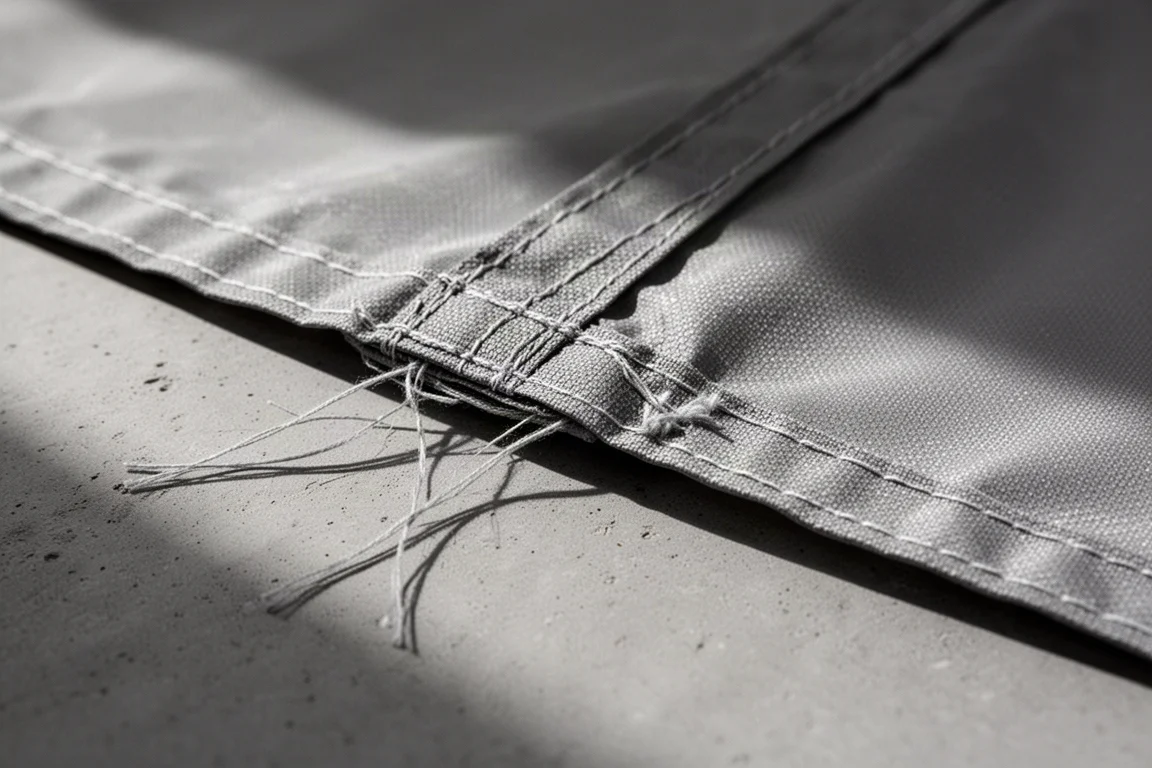
None of these details is cosmetic on its own. Together they explain why the tent struggles as soon as the weather becomes more than a light shower, and why the interior stays humid even when water is not actively getting in.
Things to Consider Before Buying
Ventilation is the first thing to weigh. With the fly pressed against the body, expect condensation inside on cool, humid nights even in dry weather.
Weather exposure is the second. Light rain was handled without leakage, but moderate rainfall put water inside the tent, and the sheltered test position means an exposed pitch would see more.
Backcountry claims deserve scrutiny. The tent is described as suitable for campground and backcountry use, and the rain results do not support that second use case in wet conditions.
Build quality is the third consideration. Uneven stitching, small holes in the fly fabric and poles that separate during pitching are all visible before the tent is even fully set up.
Buying Advice
For a small outlay, buyers get a tent that pitches quickly and handles light rain. What they do not get is a shelter that stays dry in moderate rainfall, breathes properly, or shows careful construction. Anyone whose trips involve genuine weather exposure should treat those limits as disqualifying rather than as quirks to work around.
If budget is the deciding factor and the tent will only ever see dry, fair-weather nights, the low price is the strongest argument in its favour. For backpacking, exposed campsites or multi-day trips where rain is likely, it makes far more sense to put that budget toward a shelter whose weather protection is not in question.
Conclusion
The Stansport Starlight Mesh Backpacking Tent is inexpensive, quick to pitch and adequate in light rain, and it is the most water-resistant Stansport tent reviewed here. It also leaks in moderate rainfall, ventilates poorly enough to leave the interior damp, and shows rough stitching and small holes in the fly fabric.
Those trade-offs are acceptable only for buyers who need a very cheap tent for dry conditions and understand exactly what they are getting. For anyone heading into the backcountry or camping where rain is a real possibility, the answer is simple: this is not the tent to rely on.
Product link
View more details for Stansport Starlight Mesh Backpacking Tent
This product is mentioned in the review. Check the specifications, options, and compatibility before buying.
View more details for Stansport Starlight Mesh Backpacking TentFurther reading
Related Reviews
Camping Tents
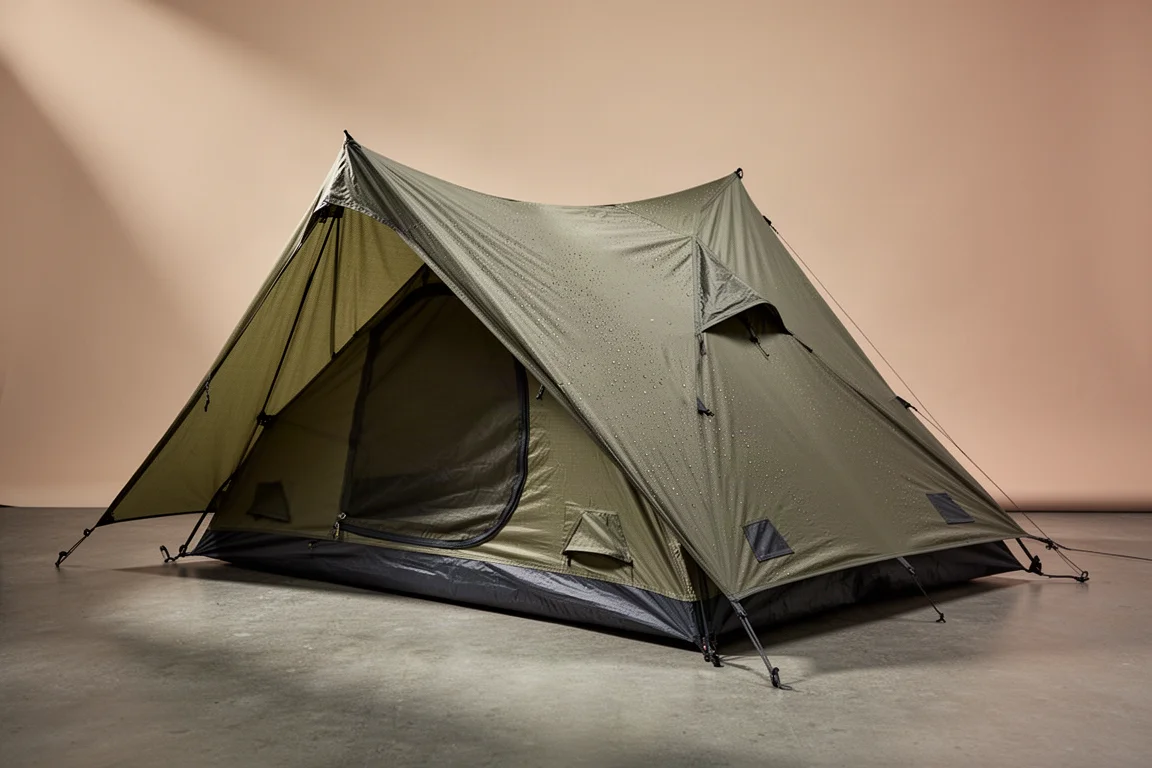
3F UL Gear Taiji Two-Person Tent Review: Field Waterproofing Results and Buying Advice
The Taiji pairs an attached fly with a removable inner, but sustained rain exposed untaped vent seams that need sealing before this shelter can be trusted.
Camping Tents
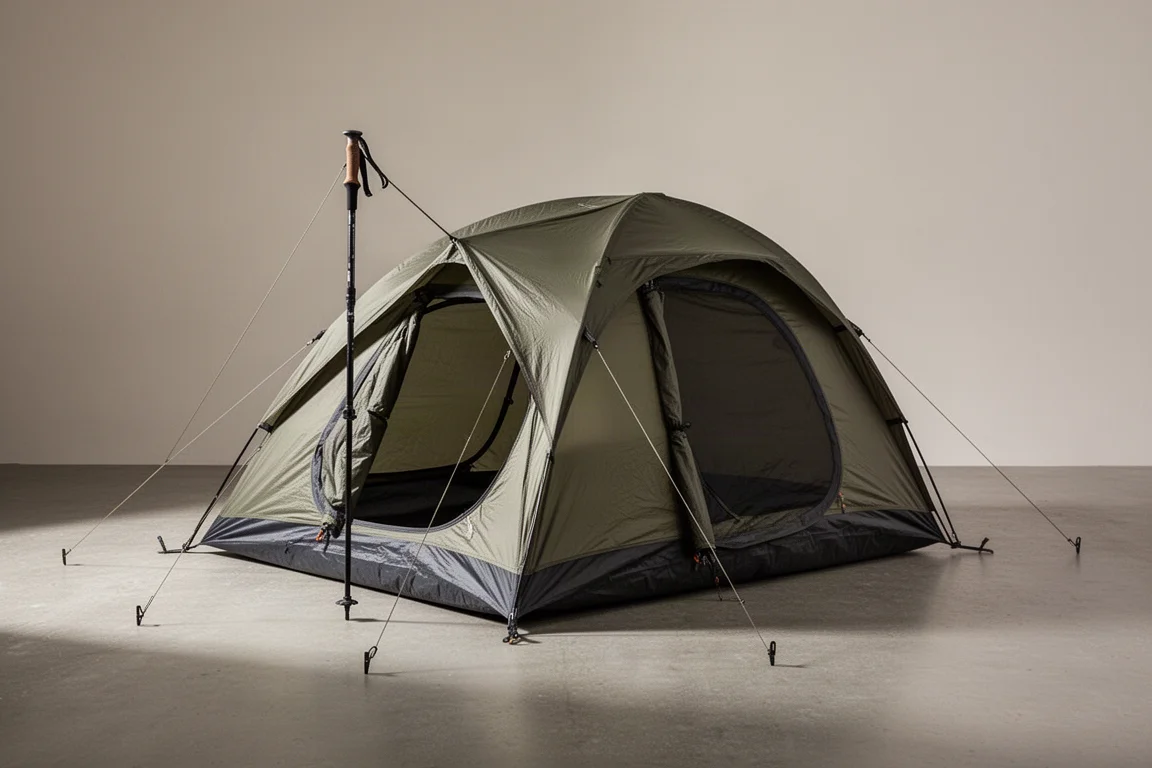
3FUL Gear Lanshan 2 Pro 4-Season Review: A Sub-$200 Single-Wall Trekking Pole Tent
An early look at the 3FUL Gear Lanshan 2 Pro 4-Season, covering its straightforward pitch, generous interior space, and the condensation and seam-sealing questions that come with any single-wall shelter.
Camping Tents
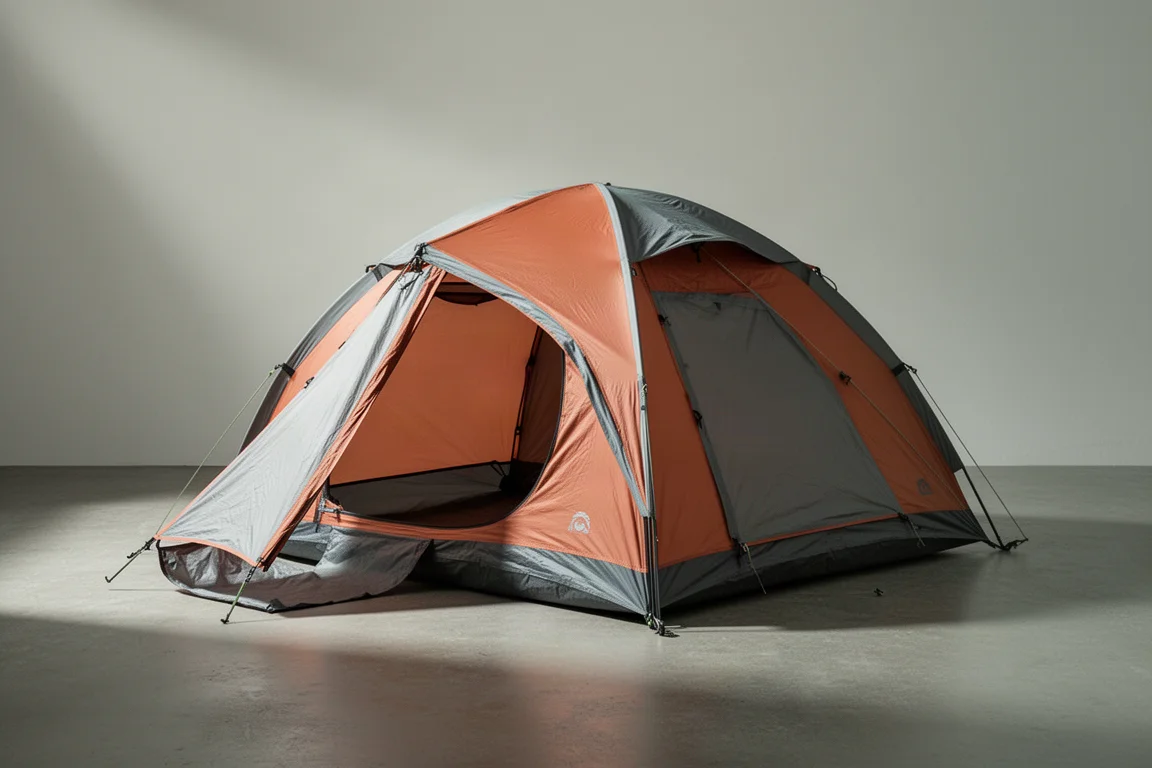
Alps Mountaineering Lynx 1-Person Tent Review: Big Value in a Small Budget Tent
A close look at the Alps Mountaineering Lynx 1-Person Tent, covering real interior dimensions, materials, setup time, ventilation limits, and who should buy it.