Camping Tents
Stansport Scout Tent Review: A Budget A-Frame That Leaks in Light Rain
The Stansport Scout Tent is sold as a compact, waterproof, three-season backpacking shelter for around $50. In light rain it leaked heavily, and the unsealed seams and failing guy lines explain why.
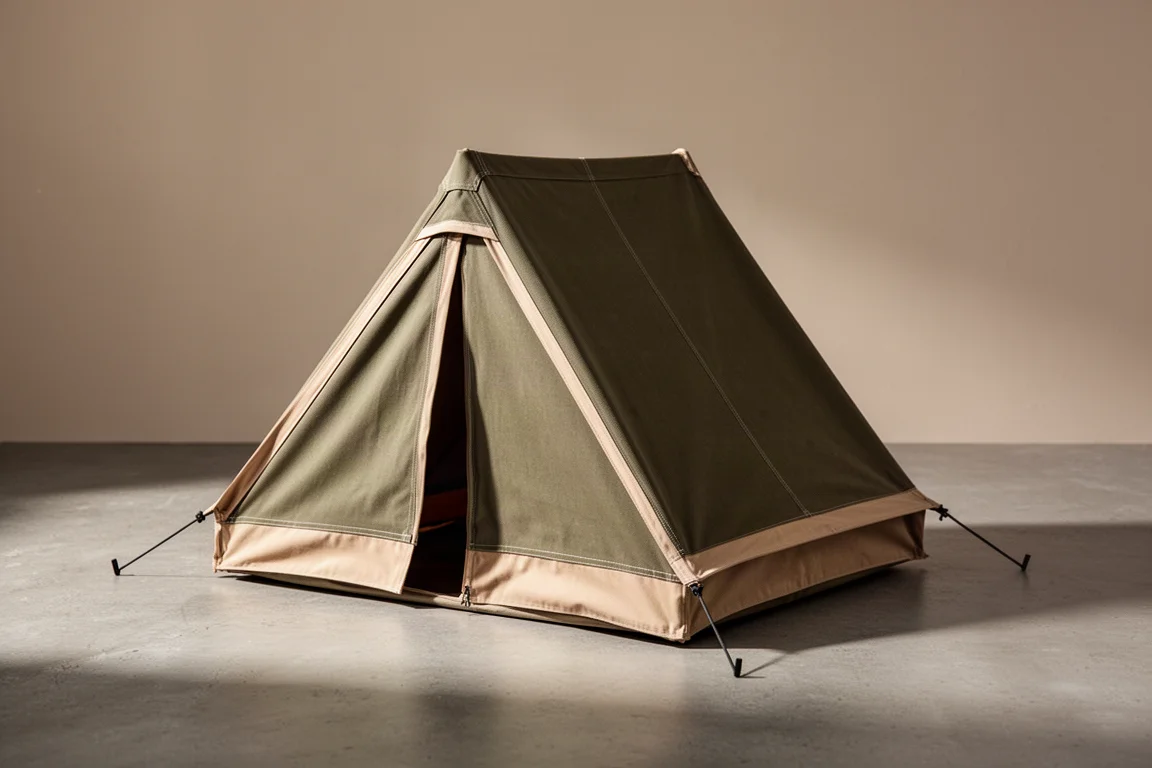
Introduction
The Stansport Scout Tent is a small A-frame shelter sold as a waterproof, three-season backpacking tent for around $50. That combination of claims and price is exactly what makes it worth a careful look. An inexpensive tent can still be a sensible purchase, but only if it keeps the weather out.
This one does not. In a light rain event, with roughly a tenth of an inch of rain falling, water came through the fabric, ran down the walls, and pooled on the floor. The result is easier to understand once the construction is examined closely: the seams are not sealed, the guy line tensioners slip, and the guy-out points sit too high on the body to pull the walls taut.
What follows is an honest account of what this tent gets right, where it fails, and who, if anyone, should consider buying it.
Who the Stansport Scout Tent Is For
The product description promises a compact, lightweight backpacking tent with the nostalgic look and proven design of a classic A-frame, updated with modern features. In practice, the shelter’s limitations make that positioning very hard to support.
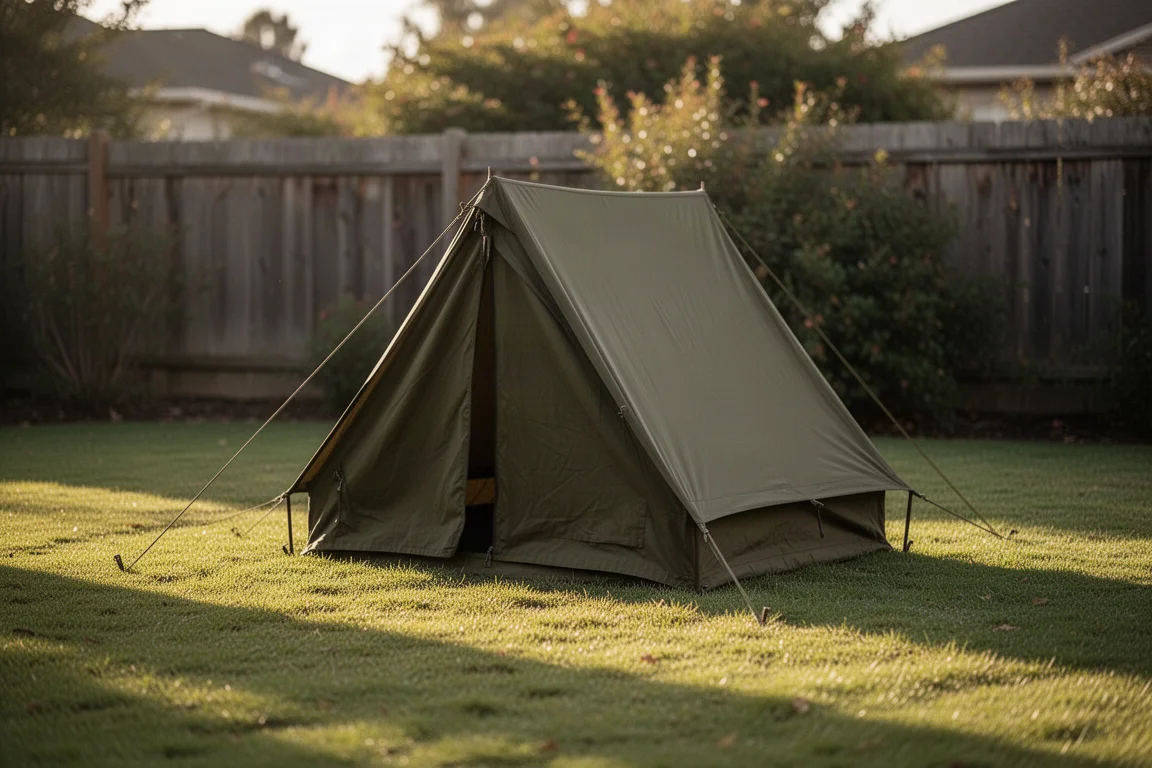
The Scout Tent is genuinely tiny inside, with a low profile and a narrow opening. Entering and exiting is awkward for an adult, and there is almost no usable floor space once someone is lying down.
Realistically, this is a backyard play tent for children on a dry day rather than a shelter for the backcountry. Anyone who needs dependable weather protection, whether on a multi-day hike or a relaxed weekend camp, should look at other options.
What the Scout Tent Gets Right
Honest accounting matters here, because the tent does have a few things in its favour.
The price is low, around $50, which puts it firmly in budget territory. The A-frame shape is simple and the packed tent is light and compact enough to carry easily, which is presumably what the lightweight description on the packaging refers to. The classic triangular silhouette is instantly recognisable, and there is no complicated pole architecture to work out.
Those points count for something if the tent is bought as a novelty or a play item. They do not offset the weather performance problems covered below.
Interior Space and Getting In and Out
The Scout Tent is small in a way that affects daily use, not just comfort. Getting in and out is a chore: the doorway is low and narrow, and there is very little room to move once you are inside.
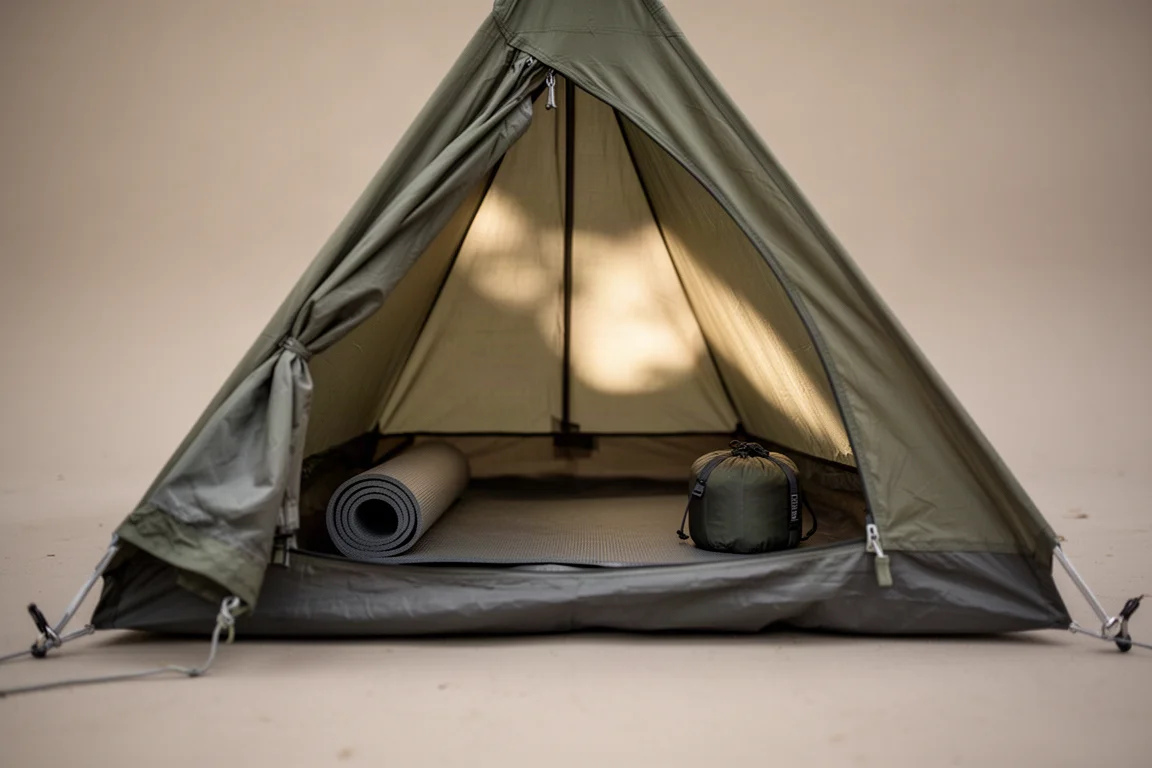
That cramped layout has a knock-on effect. When the interior is tight, everything you bring in, from a sleeping bag to a pack, ends up pressed against the walls. On a tent whose fabric already lets water through, that contact turns a small leak into soaked gear.
Where the Scout Tent Falls Short
The problems begin well before any rain falls.
Guy Lines and Guy-Out Points
The guy lines are thin and cheaply finished. The cord has been cut but not heat-sealed, so the material frays and comes apart at the ends. The tensioners do not hold either: pull them as intended and they slip straight out, which makes them effectively useless for keeping a line taut.
The guy-out points are also positioned too high on the tent body. Tension pulls on the upper part of the wall instead of the main wall panel, so the tent never draws out into a properly taut shape. Combined with the failing hardware, the lines achieve very little.
Seam Sealing and Stitch Holes
The tent is not seam sealed. Stitch holes are visible along the seams, and in the corner of the body daylight passes straight through them. Any gap that light can pass through is also a gap that water can pass through, and that is exactly what happened in testing.
Poles and Setup
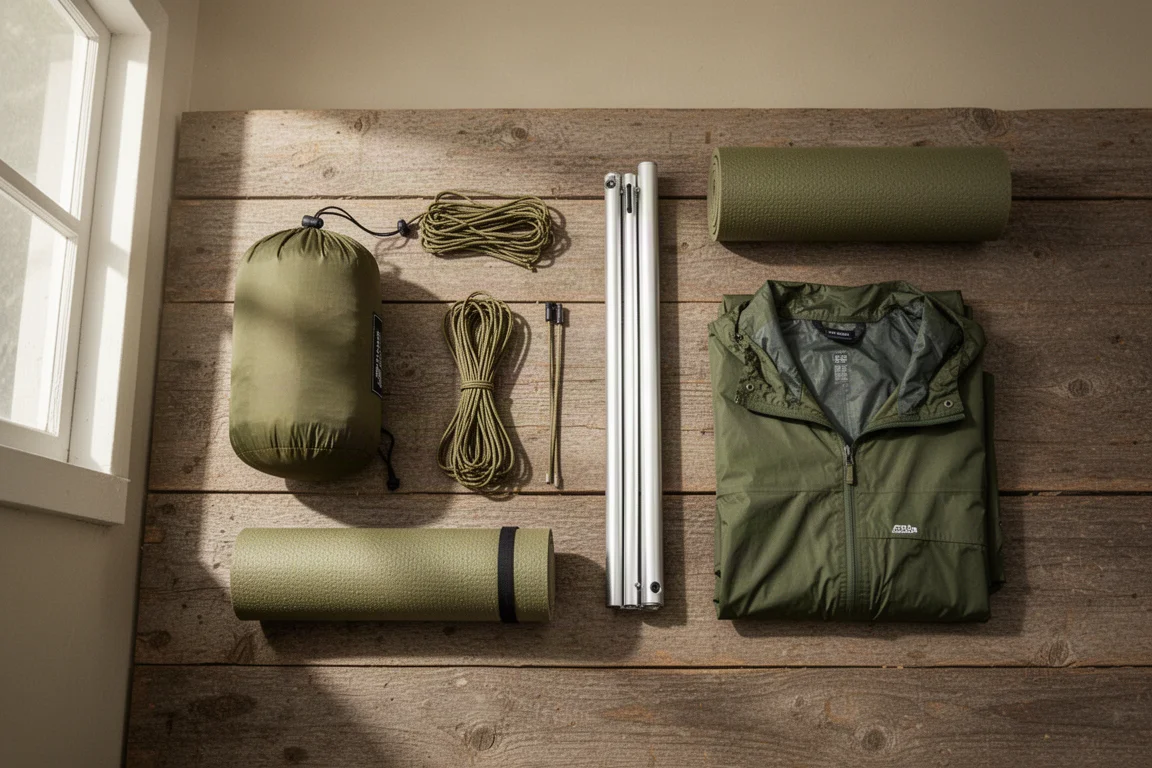
The pole sections are not connected to one another. Small clips at the pole ends hold the sections together, with a rubber end for the ground and a straight piece for the top of the tent. It works, but it is a fiddly arrangement that adds time and fuss to pitching, and it does nothing to stiffen the structure.
Real-World Rain Performance
The test was deliberately modest. Rain arrived later than forecast and stayed light, amounting to roughly a tenth of an inch rather than the quarter inch that had been expected. This was not a storm, and the person testing it wore a rain jacket rather than full waterproofs.
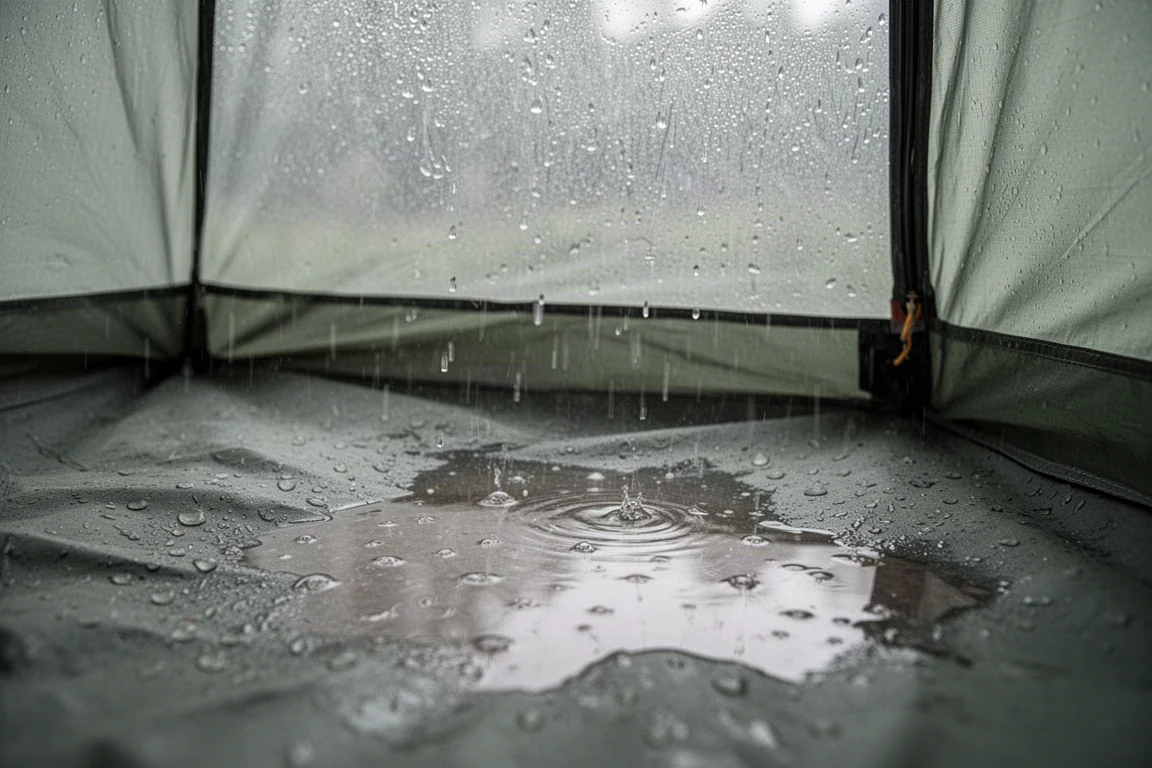
Inside the tent, water was everywhere. It poured off the walls, spread across the ground, and left the floor and interior thoroughly wet. In conditions that would barely register as a serious weather event, the Scout Tent failed to keep water out at all.
That is the central finding here. A tent marketed as waterproof leaked heavily in light rain, and there is none of the construction detail that would prevent it: no sealed seams, no tensioned walls, and no reliable guy lines.
Things to Consider Before Buying
A few practical points are worth weighing before spending money here.
First, the gap between the marketing and the performance. The tent is described as a waterproof, three-season backpacking shelter with modern features, and none of those descriptions held up in use.
Second, the construction issues are not cosmetic. Unsealed seams, fraying guy lines, slipping tensioners, and poorly placed guy-out points all contribute directly to water getting in.
Third, the size. For an adult, the interior is small enough that getting in and out is genuinely difficult.
Fourth, safety. A shelter that soaks through in light rain is a poor choice anywhere remote, where being wet and cold becomes a serious problem rather than an inconvenience.
Buying Advice
At around $50, the Scout Tent is inexpensive, and price is the only argument in its favour. That argument holds only if you are buying it for something that does not depend on weather protection, such as supervised play in a backyard on a dry day.
If you need a tent for camping, backpacking, or any trip where you will actually sleep in it, the money is better spent elsewhere. A shelter has one job in bad weather, and this one does not do it.
For anyone weighing a first tent purchase, the sensible approach is to prioritise sealed seams and dependable hardware over a low sticker price. A tent that leaks is not a bargain at any cost.
Conclusion
The Stansport Scout Tent is a small, inexpensive A-frame that looks the part and packs down easily, and it fails at the one thing a tent must do. In light rain it leaked heavily, soaked the floor, and left the interior wet, which fits with unsealed seams, fraying guy lines, and guy-out points that cannot tension the walls.
It is best understood as a play tent for children in a backyard, not a backpacking shelter. Anyone shopping for a tent they will genuinely sleep in should keep looking.
Product link
View more details for Stansport Scout Tent
This product is mentioned in the review. Check the specifications, options, and compatibility before buying.
View more details for Stansport Scout TentFurther reading
Related Reviews
Camping Tents
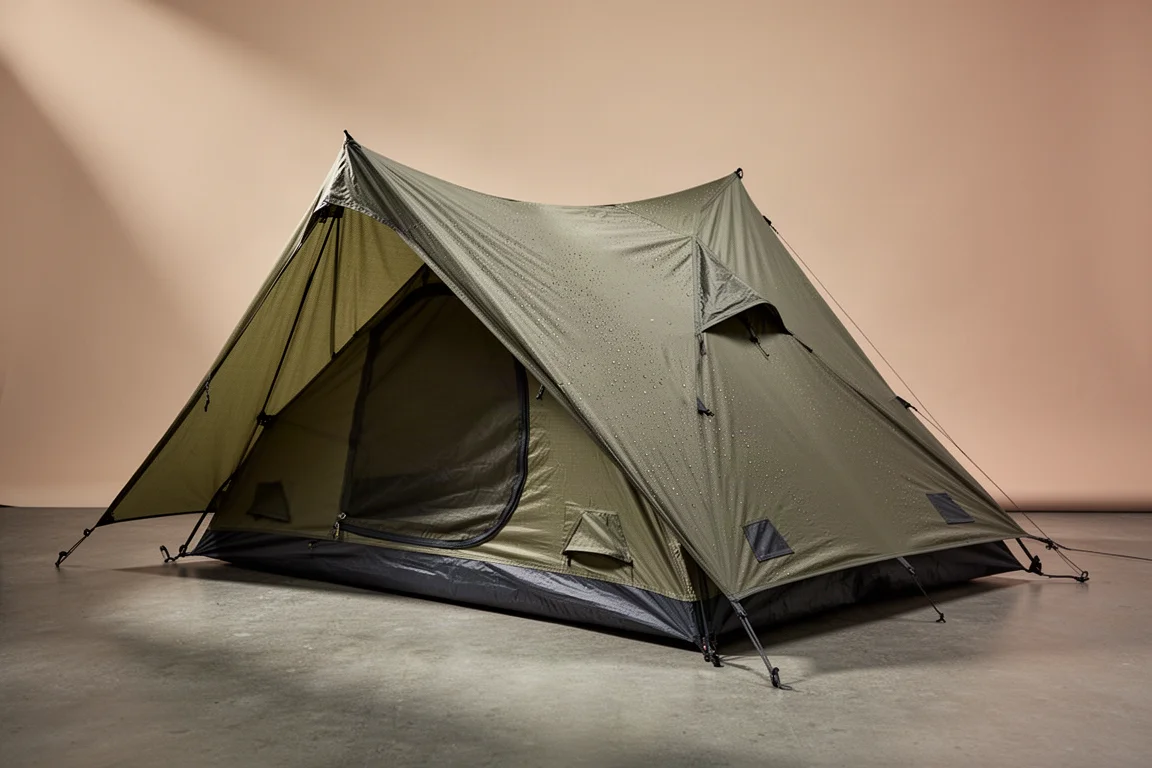
3F UL Gear Taiji Two-Person Tent Review: Field Waterproofing Results and Buying Advice
The Taiji pairs an attached fly with a removable inner, but sustained rain exposed untaped vent seams that need sealing before this shelter can be trusted.
Camping Tents
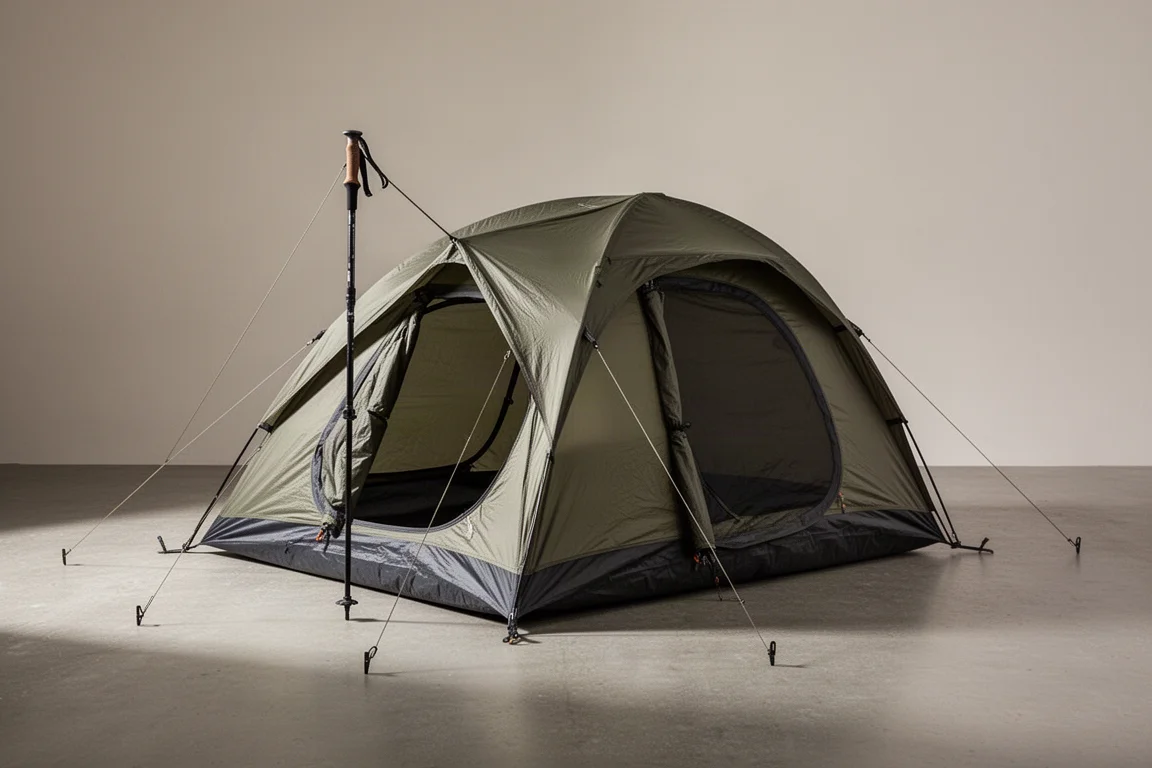
3FUL Gear Lanshan 2 Pro 4-Season Review: A Sub-$200 Single-Wall Trekking Pole Tent
An early look at the 3FUL Gear Lanshan 2 Pro 4-Season, covering its straightforward pitch, generous interior space, and the condensation and seam-sealing questions that come with any single-wall shelter.
Camping Tents
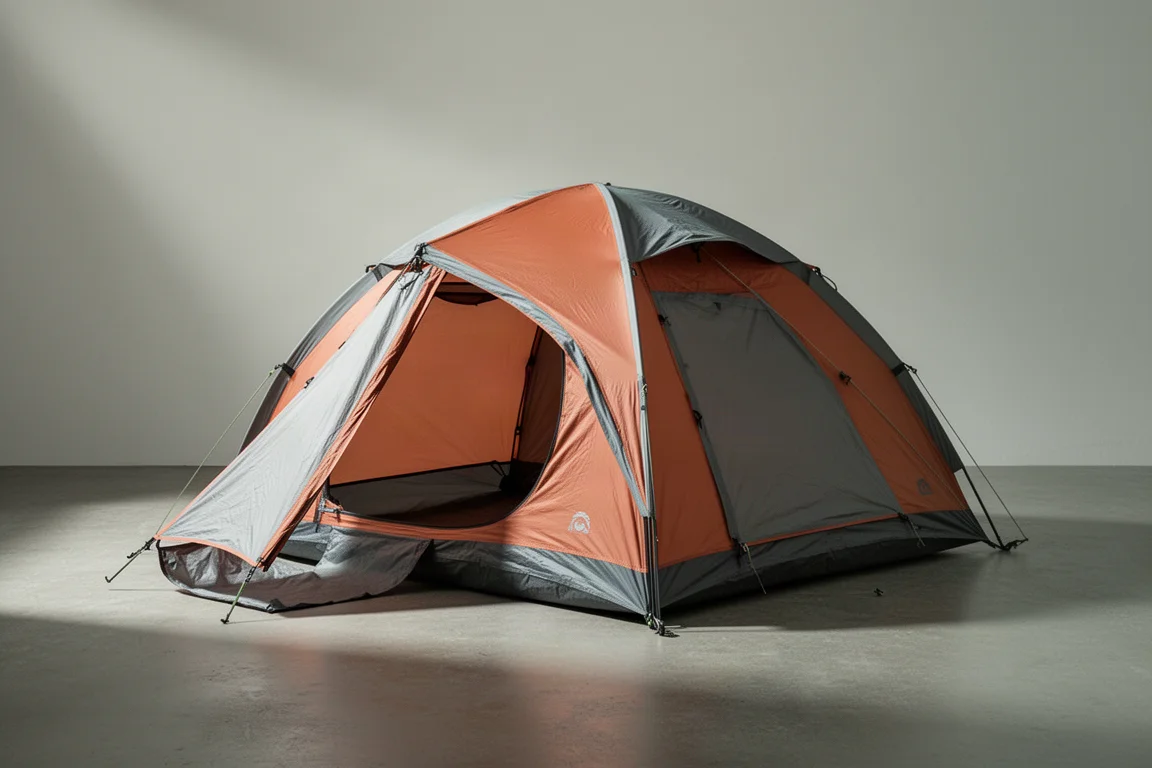
Alps Mountaineering Lynx 1-Person Tent Review: Big Value in a Small Budget Tent
A close look at the Alps Mountaineering Lynx 1-Person Tent, covering real interior dimensions, materials, setup time, ventilation limits, and who should buy it.