Camping Tents
Stansport Appalachian Dome Tent 2-Person Review: A Budget Tent Tested in Real Rain
A roughly $35 two-person dome tent with weak poles, a minimal fly and untaped seams. Here is how it handled an extended rain event and who should avoid it.
Introduction
A two-person dome tent that costs about $35 will always attract attention, particularly from people who are new to camping and want shelter without spending much. The Stansport Appalachian Dome Tent 2-Person sits in exactly that bracket, and the product information describes it as strong, wind and weather resistant, and able to keep water out. Those are significant claims for a shelter at this price.
This article looks at how the tent is built, what comes with it, and how it behaved during a rain event that dropped roughly an inch and a half of rain over about a day and a half.
Who This Tent Is For
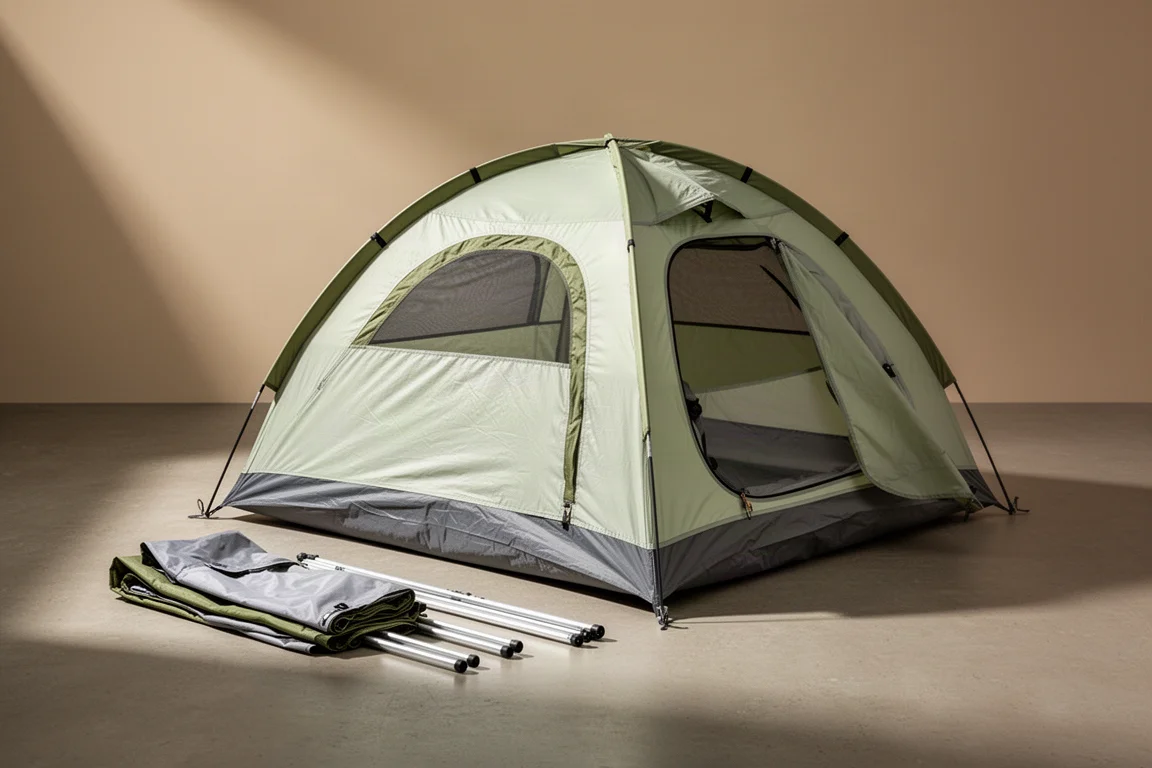
The Appalachian Dome Tent 2-Person is aimed at budget-conscious campers, casual users and newcomers who are shopping at the very bottom of the tent market. It is a two-person dome shelter with three fiberglass poles, a bathtub-style floor, a mesh window on one side and a door on the other.
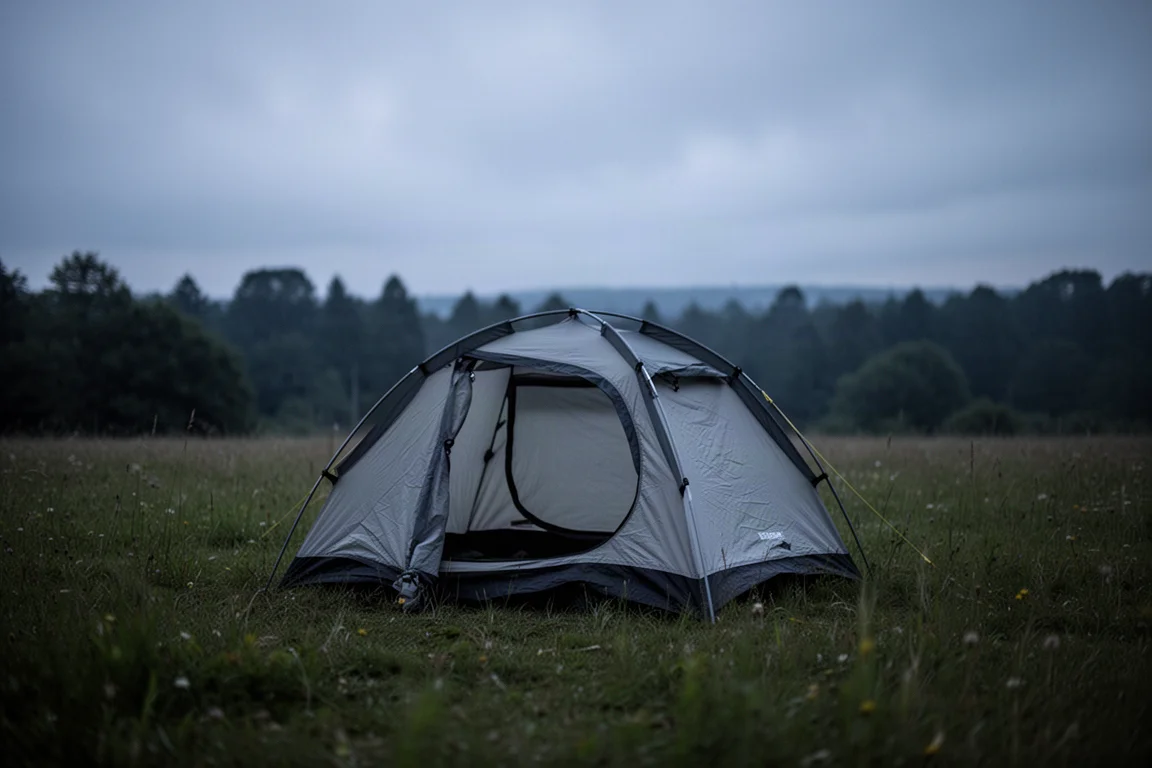
Anyone considering it should be clear about what a tent at this price can realistically deliver. Keeping rain out is the most fundamental job of any shelter, so that is the standard this tent was measured against.
Design and Setup
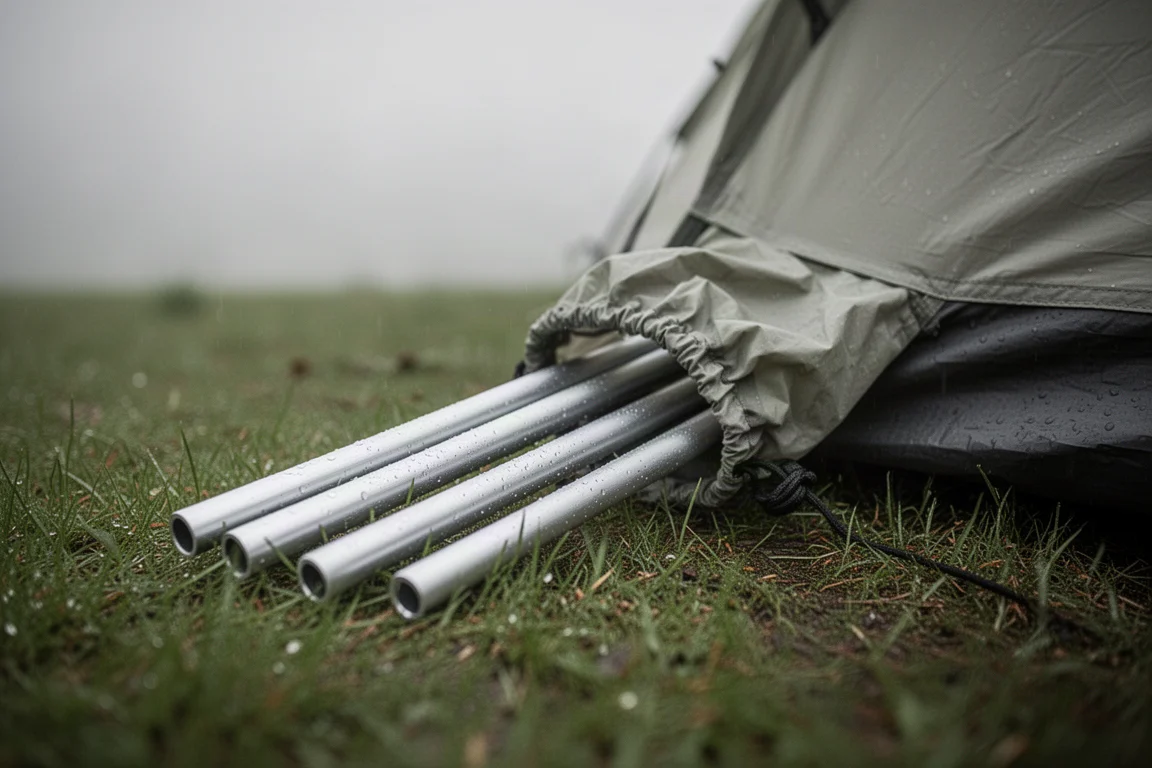
The tent uses three fiberglass poles that thread through fabric sleeves on the body. The poles feel weak, and raising the tent with them is awkward. The body tends to sag rather than stand cleanly, which makes the whole pitching process more fiddly than it should be. On the positive side, the tent does include tent stakes and two guy lines, which is a sensible inclusion at this price.
The rain fly is the most unusual part of the design. It covers only the top vent and the top mesh panel, leaving the rest of the body uncovered. The fly itself is seam taped and stayed dry. The tent body, however, is a different story. It has a large number of seams, and not a single one is taped on the inside. The floor is a bathtub design, but it also has no seam tape.
Water and Weather Performance
The exposed mesh area is the first warning sign. A fly that covers only the top vent leaves a large opening, and rain driven by wind can enter through it. In tents with similar layouts, vents, windows and doors are usually the weak points, because they are rarely seam sealed. That pattern holds here.
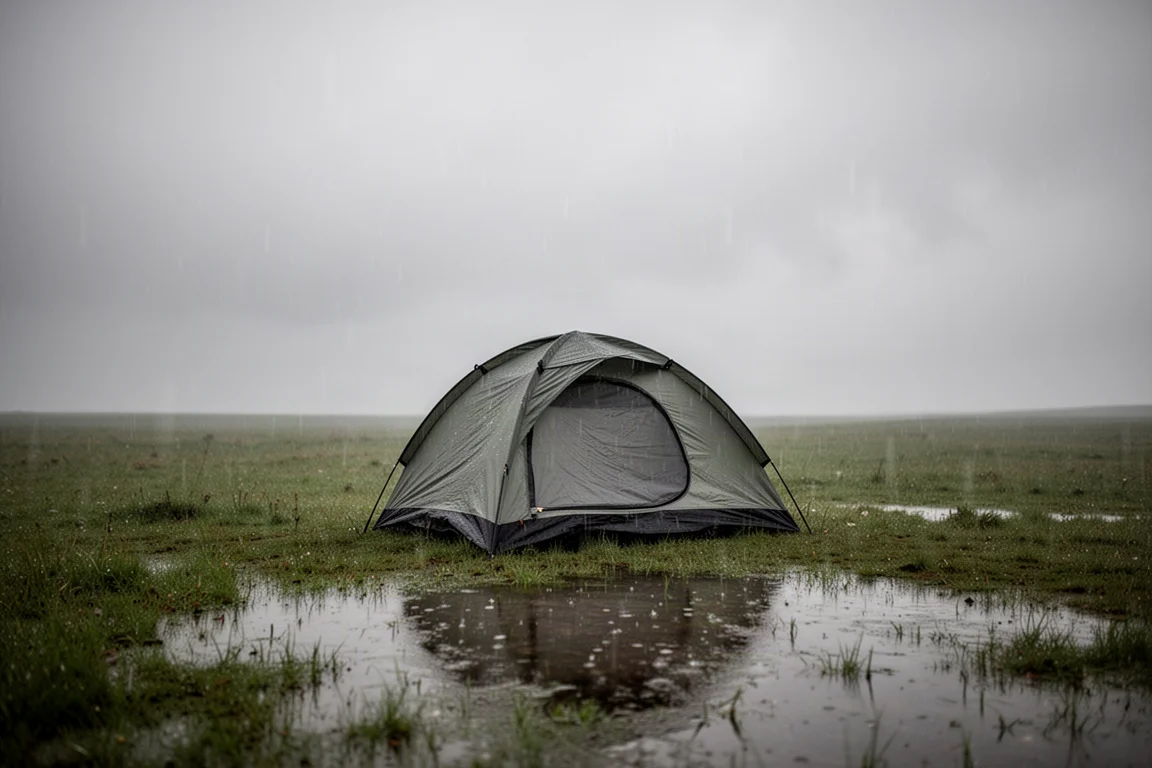
In light rain, the tent began leaking within about 40 minutes. Water came through every seam in the body. The fly stayed dry on top, but the interior was wet, with water pooling on the floor. That directly contradicts the description of a strong, wind and weather resistant tent that keeps water out.
Ventilation, Condensation and Wind
The large mesh panel and the top vent should allow reasonable airflow in dry conditions, which helps with condensation on warm nights. In wet weather, the same openings work against the tent, because the fly does not extend over them and there is no ceiling coverage to fall back on.
The test period did not produce wind or thunderstorms, so wind performance was not measured directly. Based on the weak poles and the amount of exposed mesh, this is not a shelter to rely on when conditions turn.
What the Extended Rain Test Showed
Rain continued through the night and into the following day, roughly an inch and a half in total. The tent was left pitched and zipped closed to see how much water it would take on. Water collected in the corners and across the floor, inches deep in places, and the fabric was soaked through.
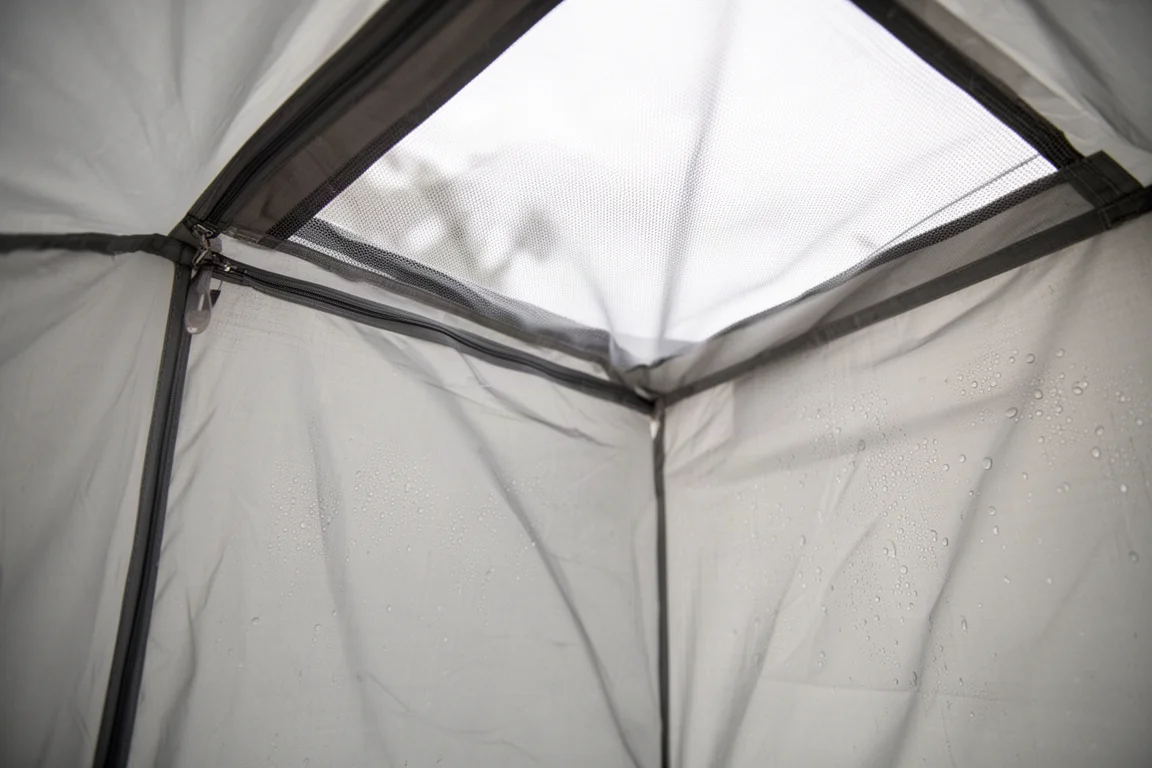
The untaped seams were the clear point of failure. Once water entered the body, it stayed inside, and the tent filled rather than shedding the rain.
Things to Consider Before Buying
The key point to understand is that no part of the tent body is seam sealed. The fly is taped and waterproof, but the shelter underneath it is not, and the door soaked through as well. That combination makes this a poor choice for anyone planning to camp in rain, wind or storms.
As a rough budget guide, a reliably waterproof tent tends to start around $150, which is well above this price point. Buyers shopping below that figure should expect to compromise on weather protection, and this tent shows exactly where those compromises land.
Buying Advice
The advice here is straightforward. Do not buy this tent expecting a weatherproof shelter. It is not suitable for storms, sustained rain or windy conditions, and the low price does not compensate for a shelter that fails in light rain within the first hour.
If you already own one, treating the seams and applying a wax-based water repellent could be an interesting experiment, but it would not change the underlying recommendation. A tent has to keep water out, and this one does not do that.
Conclusion
A tent at around $35 is tempting, and the Stansport Appalachian Dome Tent 2-Person shows why that price is hard to trust. Weak fiberglass poles, a fly that covers only the top mesh, and untaped seams throughout the body led to leaking within about 40 minutes of light rain and standing water after a day and a half of wet weather. Campers who need dependable protection should plan on a higher budget.
Product link
View more details for Stansport Appalachian Dome Tent 2-Person
This product is mentioned in the review. Check the specifications, options, and compatibility before buying.
View more details for Stansport Appalachian Dome Tent 2-PersonFurther reading
Related Reviews
Camping Tents
3F UL Gear Taiji Two-Person Tent Review: Field Waterproofing Results and Buying Advice
The Taiji pairs an attached fly with a removable inner, but sustained rain exposed untaped vent seams that need sealing before this shelter can be trusted.
Camping Tents
3FUL Gear Lanshan 2 Pro 4-Season Review: A Sub-$200 Single-Wall Trekking Pole Tent
An early look at the 3FUL Gear Lanshan 2 Pro 4-Season, covering its straightforward pitch, generous interior space, and the condensation and seam-sealing questions that come with any single-wall shelter.
Camping Tents
Alps Mountaineering Lynx 1-Person Tent Review: Big Value in a Small Budget Tent
A close look at the Alps Mountaineering Lynx 1-Person Tent, covering real interior dimensions, materials, setup time, ventilation limits, and who should buy it.