Stand Mount Speakers
Stand Mount Speakers Worth Knowing: Ten Standout Designs
A practical roundup of ten stand mount speakers, from budget friendly Klipsch models to high end JM Lab and Dynaudio designs, with the strengths and trade offs that matter before you buy.
Introduction
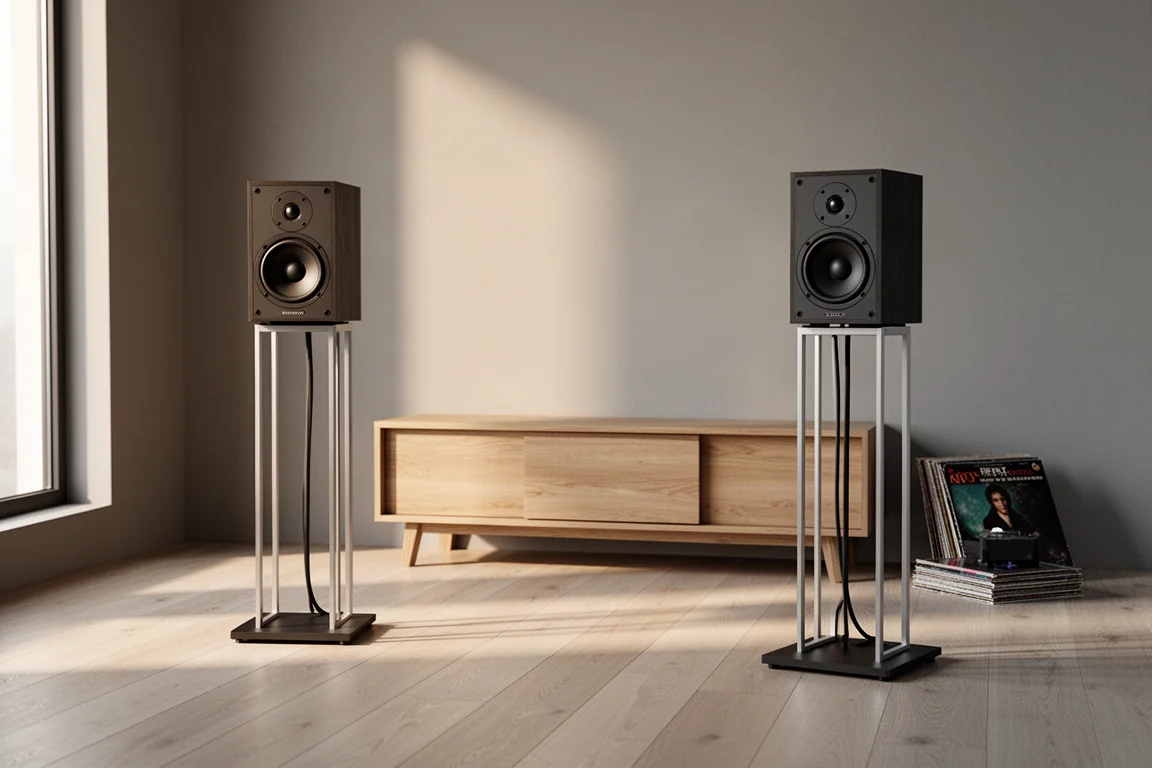
Stand mount speakers are one of the smartest ways into serious two channel sound. They take up less floor space than floorstanders, they are easier to reposition when a room changes, and at their best they disappear in a way that larger cabinets rarely manage. The ten entries below, with the two Klipsch RP-600M versions counted as a single design, are speakers that have earned a lasting place in real listening rooms.
Prices across the group start at roughly $650 a pair and climb from there. None of them sit in the extreme high end, and each one has a clear reason for being included, whether that is imaging, tone, dynamics, or simple musical fun.
What Makes a Great Stand Mount Speaker
A stand mount lives or dies by three things: how well it images, how honest its tone is, and whether it can deliver enough weight to make music feel complete.
The designs here reach those goals in very different ways. One uses a rear passive radiator to draw more bass from a small cabinet, another uses a side firing passive radiator, one runs its woofer with no crossover at all, one is an active design with built in amplification, and one relies on a coaxial driver to behave as a point source. There is no single correct formula, only a formula that suits a particular room and a particular listener.
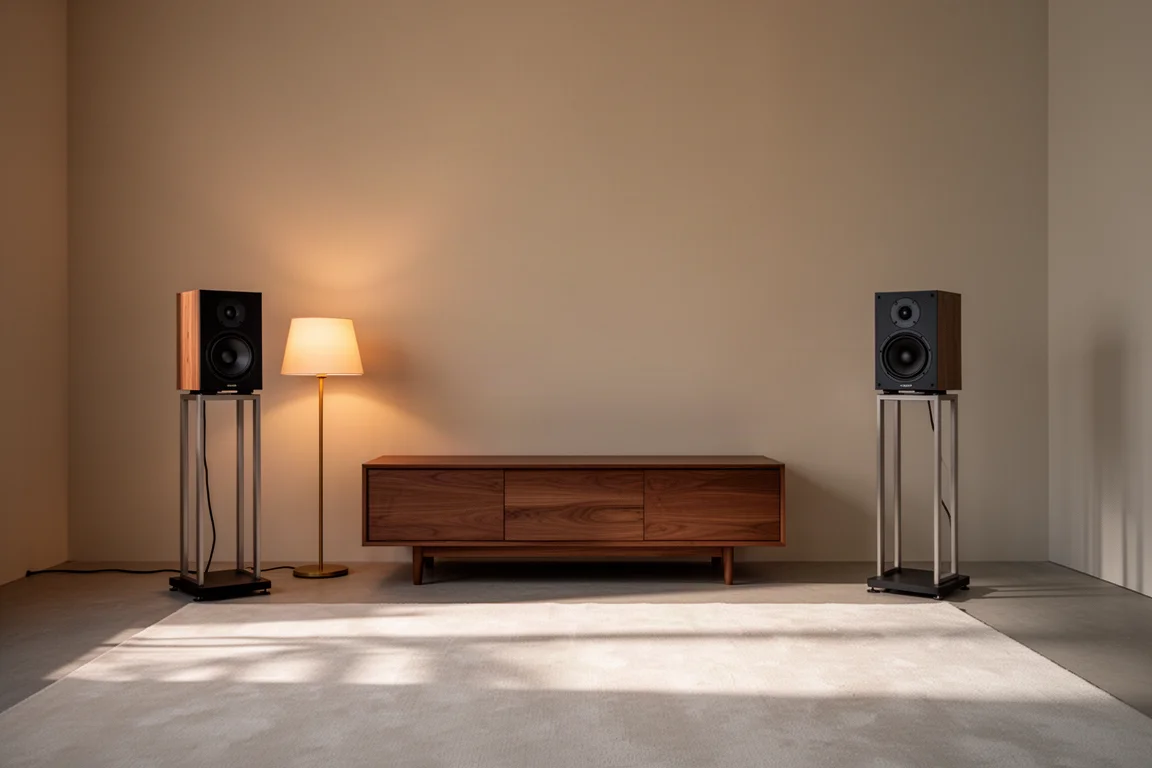
Placement matters as much as the design itself. Several of these speakers open up dramatically when they sit well out into the room, and one is at its best when the listener sits close. Amplification matters too, and the gap between modest electronics and quality electronics is more audible with some of these models than others.
JM Lab Mini Utopia
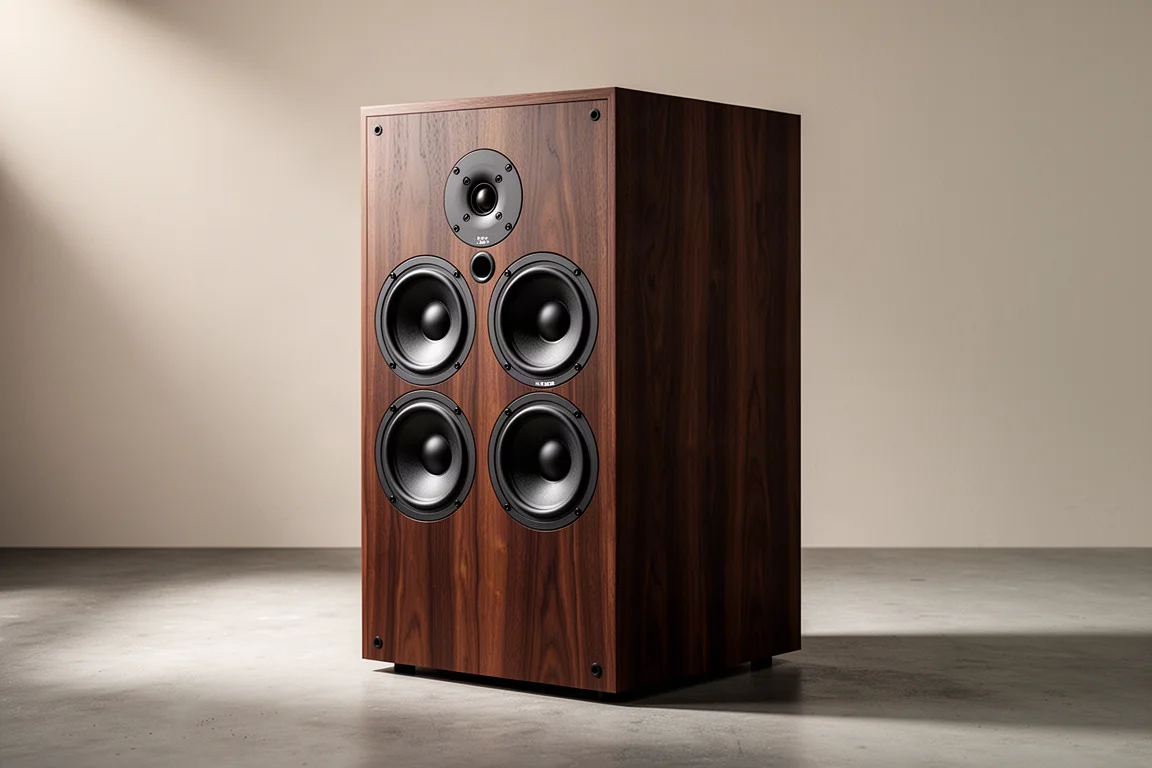
JM Lab is the company now known as Focal, and the Mini Utopia was the smallest and least expensive model in its Utopia line. It arrived in the late 1990s and early 2000s at around $7,000 a pair, which makes it the most expensive speaker in this roundup and also the largest.
At 24 inches tall and 59 pounds, it is bigger and heavier than everything else here. Two 6.5 inch mid woofers and a 1 inch inverted tweeter give it more bass output than any other speaker on this list and a fuller, more complete range.
Its real talent, though, is tone. It images remarkably well for a cabinet of its size, it sounds open, and it has a beauty of tone that lingers long after the equipment around it has changed.
Epos ES14
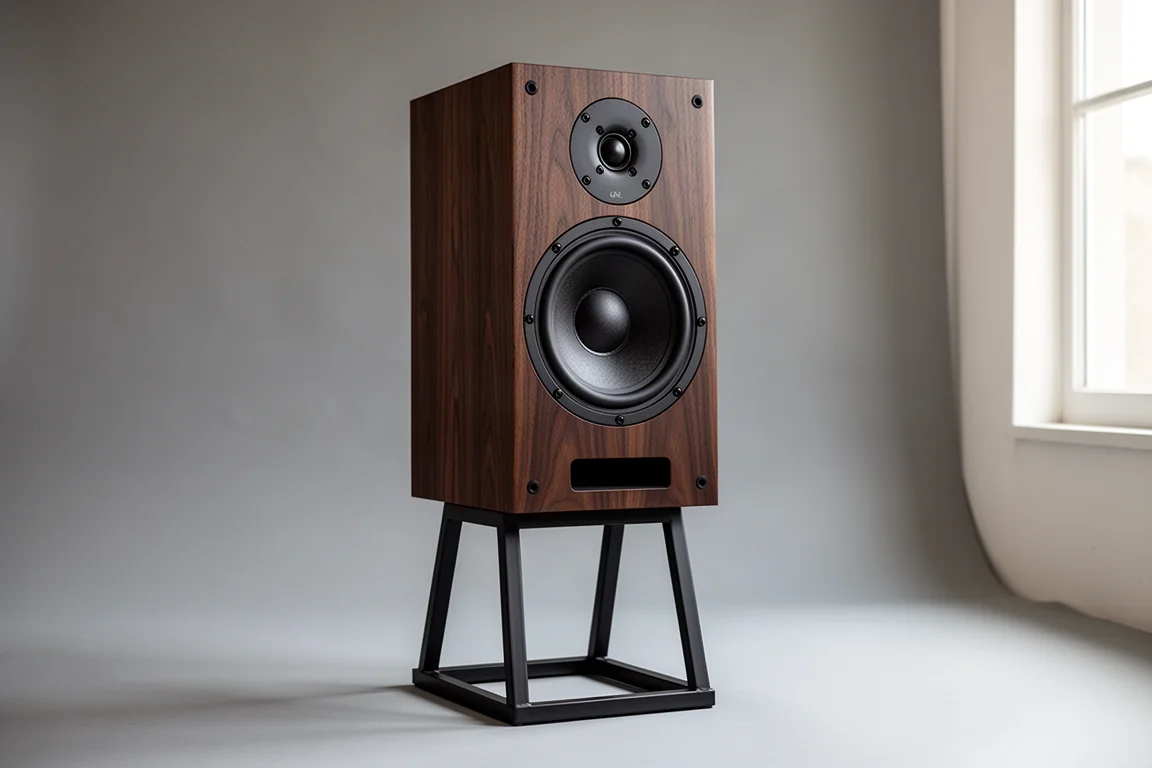
The Epos ES14 is a tallish British stand mount from the 1990s, normally used on an open frame stand, and it sold for about $1,400 a pair.
Its most unusual feature is the crossover free design. The 8 inch woofer runs full range straight from the speaker input, with a 1 inch tweeter handling the top end. Both drivers were made in house. The result is a speaker that sounds lively and exciting rather than politely British, with a rhythmic, toe tapping quality that keeps pulling you back into the music.
Genelec G3
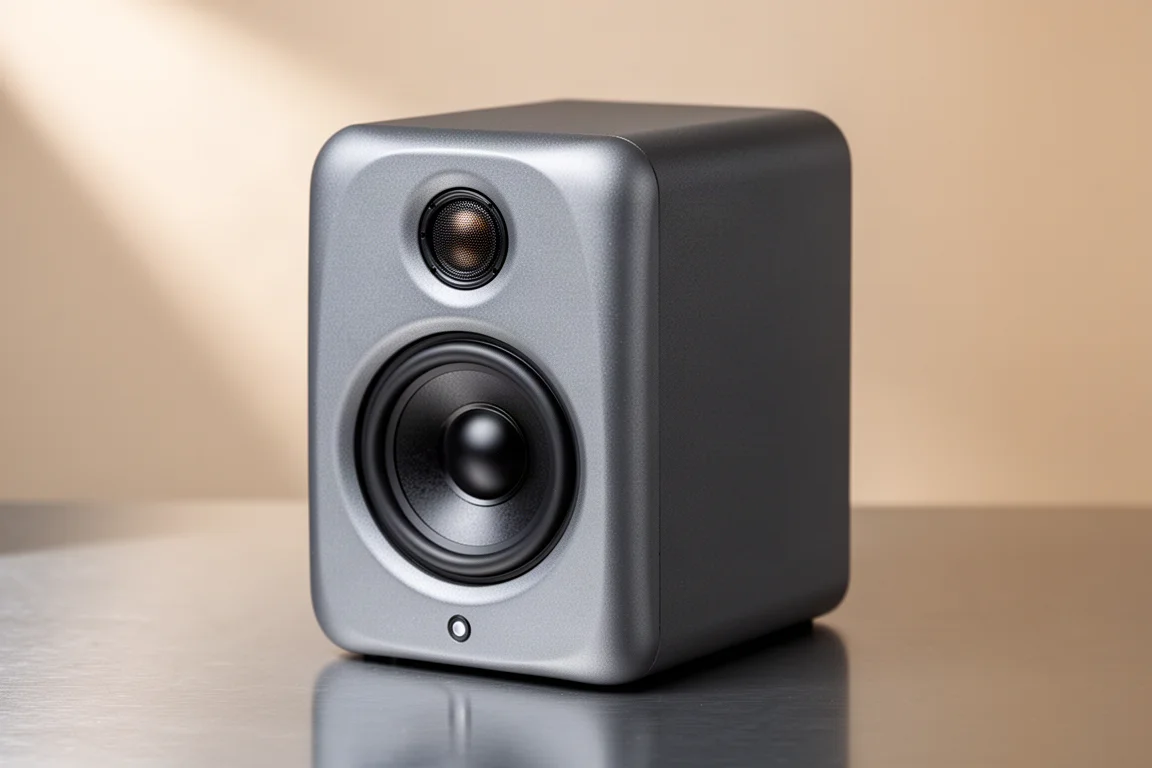
Genelec builds primarily for the professional market, and that background shows in the G3. The cabinet is cast aluminium, and like the rest of the range it is an active design, which means the amplification is built in.
This one is a two way with a 5 inch woofer and a 3/4 inch tweeter, bi amped with 50 watts per channel. It is a genuinely small speaker, but the sound it produces feels far larger than the box, and its soundstage is exceptional. The speakers simply disappear, leaving the music behind.
Dynaudio Heritage Special
Dynaudio has a long standing house sound that leans laid back and sweet, easy to listen to for hours. The Heritage Special is the exception. It is far more transparent than most Dynaudio models, dynamically alive, with a big open soundstage.
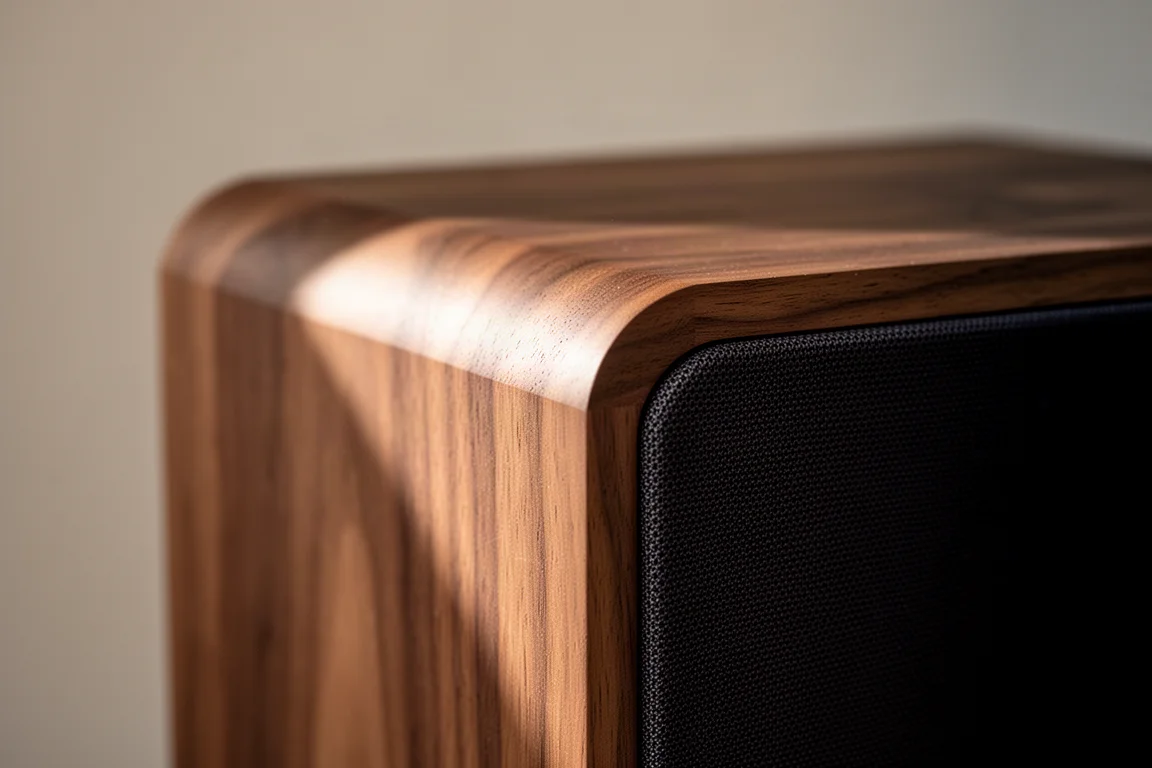
The cabinet and the drivers are designed and made in Denmark, and the model uses a 7 inch woofer. The walnut finish is a genuine highlight, and so is the way the speaker lets you hear into the recording, whether that is a studio production or a live venue. Around $7,000 a pair.
If your priority is insight into the acoustic space of a recording rather than a warm, forgiving presentation, this is the entry that delivers it most clearly. It trades some of the usual Dynaudio sweetness for transparency, and that trade is the whole point of the design.
Harbeth P3ESR
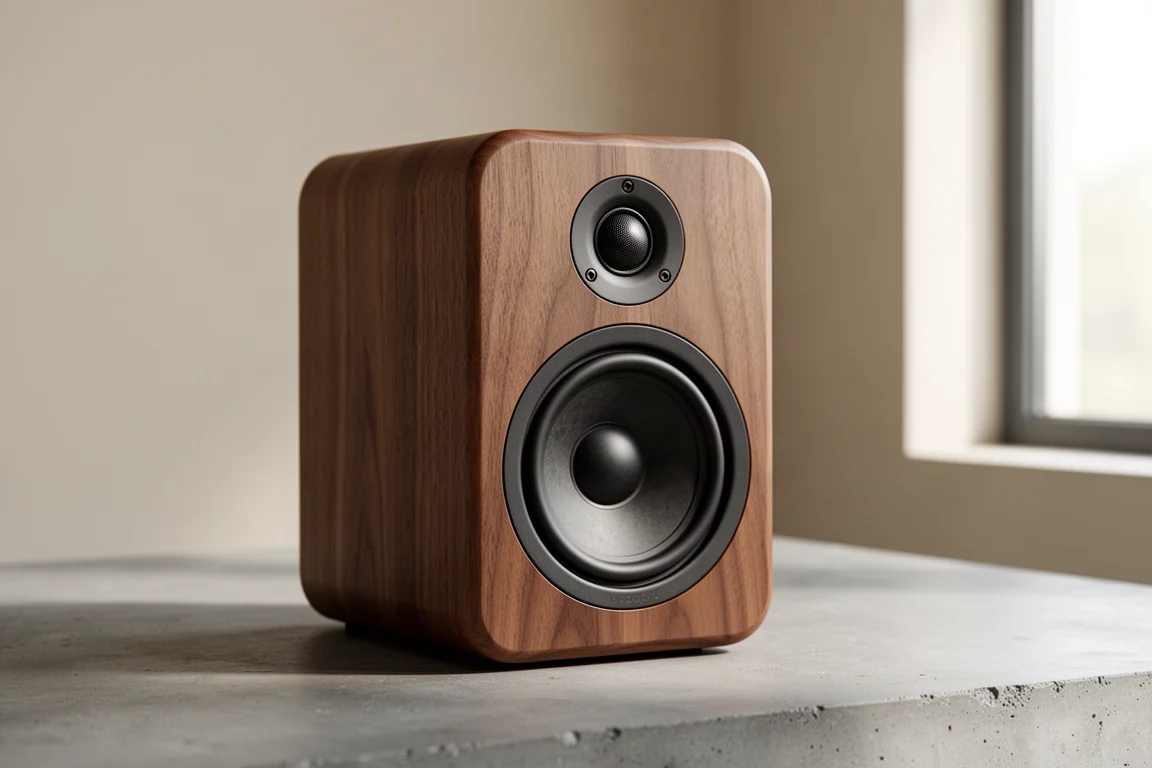
The P3ESR is the least expensive Harbeth, and at a glance it looks like a classic British BBC style monitor. It is not built to those historic specifications, though. It is its own design with its own character.
The way it lets go with the music is what makes it special. It works best near field, with the listener around three and a half feet away, or at midfield distances of about six feet, and it opens up noticeably when placed well out into the room. Positioned close to a wall it still sounds good, but give it space and it becomes something else entirely.
Its imaging is the headline. Play a mono recording and the sound locks into a single point between the speakers with real depth and space, to the point where the cabinets seem to stop producing sound altogether.
GoldenEar BRX
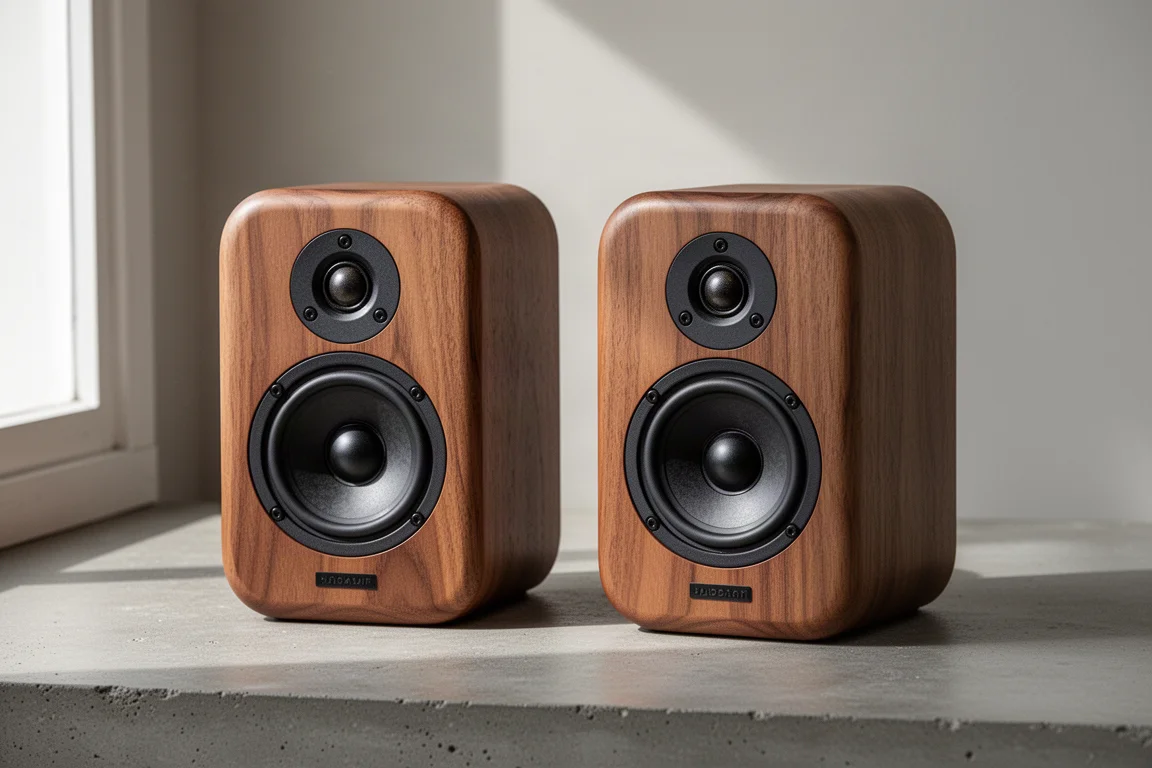
The BRX is a surprise. GoldenEar has a well liked house sound, but this stand mount goes further than expected, largely because of its folded ribbon tweeter.
That tweeter has a purity and clarity that stands apart even from other folded ribbon designs, and the same tweeter technology appears in the brand’s reference floorstanding speakers. Below it sits a 6.5 inch woofer, supported by a side firing passive radiator. The combination gives a compact stand mount a full, weighty low end to go with high frequencies that sound clean, sparkling, and unforced.
Klipsch RP-600M and RP-600M II
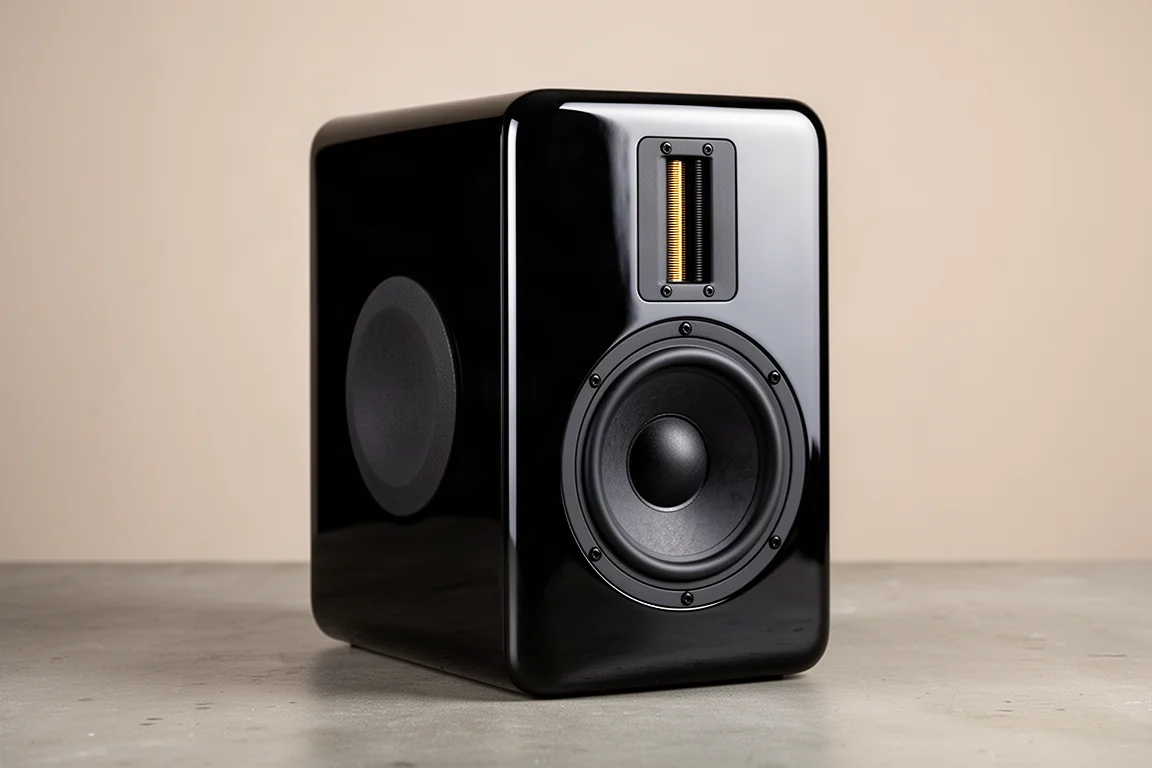
The original RP-600M is the speaker that rekindled a lot of enthusiasm for the Klipsch sound. It is big, juicy, and lively, it is easy to drive, and it works with almost anything you connect it to. Feed it better electronics and it keeps revealing more of what those electronics do, which is unusual at its price.
It is not a universal favorite, and no speaker is. But the listeners who love it tend to love it for years, and its combination of scale, energy, and affordability is hard to argue with.
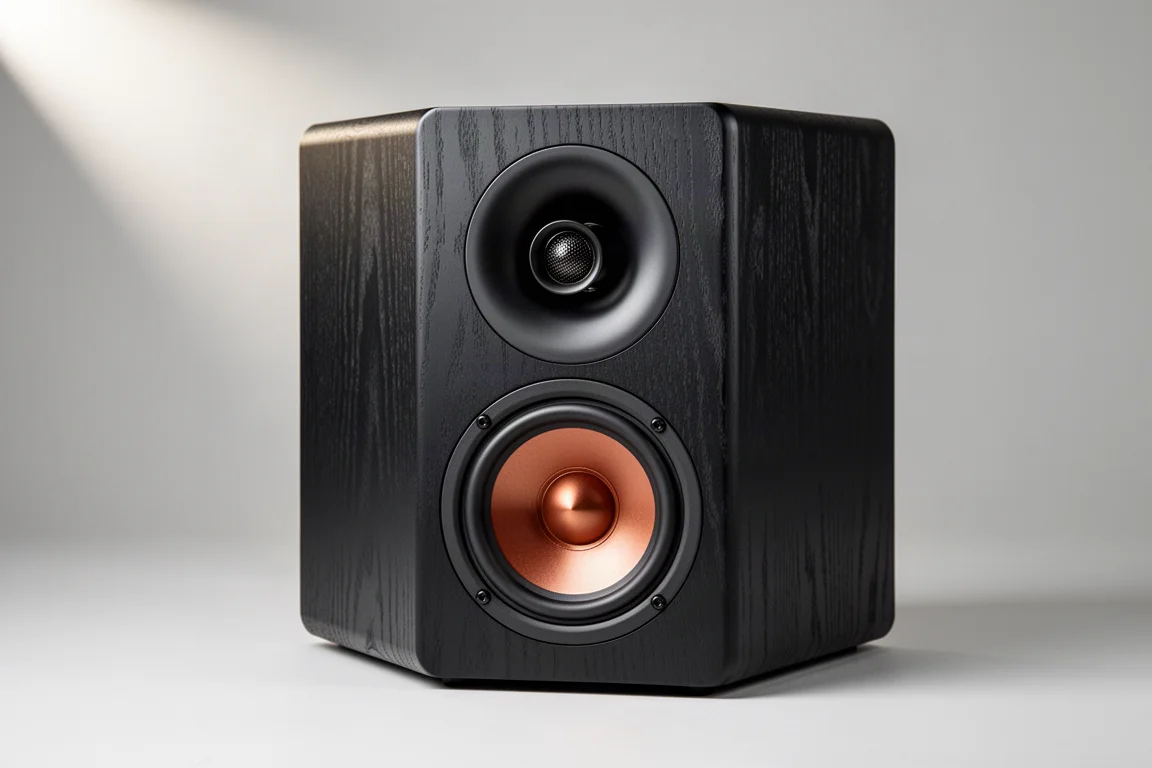
The RP-600M II carries the same character forward and is currently $649 a pair, which makes it the least expensive speaker in this roundup. If you want the Klipsch sound in its most current form, this is the version to look at.
Buchardt S400 Mark II
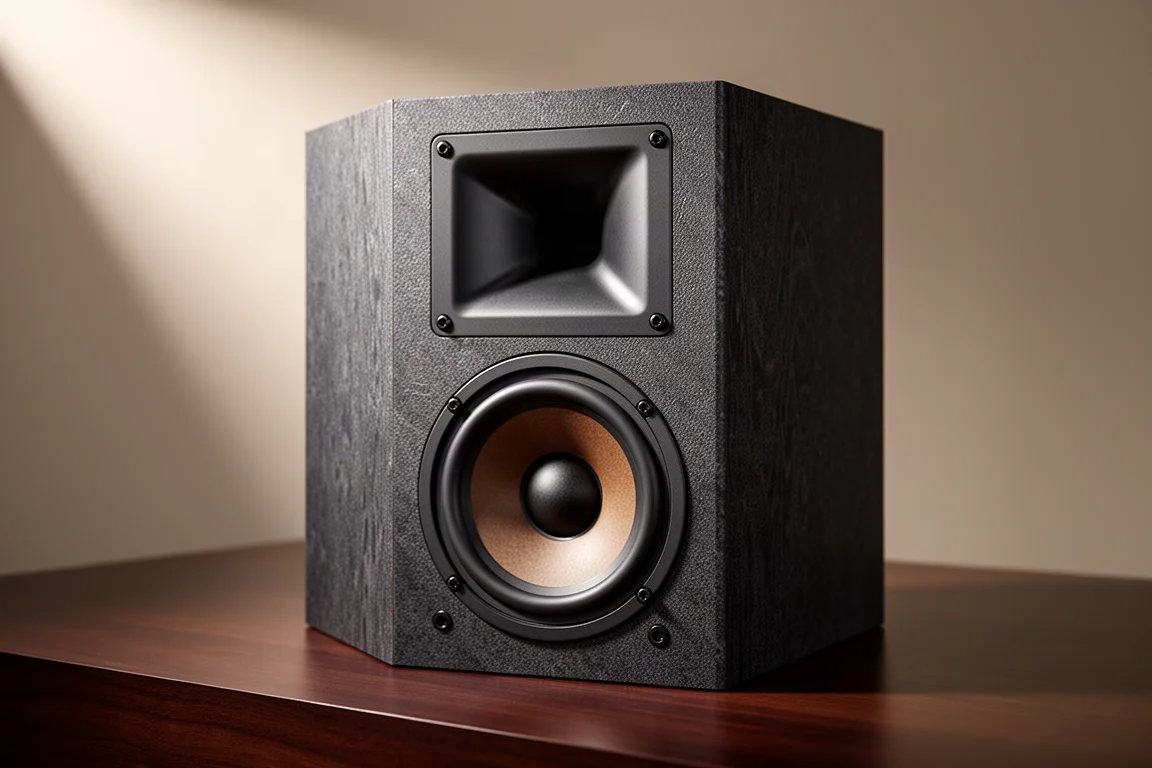
Buchardt is a Danish company, and the S400 Mark II is the model that explains why the brand has such a devoted following.
It uses a rear passive radiator, a different implementation from the GoldenEar approach but the same underlying idea: use the pressure inside the cabinet to produce more bass from a relatively small box. It works. A large waveguide around the tweeter, not a horn, helps the tweeter couple with the woofer, and the result is transparent, lively, and toe tapping, in a beautifully crafted cabinet.
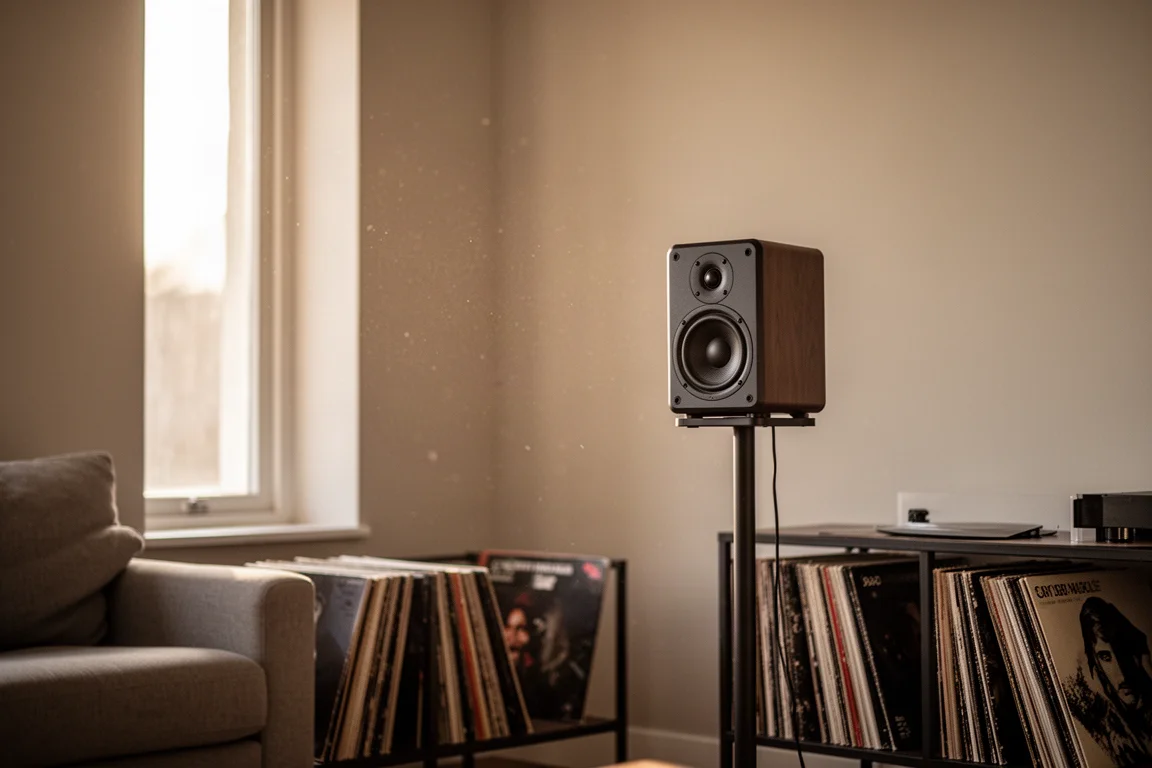
Speakers come and go in a listening room. This one has stayed as an ongoing reference for close to two years, which says a great deal. It has a character of its own, and that character is genuinely appealing rather than merely accurate.
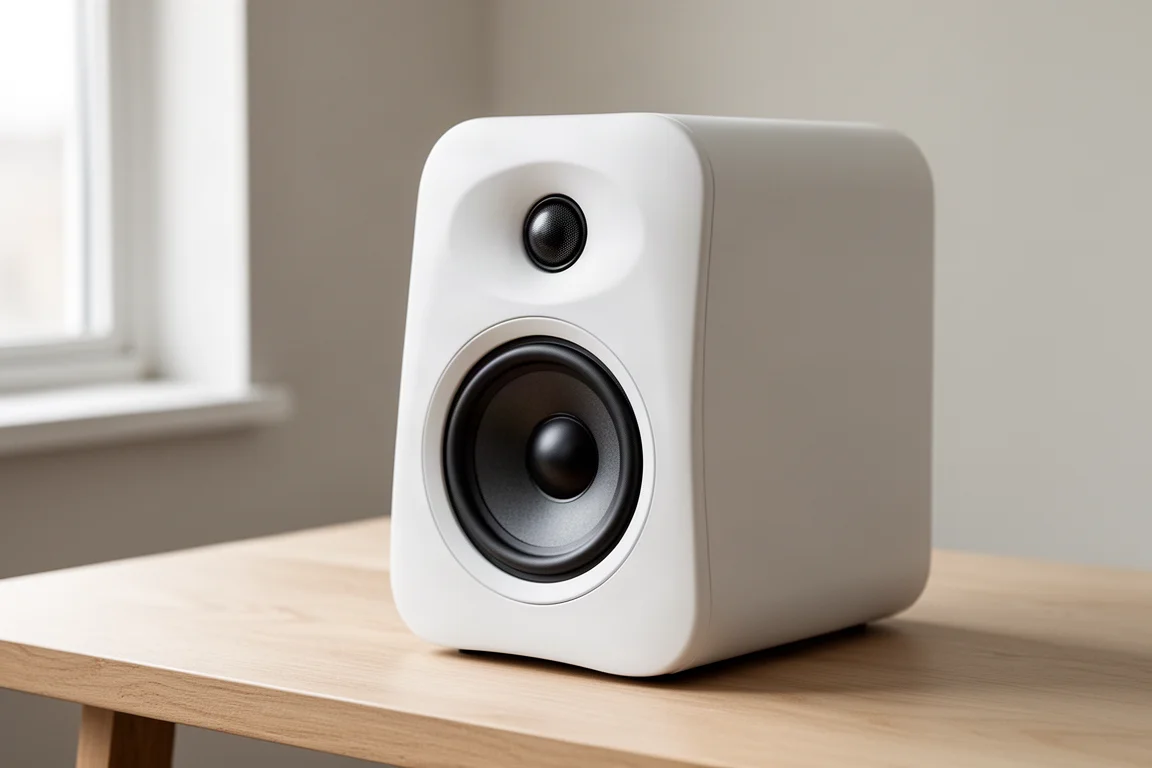
Linn Kan
Linn is best known for turntables, but the company has built a long list of speakers over the years. The Kan was its smallest stand mount, and it resembles a classic BBC style design at a glance.
It does not sound like one. The Kan has spunk. It likes to boogie, and it is a fun little speaker, an outright party animal for its size. That personality made it an ideal second system speaker: set alongside a pair of large floorstanders in the main room, it turned a bedroom and kitchen setup into something genuinely entertaining.
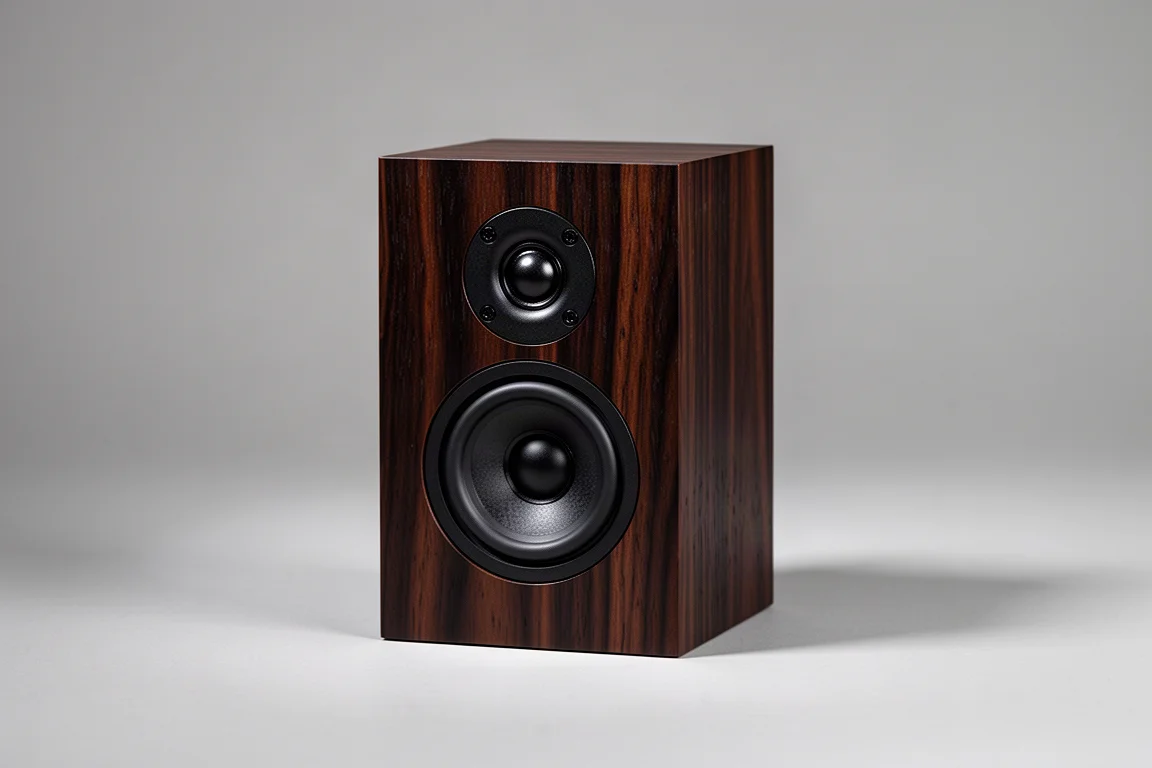
KEF LS50
The LS50 has been a fixture for more than a decade, and it has earned that longevity.
Its defining feature is the Uni-Q driver, a coaxial 5.25 inch unit with the tweeter mounted at its center. That makes it something other than a traditional two way, and it gives the speaker its point source coherence. It is also demanding. Pair it with a budget receiver or integrated amplifier and it will not show what it can do, but give it quality electronics and it becomes something special.
Many listeners treat it as the logical modern successor to the classic BBC monitor designs, and it is not going anywhere.
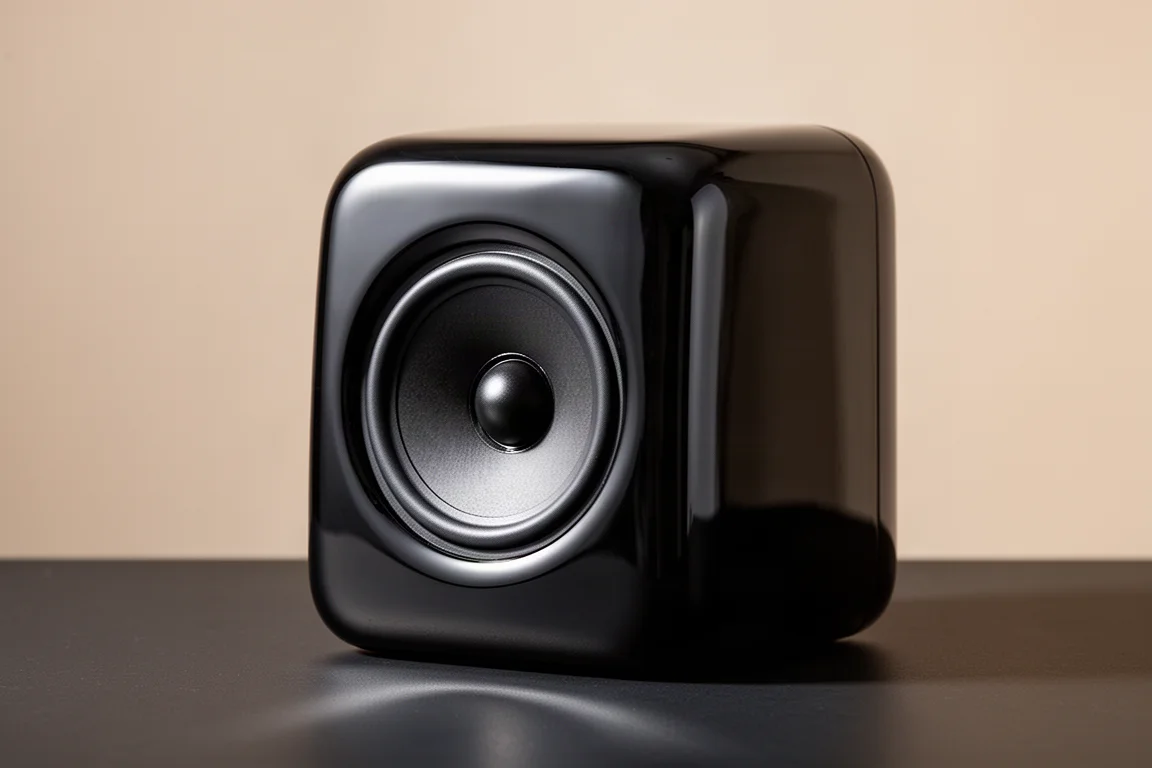
KEF LS50 Meta
The LS50 exists in two forms, the original LS50 and the LS50 Meta, and both share the same coaxial driver approach along with the same appetite for good amplification. The Meta is the later version of the design.
Both versions reward careful setup and quality components, and both remain a strong choice for a small to medium room where imaging and coherence matter most.
How to Choose Between These Stand Mount Speakers
Start with the room, not the specification sheet. A stand mount that opens up when it sits a metre or more from the front wall will not suit a tight space, while a speaker that still sounds good close to a wall can be the more practical choice.
Amplification is the next question. The Genelec G3 is active, so it brings its own amplification. The KEF LS50 and LS50 Meta need quality electronics to give their best. The Klipsch models are easy to drive and forgiving of modest gear. The Harbeth P3ESR rewards a near field or midfield setup with the listener seated relatively close.
Bass expectations deserve an honest look too. The JM Lab Mini Utopia, with its two mid woofers, and the passive radiator designs such as the GoldenEar BRX and the Buchardt S400 Mark II deliver more low end weight than a typical small two way, while the Epos ES14 offers a crossover free, energetic presentation that favors rhythm over rumble.
Budget is the final filter. This group runs from $649 a pair for the Klipsch RP-600M II up to around $7,000 a pair for the JM Lab Mini Utopia and the Dynaudio Heritage Special, with everything else falling somewhere between. The most expensive option here is not automatically the best match for your room, and the least expensive one is far from a compromise.
Conclusion
Ten very different answers to the same question, and each one earns its place for a specific reason: full range weight from the Mini Utopia, crossover free liveliness from the Epos ES14, active precision from the Genelec G3, transparency from the Dynaudio Heritage Special, point source imaging from the Harbeth P3ESR, ribbon clarity from the GoldenEar BRX, affordable energy from the Klipsch models, long term satisfaction from the Buchardt S400 Mark II, sheer fun from the Linn Kan, and proven coherence from the KEF LS50 and LS50 Meta.
Match the speaker to the room and to the amplifier you actually own, and any of these designs can anchor a system for years.
Further reading
Related Reviews
Stand Mount Speakers
Arendal Sound 1528 Bookshelf 8 Review: Stand Mount Scale, Tower-Like Bass
A three-way stand mount with an 8-inch woofer, deep bass extension, and a build that demands serious amplification. Here is what to know before buying.

Backpacking Gear
Building a 10 lb Base Weight: An Ultralight Backpacking Gear List
A practical walkthrough of the ultralight pieces behind a 10 lb base weight, from a 765 g pack and a roomy one-person tent to a full camp chair and a dependable water filter.

Road Bikes
10 New Road Bikes Worth Watching: Aero, Titanium, Steel and Endurance Standouts
A practical roundup of 10 new road bikes, from aero flagships chasing single-watt gains to titanium, steel and endurance platforms built for real roads.