Stand Mount Speakers
Arendal Sound 1528 Bookshelf 8 Review: Stand Mount Scale, Tower-Like Bass
A three-way stand mount with an 8-inch woofer, deep bass extension, and a build that demands serious amplification. Here is what to know before buying.
Introduction
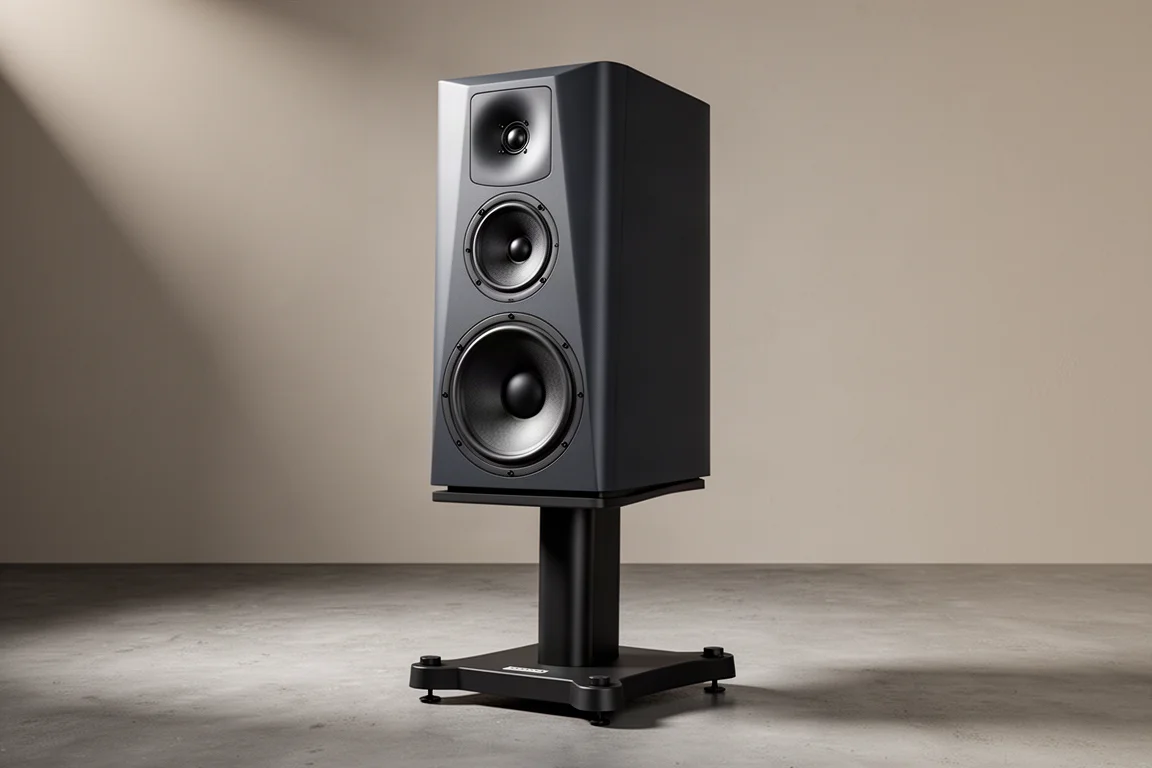
Stand-mounted speakers are usually a compromise. The cabinet is small, the bass is limited, and the amplifier rarely has to break a sweat. The Arendal Sound 1528 Bookshelf 8 ignores most of that logic. It is a three-way design with an 8-inch woofer, a cabinet that weighs roughly 67 pounds per speaker, and a low-frequency tuning that reaches into tower territory.
At $4,500 per pair, with a 60-day trial period and shipping covered in both directions, it sits in high-end territory while promising performance well beyond its asking price. This guide covers the design, the sound, the practical demands it places on a room, and who should think seriously about buying it.
Who the Arendal Sound 1528 Bookshelf 8 Is For
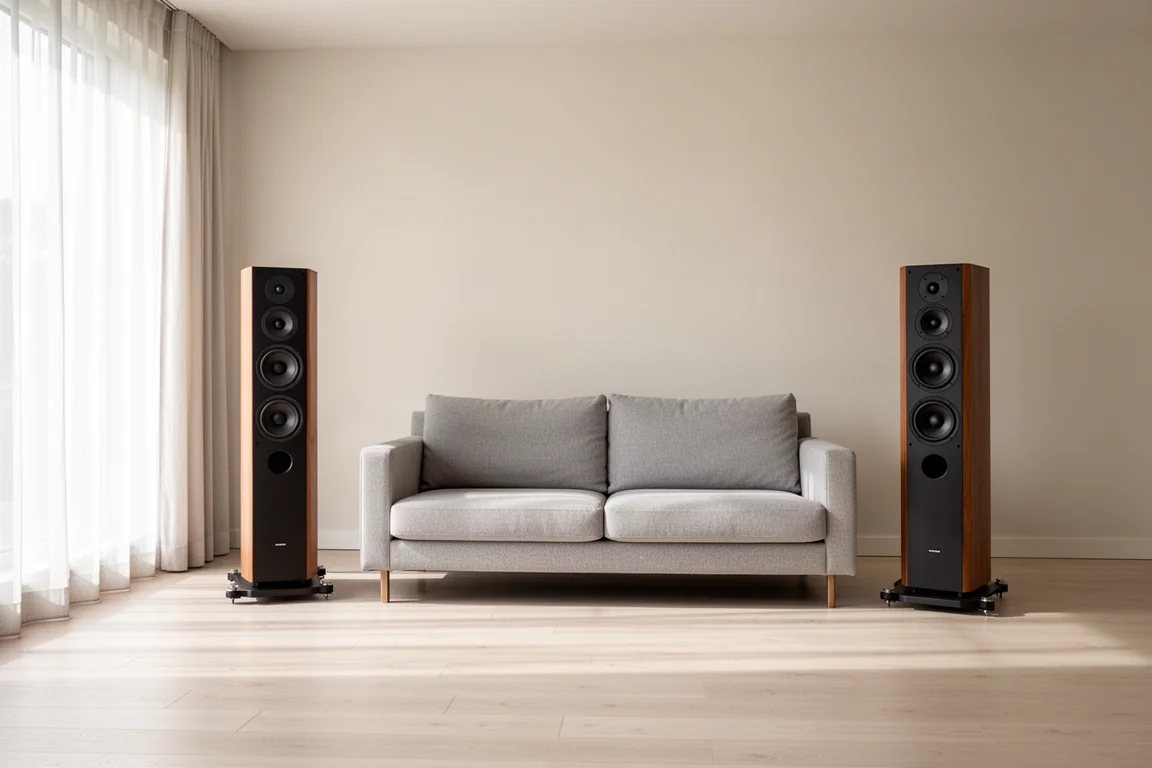
This speaker is for listeners who want full-range weight and high dynamic output from a stand-mounted cabinet, and who are willing to give it the support it needs. That means a two-channel system with a high-current amplifier, a room that allows some freedom in placement, and a taste for a neutral, highly detailed presentation rather than a soft, forgiving one.
It is a less obvious fit for a compact apartment system, a desktop setup, or a home theater built around an entry-level receiver. The speaker is heavy, it needs rigid stands, and it will not reach its potential on modest electronics.
Anyone who mostly plays quiet background music at low levels will be paying for capability they never use. The 1528 Bookshelf 8 is built to move air, and it rewards listeners who actually ask it to.
Design and Driver Technology
The driver complement explains a great deal about the sound. A 28 mm lithium magnesium dome tweeter sits inside a waveguide, which keeps it close to the midrange and blends the two drivers more cleanly. Below it is a 5-inch carbon graphene midrange with a sealed basket, a choice made to raise the sensitivity of that driver so the speaker can play louder. At the bottom is an 8-inch aluminum cone woofer with a prism-shaped profile for rigidity, and it is a long-throw design. This is serious, heavy-duty driver engineering.
Arendal Sound rates sensitivity at 84 dB into a 4 ohm load, and that figure is conservative: real-world measurements land closer to 86 dB. The modest rating reflects the tuning priority. These speakers are voiced for bass, and they trade sensitivity to get it. Cabinet tuning sits around 22 Hz, and usable in-room extension has been observed down to roughly 18 to 19 Hz. In a suitable room, many listeners will not need a subwoofer at all. The cabinet is rear ported.
Listening Impressions
The first impression is spaciousness. On a well-recorded vocal track, the sense of the room around the singer was striking, and some side-wall detail came through more clearly than on a familiar reference system, helped by positioning the speakers further out into the room. Vocals locked dead centre and sounded realistic, with only a small shortfall in overall scale compared with much larger speakers.
Dense, chaotic mixes held together well. On Radiohead’s “Packed Like Sardines in a Crushed Tin Box”, fine details such as cricket sounds and steel drums stayed distinct, and the vocals remained precise without turning analytical. The 2007 remaster of Phil Collins’ “I Don’t Care Anymore” showed off the drum work: grace notes, rim shots, and the character of the recording room all came through, which says a lot about the tweeter and waveguide combination. Gregory Porter’s “Holding On” sounded lush, with a piano that felt physically present.
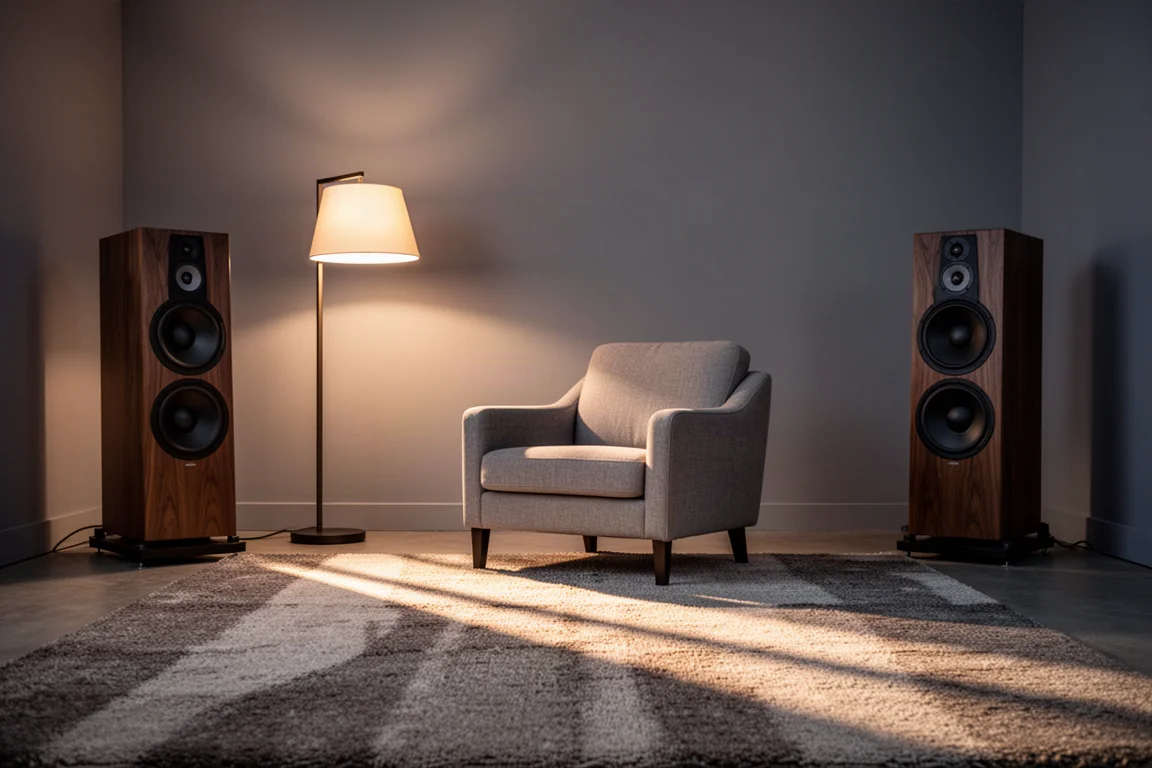
The overall character is neutral rather than bright or shouty, and the tweeter’s detail has drawn comparisons with air motion transformer designs. One caveat: on Peter Cincotti’s “Sway”, a single word toward the end of the song came across as slightly more forward than on a reference system and on a stand-mounted alternative costing roughly three times as much. It was a brief moment rather than a persistent trait.
Bass is the headline, with an important room caveat. In a smaller room, the low end excited room modes so strongly that the bass carried into adjacent rooms. The kick drum also lacked the final slam of a reference system supported by subwoofers. In a room where low-frequency behaviour can be managed, the result comes close to a full-range system from a stand-mounted pair.
Build Quality and Cabinet Construction
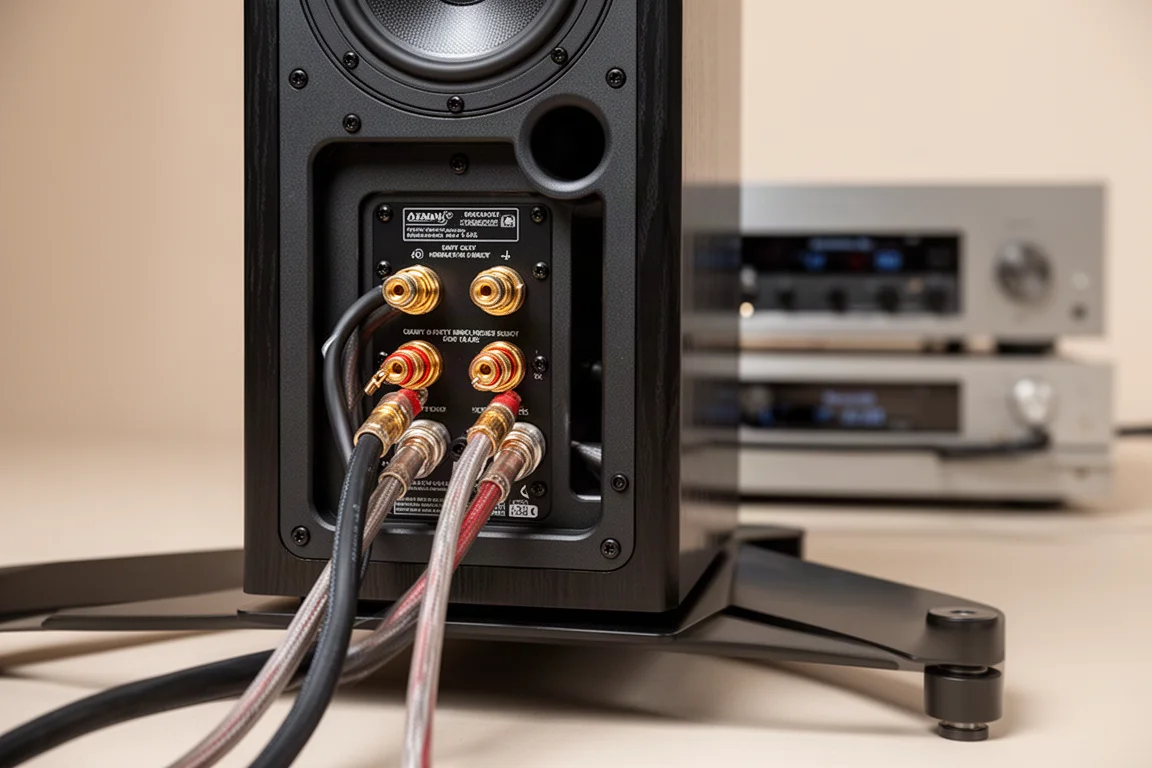
Physically, these are juggernauts. The front baffle alone is close to 3.5 inches thick, and the cabinet is built from HDF. The binding posts are heavy duty, bi-wiring and bi-amping are supported, and production units include jumpers so the response can be tailored; the pair used here was a prototype without that option and ran in the default setting. Crossover parts are tight tolerance and rated for high power handling, with heavy-duty resistors mounted on standoffs.
Two finishes are offered: basalt, which is described as a flat black but reads closer to a gunmetal gray, and polar white. The design language is industrial and boxy. Some listeners will appreciate the purposeful, masculine look, while others will find it too severe. That is a matter of taste rather than performance.
Amplification, Stands, and Room Setup
Low sensitivity and a 4 ohm load make the amplifier choice important. At least 200 watts per channel into 4 ohms is a sensible starting point, and more headroom is advisable for the tower models in the range. An entry-level AVR will not do these speakers justice. A high-current integrated amplifier that doubles its output as impedance drops drove them without strain and kept the dynamics intact.
The matching stands have a wide base and make the speaker very stable, but they are on the short side and are not adjustable. Once mounted, the speaker and stand together take up more floor space than many tower speakers, so it is worth measuring before committing.
Placement matters as much as power. Moving the speakers further into the room improved side-wall symmetry and the sense of space. With the speaker about six feet from the front wall, boundary interference produced a dip in the 30 to 50 Hz region on recordings that emphasize those frequencies, which is a room interaction rather than a speaker flaw.
Things to Consider Before Buying
- Weight: roughly 67 pounds per speaker before the stands are added.
- Amplification: a high-current amplifier is effectively mandatory.
- Footprint: the stands make the system larger than many floorstanding alternatives.
- Styling: the industrial cabinet divides opinion.
- Stands: fixed height, and shorter than some listeners will want.
- Room behaviour: deep bass output can overwhelm smaller rooms that are prone to room modes.
- Occasional vocal emphasis: on some material, a word or two can come across slightly forward.
Buying Advice
At $4,500 per pair, the 1528 Bookshelf 8 asks for a real commitment, and the 60-day trial with shipping covered both ways lowers the risk considerably. The speakers perform above their price point in dynamic capability, bass extension, and build quality, but that value only arrives if you pair them with suitable amplification and give them room to breathe.
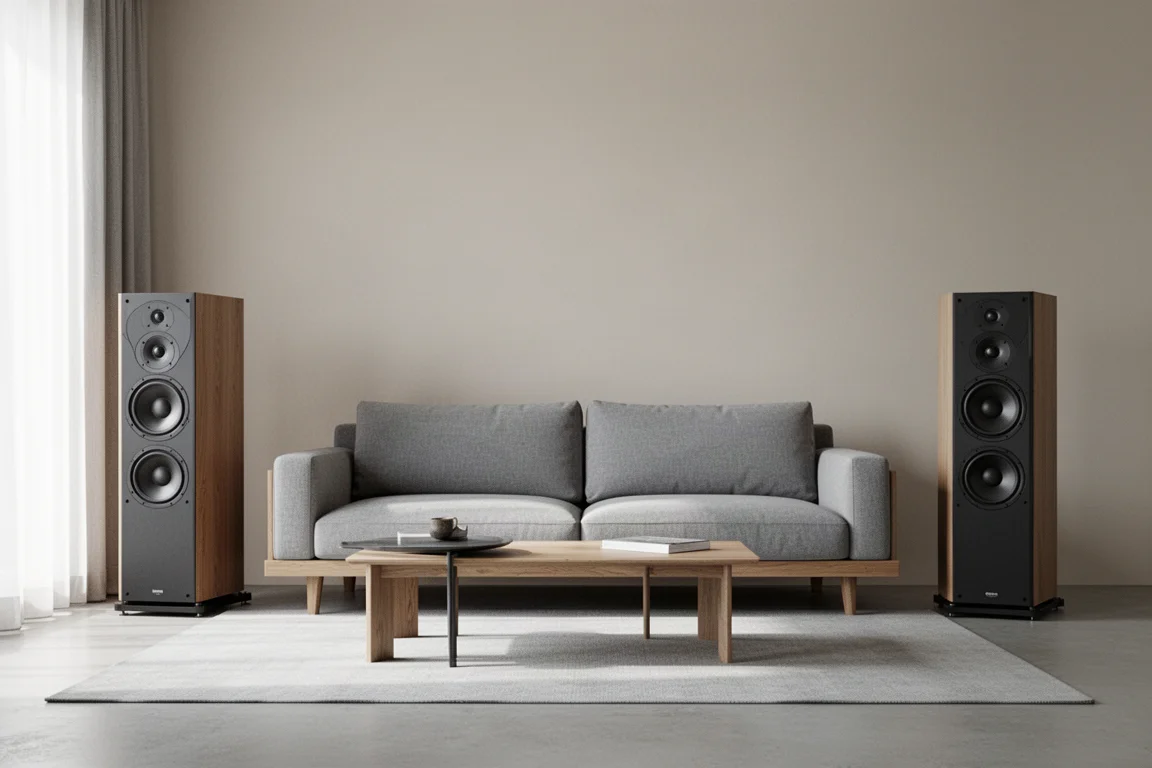
Budget for the amplifier and the stands as part of the purchase rather than as afterthoughts. If you already own a high-current integrated amplifier and have space to position a pair well out into the room, these are among the most capable stand-mounted speakers you can consider at this price.
Conclusion
The Arendal Sound 1528 Bookshelf 8 is a stand mount in name only. It brings three-way driver design, an 8-inch woofer, deep in-room bass, and a cabinet built to a standard that is hard to match at the price. The trade-offs are real: low sensitivity, a 4 ohm load, a large footprint once mounted, and a look that will not suit every room. For listeners who can meet those requirements, it delivers a full-range experience that few stand-mounted speakers can approach.
Product link
View more details for Arendal Sound 1528 Bookshelf 8
This product is mentioned in the review. Check the specifications, options, and compatibility before buying.
View more details for Arendal Sound 1528 Bookshelf 8Further reading
Related Reviews
Stand Mount Speakers
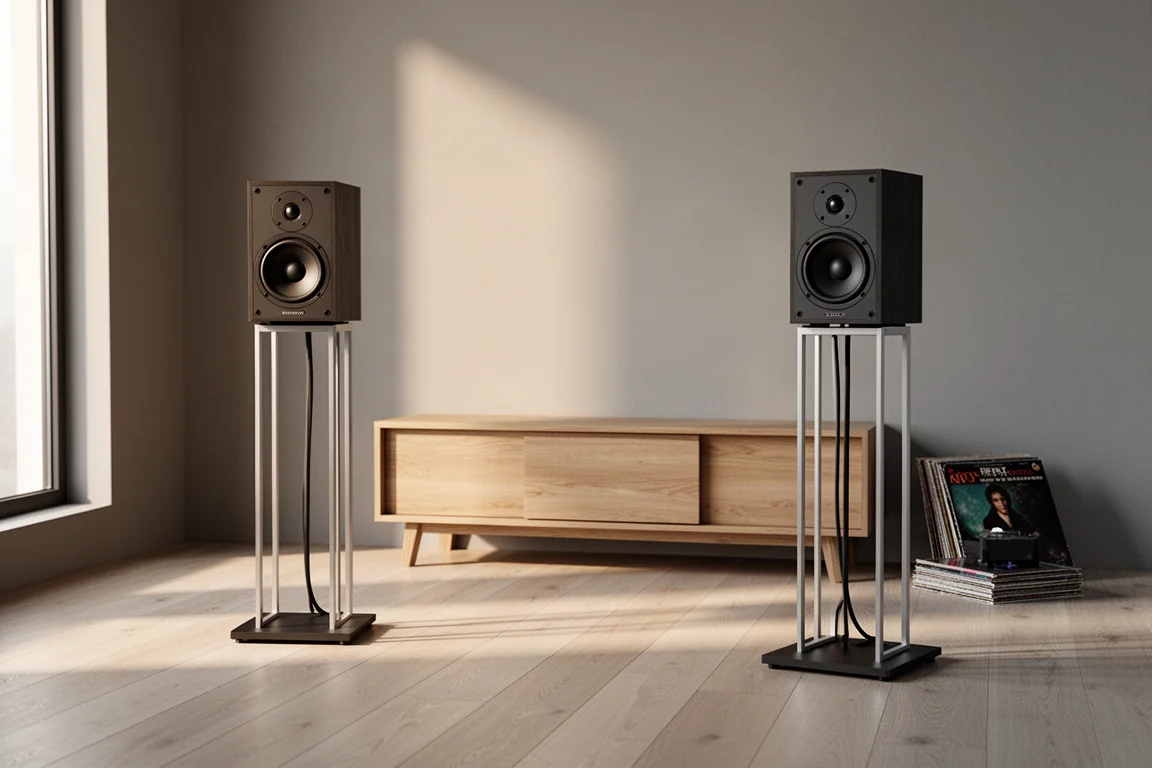
Stand Mount Speakers Worth Knowing: Ten Standout Designs
A practical roundup of ten stand mount speakers, from budget friendly Klipsch models to high end JM Lab and Dynaudio designs, with the strengths and trade offs that matter before you buy.
Floorstanding Speakers
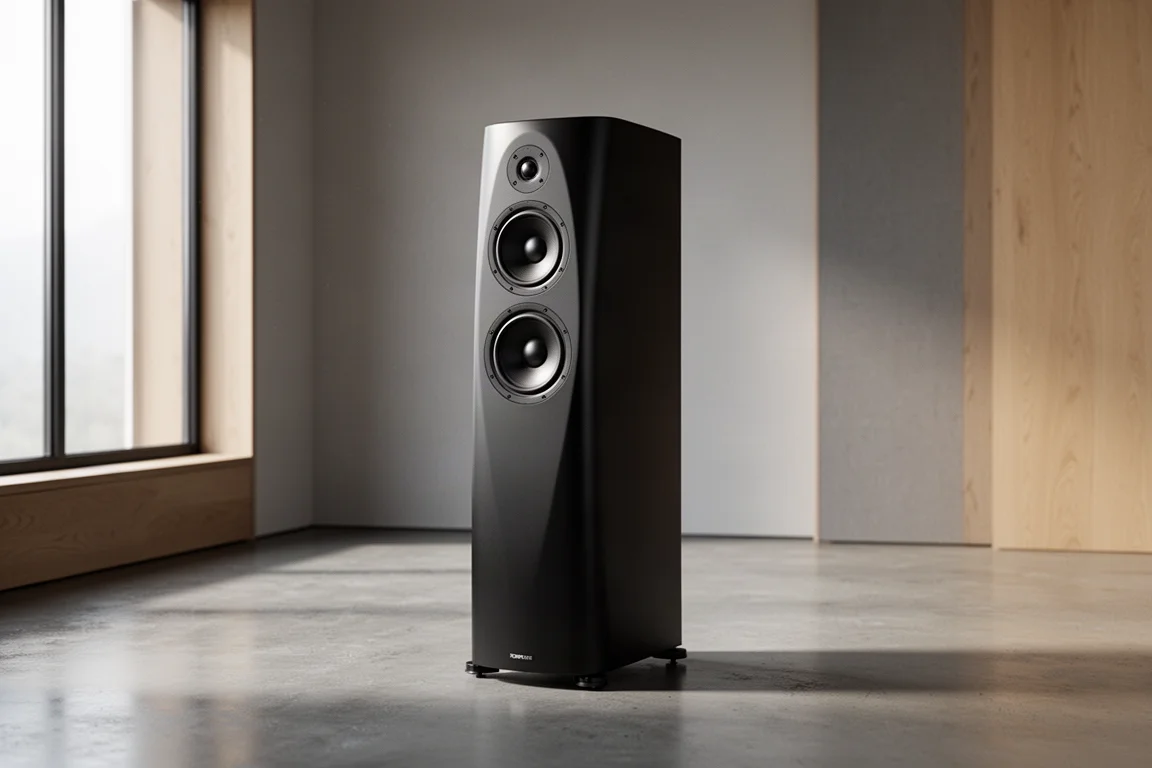
Arendal 1528 Tower 8 Review: Reference Neutrality With Real Demands
A close look at the Arendal 1528 Tower 8, a nearly five-foot, 200-pound floorstander that rewards generous space, serious power, and high listening levels with reference-grade neutrality.
Floorstanding Speakers
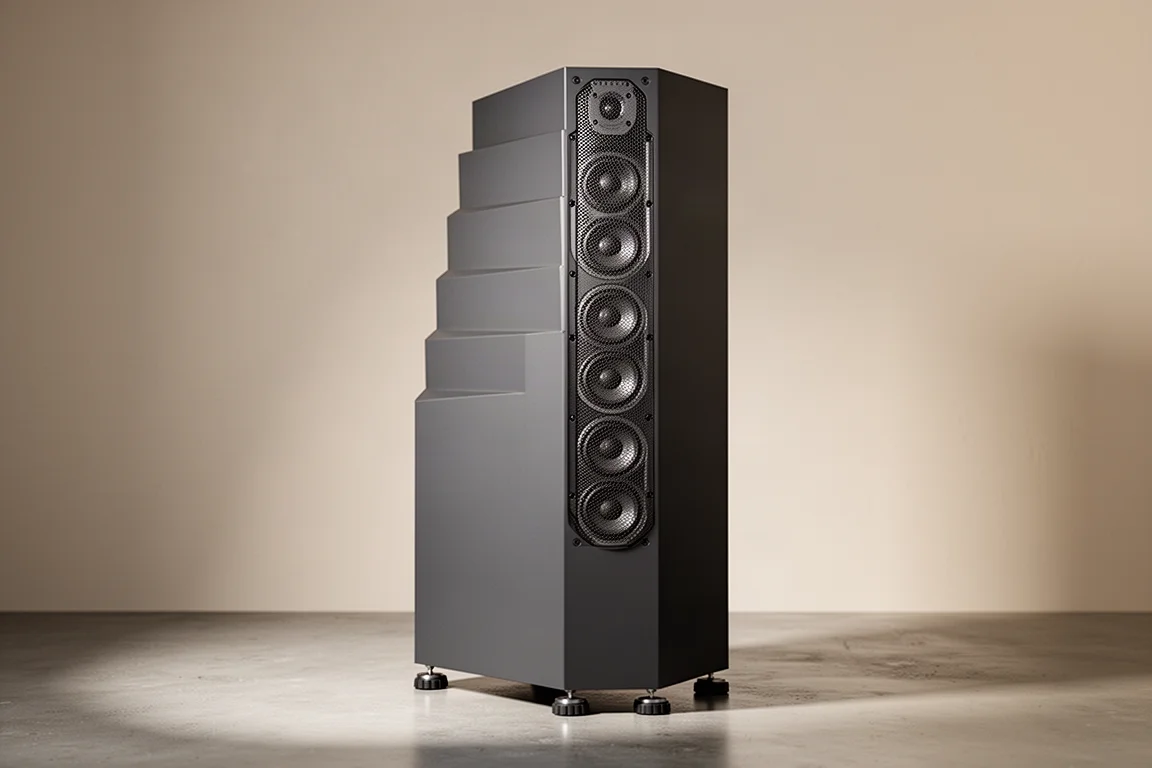
Arendal 1528 Tower Review: Flagship Engineering at a Disruptive Price
The Arendal 1528 Tower pairs an HDF cabinet, a lithium magnesium tweeter, and four 8 inch woofers per speaker with a $9,500 per pair price tag. Here is what buyers should weigh before ordering.