Gravel Bike Groupsets
SRAM Rival XPLR Review: 13-Speed Wireless for Gravel Riders
SRAM Rival XPLR brings 13-speed wireless shifting and top-tier braking to a more attainable gravel groupset. Here is what works, what to check, and who it suits.
Introduction
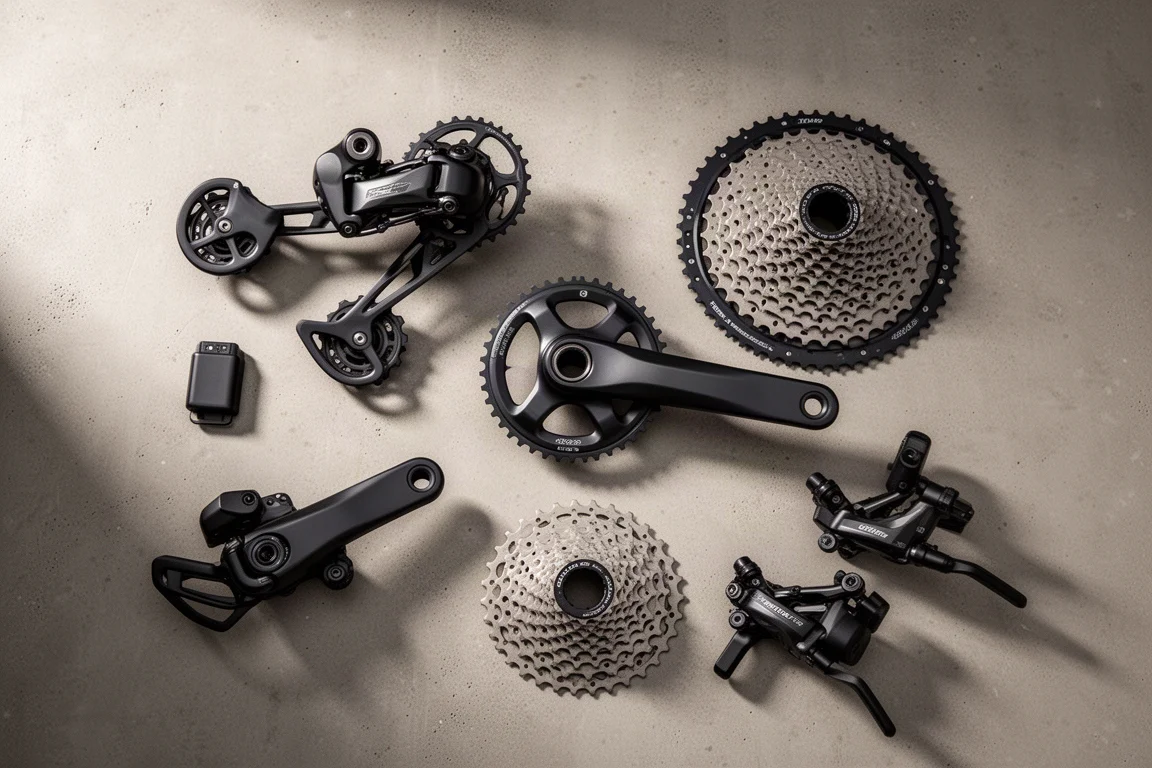
SRAM has expanded its Rival tier with a new 13-speed groupset built for gravel and adventure riding. Rival sits third from the top in a four-tier range that runs Red, Force, Rival and Apex, and the XPLR label marks the 1x versions of these groupsets. That means one chainring at the front and 13 sprockets at the rear.
The headline changes are a fully wireless drivetrain, hydraulic braking technology carried down from the top-tier Red groupset, and a price that undercuts the existing 13-speed Red option. It is still a serious purchase, and a few design decisions are worth understanding before you commit.
Who the SRAM Rival XPLR Is For
This is a performance product, and it is aimed at enthusiasts and racers rather than casual riders. The shifting can be configured through an app, the lever shape is derived from the newest Red levers, and the reach and hand position encourage fast riding. Riders who race gravel or ride long, demanding routes are the natural audience.
Because the design has trickled down from the top tier, it also suits riders who want much of that feel without paying flagship money. The XPLR version specifically targets gravel riding, with a wide gear range, chainring options from 36 to 46 teeth and a very small 10-tooth sprocket at the rear.

One practical point: the shifters are noticeably slimmer than the equivalent Force shifters, and riders with smaller hands may find the Rival shape more comfortable in the palm. That advantage is worth weighing against the longer lever body, which is covered further down.
Shifting Performance and the Full Mount Derailleur
The most unusual part of this groupset is the rear derailleur. It uses a full mount design that bolts directly onto the frame instead of hanging from a traditional derailleur hanger, and it requires a UDH compatible frame. The mechanism is effectively attached near the rear wheel axle, which is a very strong area of the bike.
There are no adjustment screws on the derailleur at all, not even a B-tension screw. It mounts in a fixed position relative to the cassette, so setup comes down to getting the chain length right using SRAM’s chart and tightening the mech to 35 Newton metres with a torque wrench. That torque figure is high, so doing it properly matters.
The payoff is shifting that feels exceptionally crisp. Moving from the previous generation of the same groupset on an identical frame, the improvement is clearly noticeable. The derailleur also has a clutch and oversized pulley wheels, and it is designed to move out of the way in the event of an impact, such as a rock strike, rather than snapping.
Braking Performance and Lever Design
The braking technology from the top-tier groupset has been carried down to Rival, and it is the strongest argument for this groupset. It is genuinely a one-finger operation, and the contrast with the older Rival brakes is significant, which felt strong but somewhat spongy by comparison.
On long descents, that lighter lever effort helps limit arm fatigue, and off-road it adds confidence. It is the kind of improvement you notice immediately on loose, steep terrain.
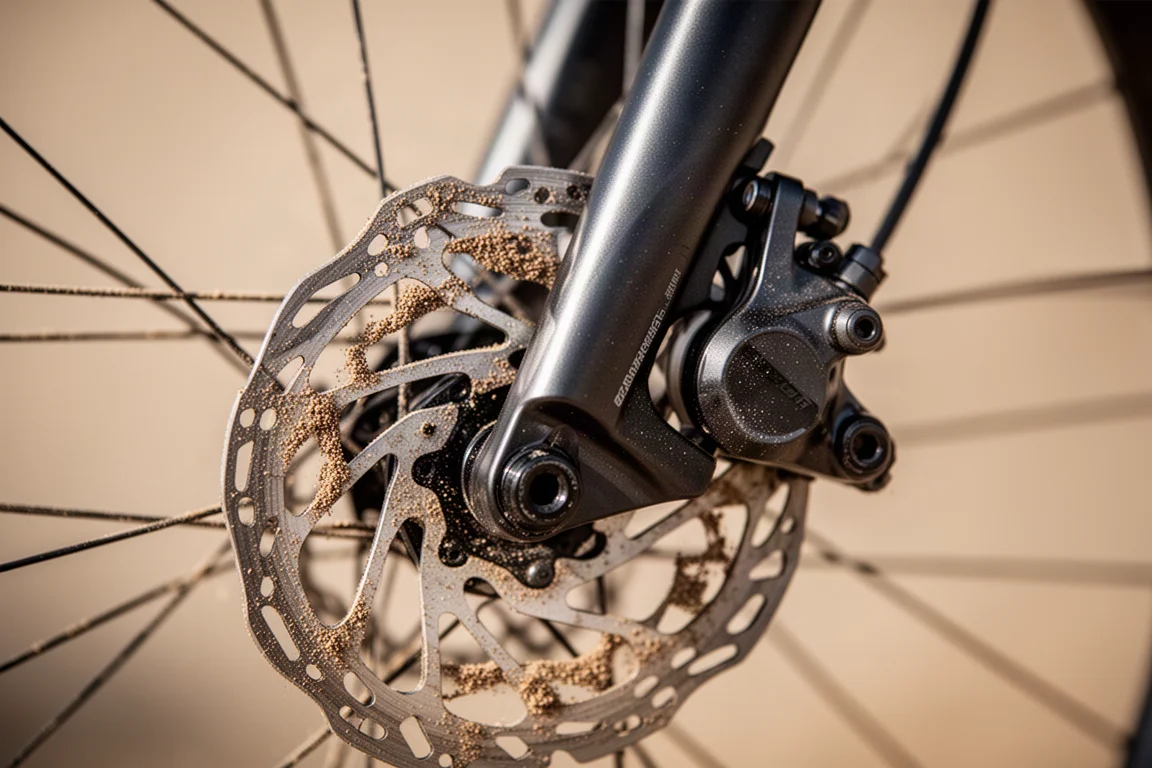
The levers have been reshaped and are roughly 1.5 cm longer than the previous version. That extra length contributes to a very secure grip, which is welcome when you are out of the saddle grinding up a steep gravel climb. It is also a real fit consideration, because 1.5 cm is a substantial change on a bike, and modern frames already tend to come long. Smaller riders may find the added length rules them out, even though the Rival body is slimmer in the hand.
Lever reach is adjustable, so you can set how close the lever sits to the bar. What is missing is brake pad contact adjustment, so you cannot change how quickly the pads bite or how close they sit to the rotor. The revised lever shape also curves away from the bar in a way that avoids catching a finger against the handlebar when braking, a small detail that some riders will appreciate more than others.
Wireless Shifting and Cross-Compatibility
The groupset is completely wireless. Coin cell batteries sit in the shifters and a small clip-on battery powers each derailleur, and the components communicate with each other reliably. That makes installation and part replacement about as straightforward as it gets, and there is no wire running through the frame to maintain.
Cross-compatibility is another strength. Parts can be mixed and matched across SRAM groupsets as long as they share the same speed, so less expensive shifters can be paired with other versions of the drivetrain. The 13-speed XPLR groupset even uses the same chain as the 12-speed road groupsets, which makes finding replacements simpler.
Rival does without the extra bonus buttons found on Force and Red shifters. Those buttons are programmable, and on the higher tiers they can be used to operate a dropper post in the same ecosystem. If that matters to you, the more expensive shifters are the ones to look at.
Weight, Gearing, and Crank Options
The complete groupset weighs 2,658 g. Breaking that down, the 1x crankset is 755 g, the pair of shifters is 451 g, the 13-speed cassette is 389 g, and the rear mech with its battery is 467 g. The rotors are unchanged at 160 mm front and rear and weigh 280 g for the pair, while the calipers with hose come to 326 g.
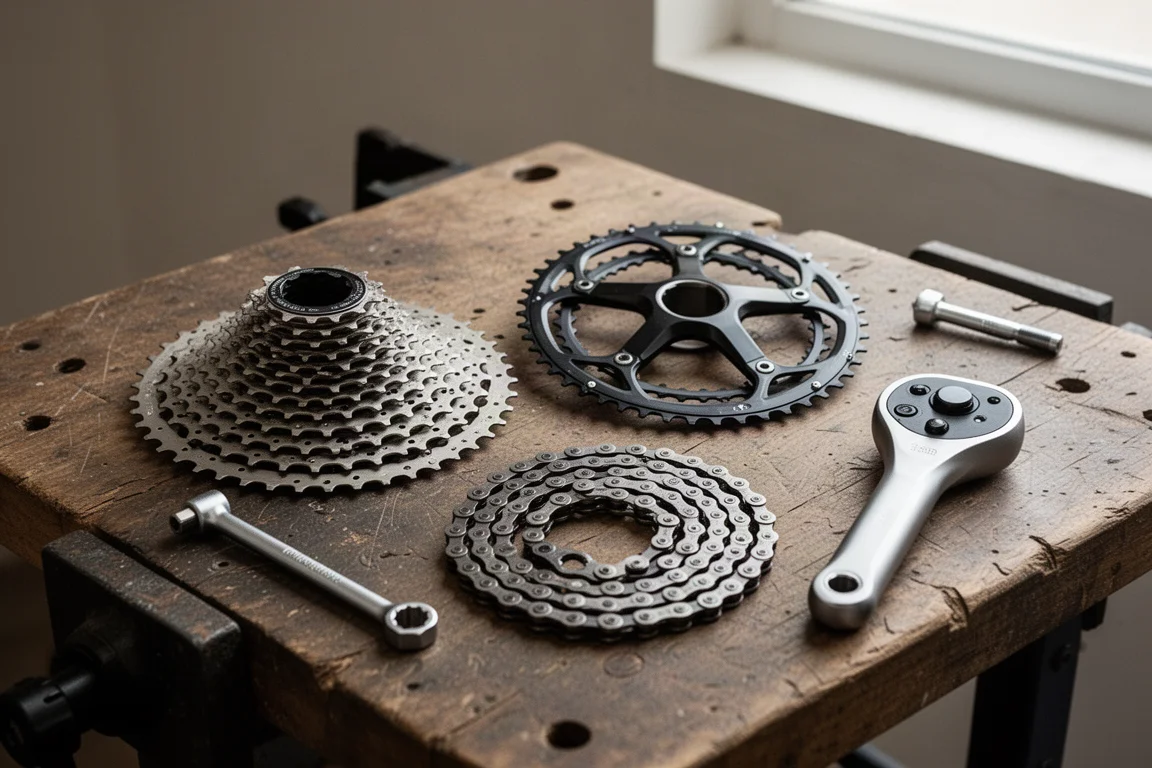
A single-sided, spindle-based power meter is available as an option, and because it sits in the spindle you can still change chainrings as normal. Crank lengths come in 160, 165, 170, 172.5 and 175 mm. That range covers most riders, but people at the extremes of height may need to look at specialist crank manufacturers, which is consistent with what the other major groupset brands offer.
Things to Consider Before Buying
The first consideration is price. The fully loaded, power meter equipped version sits in the region of $1,550 to $1,750 depending on region. Dropping the power meter brings the cost down by up to about $200, which makes the standard version considerably friendlier.
The second is your frame. The full mount derailleur requires a UDH compatible frame, so check that before planning an upgrade. The technology is relatively new on gravel bikes, and while it is well established in mountain biking, long-term behaviour on gravel is still something to keep an eye on.
The third is fit. Those longer levers are excellent for grip and braking but they change your position on the bike, and riders on the smaller end of the size range should try before buying. It is also worth noting that brake pad contact adjustment and the programmable bonus buttons are absent here, and that 13-speed adds only a small reduction in the gaps between gears rather than a dramatically wider range.
Alternatives exist if you want to compare. Shimano’s GRX RX815 is electronic and 1x only, at 11-speed, and has been found online for around £1,300 without rotors. Shimano also offers a 12-speed electronic GRX, but at this time it is 2x only. Campagnolo Ekar is a gravel-specific 13-speed option, though it is mechanical.
Buying Advice
Start by deciding whether you need the power meter. The standard version saves a meaningful amount and delivers the same shifting and braking character, so the power meter is best treated as a training tool rather than a default choice.
Next, confirm that your frame is UDH compatible and that the longer lever body suits your position. If you are between sizes or on the smaller end, sit on a bike with this groupset before committing, because the reach and lever length are the details most likely to cause regret.
If your current groupset still works well, there is no urgency here. The braking and shifting are genuinely excellent, but the value case improves as this technology moves further down the range. Riders who race, ride long gravel routes, or simply want wireless shifting and the best braking available at this tier will find plenty to like. Those who mainly want reliability on a budget can wait comfortably.
Conclusion
SRAM Rival XPLR delivers the two things that matter most in a modern gravel groupset: outstanding one-finger hydraulic braking and exceptionally crisp wireless shifting. The full mount derailleur removes setup guesswork, compatibility across the range is generous, and the braking feel carried down from the top tier is the standout feature.
The trade-offs are real but specific. It is expensive, it demands a UDH compatible frame, the levers are 1.5 cm longer than before, and a few top-tier conveniences such as brake pad contact adjustment and bonus buttons are left out. None of that undermines the performance. It simply means this groupset rewards riders who know what they want and can confirm it fits both their bike and their body.
Product link
View more details for SRAM Rival XPLR
This product is mentioned in the review. Check the specifications, options, and compatibility before buying.
View more details for SRAM Rival XPLRFurther reading
Related Reviews
Gravel Bike Groupsets
Shimano GRX 12-Speed Review: Mechanical Gravel Gearing With a 10-51 Cassette
Shimano's mechanical 12-speed GRX brings a 10-51 tooth cassette and wide-range 1x gearing to gravel and bikepacking bikes. Here is what it offers, and who it suits.
Gravel Bike Groupsets
Shimano GRX 400 vs SRAM Red Eagle XX1 Mullet: Does a Premium Groupset Ride Better?
Two identical gravel bikes, one with a roughly £600 Shimano GRX 400 build and one with a roughly £3,500 SRAM Red Eagle XX1 mullet build. Here is what the gap in price actually buys.
Gravel Bike Groupsets
Shimano GRX Di2 Wireless Review: Fast Shifting, Real Trade-Offs
Shimano's first wireless drop-bar groupset delivers very fast shifting and a wide 1x range, but the rear derailleur design and missing options deserve a close look.