Gravel Bike Groupsets
Shimano GRX 12-Speed Review: Mechanical Gravel Gearing With a 10-51 Cassette
Shimano's mechanical 12-speed GRX brings a 10-51 tooth cassette and wide-range 1x gearing to gravel and bikepacking bikes. Here is what it offers, and who it suits.
Introduction
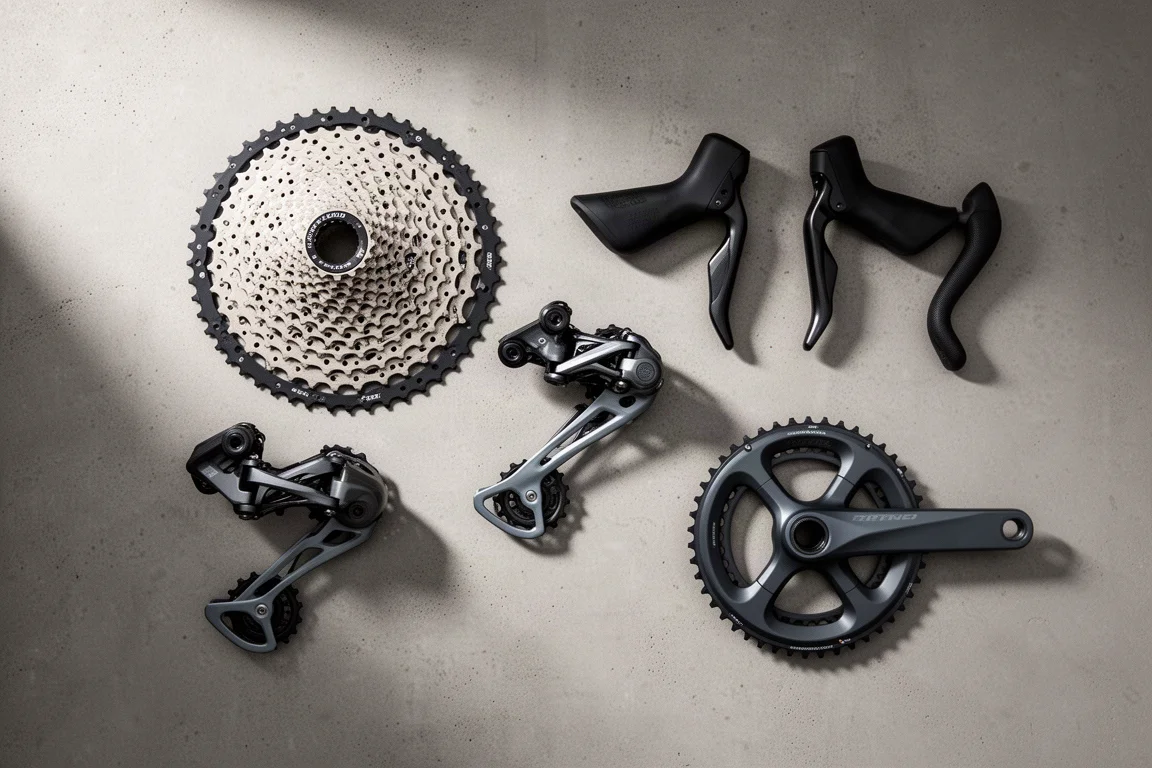
Shimano has released a 12-speed version of GRX, its gravel groupset, and the entire launch is mechanical. No electronic option forms part of this release, and no timing has been given for one. The new line-up spans three 12-speed mechanical groupsets: two 1x configurations and one 2x configuration, with the headline change being a 10-51 tooth cassette that brings mountain bike gearing to drop-bar bikes.
The groupset as tested weighs 2.8 kg and retails in the UK at £1,350. Alongside the new cassette, Shimano has introduced a new rear derailleur, while the chainset, brake levers and brake calipers carry over largely unchanged.
Who This Groupset Is For
This is a groupset for gravel riders who want a very wide gear range without moving to electronic shifting. The 10-51 cassette is aimed at riders who face steep off-road climbs, carry bikepacking loads, or simply want a lower bottom gear than an 11-speed set-up can provide. The 2x option with 11-36 or 11-34 cassettes suits riders who prefer closer steps between gears.
Mechanical operation is part of the appeal. There is no battery to charge before a ride, which keeps long days and multi-day trips simple.
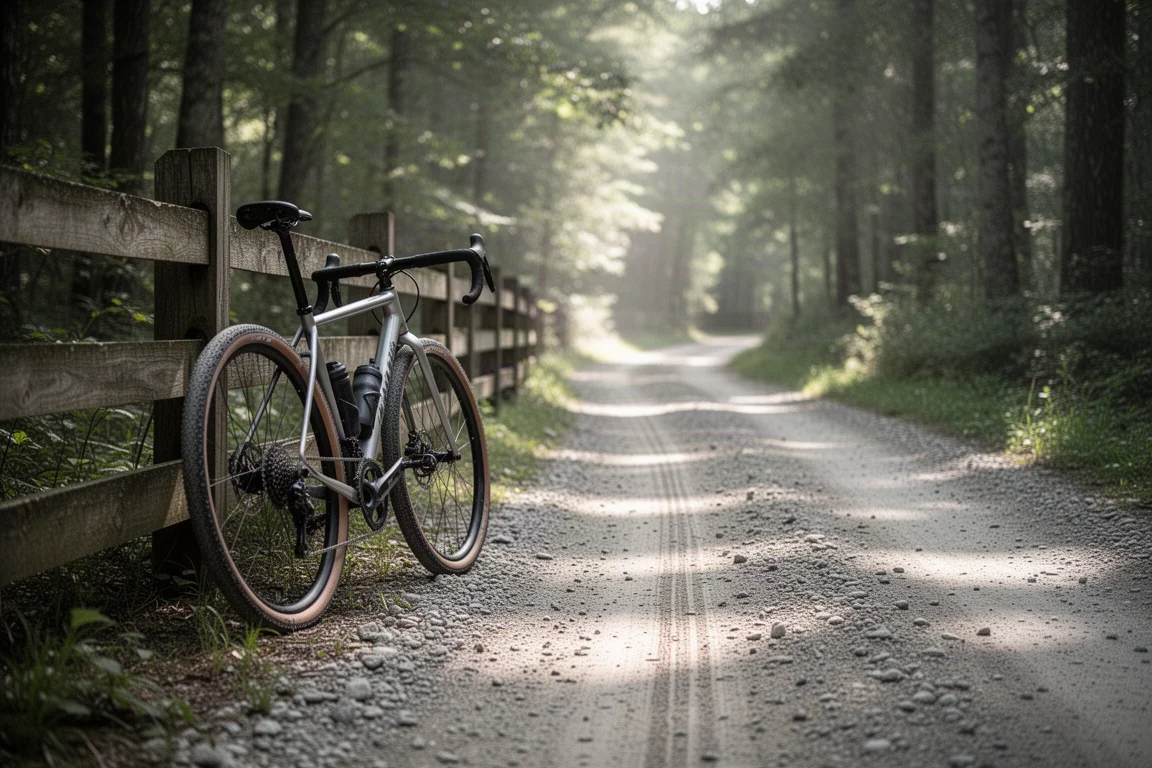
Riders already running 11-speed GRX 1x are the most likely candidates for an upgrade, particularly if the current range runs out on the steepest pitches or under load. For everyone else, the decision comes down to whether wide-range 1x gearing matters more than shift speed and customisation.
Range, Cassettes, and Compatibility
The 1x flagship uses a 10-51 tooth cassette, a design that has been part of Shimano’s mountain bike range for several years. It requires a Micro Spline freehub body to accommodate the 10-tooth sprocket, and most wheels can be upgraded to be compatible.
A smaller 10-45 cassette is also offered for riders who do not need the full spread. It pairs with a rear derailleur that has a shorter, medium cage. The long-cage derailleur used with the 10-51 has a removable cage, so a rider who starts with the 10-45 and later wants the bigger cassette can change the cage rather than buy an entirely new derailleur. One derailleur covering both cassettes would have been neater, but the removable cage keeps the cost of that change contained.
The 2x option uses HG3 hubs rather than Micro Spline, with a choice of 11-36 or 11-34 cassettes and a 48-31 chainset at the front.
Shifting, Braking, and Ride Feel
Shifting is light and precise, and it holds up under load, which matters when a corner opens onto a sudden climb and the chain needs to move quickly. The rear derailleur moves the chain from the 10-tooth sprocket all the way up to the 51 without complaint, and brake performance is strong.
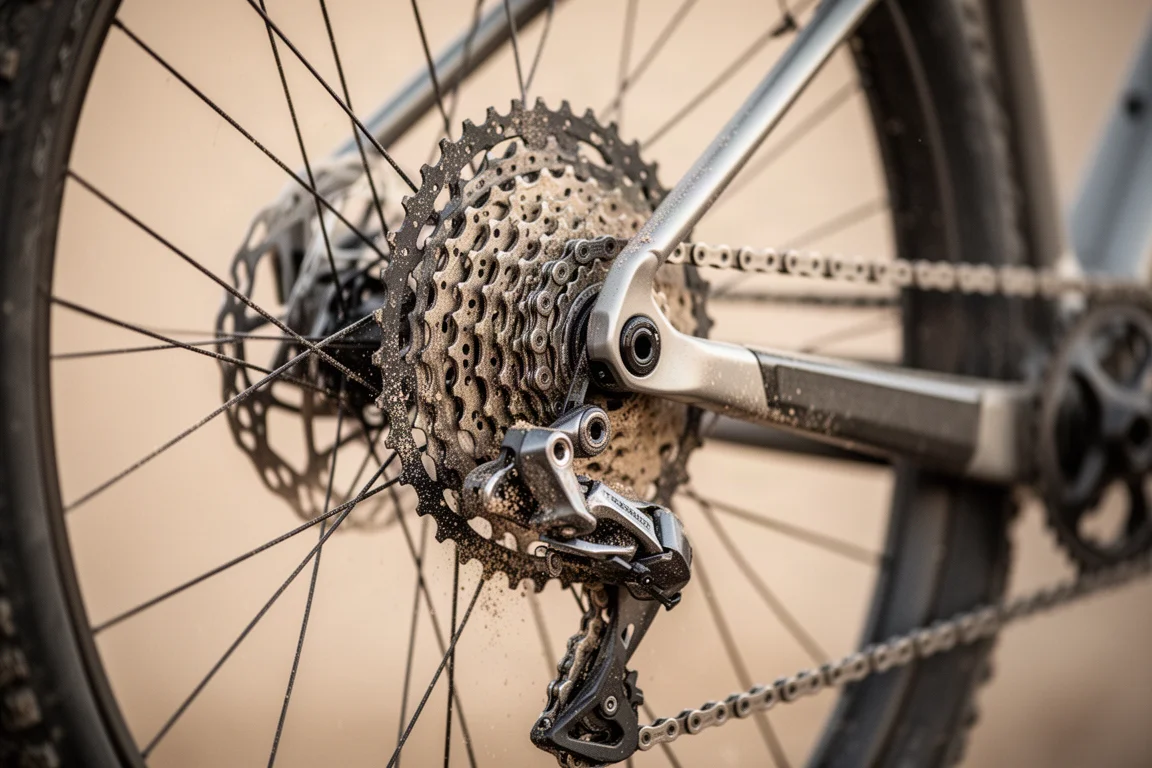
Gear spacing is even enough that cadence rarely becomes an issue on loose gravel, where small differences in ratio matter less than they do on tarmac. The only noticeable gaps arrive in the last three or four steps toward the 51-tooth sprocket, and those come at the point where a rider is usually grinding rather than chasing a precise cadence.
Mechanical shifting is not as quick as electronic, and it offers less customisation and none of the audible character that electronic systems have. What it does offer is reliability without charging, which is a genuine advantage for riders who would rather not think about battery state before every ride.
Weight and Build Details
The groupset as tested weighs 2.8 kg. Most of the individual components carry over from the previous generation, with the new cassette and rear derailleur doing the heavy lifting in terms of what has actually changed.
The test build used a Cannondale Topstone Lab 71 frameset, which is a few hundred grams lighter than the standard version thanks to a higher grade of carbon fibre. Its rear pivot is intended to add comfort and reduce the impact coming through the back of the bike, which in turn allows a narrower, lighter and faster tyre to be run. The frame blends road and gravel geometry and feels at home both on country lanes and on the loose surfaces this groupset is designed for.
Things to Consider Before Buying
The most obvious consideration is that there is no electronic version in this launch. Riders who want an electronic gravel groupset will need to wait for a separate release.
The second is the rear derailleur split. Buying the 10-45 groupset and later wanting the 10-51 means changing the cage, which is cheaper than a new derailleur but still an extra step.

There are also the usual trade-offs of mechanical shifting: it is slower and less configurable than electronic, and it lacks the distinctive sound. On the gearing side, the final few steps toward the 51-tooth sprocket leave wider gaps than the rest of the cassette.
Price deserves a mention here too. The 1x groupset as tested retails in the UK at £1,350, the same as SRAM’s new Apex electronic groupset and more than the mechanical version of Apex.
Price and How It Compares
Against SRAM, the picture is mixed. Apex electronic matches the GRX price and mechanical Apex undercuts it, but the GRX set covers both 1x and 2x configurations while Apex is 1x only. Campagnolo Ekar is currently on offer at £900, which makes it an appealing alternative on price, though it has not been as popular as it was when it first launched.
Shifting layout is one area where GRX holds an advantage. SRAM and Campagnolo layouts are less intuitive to use, and Shimano’s arrangement remains the most straightforward of the three.
There are ways to reduce the cost of a GRX build. Lower-end Deore mountain bike parts can be substituted, and 600 series cranks and brake levers bring the price down further. Shimano groupsets also tend to be discounted over time, and buying a complete bike remains the most economical route to a groupset like this.
Buying Advice
The case for upgrading rests on range rather than the extra sprocket. For a rider on 11-speed GRX 1x who struggles on steep climbs or when the bike is loaded for bikepacking, the 10-51 cassette is the feature that changes the experience. The move from 11 to 12 speeds on its own is a smaller consideration.
Wide-range mechanical 1x groupsets remain uncommon, and this one delivers the shift quality and braking that Shimano riders expect, without a battery to manage. For a new gravel bike build this year where the priorities are gear range, mechanical simplicity and a familiar shifting layout, the 12-speed GRX is a sensible choice.
Conclusion
Shimano’s mechanical 12-speed GRX answers a request that has been open for a long time: a proper wide-range 1x option for drop-bar bikes, with a 10-51 cassette and the shifting and braking feel the brand is known for. The absence of an electronic option at launch, the two rear derailleur cages and the small gaps at the top of the cassette are the details to weigh up. Riders who value range and mechanical reliability over shift speed will find those trade-offs easy to accept.
Product link
View more details for Shimano GRX 12-Speed Groupset
This product is mentioned in the review. Check the specifications, options, and compatibility before buying.
View more details for Shimano GRX 12-Speed GroupsetFurther reading
Related Reviews
Gravel Bike Groupsets
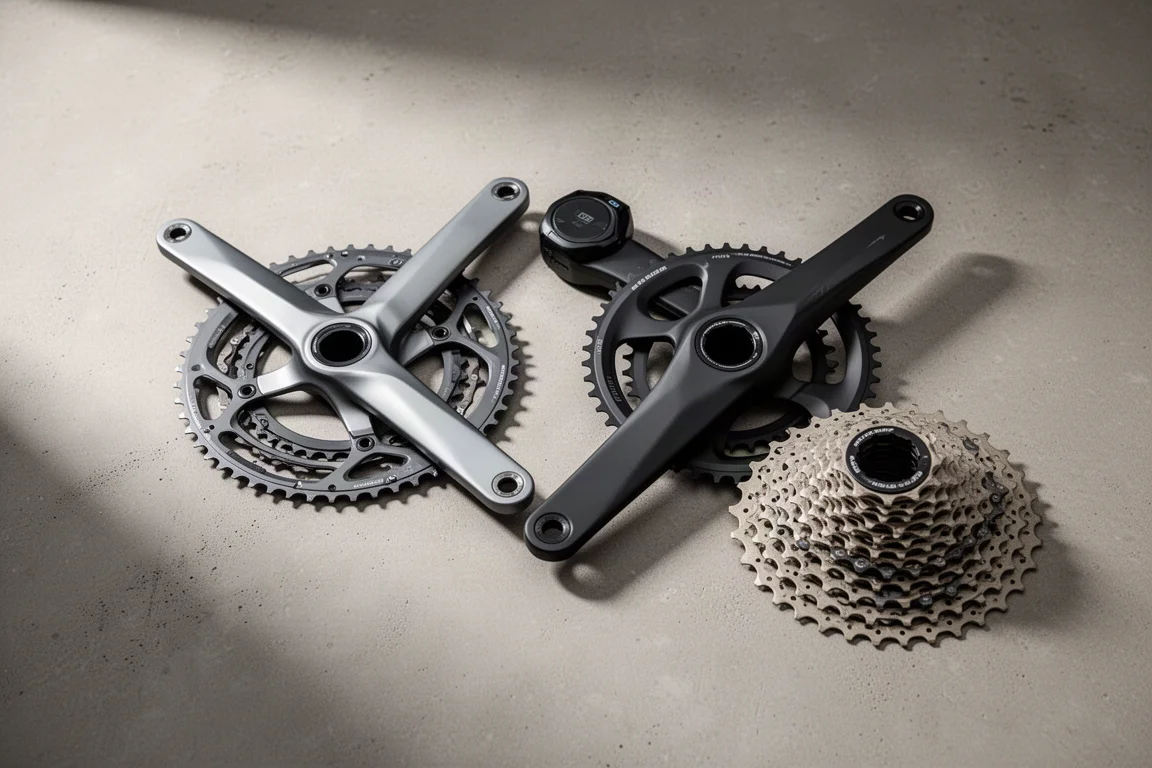
Shimano GRX 400 vs SRAM Red Eagle XX1 Mullet: Does a Premium Groupset Ride Better?
Two identical gravel bikes, one with a roughly £600 Shimano GRX 400 build and one with a roughly £3,500 SRAM Red Eagle XX1 mullet build. Here is what the gap in price actually buys.
Gravel Bike Groupsets
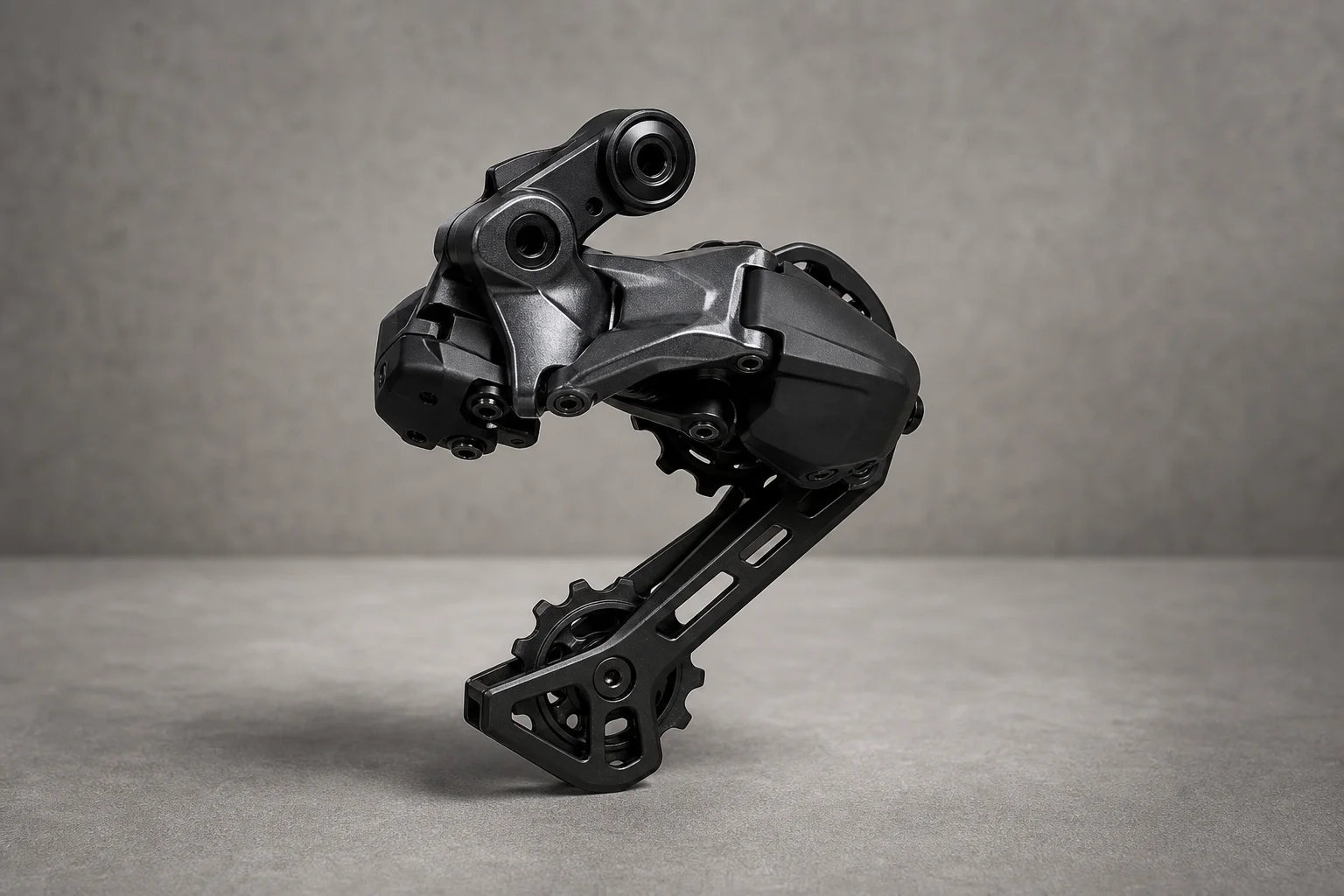
Shimano GRX Di2 Wireless Review: Fast Shifting, Real Trade-Offs
Shimano's first wireless drop-bar groupset delivers very fast shifting and a wide 1x range, but the rear derailleur design and missing options deserve a close look.
Gravel Bike Groupsets
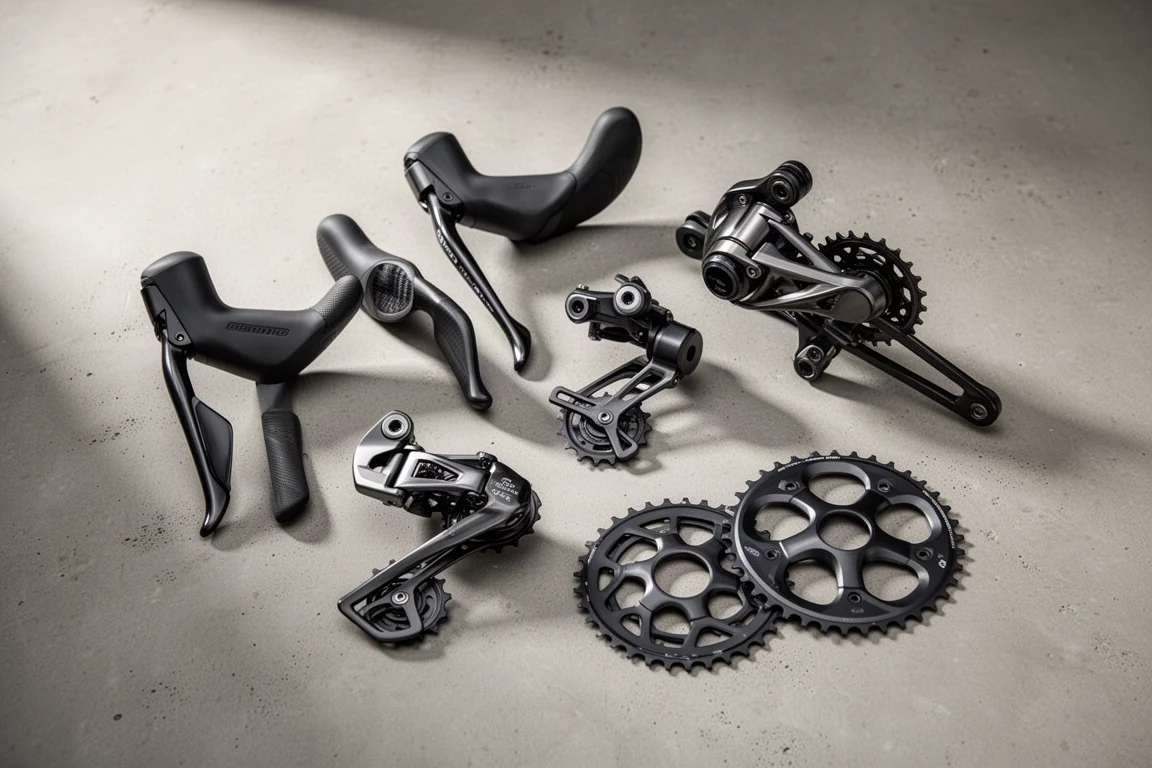
Shimano GRX RX825 Di2 Review: Wireless 12-Speed for Gravel
A clear look at Shimano's 12-speed electronic gravel groupset, from wireless shifters and a clutch rear derailleur to weights, gearing limits, and launch pricing.