Bike Components
Shimano GRX Di2 Wireless Groupset Review: A Breakthrough or Outdated?
We put the new wireless GRX Di2 groupset to the ultimate test at the Badlands gravel race in Spain, covering over 800 km of desert and mountain terrain. Can it stand up to SRAM AXS?
Introduction
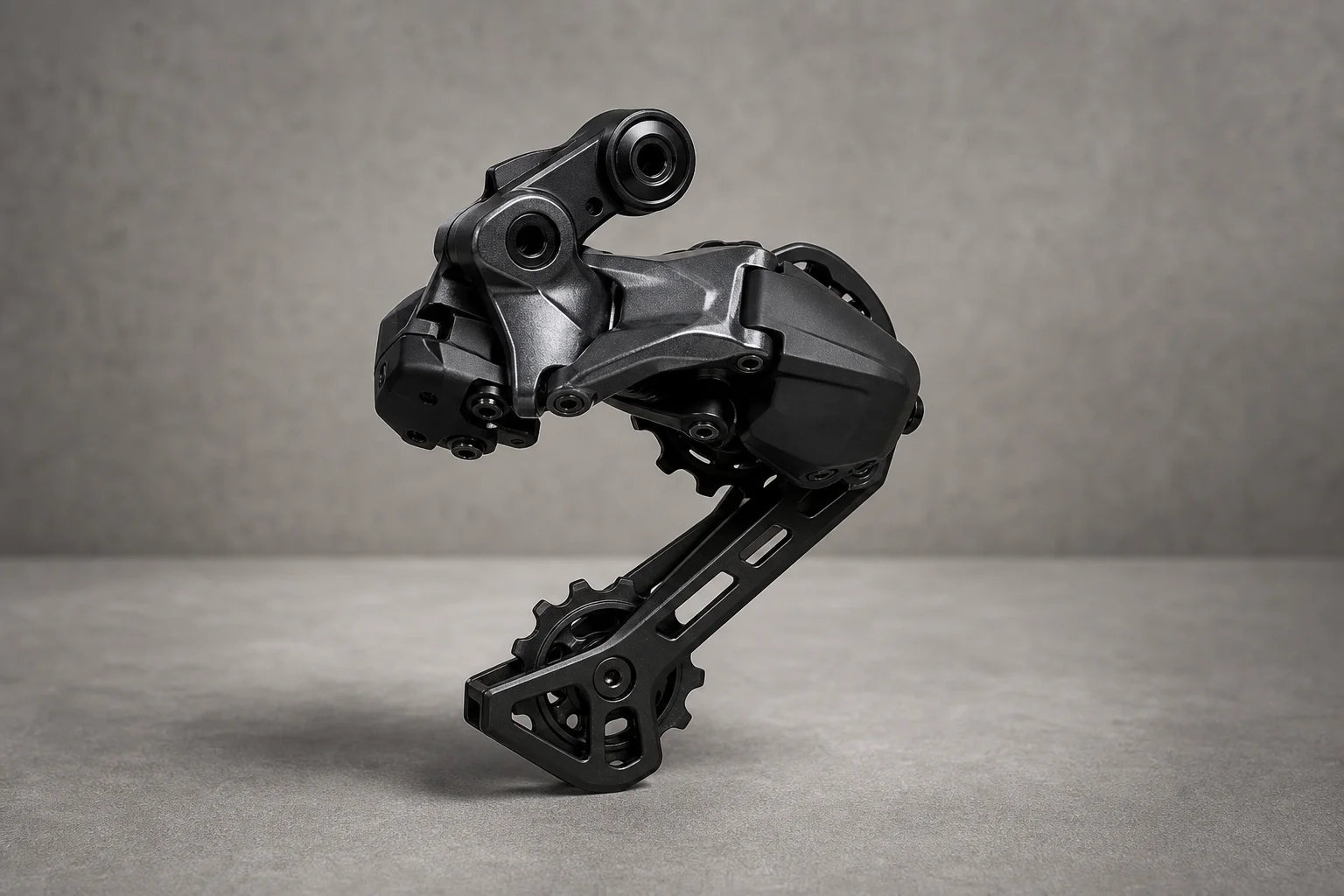
Shimano has finally joined the fully wireless shifting revolution. The wireless GRX Di2 groupset marks their first electronic groupset designed specifically for off-road drop-bar riding. But the question remains: is this the groundbreaking upgrade we have been waiting for, or was it outdated the moment it debuted? To find out, I subjected the groupset to the ultimate trial by fire at Badlands—a grueling, self-supported 815 km ultra-endurance gravel race through the deserts and mountains of southern Spain. Did it survive? Does it live up to the hype? And can it truly go toe-to-toe with SRAM’s dominant AXS ecosystem?
Who This Groupset Is For
This groupset is designed for gravel enthusiasts seeking the convenience of wireless shifting, especially those who undertake long-distance bikepacking adventures. If you are already running Shimano components or own a legacy frame that is incompatible with the Universal Derailleur Hanger (UDH) standard, this groupset offers a welcome upgrade path. It is also an attractive option for riders on a budget who still want wireless tech, as Shimano’s retail pricing sits slightly below SRAM Force XPLR.
Main Strengths
Rapid Shifting Speed On the trail, the wireless GRX Di2 shifts perceptibly quicker than SRAM XPLR. While this difference is marginal in everyday riding, if you demand the absolute fastest response at the levers, Shimano holds the upper hand.
Expansive Gear Range A 40T chainring paired with a wide-range 10-51T mountain bike cassette delivers a massive 510% gear range, easily beating out SRAM XPLR’s 460% limit. This generous gearing ensures you can spin up vertical walls and still pedal down high-speed gravel descents.
Stellar Battery Longevity Despite transitioning from a massive internal seatpost battery to a small, derailleur-mounted cell, Shimano’s claimed 700 to 1,000 km battery life is highly accurate. In the Badlands race, the cell finally ran out at the 810 km mark, nearly carrying me through the entire 815 km route on a single charge.
Retrofit Compatibility Because Shimano does not require a UDH hanger design, this groupset can be bolted onto legacy gravel frames, saving you the expense of buying a new frameset.
Mix-and-Match Flexibility Shimano offers three distinct tiers of GRX components. This allows you to choose different levels of cranks and cassettes to suit your budget and customize your build.
Swappable External Battery Unlike the old internal battery system, the new external cell can be swapped out in seconds—an incredibly practical feature for long-distance bikepacking races.
What to Consider Before Buying
Clunky Derailleur Aesthetics The rear derailleur is visually bulky, lacking the modern, refined silhouette of SRAM XPLR or even Shimano’s own XTR mountain bike derailleurs. Many aesthetics-conscious buyers may look elsewhere based on looks alone.
Strictly 1x Drivetrain At present, this groupset is only offered in a single-chainring configuration. If you require a double-chainring setup for road-like steps, you are limited to mechanical shifting or legacy wired Di2. Shimano has yet to introduce a wireless 2x GRX option.
No Short Crank Arms Shimano’s shortest crank arm length is 170 mm, whereas SRAM routinely offers 160 mm and 165 mm lengths. If you prefer or require shorter crank arms for bike fit purposes, SRAM remains the clear choice.
No Integrated Power Meter Unlike SRAM’s extensive AXS catalog, the wireless GRX Di2 does not feature an integrated power meter option out of the box.
Reliance on Traditional Derailleur Hangers Unlike SRAM’s robust hangerless Transmission interface, Shimano still relies on a traditional aluminum derailleur hanger. During the Badlands race, a minor low-speed tip-over bent the hanger, degrading shift quality. This highlighted the structural superiority of SRAM’s direct-mount design.
Slightly Less Forgiving Shift Action While Shimano shifting is faster, it can feel less forgiving under absolute load than SRAM. SRAM AXS manages to execute perfect shifts in high-torque scenarios where Shimano can occasionally sound harsh or hesitate.
Heavy Brake Lever Action The return spring on the GRX brake levers feels noticeably heavier than SRAM XPLR, making one-finger or two-finger braking slightly more fatiguing on long, bumpy descents.
Buying Advice
If you are looking to purchase a standalone groupset or buying a brand-new gravel bike and find yourself torn between Shimano and SRAM, my recommendation is to go with SRAM XPLR. It looks better, is structurally more durable, offers better crank options, delivers a lighter lever feel, and features a seamlessly integrated power meter path.
The wireless GRX Di2 should primarily be considered if you are a die-hard Shimano fan, want a direct upgrade for an existing Shimano rig, or own a legacy frame that cannot accept a UDH hanger.
For riders purchasing a clean-slate build, SRAM’s XPLR lineup—spanning Rival, Force, and Red tiers—remains the superior option across almost all budgets.
Conclusion
The Shimano GRX Di2 wireless groupset works admirably well, delivering rapid shifts, an expansive gear range, dependable battery life, and a convenient external battery interface. However, it still feels a step behind SRAM’s fully integrated gravel ecosystem.
For riders currently running wired GRX Di2, upgrading to the wireless version offers very little practical advantage, save for the ability to swap batteries on ultra-endurance rides.
Combined with its bulky rear derailleur design, SRAM remains the stronger choice for riders buying a new gravel bike or standalone groupset. SRAM offers a cleaner aesthetic, better durability, a lighter brake lever pull, and a straightforward power meter upgrade path.
Product link
View more details for Shimano GRX Di2 Wireless
This product is mentioned in the review. Check the specifications, options, and compatibility before buying.
View more details for Shimano GRX Di2 WirelessFurther reading
Related Reviews
Bike Components
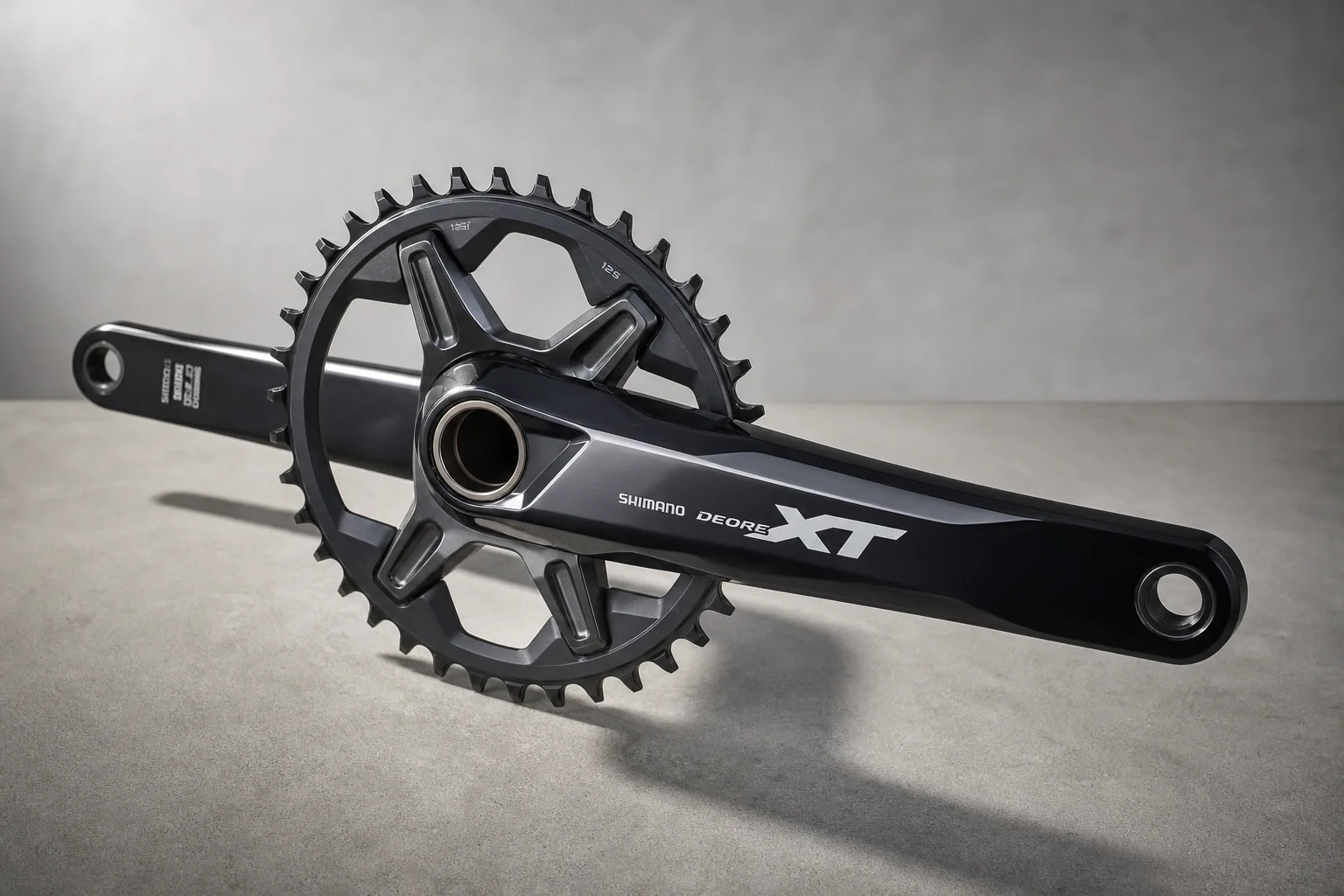
Shimano XT M8200 Crankset Review: Design, Compatibility, and Performance Compared
A detailed look at the new Shimano XT M8200 crankset, including its design updates, how it compares with XTR and the older M8100, and the key compatibility details.
Bike Components
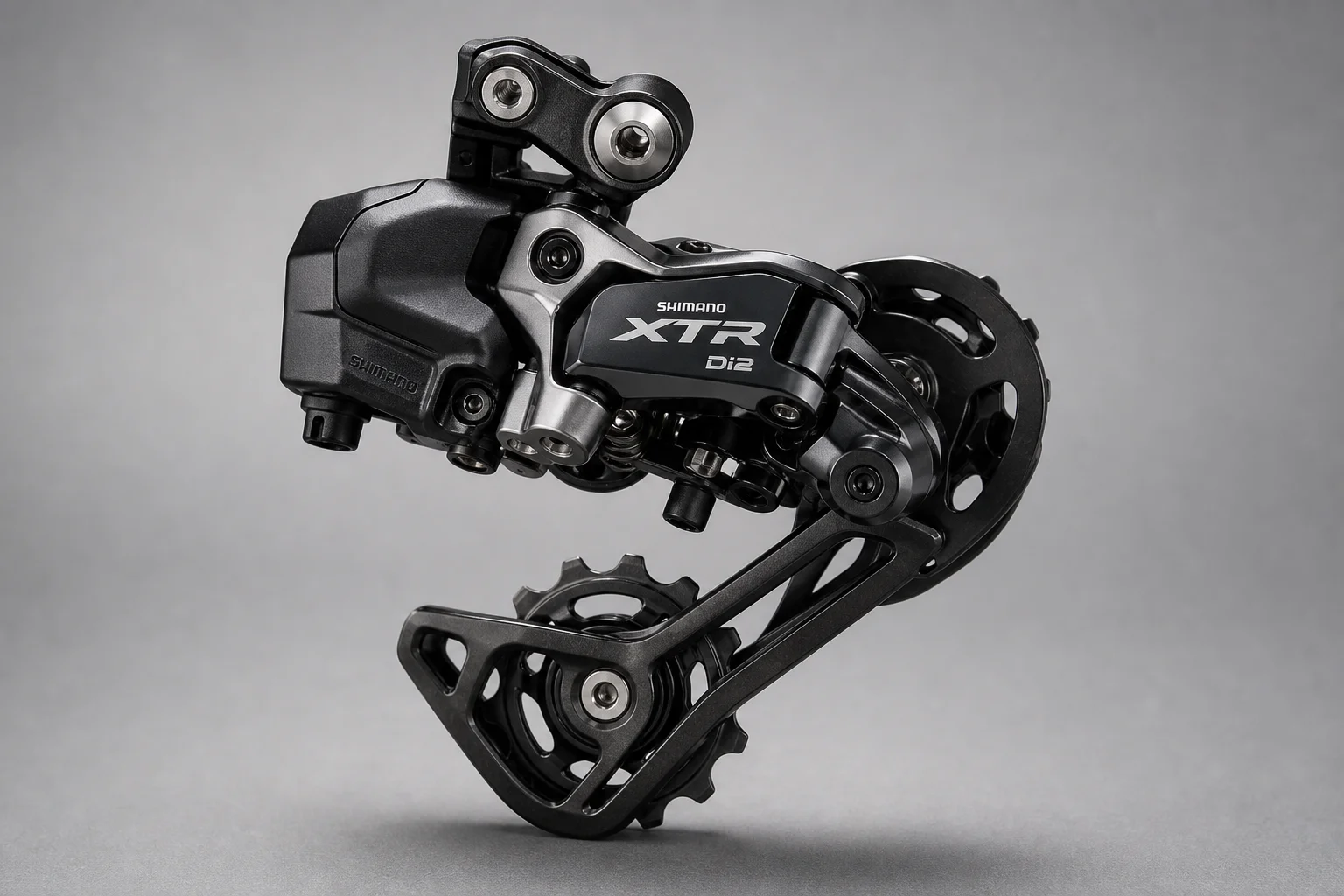
Shimano XTR Di2 1x Upgrade: A Native Electronic Drivetrain Tested
A close look at how Shimano's new-generation XTR Di2 rear derailleur changes 1x setups, including installation, performance, and battery life.
Coffee Brewing
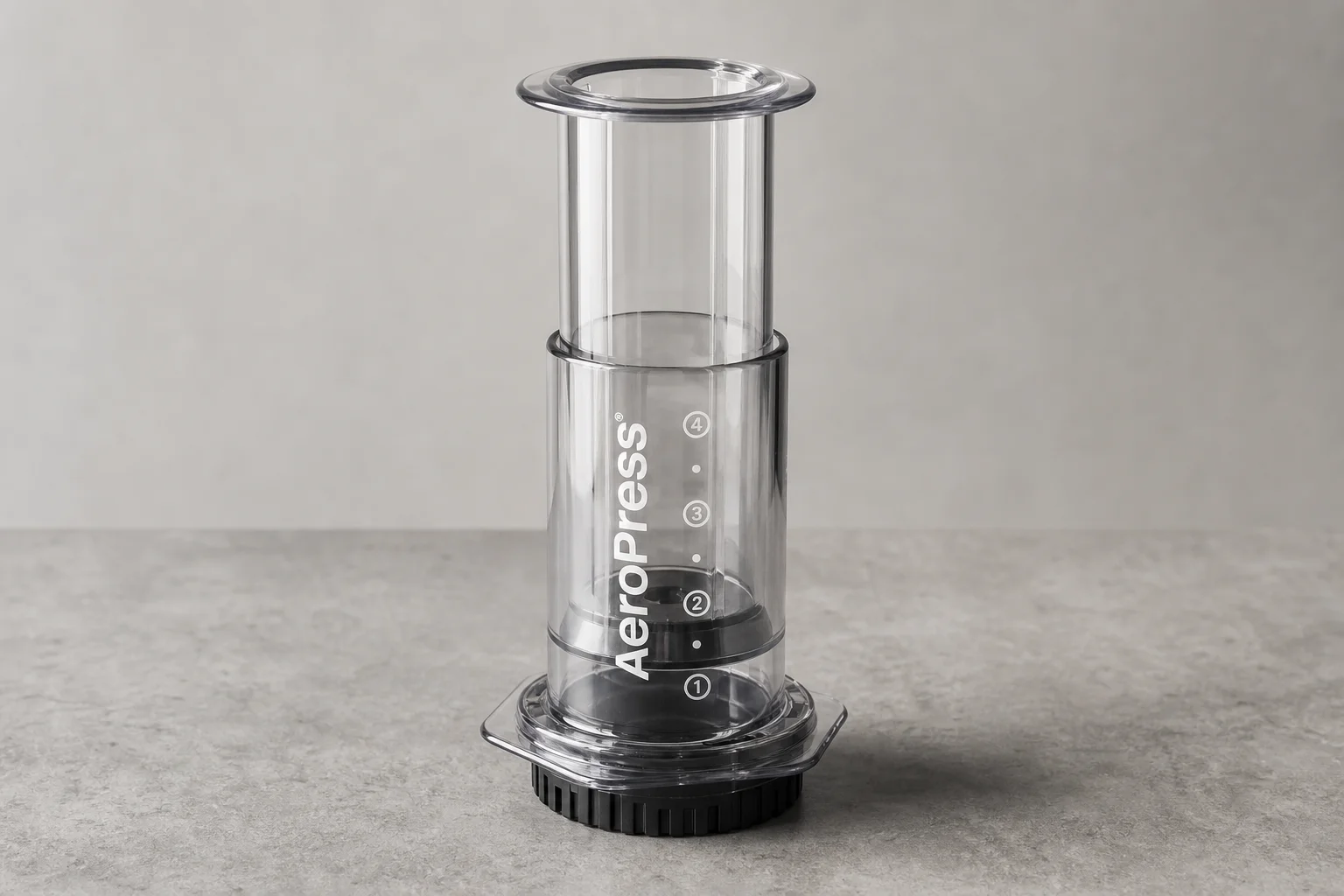
AeroPress Clear Review: A Transparent Upgrade With Caveats
The new AeroPress Clear uses Tritan material and costs $50, but doesn't brew better coffee than the original. We tested durability, staining, and what the price increase means for the brand's future.