Gravel Bike Groupsets
Shimano GRX 400 vs SRAM Red Eagle XX1 Mullet: Does a Premium Groupset Ride Better?
Two identical gravel bikes, one with a roughly £600 Shimano GRX 400 build and one with a roughly £3,500 SRAM Red Eagle XX1 mullet build. Here is what the gap in price actually buys.
Introduction
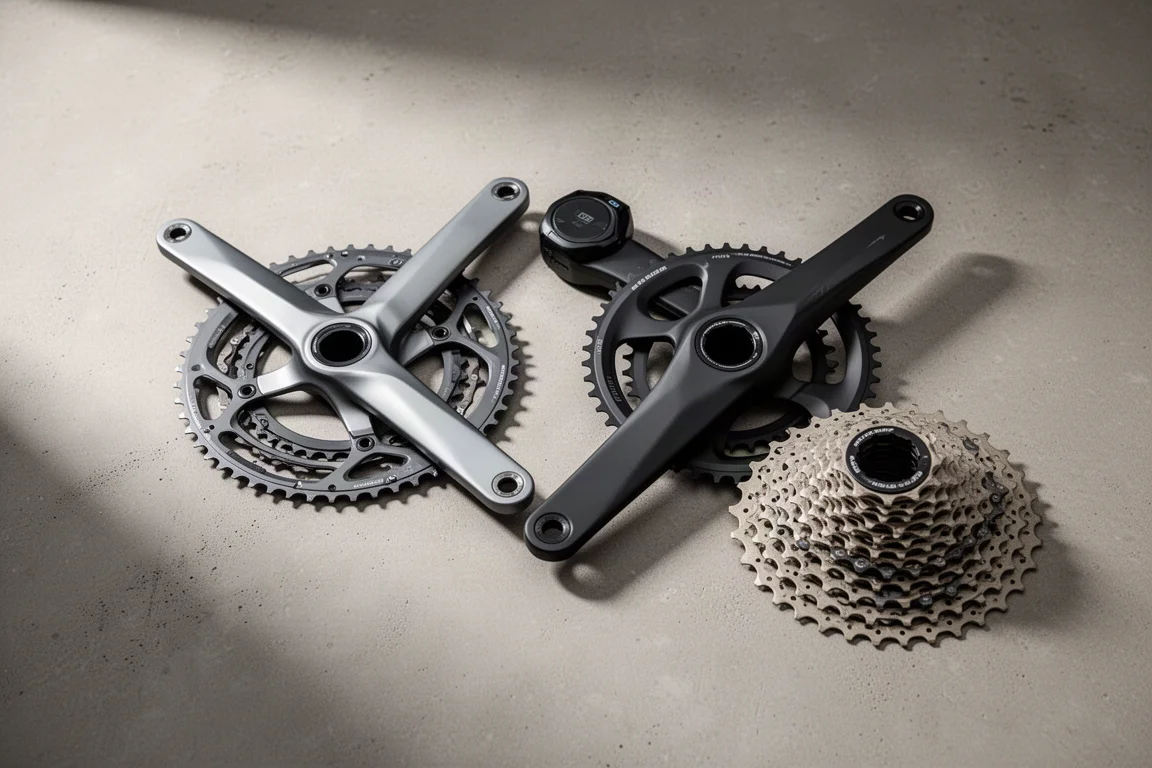
The cleanest way to find out what a groupset upgrade really buys is to remove every other variable. Two identical gravel bikes, built on the same frame, same geometry, same saddle, same seatpost and the same handlebars, with only the drivetrain changed between them.
One bike carried a Shimano GRX 400 build, a 10-speed mechanical setup with two chainrings at the front and hydraulic disc brakes. That groupset comes in at roughly £600, and it can be found online for less. The other bike carried an SRAM Red Eagle XX1 mullet build, a 12-speed electronic wireless setup with hydraulic brakes and a ceramic bottom bracket, at roughly £3,500. That is car money, or at least the money of a car nobody is proud of.
Because only one thing changed between the two bikes, any difference in weight, shifting feel or braking behaviour had to come from that one component group.
How We Compared Them
Weight was the simplest place to start, and the numbers were clear. The Shimano GRX 400 build came in at 8.66 kg, which is light for a gravel bike and says a lot about how light the frame and finishing kit are. The SRAM Red Eagle XX1 mullet build came in at 7.88 kg, a genuinely low figure, but the gap between the two is roughly three quarters of a kilogram.
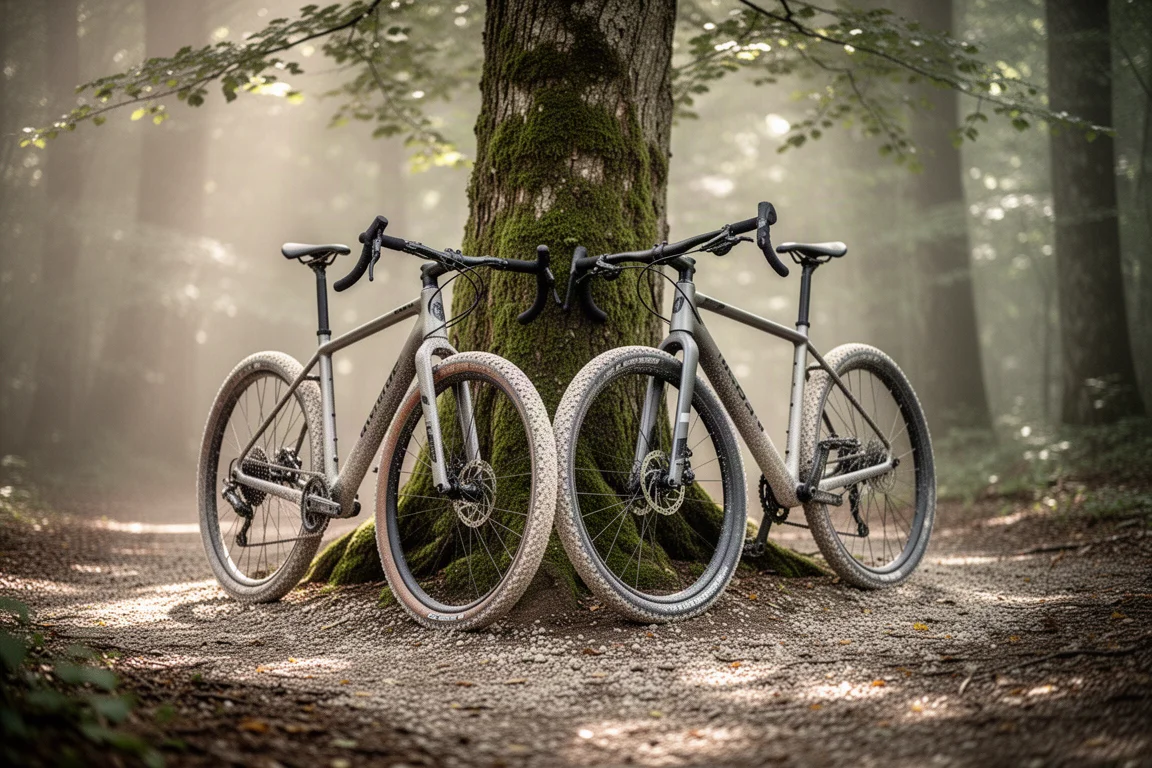
That difference is real on the scale but far less dramatic on the road. On flat and rolling terrain it largely disappears, and even on climbs the engine matters more than the 800 grams. The remaining question was whether the cheaper build would feel noticeably worse to ride, or whether the differences would show up in narrower, more specific ways.
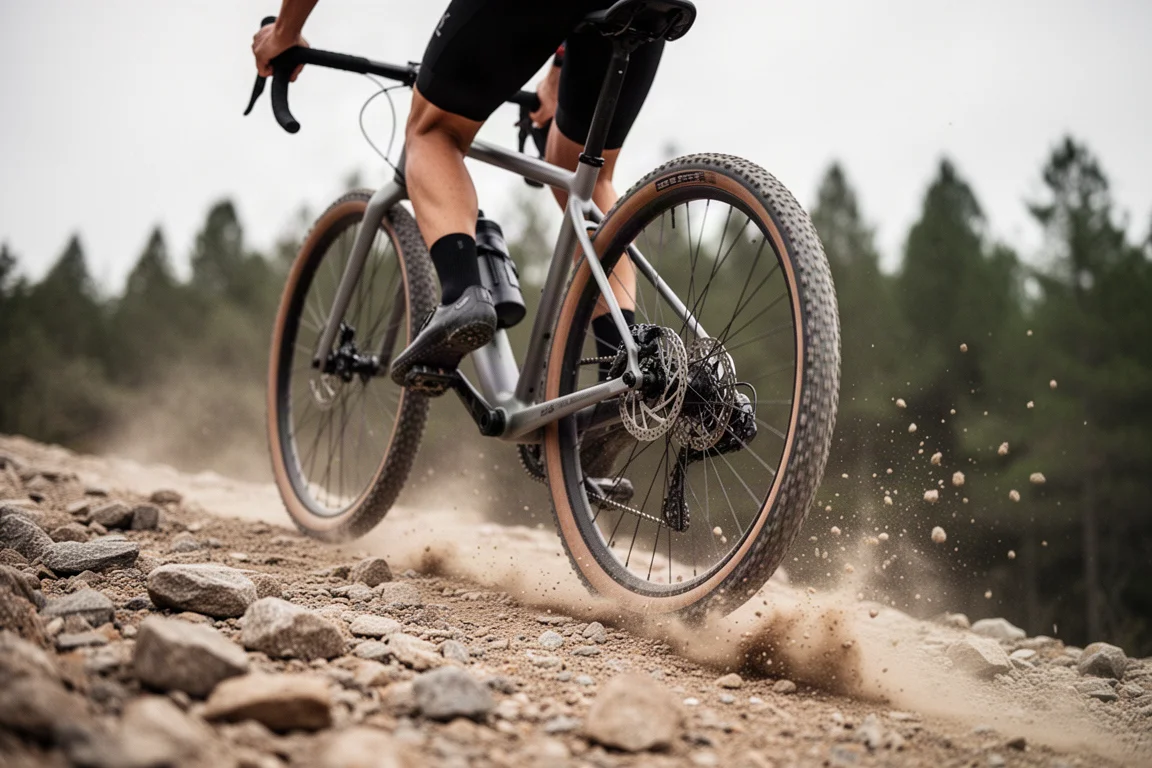
Both bikes then went out onto a large network of gravel tracks and trails, with the same rider swapping between them repeatedly so the comparison stayed as fair as possible.
Shimano GRX 400: The Value Build
GRX 400 is positioned at roughly the Tiagra level, which makes the quality of the shifting genuinely surprising. The gears are mechanical rather than electronic, and there are two chainrings at the front, but the setup shifts cleanly and feels well dialled in. On gravel it was just as quick and just as pleasant as the far more expensive alternative.
It also looks sleek and performance oriented rather than budget. Shimano’s own hierarchy puts GRX 400 near the Tiagra level, GRX 600 near 105 and GRX 800 near Ultegra, which gives useful context for where the money goes. The brakes on this build were a standout: hydraulic discs that modulate smoothly, feel good in the hand and keep the bike stable when braking hard.
View more details for Shimano GRX 400
For riders who want a dependable gravel drivetrain without spending car money, this is the benchmark the rest of the market has to beat.
SRAM Red Eagle XX1 Mullet: The Premium Build
The SRAM Red Eagle XX1 mullet build is a 12-speed electronic wireless groupset with hydraulic brakes and a ceramic bottom bracket. It feels premium and looks premium, and the electronic shifting is a genuine luxury rather than a performance necessity. Pressing a button to change gear is simply nicer than pushing a lever, and it works every time.
Wireless shifting also has practical benefits. There are no cables to route internally, parts bolt on and work together, and a dropper post can be run wirelessly as well. Shifter buttons can be reprogrammed through an app. Some of that is excessive, but it is part of what the money pays for.
The shifter body is also more compact. Measured from where it mounts to the bar to where the hand sits, the SRAM unit came in at around eight centimetres against roughly nine on the Shimano build. That centimetre matters more than it sounds, because reach is one of the hardest things to fix on a bike. Bars tend to have long reach, and fitting a stem shorter than about 90mm compromises handling, whereas saddle position is easy to adjust.
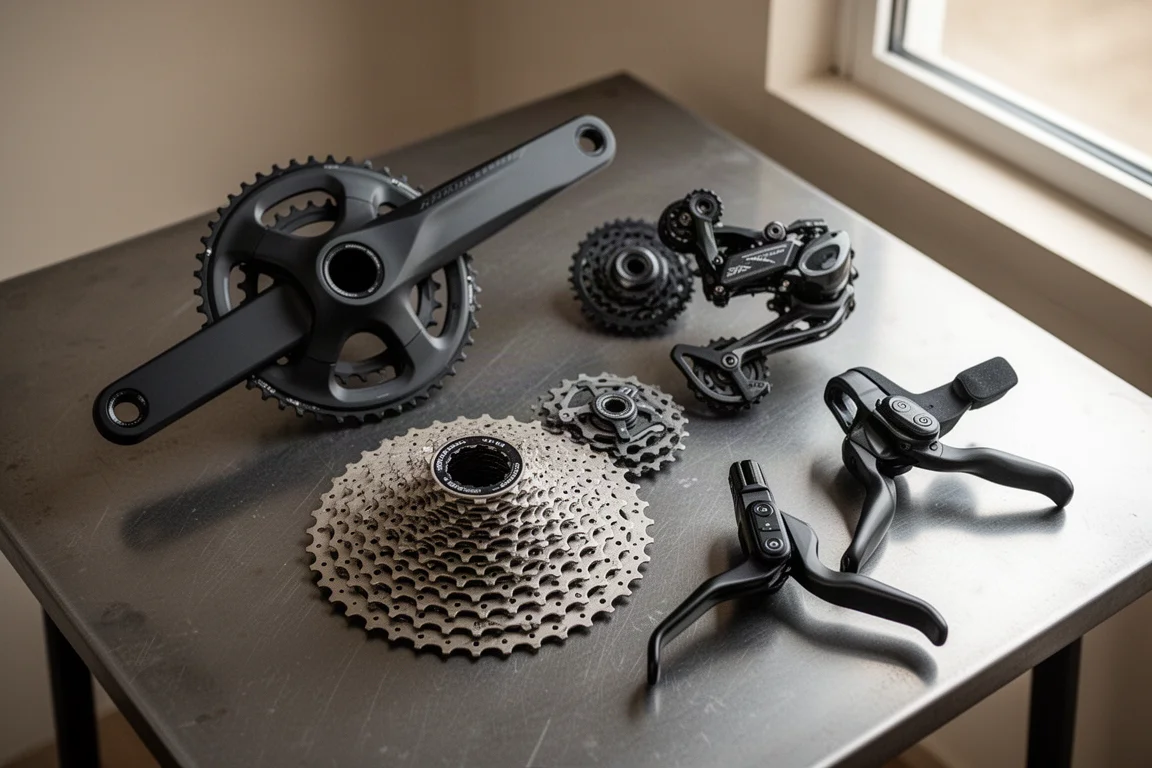
The honest caveat is that these measurements were rough, so treat the ergonomic advantage as a preference rather than a hard specification.
Shifting and Gearing
Ten speeds against twelve sounds like a meaningful gap, but the more useful distinction is one chainring against two. On a single chainring setup with a large cassette, riders who spend most of their time on road surfaces will notice the gaps between ratios. On gravel, those gaps are far less noticeable, and many mountain bikers have never had a problem with a single ring at all.
The counterpoint is maintenance and simplicity. A single ring means less to clean, less to maintain and fewer parts to go wrong. Road riders coming to gravel are used to tightly spaced cassettes, so they tend to feel the jumps sooner.
The range arithmetic turned out to be the surprise. The GRX build runs a 30-tooth front chainring with a 34-tooth largest sprocket, which works out to roughly a one-to-one ratio. The SRAM build runs a 46-tooth chainring with a 52-tooth largest sprocket, an effective ratio of around negative six teeth. So despite having two chainrings, the cheaper Shimano build actually offers less overall range, while the more expensive SRAM build covers more ground but with bigger steps between gears.
Braking and Ergonomics
Braking was where the two builds separated most clearly, and not in the direction the price tags suggest. The Shimano brakes modulated better and felt smoother in the hand, and the whole bike stayed straighter under hard braking. The SRAM setup stopped just as effectively, but felt less settled when the brakes were applied hard.
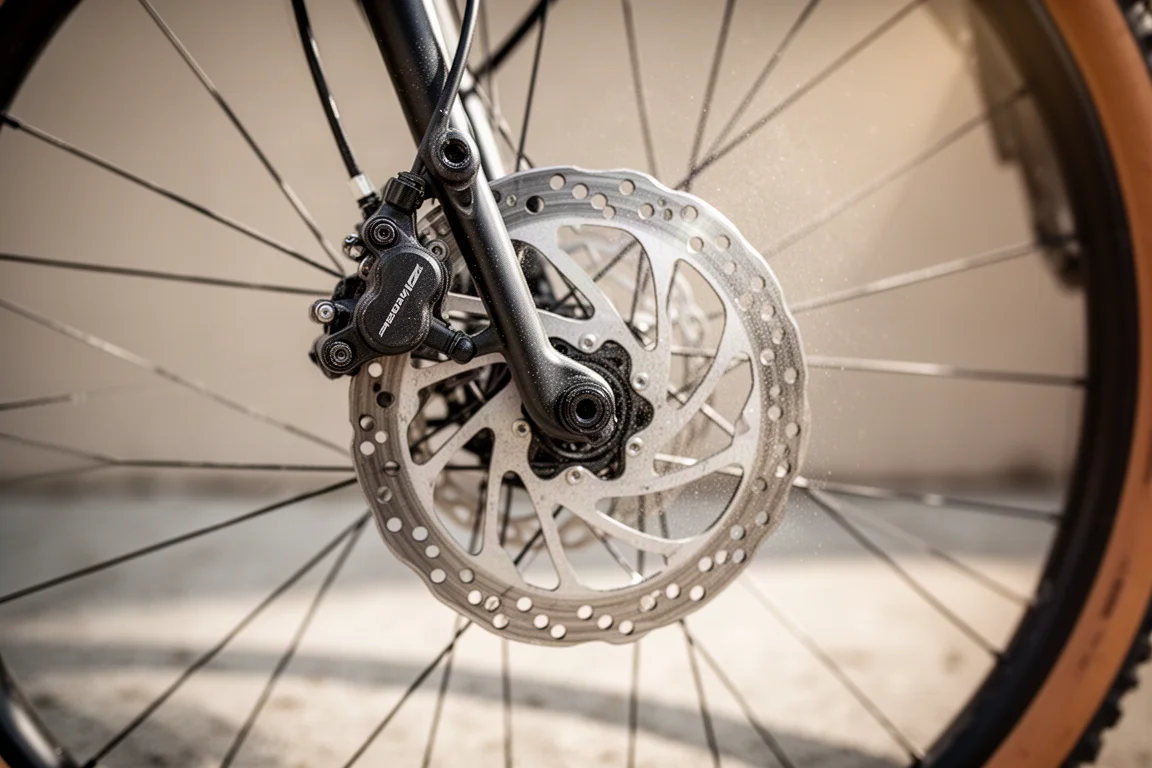
The GRX build also produced some odd rotor noise during testing, though that was more likely dirt contamination than a fault with the brakes themselves. Both bikes ran the same rotor size, and both sets of hydraulic discs are good. The point is simply that the cheaper groupset’s brakes were genuinely excellent, and it is not a component you need to spend heavily on.
Comfort and control came down to lever shape and reach. The more compact SRAM shifter felt more correct on the bike for one rider, which is a fit preference rather than an objective win. Nobody should buy a groupset purely on a centimetre of reach, but it is worth checking how the hoods feel in your hands before committing.
Running Costs and Maintenance
This is the part of the calculation that rarely makes it into the showroom. The premium build is not just expensive once. A replacement cassette for that drivetrain runs around £450, and newer versions are closer to £600. A chain is around £100, and rotors around £100 each, which adds up quickly if you ride a lot.
The cheaper build is dramatically kinder to own. A 10-speed chain costs around £25, and a cassette around £25 to £30. If you ride frequently and do your own maintenance, that difference compounds year after year.
There is a middle path worth knowing about. A Rival GX style mullet groupset offers the same ratios and the same functionality as the premium build, but at roughly £1,500 instead of £3,500. You give up the ceramic bottom bracket, the fancier shifter finish and some weight, but you keep the gear range and the wireless shifting. For most riders, that is where the value sits.
Overall Buying Advice
The conclusion from this comparison is not that premium groupsets are bad. It is that a groupset is close to the last thing you should spend money on when upgrading a bike. The GRX 400 build did everything the far more expensive bike could do, parts are cheap to replace, and with a little mechanical knowledge it should last a long time.
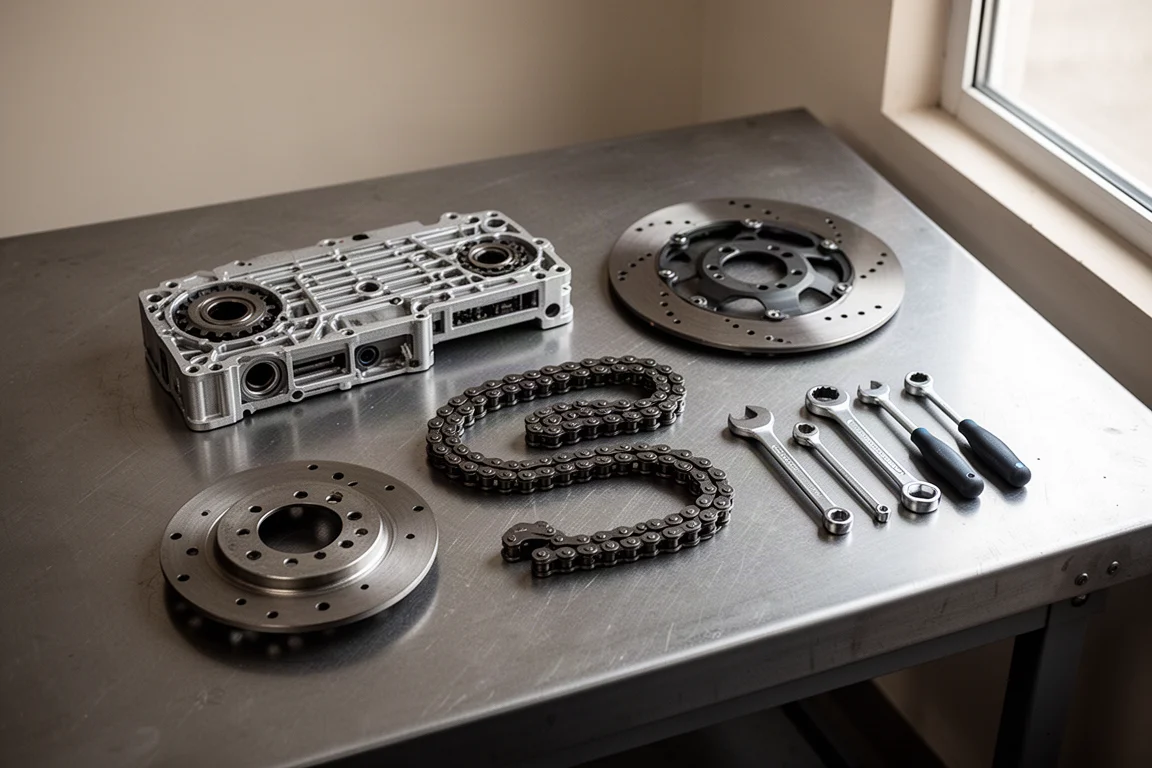
What you pay for at the top end is feel, finish, wireless convenience and easier component swapping, not speed. If the only reason you would win a gravel race is a 200 gram lighter groupset, you were not going to win it anyway. The mid-range is where the smart money lands, and the groupsets coming out at that level from multiple brands are excellent.
There is also a good argument for waiting to see what the newer entrants deliver. If the electric groupsets from emerging manufacturers land well, the value equation at the mid-range could shift again.
View more details for Shimano GRX 400
View more details for SRAM Red Eagle XX1 Mullet
For most gravel riders, the guidance is straightforward. Buy the cheaper groupset, put the savings into wheels or tyres, and only step up when wireless shifting and a specific set of gear ratios genuinely matter to you.
Conclusion
Two identical bikes proved the point neatly. The roughly £600 Shimano GRX 400 build weighed a little more and gave up some range, but it shifted well, braked better than expected and costs a fraction to maintain. The roughly £3,500 SRAM Red Eagle XX1 mullet build felt premium, shifted beautifully and offered more usable range with a more compact lever.
The premium build is the one most riders would choose to ride. The cheaper build is the one most riders should buy, unless they specifically want electronic shifting and can absorb the running costs that come with it.
Further reading
Related Reviews
Gravel Bike Groupsets
Shimano GRX 12-Speed Review: Mechanical Gravel Gearing With a 10-51 Cassette
Shimano's mechanical 12-speed GRX brings a 10-51 tooth cassette and wide-range 1x gearing to gravel and bikepacking bikes. Here is what it offers, and who it suits.

Gravel Bike Groupsets
Shimano GRX Di2 Wireless Review: Fast Shifting, Real Trade-Offs
Shimano's first wireless drop-bar groupset delivers very fast shifting and a wide 1x range, but the rear derailleur design and missing options deserve a close look.
Gravel Bike Groupsets
Shimano GRX RX825 Di2 Review: Wireless 12-Speed for Gravel
A clear look at Shimano's 12-speed electronic gravel groupset, from wireless shifters and a clutch rear derailleur to weights, gearing limits, and launch pricing.