Cycling Components
SRAM Rival eTap AXS vs Shimano 105 Di2: Which Electronic Groupset Should You Buy?
A practical head-to-head between the two most affordable electronic road groupsets, covering shifting, braking, ergonomics, gearing, weight, and price.

Introduction
Electronic shifting has worked its way down the price ladder, and two groupsets now sit at the entry point of that world: SRAM Rival eTap AXS and Shimano 105 Di2. Both are third-tier offerings from their makers, both are disc brake only, and both deliver the crisp, quiet shifts that were once reserved for flagship builds.
The differences show up in how they are wired, how they are charged, how they shift, and how much they cost. This guide works through the categories that matter most to real riders, from drivetrain layout and battery handling to gearing range, braking, and overall value.
How These Two Groupsets Compare
The biggest structural difference is the wiring. SRAM Rival eTap AXS is fully wireless: each derailleur carries its own battery, the shifters run on their own cells, and only hydraulic hoses pass through the frame and handlebar. Shimano 105 Di2 is semi-wireless: the shifters communicate with the derailleurs without cables, but the two derailleurs are wired together to an internal frame battery.
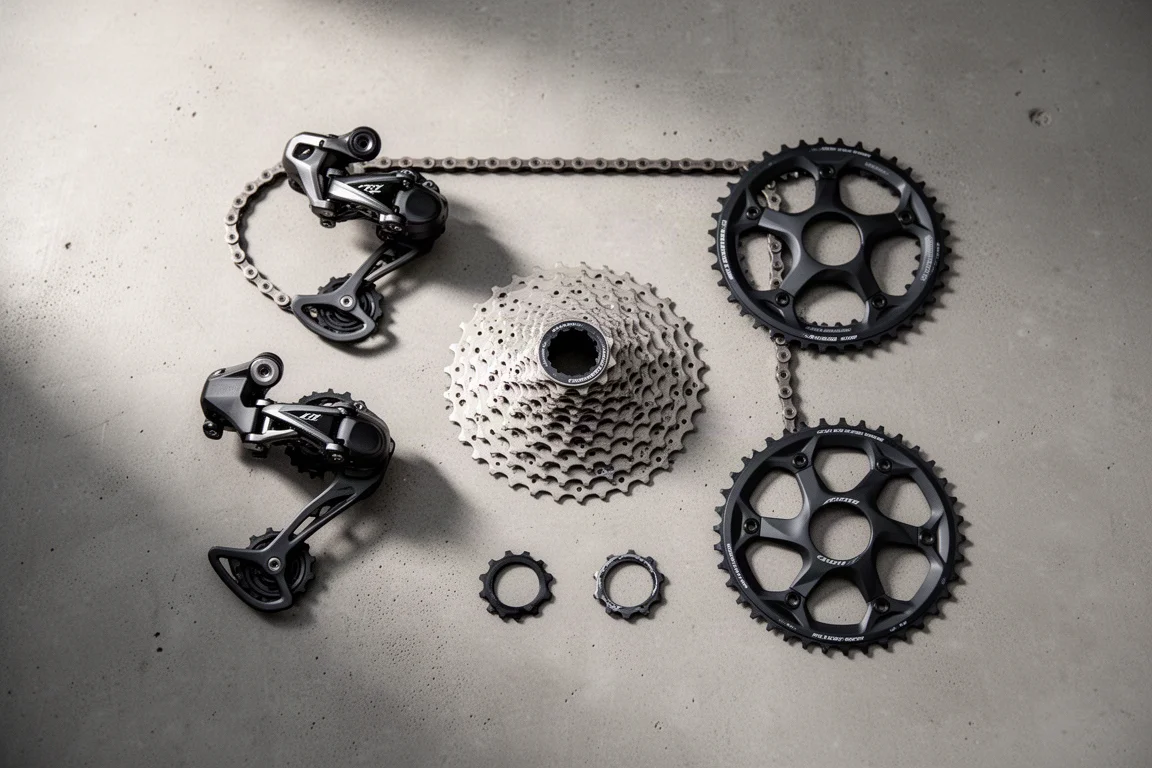
That single design choice shapes everything else. Building a bike from a bare frameset is simpler with the SRAM approach, and charging is easier because the batteries can be removed, carried indoors, or swapped for a spare on a long ride. A Shimano 105 Di2 bike charges through a port on the rear derailleur, which means the whole bike has to sit near a power source unless you bring a battery bank to the garage.
SRAM Rival eTap AXS: Wireless Simplicity
SRAM Rival eTap AXS has been on the market for around a year, and its defining feature is genuine wireless operation. Removing and swapping derailleur batteries takes seconds, and carrying a spare on longer rides is entirely practical.
Shifting uses one paddle on each side of the brake lever. The left paddle moves up the cassette, the right moves down, and both pressed together operate the front derailleur. Optional wireless blips can be added anywhere on the handlebar for extra shift positions, which no competing groupset at this level offers.

Shimano 105 Di2: Semi-Wireless Precision
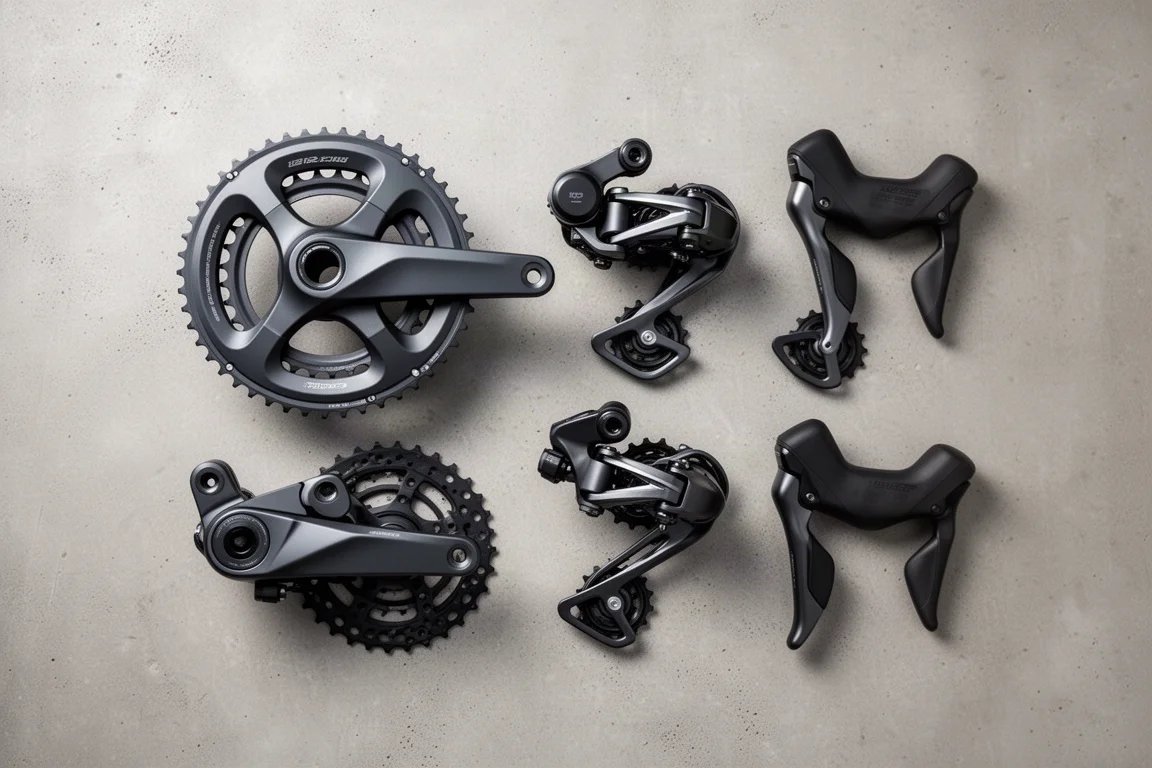
Shimano 105 Di2 is the newer arrival. Its shifters are wireless, but the derailleurs remain wired to a central battery inside the frame. Shifting follows the familiar Shimano layout, with two paddles on each side: the left for the front derailleur and the right for the rear.
The hoods are smaller and rounder than SRAM’s, and for riders who spend hours with their hands on the bars, that shape is a genuine point in its favour. It is a layout most road riders already know, which lowers the learning curve on a new bike.
Shifting Speed and Lever Ergonomics
Both groupsets shift quickly and quietly, and neither feels slow in normal riding. Run back to back through the full cassette from the largest sprocket to the smallest and back again, SRAM moves through the block faster than Shimano. The margin is modest rather than dramatic, but it is measurable.

Lever feel is more personal. Shimano’s two-paddle system is the layout most road riders already know, while SRAM’s single paddle per side reduces the chance of hitting the wrong button and works well in every riding position. SRAM also supports extra wireless blips, which Shimano 105 Di2 does not.
Hood Shape and Gearing Options
Hood shape divides opinion, but Shimano’s smaller, rounder hoods are widely liked for long days in the saddle. On looks, Shimano’s battery-free derailleurs appear more compact and cleaner, while SRAM’s disc brake rotors are generally the better looking pair.
Gearing is where the two diverge more sharply. Shimano 105 Di2 offers two cranksets and two cassettes, with the smallest combination being a 50/34 chainset paired with an 11-36 cassette. SRAM Rival eTap AXS offers a much wider spread, going as low as a 43/30 chainset with a 10-36 cassette for easier climbing. A 48/10 combination also gives more theoretical top speed than a 50/11, so smaller gears do not necessarily mean a lower ceiling.
Customisation and App Control
Both groupsets can be configured through their own smartphone apps, and both allow shift buttons to be reassigned or reversed. The difference is depth rather than basics.
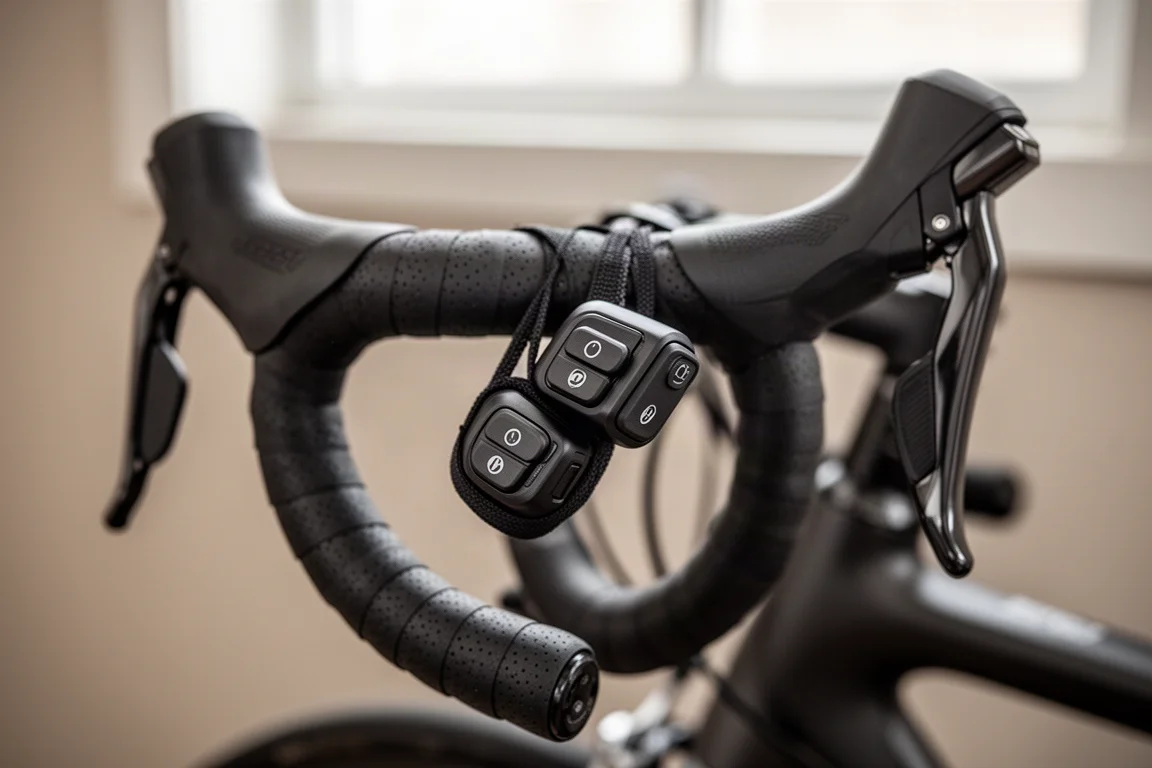
SRAM’s AXS ecosystem extends beyond shifting to include a dropper seatpost, tyre pressure monitoring, and wireless blips on the handlebar, all managed from the same app. If you like tuning a bike to your exact preferences, that broader platform is the more flexible one. Shimano’s app covers the essentials competently, but the range of connected components is narrower.
Braking, Weight, and Power Meter Support
Both groupsets are disc brake only. Ridden at 20 mph and braked at the same point on a dry but rough road, the SRAM bike stopped roughly four to five inches shorter than the Shimano bike, which recorded the longer stopping distance of the two by around two inches. The gap is small, but it points to a slight edge for SRAM.
Weight tells a similar story in reverse. Shimano 105 Di2 weighs just under 3 kg and SRAM Rival eTap AXS just over 3 kg, so Shimano is lighter by a few hundred grams. Neither is a flyweight, and both sit well above the flagship groupsets in mass.
Power meter support is more clear-cut. Shimano 105 Di2 has no power meter option at all, while SRAM Rival offers a left-side power meter for around £300, which matters if you train or race with power data.
Price and Buying Advice
On groupset price alone, SRAM has the advantage. SRAM Rival eTap AXS sells for around £1,300 recommended retail, and a version without the power meter can be found closer to £1,000. Shimano 105 Di2 is listed at £1,700 in the UK, a significant step up.
Complete bikes tell a more nuanced story. One of the first UK bikes specced with 105 Di2 arrived £500 cheaper than the same frame and wheels built with SRAM Rival, which suggests that frame builders’ buying power and their component choices matter as much as groupset price. With 105 Di2 still working its way onto complete bikes, it is early to draw a firm conclusion there.
Which one suits you comes down to priorities. Choose SRAM Rival eTap AXS if you want fully wireless simplicity, easier charging, a wider gear range, faster shifts, power meter availability, and deeper customisation. Choose Shimano 105 Di2 if lighter weight, comfortable hoods, and a familiar shifting layout matter more than the price premium, and if you do not need a power meter.
Conclusion
Across the categories that count, SRAM Rival eTap AXS takes more of them: electronics and charging, shifting speed, lever ergonomics, gearing range, braking, customisation, power meter support, and groupset price. Shimano 105 Di2 wins on weight and hood comfort. Both are capable electronic groupsets with real strengths, and the right choice depends on whether you value wireless convenience and flexibility, or a lighter package with a more traditional feel.
Further reading
Related Reviews

Cycling Components
A 20,000-Mile Budget Race Bike Build: Five Parts Worth Knowing
A rim brake race bike assembled from low-cost components and ridden for 20,000 miles. Here is what delivered real speed, what caused problems, and what to weigh before copying the formula.
Cycling Components
7 Bike Fit Products Fitters Avoid: What to Check Before You Buy
Seven bike components that regularly cause knee, foot and saddle problems, with the specific concerns behind each one and what to look for instead.
Cycling Components
Four Affordable Bike Upgrades That Improve Ride Feel
Four low-cost cycling products that make a real difference to ride feel, plus the free setup changes worth trying first.