Gravel Cycling
SRAM RED XPLR and Canyon Grail CFR Review: A 13-Speed Gravel Setup on Alpine Terrain
A 13-speed wireless gravel groupset and the carbon bike built around it, assessed across three days of alpine gravel, forest tracks and one genuinely rocky descent.
Introduction
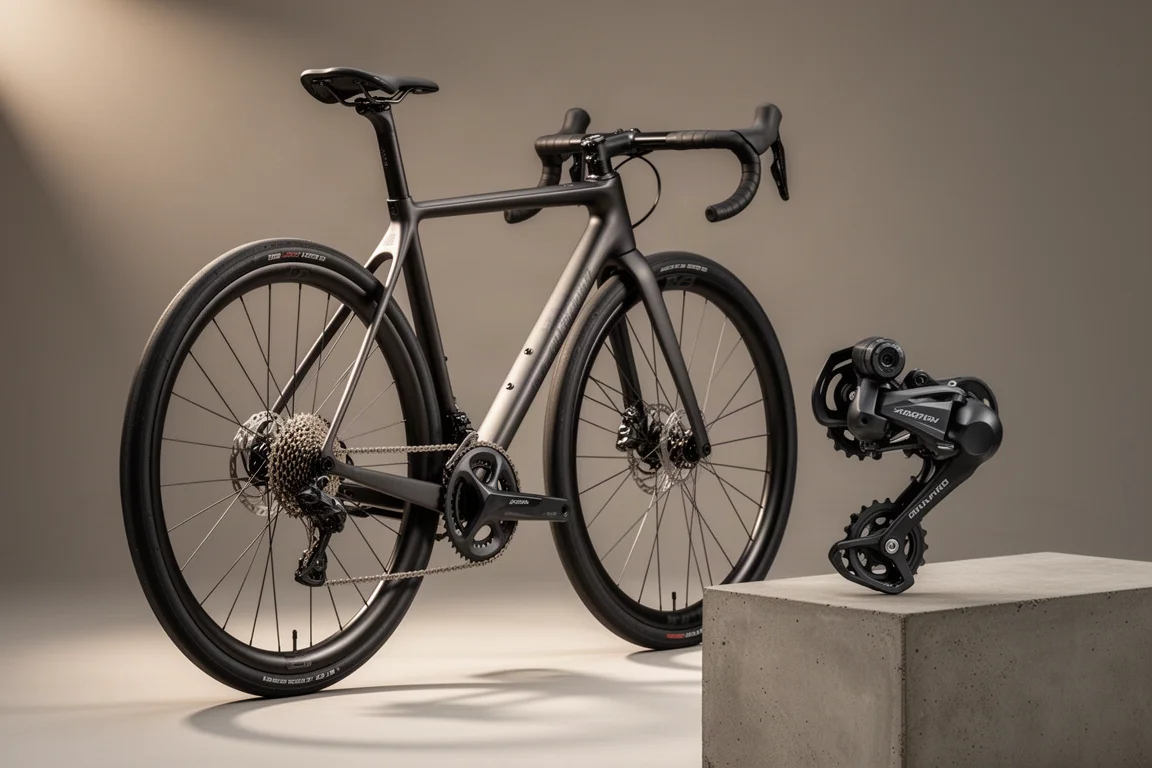
SRAM’s RED XPLR brings 13-speed wireless electronic shifting to gravel, and Canyon’s Grail CFR is one of the frames built to accept it. The pairing was ridden across three days of alpine terrain, from the Tyrol region of Austria into Germany and on to Munich, mixing smooth gravel tracks, forest roads, tarmac and one genuinely rocky technical descent.
That variety matters. It separates the parts of the groupset that shape everyday gravel riding from the parts that only reveal themselves at the edge of what a gravel bike can handle.
What Defines This Gravel Setup
Two products define this build. SRAM RED XPLR is the drivetrain: a 1x13 wireless electronic gravel groupset with a new 10-46 cassette and a rear derailleur that mounts directly to the frame instead of hanging from a replaceable mech hanger. The Canyon Grail CFR is the bike underneath it, a low-weight carbon gravel platform with a UDH dropout and 40 mm slick tires.
Over three days, the terrain ranged from smooth, fast gravel and well-maintained cycle paths to loose, chunky rock where a mountain bike would have been the safer and faster choice. That spread is exactly what makes the setup worth examining closely rather than judging on a single headline number.

The climbs were long rather than brutally steep, and the descents split neatly into two types: fast, flowing gravel where the bike felt quick and composed, and technical rock where it felt out of its depth. Both tell you something useful about the groupset and the frame.
SRAM RED XPLR: The 13-Speed Gravel Groupset
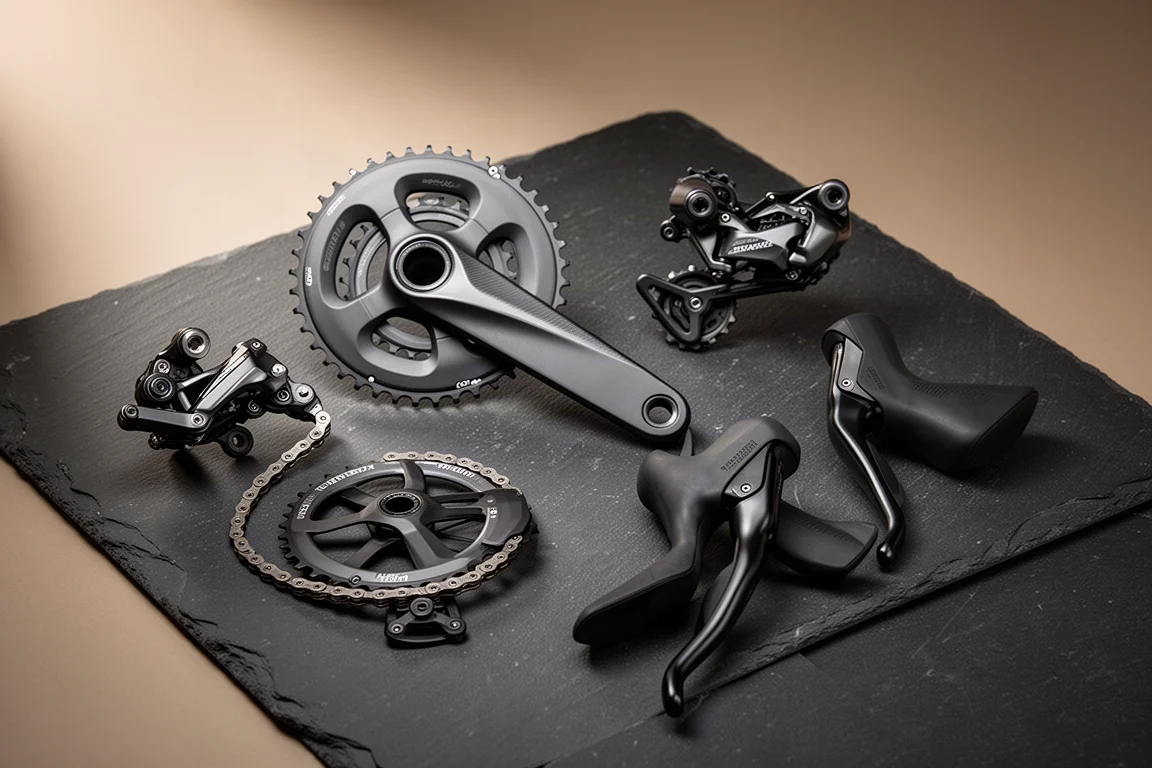
SRAM RED XPLR is a 1x13 wireless electronic groupset. The headline change is the cassette: a new 10-46, up from the previous 10-44, and the first cassette at RED level, which makes it noticeably lighter than the Force and Rival equivalents.
The move to 13 speeds does not disturb chain compatibility. The chain is the same one used on 12-speed RED AXS and the previous XPLR groupset, and the spacing between sprockets is unchanged, so the extra sprocket is accommodated by a wider cassette rather than by squeezing ratios closer together.
Most of the new thinking sits in the rear derailleur. It borrows from SRAM’s mountain bike transmission design and connects directly to the frame, taking the replaceable mech hanger out of the system. That hanger is a known weak point: it bends in transit or when a bike goes down, and it is designed to break. Removing it makes the frame interface more resistant to impacts and more precise, because the alignment variable disappears. A stronger spring clutch improves chain retention, and oversized jockey wheels are intended to raise chain efficiency.
Shift speed was an open question, since the mountain bike transmission system is tuned for shifting under load rather than outright speed. In practice the new derailleur changes gear as quickly as the current XPLR groupset, with shifts arriving immediately on the paddle press.
Installation is simpler as well. There are no high, low or B-tension adjustment screws, because the mounting interface fixes the derailleur’s position relative to the cassette. The derailleur is also built to be fully serviced, with damaged parts replaceable, and a magic wheel keeps the chain moving if a stick jams into the lower jockey wheel.
Canyon Grail CFR: The Bike Around the Groupset
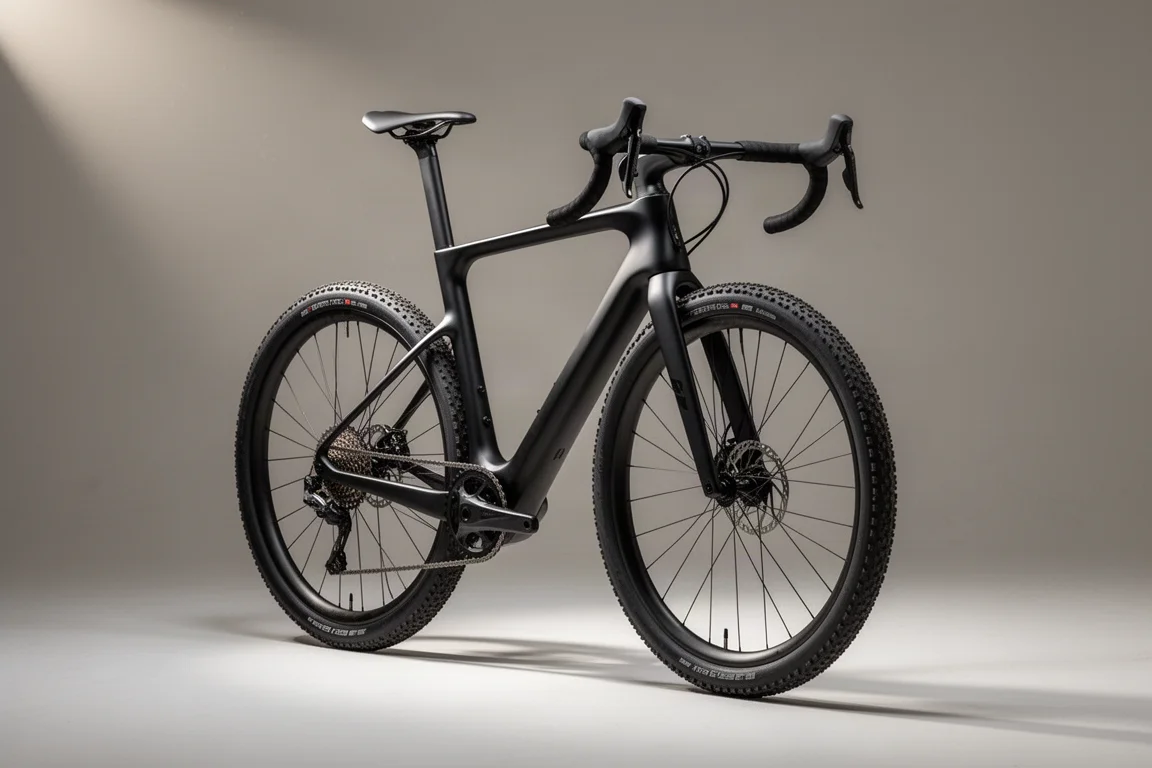
The Canyon Grail CFR is a fast gravel bike, and its low weight keeps speed high on smooth, flowing trails. On the mellow forest tracks and rolling loose gravel of the second day it was very much in its element.
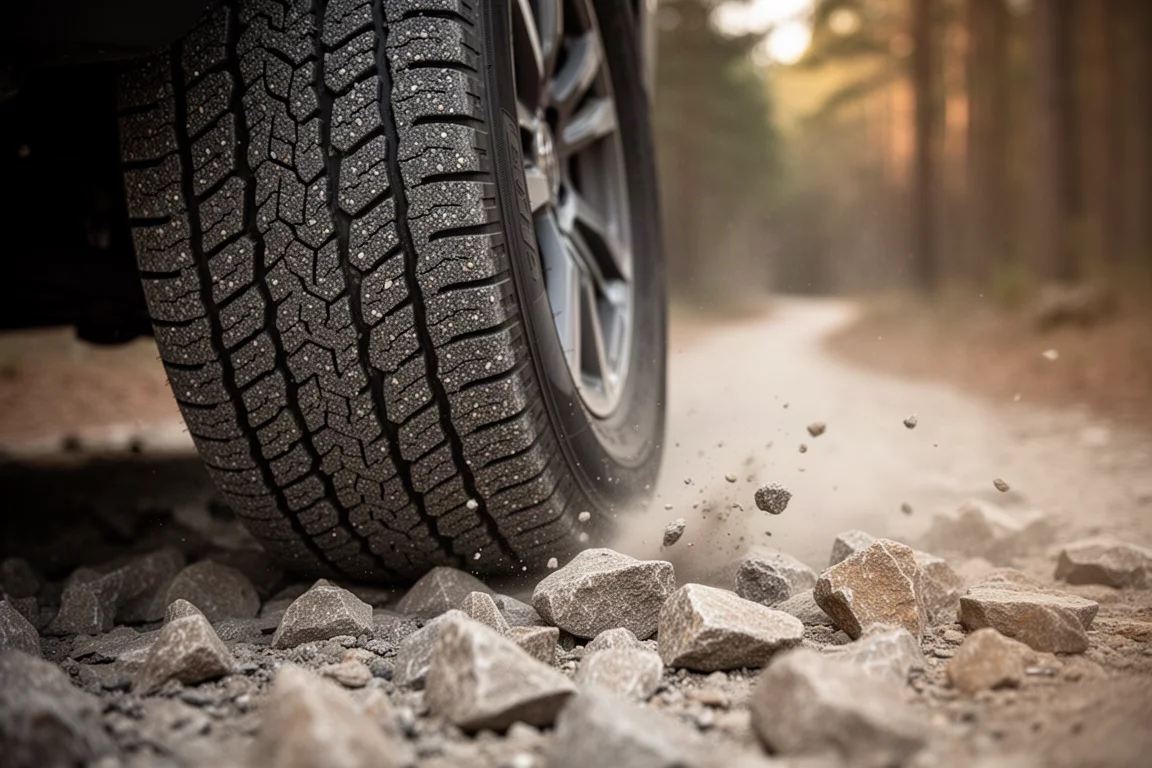
Its limits appear when the surface gets serious. On a loose, chunky technical descent, the geometry felt conservative, the 40 mm slick tires were not wide enough, and the ride was firm. A mountain bike would have been safer and quicker there. That is less a fault than a statement of intent: this is a bike built for speed on gravel, not for technical descending.
The frame’s UDH dropout matters for the groupset. It is the compatibility requirement for SRAM’s hangerless rear derailleur, and Canyon’s gravel platform is one of a growing number of frames that meet it.
On smoother ground the trade-off pays off. Low weight and a firm, efficient ride let the bike hold speed, which is exactly what the 10-46 cassette’s tight ratio steps are there to support.
Gearing and Shifting in Practice
The case for 13 speeds is range without gaps. The 10-46 cassette provides an easier climbing gear than the old 10-44 while keeping the overall spread and the steps between ratios close to what riders already know, so there are no jarring jumps across the block.
On long, steep climbs the difference is real. Going from a 44-tooth to a 46-tooth largest sprocket does not sound like much on paper, but it bridges the gap between the road-oriented 10-44 and the much wider mountain bike options, and it makes sustained climbing less of a grind. Riders who want maximum range still have a wider Eagle cassette paired with a mountain bike rear derailleur. For most gravel riding, a 10-46 with a 40-tooth chainring looks like the sweet spot.
In use, the spacing never left the drivetrain stuck between ratios, whether on climbs, fast descents, flat sections or tarmac. Shift speed felt immediate and no slower than the previous XPLR generation.
Braking, Ergonomics, and Control
The hoods and ergonomics carry over from the RED AXS road groupset, and they translate well to gravel. Braking is powerful with a light lever action, and one-finger braking makes a meaningful difference when the bike is sliding and the rider is holding on over loose surfaces.
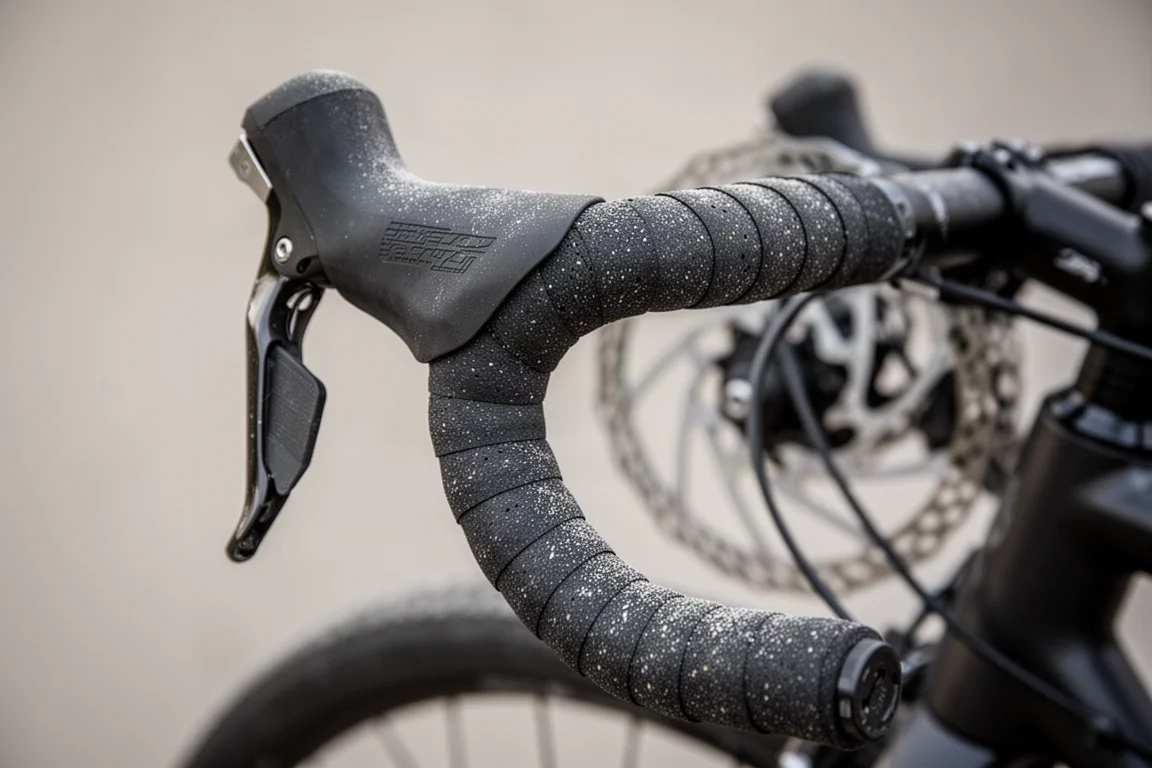
That combination of light lever effort and strong stopping power is arguably the most tangible off-road improvement in the groupset. It matters more on gravel than on tarmac, where traction is variable and the surface shifts under the front wheel.
Compatibility, Serviceability, and Ownership
The most important ownership question is the frame. The new rear derailleur requires a UDH dropout, so it cannot be fitted to older gravel bikes without that standard. That is a genuine limitation for anyone hoping to upgrade an existing frame.
Where the standard is present, ownership gets easier in a few ways. Dropping the mech hanger removes a part that bends easily and is designed to break, which should reduce replacement costs over time. There are no adjustment screws to fiddle with, so installation is more straightforward, and the derailleur itself is fully serviceable with replaceable parts. The magic wheel is a small but practical safeguard against a jammed lower jockey wheel ending a ride.
The main compromise is cassette choice. There is only one 13-speed option, the 10-46, with no 13-speed 10-44 or 10-48 alternative.
Overall Buying Advice
SRAM RED XPLR makes the most sense for riders on a modern UDH frame who want an easier climbing gear without losing close ratio steps, and who value the robustness and simplicity of a hangerless derailleur. The one-finger braking and the familiar RED AXS hood shape are easy to appreciate on loose surfaces.

The Canyon Grail CFR suits riders whose gravel is mostly fast and rolling: smooth tracks, forest roads, long climbs and tarmac links. Those riders get a light, quick bike that pairs naturally with the 10-46 cassette. Anyone whose regular riding includes steep, rocky and technical descents should look at a wider tire and a more descending-focused platform, and accept that the Grail is not the tool for that job.
Conclusion
SRAM has brought its newest road bike technology and its newest mountain bike technology together in a single gravel groupset, and 13 speeds deliver a wider spread of gears without introducing awkward jumps. The hangerless rear derailleur is a sensible change that removes a fragile part from the equation, and the brakes and hoods are genuinely better off-road. The main caveats are the UDH frame requirement and the single cassette option.
The Canyon Grail CFR is a fast, light gravel bike that rewards smooth terrain and long climbs. Riders who spend most of their time on fast gravel will find it quick and enjoyable. Riders who spend their time on technical rock should look elsewhere.
Further reading
Related Reviews
Gravel Cycling
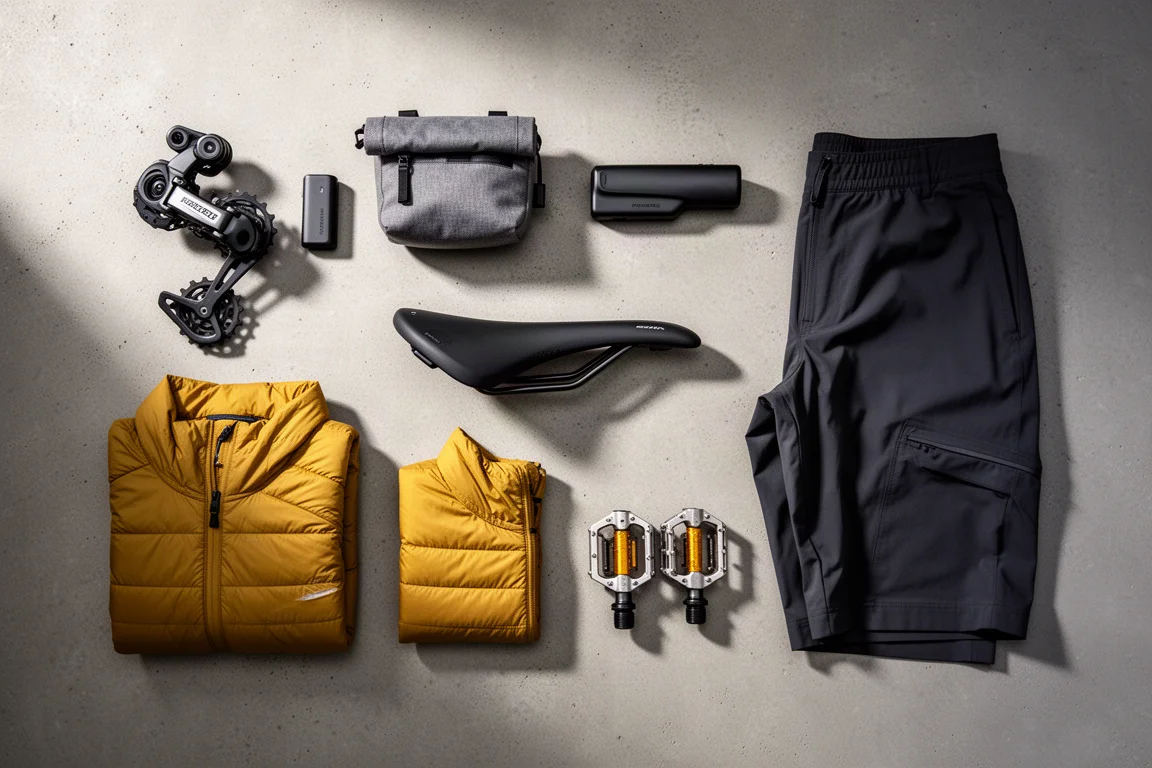
Best Gravel Kit and Components 2026: Eight Standout Picks
Eight gravel picks that earned their place over a year of long rides, from a value wireless groupset and a light carbon frameset to a waterproof jacket that survived a week of Scottish rain.
Gravel Cycling
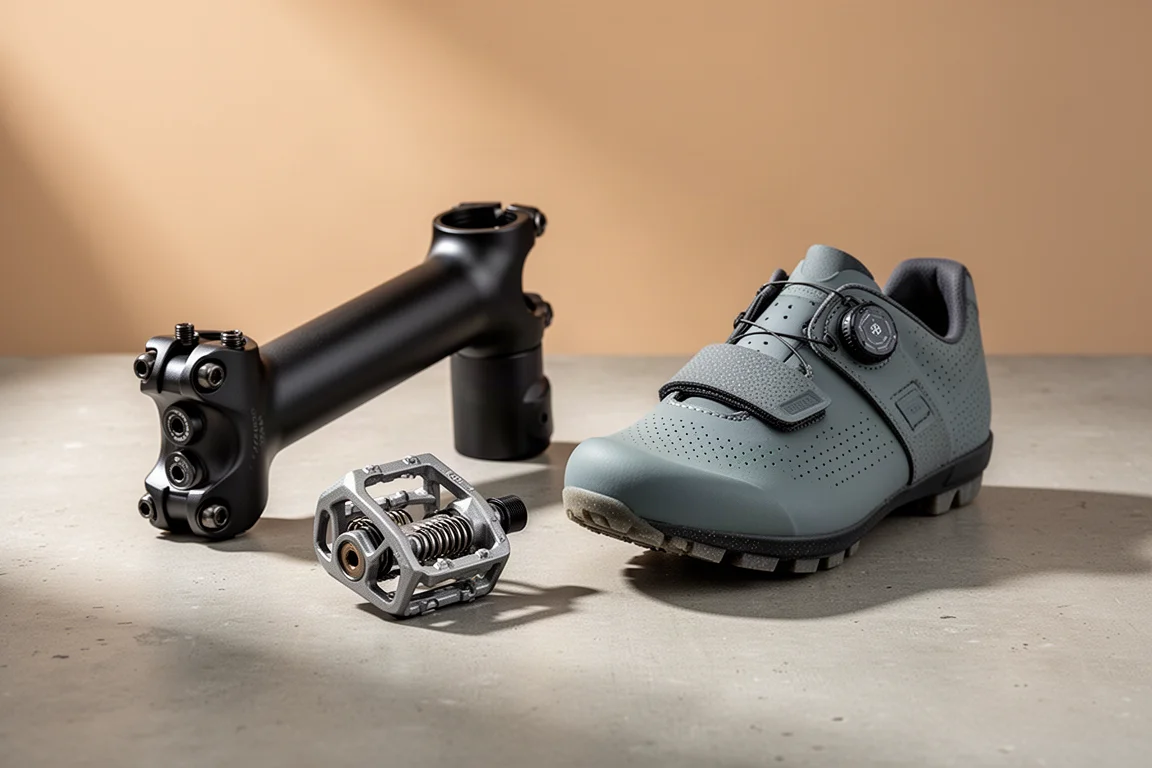
Best Gravel and Off-Road Upgrades: Power Meter Pedals, Suspension Stems and Race Shoes
Five gravel and off-road upgrades that have earned their place, from SPD power meter pedals you can swap between bikes to a suspension stem you can tune on the trail.
Gravel Cycling
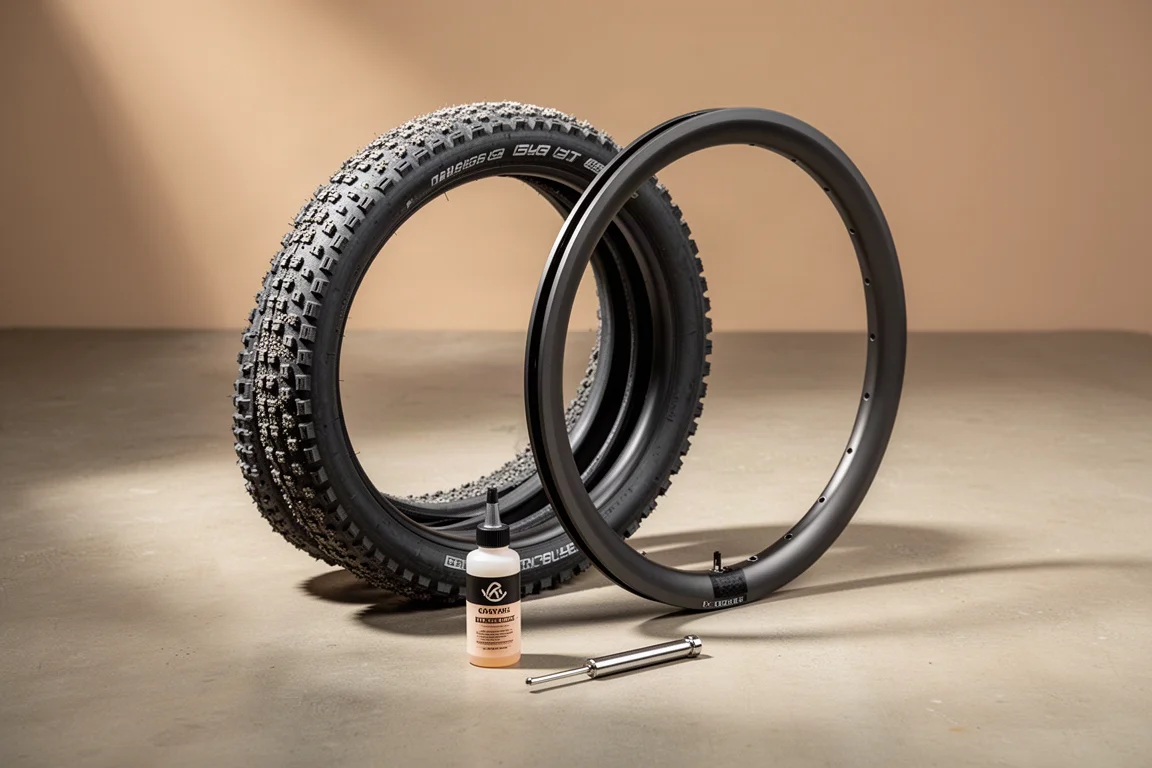
Best Gravel Race Tires, Wheels and Sealants: A Practical Setup Guide
A roundup of gravel tires, wheels and sealants, with measured widths, real race pressures and the puncture kit that holds a fast setup together.