Gravel Components
SRAM Red XPLR AXS and Zipp 303 XPLR Wheels: A 13-Speed Gravel Build Explained
SRAM's first 13-speed gravel groupset and Zipp's first dedicated gravel wheelset arrive together. Here is what each piece does, who it suits, and what to check before buying.
Introduction
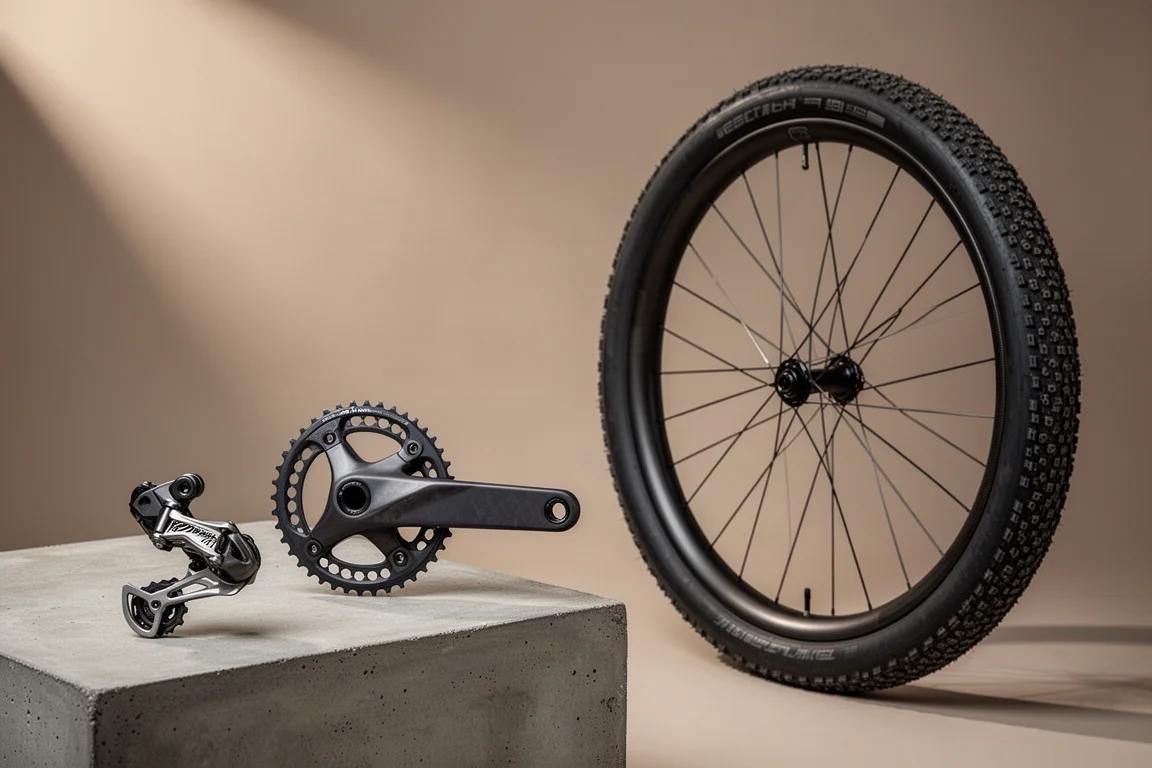
Two launches land at the same time and point in the same direction: SRAM’s Red XPLR AXS, the first 13-speed drivetrain from the brand and its top-tier gravel-specific groupset, and Zipp’s 303 XPLR wheels, the company’s first wheelset designed purely for gravel rather than adapted from road.
Both take clear steps rather than small refinements. The groupset adds a gear and rebuilds how the rear derailleur attaches to the frame. The wheelset goes dramatically wider and deeper than most gravel rims on the market. Together they describe a complete high-end gravel build, and each part is worth understanding on its own terms before you commit to either.
SRAM Red XPLR AXS: A 13-Speed Gravel Groupset
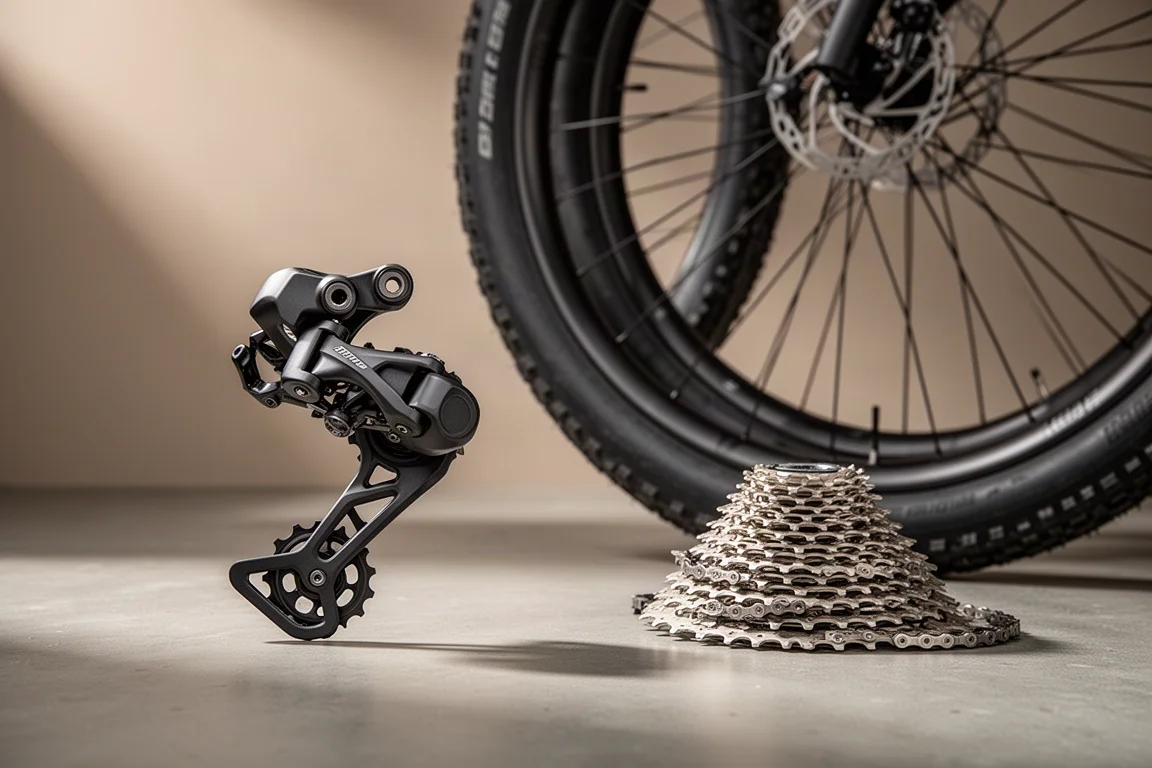
Red XPLR AXS is a 13-speed drivetrain built for gravel riders who want a wider gear range without large jumps between cogs. It achieves this while keeping the same cog spacing and the same chain as current 12-speed groups, which means the cassette still fits a standard XD driver on standard wheels. The extra room comes from space carved out both inboard and outboard. Compared with 12-speed XPLR and its 10-46 cassette, range increases and shifts between cogs become more gradual.

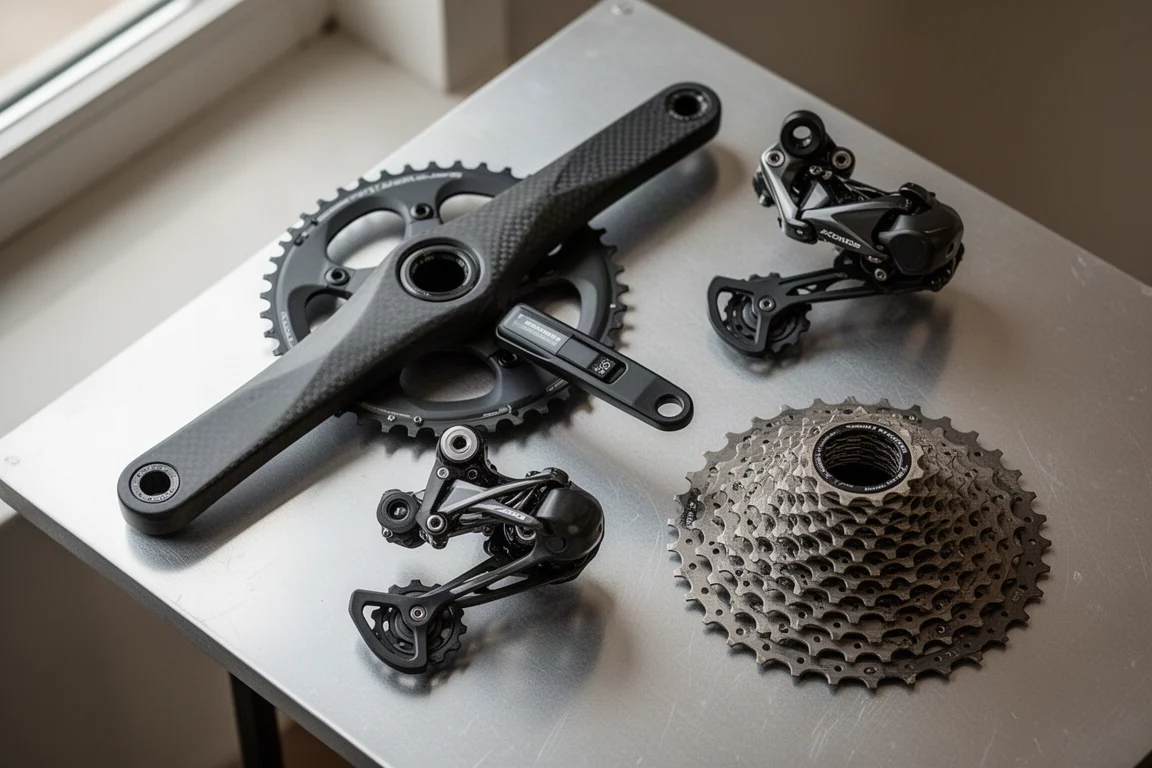
The chain, shifters and brake calipers carry over from the Red road launch earlier in the year, which brought a lighter chain and revised levers with better ergonomics and braking feel, including the ability to brake from the hoods with one finger. The cranks bring a subtler change that many riders will appreciate: the power meter and chainring are now separate items that can be replaced individually, and the chainring threads directly onto the power meter rather than being fixed with chainring bolts, saving weight. Crank lengths run as short as 160 mm, and chainrings are available from 38 to 46 teeth in two-tooth steps, plus aero chainrings at 48, 50 and 52 teeth.
Universal Derailleur Hanger and What It Changes
The most consequential detail on Red XPLR AXS is the rear derailleur mount. It borrows from the brand’s mountain bike transmission drivetrains and bolts directly onto the frame through a universal derailleur hanger, or UDH. The hanger itself disappears from the equation.
Because the derailleur’s position relative to the cassette is now always identical, high and low limit screws and the B-tension adjustment screw are no longer needed. The full mount creates a stiff, secure interface that produces crisp, precise shifting, and shift speed is quicker than on mountain bike transmission as well as quicker than 2x shifting on the road. Load is transferred onto the through axle rather than into the frame. Spare parts are available if the derailleur is damaged by a rock strike or a crash, the lower jockey wheel uses a design that keeps rotating if a stick gets caught in it, and the AXS battery sits tucked inside the derailleur between two solid metal plates. The clutch moves to a spring design rather than the orbit fluid damper, refined for drivetrain efficiency and weight savings.
The catch is compatibility. Few gravel frames and even fewer road frames currently have a UDH, so Red XPLR AXS will not fit an older gravel bike. Some compatible frames are already available and more are expected to follow.
Zipp 303 XPLR SW: The Flagship Gravel Wheelset
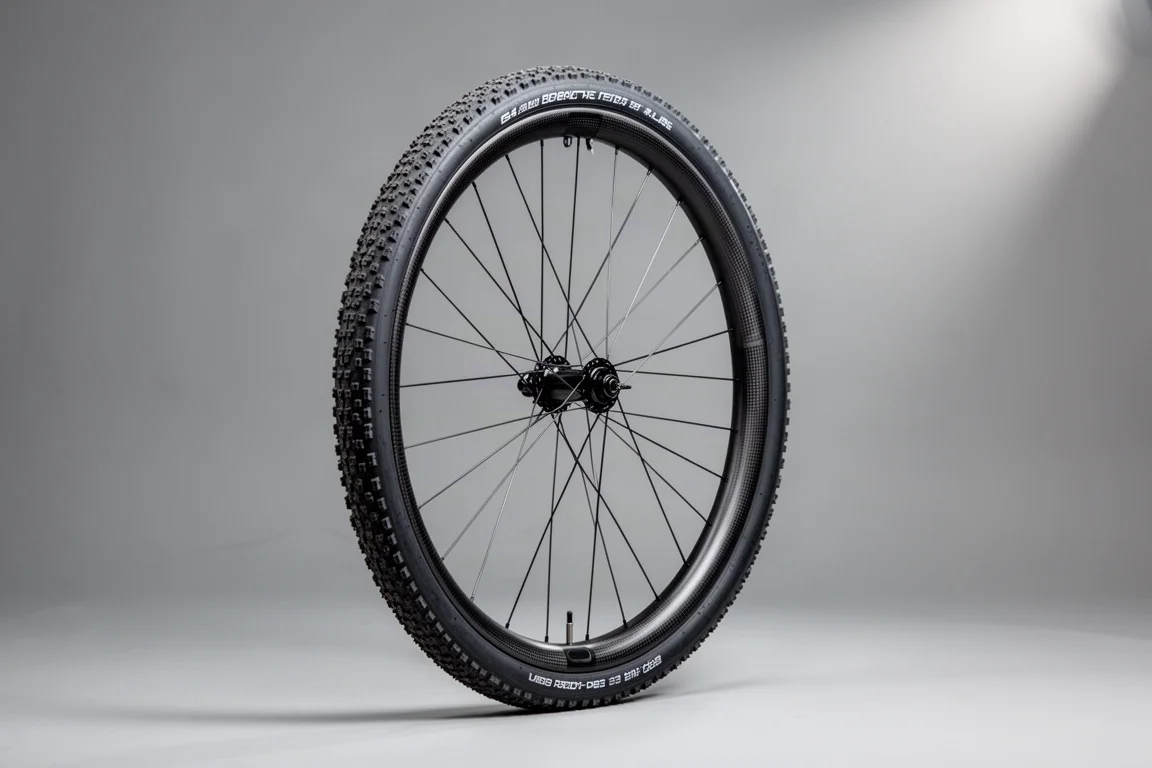
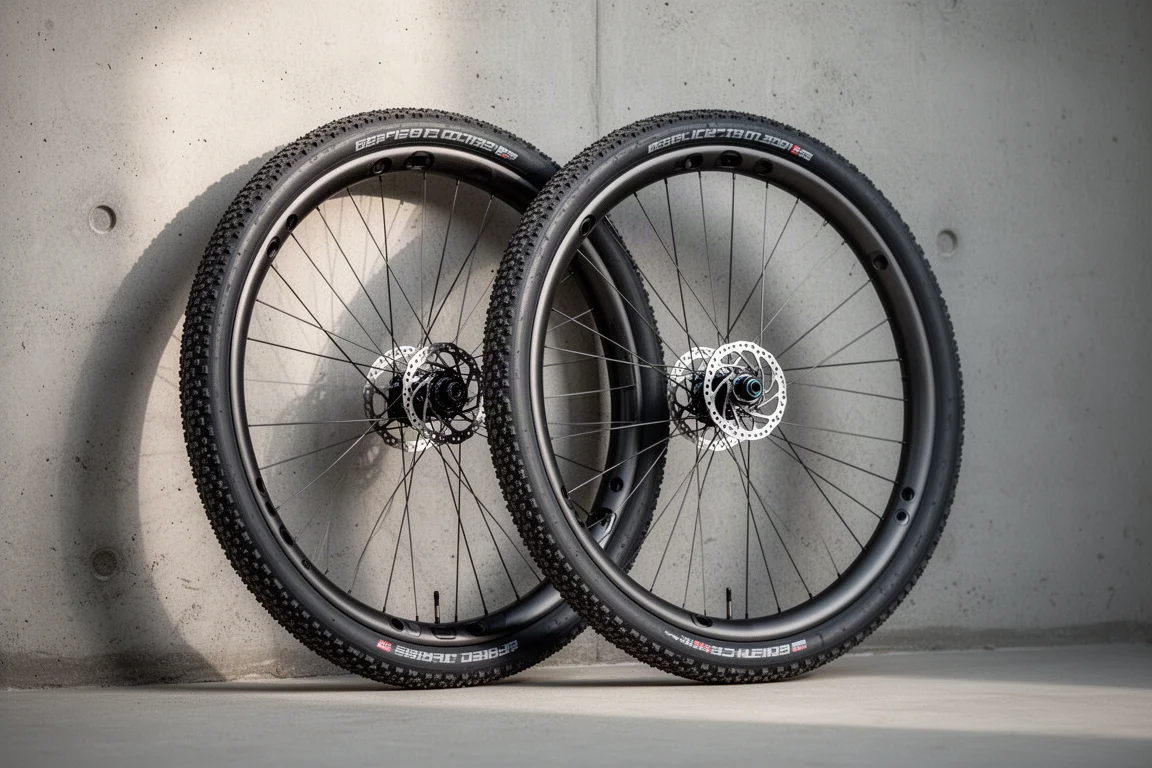
The 303 XPLR SW is not a road wheel that happens to work on gravel. It is Zipp’s first dedicated gravel wheelset, and the numbers are extreme: 54 mm deep, 32 mm internally wide and 40 mm wide externally. The goal is aerodynamic efficiency with wide gravel tires, and the rim width is matched to a 40 mm gravel tire, with a 45 mm tire still making an almost seamless transition from rim to tread.
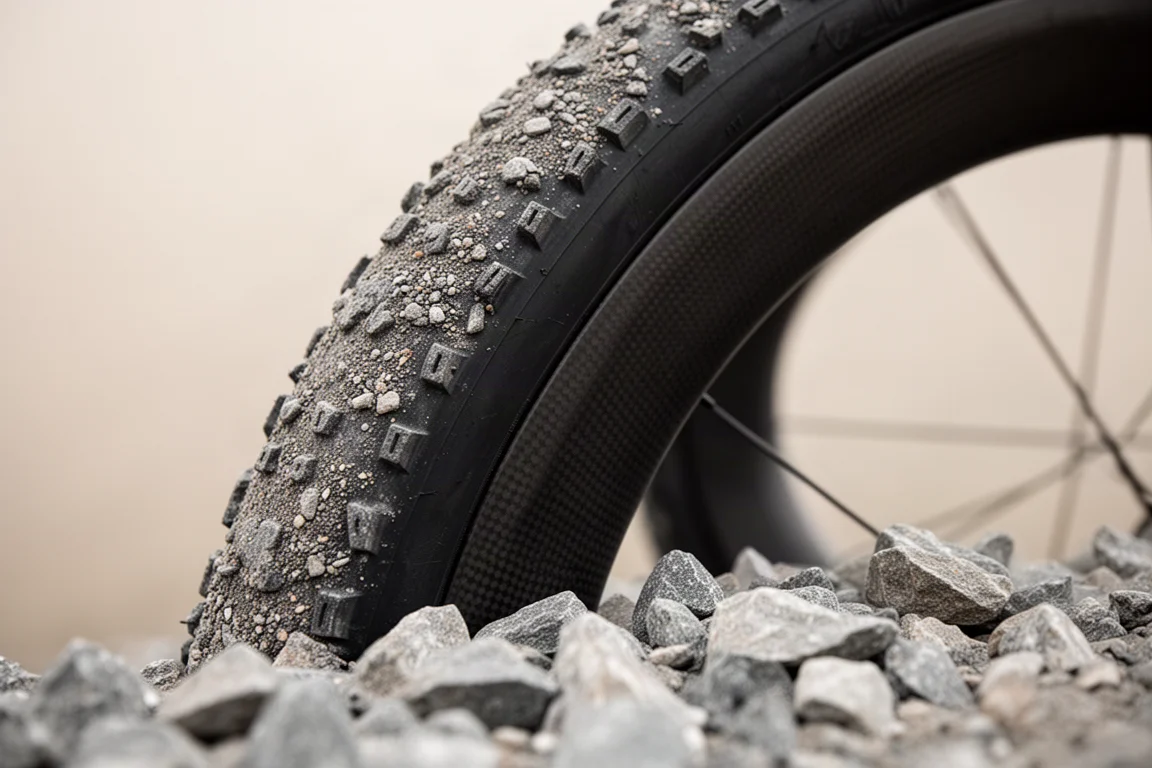
Zipp reckons this adds up to roughly 3 watts saved against a leading competitor with a 40 mm gravel race tire at typical gravel race speeds, growing to about 5 watts at the higher speeds used in wind tunnel testing. Arguably more significant is the internal width, which exceeds most cross-country and trail mountain bike rims. The wider rim also changes how the wheel behaves on impact: the rim sidewall is 3.9 mm wide, nearly double that of the 303 Firecrest, spreading the force across a larger area of tire to reduce the chance of pinch flats. Zipp’s lifetime warranty, introduced in 2021, covers damage sustained while riding within the intended use.
Zipp 303 XPLR S: The Same Rim Shape, A More Accessible Build
The 303 XPLR S shares the same rim concept as the flagship wheel but uses a different hub and different spokes to bring the price down. Despite a substantial amount of carbon in the rim, the weights are surprisingly reasonable: 1,496 g for the pair on the 303 XPLR SW and 1,668 g for the pair on the 303 XPLR S.
Riders who have spent time on recent Zipp wheelsets may wonder whether all that carbon comes at the cost of compliance. It does not appear to. The XPLR wheels are reported to be significantly more compliant than the 303 Firecrest, which is already a noticeably smooth wheel, and that compliance feeds directly into the low-pressure approach the design is built around.
Tire Compatibility, Pressure and Rim Design
A 32 mm internal width is far outside the norm for gravel, and it has a practical consequence: tire compatibility. Zipp maintains a list of gravel tires approved for the 303 XPLR wheels, and it is growing. Each tire goes through a double certification process, first tested in Zipp’s own lab on the wheels and then sent to the tire manufacturer for its own testing, and only added to the list when both parties are satisfied. Because of that, many riders will find they need to buy new gravel tires alongside new wheels.
Tires designed in collaboration with Zipp take the width into account with a revised tread pattern and carcass shape, and at least one of those tires is specified for use only on these 32 mm-wide rims. The payoff is pressure. The design applies lessons from wider road tires to gravel, allowing very low pressures that absorb vibration and reduce rolling resistance so you go faster for less effort. Zipp’s recommended pressures for these wheels sit well below what most gravel riders would previously have considered usable, and the widened rim sidewall is there to protect against pinch flats at those pressures.
Weights, Prices and What You Will Actually Pay
A complete Red XPLR AXS groupset weighs 2,488 g with a power meter and the larger chainrings, and a different specification could bring that down slightly.
SRAM has not published a price for a complete group. Several components, including the shifters, brakes and chain, carry over from the existing Red road group, and their pricing is already established. The new rear derailleur is priced the same as the Red road rear derailleur. The chainset with power meter is €245 less expensive, presumably because it has half the number of chainrings, and a build saves another €500 by not needing a front derailleur. The only item that costs more is the cassette, which runs a couple of hundred more than the Red road cassette.
For the wheels, the 303 XPLR SW retails at €1,800 or $2,100 per pair. The 303 XPLR S is $1,200 per pair, or €1,400 depending on market.
Buying Advice: Matching the Groupset and Wheels to Your Bike
The decision on the groupset comes down to your frame. Red XPLR AXS needs a UDH-compatible frame, and if your current gravel bike predates that standard, this groupset is not an option without changing frames. If you are buying a new frame or already own a UDH model, the proposition is straightforward: a gear range wider than 12-speed XPLR, smaller steps between gears, quicker shifts, and a derailleur that needs no limit screws or B-tension adjustment. The separate power meter and chainring, and the availability of 160 mm cranks, make it easier to configure the drivetrain around your position and gearing preferences.
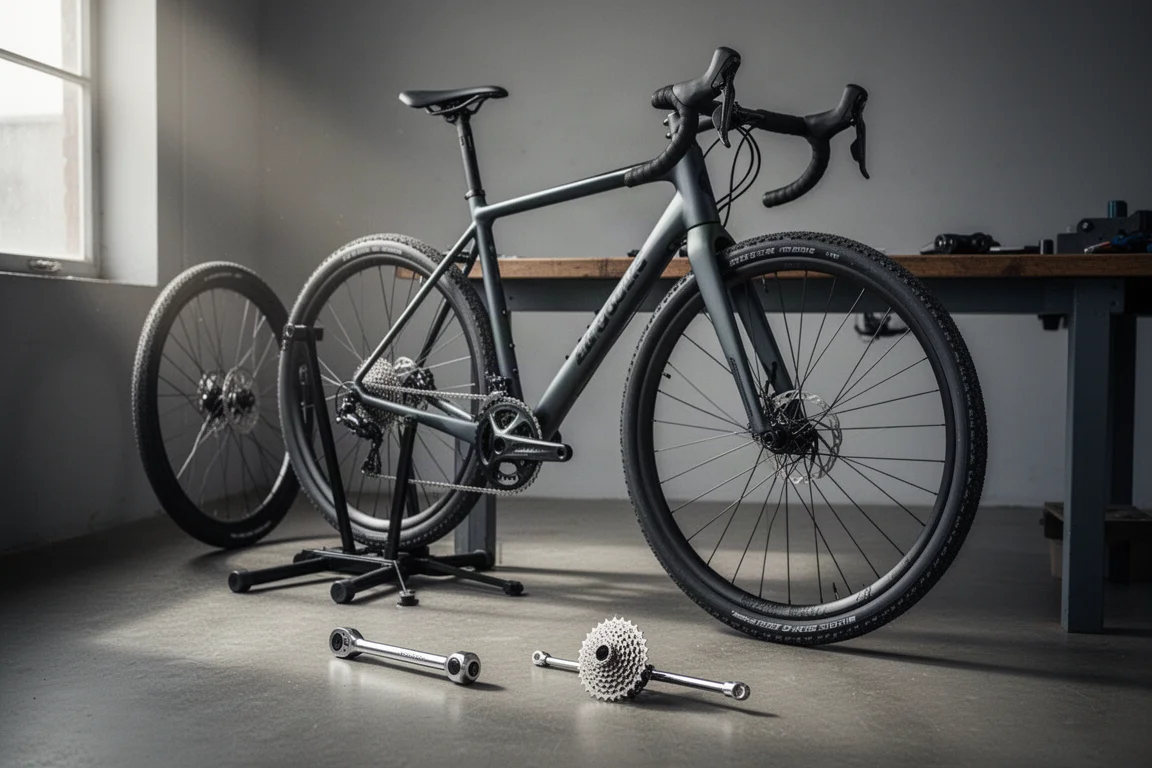
The wheels require a similar commitment. The 32 mm internal width effectively means new tires, and you should check the approved compatibility list before ordering. If you are prepared for that, the 303 XPLR SW is the choice for riders chasing every aerodynamic watt, while the 303 XPLR S keeps the rim design and most of the compliance for a lower outlay, with a small weight penalty and different hub and spokes. On very rough or rocky gravel, the extra compliance and low-pressure running are the more tangible benefits day to day.
If you already ride a UDH frame and want a top-tier gravel setup, both parts make coherent sense together. If you ride an older frame or prefer to keep your existing tires, the wiser move is to wait for the frame and tire ecosystem to catch up.
Conclusion
Red XPLR AXS is a genuine step forward for gravel drivetrains: a 13-speed range that still uses a 12-speed chain and a standard XD driver, a direct-mount derailleur that removes hanger alignment and limit screws from the picture, and sensible details like individually replaceable power meter and chainring. The Zipp 303 XPLR wheels are equally committed to the category, with rim dimensions that exceed even mountain bike norms and a compliance story that matters more than the watt claims on rough surfaces. Neither is a drop-in upgrade for every gravel bike, and the frame and tire compatibility questions are the ones to answer first. For riders building a new high-end gravel bike around current standards, both are worth serious consideration.
Further reading
Related Reviews
Gravel Components
SRAM Red XPLR and Zipp 303 S Review: 13-Speed Gravel Tech Worth Buying in Parts
A practical look at SRAM's 13-speed Red XPLR gravel group set and Zipp's wide 303 S wheelset, including what you can buy separately and what to check before spending.

Backpacking Gear
Building a 10 lb Base Weight: An Ultralight Backpacking Gear List
A practical walkthrough of the ultralight pieces behind a 10 lb base weight, from a 765 g pack and a roomy one-person tent to a full camp chair and a dependable water filter.

Road Bikes
10 New Road Bikes Worth Watching: Aero, Titanium, Steel and Endurance Standouts
A practical roundup of 10 new road bikes, from aero flagships chasing single-watt gains to titanium, steel and endurance platforms built for real roads.