Gravel Components
SRAM Red XPLR and Zipp 303 S Review: 13-Speed Gravel Tech Worth Buying in Parts
A practical look at SRAM's 13-speed Red XPLR gravel group set and Zipp's wide 303 S wheelset, including what you can buy separately and what to check before spending.
Introduction
Gravel drivetrains have moved quickly over the past few seasons, and the latest 13-speed gravel group set from SRAM takes a noticeably different approach to how the rear derailleur is mounted and how the gears are set up. Alongside it sits a new gravel wheelset from Zipp, built around a rim profile wide enough to change how a bike behaves on rough surfaces.
The complete group set costs $3,890 with the power meter option, which is a serious outlay. The more encouraging news is that the two parts carrying most of the interesting engineering, the rear derailleur and the cassette, can be bought on their own and fitted to an existing drivetrain.
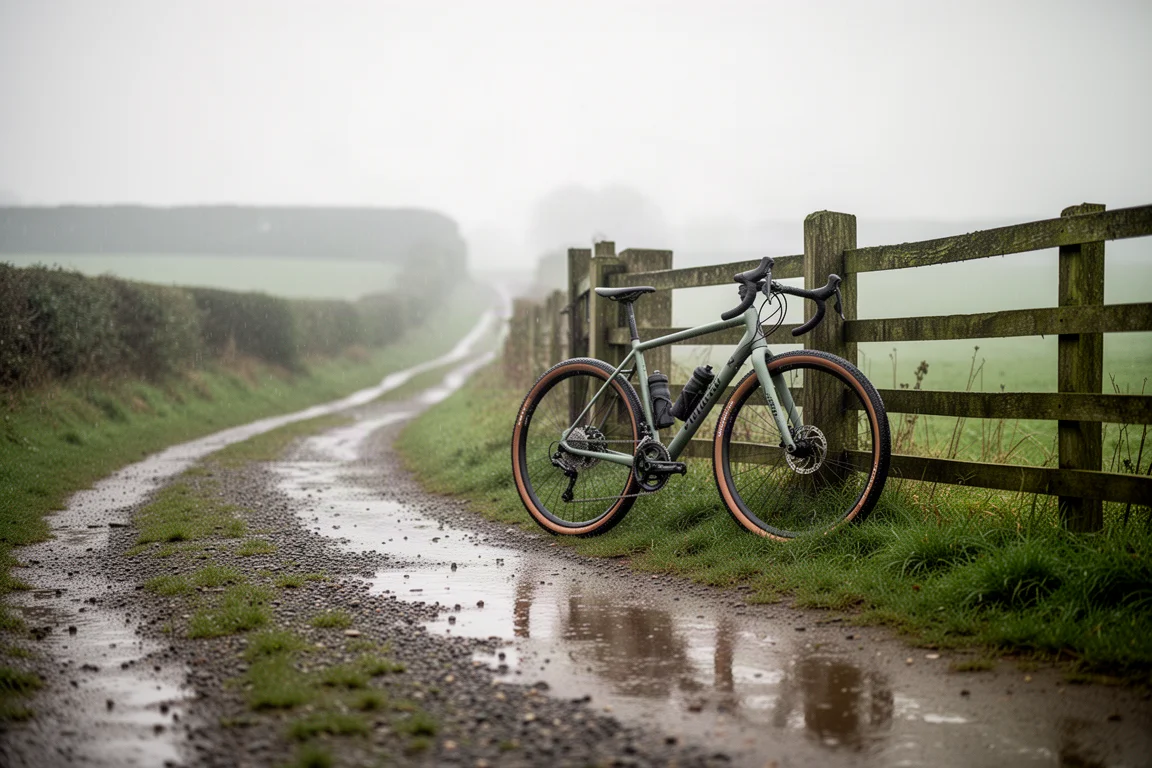
That combination makes sense for riders who already run an AXS gravel setup and want the newest shifting behaviour without replacing everything else. Below is what each product brings, where the compromises sit, and who should think about buying.
SRAM Red XPLR: The Case for the Derailleur and Cassette
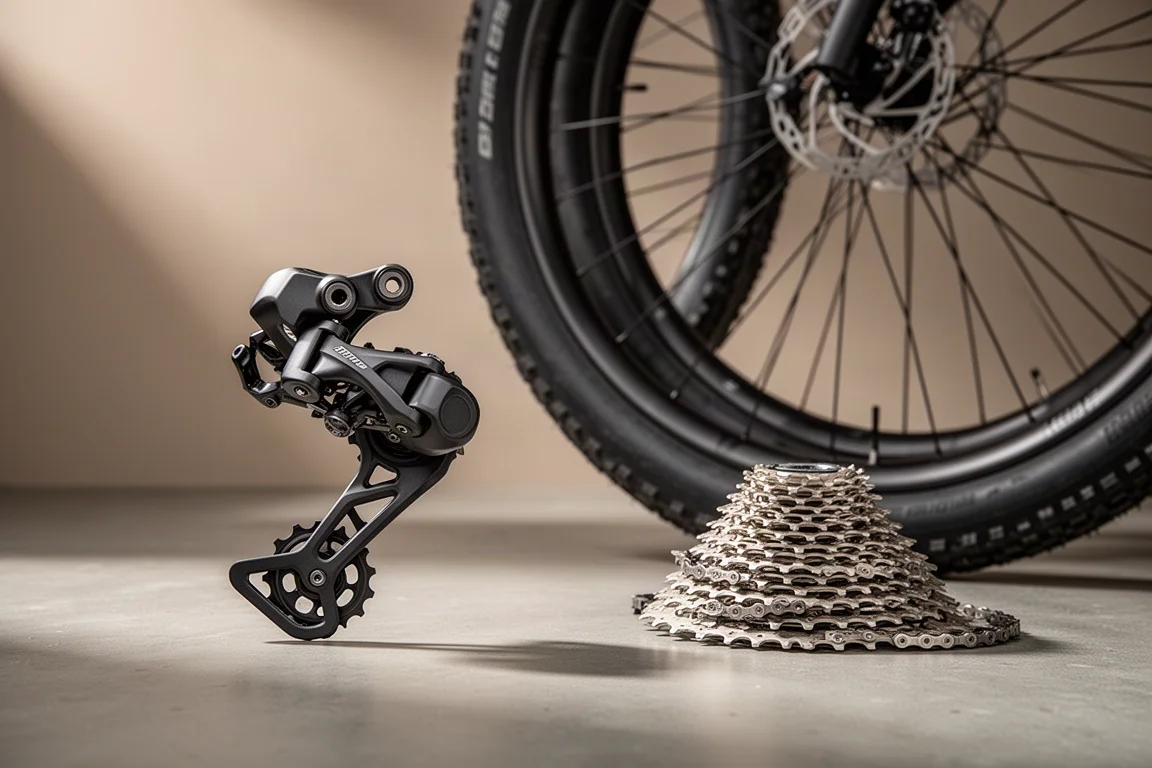
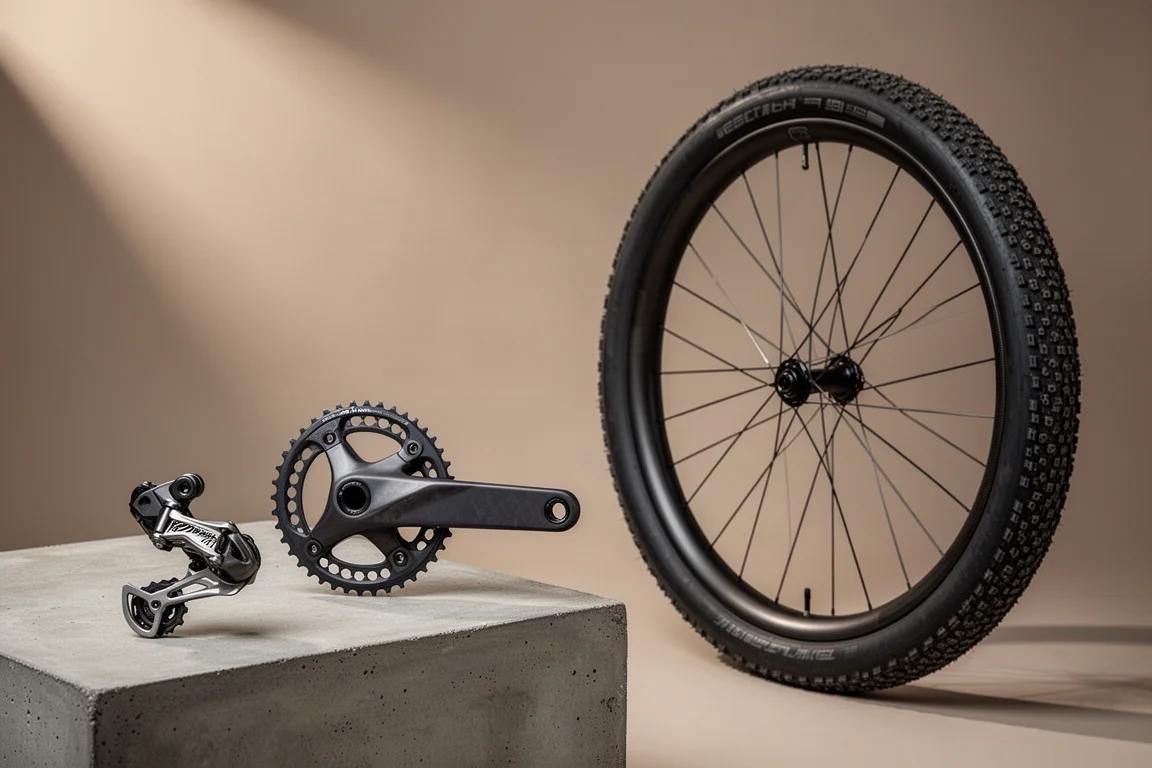
SRAM Red XPLR is a 13-speed gravel group set built around a full mount rear derailleur. Rather than hanging from a frame hanger, the derailleur mounts to the rear axle. SRAM states that this makes the derailleur more precise and tougher, and that it contributes to significantly faster shifting. The pulley wheel cage is triangulated for extra stiffness, and the cassette uses smaller ramps, so shifts arrive quickly and accurately, including under load.
Setup is where the design separates itself most clearly. There are no limit screws and no b-tension screw. The derailleur is placed in the sixth cog, the gears are tuned, and the system works out the rest. Everything is adjusted by hand, without tools, through the AXS app, which makes it one of the simplest group sets to install.
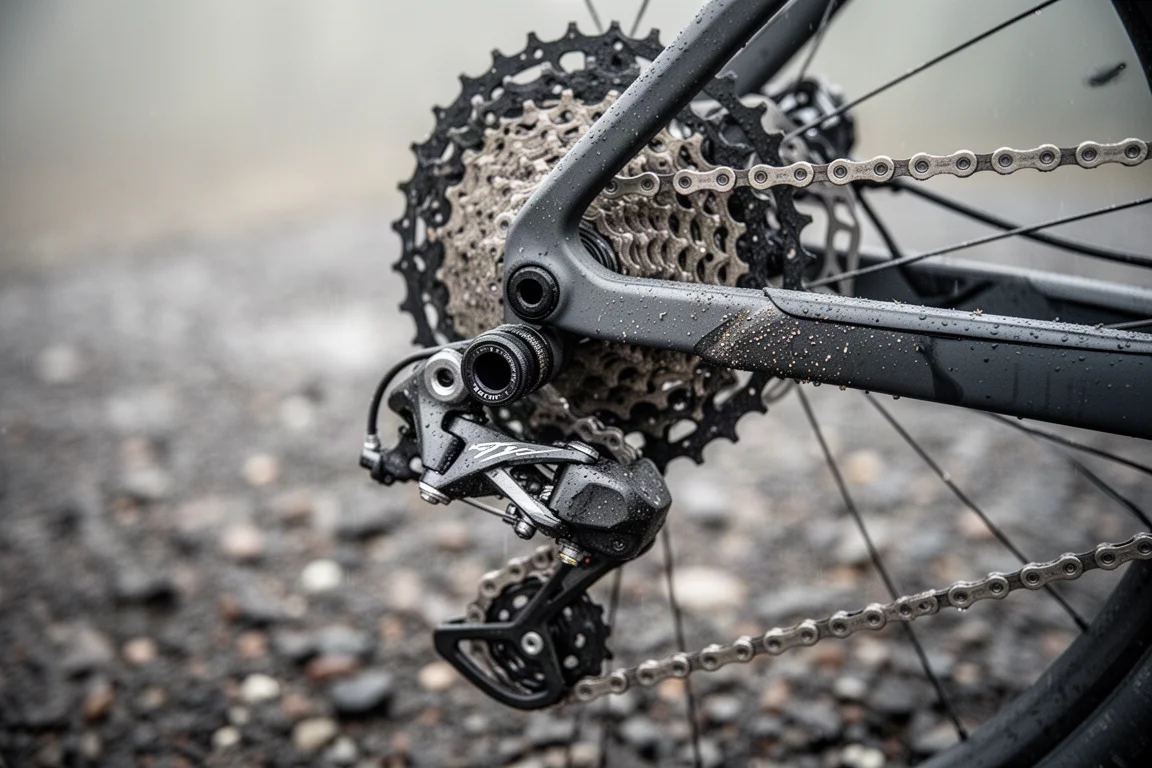
Compatibility is unusually broad. The 13-speed cassette fits an existing XDR freehub thanks to space-saving work in the design, and the group set uses the current 12-speed flat-top chain, so a new crank or new chainrings are not required. It also works with older AXS components, which means new levers are optional. Red XPLR parts can be mixed with anything carrying the AXS name, from Apex upward, and even with GX and Eagle mountain bike components. Riders who want a wider range can move to an Eagle cassette, while standard road AXS offers a tighter spread.
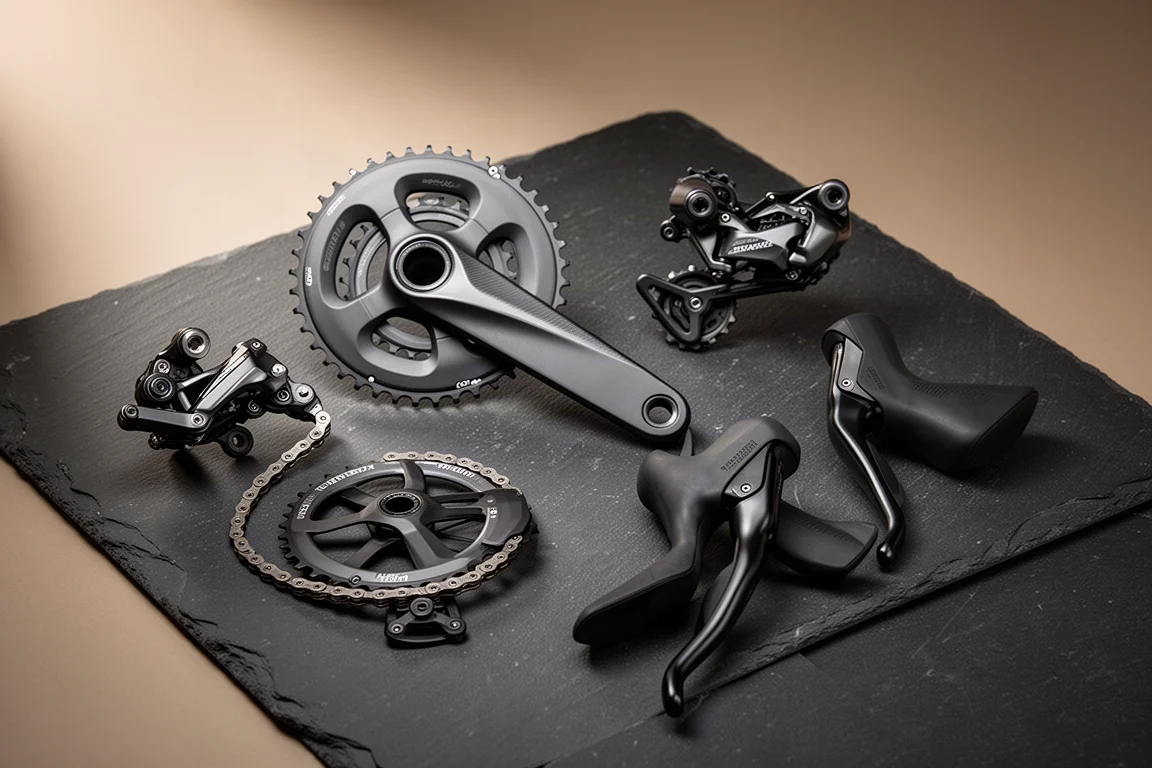
There are thoughtful details elsewhere too. The power meter chainset returns to separate component parts, so a worn or damaged chainring no longer means replacing the power meter along with it. A thread mount borrowed from mountain bike design holds the chainring and is claimed to reduce weight, add stiffness, and improve shift quality, though it requires a special tool for removal. The derailleur also inherits the magic pulley wheel from Eagle mountain bike derailleurs, which uses a limited-slip clutch to let the chain keep turning if a stick becomes caught in the pulley wheel.
Weight has come down as well. The complete group set with the power meter is 2,488 g, which is 218 g lighter than the outgoing 12-speed version. The chainset with power meter accounts for 116 g of that saving, and the cassette is 85 g lighter despite gaining a 13th cog. The brakes, rotors, and shifters are shared with the road group set, with new organic pads in the calipers.
The compromises are worth knowing before ordering. Only one cassette size is available, which limits customisation. Wet-weather brake noise has been a niggle on an otherwise refined package. Most significantly, the frame must be UDH compatible, which for many riders means a frame upgrade before the group set even arrives.
Zipp 303 S: A Race-Ready Gravel Wheelset
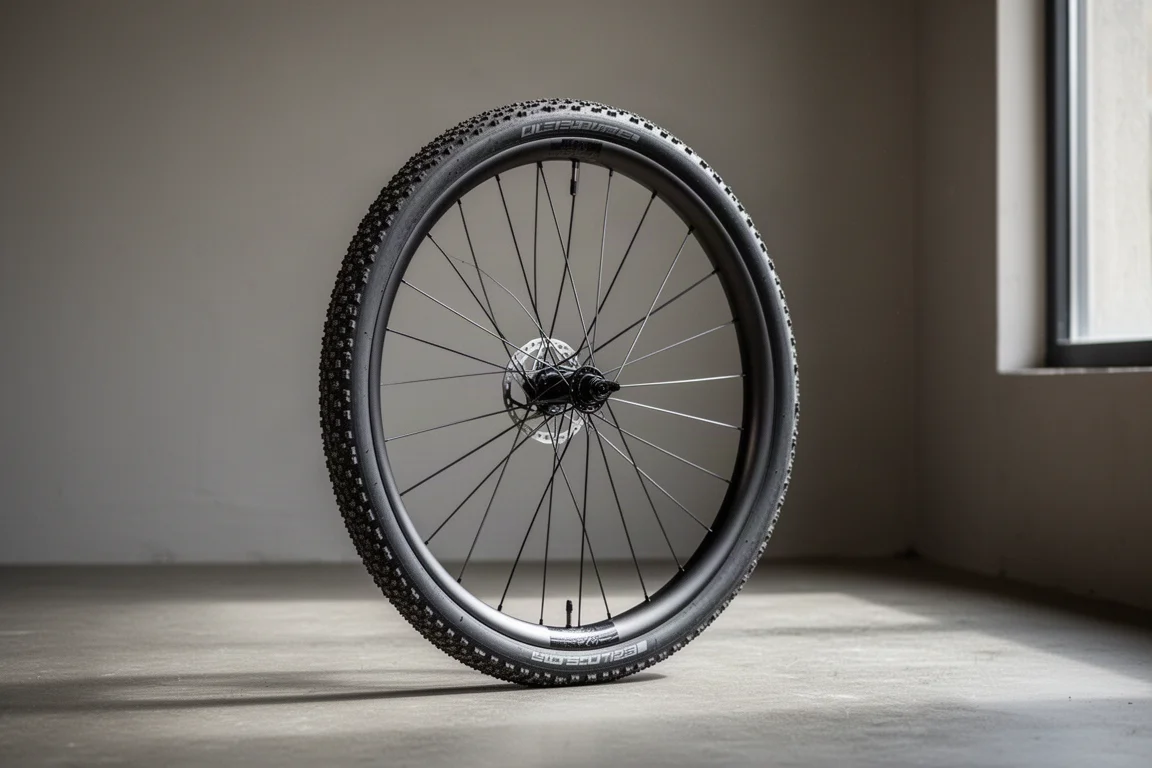
The Zipp 303 S is a gravel wheelset built for speed and comfort rather than outright aerodynamics. It is light, accelerates quickly, and its very wide shape gives tires a broader platform, which translates into more comfort and better behaviour with larger tires.
That width also raises a question. At 32 mm internally, the rim sits in a gray area relative to some international safety standards, and the company has been asked directly about it. Buyers who care about certification details should check the current guidance before committing.
Tire choice is the other practical limitation. At launch the wheels have a limited range of compatible tires. Zipp and Goodyear have teamed up on new gravel tires, but only a dry option and an intermediate option are available so far, with more said to be on the way. Riders in consistently wet conditions may find that range too narrow for the moment.
On the bike, the combination of a wide rim and high-volume rubber is compelling. Running tires at 27 PSI works even for a heavier rider around 92 kg, with the tires absorbing bumps and vibrations while speed is maintained. For gravel racing, the 303 S is a more natural choice than adapting a road-oriented 303 Firecrest to dirt.
What to Consider Before Buying
Both products are aimed at riders who are already invested in the AXS ecosystem or are prepared to build around it. The derailleur requires a UDH-compatible frame, so the real cost of upgrading is not always the group set itself.
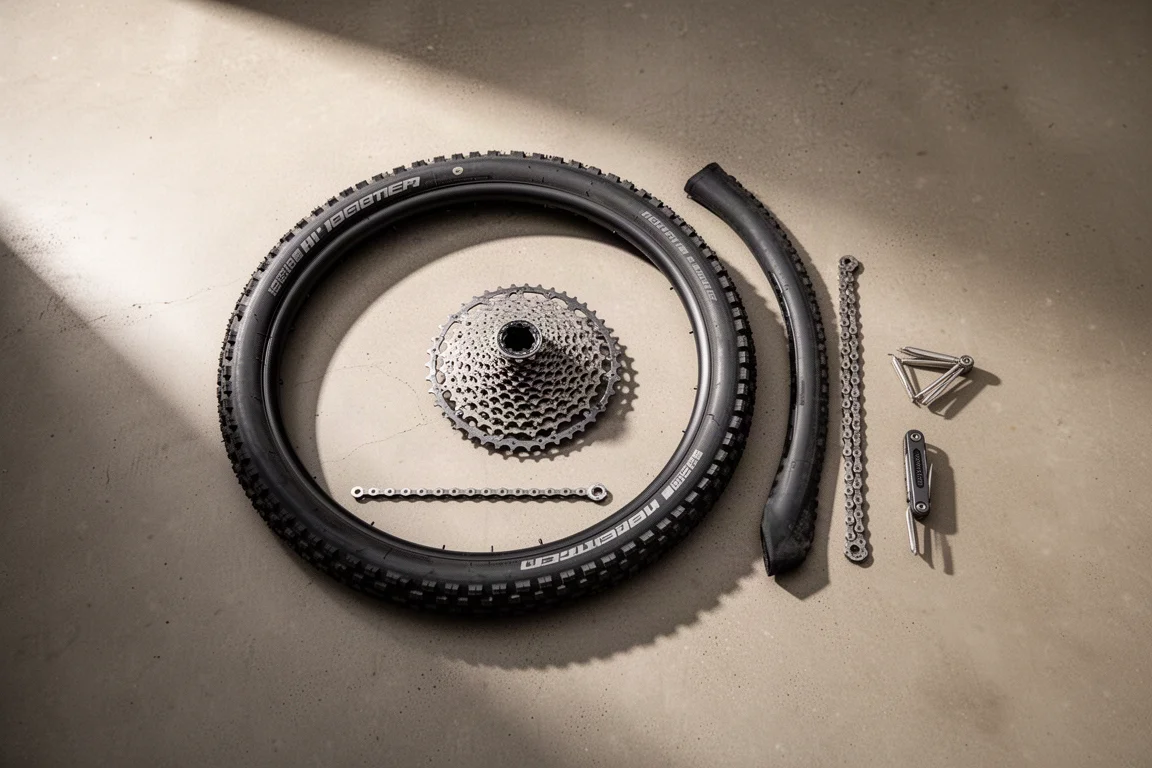
The single cassette size removes some of the tuning flexibility riders expect at this level, and moving to an Eagle cassette is the main way to widen the range. Wet-weather brake noise is a small but persistent annoyance on a premium group set.
Tire availability is the main caveat for the wheelset. Until more options arrive, the wheels suit riders who can work with a dry or intermediate tire, or who are willing to keep a second wheelset for wetter conditions.
Buying Advice: Who Should Upgrade
If you already run an AXS XPLR drivetrain, own a frame with a UDH dropout, and are comfortable with the cost, adding the new derailleur and cassette is a straightforward way to get the newest shifting technology without buying the entire group set.
If neither of those conditions applies, waiting is reasonable. SRAM has a track record of moving technology down through its range, and it did not take long to bring T-Type from the top of its mountain bike line to more affordable tiers. A full mount design at Force, Rival, or Apex level would make the upgrade path far cheaper.
For the wheelset, the decision is simpler. Riders who want a fast, comfortable gravel wheel and can live with the current tire list will find the Zipp 303 S a strong match for the way this group set is designed to be ridden.
Conclusion
SRAM Red XPLR shows that the most interesting part of a premium group set is not always the whole thing. The axle-mounted derailleur, tool-free setup, and 13-speed cassette deliver the real gains, and they can be added to a compatible bike on their own. The Zipp 303 S complements that approach with a wide, light gravel wheel that prioritises comfort and speed. Buyers who check frame compatibility, cassette options, and tire availability first will get the most from both.
Further reading
Related Reviews
Gravel Components
SRAM Red XPLR AXS and Zipp 303 XPLR Wheels: A 13-Speed Gravel Build Explained
SRAM's first 13-speed gravel groupset and Zipp's first dedicated gravel wheelset arrive together. Here is what each piece does, who it suits, and what to check before buying.

Backpacking Gear
Building a 10 lb Base Weight: An Ultralight Backpacking Gear List
A practical walkthrough of the ultralight pieces behind a 10 lb base weight, from a 765 g pack and a roomy one-person tent to a full camp chair and a dependable water filter.
Road Bikes
10 New Road Bikes Worth Watching: Aero, Titanium, Steel and Endurance Standouts
A practical roundup of 10 new road bikes, from aero flagships chasing single-watt gains to titanium, steel and endurance platforms built for real roads.