Gravel Components
SRAM RED XPLR Gravel Groupset Review: 13-Speed Transmission Comes to Gravel
A long day in the mountains with SRAM's gravel-focused RED XPLR groupset, the new Zipp 45mm wheelset, and Goodyear XPLR tires.
Introduction
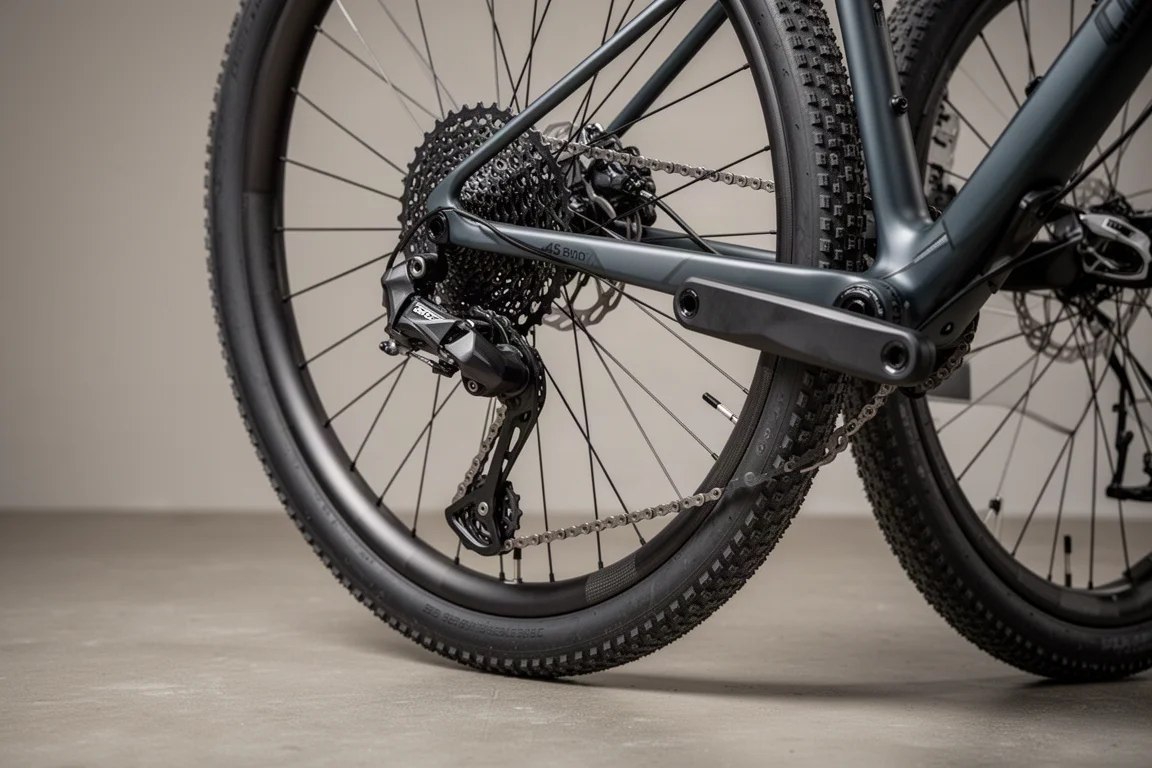
SRAM’s new RED XPLR groupset brings the company’s Transmission-style drivetrain to gravel, pairing a mountain-bike-style rear derailleur with road-heritage shifters, a 13-speed cassette, and an integrated power meter. It ships as part of a wider gravel ecosystem that includes a new 45mm Zipp wheelset and co-branded Goodyear XPLR tires. To see how it all holds together, this evaluation comes from a multi-day alpine gravel adventure with roughly 1,000 meters of climbing, temperature swings from sunset to darkness, and one very memorable mechanical episode.
Shifters: Straight from Road RED
The shifters are identical to those introduced on SRAM’s road RED groupset, which brings a meaningful benefit on gravel: braking power with a single finger. On 15 to 20 percent gravel descents, one finger was enough to modulate speed confidently without needing a full grip on the bar.
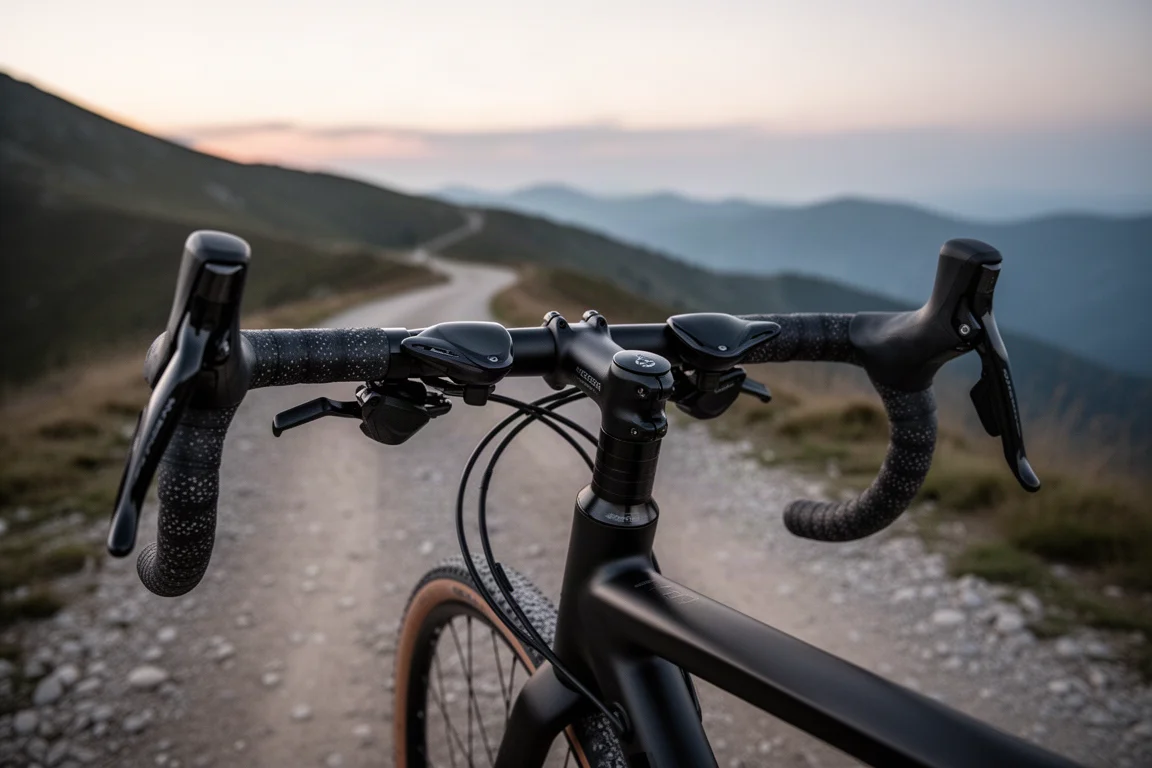
Each shifter also includes the new bonus buttons on the inside of the bar. By default they act as a secondary shifter, but they can be assigned to bike computer functions through the SRAM app: change data pages, set a lap, start and stop a recording, or, on the new Edge 1050, ring the bike bell. There are more assignment options on Hammerhead units than on Garmin, but the core functions are covered on both, and Wahoo is supported as well.
Power Meter: Thread-Mount and Replaceable
The 1x chainring is expected territory for SRAM gravel, but the power meter detail matters. Unlike the road RED setup, where the power meter chainring is effectively disposable, this one uses thread-mount chainrings that are replaceable. It is also a total-power meter mounted on the chainrings rather than a left-only spider-based unit, with claimed accuracy of plus or minus 1.5 percent.
Rear Derailleur and 13-Speed Cassette: The Beefcake
The rear derailleur is the headline change. It uses SRAM’s Transmission-style direct mount via the Universal Derailleur Hanger (UDH), which standardizes the attachment point and increases durability. There are no limit screws at all; it bolts on and works. Compared with the mountain bike Transmission derailleur, SRAM says XPLR prioritizes shift speed and responsiveness over shifting under maximum load, though shifting under load posed no problem in practice.
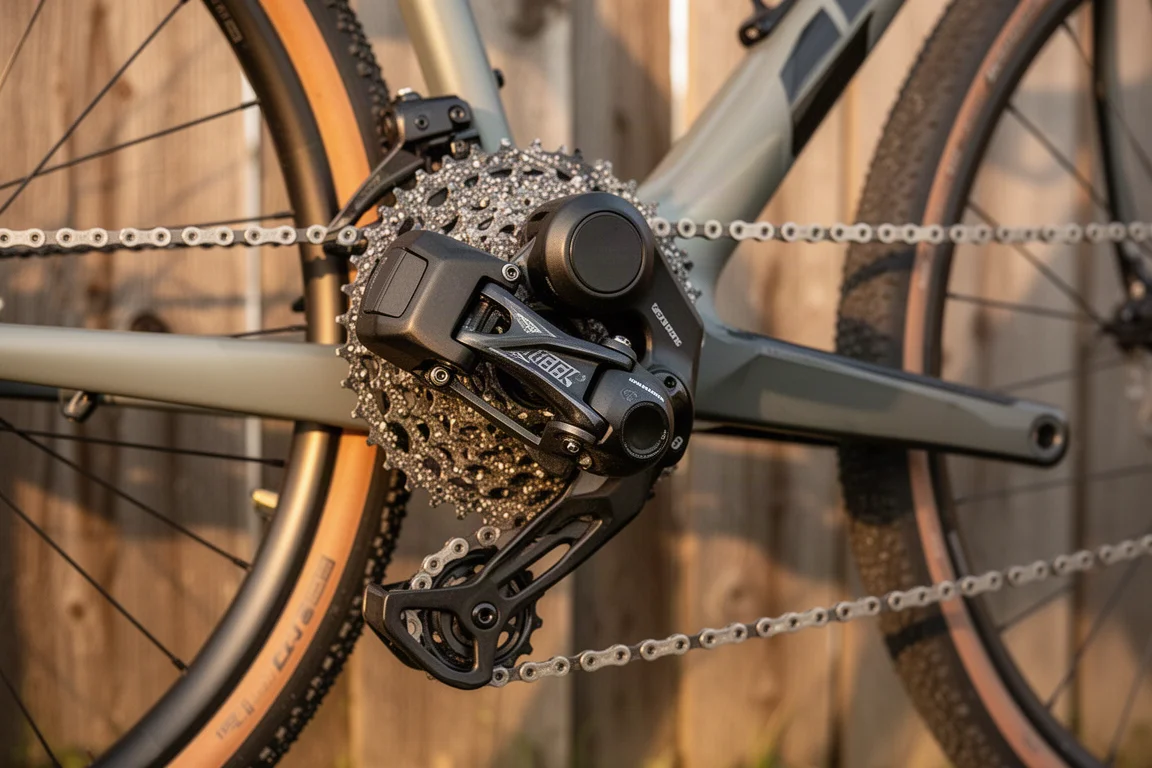
The catch: you need a UDH-compatible frame. That is common on mountain bikes but only just appearing in gravel, so retrofitting an older bike will be difficult unless your frame is UDH ready. It is also not compatible with mountain bikes, as it requires a drop-bar configuration.
The 13-speed cassette keeps the same XDR driver body, which matters for trainer compatibility, and the chain is physically nearly identical to 12-speed road. SRAM says different finishes are tuned for road versus off-road, so either chain works in a pinch, but the correct chain is best long term. The shifters, calipers, chain, and XDR driver body are all shared with 12-speed road RED.
The SRAM Access App
Pairing components through the SRAM Access app is straightforward, with a manual confirmation step so you only control your own bike. From there you can check battery status, update firmware, and configure every button, including combination presses. Drivetrain micro-adjustment is done directly from the app. Linking a Garmin or Hammerhead head unit gives automatic battery notifications by push and email, and the battery itself is the same as previous SRAM AXS systems. One annoyance: the included charger is still micro USB, not USB-C, though aftermarket USB-C chargers are inexpensive and widely available.
Power Meter Accuracy: Tested Across Temperature Swings
On the indoor trainer, the power meter tracked within one to two watts of a well-regarded Quarq-family comparison unit, which is a strong result. A trainer reading slightly lower was expected due to a non-optimized chainline during testing and normal drivetrain losses.
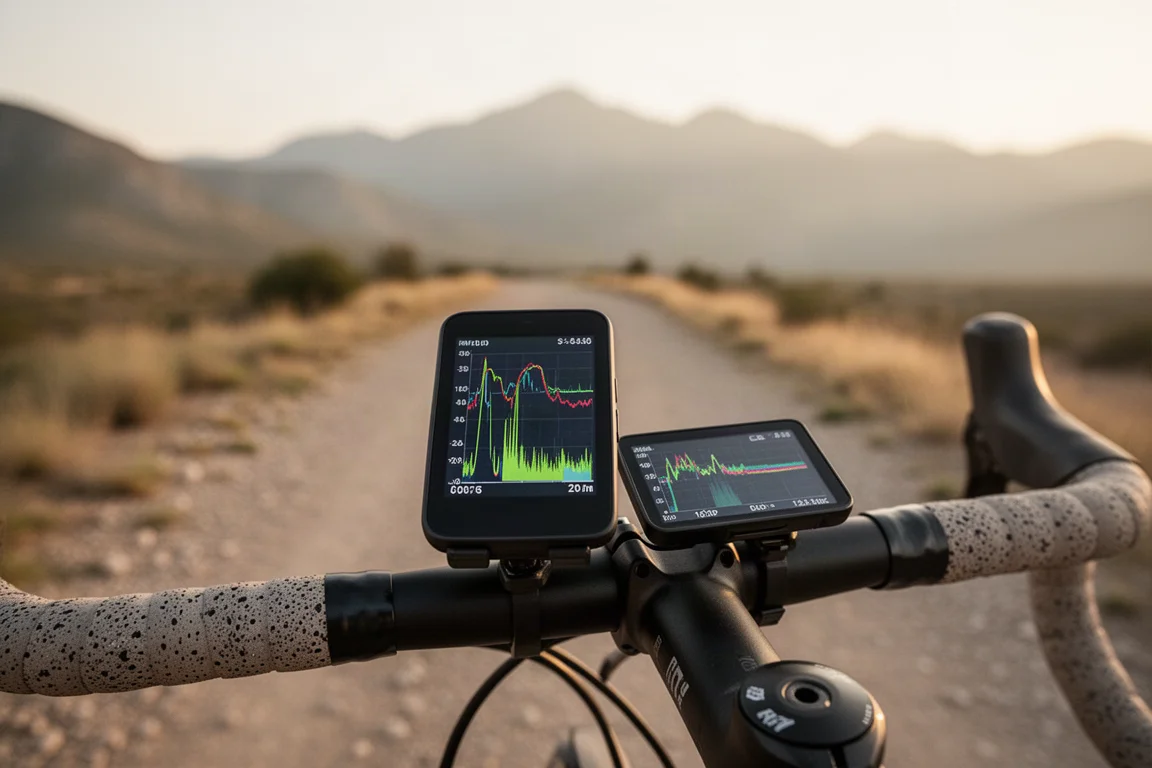
In the real world, a 2.5-hour sunset climb of roughly 1,000 meters of elevation tested temperature stability, and the data stayed essentially identical throughout, with a maximum spread of two to three watts across surges and steady state. A subsequent 8.5-hour day and a 7.5-hour descent day back down to the ocean produced the same clean, consistent data across the full temperature range.
Zipp 45mm Wheelset and Goodyear XPLR Tires
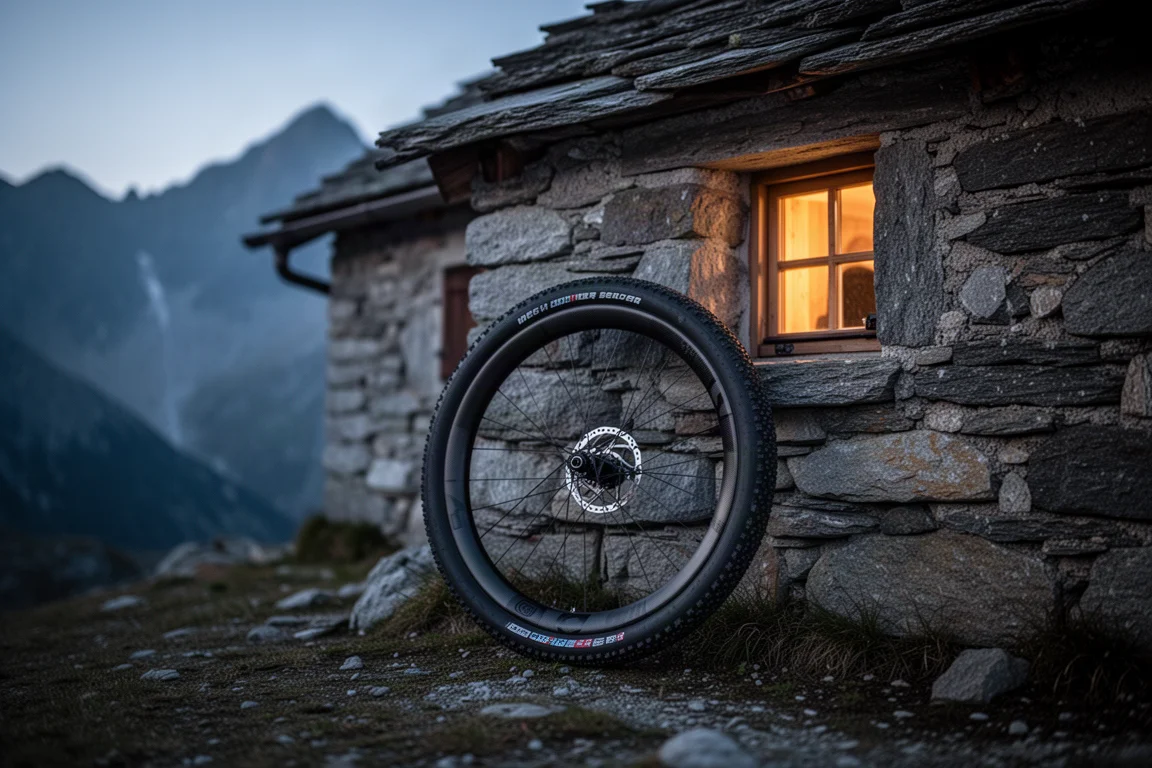
SRAM owns Zipp, so the new 45mm wheelset is a natural companion piece, and the co-branded Goodyear XPLR tires complete the system. The pitch is dramatic: much lower tire pressures than you would expect, with increased puncture resistance and lower rolling resistance. SRAM’s own testing included a treadmill-based gravel simulation and outdoor rolling resistance tests with an aero sensor to control for wind.
Using SRAM’s tire pressure calculator, a roughly 90-kilogram total setup came out at an ideal pressure of 27 to 28 PSI, and a lighter rider would land around 23 to 24 PSI. On the trail, the wheelset handled spicy gravel terrain confidently, and it rolled well right up until a double puncture on a deceptively chill road section. Bacon strips did not hold, the wrong spare tube was packed for the deeper rim, and a three-hour walk-a-thon eventually ended at a refuge, where a correct-length tube was found and the ride continued another 90 kilometers. SRAM and Goodyear reviewed the footage and agreed the tire should not have punctured in those conditions, and they are investigating the cause. The tire’s credit: even half-flat, the bike rode on, and the secondary sidewall tear was on the opposite side from the impact.
Buying Advice
For anyone speccing a new UDH-compatible gravel bike, this groupset makes a compelling case: tank-like derailleur durability for travel peace of mind, crisp fast shifting, a replaceable total-power chainring power meter, and a battery ecosystem that has stayed consistent for years. The wheels and tires impressed until the puncture, so it is worth waiting to see what the investigation turns up before drawing a final conclusion there. Check that your frame is UDH compatible before dreaming about this drivetrain, because that is the non-negotiable requirement.
Conclusion
SRAM RED XPLR is a genuinely well-rounded gravel groupset with a standout rear derailleur, accurate power measurement, and flexible electronic integration. If you are buying a new gravel bike today, this is an easy recommendation. The tire story is a footnote worth following, but the groupset itself earns its place.
Product link
View more details for SRAM RED XPLR Groupset
This product is mentioned in the review. Check the specifications, options, and compatibility before buying.
View more details for SRAM RED XPLR GroupsetFurther reading
Related Reviews
Gravel Components
SRAM Red XPLR and Zipp 303 S Review: 13-Speed Gravel Tech Worth Buying in Parts
A practical look at SRAM's 13-speed Red XPLR gravel group set and Zipp's wide 303 S wheelset, including what you can buy separately and what to check before spending.
Gravel Components
SRAM Red XPLR AXS and Zipp 303 XPLR Wheels: A 13-Speed Gravel Build Explained
SRAM's first 13-speed gravel groupset and Zipp's first dedicated gravel wheelset arrive together. Here is what each piece does, who it suits, and what to check before buying.
Cycling Power Meters
Five Affordable Power Meters for Road and Off-Road Cycling
Five practical power meter options under $500 that deliver reliable power measurement without breaking the budget.