Cycling Components
SRAM Red XPLR 1x13 Review: Does a Single-Ring Road Bike Finally Work?
A real-world look at the SRAM Red XPLR 1x13 groupset on the road, covering gear range, cadence at speed, chain security, and what to check before buying.
Introduction
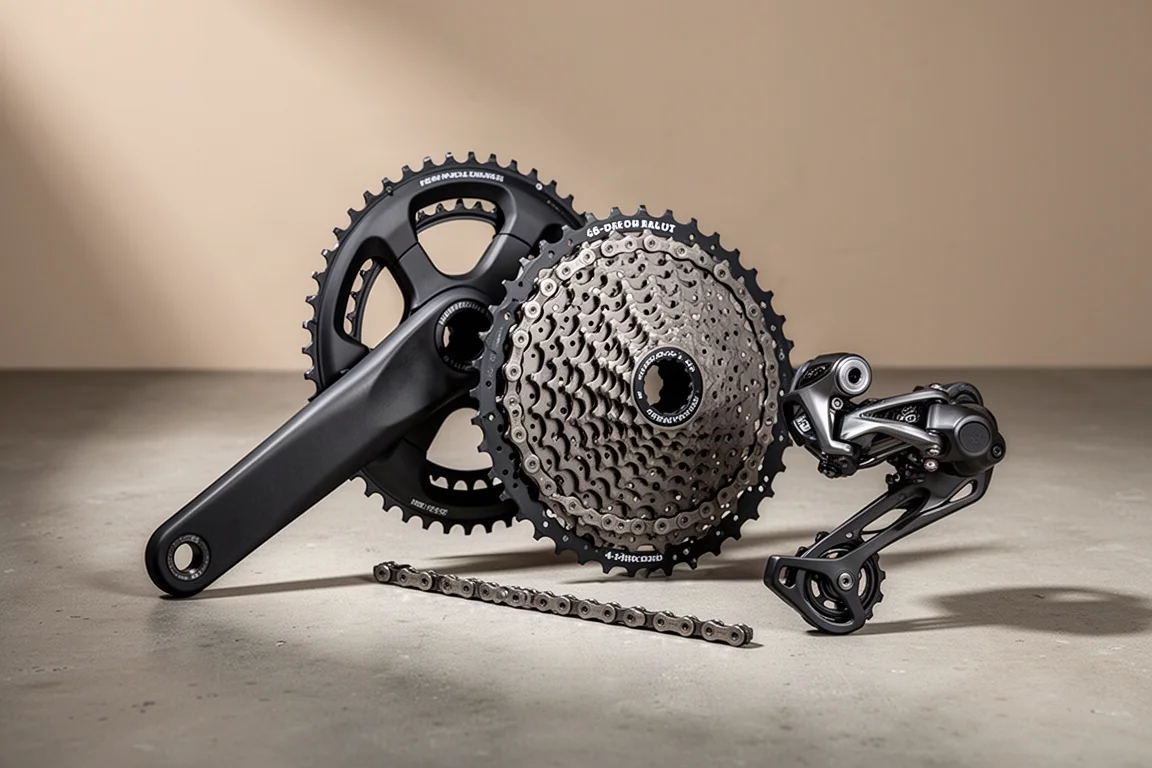
For years the front derailleur has survived on road bikes while mountain and gravel bikes moved to a single chainring. The SRAM Red XPLR 1x13 groupset is the most credible attempt yet to bring that layout back to the road: thirteen sprockets at the rear, a wide-range cassette, and no second chainring up front.
Across several weeks of riding that covered rolling lanes, steep local climbs, flat tempo efforts, and fast group rides, one question kept returning. Can a road bike finally work with a single ring?
This look at the groupset covers what it does well, where it still asks something of the rider, and who should realistically consider it.
Who This Groupset Is For
The Red XPLR 1x13 is aimed at riders who already prefer a single-ring drivetrain and want that simplicity on the road, not just on gravel. It suits riders who value a wide spread of gears, a clean front end, and the chain security that comes from removing the front shift entirely.
It is also relevant for riders who split their time across surfaces. The groupset is designed around gravel, so its priorities lean toward rough-road performance and gear spread rather than pure road racing efficiency. Riders moving between tarmac, quiet lanes, and gravel will get the most from it.
Anyone who races on the road and counts every watt is a different case, and that is covered further down.
Gear Range in Practice
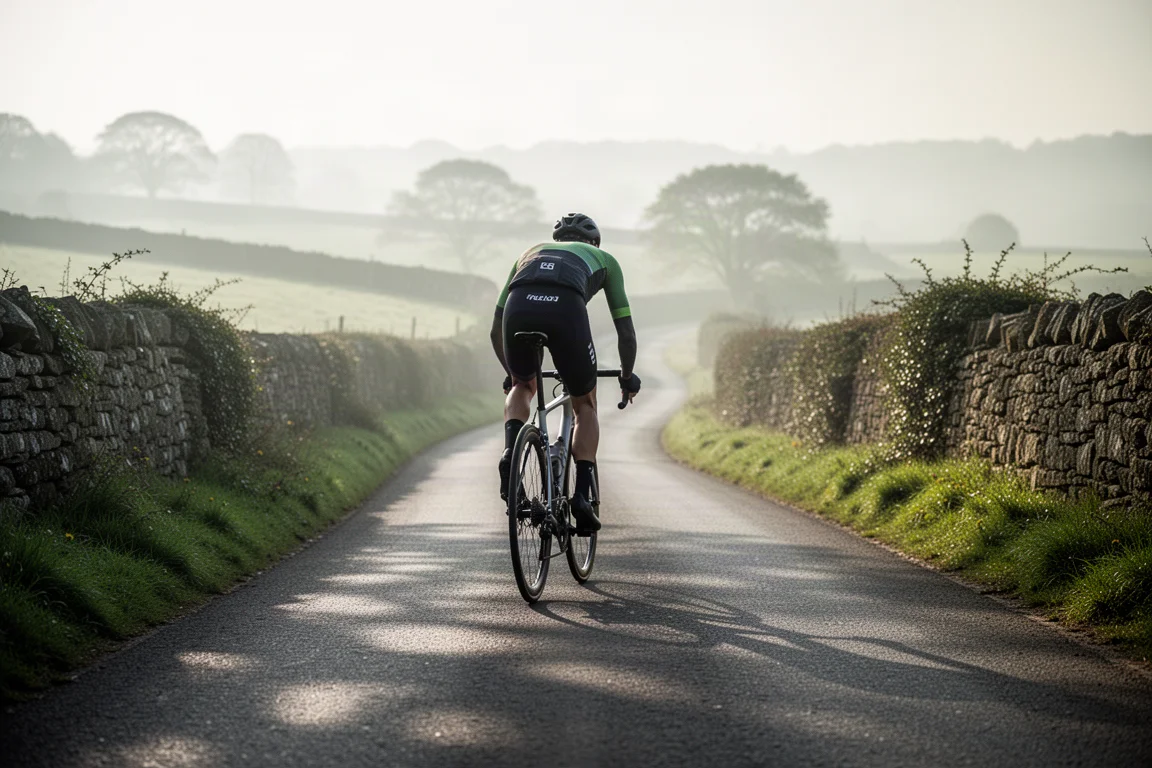
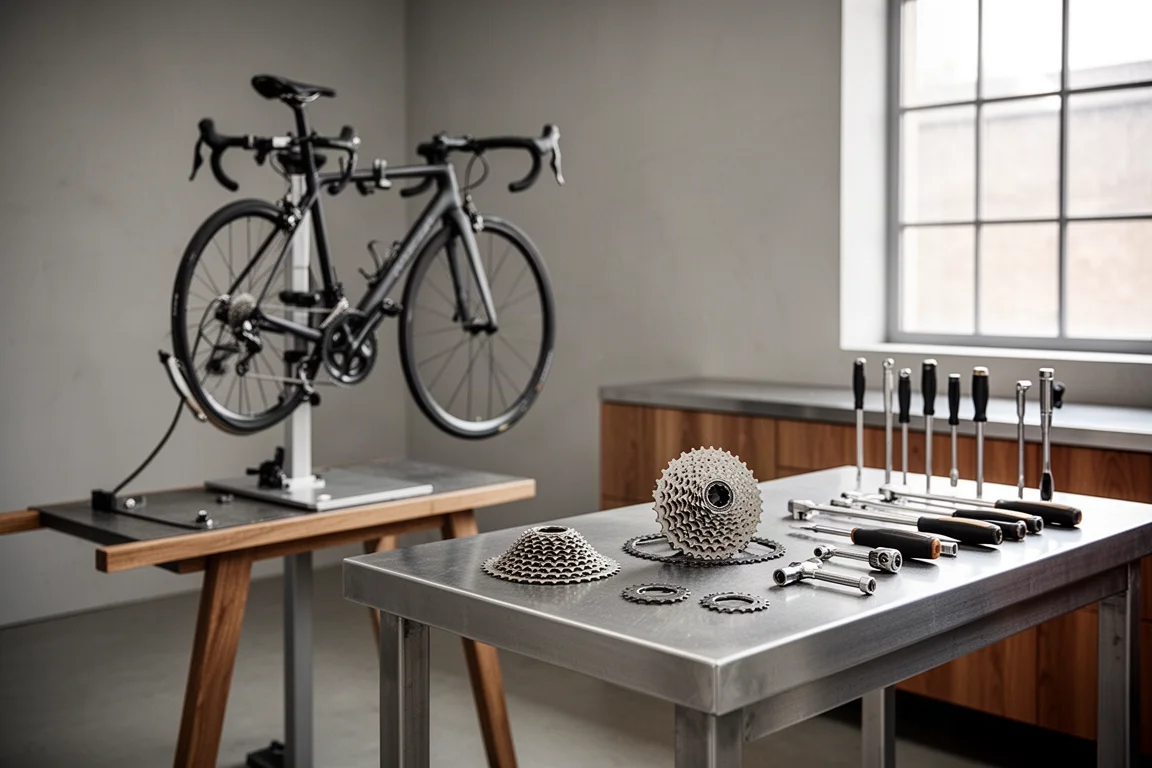
The test setup used a 46-tooth chainring paired with a 10-46 cassette. The comparison point was a conventional road double: a 50/34 compact chainset with an 11-30 cassette.
On paper the single-ring setup has the wider spread. Its overrange comes in at 460 percent against 401 percent for the typical double. In practice that means a genuinely easier climbing gear at the bottom while the top gear stays roughly the same. Riders who want more top end can go up to a 54 or 56-tooth chainring, and riders who want easier gears can drop to a 40 or 42.
That flexibility matters because chainring size is a personal choice, exactly as it is on a double. The range felt adequate across climbing, rolling roads, and high-speed efforts, with no sense of spinning out on descents or grinding an oversized gear on steep pitches.
Gear Steps and Cadence at Speed
Range is only half the story. The bigger question with a single ring is the size of the steps between sprockets and what those steps do to cadence.
The 10-46 cassette is best understood as a tightly spaced 10-38 block with a large bailout gear added on. The first sprockets run in single-tooth jumps through 10, 11, 12, and 13, then move to two-tooth jumps at 15, 17, 19, and 28 before opening up further toward the 46.
That tight middle and upper range is where most road riding happens, and it shows. On a 40 km group effort at close to 40 km/h, the gearing held up well, with cadence sitting naturally between 90 and 100 rpm. Only twice, on a short incline where the pace was being pushed from the front, did the gear choice feel slightly high or slightly low, and each stretch lasted around 100 metres before the next sprocket resolved it.
Chain Security and Durability
Removing the front derailleur takes one common failure out of the equation. Dropped chains are a regular feature of rough racing, and a chain that comes off at the wrong moment can end a day outright.
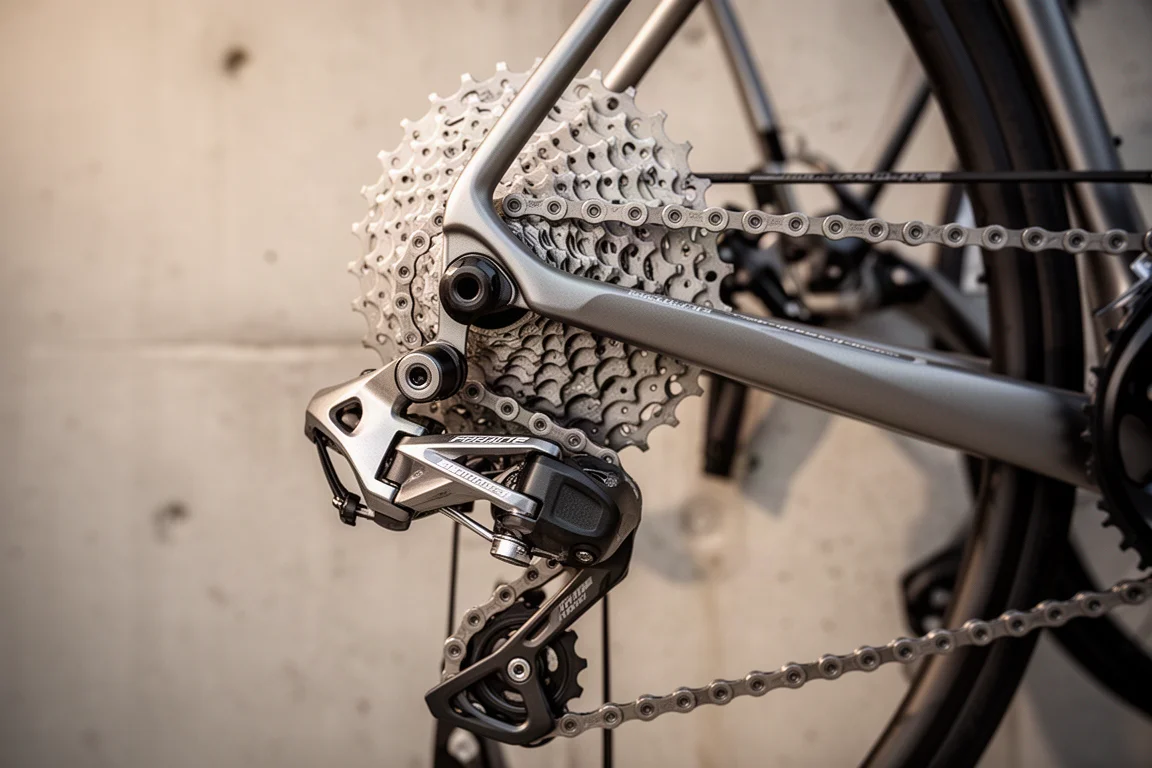
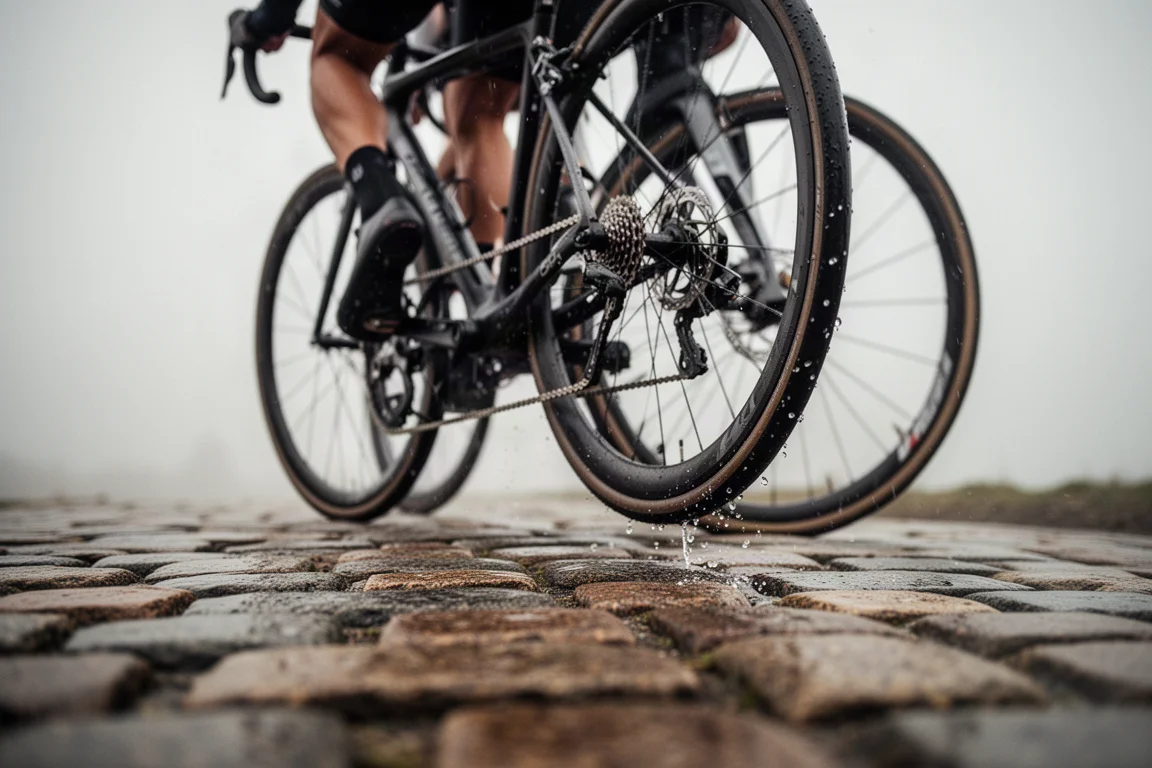
The rear derailleur helps here too. It uses a clutch mechanism borrowed from mountain bike design to limit chain bounce and keep the chain seated on the sprockets. Teams racing the cobbled classics on this groupset have pointed to exactly this combination of load handling and chain retention when explaining the switch, and winning in those conditions is a reasonable test of any drivetrain.
Things to Consider Before Buying
Two practical points deserve attention before committing.
The first is cost. This sits at the top of the range and is expensive. There is no budget route into 13-speed single-ring road riding at the moment.
The second is frame compatibility. The groupset requires a UDH dropout, and the number of road bikes that meet that requirement today is small. A handful of models can take it, and only a very limited number are available with the groupset fitted as stock. That picture should change as more manufacturers move their road frames over to UDH, with wider availability likely over the next 6 to 18 months. If you are buying a frame now, check compatibility first.
The Marginal Gains Trade-Off
Laboratory testing puts the efficiency cost of a single-ring setup somewhere between one and six watts, depending on the study. The losses come from the smaller chainring, the 10-tooth sprocket, the chain angle in extreme gears, and the narrow-wide tooth profile.
On the road, that gap is hard to feel. There was no sense of needing extra power to hold speed, cross-chaining in the easiest gears caused no trouble, and the 10-tooth sprocket still supported hard efforts above 50 km/h. Most riding sits in the middle and upper third of the cassette, where the chain line is straight and the larger sprockets are doing the work.
Riders chasing every marginal gain will still want a double. Riders who want a single ring and ride for the enjoyment of it are unlikely to notice the difference.
Buying Advice
The honest position is that both systems are good, and the right answer depends on the riding you do.
SRAM’s two-by Red groupset remains excellent, with front shifting that is genuinely refined and a full spread of chainring and cassette options. If you race, if you ride somewhere very flat and fast, or if drivetrain efficiency is a priority, a double is still the safer choice.
If you want a single-ring road bike, this is the most viable option available so far. It delivers a wider overall range than a typical compact double, keeps the gear steps tight where it counts, and removes the front derailleur along with its chain-drop risk. Start by confirming that your frame takes a UDH dropout, then choose a chainring size that matches your terrain and fitness.
Conclusion
Thirteen-speed single-ring gearing works on a road bike. The range is there, the steps between gears are close enough for fast group riding, and the chain security argument is real. It is expensive, it needs a compatible frame, and it gives away a small amount of efficiency in the lab.
None of that makes it the right choice for everyone. What it does do is give riders who want one ring at the front a genuinely good option, without forcing anyone to give up their front derailleur. Choice is the useful part.
Product link
View more details for SRAM Red XPLR 1x13 Groupset
This product is mentioned in the review. Check the specifications, options, and compatibility before buying.
View more details for SRAM Red XPLR 1x13 GroupsetFurther reading
Related Reviews
Cycling Components
A 20,000-Mile Budget Race Bike Build: Five Parts Worth Knowing
A rim brake race bike assembled from low-cost components and ridden for 20,000 miles. Here is what delivered real speed, what caused problems, and what to weigh before copying the formula.
Cycling Components
7 Bike Fit Products Fitters Avoid: What to Check Before You Buy
Seven bike components that regularly cause knee, foot and saddle problems, with the specific concerns behind each one and what to look for instead.
Cycling Components
Four Affordable Bike Upgrades That Improve Ride Feel
Four low-cost cycling products that make a real difference to ride feel, plus the free setup changes worth trying first.