Cycling Components
SRAM Red XPLR 13-Speed Review: A Real Step Forward With One Big Catch
A long-term look at the SRAM Red XPLR 13-speed groupset, covering the direct mount rear derailleur, 13-speed gearing, revised hoods, and the frame compatibility catch.
Introduction
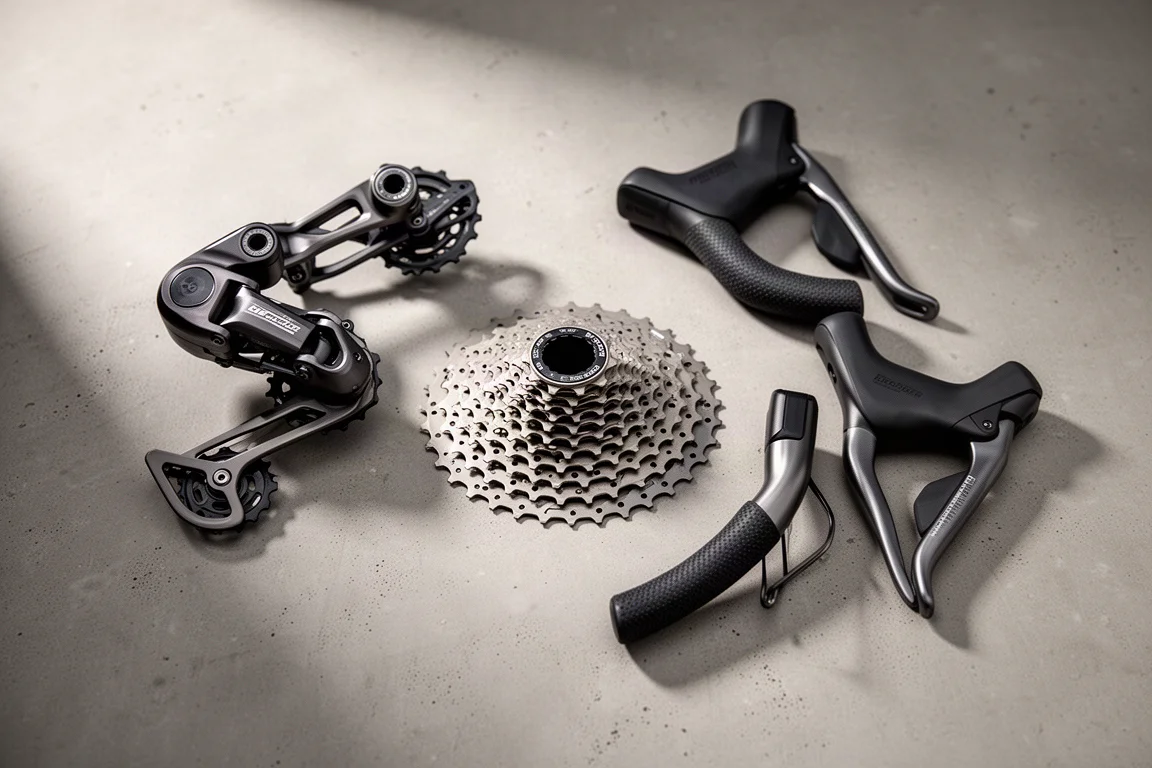
The SRAM Red XPLR 13-speed groupset is the most significant rethink of the rear derailleur in years, and it begins by removing a part most riders barely notice. Rather than bolting the derailleur to a frame-mounted hanger, it mounts directly to the frame through a Universal Derailleur Hanger dropout. That interface is controlled end to end, so the alignment between derailleur and cassette is set by design rather than left to the variability of individual frames.
The result is a drivetrain that is harder to knock out of shape and far quicker to set up. After six months of riding on gravel, mud, wet tarmac and everything in between, shifting has stayed exactly as it was on the first day, with no indexing adjustments and no hanger to straighten.
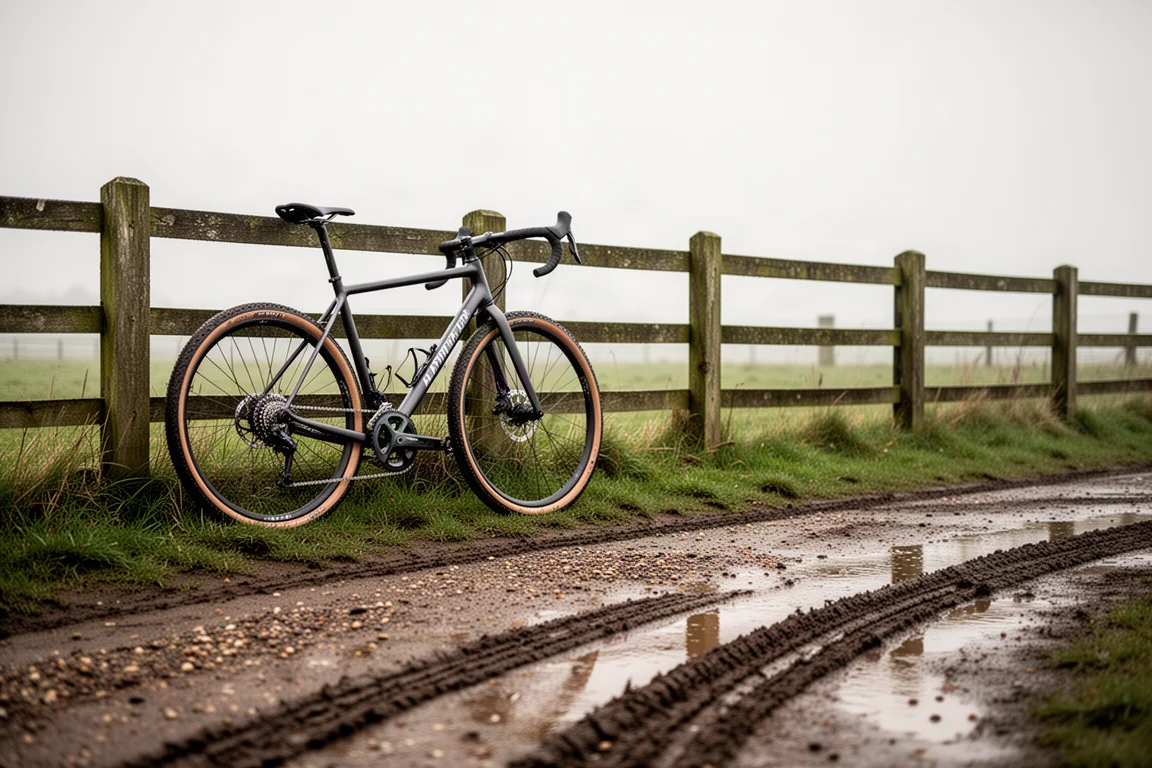
That reliability is the core of the pitch, but it is not the whole story. The 13-speed cassette, the revised hoods and the brake levers all shape how the groupset feels in use, and the compatibility requirements matter just as much as the performance gains.
Who This Groupset Is For
This groupset makes most sense for riders who are already buying a new frame or a complete bike. Because the derailleur needs a Universal Derailleur Hanger dropout, it cannot be fitted to a frame that lacks one, and that rules out a large share of bikes currently in garages.
If you are shopping for a new gravel bike, the calculation changes. Many recently launched frames now use the Universal Derailleur Hanger standard, which means the groupset can be specced from new and the durability benefits arrive without any extra compatibility cost.
It also suits riders who have grown tired of hanger maintenance. Anyone who has travelled with a bike, packed it into the back of a car, or replaced a bent hanger mid-season will recognise the appeal of a system that removes that failure point entirely.
Main Strengths
Direct Mount and a More Robust Rear Derailleur
The rear derailleur is visibly chunkier than a conventional unit, and it is built from more serviceable parts. Where a traditional derailleur is often written off after a heavy impact, this design is intended to absorb the hit and keep working.
Testing that pushed the derailleur to its limits showed the same pattern. Under extreme load a replaceable section of the parallelogram gave way, and once that part was swapped the derailleur returned to normal operation. The frame itself was never at risk, which is the outcome the design is aiming for.
Setup is simpler too. There is no indexing to dial in and no B screw to set, because the derailleur position and the cassette position are fixed by the direct mount interface. Fit it, and the alignment is already correct.
Shifting Performance and Under Load
Shifting is quick and immediate on both this groupset and the previous 12-speed XPLR, but the newer system is a little sharper and more precise. The tighter connection between derailleur and frame means less of the motor’s effort is lost to flex before the chain actually moves.
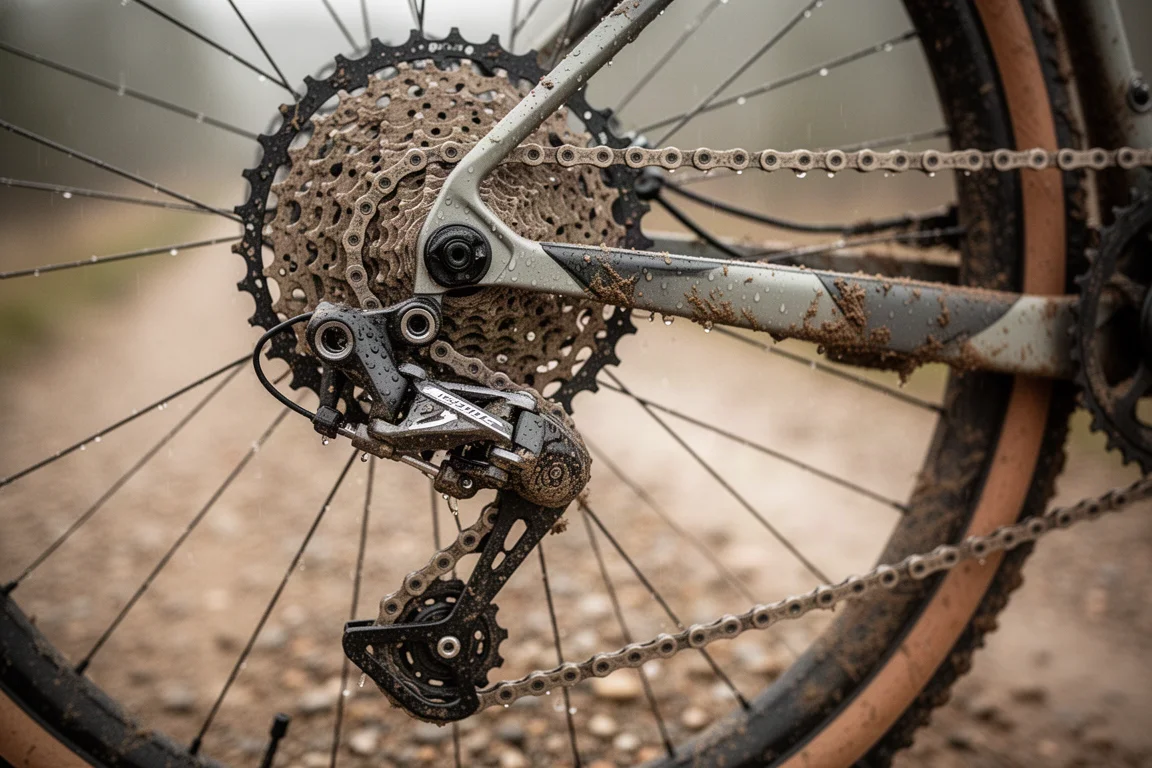
The difference is most obvious under load. Shifting into a climb, taking two gears at once, or changing gear with a cassette packed with mud all happen without crunching or hesitation. Shift speed has also improved compared with earlier wireless transmission systems, and it now matches or slightly betters the outgoing 12-speed XPLR.
Gear Ratios and the Extra Sprocket
The cassette on test runs from 10 to 46 teeth. That is a modest step up from the 10-44 of the previous generation, but it is noticeable on steeper climbs and closes some of the gap to a 10-52 mountain bike cassette. For genuinely mountainous terrain a 10-52 remains the more comfortable option, though the 10-46 covers the vast majority of gradients most riders will meet.
The bigger story is the move from 12 to 13 speeds. The extra sprocket delivers a wider overall range with smaller jumps between gears, which makes it easier to hold a comfortable cadence instead of settling for a gear that is slightly too hard or slightly too easy.
Just as importantly, the sprocket spacing and chain thickness are unchanged from 12-speed. The chain is not narrower and not more delicate, so the extra gear does not come with a durability penalty.
Hoods, Ergonomics and Brakes
The hoods are the standout feature. They are slim and narrow, with a longer shape that sits comfortably in the hand and a smooth rubber surface that feels secure without being sticky. Riders who move between different groupsets will notice the difference straight away.
The brake levers are equally impressive. They require very little force, which makes one or two finger braking easy, and the lever feel is light and free of the heaviness that older systems can carry. The brakes are not dramatically more powerful in absolute terms, but the power is easier to reach, which amounts to the same thing on a loose descent.
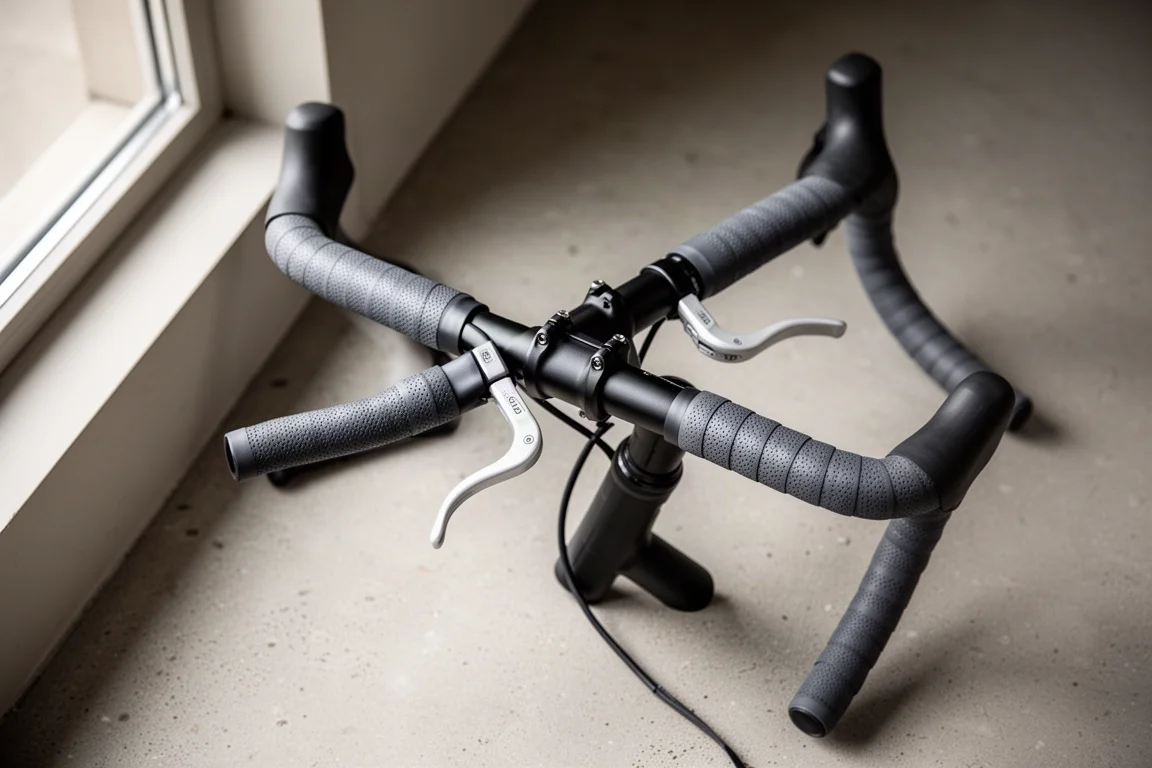
That combination matters most off road, where staying on the hoods through rough, skidding terrain is common. Easier access to braking control translates directly into more confidence when grip is limited.
Things to Consider Before Buying
Compatibility is the first hurdle. The groupset is not backwards compatible with frames that do not have a Universal Derailleur Hanger dropout, and while that standard is spreading quickly, most bikes on the road today do not have it. For many riders this means a new frame or a new bike alongside the groupset.
Price is the second. This sits at the very top of the range, at a level where a complete bike becomes a realistic alternative, and the value argument is difficult to make against a full build with a lower-tier wireless groupset. As with most new technology, the expectation is that the design will filter down to more affordable tiers over time.
There are smaller compromises as well. The 10-46 cassette is not the equal of a 10-52 for genuinely mountainous riding, and the gains over the previous 12-speed XPLR are refinements rather than transformations. The 12-speed system still shifts extremely well.
Buying Advice
If you are building a new gravel bike around a frame with a Universal Derailleur Hanger dropout and you want the most durable, simplest drivetrain available, this is an easy recommendation. The direct mount design removes a genuine weak point, and the setup process is about as painless as drivetrain installation gets.
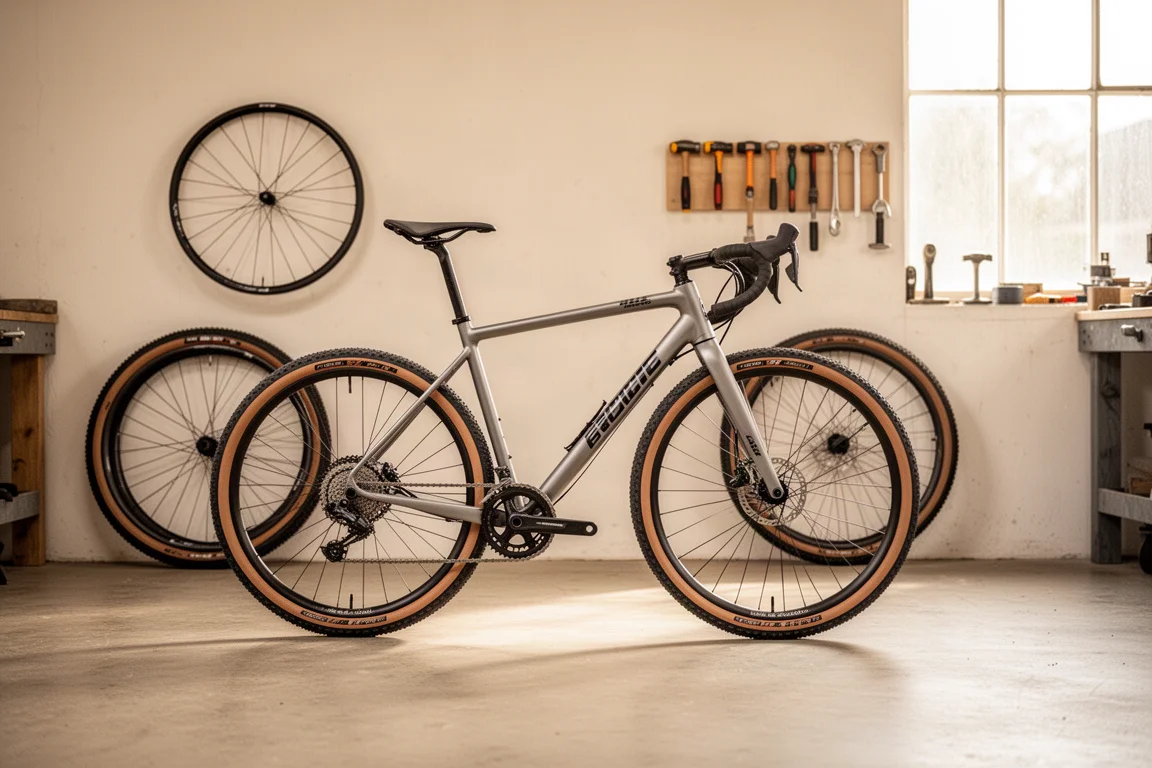
If you already own a capable gravel bike without that dropout, there is little reason to change frames just to access this groupset. The previous generation remains quick, reliable and considerably cheaper, and it is the more sensible purchase for most riders.
The groupset also works well on tarmac. It has been used as a road setup through the winter months, and with the right tyres it makes a convincing all-road drivetrain. Frames with the Universal Derailleur Hanger dropout are starting to appear in road ranges, so a road-focused version of this approach is a reasonable expectation in time.
Conclusion
The SRAM Red XPLR 13-speed groupset is a genuine step forward. The direct mount rear derailleur is tougher, the setup is simpler, the gear steps are smoother, and the hoods and brake levers are the best in the range. Six months of hard use without a single indexing adjustment is a strong argument on its own.
The catch is just as clear. It needs a frame built for it, and it costs enough that a complete bike is a fair comparison. For riders already buying a new frame with the right dropout, that trade is worth making. For everyone else, waiting for the technology to reach more accessible tiers is the more practical route.
Product link
View more details for SRAM Red XPLR 13-Speed Groupset
This product is mentioned in the review. Check the specifications, options, and compatibility before buying.
View more details for SRAM Red XPLR 13-Speed GroupsetFurther reading
Related Reviews
Cycling Components
A 20,000-Mile Budget Race Bike Build: Five Parts Worth Knowing
A rim brake race bike assembled from low-cost components and ridden for 20,000 miles. Here is what delivered real speed, what caused problems, and what to weigh before copying the formula.
Cycling Components
7 Bike Fit Products Fitters Avoid: What to Check Before You Buy
Seven bike components that regularly cause knee, foot and saddle problems, with the specific concerns behind each one and what to look for instead.
Cycling Components
Four Affordable Bike Upgrades That Improve Ride Feel
Four low-cost cycling products that make a real difference to ride feel, plus the free setup changes worth trying first.