Road Bike Components
SRAM Red AXS vs Shimano Dura-Ace Di2 R9200: Which Top-Tier Road Groupset Wins?
SRAM Red AXS and Shimano Dura-Ace Di2 R9200 compared on weight, shifting, braking, ergonomics, batteries, power meters and price, with clear advice on which groupset suits which rider.
Introduction
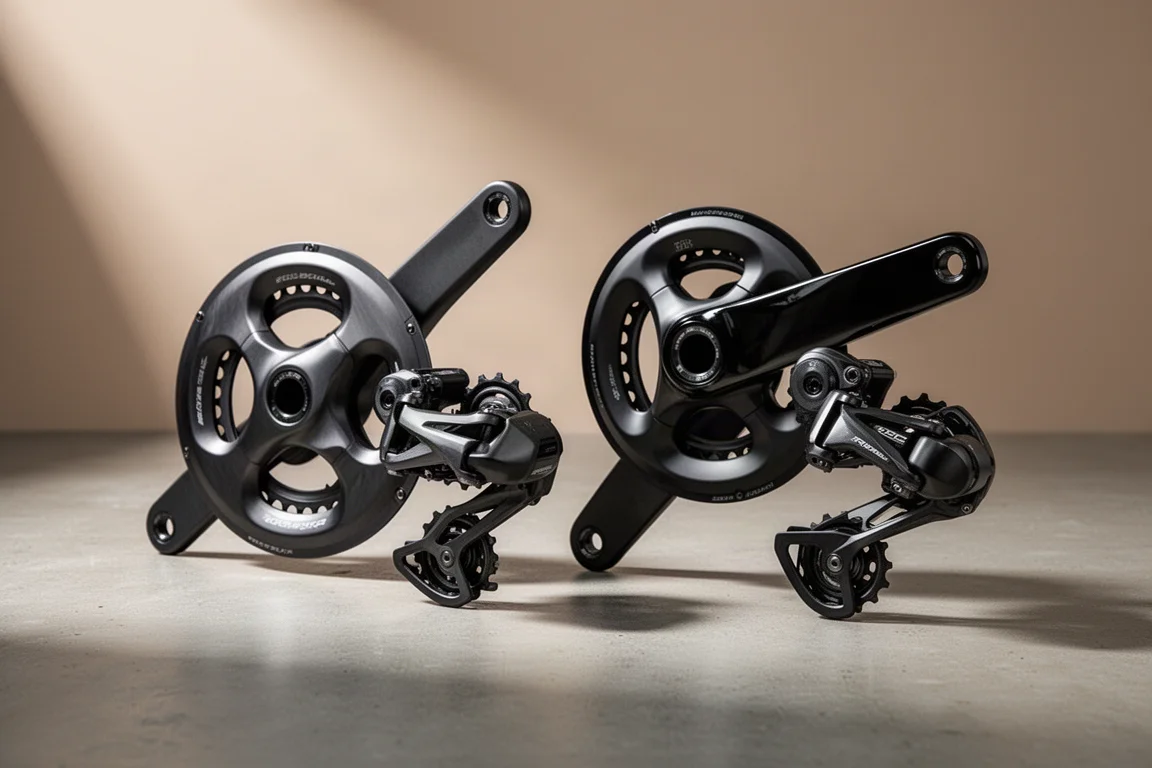
Two of the closest-matched electronic road groupsets on the market are SRAM Red AXS and Shimano Dura-Ace Di2 R9200. Both sit at the top of their respective ranges, both pair hydraulic disc brakes with electronic shifting, and both sit in the same premium bracket. The real differences come down to a handful of specific priorities: weight, shift speed, brake feel, hand position, battery handling and power meter design.
SRAM Red AXS is the lightest road disc brake groupset SRAM has ever produced, with a 154 g saving over the previous generation Red. Shimano Dura-Ace Di2 R9200 had held the lightest disc brake groupset crown since its launch in the summer of 2021, at 2,578 g for a full groupset. This guide works through where each system wins, where each one still gives something away, and which rider each groupset suits.
What Matters in a Top-Tier Groupset
At this level there is no such thing as a poor groupset, so the comparison has to be made on details that show up over thousands of kilometres. Weight matters most to riders who climb. Shift quality matters to anyone racing or riding in a group. Braking matters to everyone. Ergonomics decides which lever shape suits your hands and your riding position.
Then there is the practical side: how batteries are charged and swapped, how the companion app behaves, whether the power meter measures left and right output or estimates it, and what a complete system costs.
Because complete bikes rarely let you choose a groupset in isolation, the smarter approach is to identify which of those priorities you actually feel on your rides, then pick the groupset that serves them best. The rest of this comparison does exactly that.
SRAM Red AXS: Weight and Hardware Changes
SRAM Red AXS is the lightest road disc brake groupset the company has produced, and it saves 154 g over the previous generation Red. Most of that comes from a brake and shifter redesign that alone accounts for 90 g. The new brake caliper is a two-piece alloy system that is bolted together, and it is both lighter and a considerably better performer than the unit it replaces.
Elsewhere, a carbon fibre lower cage and redesigned jockey wheels shave 12 g from the rear derailleur, the power meter cranks lose around 29 g, and a redesigned chain with cutouts saves a further 12 g. Individually these are small numbers. Together they explain how SRAM closed the gap.
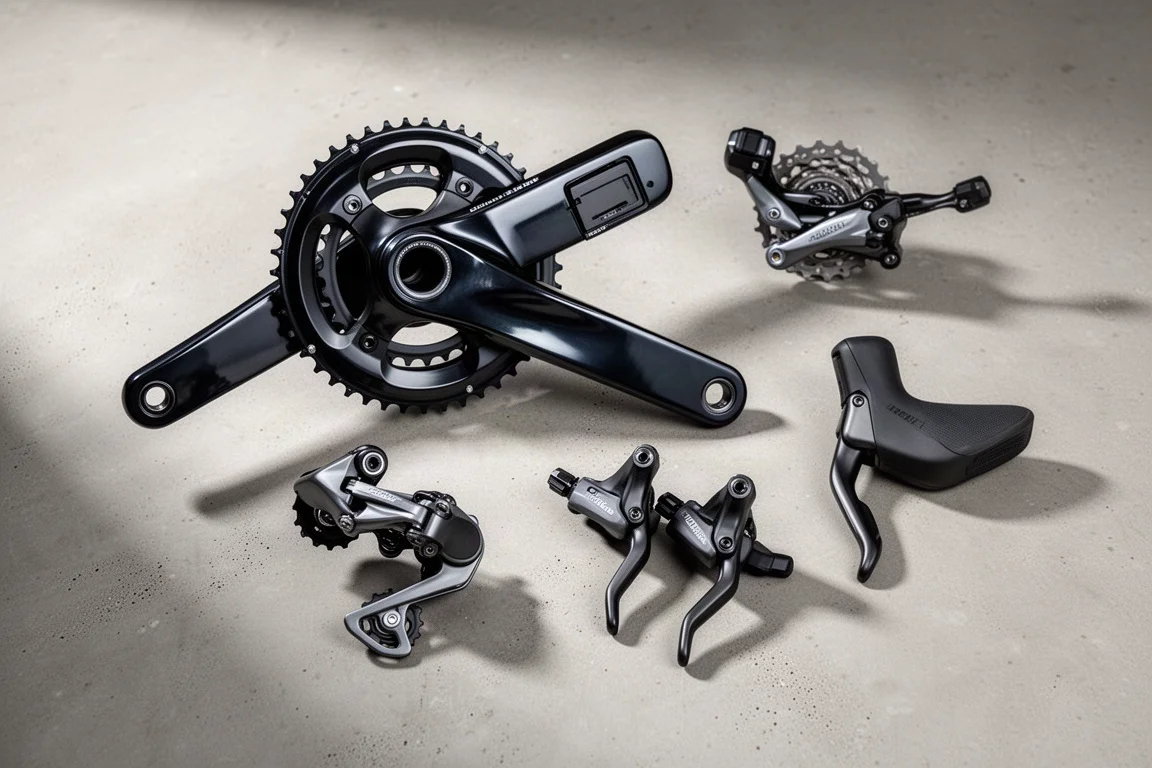
On the scales, a complete SRAM Red AXS groupset comes in at 2,496 g when specified with a 10-28 cassette and 48/35 semi-compact chainrings. The equivalent Shimano Dura-Ace Di2 R9200 groupset weighs 2,578 g with 52/36 power meter cranks, 140 mm front and 160 mm rear rotors and an 11-34 cassette. That puts SRAM ahead by nearly 100 g on comparable builds, and for riders who count grams on long climbs, that is the headline.
SRAM Red AXS: Shifting, Braking and Ergonomics
Shifting is historically the area where SRAM took the most criticism, particularly at the front derailleur, and the new Red addresses it directly. SRAM reduced the distance the front derailleur cage has to travel, which it says shortens shift time and improves shift reliability. In practice the difference in shift feel over the outgoing Red is negligible, partly because the internals carry over from the previous model, and occasional front misshifts still appear. The new front derailleur is more reliable than the older design, but it is not quite on Shimano’s level.
Shift speed is also shaped by SRAM’s DoubleTap system. Pressing both paddles at once changes the front derailleur, and because the system cannot know whether a second input is coming, Red waits around 80 milliseconds before committing to a shift type. That does not sound like much, but side by side with Dura-Ace it is noticeable.
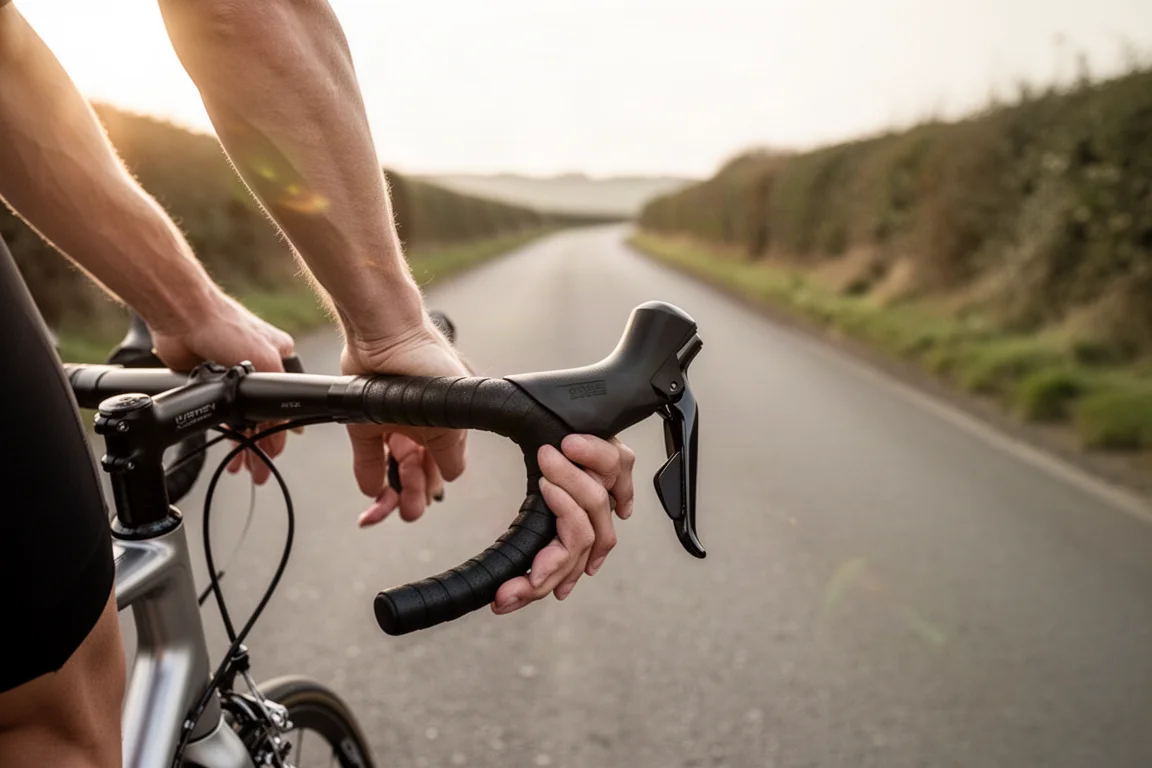
Braking is where the new Red makes its biggest leap. The master cylinder has moved into the body of the shifter where your hand sits, and the improved ergonomics let SRAM position the lever pivot much higher up. The result is a lighter brake feel. It remains a DOT fluid system, but at the caliper end the pistons have been moved slightly further up, which SRAM says improves braking performance. One-finger braking is now realistic in any hand position, whether on the hoods or in the drops.
Shimano’s brakes remain as reliable as ever and use mineral oil rather than DOT fluid, which is far kinder to skin if a spill happens and easier to live with for home mechanics. Even so, SRAM now leads on modulation, lever weight and stopping power by a clear margin.
Ergonomics are closer. On the hoods, the new SRAM shifters are comfortable, with a well-sized handhold that offers plenty of control, and the brake levers are slightly flared, which suits the increasingly common flared handlebars and works well for gravel riders. In the drops the levers feel great, and around 10 mm of reach adjustment helps riders with smaller hands. The weak point is the aggressive breakaway position on the hoods, where the lever shape makes the hoods harder to grasp. Button tactility is similar across both systems, and both are good enough that preference rather than performance decides it.
SRAM Red AXS: Batteries, Software and Power Meter
SRAM was the first brand to bring wireless shifting to the road, and the removable, interchangeable batteries remain one of the most useful features of the system. Charging runs through a USB hub, so there is no need to wheel a dirty bike through the house to a plug socket. If a battery runs flat mid-ride, swapping the two means you can keep at least one derailleur working.
SRAM has also added two extra shift buttons on top of the hoods where the thumbs sit, similar in concept to the auxiliary buttons on top of Shimano’s hoods. They can be programmed to change gear, change screens on Hammerhead cycle computers and more, although that functionality only works with Hammerhead bike computers and not with Garmin units. Both brands offer app integration, and SRAM’s software is a little more user friendly with a bit more customisation on offer.
Power meters differ in approach. SRAM’s is chainring mounted and uses a single strain gauge with an accuracy of plus or minus 1.5%, which means left and right power balance has to be estimated rather than truly measured. The trade-off is a design that has proven reliable over years of use. On price, a complete SRAM Red AXS groupset including rotors, chargers, batteries and power meters comes to around £4,248.
Shimano Dura-Ace Di2 R9200: The Shifting Benchmark
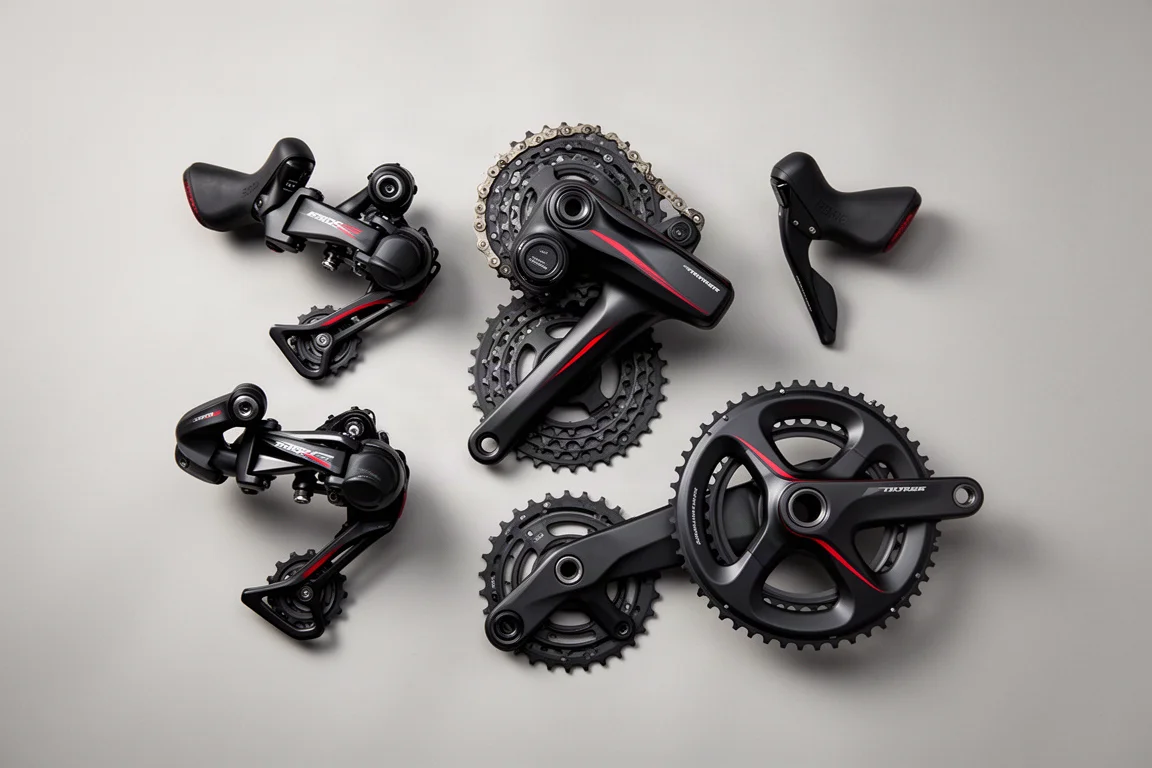
Shimano Dura-Ace Di2 R9200 launched in the summer of 2021 and took the title of lightest disc brake road bike groupset at 2,578 g, a figure that includes 52/36 power meter cranks, 140 mm front and 160 mm rear rotors and an 11-34 cassette. That reign has now ended on the scales, but shifting is a different story.
Hyperglide technology shifts up and down the cassette under pretty much any load without complaint, and at the front it hardly ever misses a shift from big ring to small ring. Where SRAM still shows the occasional front misshift, Shimano is close to faultless, and its shift speed is not slowed by the same 80 millisecond wait. For riders who race or ride in groups, that consistency is the reason shifting performance still goes to Shimano.
Shimano Dura-Ace Di2 R9200: Ergonomics, Finish and Power Meter
Shimano has built a reputation for groupset ergonomics over many years, and the R9200 shifters continue it. The shifter bodies are the right diameter to be easy to grip without feeling uncomfortably small, and the slightly inboard slanted hoods make it simple to settle into an aggressive racing position. The understated gloss black finish looks classy on almost any frame.
The auxiliary buttons sit on the very top of the hoods and can be programmed for functions such as changing screens on a bike computer. The power meter is crank based, with measuring units on both the left and right crank arm, so it calculates a true left and right power balance to plus or minus 1.5%. Both brands are close on paper here, and both offer app integration for setup and customisation.
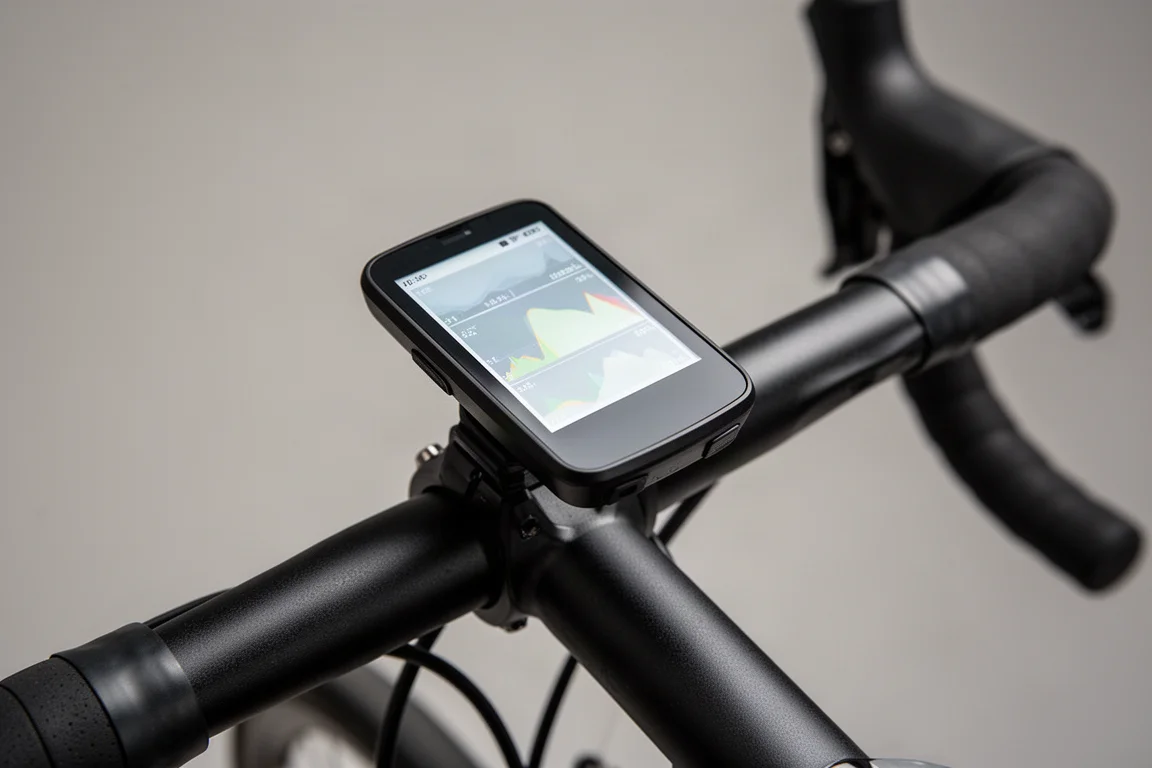
Price is effectively a tie. A full Shimano Dura-Ace Di2 R9200 groupset including rotors, chargers, batteries and power meters comes to around £4,281.87, only about £33 more than the SRAM equivalent. Very few riders buy a groupset on its own, and with such a small disparity, complete bikes from the two brands tend to land at the same price point. That makes the choice less about budget and more about which strengths you will actually notice.
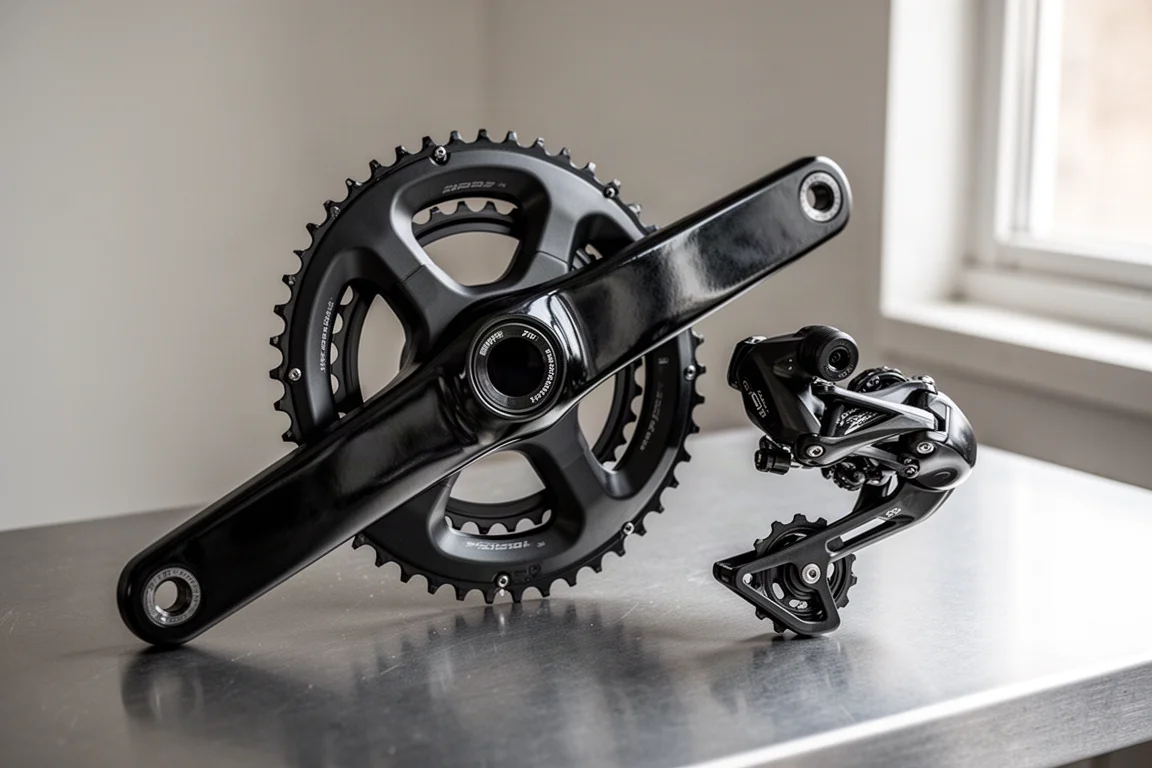
Buying Advice
Both groupsets are excellent, so the decision comes down to which strengths you value. If you want the lightest possible build, the strongest braking and the convenience of removable batteries that can be swapped mid-ride, SRAM Red AXS is the more compelling system. It is also the better pick for a gravel build, where the flared lever shape and comfortable hoods position suit wider bars and rougher surfaces.

If your priority is shift quality, Shimano Dura-Ace Di2 R9200 remains the benchmark. Its shifts are reliable under load, its front shifting is almost faultless, and the slanted hoods make an aggressive race position easy to hold for long stretches. Its braking is close enough to SRAM’s that it rarely decides the outcome on its own.
Taken as a whole, the deciding factor is shift quality. Shimano’s braking is close enough to SRAM’s, and its shifting is better, so Dura-Ace Di2 R9200 remains the overall pick. The gap, however, has narrowed considerably, and riders who prioritise braking feel, weight or battery handling will not go wrong with SRAM Red AXS.
Conclusion
These are two brilliant groupsets with genuinely different personalities. SRAM Red AXS wins on weight, braking performance, removable batteries and software, and it now holds the lightest disc brake road groupset title at 2,496 g. Shimano Dura-Ace Di2 R9200 wins on shift quality and race-ready ergonomics, with front shifting that is close to faultless and a crank-based power meter that measures true left and right balance.
With roughly £33 between the two full groupsets, price is not the deciding factor. If you race, ride in groups or simply want the most consistent shifting, Dura-Ace Di2 R9200 is the safer choice. If you climb, want the best brake feel available or prefer the flexibility of swappable batteries, SRAM Red AXS is the stronger system. Either way, the gap between them is far smaller than it once was.
Further reading
Related Reviews
Road Bike Components
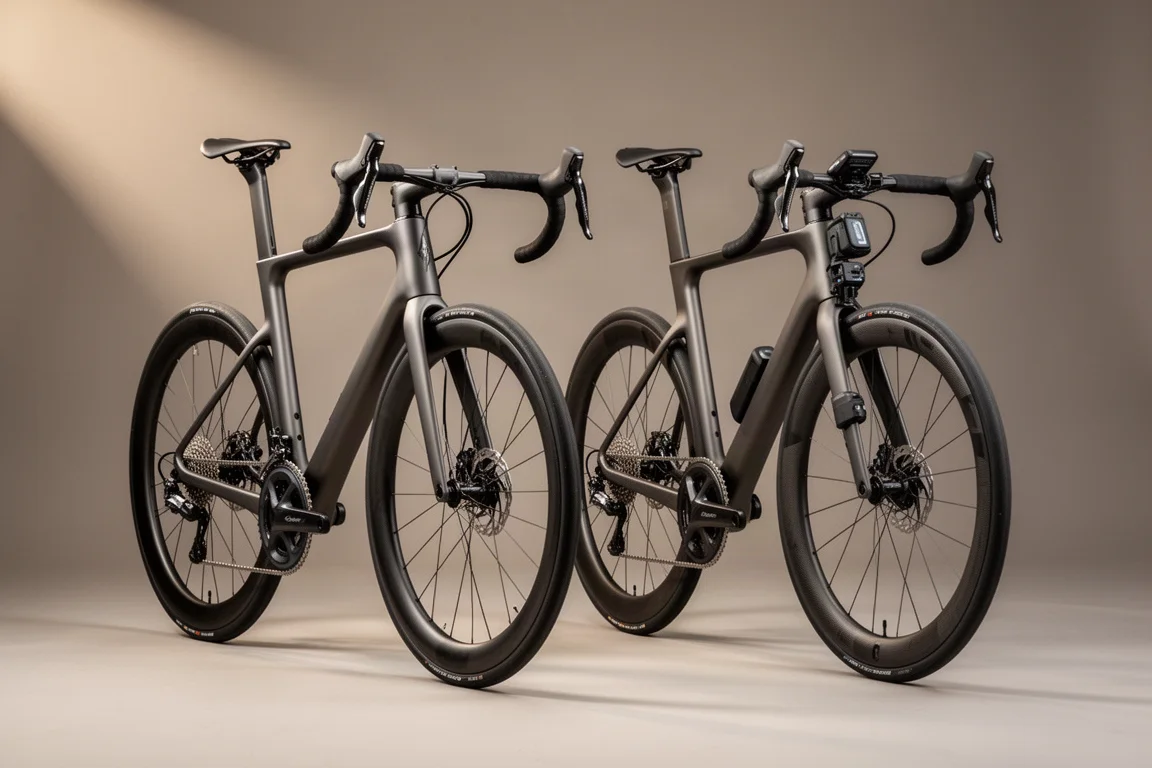
Budget vs Premium Road Groupsets: L2 RX and SRAM Red Compared
Two identical Scott Addict RC builds, one with an L2 RX groupset at around £300 and one with SRAM Red at around £3,000. What the price gap really buys.
Road Bike Components
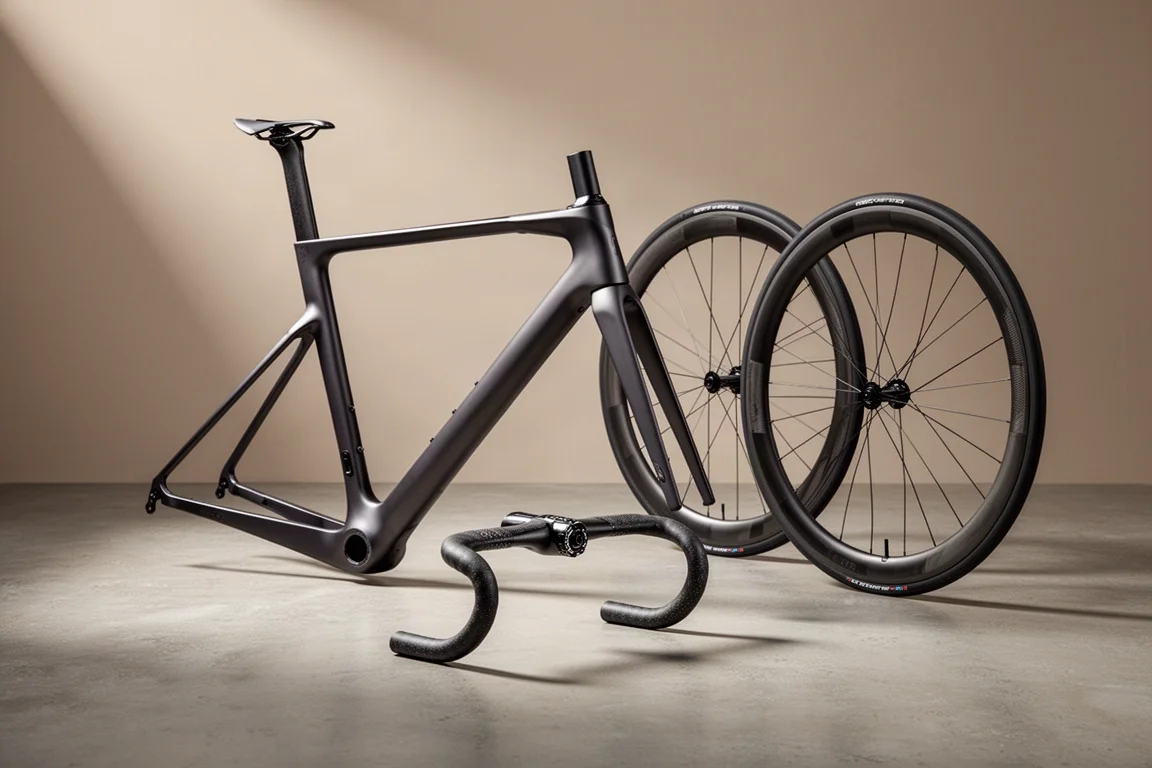
Chinese Aero Road Bike Parts Worth Considering: Incolor SSR, COLW HBR1, and Alchemist 8848s
A practical look at three narrow, lightweight road bike parts from the Chinese aero scene, what each one does well, and who should consider it.
Road Bike Components
Shimano Dura-Ace Di2 R9200 and C50 Wheelset: First Ride Impressions
A first ride on Shimano's 12-speed Dura-Ace Di2 R9200 groupset and the new C50 wheelset, covering shift speed, brake feel, hood ergonomics, and what the changes mean for buyers.