Road Bike Components
Chinese Aero Road Bike Parts Worth Considering: Incolor SSR, COLW HBR1, and Alchemist 8848s
A practical look at three narrow, lightweight road bike parts from the Chinese aero scene, what each one does well, and who should consider it.
Introduction
Three parts, one theme: narrow, light, and fast without turning the bike into a workshop project. The Incolor SSR frameset, the COLW HBR1 handlebar, and the Alchemist 8848s wheelset all come from the same corner of the road market, and each one makes a different set of trade-offs.
This roundup looks at what each part actually does, where it stands out, and which riders will get the most out of it.
What These Three Parts Have in Common
All three sit in the weight-conscious, aero-focused end of road cycling. They come from brands building for riders who care about frontal area, gram counts, and the small details that add up over a long ride.
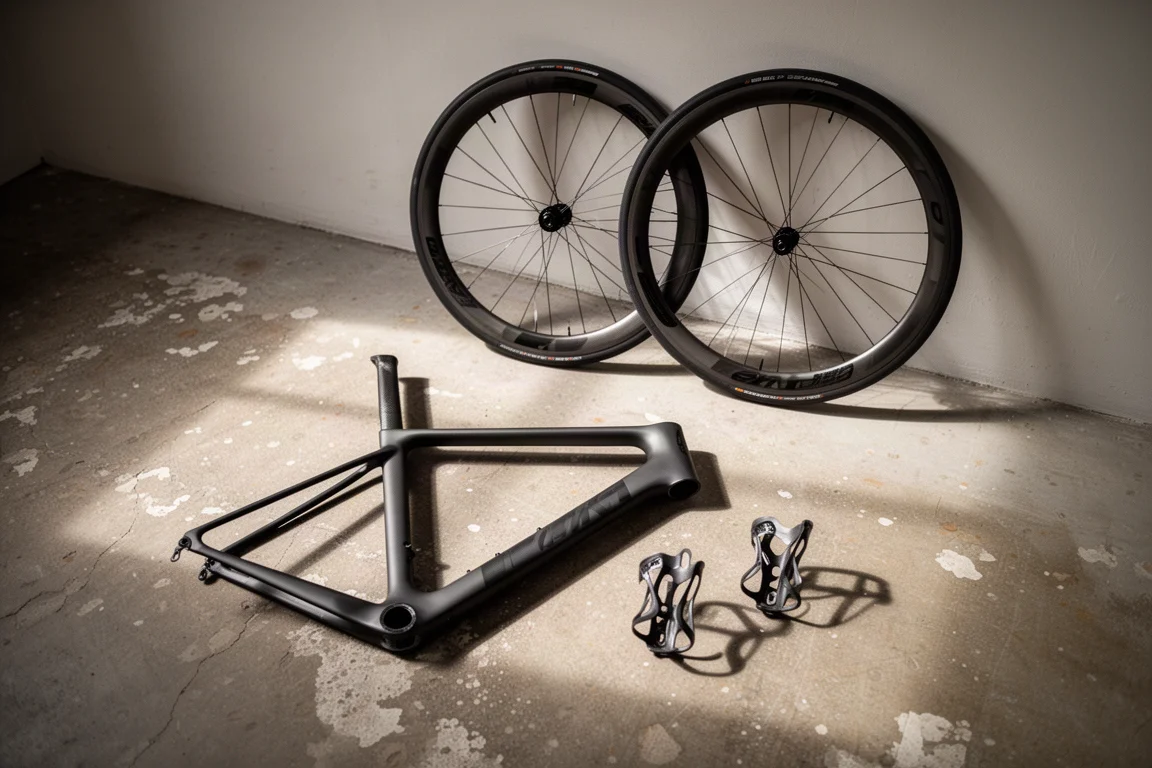
None of them chase outright stiffness at the expense of everything else. The frameset keeps familiar standards under the skin, the wheelset uses a deliberately low spoke count to soften the ride, and the handlebar range has moved toward more aero real estate rather than pure minimalism.
Incolor SSR: A Narrow Aero Frameset
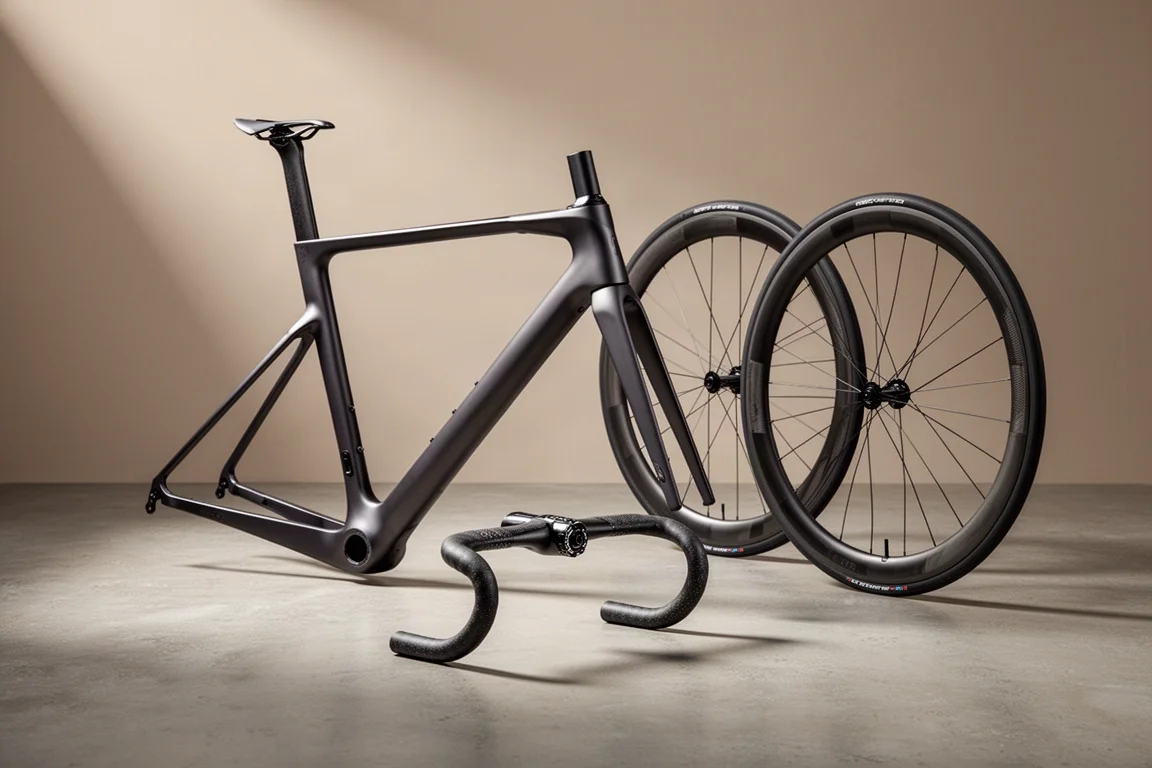
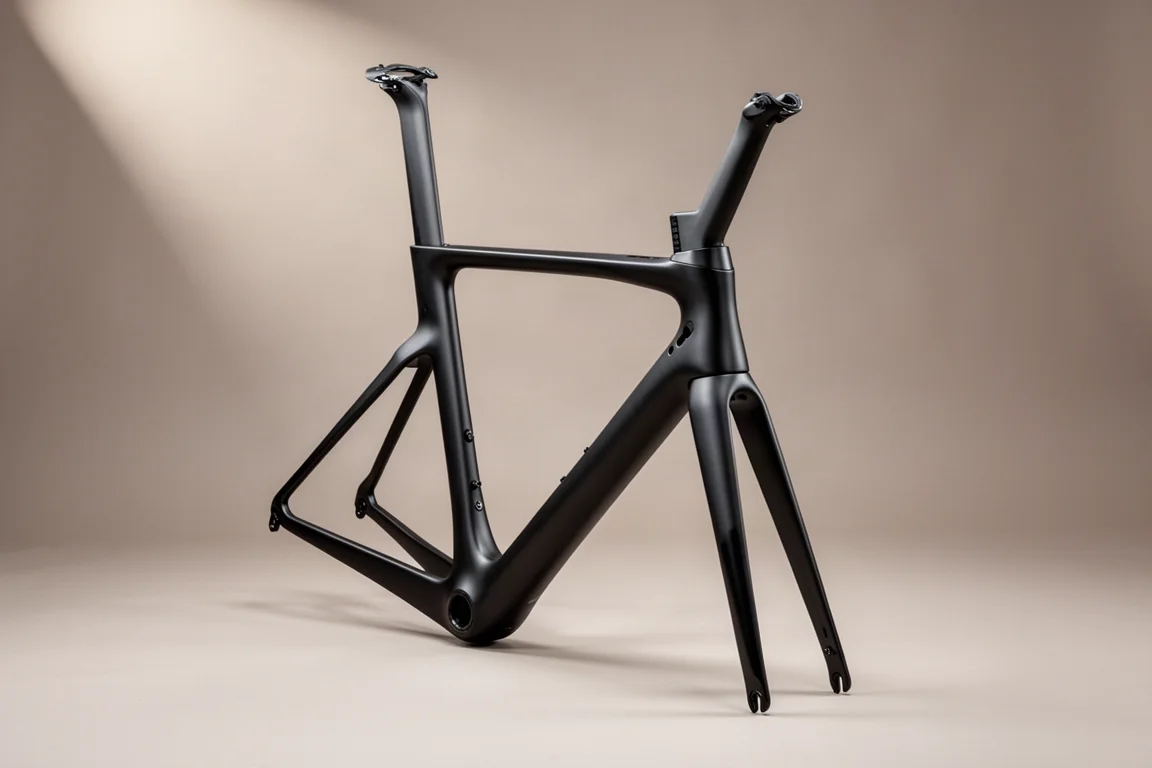
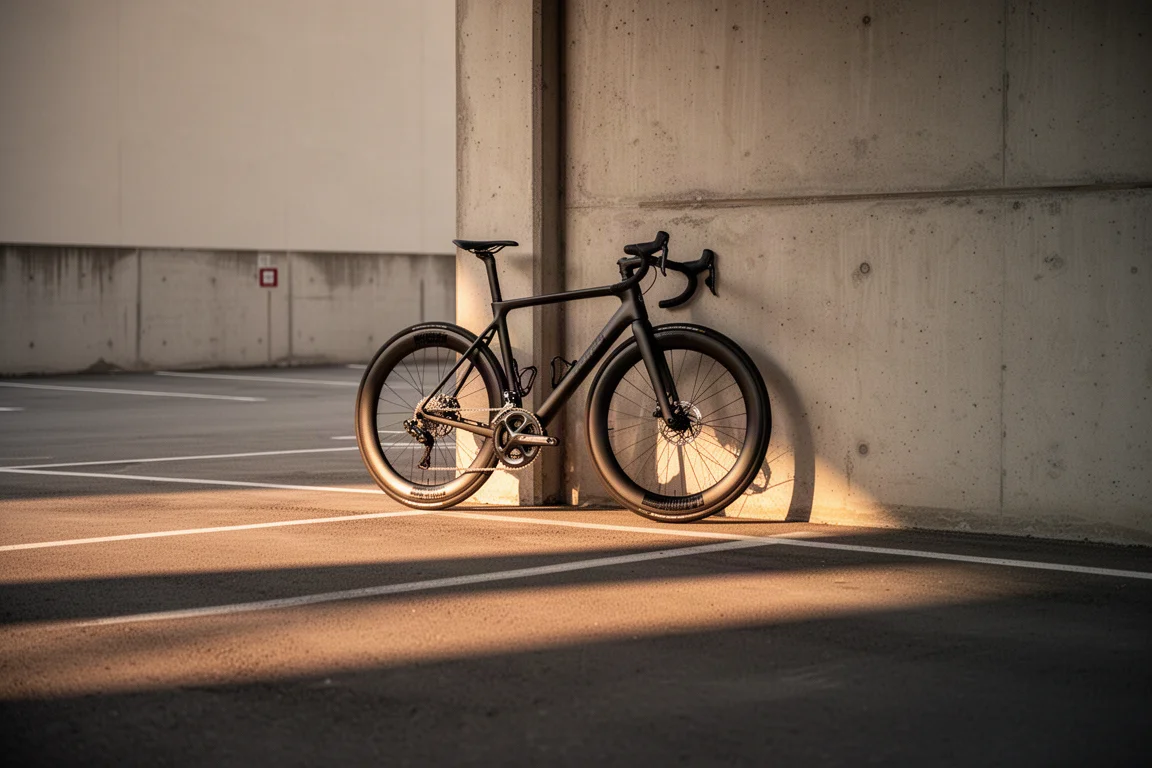
The Incolor SSR is a new frameset aimed squarely at the narrow-profile end of the aero market, sitting in the same conversation as bikes like the Y1RS, the Factor One, and the S5. Its headline trick is frontal area: measured from the front, the head tube is just 34 mm across, and an integrated seatpost keeps the silhouette slim from the saddle down.
The frame comes in six sizes, and any of those sizes can be ordered with custom geometry so the front end is made more or less aggressive. One 48 cm example with semi-custom geometry trimmed roughly 15 mm of stack and added a few millimetres of reach, putting the rider lower and longer without a tower of spacers.
Incolor also developed its own 600 ml aero bottles and matching cages around the frame, while regular bottles still fit for races and neutral service. It is a detail-led design rather than a single headline number.
COLW HBR1: A Popular Handlebar Platform
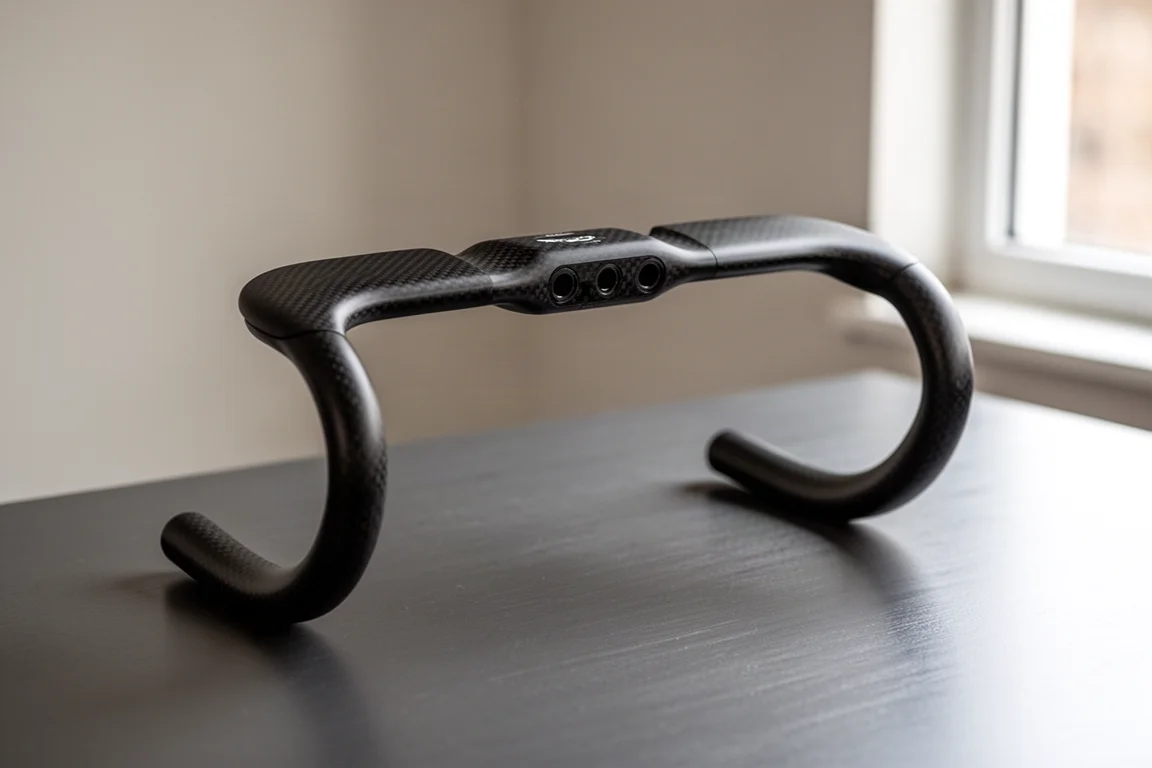
COLW started out making wheels and later moved into handlebars. The HBR1 was its previous model, and it became a genuinely popular choice among riders putting together aero builds.
The brand has since pushed further with a chunkier, more aero bar that adds usable real estate on the tops for an aero hoods position while still coming in around 280 g. That newer shape uses a built-in stem cap, which means no steerer spacers and a steerer that has to be cut to its final length before the bar is fitted.
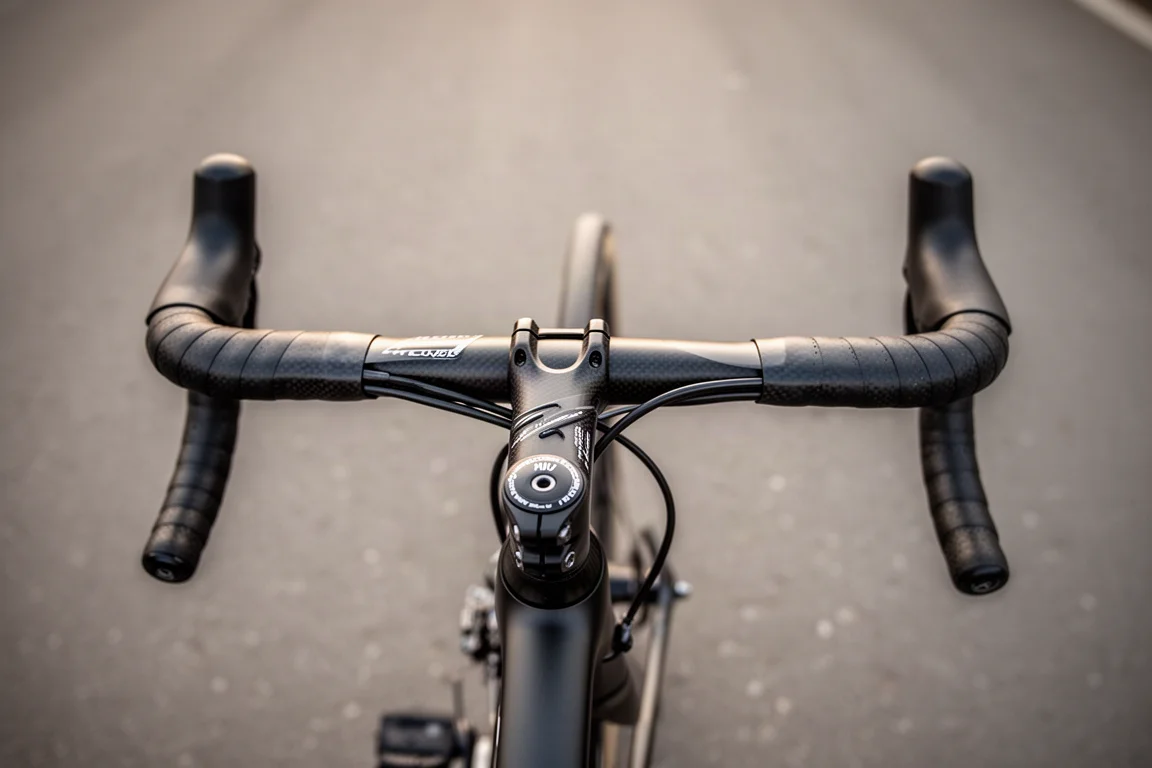
So the HBR1 represents COLW’s earlier, simpler approach, and it remains the model most riders will recognise. Anyone choosing between the two should weigh up whether the extra aero surface is worth giving up a more conventional setup.
Alchemist 8848s: Ultra-Light Climbing Wheels
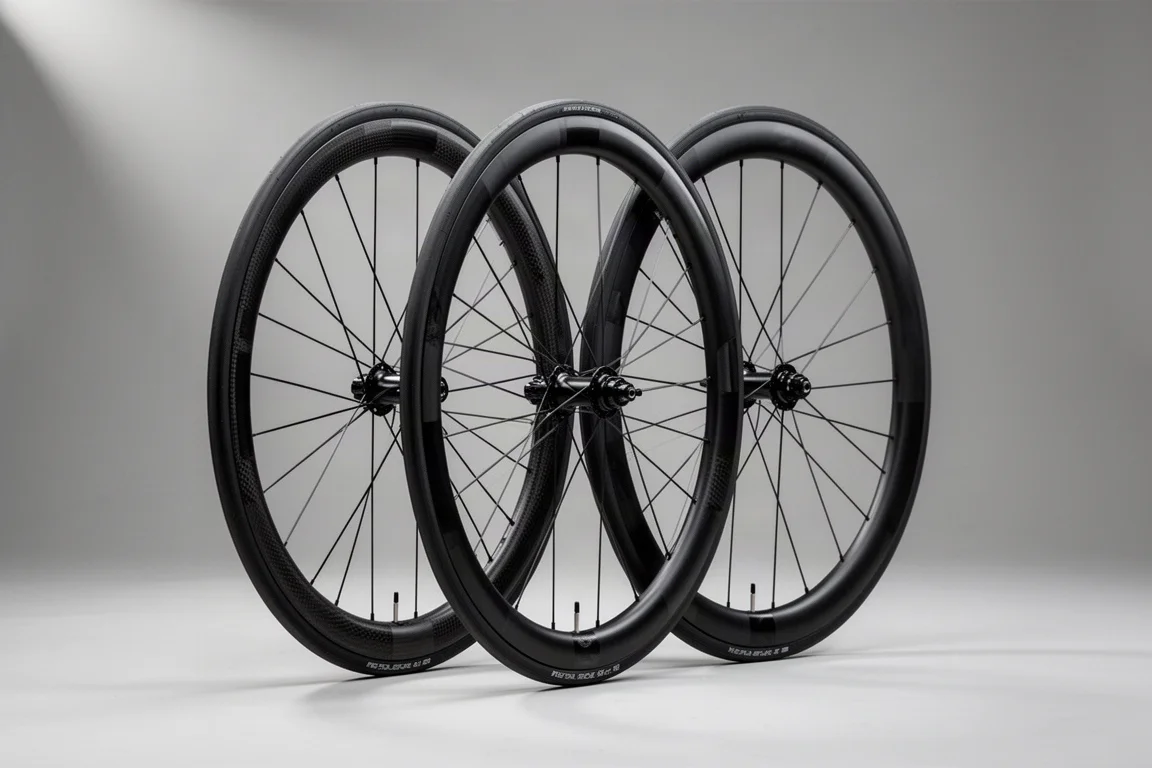
Alchemist is the in-house brand behind the 8848s, a climbing wheelset built because nobody else was making the shallow, ultra-light disc wheel its designer wanted. The name nods to both Mount Everest and the wheelset’s official weight: 884.8 g.
Spoke counts are deliberately low, with 16 spokes up front and 18 at the rear laced two-to-one. The intent is vertical compliance rather than maximum stiffness, so the wheels soak up road chatter instead of beating the rider up, while carbon spokes still make them feel snappy out of the saddle. The rims are hooked, not hookless.
The wheels are tuned for riders around 75 kg and below, and Alchemist has a deeper 50 mm prototype in development that uses the same hubs and spokes.
Fit, Tires, and Compatibility
Parts this focused only make sense if they fit properly. The Incolor SSR’s custom geometry option is the main lever here, since a more aggressive front end changes the stack and reach figures you need to plan around before ordering.
Wheel choice matters just as much. Lighter, shallower climbing wheels reward riders who spend their time on gradients, while deeper rims suit flatter, faster courses. Low spoke counts and hooked rims help keep the ride civilised, but the recommended rider weight range is worth checking carefully before committing.
Weighing Weight Against Real-World Use
A sub-6 kg build is impressive on a scale, but the parts here are not purely about numbers. The frameset keeps standard brake and through-axle fitments along with a UDH derailleur hanger, which makes long-term ownership simpler than a fully proprietary design.
The same logic applies to the wheels and cockpit: comfort, serviceability, and rider fit sit alongside raw weight and drag. Riders who value those qualities as much as speed will get more from parts like these than riders chasing a single figure.
Overall Buying Advice
Start with the frame, because geometry decides everything else. If you want a very narrow aero profile and the flexibility of custom front-end geometry, the Incolor SSR is the natural anchor for a build like this.

From there, choose the handlebar that matches your position goals and the wheels that match your terrain. It is also worth being honest about rider weight and the roads you actually ride before buying an ultra-light wheelset, since the lightest option is not automatically the right one for every rider.
Conclusion
These three parts show how far the aero and lightweight end of road cycling has come. The Incolor SSR delivers a narrow, detail-led frameset with genuine fit options, the COLW HBR1 is a proven cockpit from a brand that keeps evolving its aero shapes, and the Alchemist 8848s shows that a sub-900 g climbing wheel can still be ridden hard.
Match each part to your body, your terrain, and your appetite for proprietary design, and a fast build becomes a bike you genuinely want to ride.
Further reading
Related Reviews
Road Bike Components
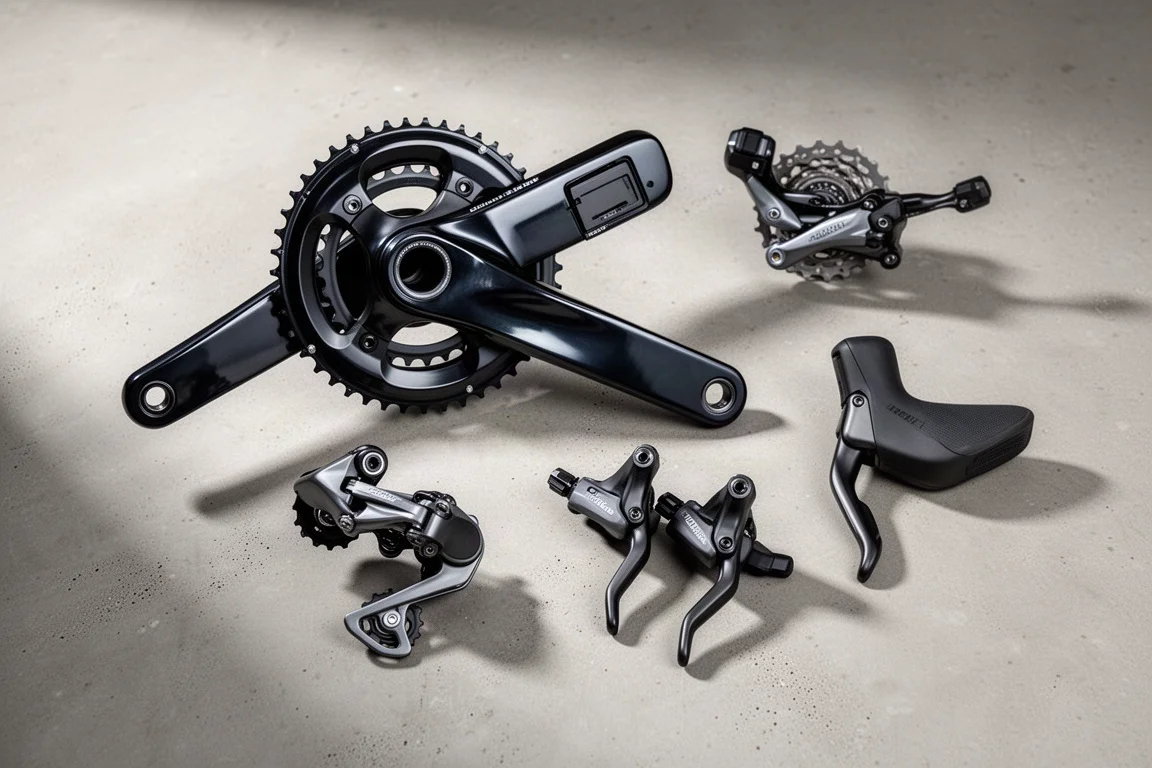
Budget vs Premium Road Groupsets: L2 RX and SRAM Red Compared
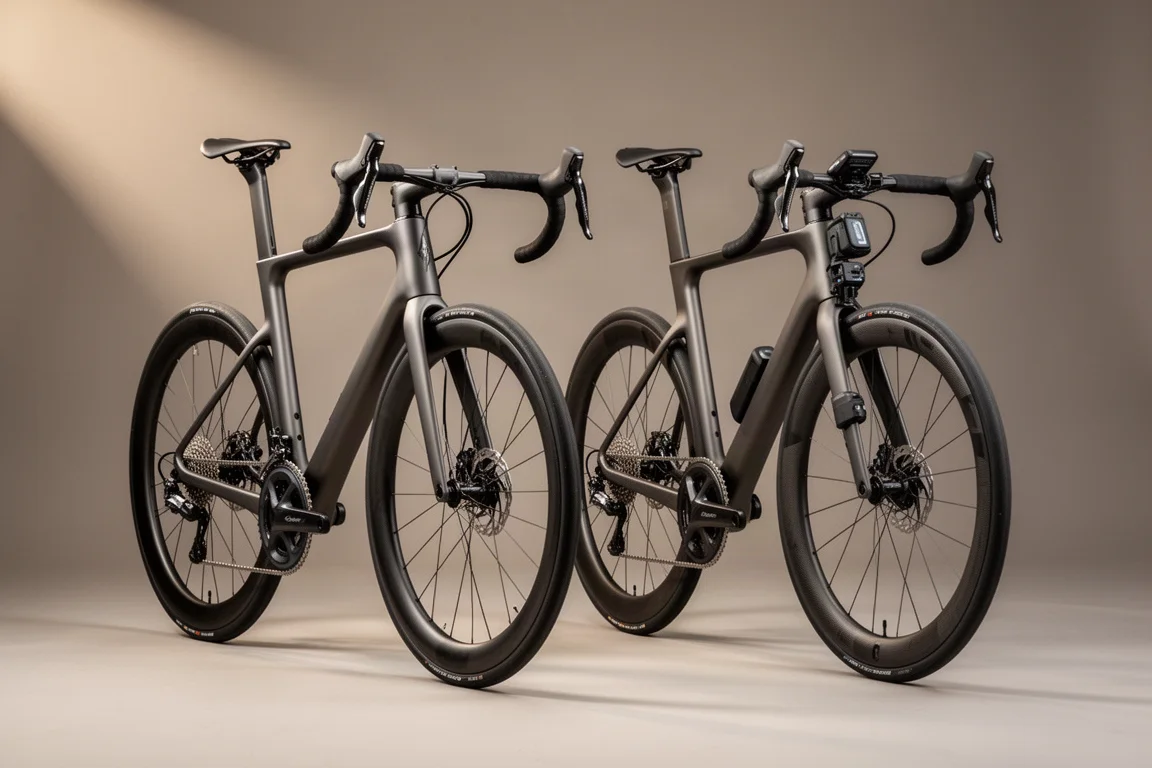
Two identical Scott Addict RC builds, one with an L2 RX groupset at around £300 and one with SRAM Red at around £3,000. What the price gap really buys.
Road Bike Components
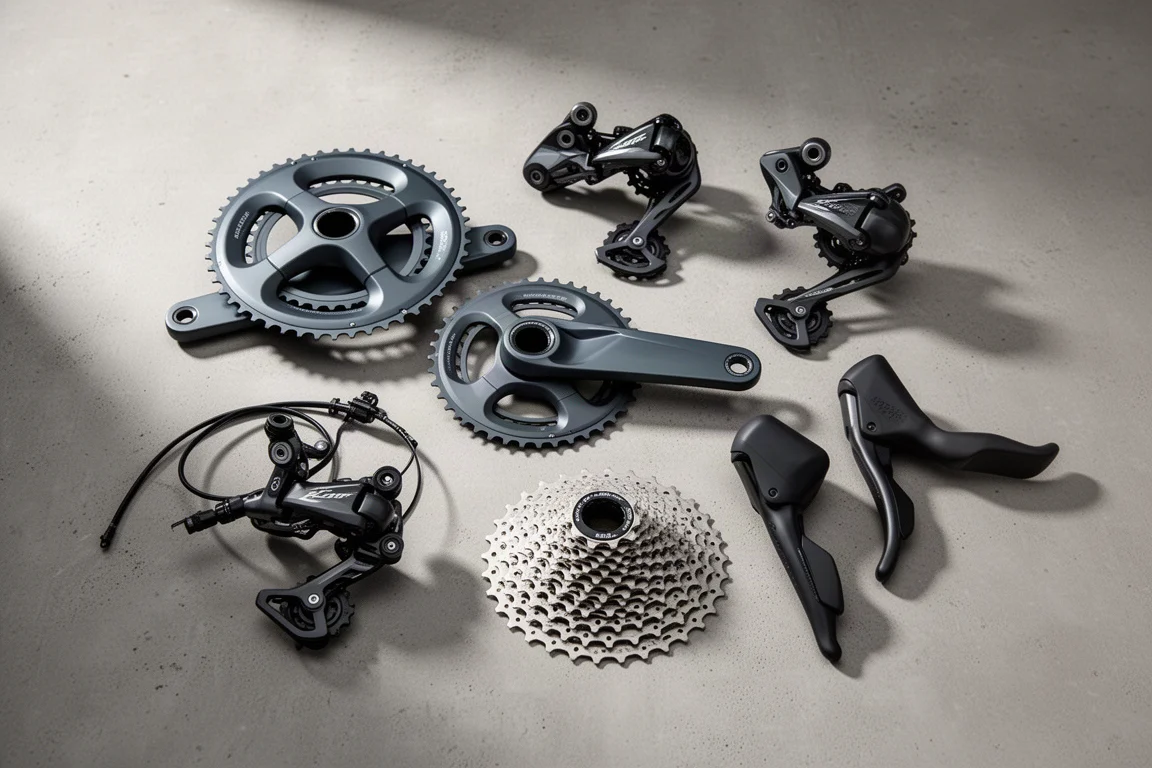
Shimano Dura-Ace Di2 R9200 and C50 Wheelset: First Ride Impressions
A first ride on Shimano's 12-speed Dura-Ace Di2 R9200 groupset and the new C50 wheelset, covering shift speed, brake feel, hood ergonomics, and what the changes mean for buyers.
Road Bike Components
Shimano Ultegra 12-Speed Review: Six Months of Real-World Riding
A practical look at Shimano Ultegra 12-speed after six months of all-weather road riding, including hood ergonomics, shifting, braking, reliability, and how it compares with Dura-Ace, 105 Di2, and SRAM Force.