Road Bike Components
Budget vs Premium Road Groupsets: L2 RX and SRAM Red Compared
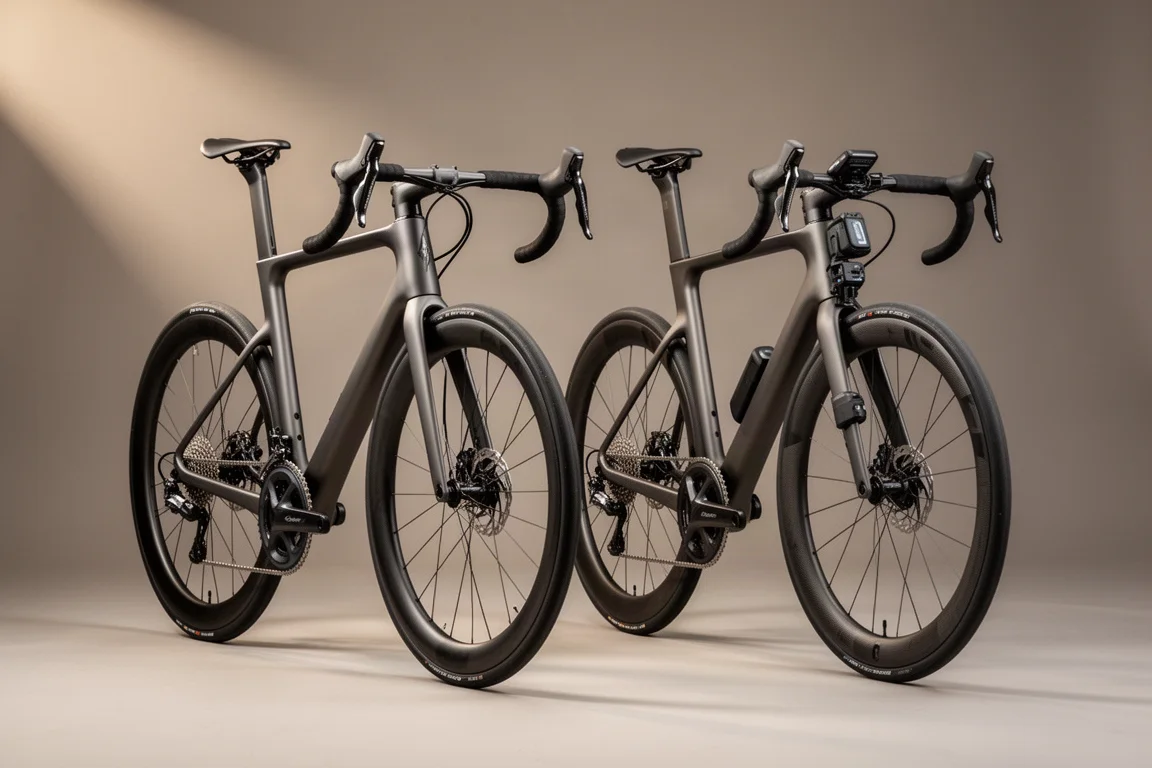
Two identical Scott Addict RC builds, one with an L2 RX groupset at around £300 and one with SRAM Red at around £3,000. What the price gap really buys.
Introduction
Two identical road bikes, one groupset costing around £300 and another costing around £3,000. That is the premise of this comparison, and it is a useful one for anyone wondering how much of a flagship groupset’s price tag actually shows up in the ride.
Both bikes are brand new Scott Addict RC builds, and the only meaningful difference between them is the groupset bolted to the frame. Everything else, from bar width to bottle cages, is matched. The result is about as controlled a test of groupset value as a rider is likely to find.
What follows is a breakdown of what each groupset delivers, where the extra money goes, and which riders each option suits.
How This Comparison Was Set Up
The two bikes were built to be as close to identical as possible. Same bar width, same handlebar tape, same wheels, same saddle, same tyres, same tubular setup, and the same magnetic Fidlock bottle cages. Both are complete, rideable builds filled with sealant, not bare frames sitting on a scale.
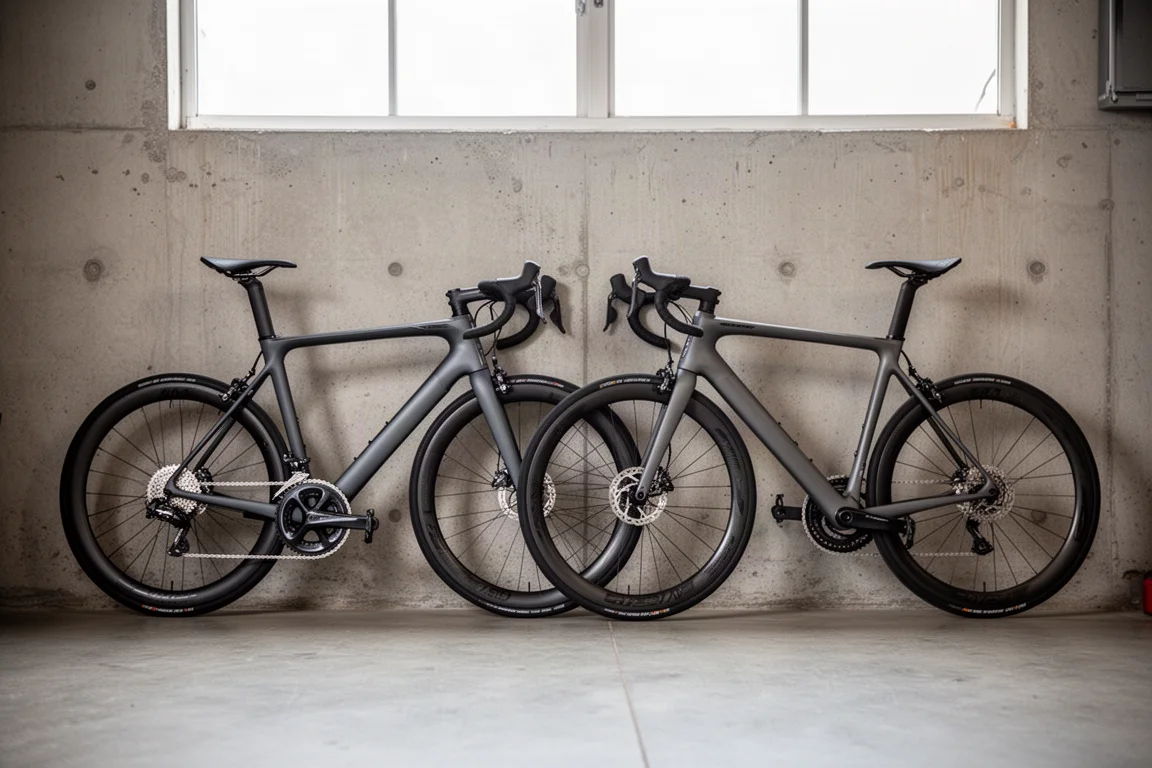
That matters because it removes almost every variable except the groupset itself. Weight figures taken from complete bikes are the most honest way to compare two groupsets, since they include the cables, batteries, hoses and fittings that each system actually needs.
With the builds matched this closely, any difference in weight or shift quality can be traced back to the components being tested rather than to a different wheel, tyre or saddle.
The Test Platform: Scott Addict RC
Both bikes are Scott Addict RC frames, a lightweight road race platform. Because the same frame, wheels, saddle and tyres sit under each groupset, the Addict RC acts as the constant in this comparison.
It is also worth noting that the frame accepts both a mechanical and a wireless groupset without issue. The budget build uses a cable-actuated system and the flagship build runs entirely wirelessly, and both were assembled on the same model.
For a rider shopping for a race-ready platform, this is the kind of frameset that makes groupset choice a genuine decision rather than a compromise, because it does not dictate which shifting system has to be used.
The Budget Option: L2 RX Groupset
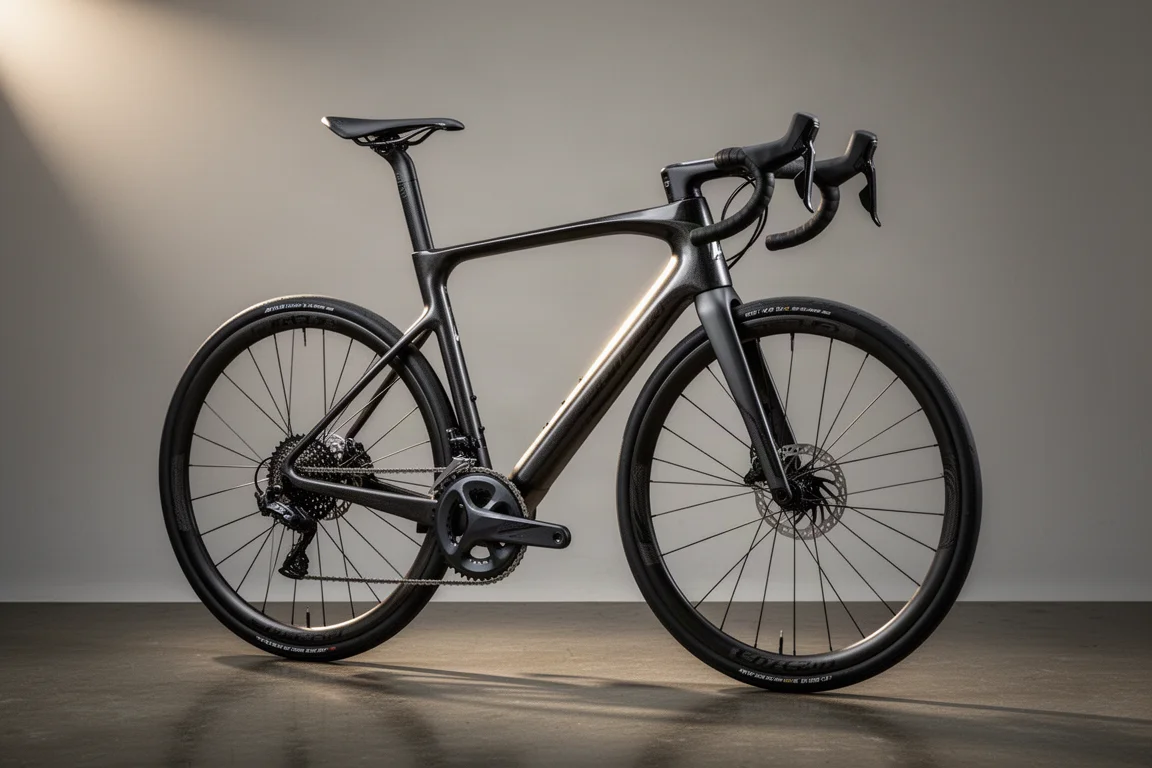
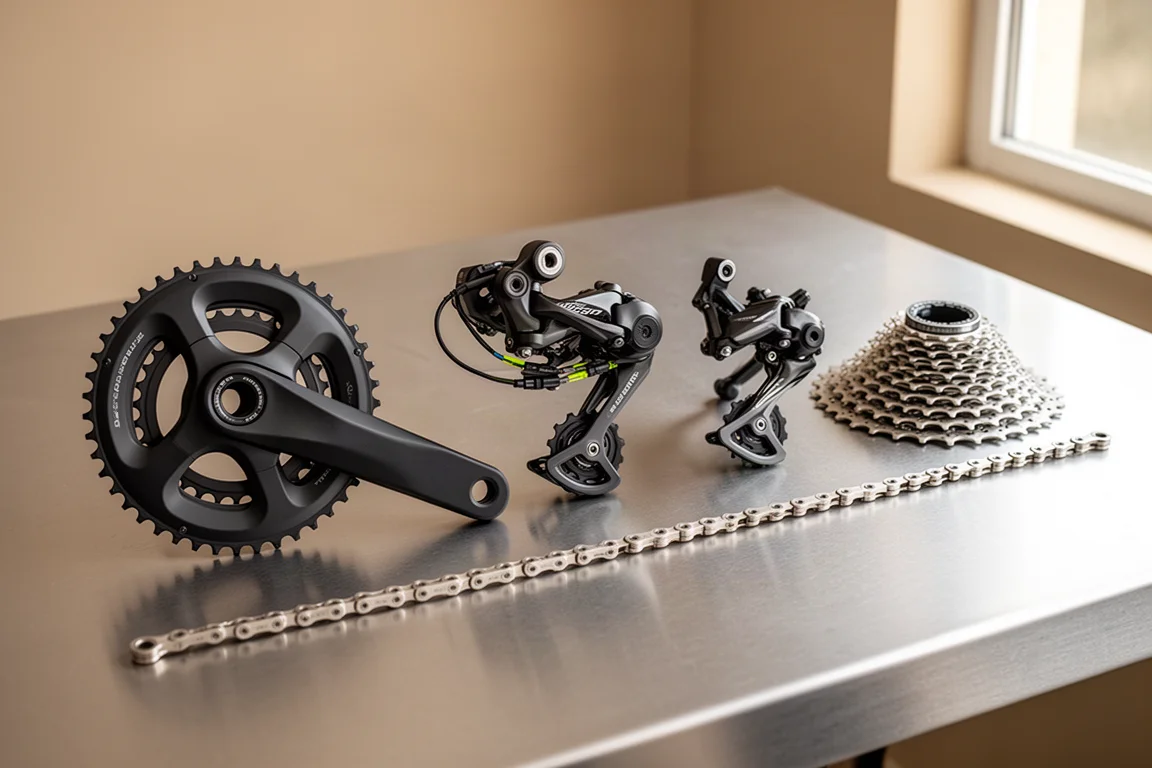
The budget build uses an L2 RX carbon road groupset, bought for around £300 and fitted with hydraulic brakes and mechanical 12-speed shifting. It is paired with a double crankset from Senix, a 12-speed Yaban chain and a very light ZTTO cassette, all of them budget-friendly parts.
Set up correctly, the shifting is genuinely crisp. The same groupset felt ordinary on a different bike, but once properly installed on this build it fired cleanly through the gears, even with a ZTTO cassette that has a reputation for being temperamental.
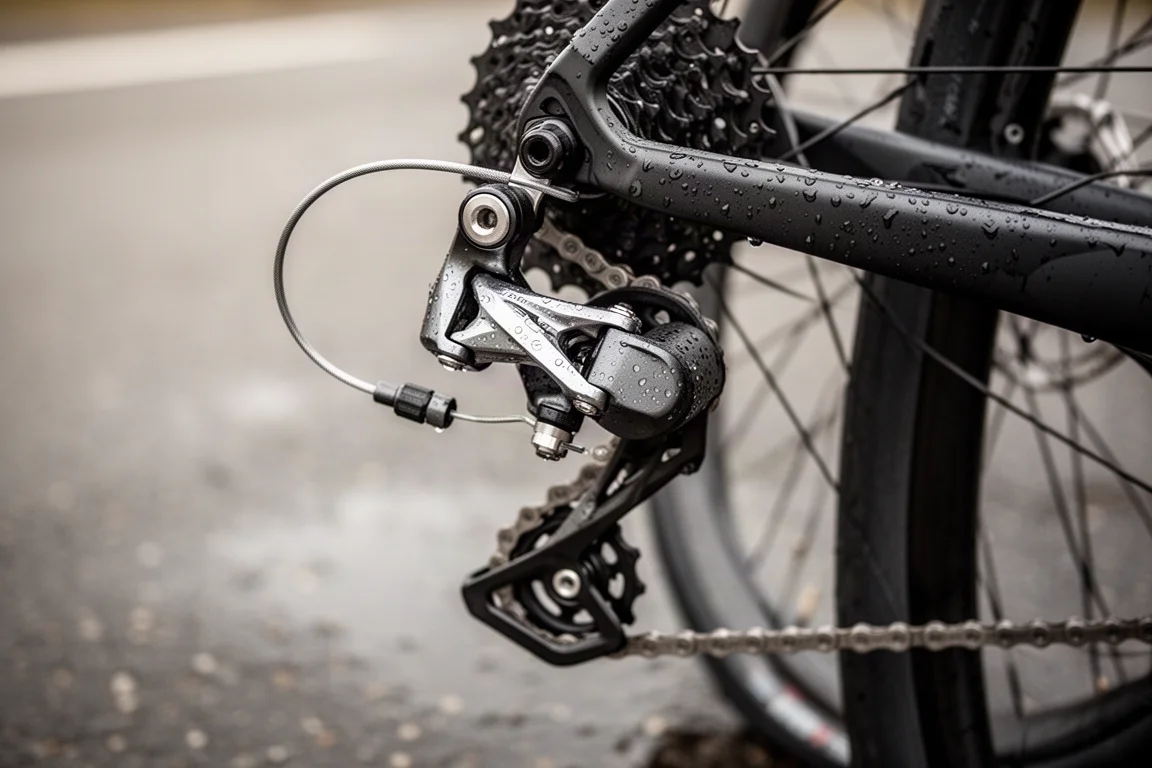
There are still mechanical quirks to live with. The thumb lever used for dropping gears sometimes shifts once, sometimes two or three times, and it can feel less precise than an electronic system. It is possible to drop four gears in one long press, and familiarity improves the experience over time, but it never becomes quite as exact.
Braking, meanwhile, matches the far more expensive setup. The hydraulic brakes on both bikes stop the same way, which is a useful reminder that braking performance is not where the premium money is going.
What the Weight Numbers Say
The flagship build weighed in at just over 7 kg without pedals. The budget build came in at 7.42 kg without pedals. That is a difference of roughly 400 g between the two complete bikes.
Four hundred grams is a real difference, but it is also a modest one given the price gap. The weight advantage comes from the groupset, since the frames, wheels and contact points are the same on both bikes.
Bike weight is not the whole story, and it is worth being honest about that. A lighter groupset helps, but the budget build is still a genuinely light road bike by any reasonable standard.
The Premium Option: SRAM Red Groupset
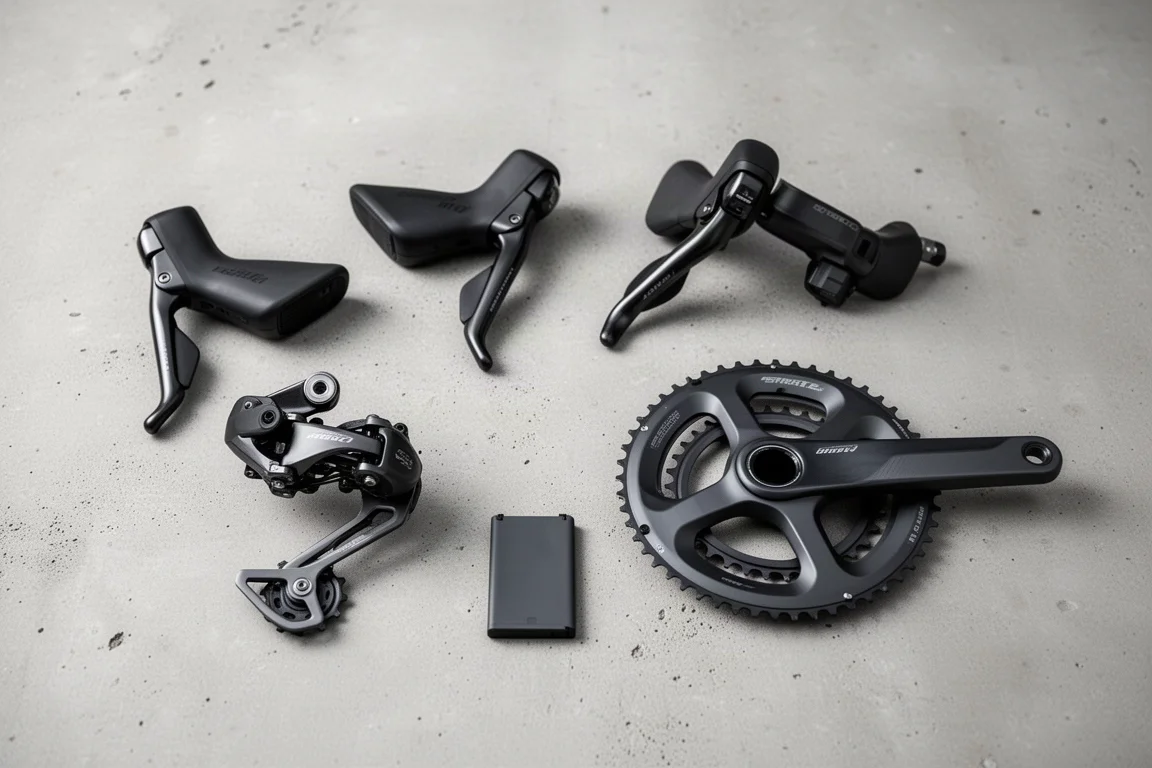
The flagship build runs SRAM Red, the most expensive groupset SRAM makes. It is wireless, 12-speed and hydraulically braked, and each derailleur carries a small battery that can be removed and swapped, so a rider who runs one flat can move the other battery across and get home.
Wireless shifting is where much of the money goes. There are no cables to pull, no cable tension to manage and no manual trimming, because the system knows which gear it is in and trims the front derailleur itself. Everything can be adjusted through an app.
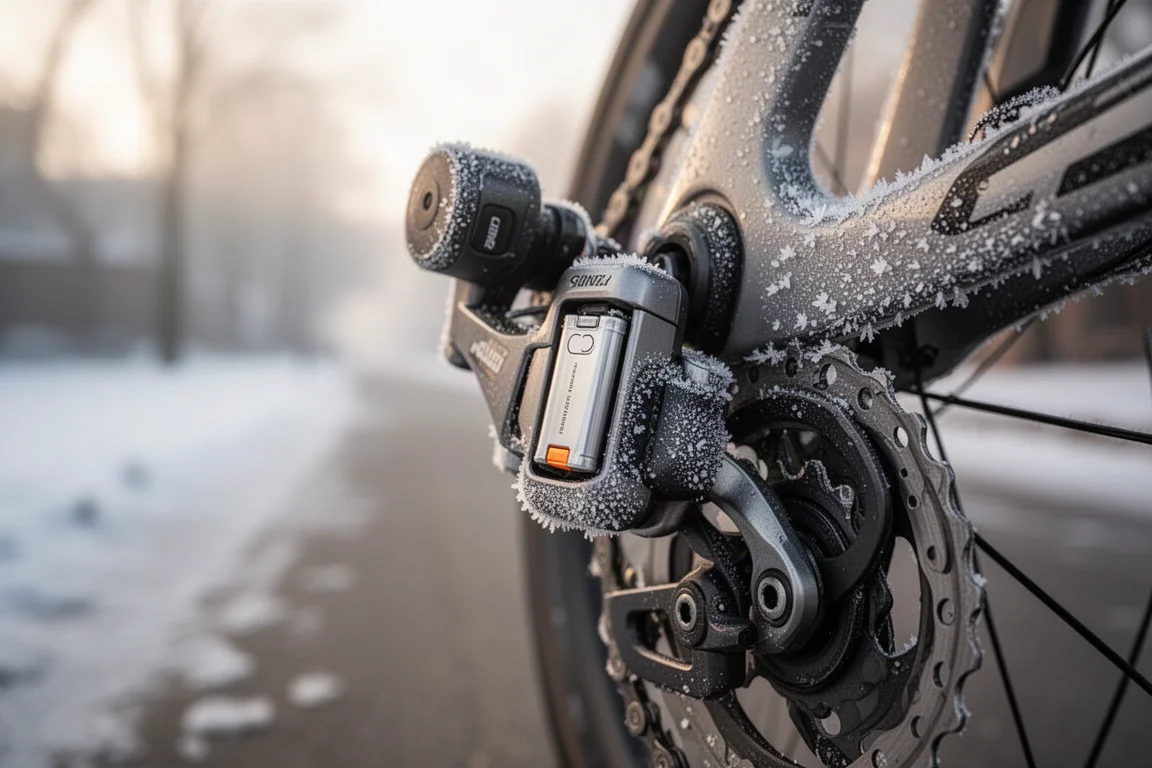
The practical benefit shows up most in cold weather. Light electronic buttons are easy to press when hands have lost feeling, while a mechanical system can be genuinely hard work to shift and brake in the same conditions.
One ergonomic note: the Red shifters are large, with a longer reach than the smaller shapes now used further down SRAM’s range. In SRAM’s hierarchy the order runs Red, Force, Rival, and the two tiers below Red have already moved to more compact lever bodies, so the flagship levers feel noticeably bigger in the hand.
Shift accuracy is where Red is strongest. Every press does exactly what is expected, and that consistency is the clearest performance advantage the premium groupset holds.
Where the Money Actually Goes
The price gap between the two groupsets is around £2,700, and the honest conclusion is that it does not buy a proportional performance gain. Both bikes feel fast and fun, both shift well when set up properly, and both brake the same way.
What the extra money buys is convenience and refinement. Wireless shifting removes cables, batteries can be swapped, an app handles setup and tuning, and the levers work with barely any effort in cold conditions. Those are real benefits, but they are quality-of-life features rather than raw speed.
Consumables tell a similar story. A 12-speed Yaban chain costs around £20, while replacing the chain on the flagship build with a like-for-like part runs £50 to £60, and cassettes and chainrings follow the same pattern. The budget build is dramatically cheaper to keep running.
The budget groupset is not flawless. Its crankset looks basic next to the sculpted flagship part, the ZTTO cassette wears quickly, and a sturdier cassette would add a little weight while still leaving a light bike behind. Those are trade-offs rather than deal-breakers.
Buying Advice: Matching a Groupset to Your Riding
Groupsets sit at the end of the upgrade list for good reason. Frames, wheels and contact points shape how a bike feels far more than the derailleurs do, and this comparison supports that idea: two very different groupsets produced two bikes that ride remarkably similarly.

If the choice comes down to these two, the deciding factor is how much the small conveniences matter. Riders who want wireless shifting, app-based setup and easy lever action in cold weather will find the flagship groupset worth considering. Riders who mainly want reliable 12-speed shifting and hydraulic braking at a fraction of the cost will be well served by the budget option.
Shifter feel deserves particular attention, because the levers are the parts a rider touches constantly. The cheaper shifters were preferred ergonomically in this comparison, while the flagship system delivered the more precise and consistent shift every time. Those are different priorities, and neither is wrong.
A middle option makes sense for many riders: electric shifting without paying flagship prices. The important thing is to decide which features genuinely improve your riding before spending at the top of the range.
Conclusion
Two identical Scott Addict RC bikes with groupsets costing roughly £300 and roughly £3,000 produced remarkably similar rides. The budget L2 RX groupset shifts crisply when installed properly, brakes the same as the flagship system and costs far less to maintain. The SRAM Red groupset shifts with total consistency, runs wirelessly, and makes winter riding easier on the hands.
The price difference of around £2,700 and the weight difference of around 400 g do not line up. The flagship groupset is the better system, but it is not ten times better, and the budget groupset is far closer to it than the price suggests.
For most riders, the sensible move is to pick the shifter feel you prefer and spend the rest elsewhere on the bike.
Further reading
Related Reviews
Road Bike Components
Chinese Aero Road Bike Parts Worth Considering: Incolor SSR, COLW HBR1, and Alchemist 8848s
A practical look at three narrow, lightweight road bike parts from the Chinese aero scene, what each one does well, and who should consider it.
Road Bike Components
Shimano Dura-Ace Di2 R9200 and C50 Wheelset: First Ride Impressions
A first ride on Shimano's 12-speed Dura-Ace Di2 R9200 groupset and the new C50 wheelset, covering shift speed, brake feel, hood ergonomics, and what the changes mean for buyers.
Road Bike Components
Shimano Ultegra 12-Speed Review: Six Months of Real-World Riding
A practical look at Shimano Ultegra 12-speed after six months of all-weather road riding, including hood ergonomics, shifting, braking, reliability, and how it compares with Dura-Ace, 105 Di2, and SRAM Force.