Road Bike Components
Shimano Dura-Ace Di2 R9200 and C50 Wheelset: First Ride Impressions
A first ride on Shimano's 12-speed Dura-Ace Di2 R9200 groupset and the new C50 wheelset, covering shift speed, brake feel, hood ergonomics, and what the changes mean for buyers.
Introduction
Shimano’s flagship 12-speed Dura-Ace Di2 R9200 groupset has been out for a few months, but it is still uncommon enough that a first ride on it answers a useful set of questions. Does 12 speeds genuinely improve on 11? How do the redesigned brakes behave in practice? What has changed about the hood shape, and does it matter? This article focuses on performance rather than price, because this is a range-topping groupset built around a single objective: the best possible shifting and braking.
It also matters well beyond the riders who will ever buy Dura-Ace. The design decisions made at this level tend to appear further down the range over the following years, so what happens here is a reasonable preview of what will reach more affordable groupsets later.
The same launch also introduced a new wheelset, the C50, which is easy to overlook next to the 12-speed news. It is covered below as well.
What Changes With 12-Speed Di2
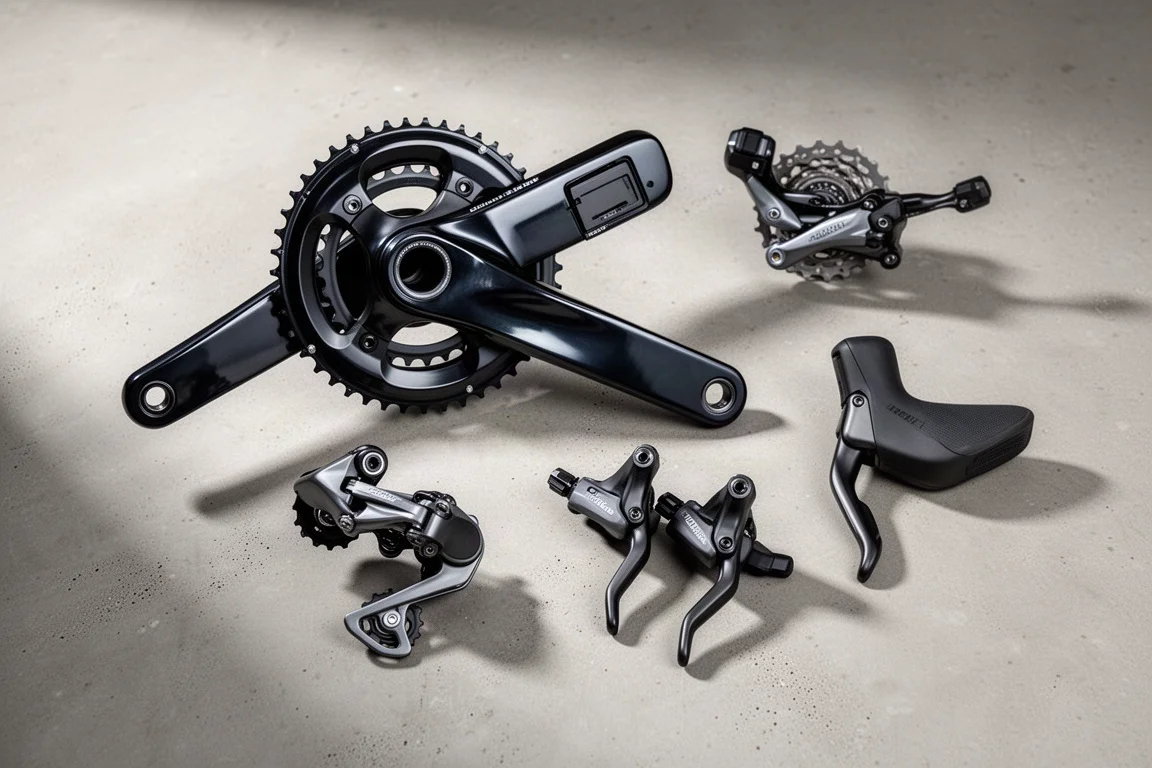
The headline change is the move from 11 speeds to 12. The bike used for this first ride ran a 52/36 chainset and an 11-30 cassette, with larger and smaller options available at both ends of the range. On the 11-30 cassette, the addition that matters most is an extra 16-tooth sprocket, which on paper smooths the progression through the high-speed zone where most riders spend a lot of time, adding more one-tooth jumps and making it easier to find the right gear.
The groupset is semi-wireless. The shifters communicate wirelessly with the front and rear derailleurs, while the derailleurs are wired together to an internal frame battery with a claimed 1,000 kilometre range. The shifters themselves run on small coin cell batteries, with a claim of up to two years of life, something that can only really be judged over the long term.
There is no mechanical version any more, so electronic shifting is the only option. A rim brake version still exists, but the disc brake version was used here.
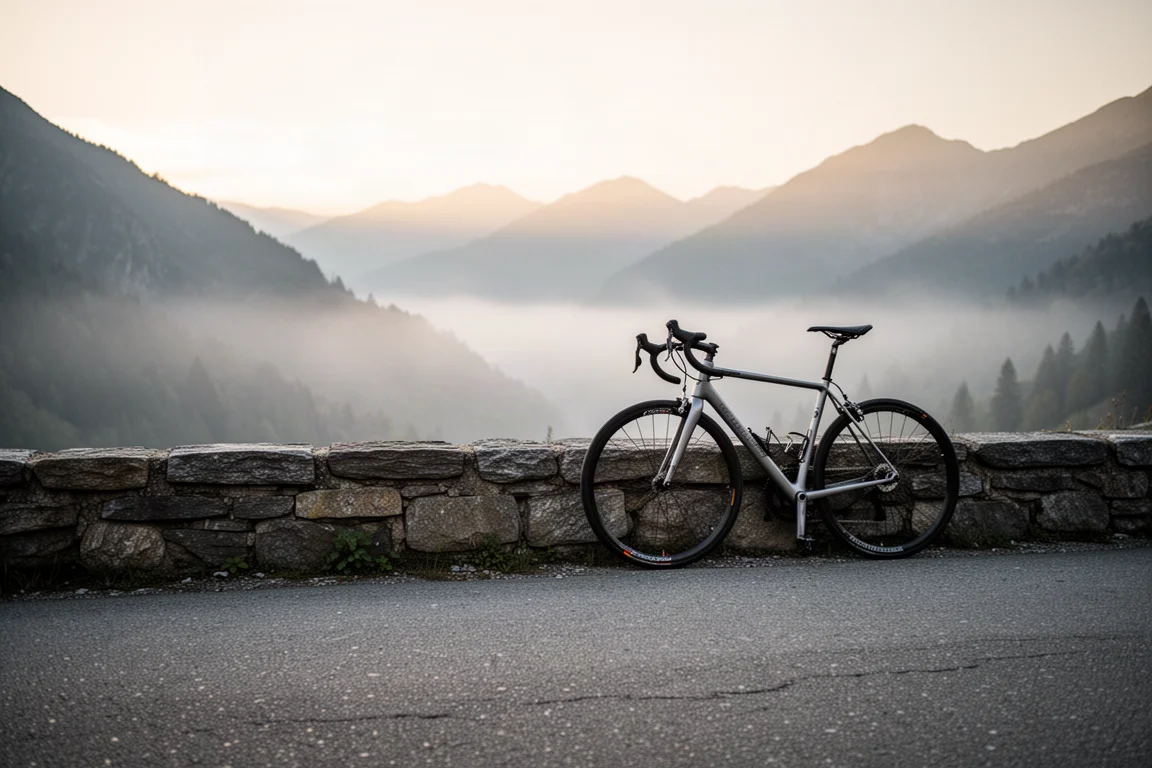
In everyday riding, the shift quality itself is where the differences show up rather than the raw gear count. The drivetrain feels immediately familiar to anyone coming from the previous generation, which will suit riders who have their position and cadence dialled in and do not want a completely different feel.
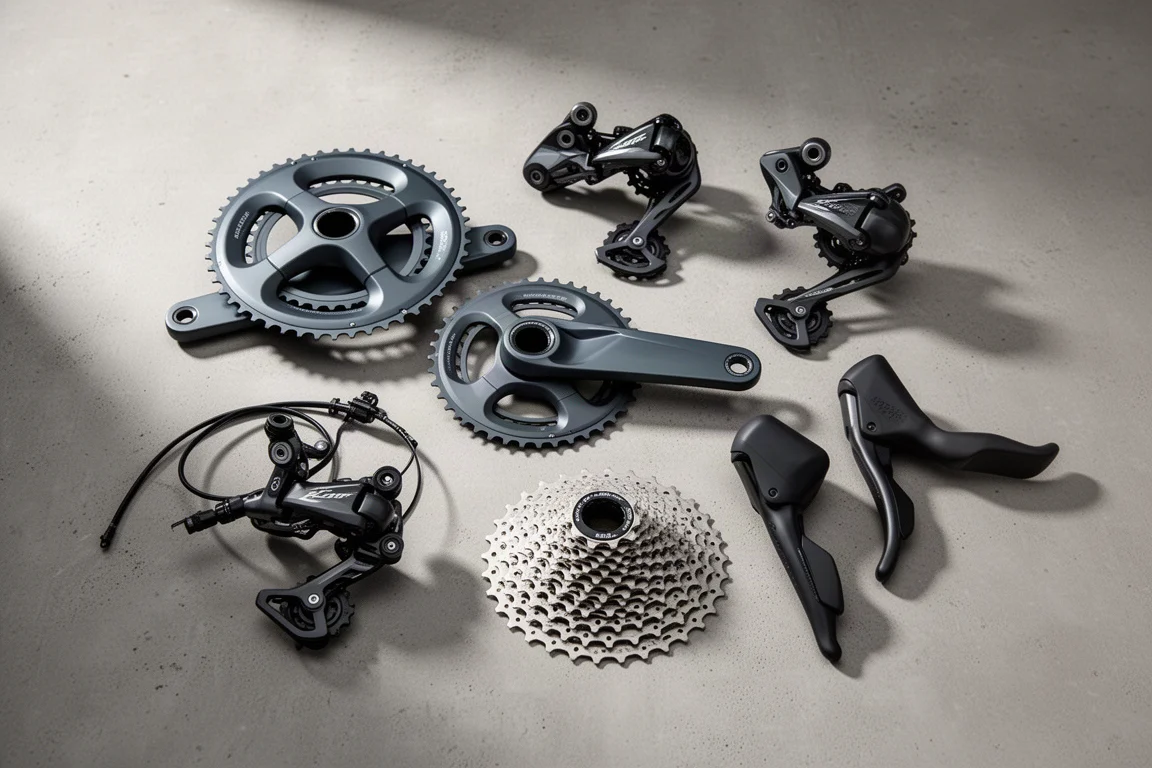
Shimano Dura-Ace Di2 R9200 12-Speed Groupset
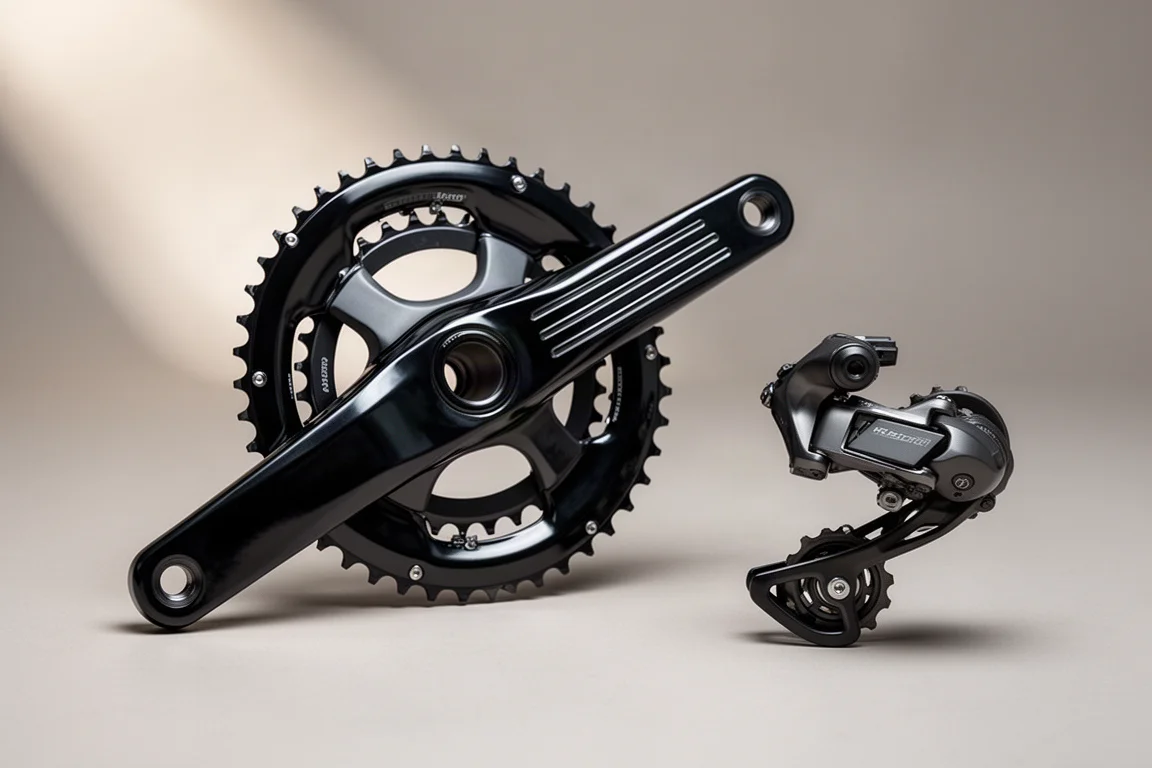
On first inspection, the finish is the least adventurous part of the package. Gloss black carries over from the previous generation, and the overall design language is familiar rather than radically new. The chainset has been redesigned, with two ridges running along the crank arm, a shape that takes some getting used to. The front and rear derailleurs are noticeably more compact, the hoods are smoother and more curved, and the brake calipers look considerably cleaner than the outgoing ones. Overall it is a better looking groupset, though a silver option alongside the black would be a welcome choice.
Shifting Speed and Drivetrain Performance
Shimano claims a significant improvement in shift speed over the previous generation, quoted as 58 percent faster at the rear and 45 percent faster at the front. The previous generation was hardly slow, and it had a strong reputation for front shifting in particular, so this is a meaningful claim to test.
In practice, front shifting is the standout. Moving from the big ring to the small ring and back again happens almost instantly, and it stays reliable under hard pedalling, with no hesitation or dropped shifts when the load is high. For riders who have been moving towards single chainring setups, this is a solid argument for the front derailleur staying on road bikes.
Rear shifting is harder to judge by feel. It is quick, and shifting up into easier gears feels a touch faster than before, but it remains in the same territory as the previous generation: fast and consistent. That is not a criticism, simply an observation about how high the baseline already was.
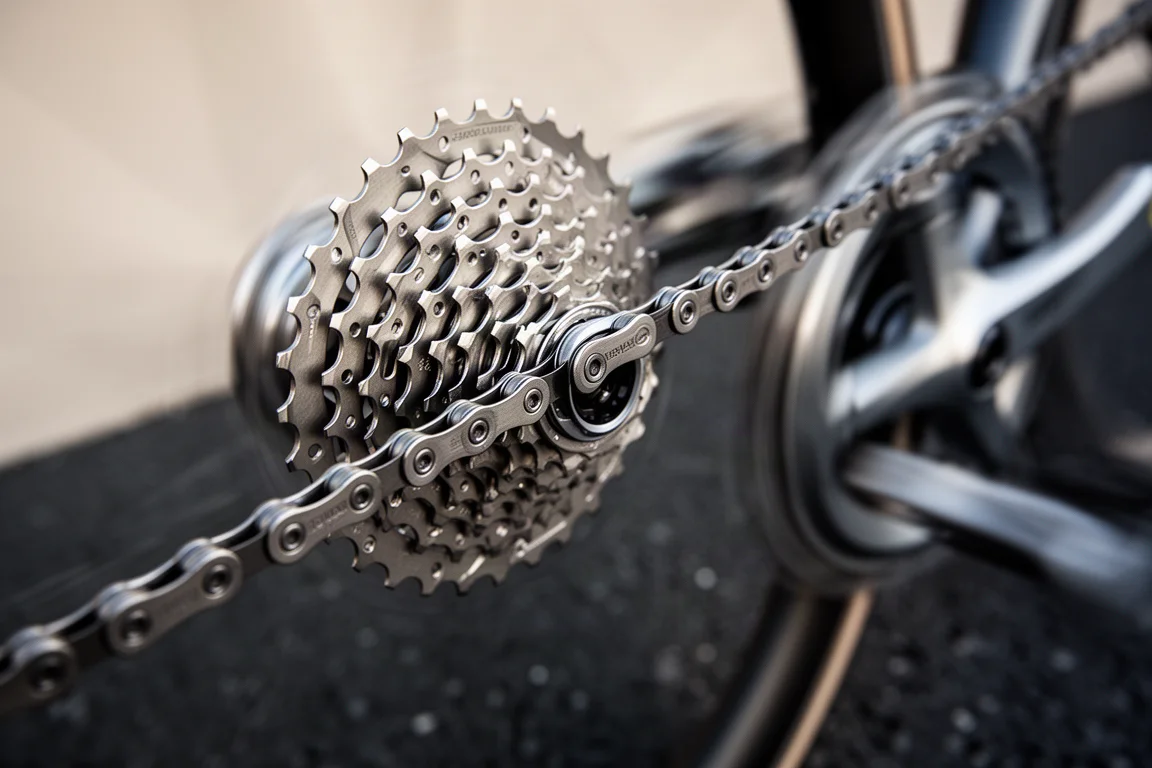
The 12-speed change itself is not a transformation in the way some wide-range systems are. It feels very close to 11-speed, with the extra sprocket refining the progression rather than changing the character of the drivetrain. Riders who are particular about cadence in the high-speed zone will notice the difference, while others may find the change subtle.
Braking Feel and Hood Ergonomics
The hoods are taller than before and angled slightly inwards, and they still fit comfortably in the hand despite the change. The rubber is smoother, with less ribbing and texture than the previous design, which is worth noting for wet conditions where grip on the hoods matters. The shift buttons are now raised relative to the brake lever, making them easier to tell apart by feel, although they are still not as clearly separated as the shift arrangements used by some other manufacturers.
The brakes leave a strong first impression. The lever feels light on the initial pull, then becomes noticeably progressive as the pads meet the rotors, which is a clear, easy to read transition. That behaviour comes from Servo Wave technology carried over from mountain bike brakes, designed to improve feel, control and modulation. Pad to rotor clearance has also increased, and no rubbing was felt even under hard efforts.
Shimano C50 Wheelset
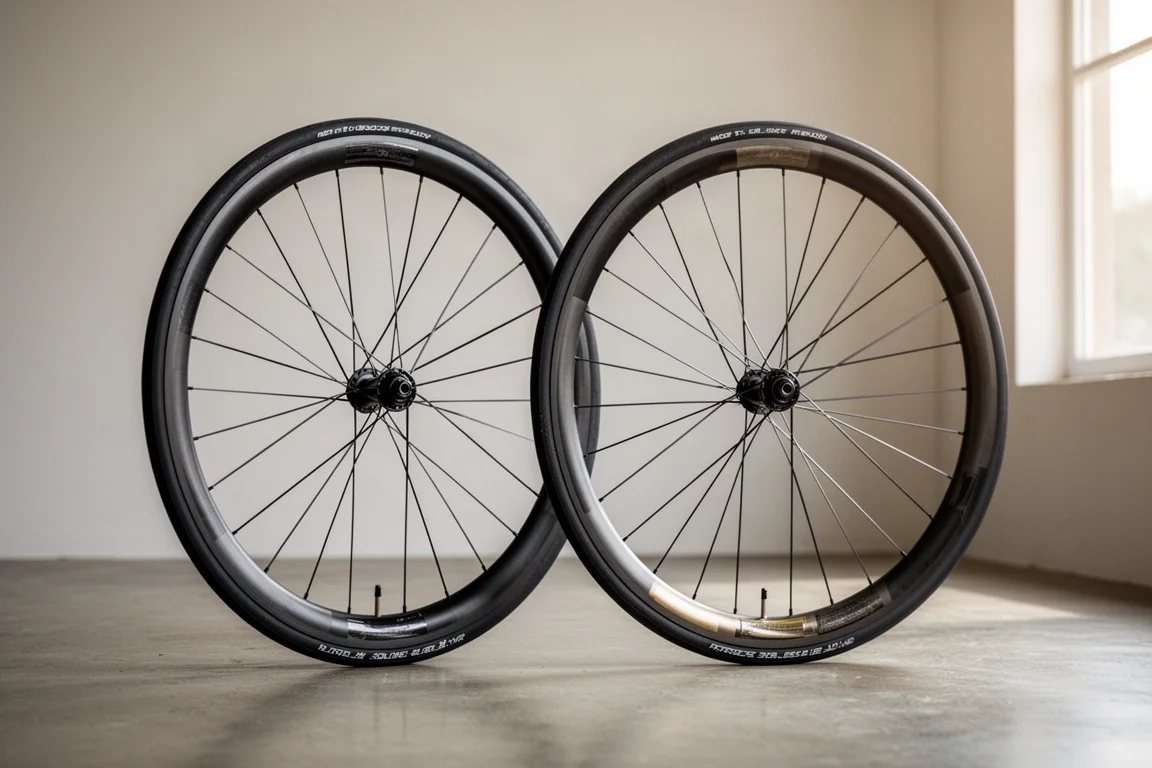
The new C50 wheels launched alongside the groupset update and were largely overshadowed by the 12-speed and semi-wireless announcements. They are positioned as a fit and forget option: a well rounded wheelset for climbing, racing and general riding rather than a specialist tool for one discipline.
The most significant change is width. The rims are wider than before, with a 21 millimetre internal width, which suits the wide tyres modern road bikes run. They are tubeless ready and use a hook bead rather than a hookless bead, which broadens compatibility with the tyres riders are likely to already own. For anyone building a bike around a single set of wheels for most of the year, that combination is straightforward to live with.
Because the rims are wider, they are best matched to modern wide road tyres rather than narrow rubber. That is the direction road riding has been heading for years, and it makes the C50 an easy recommendation for riders who want one dependable set rather than a rotation of specialist wheels.
Charging, Battery, and Bluetooth
Two everyday details are worth calling out, because they shape how the groupset feels to own rather than how it performs in a sprint. The rear derailleur now has a charge port built into it, hidden behind a small door. That is a clear improvement on charging via the down tube, the handlebar, or a module mounted under the stem, and it removes a small but regular annoyance from ownership.
Bluetooth is also built in. It allows a smartphone connection for the latest firmware and for customising how the groupset behaves. Neither feature changes the ride, but both make the system easier to maintain over a full season.
Overall Buying Advice
The most convincing improvements here are the faster shift speed, the reliability of shifting under load, and the brakes. Easier charging and Bluetooth customisation round out the package, and the redesigned hoods are a sensible refinement rather than a reinvention.
If you are already happy on 11-speed, the extra sprocket alone is unlikely to feel like a dramatic upgrade. The benefit is concentrated in the high-speed zone where cadence matters, and riders who are sensitive to that progression will get the most from it. The front shifting and brake feel, by contrast, are noticeable from the first ride.
It is also worth remembering that the technology introduced here does not stay at the top. The same design features have already appeared lower in the range, and the pattern of previous generations suggests they will continue to filter downwards over the coming years. Riders who do not intend to buy Dura-Ace still have something to look forward to.
Matching the purchase to your priorities is the practical approach. If sharper front shifting, stronger brake modulation and easier charging address real frustrations you have with your current setup, the improvements are meaningful. If your current groupset shifts cleanly and stops well, there is no urgency, and waiting for the trickle-down versions is a reasonable strategy.
Conclusion
This generation of Dura-Ace Di2 takes a groupset that was already widely regarded as a benchmark and improves it in several specific areas: faster shifting, particularly at the front, better brake feel and modulation, more comfortable hood ergonomics, simpler charging and built-in Bluetooth customisation. The 12-speed change is real but subtle, refining gear progression rather than altering the character of the drivetrain. Paired with the wider, tubeless ready C50 wheelset, it makes a coherent package for riders who want dependable all-round road performance.
Further reading
Related Reviews
Road Bike Components
Budget vs Premium Road Groupsets: L2 RX and SRAM Red Compared
Two identical Scott Addict RC builds, one with an L2 RX groupset at around £300 and one with SRAM Red at around £3,000. What the price gap really buys.
Road Bike Components
Chinese Aero Road Bike Parts Worth Considering: Incolor SSR, COLW HBR1, and Alchemist 8848s
A practical look at three narrow, lightweight road bike parts from the Chinese aero scene, what each one does well, and who should consider it.
Road Bike Components
Shimano Ultegra 12-Speed Review: Six Months of Real-World Riding
A practical look at Shimano Ultegra 12-speed after six months of all-weather road riding, including hood ergonomics, shifting, braking, reliability, and how it compares with Dura-Ace, 105 Di2, and SRAM Force.