Cycling Components
SRAM Red AXS and Hammerhead Karoo: Inside the New Flagship Road Groupset
SRAM's new flagship road groupset brings redesigned levers, easier braking, faster front shifting, a lighter build, and closer integration with the Hammerhead Karoo head unit.
Introduction
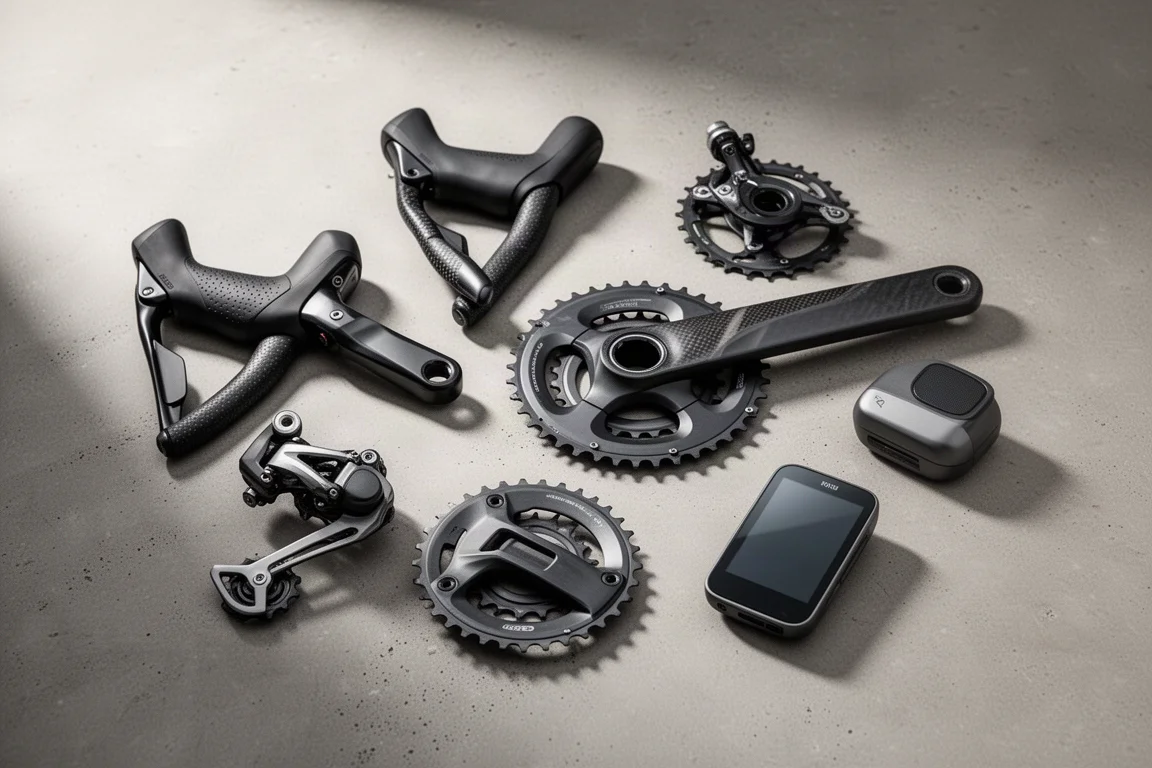
SRAM has introduced a new flagship road groupset, Red AXS, and it arrives alongside a closely related product: the new Hammerhead Karoo head unit. The two were developed to work together, and SRAM says some complete groupsets and some complete bikes will ship with the head unit included.
The headline changes are concentrated in the contact points and the details. The levers have been completely redesigned with a new hood shape, a new lever shape, and added buttons. Braking is described as more powerful, more adjustable, and more linear in its progression, while front shifting is smoother and faster. SRAM also claims this is now the lightest electronic groupset on the market.
Perhaps the most practical detail for existing owners: the groupset is backwards compatible with previous and current generation 12-speed SRAM AXS groupsets.
What SRAM Changed With Red AXS
This is not a ground-up reinvention. The previous generation, launched in 2019, introduced a radical new look, 12 speeds, rethought gear ratios, and a clutch mechanism as standard on the rear derailleur. That generation moved the goalposts for groupsets, and SRAM has chosen to refine rather than restart.
Much of that refinement comes from WorldTour team input. SRAM points to 475 professional race wins last season, including Grand Tour victories, as evidence that the previous platform was already competitive at the highest level. The brief for the new version was captured in a single word: effortless. In practice, that means less effort across the whole ownership experience, from setup and shifting to ergonomics and weight.
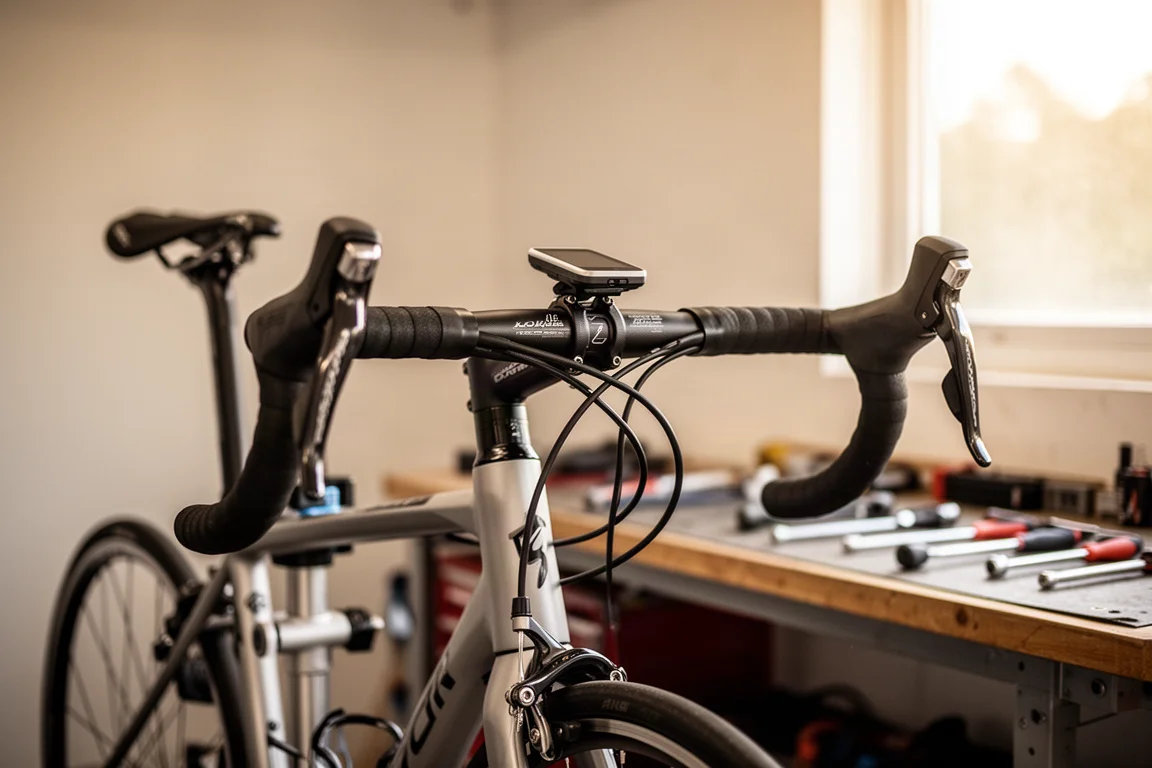
The result is a groupset that aims to feel easier to live with rather than simply faster on paper, and that framing shapes almost every change described below.
SRAM Red AXS: Levers, Braking, and Shifting
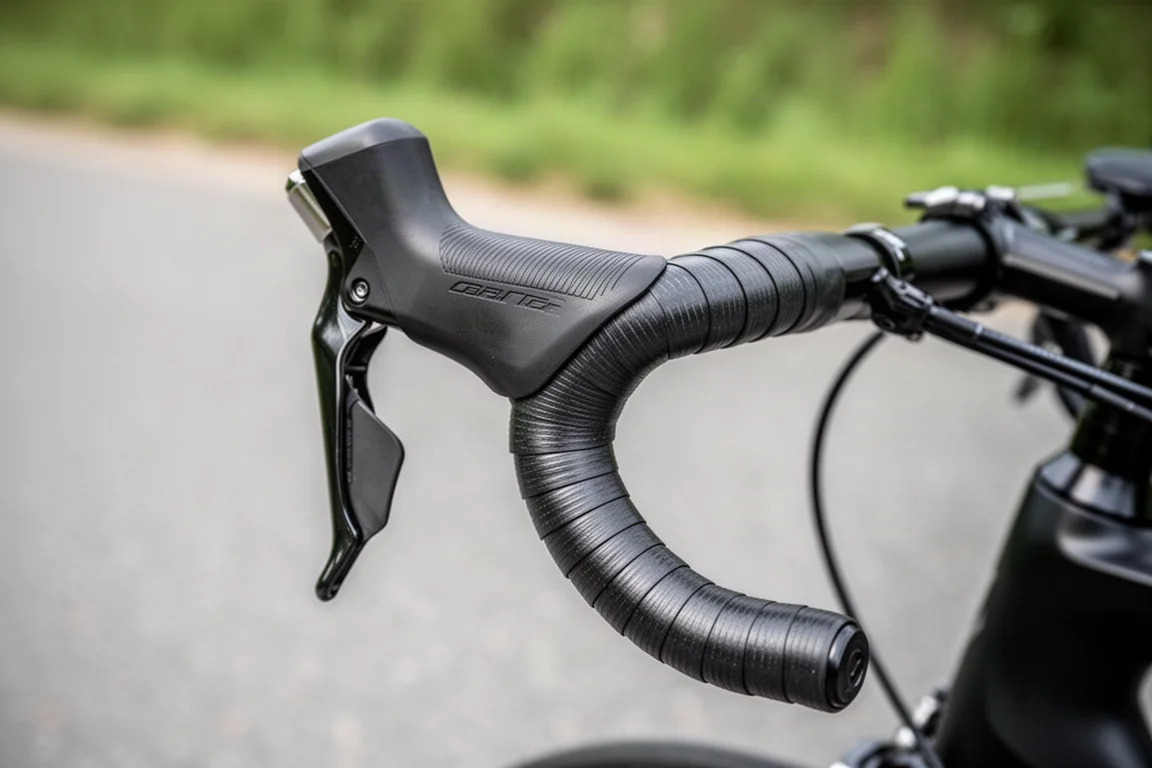
The levers are the most visible change. The lever body is slightly smaller in diameter and longer, which opens up more space for the hand. The pommel, the raised section at the top of the hood, is now designed specifically as an additional hand position rather than simply as a housing for the hydraulics.
That change comes from a redesigned internal layout. The hydraulic cylinder now sits horizontally, and the lever pushes on it instead of pulling. Combined with a new pivot position, SRAM says the lever takes 80 percent less effort to move, and the company claims riders can brake comfortably with one finger from the hoods. The lever blade has also been reshaped with more space behind it for fingers, and it will not bottom out against the bar. Reach and contact point are both adjustable, so you can set how far the lever travels before the brakes bite.
There are new buttons too. They can be configured as extra shift buttons, or mapped to control a head unit, smart lights, or other accessories. A textured finish on the lever body doubles as a setup guide: with the bottom of the ribs roughly horizontal to the ground, the hood angle is broadly in the intended position.
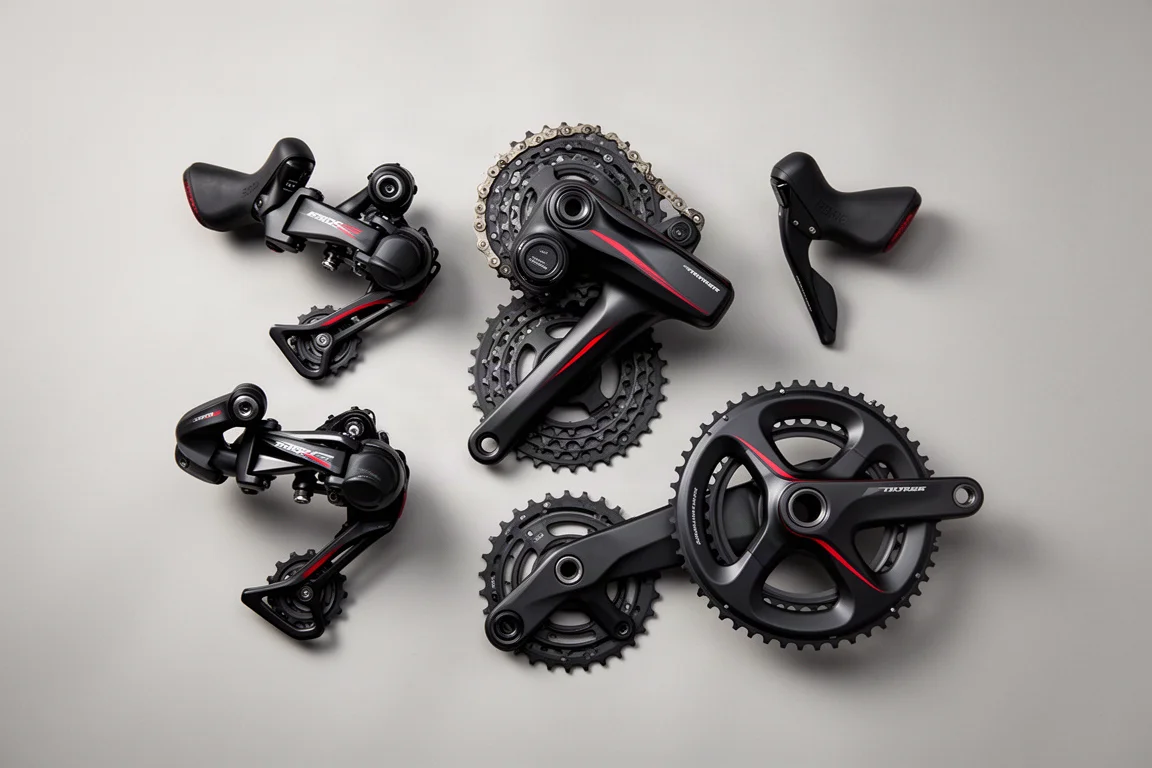
The caliper is new as well. SRAM says it adds more bite and delivers a more linear progression of braking force through the lever stroke. The levers and calipers together account for the largest weight saving in the groupset at 83 grams, with a further 8 grams saved from the rotors. Up front, the cage shape has been refined and made narrower, something SRAM says was possible because this is now a disc brake only groupset. A dedicated setup tool is included so front shifting can be dialled in quickly out of the box, and the front derailleur is 4 grams lighter. The rear derailleur is functionally unchanged, 16 grams lighter, and now runs an oversized ceramic bearing jockey wheel.
SRAM Red AXS: Weight, Gearing, and Compatibility
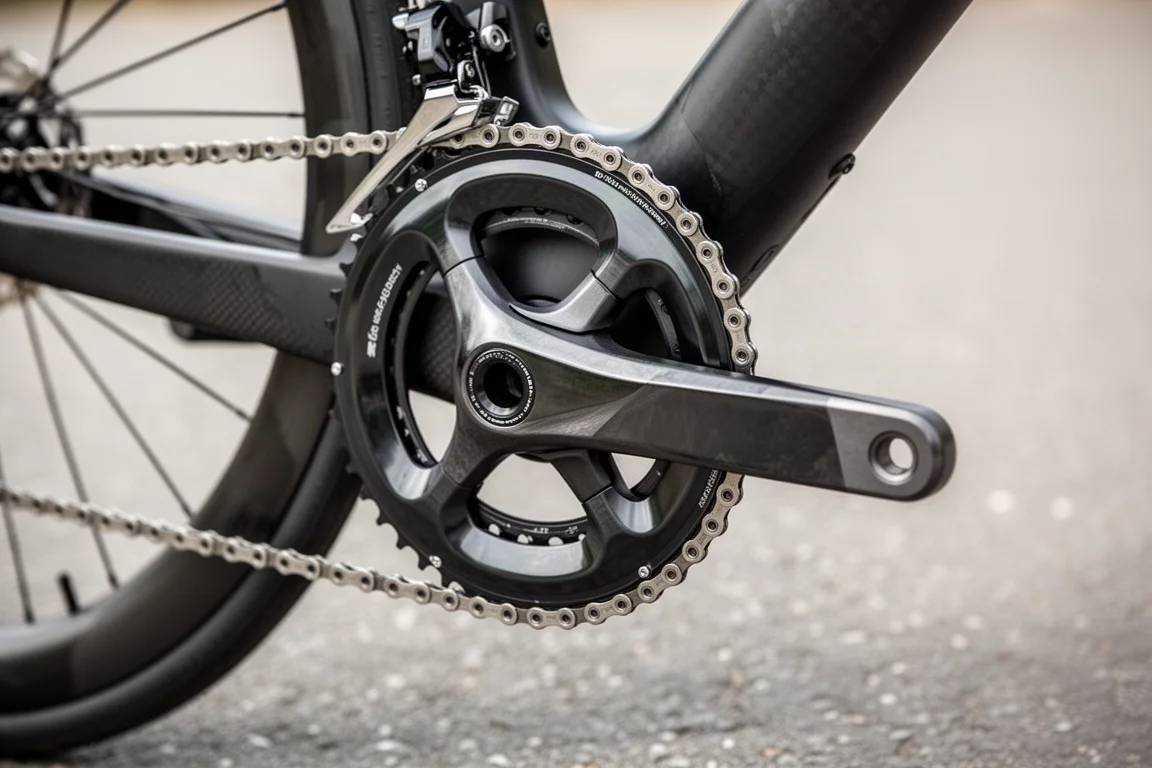
Weight is where this generation makes its boldest claim. SRAM says the total saving over the previous version is 153 grams, bringing a complete groupset with the power meter to 2,496 grams and a version without it to 2,461 grams. That, SRAM says, makes it the lightest electronic groupset on the market. The chainset contributes 29 grams through a redesigned carbon crank developed with input from Zipp, and a new 160 mm crank length option widens the fit range for smaller riders and for bike fitting.
The spider based power meter option remains, with a cleaner integrated look. Chainring sizes carry over, with three aftermarket options aimed at professional riders, including a 56/43 combination. The 10 tooth smallest sprocket also remains, and SRAM counters questions about its efficiency with its own test data and with shifting telemetry collected from its professional riders, which shows the 10 tooth sprocket being used regularly even with a 56 tooth chainring.
Gearing flexibility is broader than the road focus suggests. The groupset accepts a maximum 36 tooth cassette, and the new 10 to 36 option at Red level is now available to buy. The Orbit chain management system in the rear derailleur keeps the chain under control on rough terrain and allows a single chainring setup as well as a double. For riders chasing weight, a 1x build can remove roughly another 150 grams.
Compatibility is a genuine selling point. The groupset works with previous and current generation 12-speed SRAM AXS components, which makes it far easier to consider for riders who already own an AXS bike.
Hammerhead Karoo: The Companion Head Unit
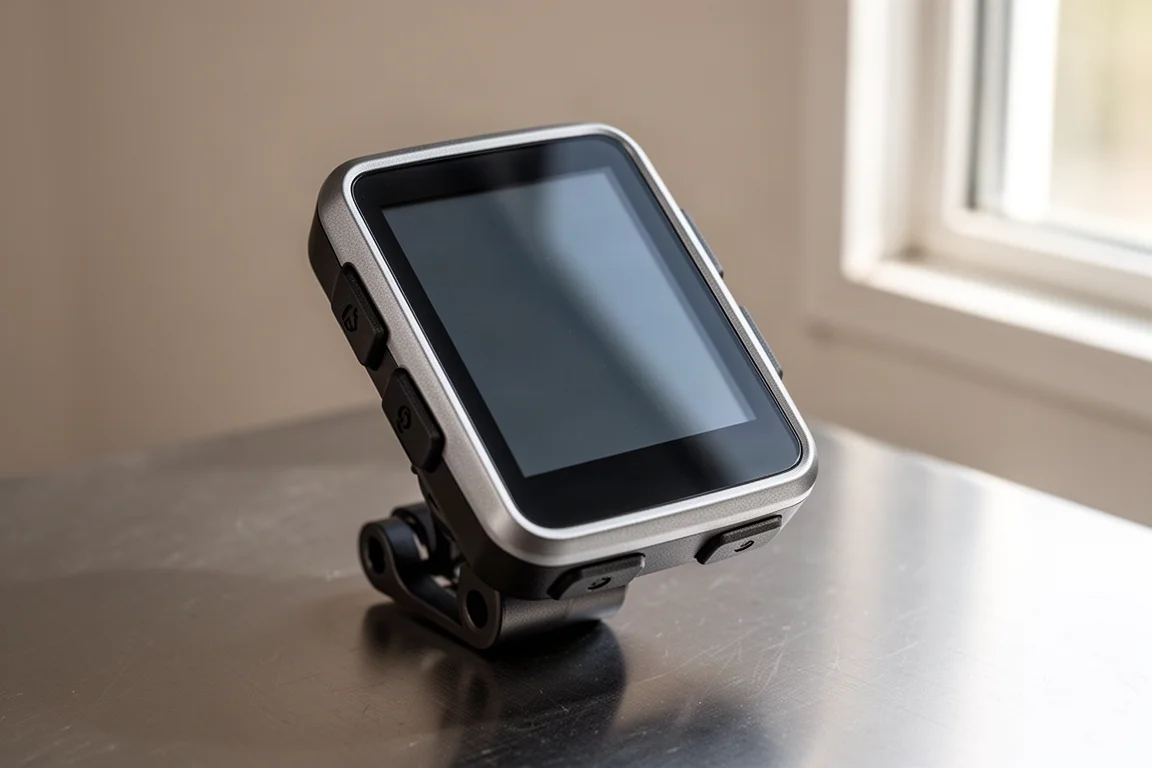
The Karoo is not a required purchase. SRAM is clear that the groupset works without it, and that any head unit can pair with the components over ANT+. The head unit matters because SRAM acquired Hammerhead several years ago and has been integrating the brand into its wider ecosystem, and because the two products were designed in tandem.
The Karoo builds on the approach that has won Hammerhead a following: phone quality touch screens, capable computing hardware, and an Android platform that allows tech-savvy users to load third party apps while keeping day to day use straightforward for everyone else. Complete groupsets will ship with the head unit, and some complete bikes will arrive with it already fitted, so the pairing is becoming part of the standard package rather than an optional extra.
Setup, Telemetry, and Everyday Ownership
The practical benefit of the pairing shows up in setup and maintenance. Connecting the groupset, a power meter, or tire pressure sensors to the head unit, and then connecting the head unit to a phone, simplifies configuration and makes it easier to share data such as power, battery life, and shifting telemetry.
On the hardware side, the shifter buttons each support a short press and a long press, and the Karoo is operated by four buttons. That combination makes it possible to control the head unit entirely from the handlebars without moving your hands. One of the more thoughtful touches is a push notification when SRAM AXS components are running low on battery. Those alerts are delivered at the end of a ride rather than in the middle of one, which is far more useful in practice. Riders on e-bikes get additional connected functionality.
Shifting telemetry is available to anyone running an AXS groupset, not just Red, and can be viewed on the SRAM AXS dashboard once the system is connected to a head unit.
Pricing and Availability
A complete SRAM Red AXS groupset is priced at $3,000, with UK pricing in the region of £3,000. SRAM notes that direct price comparisons between a brand new groupset and an outgoing one are difficult to make, so a more useful reference point is complete bike pricing. Canyon indicated that while exact specifications will differ, the price gap between old and new models is broadly similar, with no significant increases.
Who Should Consider This Groupset
Existing AXS owners have the clearest case. Backwards compatibility with 12-speed AXS components means parts can be upgraded gradually rather than as a full replacement, and the telemetry features work across the AXS range. Riders who care about weight will find the claimed 153 gram reduction meaningful, particularly since a 1x build can trim roughly another 150 grams.
Riders who value ergonomics and braking feel over raw specification should also take note. The redesigned lever body, the new pivot position, and the adjustable reach and contact point are the kind of changes that are felt on every ride rather than only measured on a scale. The trade-offs are worth stating plainly: this is a disc brake only groupset, the cassette tops out at 36 teeth, and the complete package sits at a premium price. Riders who want the tightest possible integration between their drivetrain and their head unit will get the most from the Red AXS and Karoo pairing, while everyone else can run the groupset with whatever computer they already own.
Conclusion
SRAM Red AXS is a refinement rather than a reinvention, and that is arguably its strength. The redesigned levers, reduced braking effort, quicker front shifting, and meaningful weight savings all point in the same direction: less effort for the rider. The pairing with the Hammerhead Karoo adds convenience for riders who want their drivetrain, sensors, and head unit to behave as one system, without locking anyone out. For riders already inside the AXS ecosystem, the upgrade path is unusually straightforward.
Further reading
Related Reviews

Cycling Components
A 20,000-Mile Budget Race Bike Build: Five Parts Worth Knowing
A rim brake race bike assembled from low-cost components and ridden for 20,000 miles. Here is what delivered real speed, what caused problems, and what to weigh before copying the formula.
Cycling Components
7 Bike Fit Products Fitters Avoid: What to Check Before You Buy
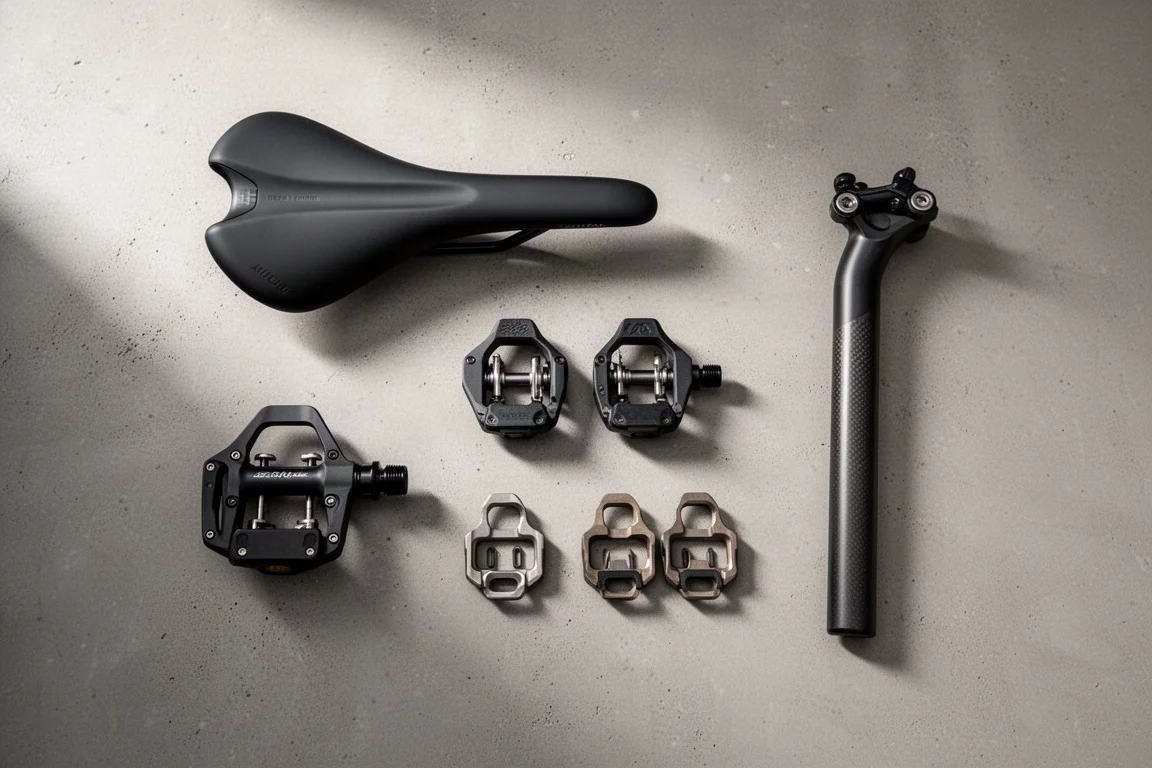
Seven bike components that regularly cause knee, foot and saddle problems, with the specific concerns behind each one and what to look for instead.
Cycling Components
Four Affordable Bike Upgrades That Improve Ride Feel
Four low-cost cycling products that make a real difference to ride feel, plus the free setup changes worth trying first.