Bike Components
SRAM Force vs Rival: Four New Groupsets Explained
SRAM brings Red-level levers, brakes, and 13-speed XPLR gearing down to new Force and Rival road and gravel groupsets.
Introduction
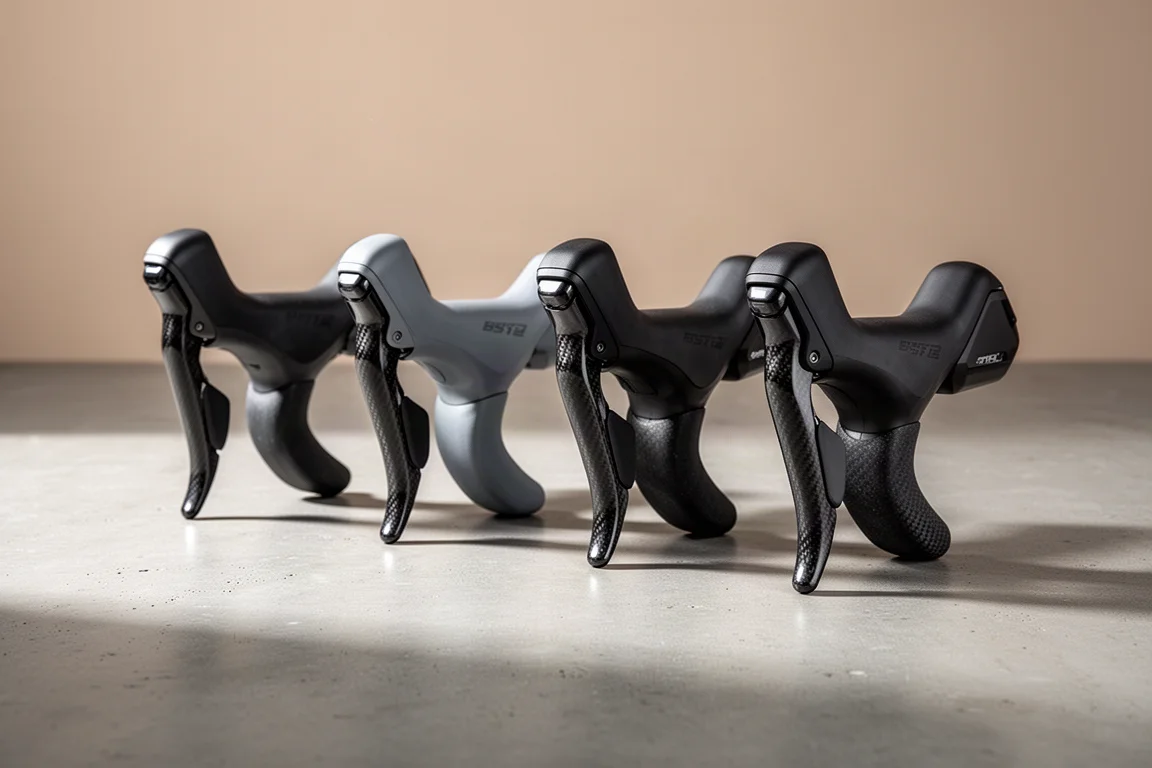
SRAM has launched four new groupsets: a new road and a new gravel option each for Force and Rival. The headline story is that many of the features that debuted on the Red groupsets, including the completely redesigned levers and brakes, are now filtering down to these mid-tier tiers. All four groups get big upgrades in ergonomics, braking performance, and expanded gear range for gravel, plus bonus buttons on Force shifters, reduced weight across the board, and faster, more silent shifting.
What stands out most is the cross-compatibility: previous-generation Force shifters work with the new drivetrains, and even with the new XPLR gravel groups, since they share the same chain and many other components. SRAM has made it easy to mix and match components based on budget and needs.
Redesigned Shifters and Brakes
The new Force and Rival shifters inherit the redesigned hood and lever shape from Red. A reworked piston design inside the lever allowed SRAM to reshape the entire lever and hood setup. The hoods are now longer, which means more space for your hands and more hand positions overall. Because the hoods are longer, you can potentially run a shorter stem while keeping the same reach to the front of the hoods, while also getting a more comfortable upright position from the tops of the handlebars.
The lever blades themselves are longer than before, adding even more hand positions. The standout feature is braking power from anywhere on the lever, whether from the tops all the way to the drops. The braking performance is described as very similar across Red, Force, and Rival; the meaningful differences between the tiers come down mostly to overall weight, and the Rival shifters simply have a slightly different texture.
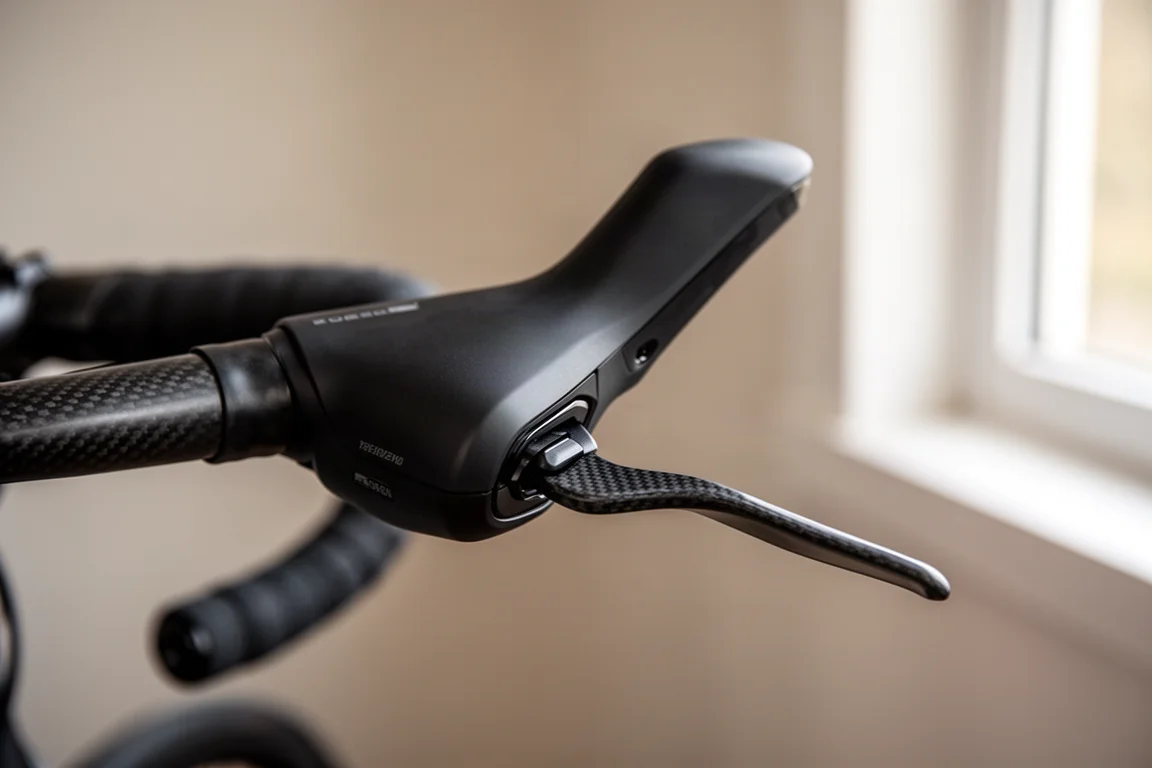
Both Force and Rival also get longer, reshaped carbon levers that create more space for your hands, helping prevent pinching through your fingers under hard braking. Reach adjustment is included for different hand sizes, and the shifter paddles have been refined to match the new lever shape.
Bonus Buttons on Force
Another feature coming down from Red is the bonus buttons on the inside of the Force shifters, which are not available on Rival. These add convenient control of external components like a bike computer: changing data pages, pausing a ride, or triggering the digital bell feature found on recent computers. By default, the bonus buttons act as additional shift locations so you can shift with your thumb while your hands are on the tops, and SRAM Blips can be integrated into the setup for even more shift positions. As a nice touch, the bonus buttons share the same texture as the buttons on the Kayak-style computer range.
Drivetrain and Shifting Updates
For the 2x road groups, Force gets a narrower front derailleur cage that shifts faster, along with an autotrim function based on cassette position, so it stays silent no matter which cog you are in. The rear derailleur gets additional cutouts in the cage and larger pulley wheels for increased efficiency, and it drops 12 grams. The new Force road rear derailleur works with both 1x and 2x drivetrains with cassettes ranging from 10-28 to 10-36, and the new Rival road rear derailleurs carry the same range.
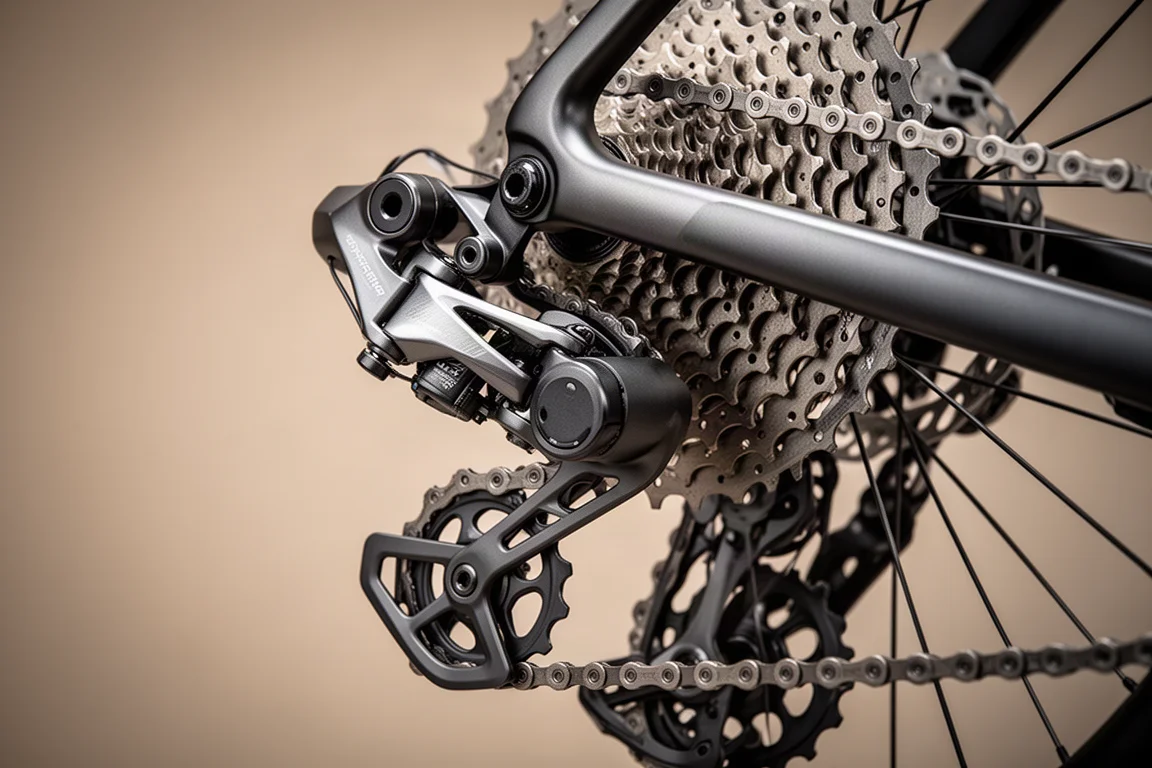
Shifting performance across these groups is fast, precise, and works under load with no problems, bringing a lot of Red-level performance down to a lower price point.
SRAM Force XPLR Groupset
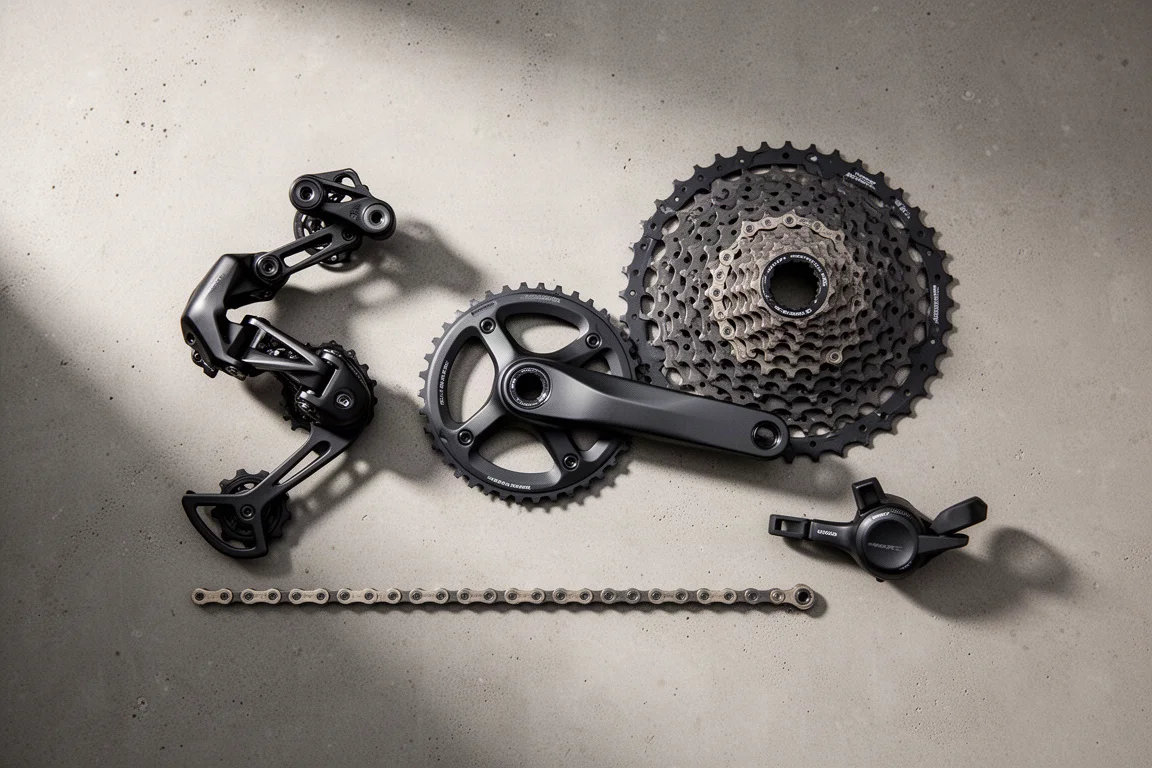
The gravel-focused Force XPLR group gets the 13-speed upgrade that debuted with Red XPLR, delivering a massive expanded gear range with a 10-46 cassette. It remains compatible with the XDR freehub bodies used on 12-speed cassettes and even uses the same flat top chain.
The trick is a direct-mount rear derailleur, which provides just enough extra room for an additional cog on the cassette. It works flawlessly; the only caveat is that you need a UDH-compatible frame for that direct-mount derailleur.

For gravel riders who want maximum gear range without giving up their existing freehub and chain ecosystem, this is the most compelling option in the lineup.
SRAM Rival XPLR Groupset
Rival XPLR brings the same 13-speed, 10-46 cassette gravel gearing to the more affordable tier. Like Force XPLR, it uses the direct-mount rear derailleur and the same flat top chain and XDR body compatibility, so the core gravel experience carries across both tiers.
Setup simplicity is a genuine highlight of the XPLR groups: there is not much to it, and you can essentially bolt it on and go. For riders building a gravel bike on a budget who still want the big-range 13-speed system, this is the sensible entry point.
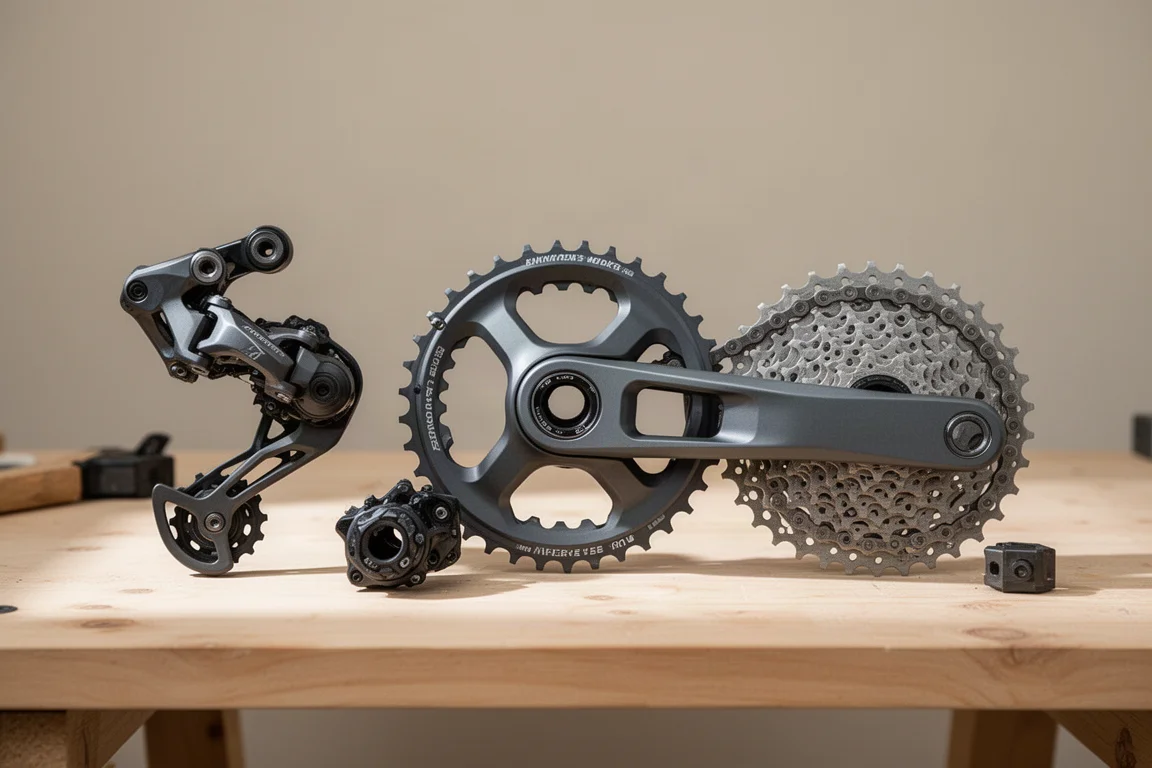
SRAM Force Groupset
The road-focused Force group pairs the redesigned levers and brakes with a fast-shifting 2x drivetrain. Braking performance is essentially indistinguishable from Red in use, with the same power and ergonomics. The updated carbon cranks have a flatter, wider shape than before, weigh less, and offer three power meter options plus a non-power-meter option, with crank lengths in 160, 165, 170, 172.5, and 175.
For 2x setups, the non-power-meter option uses a one-piece chainring design that is lighter and stiffer, though it means choosing from fixed chainring combinations: 46/33, 48/35, or 50/37. The dual-sided AXS power meter is built into the chainrings, the 1x AXS power meter also collects dual-sided power, and the AXS power meter upgrade kit sits in the spindle but only collects left-side power. Accuracy has proven very close to a well-regarded pedal-based power meter over full rides, and close to a reliable smart trainer on indoor intervals.
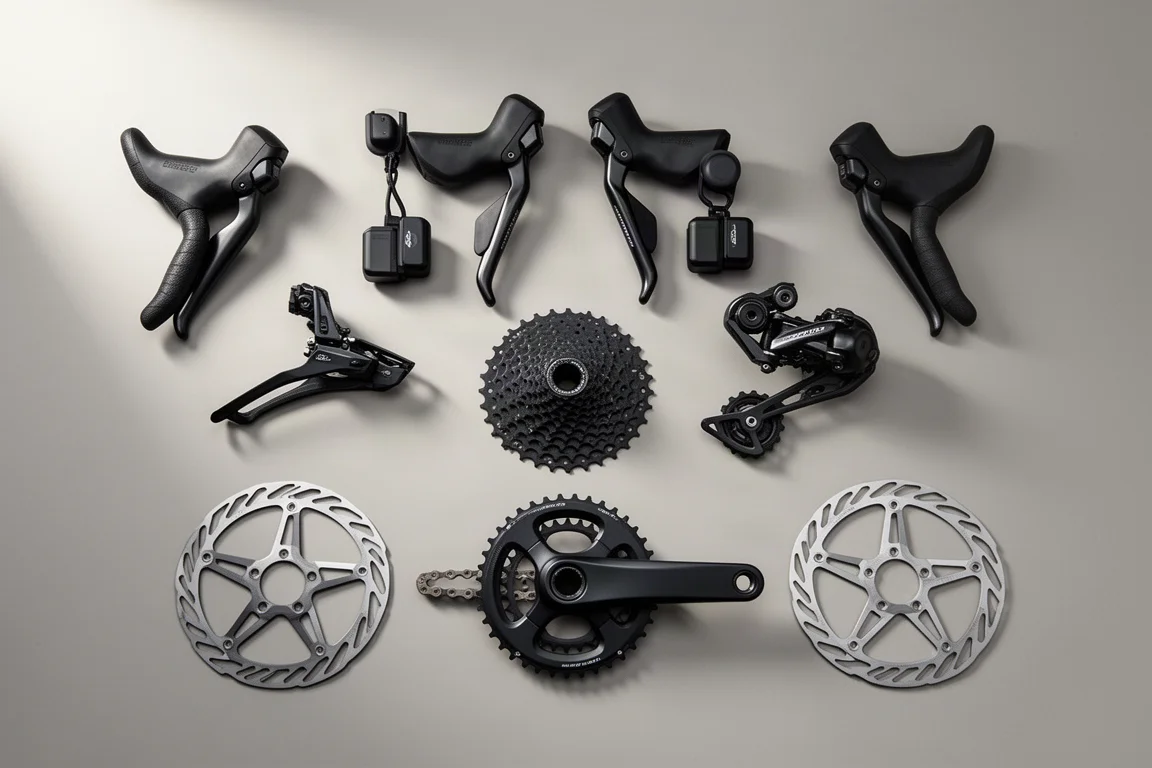
SRAM Rival Groupset
Rival brings nearly all the same ergonomics and braking performance to the lowest tier in this refresh, with weight being the main compromise. The new Rival cranks are up to 50 grams lighter than before and are aluminum rather than carbon, with a small cutout window that echoes the brand’s mountain group styling. Like Force, they use a one-piece chainring design for 2x setups.
The power meter option on Rival is left-side only, which is the clearest point of separation from Force. Beyond that, the ride experience is remarkably close, and the levers differ only slightly in texture.
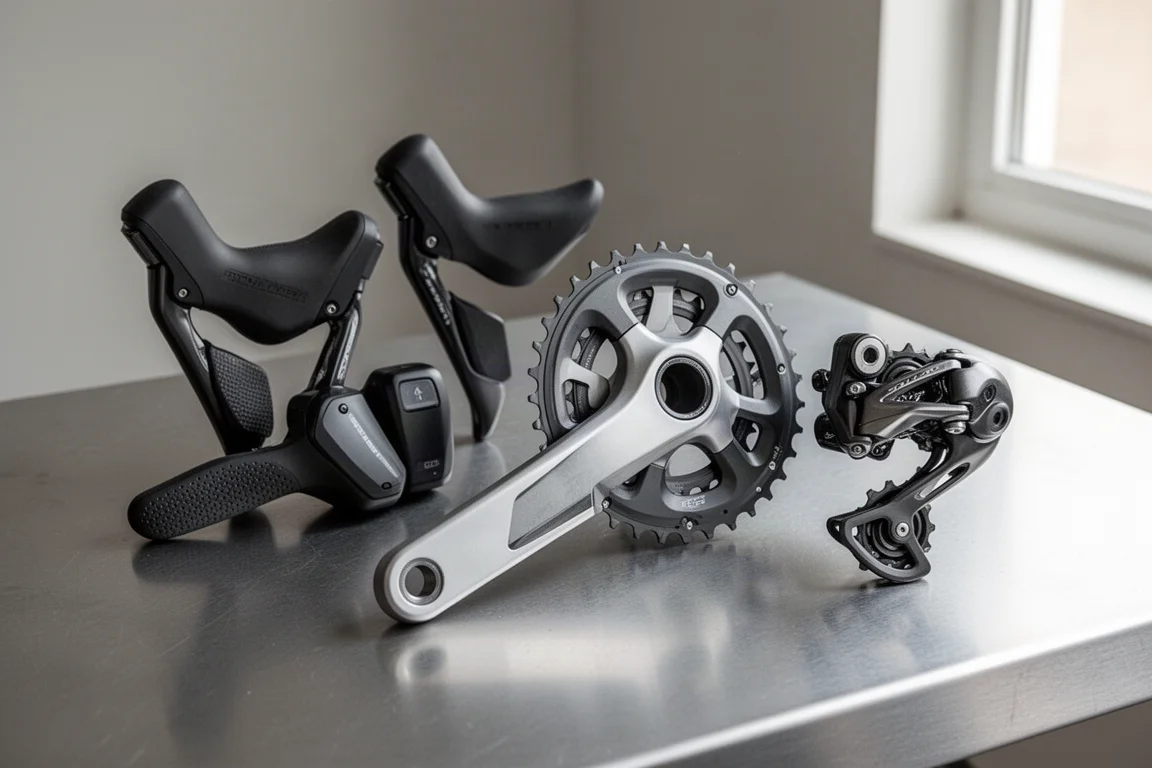
Cranks and Power Meter Options
Across the lineup, the crank and power meter combinations take some deciphering. Force offers carbon cranks with dual-sided power in the chainrings for both 2x and 1x setups, or a spindle-based left-only upgrade kit. Rival offers aluminum cranks with a left-side power meter only. For the gravel XPLR groups, both Force and Rival are limited to single-sided power meters, so the only dual-sided option across these new groups is the 2x Force road setup.
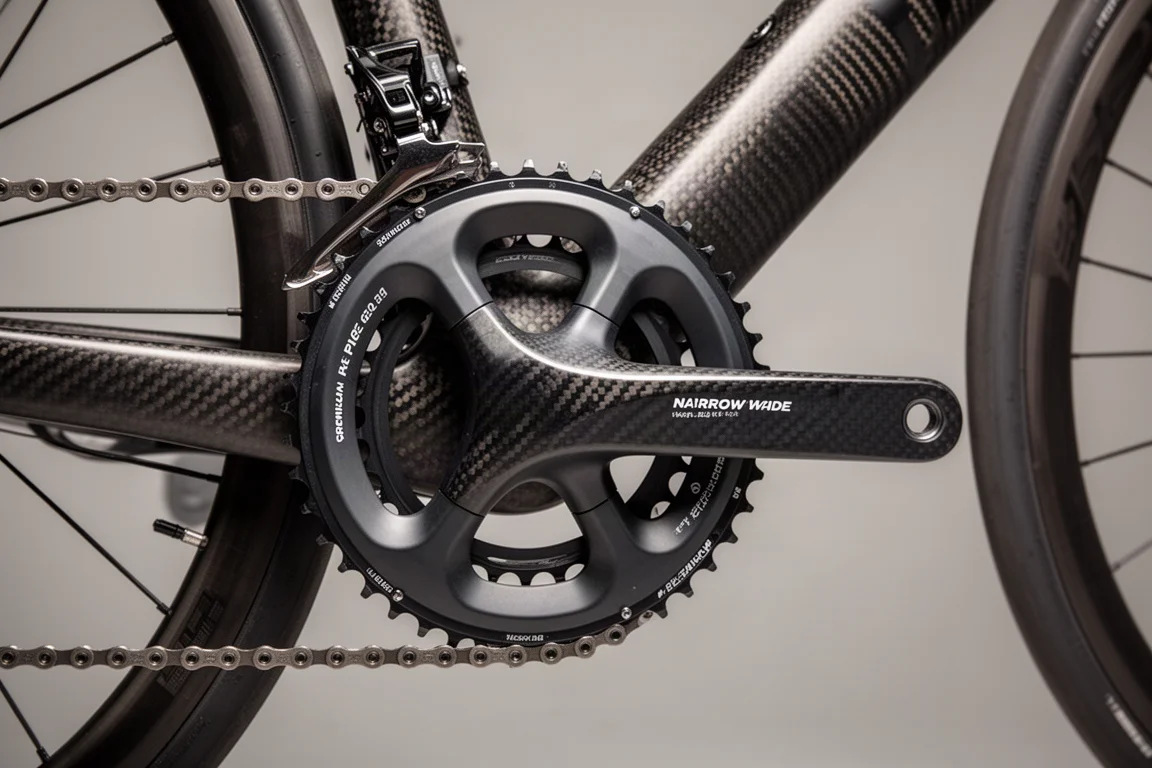
If power meter specification matters to your build, it is worth deciding between 2x road Force and everything else before you commit.
Conclusion
SRAM has done something genuinely useful here: Red-level levers, brakes, and ergonomics now exist at Force and Rival prices, and the 13-speed XPLR gravel system extends to both tiers. The remaining differences between the levels come down to weight, power meter options, and the bonus buttons reserved for Force and Red. For most riders, the right choice is less about performance tier and more about road versus gravel focus, which makes this refresh one of the easier component decisions to shop for.
Further reading
Related Reviews
Bike Components
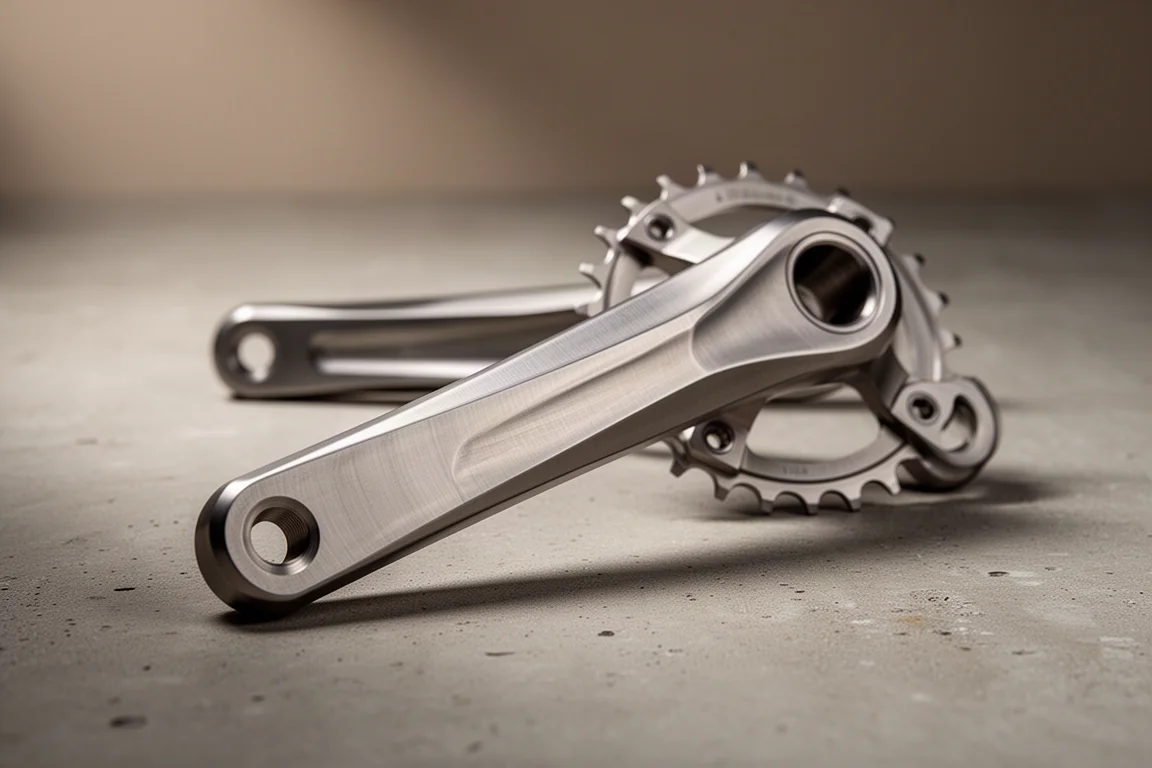
5Dev Titanium Cranks Review: Titanium Craftsmanship and the Shorter Crank Question
A close look at 5Dev's CNC machined titanium cranks, what shorter crank lengths actually change on the road, and how to decide whether this upgrade suits your bike fit.
Bike Components
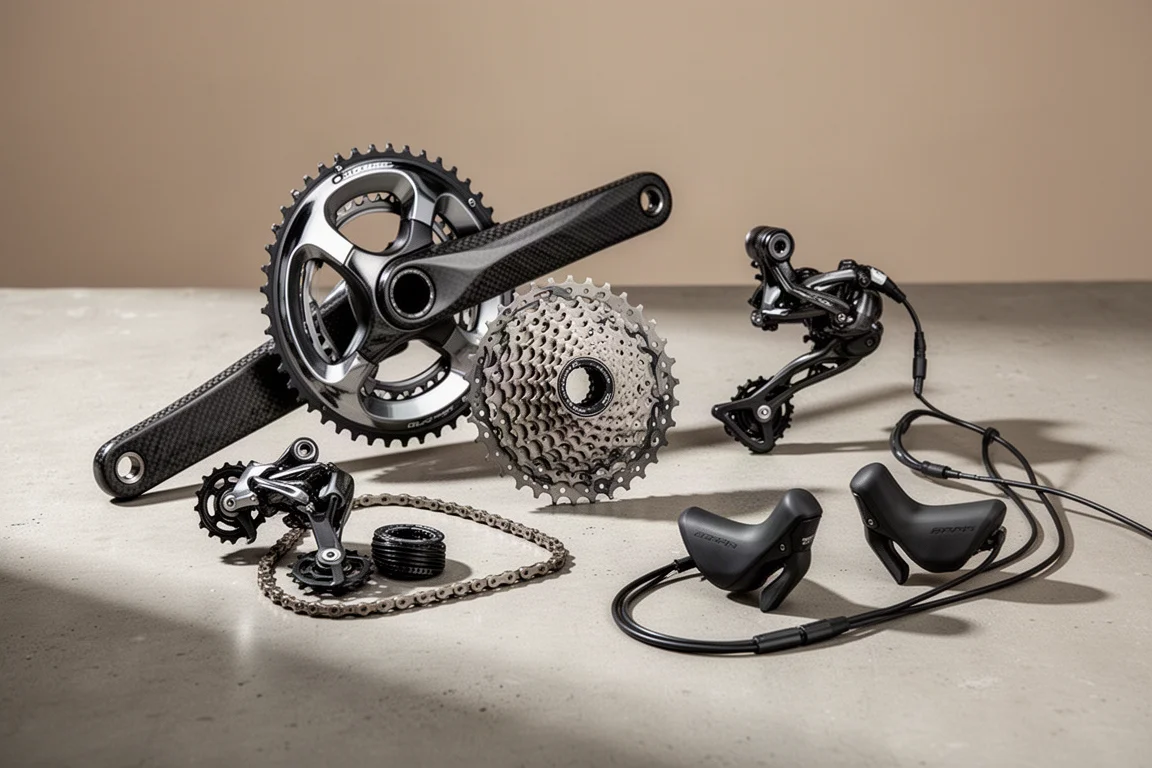
Bike Groupsets Explained: Shimano, SRAM & Campagnolo Compared
A plain-English guide to the groupset pyramid, from Campagnolo Super Record to Shimano Acera, with buying advice for every tier.
Bike Components
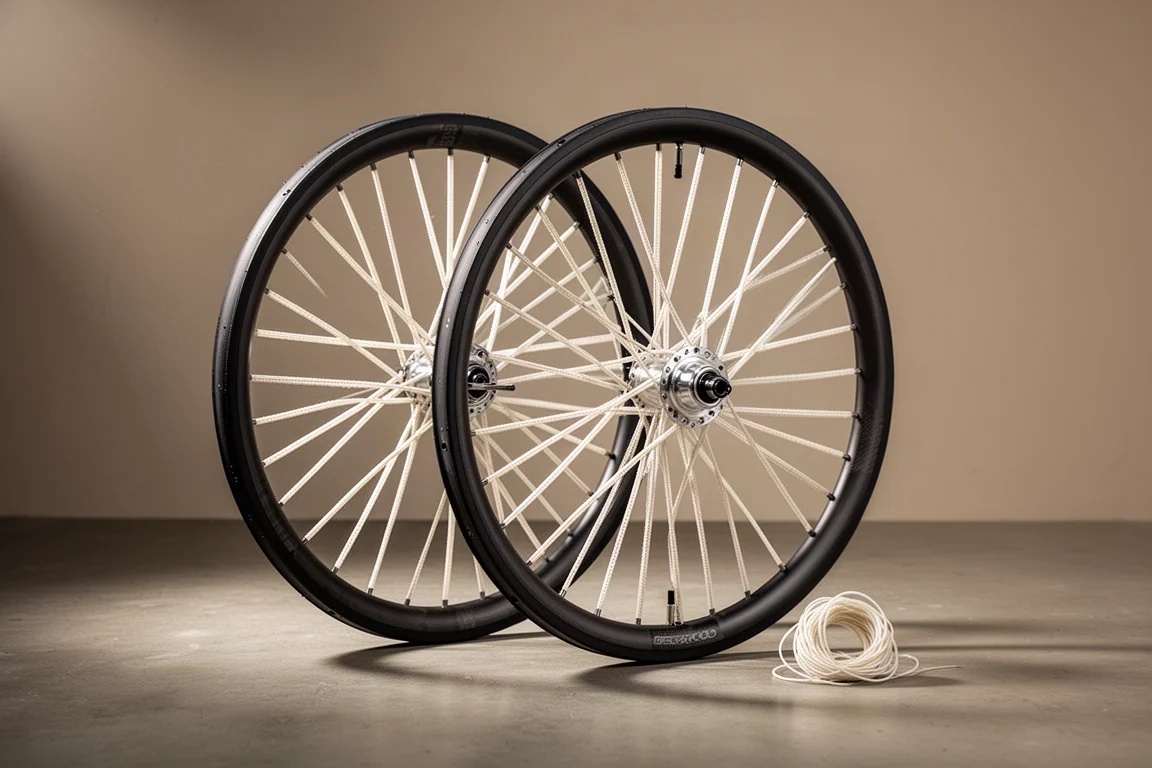
Bird Spokes Review: Are Fabric Bicycle Spokes Worth It?
Fabric spokes promise less weight, more compliance, and better vibration damping than steel. Here is how a Bird spoke wheel build compares with the same rims and hubs laced with steel.