Bike Components
Bird Spokes Review: Are Fabric Bicycle Spokes Worth It?
Fabric spokes promise less weight, more compliance, and better vibration damping than steel. Here is how a Bird spoke wheel build compares with the same rims and hubs laced with steel.
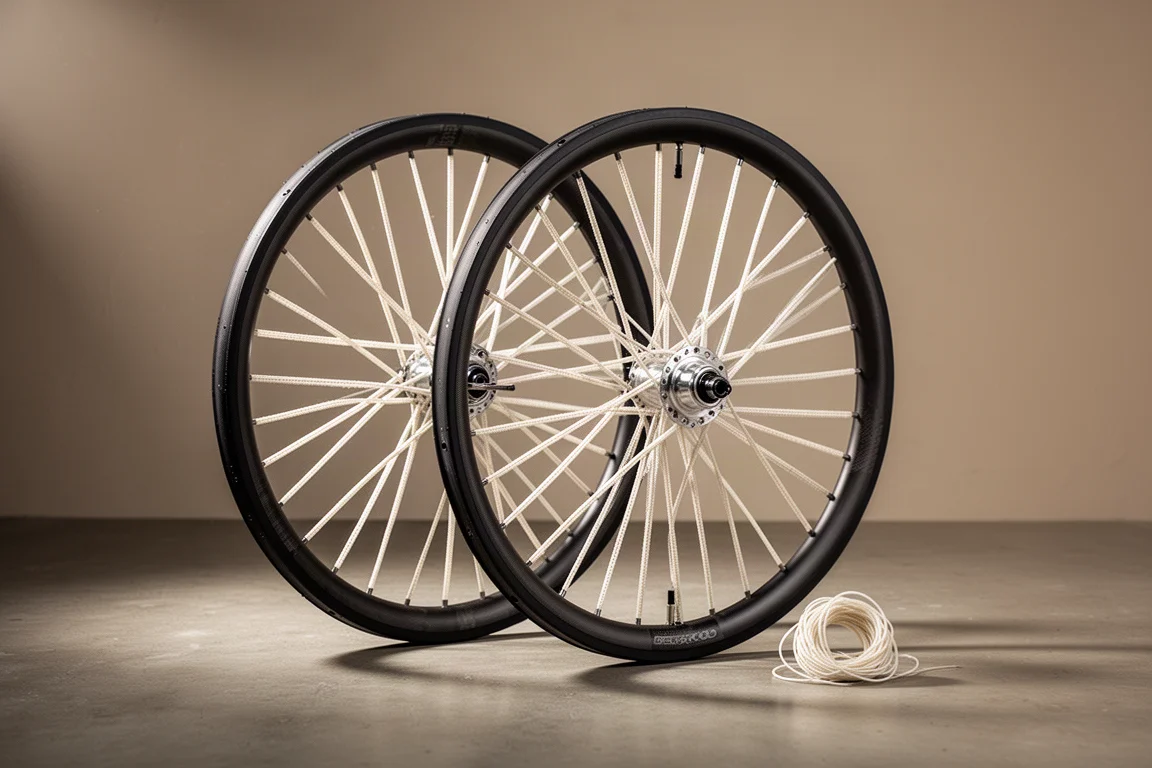
Introduction
Bird spokes are not made of metal. They are woven from a fabric material that the brand describes as ultra-high-molecular-weight polyethylene, and at a glance they look far closer to a pair of shoelaces than to a wheel component. The claims attached to them are substantial: less than half the weight of a steel spoke, 50 percent more durability, and 200 percent better vibration damping.
After tires, wheels are the upgrade that changes how a bike feels the most, so those claims are worth examining properly. The comparison build for this article used two wheel sets assembled by Noble Wheels in Canada. Both are built around the same TR35 G2 carbon rims and Onyx Racing Vesper hubs, and the only variable is the spokes. One set uses Sapim steel spokes, the other uses Bird spokes in white.
Who This Product Is For
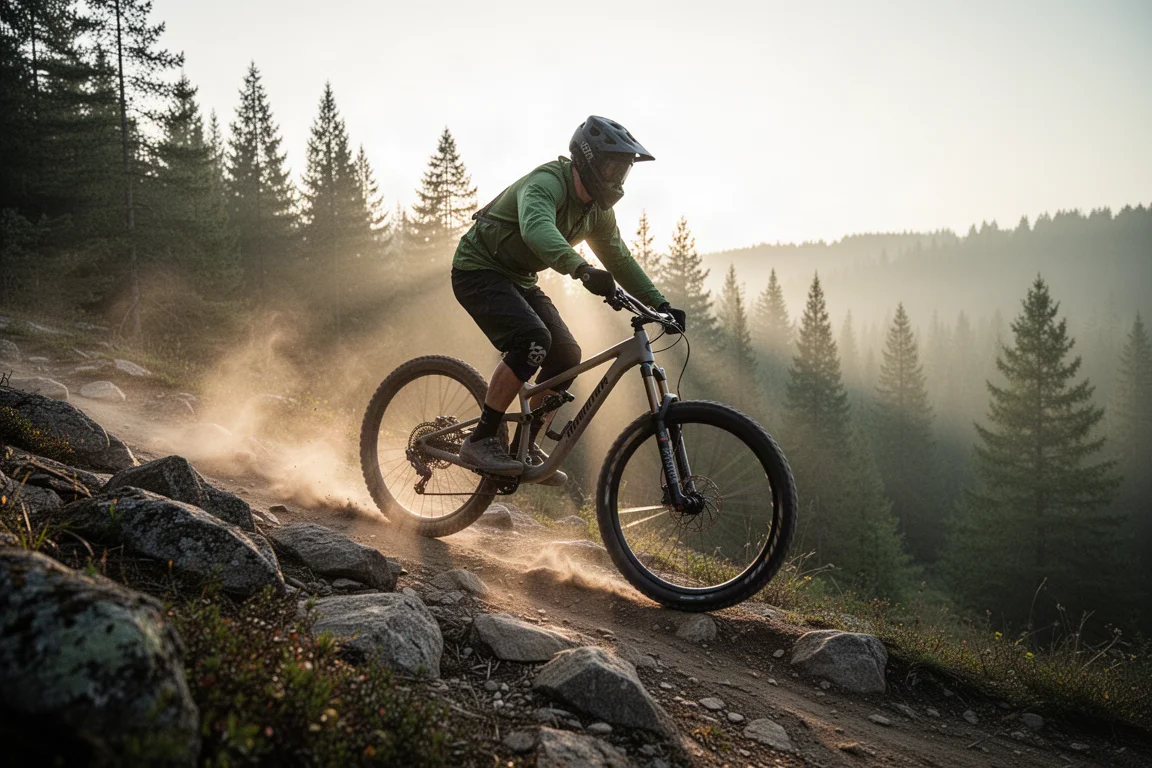
Bird spokes suit riders who value comfort, grip, and low weight ahead of absolute precision. On long rides and long descents the extra compliance takes the edge off trail chatter, and the reduced weight helps on sustained technical climbs. Riders who race long-distance stage events and marathons are the clearest fit, and cross-country racers at the sharp end have used them for racing.
They are also relevant for anyone building a custom wheelset and choosing components individually, since the spokes are one of the few parts of a wheel that can be specified to change how the finished build behaves. What they are less suited to is riders who want a set-and-forget wheel that never asks for attention.
Main Strengths
The difference between the two builds was noticeable from the very first back-to-back run, and it stayed consistent across a range of trail centres, technical natural trails, and a long, punishing descent. Both wheel sets were run with the same tires, at the same pressures, with the same amount of sealant, on the same trails on the same days.
Trail Comfort and Compliance
The Bird spoke build was smoother and more comfortable. Small trail chatter and bigger hits both felt more muted, and less feedback reached the hands and feet through the bike. Switching back to the steel spoke set felt like running slightly higher tire pressures or a stiffer casing. The carbon rims absorb vibration on both builds, but the fabric spokes added another step.
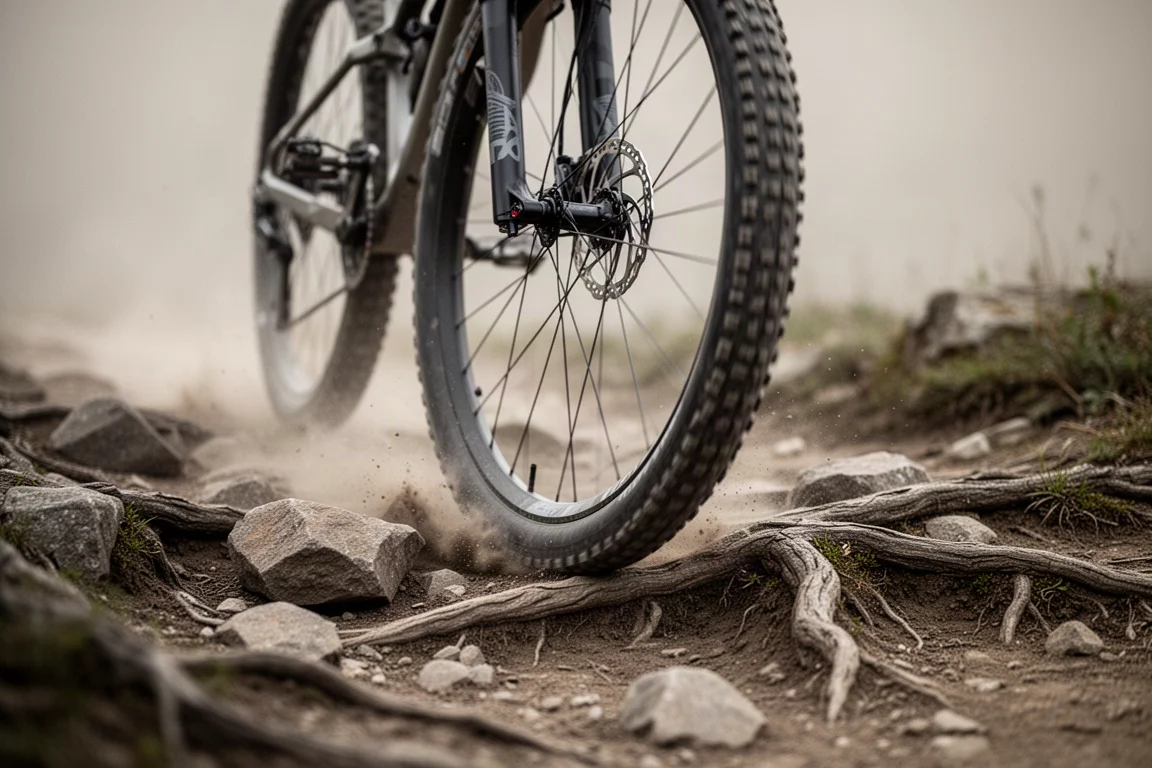
Through rough terrain the Bird spoke wheels also seemed to offer more grip. They flowed down the trail more easily and were less likely to be bounced offline, and the whole bike felt more composed when pushing hard. That added compliance was the standout characteristic of the test.
Climbing and Weight
The numbers back up the weight claim. The Bird spoke wheel set weighed 1,522 g, against 1,686 g for the steel spoke set, a saving of 164 g. That is a meaningful reduction for a component swap that keeps the same rims and hubs.
On the trail it showed up as a lighter feel under acceleration and easier spin-up to speed. Timed climbs measured only by heart rate suggested the Bird spoke wheels were a shade faster, though that is not a precise measurement. Paired with the instant engagement of the Onyx hubs, the lower weight was particularly enjoyable on technical climbs. There are lighter cross-country and trail wheelsets on the market, but for technical climbing this build is among the best available.
The Rims and Hubs in This Build
The spokes are only part of the story, and the supporting components deserve credit. The Noble TR35 G2 carbon rims came through a very rough test period with only a few scratches. There were no cracks, no tire burping, and no loss of air, and they kept a properly solid feel even with the stiffer steel spokes. They carry a lifetime warranty and a reasonable cost of entry.
The Onyx Racing Vesper hubs use sprag clutches in the freehub, which makes them silent in use and gives them absolutely instant engagement. They feel different from a conventional hub: the pickup is immediate, but the first part of the pedal stroke feels slightly soft or vague, because the sprags do not slam into a drive ring the way a pawl or ratchet design does. It is not a flaw, just a different character. This version is hooked rather than drilled for Bird spokes, which makes the build quicker and easier, and the hubs roll exceptionally freely. A wide range of anodized and powder-coated colors is available. They are neither the lightest nor the cheapest hubs around, but they are easy to like.
Things to Consider Before Buying
The Bird spoke build is not better in every respect, and the trade-offs are real enough to plan around.
Lateral Stiffness and Precision
In high-load corners the Bird spoke wheels flexed a touch more. The same compliance that felt so good over braking bumps also made the wheels less precise and less able to hold a line. The same corners on the steel spoke build felt better: the wheel tracked where it was pointed and needed less fighting to stay on line, which translated into more accuracy through tight turns. The flex was predictable and never undermined confidence, but it took some adaptation.
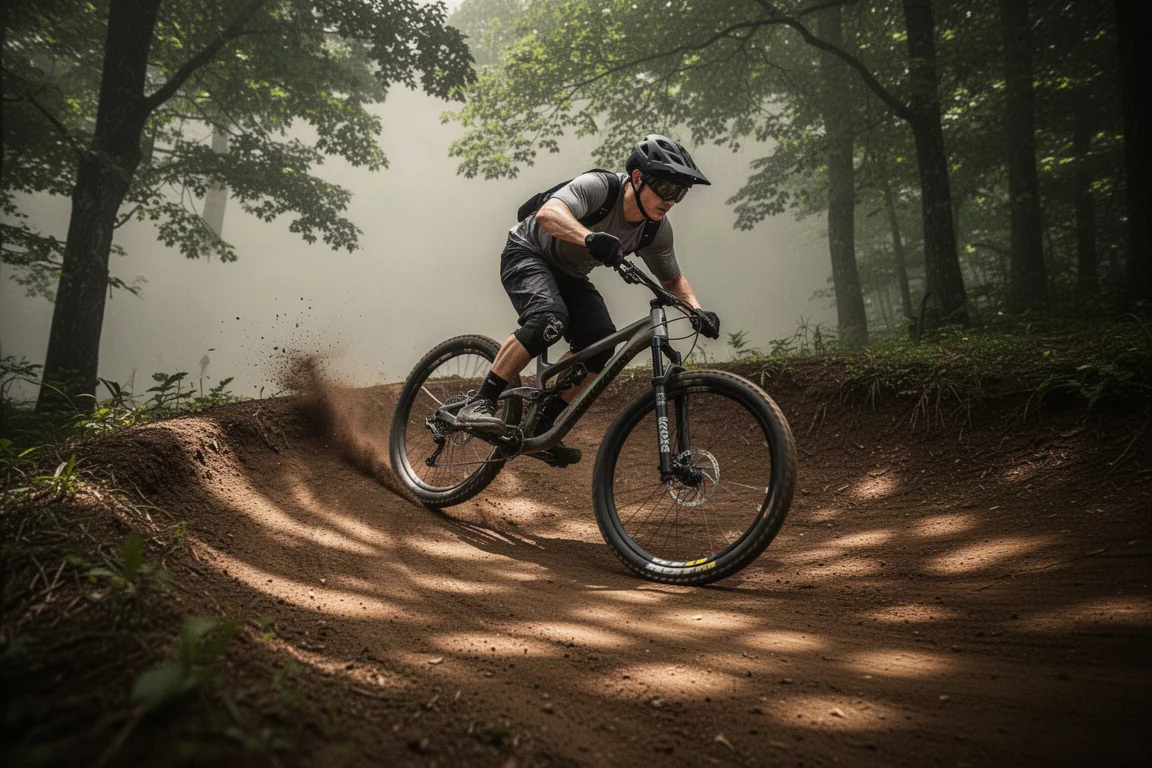
Over the test period that flex became more noticeable, and on closer inspection the Bird spoke wheels had lost tension and no longer felt as tight as they did when new. Retensioning resolved it completely. The steel spoke set, by contrast, showed no perceivable tension loss and no change in ride character.
Tension, Maintenance, and Spoke Replacement
Bird spokes need more attention over their life. Tension has to be checked several times during the build process, which adds labour cost, and the wheel should be monitored afterwards. Replacing a spoke is also more involved. Unless the hub has a hooked flange, like the Onyx Vesper, the work is likely to be a bike shop job.
Two cosmetic points are worth knowing. The white spokes do not stay completely white, and the fabric around the threaded metal portion of the spokes can look frayed and slightly tatty. It has no effect on performance, but it is not what most riders expect from a premium component. The spokes can be dyed in a range of colors if white is not the look you want.
Cost and Compatibility
Bird spokes cost roughly £7 or $8 each, compared with $1 to $2 for a standard steel spoke. Multiplied across a full wheel, that adds up: on the Noble build, Bird spokes add $538 to the $1,650 base price of the TR35 rims laced to Onyx hubs with steel spokes, for a total of $2,188.
On the face of it that looks like a lot, but the comparison is closer than it appears. The DT Swiss XMC 1501 wheel set weighs roughly the same and costs $1,999. Bird spokes are therefore pricey, but they are more or less in line with comparable lightweight wheelsets.
Compatibility is the other practical hurdle. Bird spokes may require modification to existing hubs, or a different hub altogether. Combined with the extra build labour and the ongoing tension checks, the true cost sits above the sticker price of the spokes themselves.
Buying Advice
Bird spokes are worth considering if comfort, grip, and low weight matter more to you than razor-sharp tracking and minimal maintenance. Riders who suffer on long rides and long descents, or who race long-distance stage events and marathons, are the best fit, and the added compliance and reduced weight are genuinely noticeable on the trail.
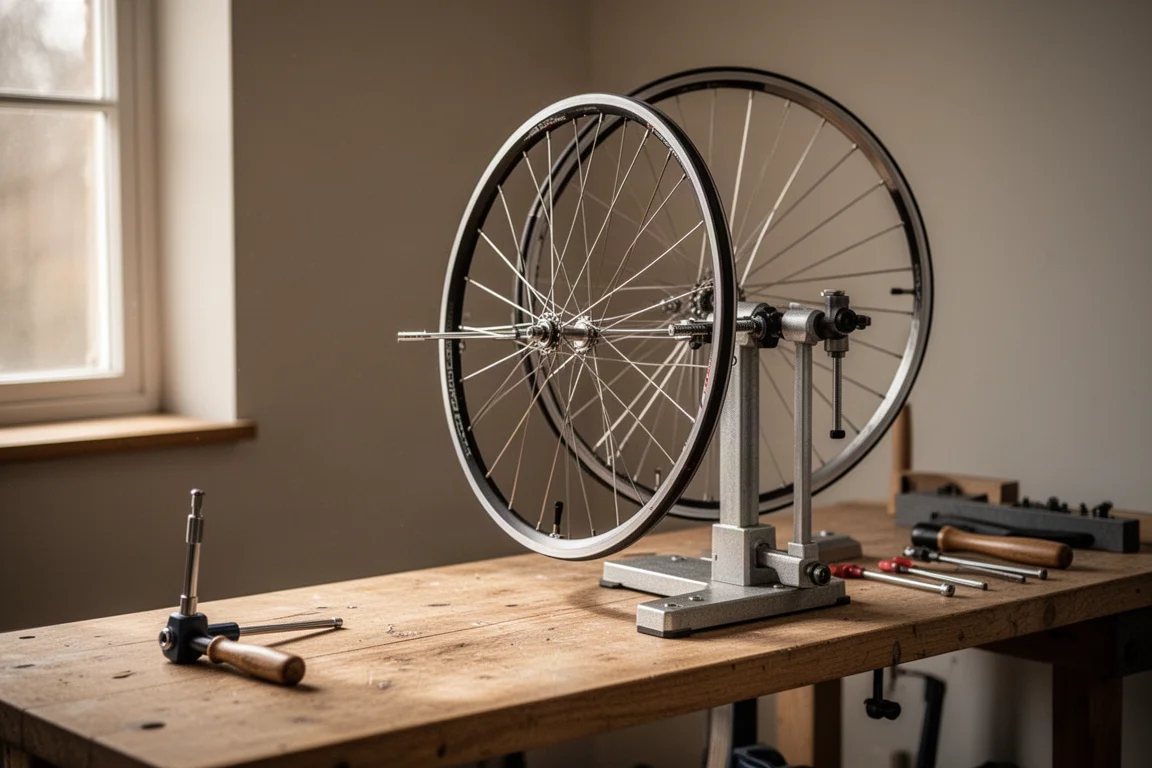
If you prioritise precision in high-load corners, want a wheel you can largely forget about, or prefer the simplicity and low cost of steel spokes, the conventional build remains the smarter choice. Steel spokes are easy to manufacture, strong, reasonably light, and reliable, and they are still the default for good reason.
It is also worth separating the components. The Noble TR35 G2 carbon rims and the Onyx Racing Vesper hubs both stood up well, and either is a sensible choice independent of the spoke decision. If the fabric spokes appeal but the budget does not stretch, a build with the same rims and hubs and steel spokes keeps most of the durability and precision at a lower price.
Conclusion
Bird spokes live up to their weight and compliance claims. Against a steel spoke wheel set with the same rims and hubs, they are both lighter and more compliant, and the difference is clear on the trail rather than theoretical.
They are not about to replace steel spokes as the standard. They cost more, need more maintenance over the long term, and give up some precision, and the finish does not quite match the price. For the right rider, though, the added compliance, the extra grip, and the lower weight make the trade-off worthwhile, especially on technical climbs and long, rough descents.
Product link
View more details for Bird Spokes
This product is mentioned in the review. Check the specifications, options, and compatibility before buying.
View more details for Bird SpokesFurther reading
Related Reviews
Bike Components
5Dev Titanium Cranks Review: Titanium Craftsmanship and the Shorter Crank Question
A close look at 5Dev's CNC machined titanium cranks, what shorter crank lengths actually change on the road, and how to decide whether this upgrade suits your bike fit.
Bike Components
Bike Groupsets Explained: Shimano, SRAM & Campagnolo Compared
A plain-English guide to the groupset pyramid, from Campagnolo Super Record to Shimano Acera, with buying advice for every tier.
Bike Components
FSA K-Force Team Edition Crankset Review: 1,000 km on 165 mm Cranks
A practical look at shorter crank lengths, what the FSA K-Force Team Edition crankset changed in comfort and bike fit, and where the gains stop.