Cycling Components
SRAM Force and Rival AXS Groupsets Compared: Four New Road and Gravel Options
SRAM has expanded Force and Rival with new 1x13 gravel and 2x road groupsets, bringing RED-derived shifting and braking to lower price points.
Introduction
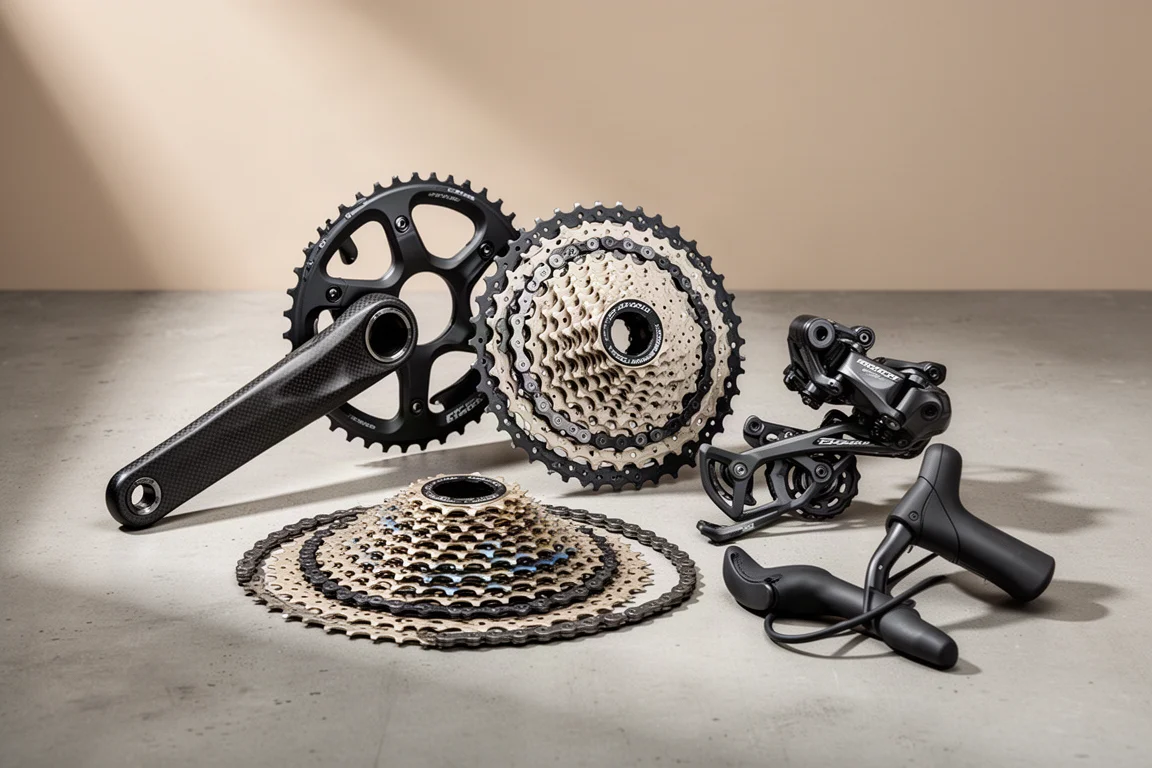
SRAM has expanded its road and gravel groupset range with four new options: the Force XPLR AXS 1x13 gravel groupset, the Rival XPLR AXS 1x13 gravel groupset, the Force AXS 2x road groupset, and the Rival AXS 2x road groupset. The core message is straightforward. These groupsets bring much of the performance, ergonomics, shifting, and braking feel first seen on RED to lower price points, with a small weight penalty. The range follows a good, better, best structure: Rival, Force, and RED.

For riders building or buying a new road or gravel bike, the appeal is clear. The new Force and Rival groupsets inherit key improvements from RED while remaining more accessible than the top tier. Each new groupset is also lighter than the version it replaces, which makes the trickle-down approach more than a simple cost reduction exercise.
Shared Technology and Platform Approach
Across the four new groupsets, the most noticeable shared upgrade is the revised hood shape. The ergonomics are improved, with a fit in the hands that feels secure and comfortable over long rides. Braking performance has also moved forward, with light lever action that allows one-finger braking in a wide range of situations. That translates into more confidence on descents, especially on gravel where control matters.
One key difference between Force and Rival is the bonus buttons. Force includes bonus buttons like RED for extra shifting functions, while Rival does not. Riders who have not used RED or Force will not miss the feature, but those who are accustomed to it may notice its absence on Rival. Otherwise, the shifting speed and gear ratios carry over as expected.
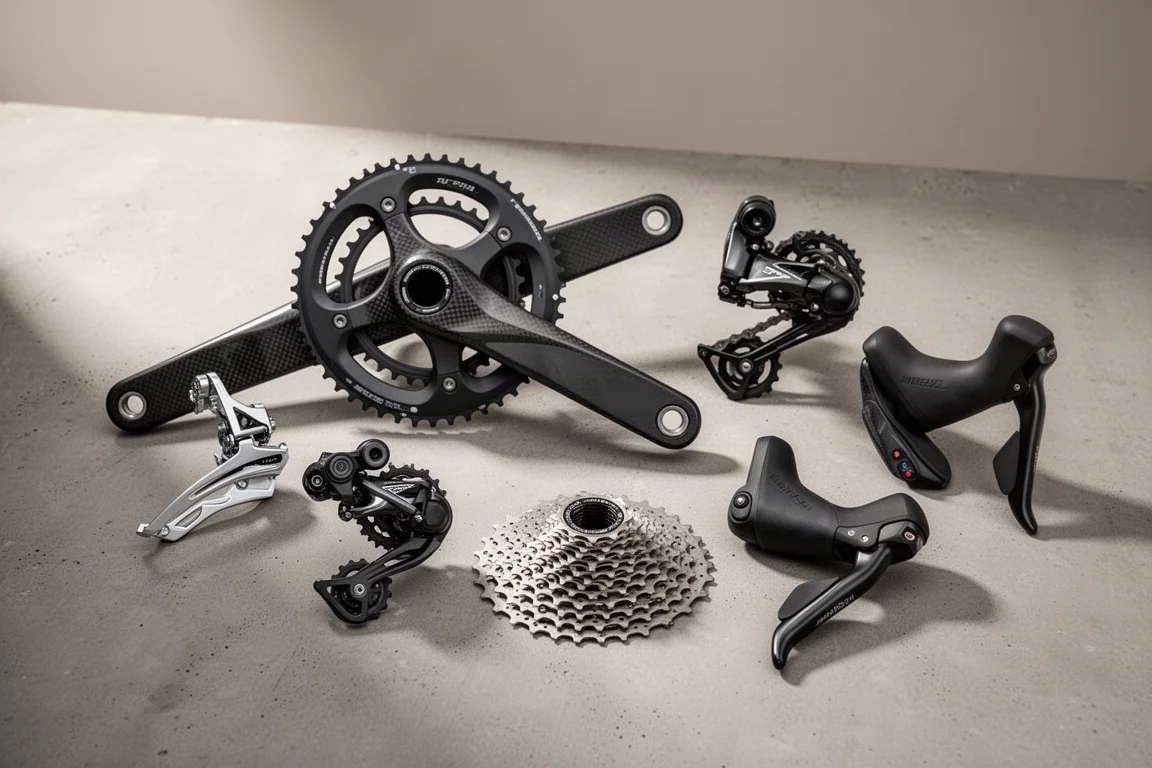
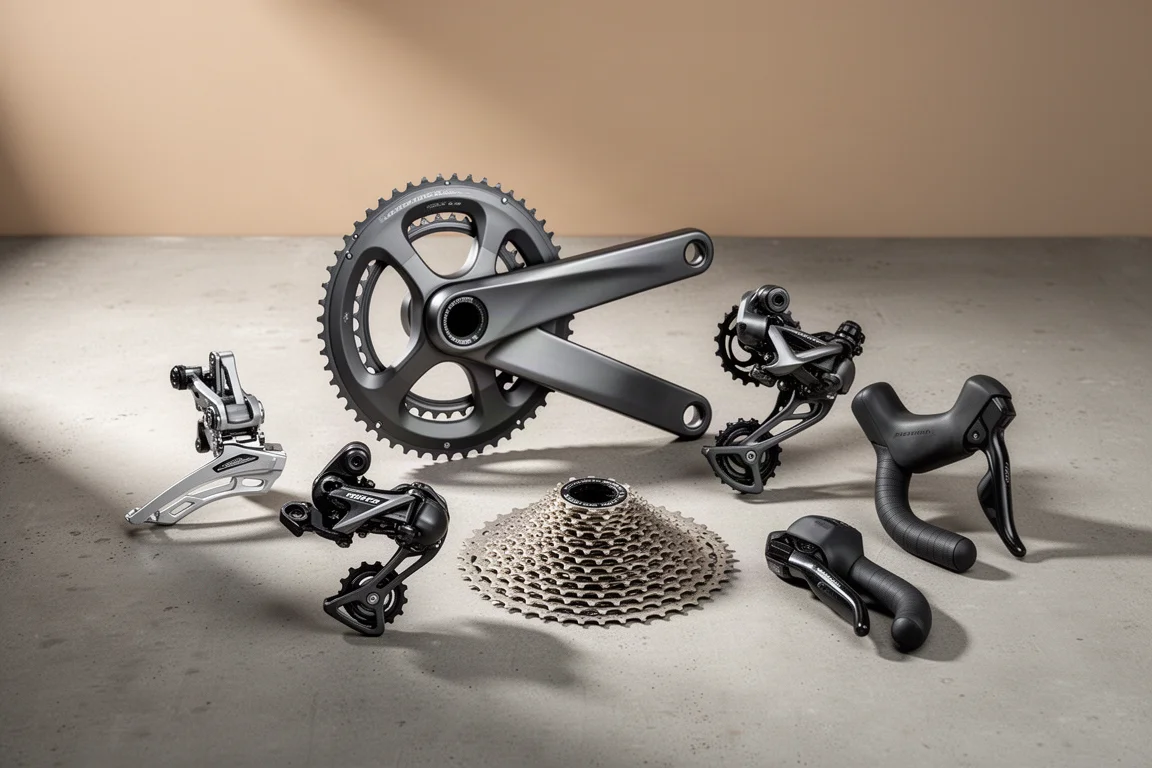
The groupsets are visually similar to RED, but they use different materials to meet lower price points. Despite that, each groupset is lighter than the previous version. Much of the weight saving comes from the chainset and cassette. The new chainset uses one-piece chainrings and a thread mount interface that fixes the chainrings directly to the crank arm. The Force carbon fiber crank arm is lighter and stiffer than the old Force, while the Rival crank arm has a visible cutout in the side.
The new groupsets are also backwards compatible with existing SRAM Force and Rival 12-speed setups. That means riders can upgrade just the hoods and brakes if they wish, rather than replacing the entire drivetrain.
SRAM Force XPLR AXS 1x13 Gravel Groupset
The Force XPLR AXS 1x13 gravel groupset is built around a 1x13 drivetrain with the same sprocket spacing as the 12-speed design and a flat-top chain. It borrows the full mount rear derailleur from the mountain bike transmission world. That derailleur clamps onto the frame for a more secure and more durable interface, and it gives the rear end an oversized, chunky look that has grown on many riders over the past year.
The XPLR groupset is based around a 10-46 cassette. SRAM offers just one cassette option for this groupset to keep installation and setup simple. There is no B-screw, no high and low adjustment, and no indexing to fiddle with, because the rear derailleur knows its position relative to the cassette. Riders who need bigger gears can step up to the Eagle 10-52 cassette, which is a popular choice on gravel bikes.
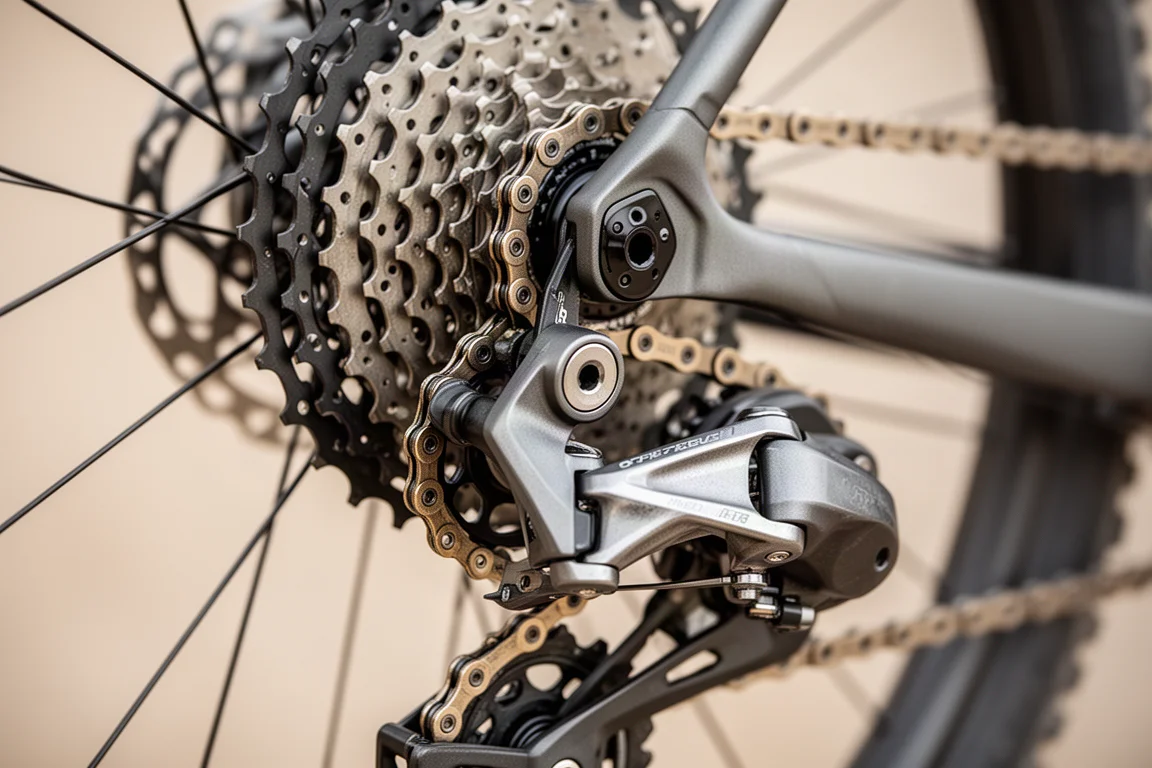
The 13-speed XPLR cassette is lighter than the previous 12-speed version despite having an extra sprocket. That comes from using more alloy sprockets. The result is a gravel groupset that combines wide range, simple setup, and a meaningful weight reduction over the older design.
SRAM Rival XPLR AXS 1x13 Gravel Groupset
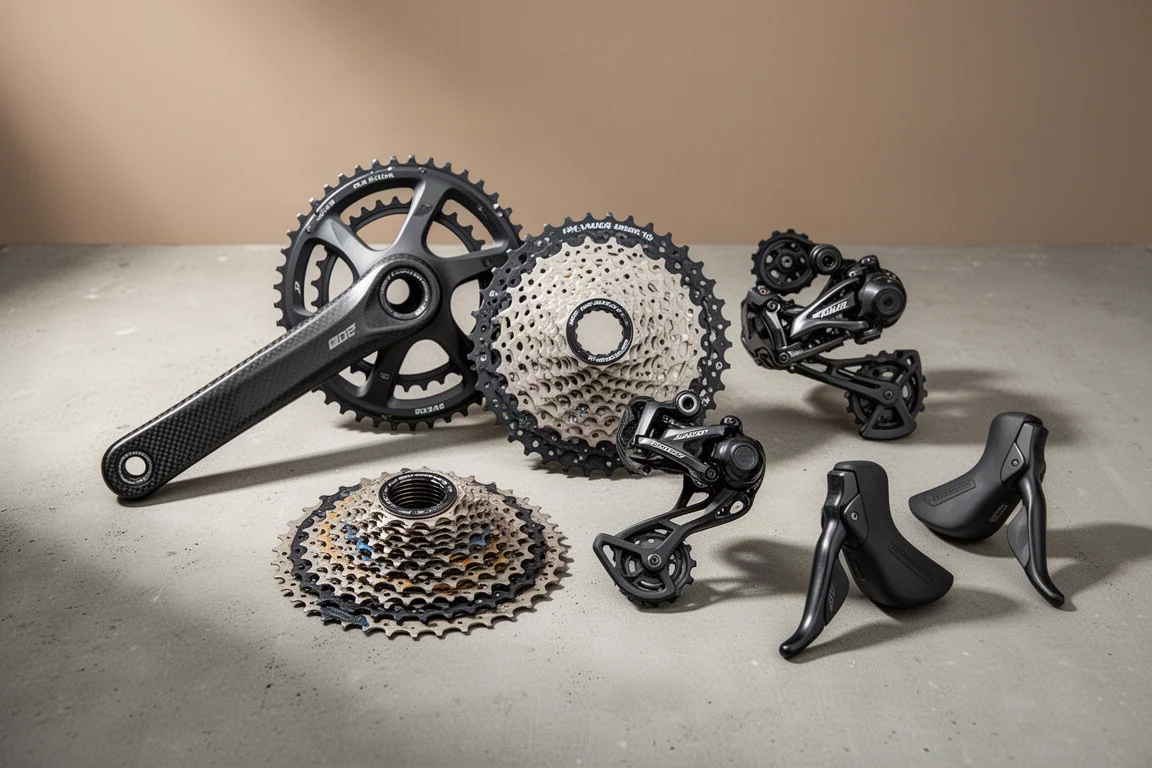
The Rival XPLR AXS 1x13 gravel groupset brings the same 1x13 layout and wide-range approach to a lower price point. It shares the improved hood ergonomics and the upgraded braking feel with the rest of the new range, so riders get the same light lever action and one-finger braking confidence. The main difference from Force is the lack of bonus buttons, along with a different material specification and a slight weight penalty.
For gravel riders, the 1x setup remains a natural fit. It simplifies gear selection and removes the front derailleur from the equation. The wide-range cassette gives the ability to ride up steep climbs, and the full mount rear derailleur adds a secure, durable connection to the frame. Riders who want the SRAM 1x13 gravel experience at a more accessible price will find the Rival version compelling.
SRAM Force AXS 2x Road Groupset
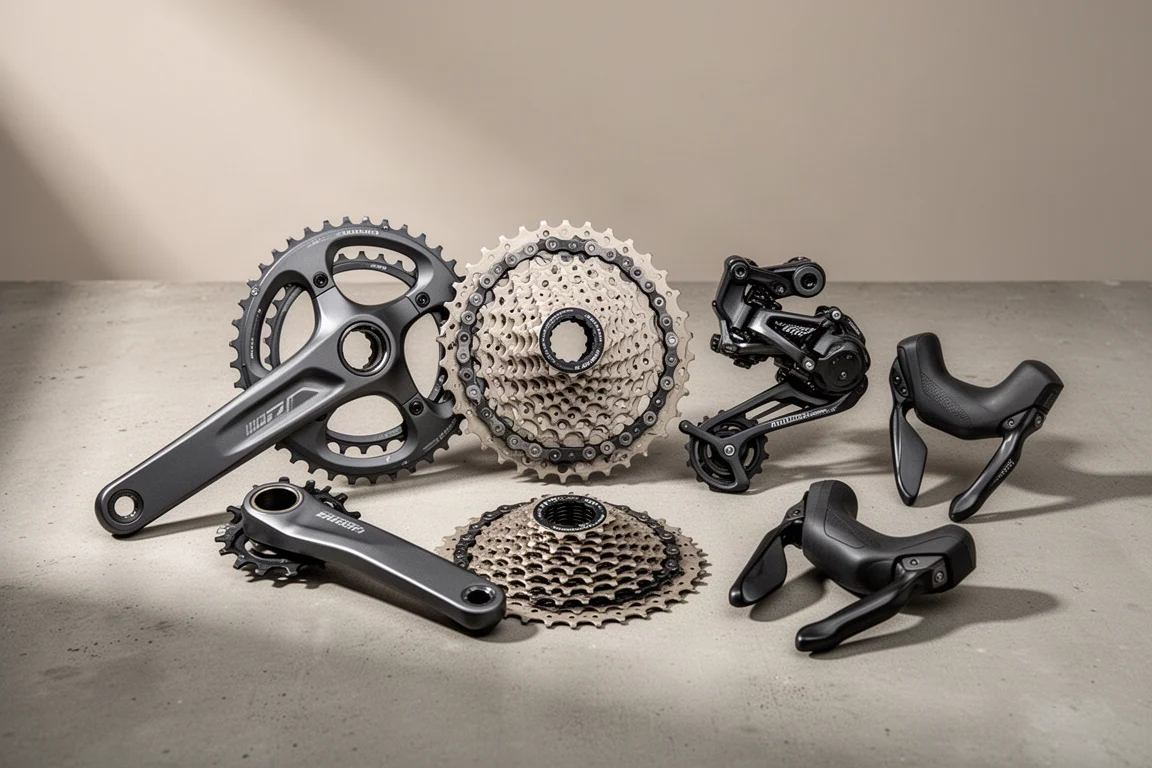
The Force AXS 2x road groupset takes the same RED-derived improvements and applies them to a two-by road setup. The hoods are a highlight, with the same comfortable shape and improved ergonomics found across the new range. Braking performance benefits from the new pistons and calipers, delivering light lever action and confident one-finger braking.
Force also includes bonus buttons for extra shifting functions, which are placed on the side of the hoods. That feature is one of the clearest separations between Force and Rival. The Force carbon fiber crank arm is lighter and stiffer than the previous version, and the overall groupset is lighter than the Force it replaces. For road riders who want a high-performance 2x drivetrain without moving to the top tier, Force is the natural step up from Rival.

The 2x road configuration keeps the familiar gear ratios and shifting speed, while the updated braking hardware adds control on fast descents and in wet conditions. It is a groupset for riders who value a traditional road setup with modern electronic shifting and improved ergonomics.
SRAM Rival AXS 2x Road Groupset
The Rival AXS 2x road groupset is the most accessible way to get the new RED-derived ride experience in a two-by road format. It uses the same improved hood shape, the same light lever action, and the same braking upgrade as the rest of the range. The main trade-off is the absence of bonus buttons, which are reserved for Force and RED. Riders who have not used those buttons will not miss them, and the core shifting and braking performance remains strong.
Rival has long been popular for its balance of price and capability, and the new version builds on that with a lighter overall package than before. The 2x setup provides the gear range and closely spaced ratios that road riders expect, while the updated hoods and brakes make the bike feel more controlled and comfortable. For riders who want electronic road shifting at a lower price point, Rival AXS 2x is the sensible entry into the new generation.
Buying Advice
Choosing between the four groupsets comes down to riding surface, gearing preference, and budget. Gravel riders who want the simplicity of a 1x drivetrain and the range of a 10-46 cassette should look at the XPLR AXS options. Force XPLR adds bonus buttons, a lighter carbon crank arm, and a lower weight, while Rival XPLR delivers the same core 1x13 experience at a more accessible price. Road riders who prefer a 2x setup can choose between Force AXS 2x and Rival AXS 2x, with Force offering the bonus buttons and lighter components, and Rival providing the essential performance at a lower cost.
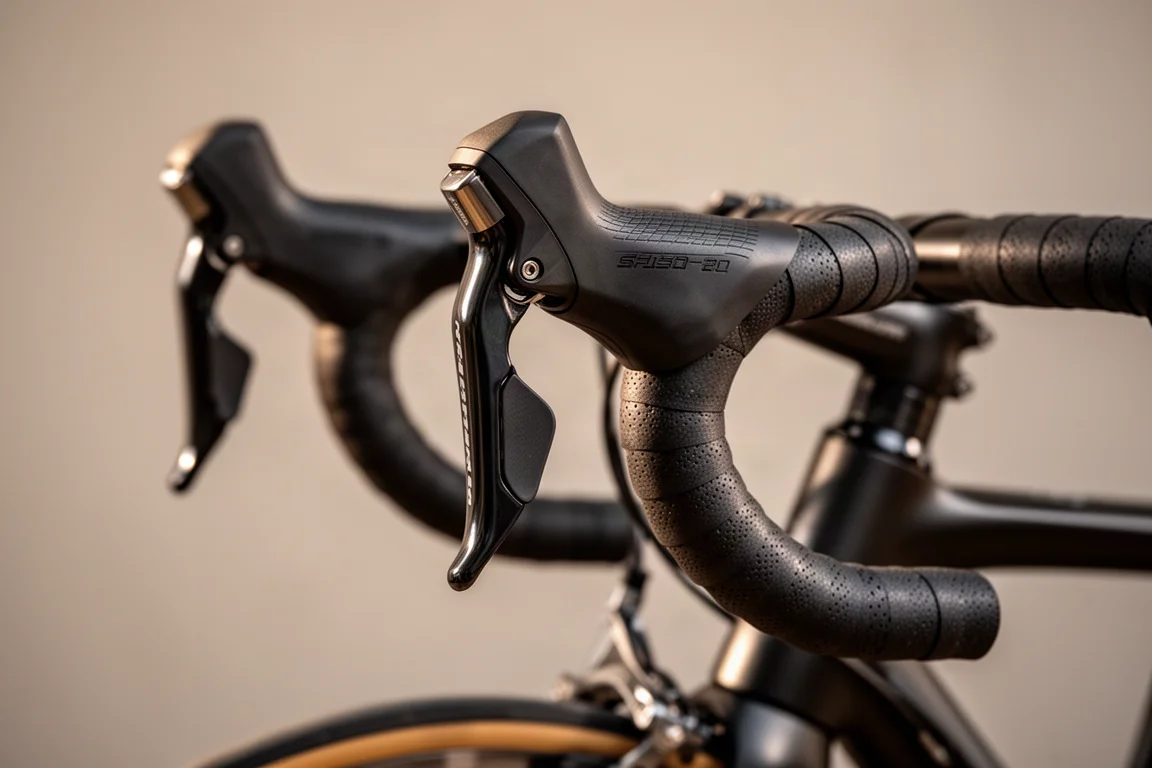
Because the new groupsets are backwards compatible with existing SRAM Force and Rival 12-speed setups, current owners have flexibility. Upgrading the hoods and brakes alone can bring the improved ergonomics and braking feel without replacing the whole drivetrain. For complete bike buyers, several brands are expected to offer models with the new groupsets, and pricing is positioned below Shimano official pricing even before discounts. Availability and complete bike pricing will vary by brand and region, so it is worth checking with local dealers.
Conclusion
The four new SRAM Force and Rival AXS groupsets make the RED-derived experience more accessible across both road and gravel. The improved hoods, lighter lever action, and stronger braking are the headline changes, and the fact that each groupset is lighter than its predecessor makes the value proposition stronger. Rival remains the value-focused choice, Force adds useful bonus buttons and lighter materials, and riders who want the full 1x13 gravel range or a refined 2x road setup now have clear options at lower price points.
Further reading
Related Reviews
Cycling Components
A 20,000-Mile Budget Race Bike Build: Five Parts Worth Knowing
A rim brake race bike assembled from low-cost components and ridden for 20,000 miles. Here is what delivered real speed, what caused problems, and what to weigh before copying the formula.
Cycling Components
7 Bike Fit Products Fitters Avoid: What to Check Before You Buy
Seven bike components that regularly cause knee, foot and saddle problems, with the specific concerns behind each one and what to look for instead.
Cycling Components
Four Affordable Bike Upgrades That Improve Ride Feel
Four low-cost cycling products that make a real difference to ride feel, plus the free setup changes worth trying first.