Cycling Components
SRAM Force Groupset Review: Second-Tier Pricing, Near-Flagship Performance
A wireless 12-speed road groupset with one-finger hydraulic braking, reworked front shifting, and a longer lever reach that changes bike fit.

Introduction
SRAM’s latest Force groupset is the second rung on a four-tier ladder that runs Red, Force, Rival, and Apex. It keeps the essentials from the top end: fully wireless shifting, hydraulic disc braking, a 12-speed drivetrain, and the same lever architecture that debuted on Red. What changes as you step down are small but real: a little extra weight, a little less branding, and one missing adjustment feature.
The most visible change compared with the previous Force generation is the lever. It is longer, reshaped, and paired with a new hydraulic braking system that can genuinely be operated with one finger. Front shifting has also been reworked, addressing the chain-drop reputation that followed SRAM groupsets for years.
Pricing sits well below Red, with SRAM quoting around £2,828 in the UK and $2,842 in the US for the version with a dual-sided power meter. It is still a serious investment, but it is over £1,000 less than the equivalent Red build.
Who the SRAM Force Groupset Is For
This is a groupset for road riders who want flagship-adjacent performance without flagship pricing. There is nothing here that would stop a committed racer from winning on it. The weight penalty against Red is small, and the shifting and braking behaviour is drawn from the same design.
It also suits riders who already run SRAM. Compatibility across the range is broad enough that Force components can be mixed with Rival or older 12-speed Red parts, which makes gradual upgrades realistic rather than an all-or-nothing purchase.

The one group that should think carefully is riders who are already stretched on their current bike. The new levers add 1.5 cm of reach compared with the previous Force, and that is a meaningful number in bike fit terms. If your position is already long, this is the detail to check first.
Main Strengths
Force earns its place mostly through braking, shifting, and setup simplicity rather than through headline weight savings.
Braking and Lever Feel
The hydraulic braking is the standout upgrade. It can be operated with a single finger, resistance at the lever is noticeably lower than on the previous Force, and the feel is precise rather than vague. Lever reach adjustment is included, which matters for riders with smaller or larger hands. What is missing compared with Red is pad contact point adjustment, so you cannot tune how close the pads sit to the rotor or how quickly they bite.
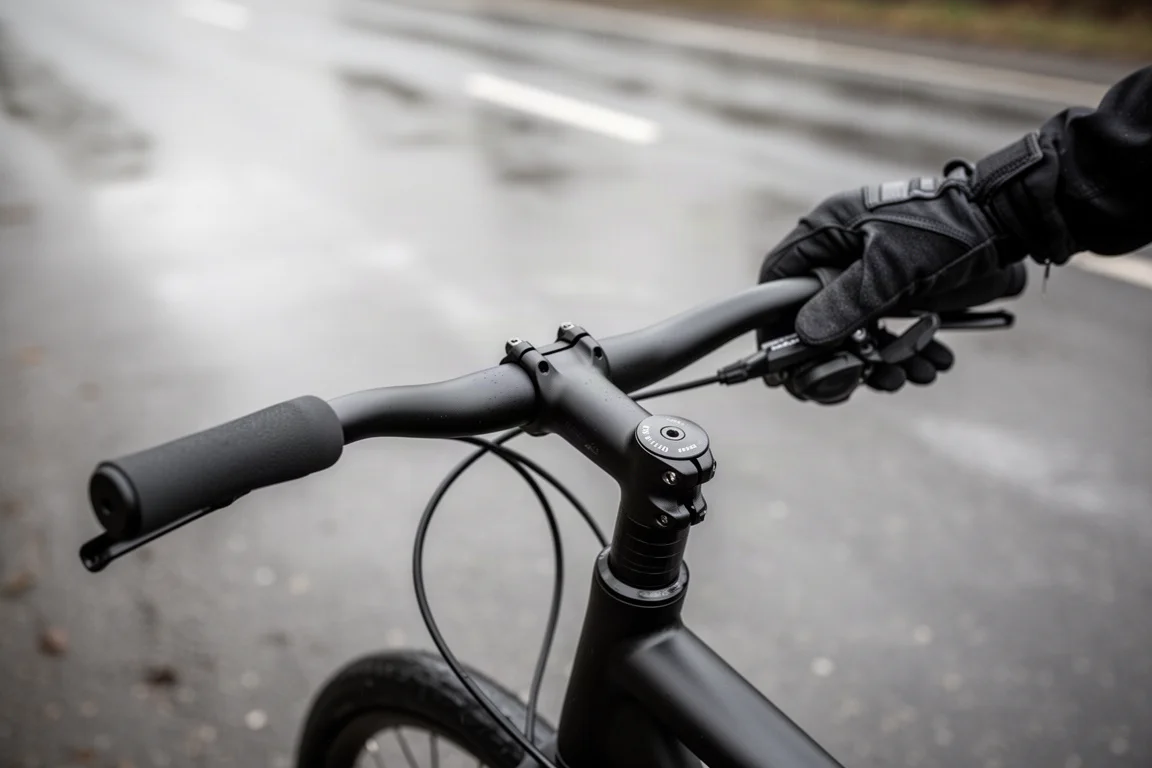
The lever body itself is long and shaped much like the Red lever, and it offers a secure grip in almost any hand position. That extra length exists for a reason: an internal change made room for the brake modulation module, which is what allows the improved braking to work.
Shifting Performance and Wireless Setup
Front shifting has been substantially reworked. SRAM groupsets carried a reputation for dropping chains, and the fix introduced at the Red level carries over here. It feels crisp and secure, and while it is not quite as fast and planted as the equivalent from SRAM’s biggest competitor, it is close.
The shift buttons are easy to operate, which matters in cold or wet conditions when mechanical systems can become stiff. By default the right paddle shifts down the cassette, the left paddle shifts up, and pressing both at once moves the front derailleur. Needing both hands for a front shift is a small annoyance, but Force includes bonus buttons that can be programmed through the app to do almost anything, including front shifts, so a one-handed or adapted setup is realistic.
Everything about shifting is wireless. Coin cells sit in the shifters and small clip-on batteries sit in each derailleur, and they communicate reliably. Batteries are easy to swap, but charging relies on SRAM’s own dock rather than USB-C, and a lost dock has to be replaced. Installation is about as simple as it gets for a high-end groupset, though hydraulic brake bleeds are still part of the job.
Power Meter, Gearing, and Compatibility
Gearing is 12-speed with the usual spread of chainring and cassette options for road use. Force can be ordered with a dual-sided, spider-based power meter, which requires a special tool when chainrings are changed, or without one, in which case a single-sided spindle-based power meter can be added later.
Crank lengths cover 160, 165, 170, 172.5, and 175 mm, which may be limiting at the extremes of rider height. The rear derailleur comes with an oversized pulley wheel as standard, so riders who want that look get it without compromising shift quality.
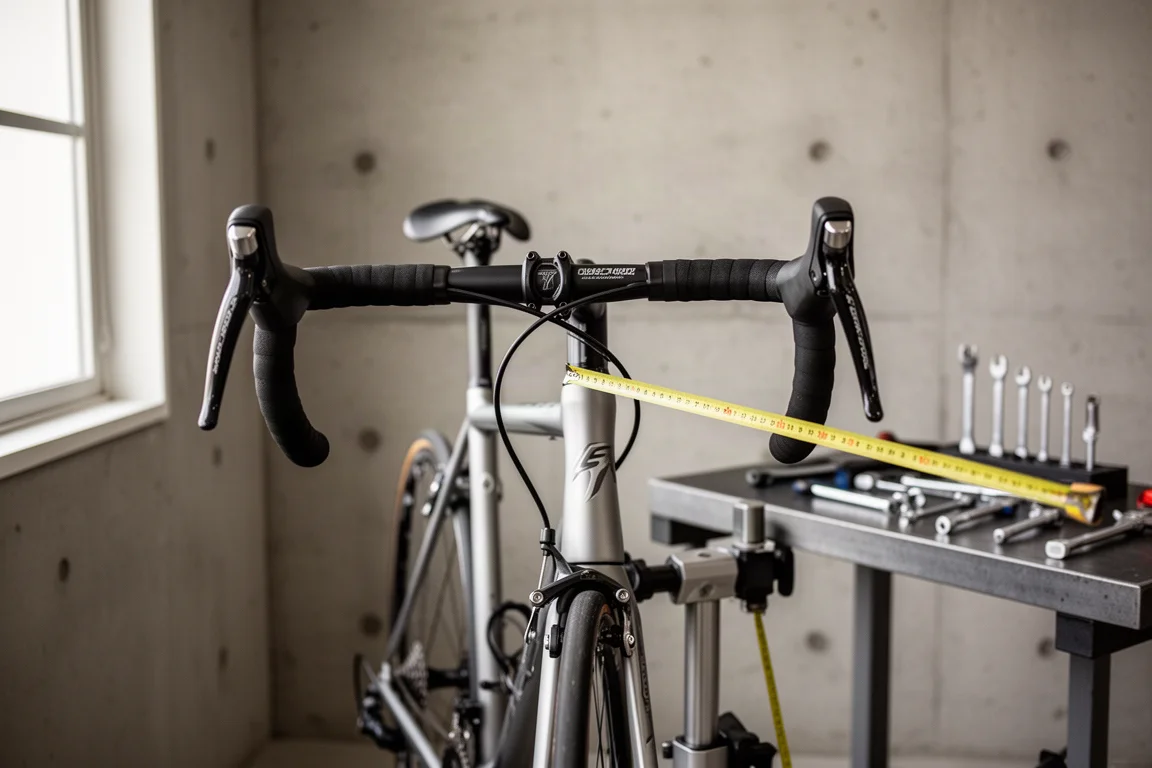
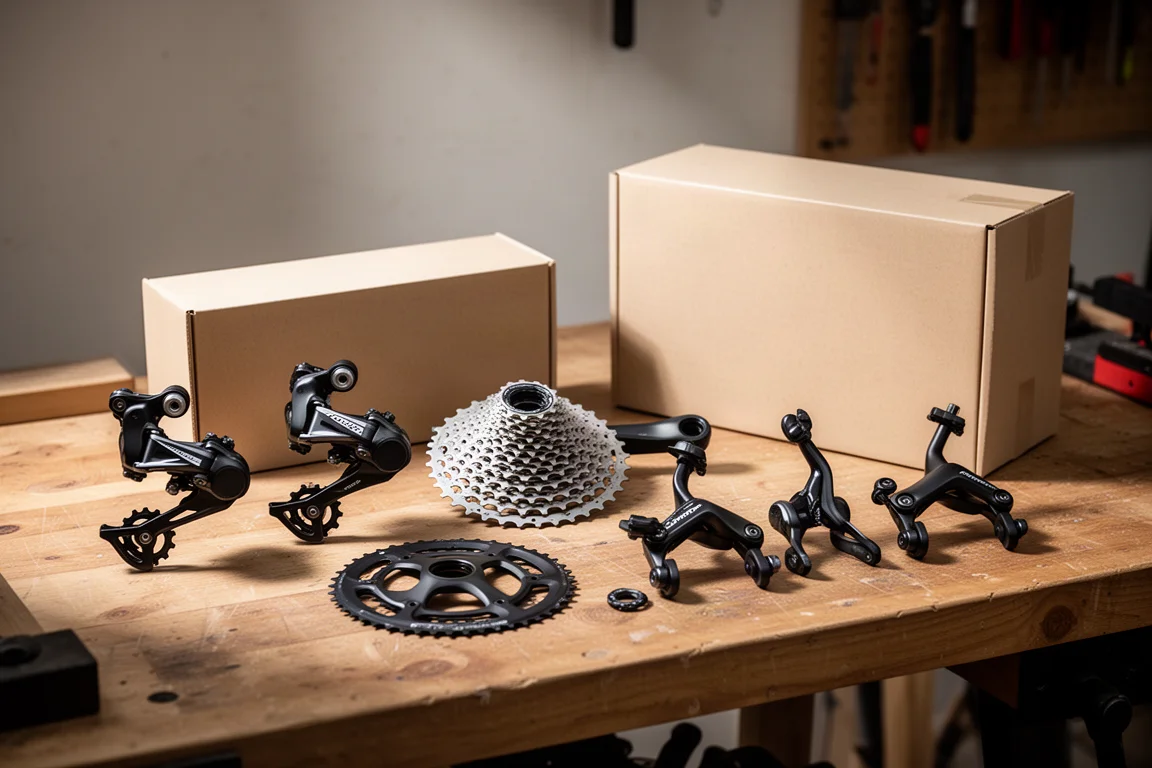
Compatibility is one of the quieter strengths. Rival shifters can be paired with Red components, older 12-speed Red parts still work, and chains are interchangeable across the range, including with the 13-speed chains used on the gravel-oriented Explore groupset. Component weights add up to 2,520 g in total: 714 g for the crankset, 408 g for a shifter, 180 g for the front derailleur with battery, 310 g for the rear derailleur with battery, 301 g for a 10-36 cassette, 278 g for a pair of rotors, and 329 g for the calipers and hoses.
Things to Consider Before Buying
The longer lever reach is the single biggest practical consideration. At 1.5 cm beyond the previous generation, it can feel like moving up a frame size, and on some bikes that is the entire reach difference across three sizes. Racers chasing a long, tucked position will like it. Riders who are already at the limit of their comfortable reach may not.
Price is the second consideration. Around £2,828 in the UK and $2,842 in the US is a lot for a second-tier groupset, even one this capable. Dropping the power meter removes more than £700 from the total, and replacement Force shifters cost £680 against £500 for Rival equivalents, so it is worth deciding in advance how much of the range you actually need.
A few smaller points are worth noting. Pad contact point adjustment is reserved for Red. The charging dock is proprietary rather than USB-C. Crank length options stop at 175 mm and start at 160 mm. And if you want the closest direct alternative, Shimano’s Ultegra Di2 sits at the same level, while Campagnolo’s wireless groupsets currently sit significantly higher on price.
Buying Advice
Force makes the most sense for riders who want the braking and lever feel of the top tier and are willing to accept a small weight penalty and one missing adjustment. If your position can accommodate the longer reach, it is difficult to argue against.
There is also a smart middle path. Rival shifters cost £500 and share the new lever shape, so pairing them with higher-tier derailleurs and calipers delivers much of the experience for less money. Because cross-compatibility across the range is broad, that kind of mixed build is practical rather than a compromise.
Riders who should look elsewhere are those who need a shorter reach, those who rely on pad contact adjustment, and those whose crank length needs fall outside the available range. For everyone else, Force delivers performance that is close enough to the flagship that the difference is mostly measured in grams and price.
Conclusion
The latest Force is a genuine trickle-down success. One-finger hydraulic braking, reworked front shifting, wireless operation, and broad compatibility give it most of what makes the top tier compelling. The trade-offs are a slightly heavier build, no pad contact adjustment, and a longer lever reach that deserves attention before purchase.
If the fit works and the budget stretches, this is a groupset that will not hold a rider back.
Product link
View more details for SRAM Force
This product is mentioned in the review. Check the specifications, options, and compatibility before buying.
View more details for SRAM ForceFurther reading
Related Reviews
Cycling Components
A 20,000-Mile Budget Race Bike Build: Five Parts Worth Knowing
A rim brake race bike assembled from low-cost components and ridden for 20,000 miles. Here is what delivered real speed, what caused problems, and what to weigh before copying the formula.
Cycling Components
7 Bike Fit Products Fitters Avoid: What to Check Before You Buy
Seven bike components that regularly cause knee, foot and saddle problems, with the specific concerns behind each one and what to look for instead.
Cycling Components
Four Affordable Bike Upgrades That Improve Ride Feel
Four low-cost cycling products that make a real difference to ride feel, plus the free setup changes worth trying first.