Cycling Components
SRAM Force AXS and Force XPLR: What to Know Before You Buy
A practical look at the updated SRAM Force AXS road groupset and the Force XPLR gravel option, covering shift quality, hand ergonomics, braking feel, and long-term ownership.
Introduction
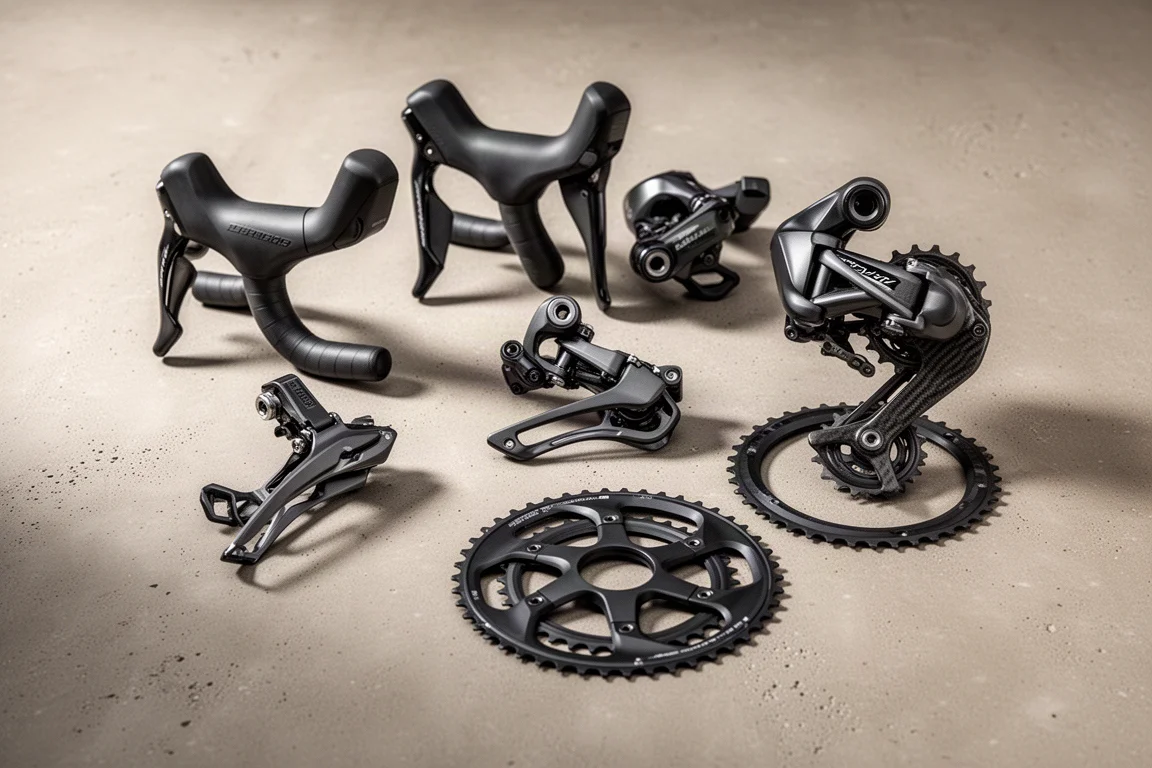
The updated SRAM Force groupsets are a story of refinement rather than reinvention. The road-going Force AXS and the gravel-focused Force XPLR share most of their technology, and the changes target the details riders notice on every ride: shift quality at the front, hand comfort on the hoods, and a quieter drivetrain under load.
The headline updates are a new front derailleur, integrated chainrings carried down from the Red tier, a shallower shift paddle, a shifter body borrowed from Rival, and a 1x-specific gravel option in the form of Force XPLR. Pricing has been held at the same level as the outgoing generation.
SRAM Force AXS: The Road Groupset
The most immediately noticeable change is the shifter body, which now takes its shape from SRAM Rival. That means a smaller hood profile in the hand, and for riders who preferred the Rival ergonomics, it is a welcome move. The auxiliary ports for wired satellite shift buttons have been removed to make that smaller body possible. In their place, the system can pair with up to six AXS wireless shifters, which is a generous allowance for riders who want extra shift points without running cables through the bar.
The lever and paddle shapes have been tweaked as well, but only slightly. The paddle loses its tail, a change intended to stop knuckles making contact with it under hard braking. It is a small detail that many riders will only appreciate on long descents.
Visually, the group gets redesigned logos and a finish with a faint metallic flake that lifts noticeably in direct sunlight. The chainring design carried over from Red helps the group read as a more premium package than its position in the range might suggest. The logo finish itself is the weaker point, since it can read a little like applied decals rather than a machined surface.

For riders coming from an older Force setup, the practical result is a group that feels more compact at the controls and easier to live with, while keeping the same straightforward electronic shifting logic. It is an incremental update, but the parts that changed are the ones your hands touch most.
SRAM Force XPLR: The Gravel Option
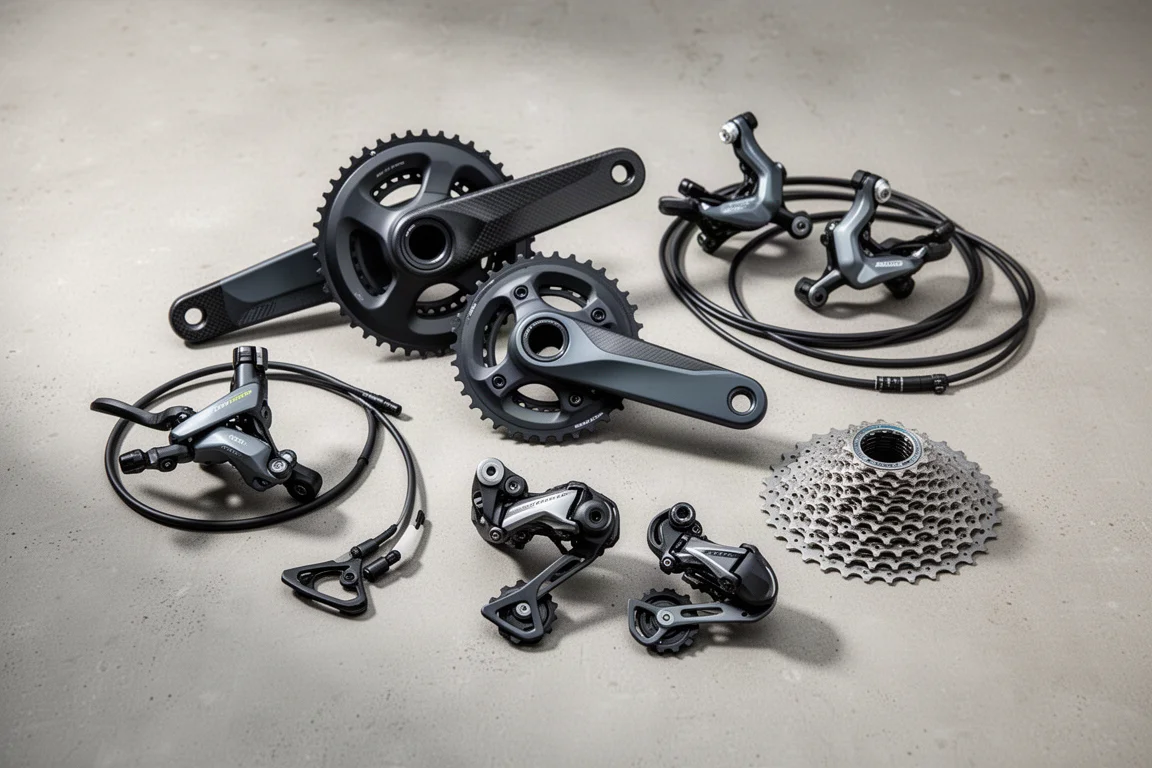
Force XPLR remains the dedicated 1x gravel version of the group. It keeps the XPLR name but brings a new chainset, and the rear derailleur still accepts either a 10-36 or a 10-44 cassette. Beyond the single-ring drivetrain, it shares most of its technology with the road group, so the shifter body, lever feel, and front-end improvements carry across.
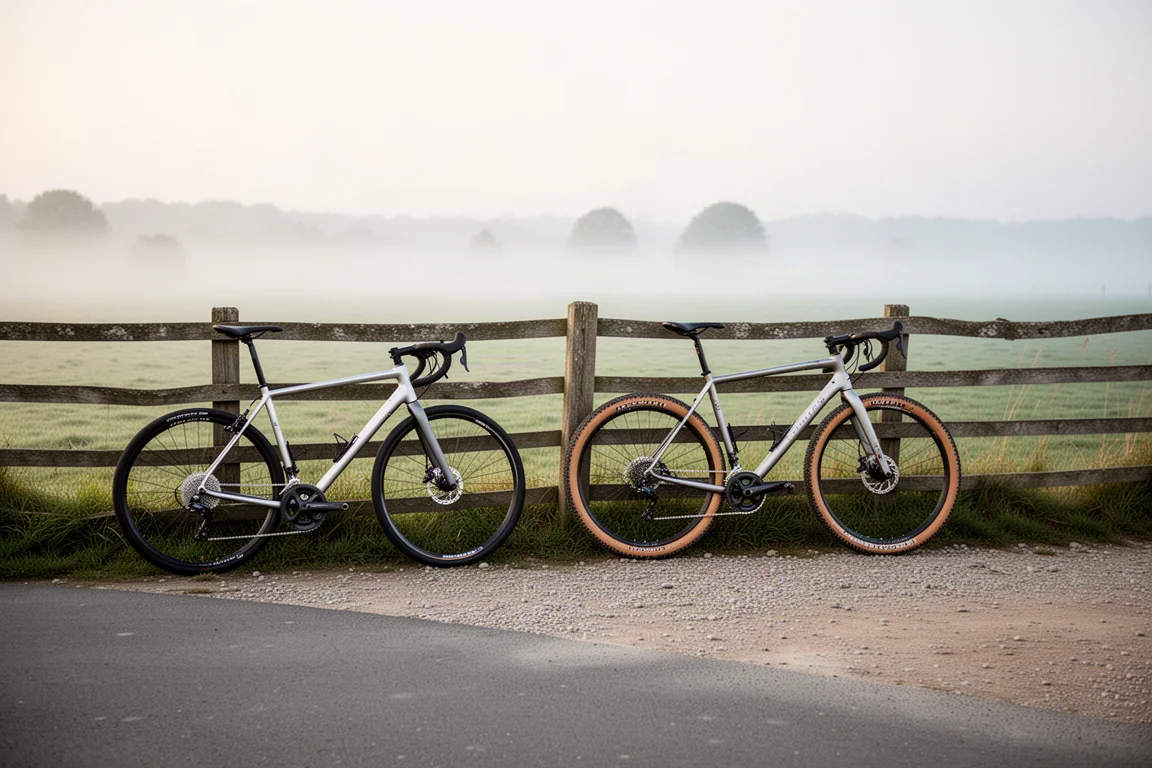
Worth noting is that a 2x wide Force AXS setup, with 44/33 chainrings, the wide front derailleur, and a 10-36 cassette, also works well on gravel surfaces. It stayed quiet under power on loose tracks. The catch is gearing: that combination can feel a little tall for some gravel routes, which is exactly why the 1x XPLR option exists. Riders planning mountainous terrain may prefer to pair a smaller chainring and chainset with a mountain bike rear derailleur and cassette for a much wider spread of gears.
How the New Front Derailleur Shifts
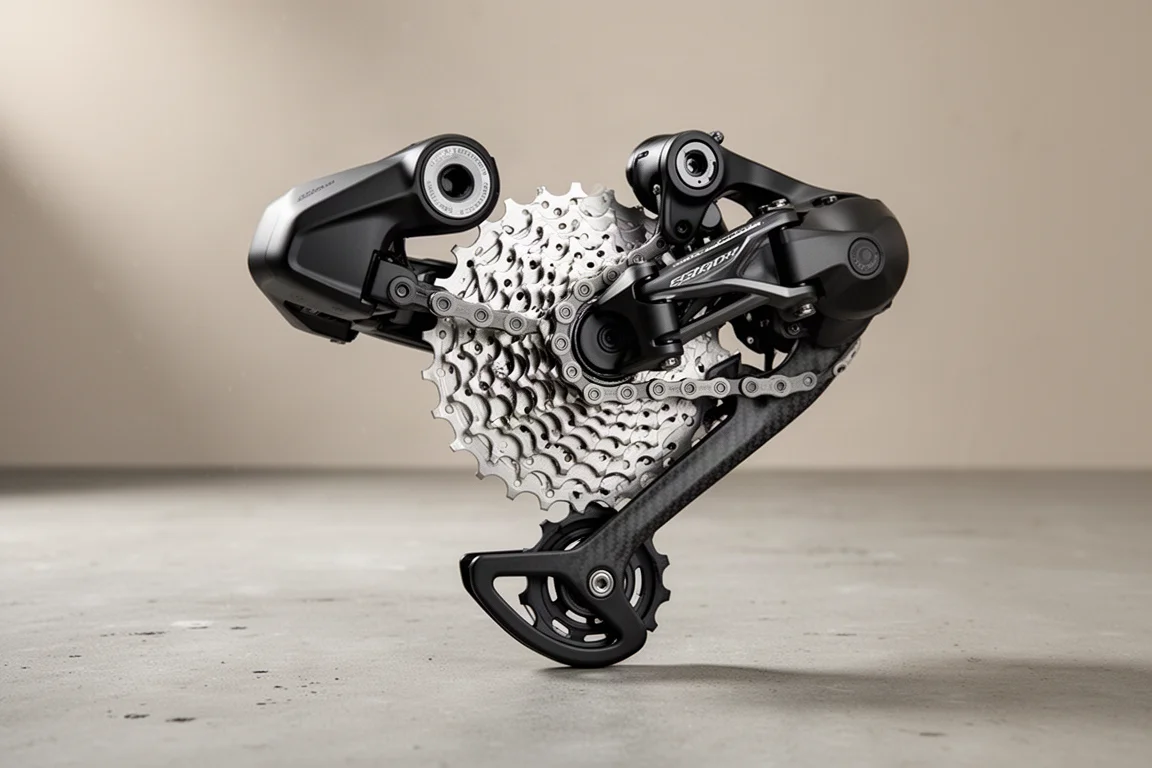
The front derailleur is where the update makes its strongest impression. SRAM revised the profile of the cage and brought the Red AXS integrated chainrings down to the Force level. Combined, they produce a noticeably smooth transfer from the inner ring to the outer ring.
The more revealing test is shifting under real load. Standing on the pedals and asking for the big ring on a climb, the system completed the shift without hesitation, and it did so quietly. That composure under power is the clearest step forward over the previous Force generation, and it is the kind of behaviour that matters on rolling terrain where you shift the front ring often.
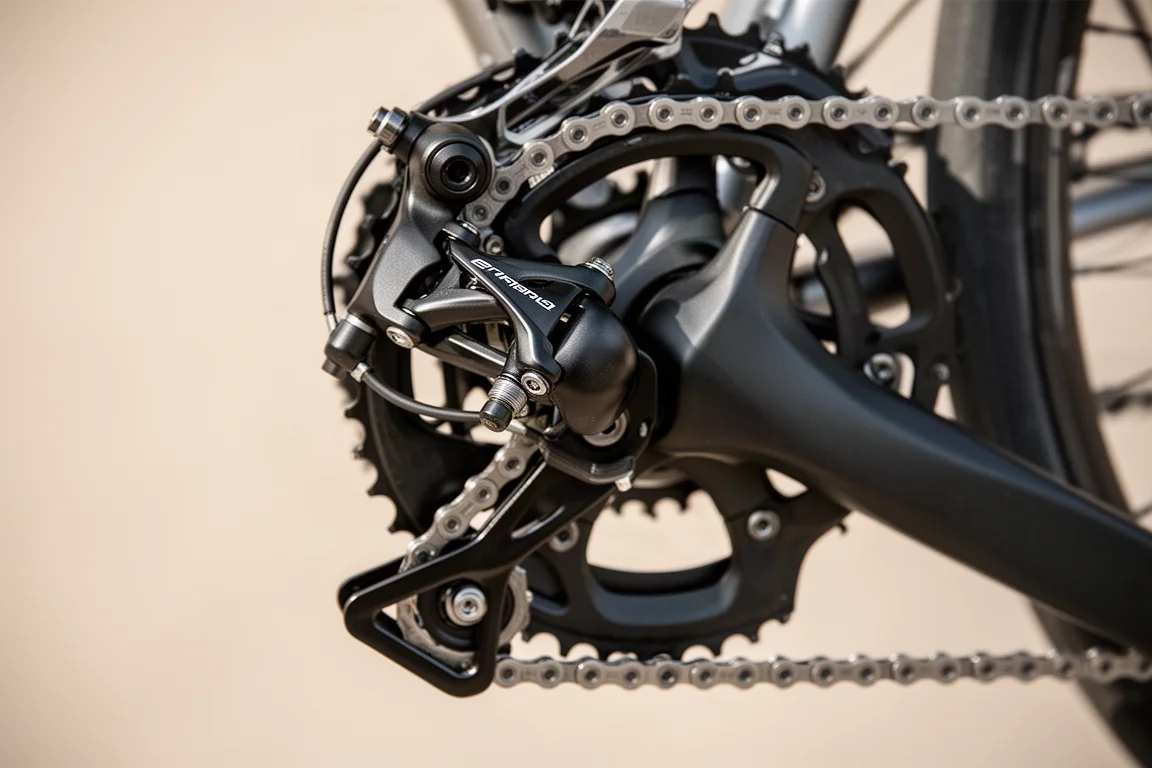
There is also the option of larger 50/37 chainrings, which will appeal to riders who want taller gearing for fast group rides or flat terrain. The front-end improvement is the single most tangible reason to consider this generation over the last one.
Rear Shifting and Drivetrain Noise
Rear shifting changes are subtler, but they are welcome. On the outgoing Force group, dropping into the largest sprocket at the top of the cassette was a noticeable event, enough to make you wonder about the design intent. The new version smooths that step, and the transition between the silver section of the cassette and the outermost black cog is far less pronounced.
Across the rest of the cassette, shift accuracy remains on par with the previous version, which was already a strong point. The bigger improvement is one you may not register immediately: in more extreme gear combinations, particularly the outer chainring paired with the largest rear sprocket, drivetrain noise is significantly reduced. Cross-chaining in that range is not ideal for drivetrain longevity, but it is a useful option for holding momentum over short climbs instead of dropping to the inner ring.
Wireless Shifting and Lever Ergonomics
Pairing extra AXS wireless shifters opens up some genuinely useful setups. Mounted under the tops of the handlebar, they worked well for quick gear changes on straighter roads and gravel tracks, where your hands naturally sit away from the drops. They can also be placed inside the drops as a sprint shifter, though the housing around the button is fairly large and the placement feels less natural there.
Beyond the shifters themselves, the group remains one of the easiest electronic systems to get to grips with. Shifting logic is intuitive, the lever throw is light, and there is very little to learn before you are riding normally. Riders moving from mechanical groups will find the transition short.
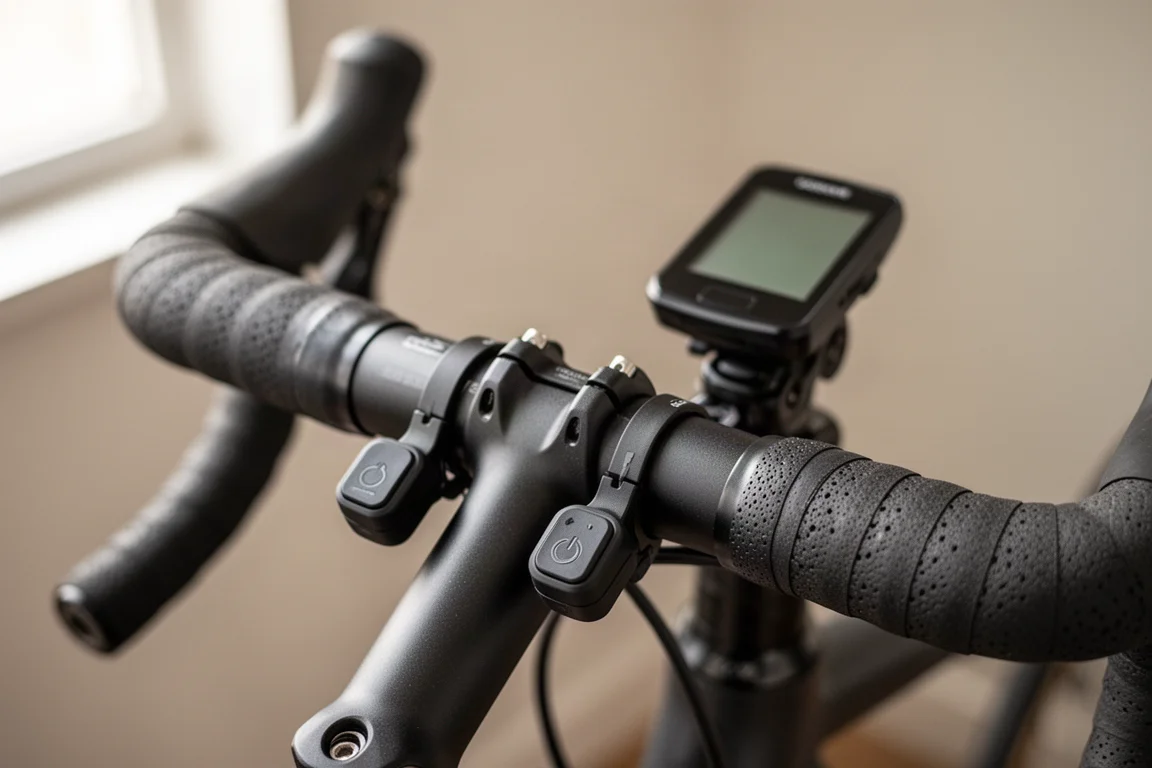
That low-friction learning curve is a meaningful part of the value here. A groupset is something you interact with constantly, and a system that disappears from your attention is doing its job properly.
Braking Feel and Rotor Rub
Braking is largely familiar. Lever feel is firm, power is plentiful, and modulation is easy to control, which makes hard stops predictable rather than abrupt. What has changed is inside the caliper: SRAM moved to a two-piece body, which allows the bore holes to be machined more accurately. The intended result is better piston retraction after heavy braking and therefore less rotor rub.
That is the theory, and it takes more than a couple of rides in dry conditions to confirm. What can be said is that the levers still feel firm rather than progressive. Riders hoping for a softer, more linear lever travel will not find it here, and the update does not transform the braking character of the group.
Integrated Chainrings and Long-Term Ownership
The integrated direct-mount chainring design, filtered down from Red, is claimed to improve shift quality because the assembly is stiffer than the four-bolt design it replaces. There is also a claimed weight saving. Both are consistent with the sharper front shifting described above.
The trade-off is ownership cost. Replacing a worn chainring means buying a complete double chainring assembly rather than a single ring. If your bike has a power meter integrated into the crankset, that has to be replaced at the same time. It also removes the option of swapping in a smaller inner ring for a climbing-focused trip. SRAM’s position is that chainrings are replaced far less often than riders assume, but it is worth factoring into a long-term budget before committing.
Who Each Groupset Suits
Force AXS suits road riders who want reliable wireless electronic shifting, a compact hood shape, and strong front shifting without stepping up to the top tier of the range. It is a sensible choice for anyone upgrading from an older mechanical group or a previous generation of electronic shifting.
Force XPLR suits gravel riders who want the simplicity of a single chainring and the flexibility of choosing between a 10-36 and a 10-44 cassette. If your riding mixes tarmac and loose surfaces, the wide 2x Force AXS setup with a 10-36 cassette is also worth considering, particularly if you spend most of your time on smoother gravel.
Buying Advice
The clearest reason to buy into this generation is the front derailleur and the integrated chainring design that supports it. If you shift the front ring often, the improvement is immediately noticeable and worth the outlay. The quieter drivetrain in cross-chained extremes is a secondary but genuine benefit that grows on you over longer rides.
If braking feel is your priority, temper expectations. The caliper change is aimed at rotor rub rather than lever character, and the firm feel is carried over. Riders who value a progressive lever will want to try before buying.
Two final points are worth weighing. Pricing has been held at the same level as the previous generation, which is unusual and welcome. Against that, the integrated chainring design means higher replacement costs down the line, especially on a bike with an integrated power meter. If you keep a groupset for many seasons, that matters.
Conclusion
This is a careful update rather than a dramatic one. Shifting at the front is meaningfully better, the rear is quieter in the gear combinations you should not really be using but sometimes do, and the smaller Rival-derived hood shape is a genuine comfort win. Braking remains dependable rather than transformed, and the integrated chainrings introduce a long-term cost to plan for. For riders who want dependable wireless shifting with better front-end performance, the case is straightforward.
Further reading
Related Reviews
Cycling Components
A 20,000-Mile Budget Race Bike Build: Five Parts Worth Knowing
A rim brake race bike assembled from low-cost components and ridden for 20,000 miles. Here is what delivered real speed, what caused problems, and what to weigh before copying the formula.
Cycling Components
7 Bike Fit Products Fitters Avoid: What to Check Before You Buy
Seven bike components that regularly cause knee, foot and saddle problems, with the specific concerns behind each one and what to look for instead.
Cycling Components
Four Affordable Bike Upgrades That Improve Ride Feel
Four low-cost cycling products that make a real difference to ride feel, plus the free setup changes worth trying first.