Cycling Components
SRAM Force 1 vs Force XPLR: Is 1x Finally Ready for Road Racing?
How SRAM's 1x road drivetrains evolved from an 11-speed mechanical experiment into a 13-speed electronic groupset, and which rider each one suits.
Introduction
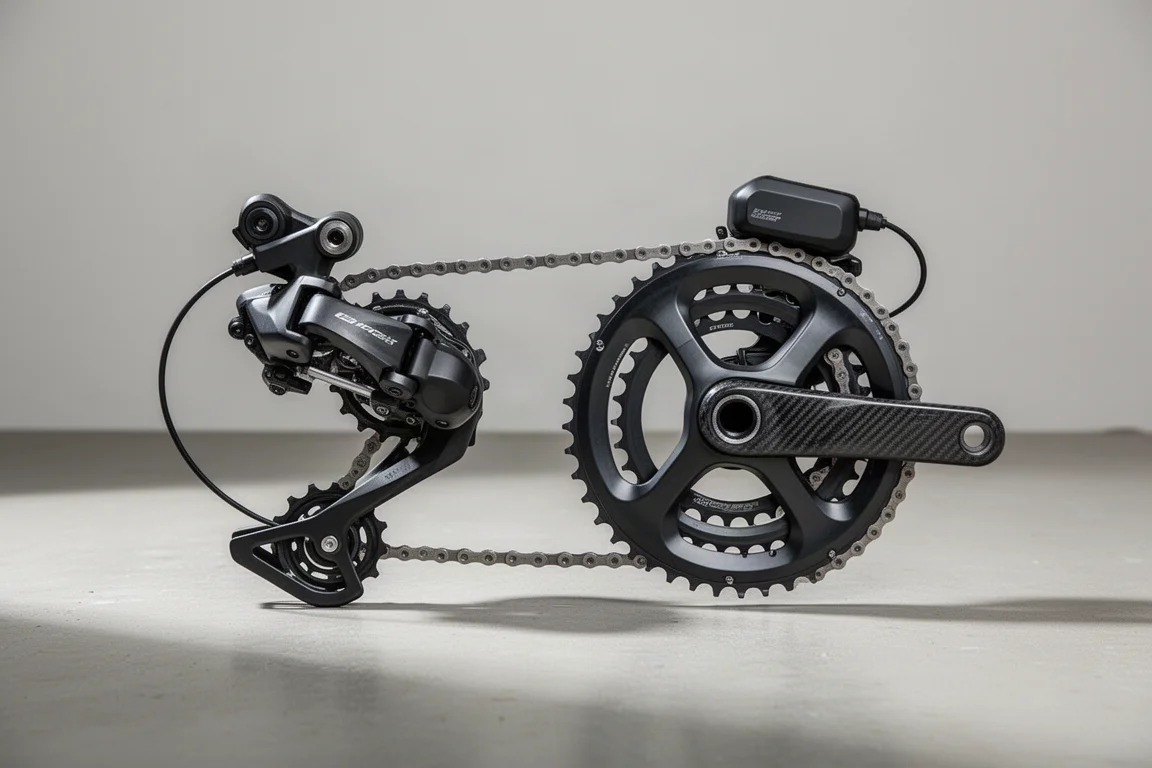
One-by drivetrains have travelled a long way from curiosity to credible race equipment. In 2018, Aqua Blue Sport committed an entire season to racing a single chainring at the front with no front derailleur, using SRAM Force 1, an 11-speed mechanical groupset. Single chainrings had appeared before in time trial setups, but this was one of the first extensive commitments to 1x across a full road racing season.
The setup delivered results, including a national championship title that season, but it also exposed real limits: wide gaps between gears, slow mechanical shifts, and the awkward process of working through the entire cassette when the road suddenly steepened.
Seven years on, the same idea has been rebuilt around electronics, wireless shifting, and a 13-speed cassette. SRAM Force XPLR is the current expression of that idea, and it answers most of the objections the first generation raised.
What Changed in 1x Drivetrains Since 2018
The core arguments for a single chainring have not moved: a marginal aerodynamic advantage, slightly less weight, a simpler drivetrain, and gear changes that never involve a front derailleur or the risk of dropping a chain between chainrings. What has changed is the execution.
The top 1x drivetrains from both SRAM and Shimano are now electronic rather than mechanical, and they are wireless. SRAM’s 1x systems shift faster than its own 2x equivalents, while Shimano’s electronic shifting remains as quick as ever. Road shifters are also compatible with gravel and mountain bike groupsets, which broadens how a single chainring can be built up.
Tyre choice is the other quiet driver. Clearance has grown year on year, and on certain framesets removing the front derailleur frees up space that a wider tyre would otherwise foul.
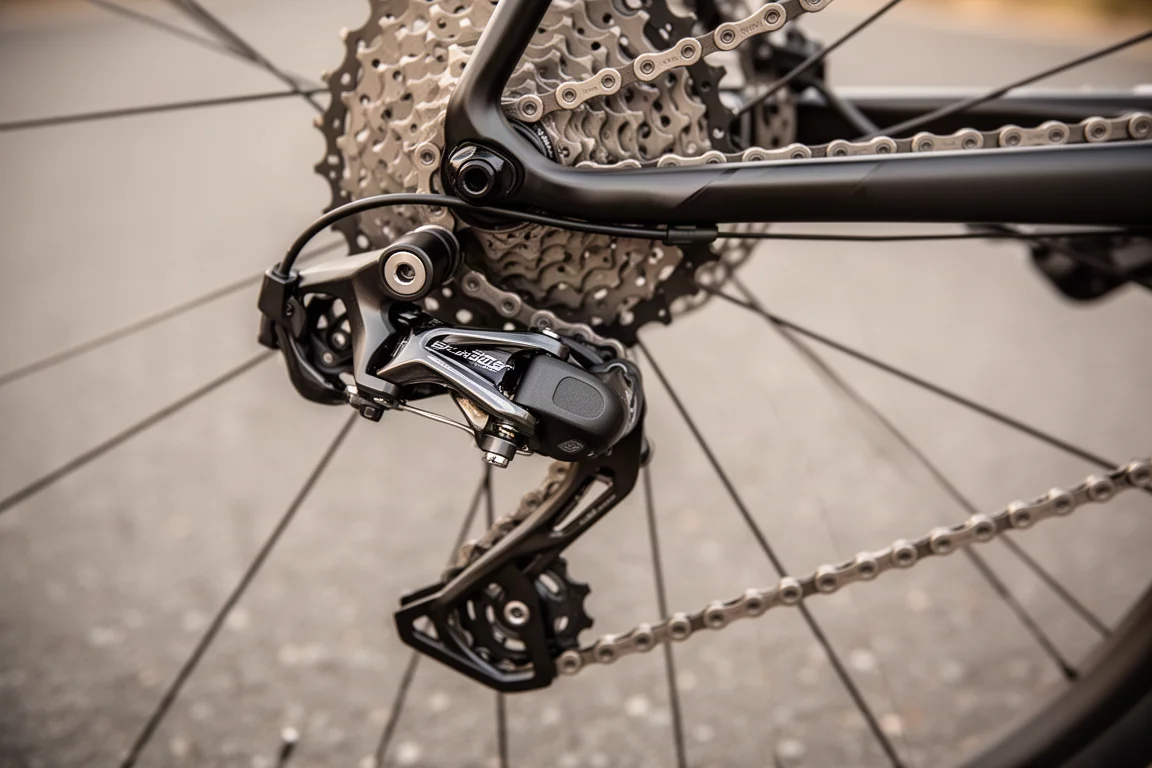
Then there is the cassette. Moving from 11 to 13 speeds is the change that matters most, because it shrinks the gaps between gears while preserving a wide overall range.
SRAM Force 1 11-Speed Mechanical: Where 1x Started
SRAM Force 1 was the groupset that took 1x road racing mainstream. The setup used a 44-tooth chainring at the front and a 9-32 cassette at the rear, which worked out roughly equivalent to a 54/39 double with an 11-28 cassette. The frame had no front derailleur mount at all, so there was no fallback when terrain or conditions turned difficult.
On paper the case was strong: less weight, an aerodynamic edge, a simpler drivetrain, and shifts that never needed a front derailleur. In practice the 11-speed cassette was the weak point. With only 11 gears covering a racing range, the jumps between them were large. On a steep climb, riders had to select a cassette with a wider spread, which made those jumps even bigger. Mechanical actuation compounded the problem: shifts were slow at exactly the moments when a fast change mattered most, such as following an acceleration or settling into a rhythm on a gradient. Going from a fast section into a steep climb meant working through the whole cassette instead of a single front shift.
SRAM Force XPLR 13-Speed: The Modern Electronic Setup
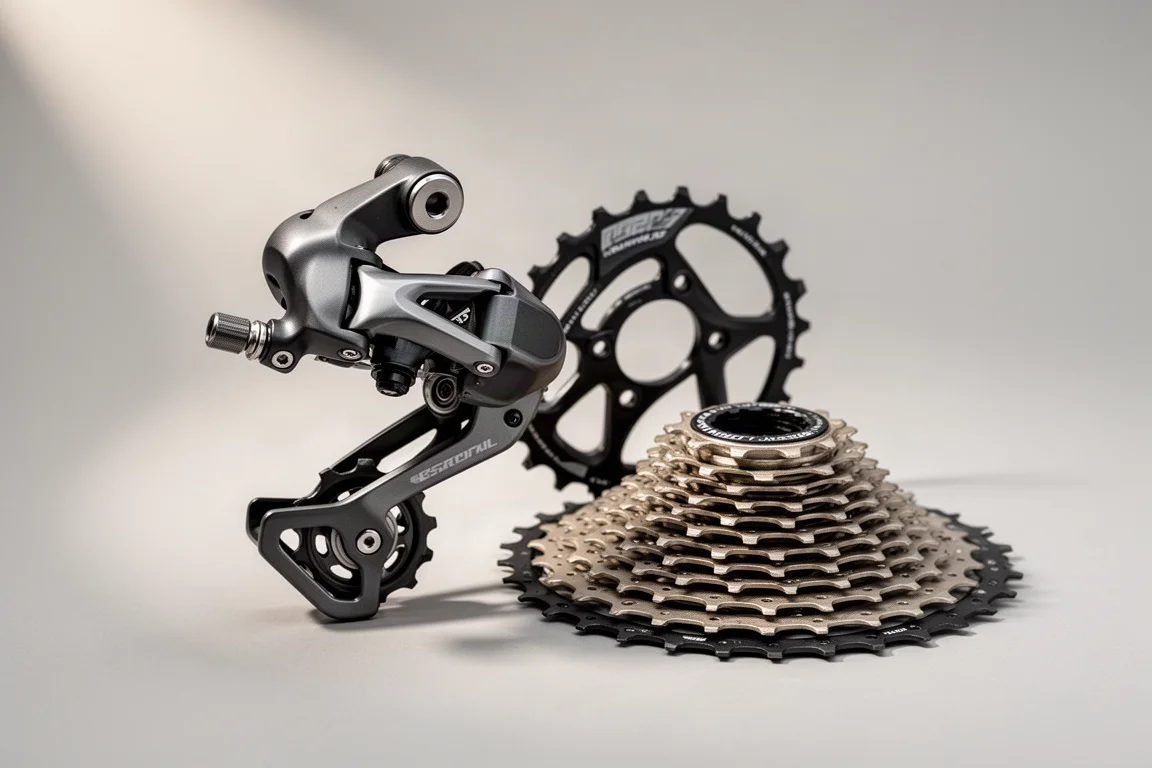
SRAM Force XPLR is a 13-speed electronic 1x groupset, and the extra two ratios change how the whole system behaves. The gaps between gears are noticeably smaller while the total range stays wide, which is the point at which a single chainring stops feeling like a compromise against a double.
The rear derailleur has also been refined. Its clutch now holds the chain firmly in position, a clear step forward from the chain drops that affected early 1x setups. Set up on a gravel platform and ridden on the road, the groupset shifts quickly and consistently.

Electronic, wireless actuation removes the slow, cable-driven feel of the first generation. Shifting is immediate, and the single chainring layout means there is no front shift to plan around.

Shifting Speed, Gear Jumps, and Chain Retention
Three things separate a 1x setup that works from one that frustrates. The first is shifting speed: mechanical 11-speed systems were slow enough that a rider could lose a wheel while waiting for the gear to land, whereas electronic systems respond immediately. The second is the spacing between ratios, where 13 speeds give noticeably tighter steps than 11 without sacrificing range. The third is chain security, and a modern clutch derailleur keeps the chain under tension across rough surfaces and hard efforts.
The simplicity argument also holds up in daily use. With one chainring there is no cross-chaining to think about and no front shift to coordinate with the rear. That is a genuine quality-of-life improvement, and it is the reason many riders stay with 1x after trying it.
Living With 1x on the Road
On the road, the modern version of 1x behaves like a normal drivetrain rather than an experiment. Gear changes are fast, the steps between them are manageable, and the range covers everything from a fast descent to a steep pitch. The absence of a front derailleur is easy to appreciate on rolling terrain, where a double often means constant corrections at the front to hold a comfortable cadence.

For gravel riders the case is already settled, and the same logic now transfers to the road: fewer components to maintain, fewer things to go wrong, and a drivetrain that stays quiet under load.
Who Each Groupset Suits
SRAM Force 1 11-speed mechanical is a historical reference point rather than a current recommendation. It suits riders who want to understand where 1x came from, or who are building a retro or budget single-ring road bike and accept wider gear steps in exchange for mechanical simplicity.
SRAM Force XPLR 13-speed suits riders who want the simplicity of one chainring without giving up shifting speed or range. It works for road use and it is equally at home on gravel, which makes it a flexible choice for anyone running a single bike across both.
Overall Buying Advice
If the goal is a drivetrain that behaves like a modern double, 13-speed electronic 1x is the version to look at. The combination of fast shifts, tighter gear spacing, and a clutch derailleur removes the objections that made the first generation difficult to live with in a race.
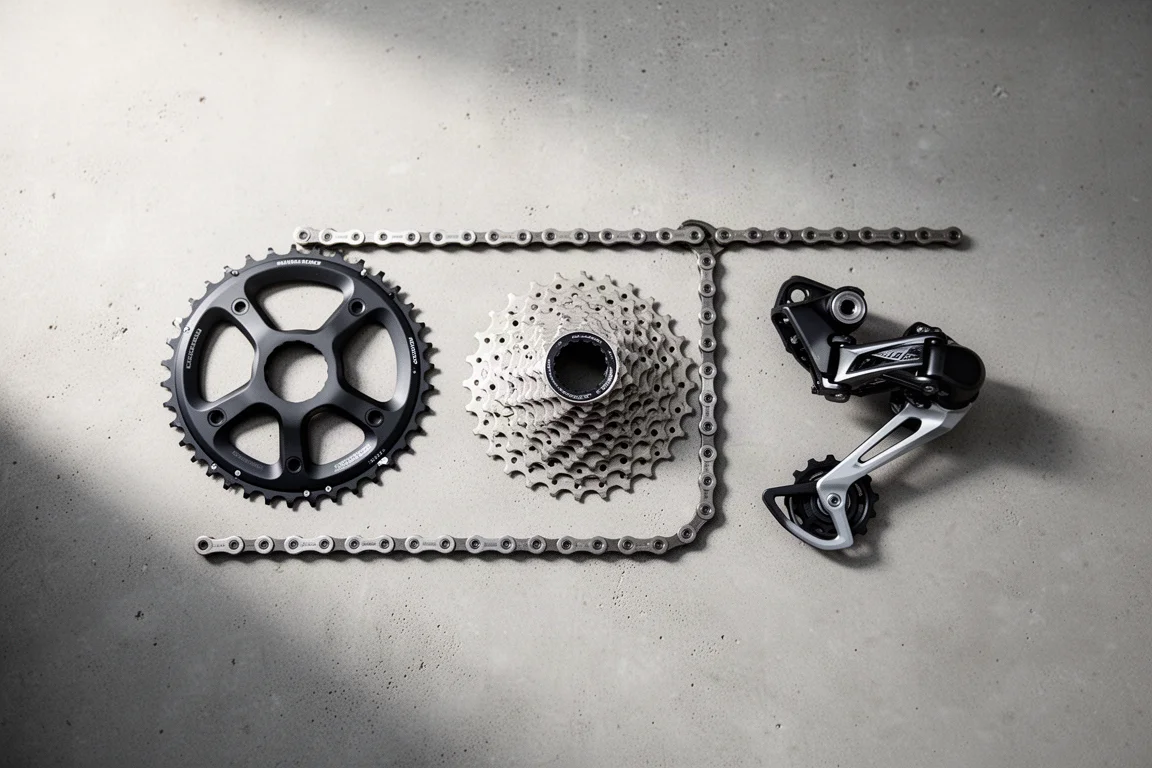
If the goal is a simple, low-maintenance mechanical setup for steadier riding, an 11-speed 1x system can still work well, provided the rider accepts larger gaps between gears and plans the cassette around the terrain actually ridden. Where steep climbs dominate, a wider-range cassette is the trade-off, and it makes those gaps larger again.
Riders who already own a 2x groupset should not assume 1x will be a straight upgrade. The gains are in simplicity and chain security rather than raw performance, and the decision comes down to whether a single chainring matches how and where the bike is ridden.
Conclusion
1x has grown from a bold experiment into a mature option. The 11-speed mechanical version that carried a pro team through a full 2018 season was quick to expose its limits, particularly in gear spacing and shift speed. The 13-speed electronic generation addresses both while keeping the simplicity that made a single chainring appealing in the first place. For riders weighing up 1x today, the technology has finally caught up with the idea.
Further reading
Related Reviews
Cycling Components
A 20,000-Mile Budget Race Bike Build: Five Parts Worth Knowing
A rim brake race bike assembled from low-cost components and ridden for 20,000 miles. Here is what delivered real speed, what caused problems, and what to weigh before copying the formula.
Cycling Components
7 Bike Fit Products Fitters Avoid: What to Check Before You Buy
Seven bike components that regularly cause knee, foot and saddle problems, with the specific concerns behind each one and what to look for instead.
Cycling Components
Four Affordable Bike Upgrades That Improve Ride Feel
Four low-cost cycling products that make a real difference to ride feel, plus the free setup changes worth trying first.