Gravel Groupsets
SRAM Apex vs Shimano GRX RX820: Which Gravel Groupset Suits You?
A category-by-category look at SRAM Apex and Shimano GRX RX820, with a simple scoring method to help you pick the gravel groupset that fits your riding.
Introduction
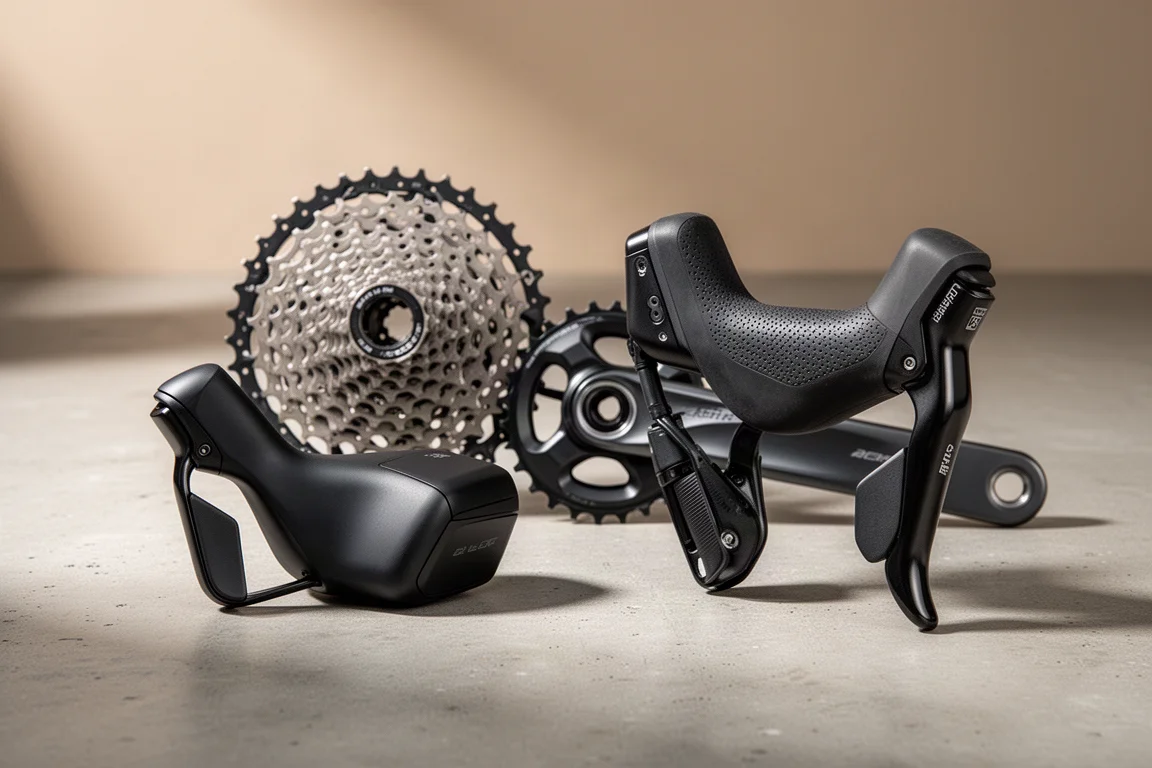
If you are shopping for a gravel bike around the entry-level price point, you will almost certainly run into the same decision: SRAM Apex or Shimano GRX RX820. The two groupsets sit in direct competition, and a complete gravel bike with either one tends to land near the same three-thousand-dollar budget.
That overlap is exactly why the debate gets so heated. Riders who commit to one system rarely want to switch, yet the honest answer is that neither groupset wins every category. Apex is a fourth-tier offering in the SRAM range, while GRX RX820 sits at the top of Shimano’s gravel line, which makes the comparison less obvious than the price tags suggest.
This guide breaks the decision into seven categories that genuinely change how a groupset feels on gravel, then gives you a simple scoring method for working out which one suits your riding.
How to Choose: A Simple Scoring System
Both groupsets are close enough that a single overall winner is not very useful. The more practical approach is to rank the seven categories below in the order that matters to you, rate each one from one to five based on how much you care about it, then award those points to whichever groupset wins that category.
The categories are shifting, hood and lever feel, braking, customization, looks, weight, and price. You can add your own on top of those, such as power meter availability.
Once you have your totals, the result tends to reflect your priorities rather than someone else’s. A rider who ranks braking and lever feel at the top will usually land on Shimano. A rider who cares most about customization and shift logic will usually land on SRAM. Neither outcome is wrong, and the process takes only a few minutes.
The Two Contenders at a Glance
SRAM Apex is an electronic, fully wireless groupset, and a mechanical version is also available if you prefer cables. Shimano GRX RX820 is mechanical, built around a dependable design with a cable tension dial for indexing. Shimano also offers GRX Di2 above RX820, but that is a considerably more expensive option and is only available in a two-by configuration.
Both groupsets are designed for gravel, both use hydraulic disc braking, and both are usually fitted to complete bikes rather than bought as standalone kits. That last point matters, because most riders end up choosing a groupset when it is already attached to a bike.
SRAM Apex: Wireless Shifting and Simple Logic
Apex is built around electronic, fully wireless shifting, and the shift logic is deliberately simple. On a one-by setup the left lever does nothing at all, and the right lever handles every shift. That simplicity is a real advantage in the moment, when you want the gear you asked for without having to think about it.
Because the system is wireless, there are no shift cables to route or replace. The trade-off is that if you ever wanted to fit a front derailleur, you would need an entirely new shifter, which is not cheap. It is also fair to note that a mechanical rear derailleur is generally easier to coax back into working order at the roadside if something goes wrong mid-ride.
Apex brakes deliver plenty of power, though the lever feel is less progressive than Shimano’s, which can make them feel a little wooden through the stroke. The system benefits from a strong ecosystem of add-ons and options, including a power meter that is not available on GRX.
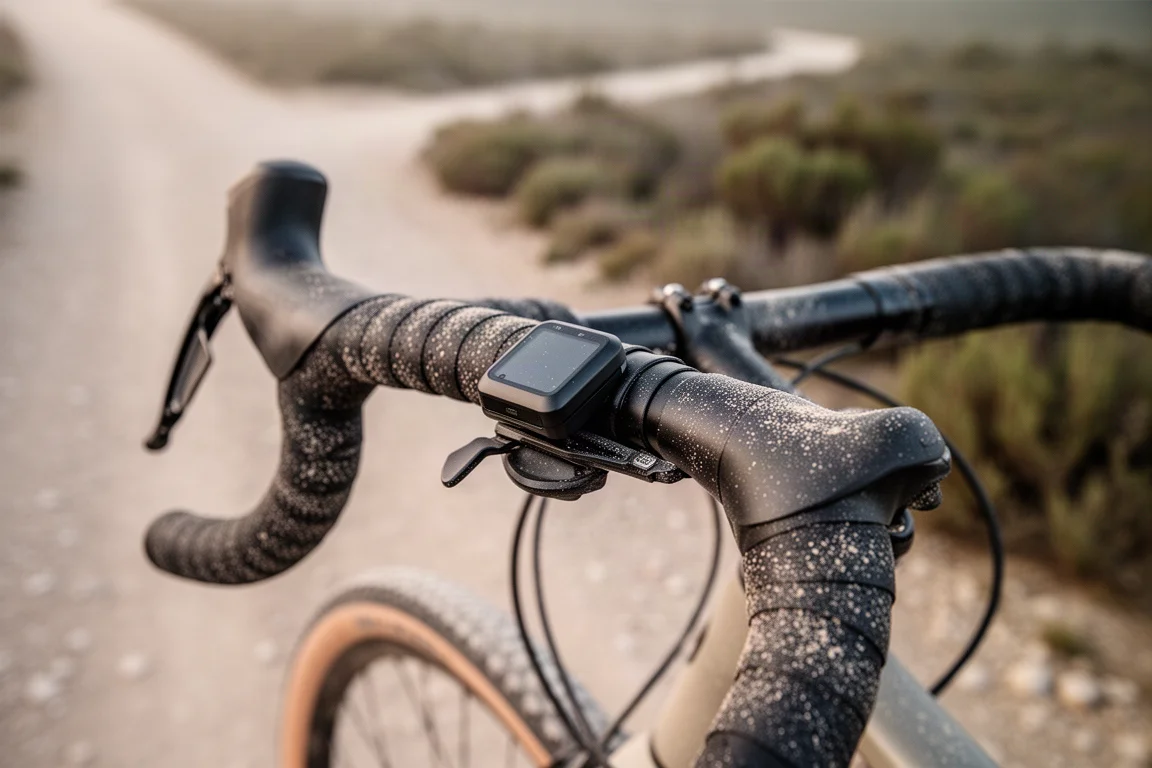
Apex sits in the fourth tier of the SRAM range, so it does not carry the visual flair of the brand’s top road groupsets. The crankset is fairly plain and the chain is unremarkable, though the smaller profile of the levers is a clear point in its favour. Realistically, any gravel groupset will be coated in dust and mud within a few rides.
Shimano GRX RX820: Mechanical Shifting and Refined Brakes
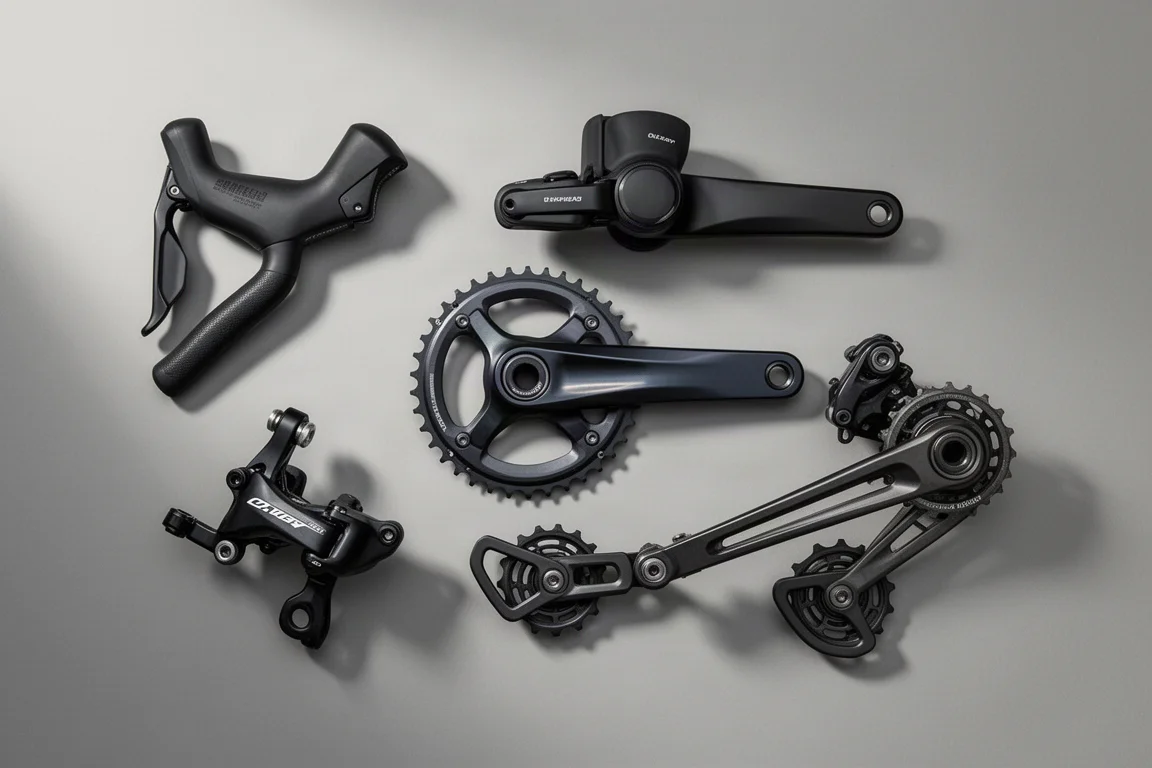
GRX RX820 is a mechanical groupset, and that brings a different set of strengths. Shifting is smooth across the cassette and holds up well in gritty conditions, and the system relies on a cable tension dial for indexing. Learning to index the gears correctly, and keeping on top of it, will do more for shift quality than any brand choice.
The standout feature is Servo Wave braking. A roller cam in the top of the lever ramps up brake power progressively through the lever stroke, so there is a generous amount of lever travel before the pads bite, followed by rapidly increasing power. It mimics the feel of a rim brake in a way that many riders find intuitive and confidence-inspiring. Shimano’s hoods are large, which is not the most elegant look, but they give a solid hold on rough terrain.
GRX RX820 is Shimano’s top-end gravel offering and borrows heavily from the Deore mountain bike range, which makes it roughly equivalent to Ultegra on the road side. Both systems are quiet and well behaved as long as the brakes are kept free of contamination.
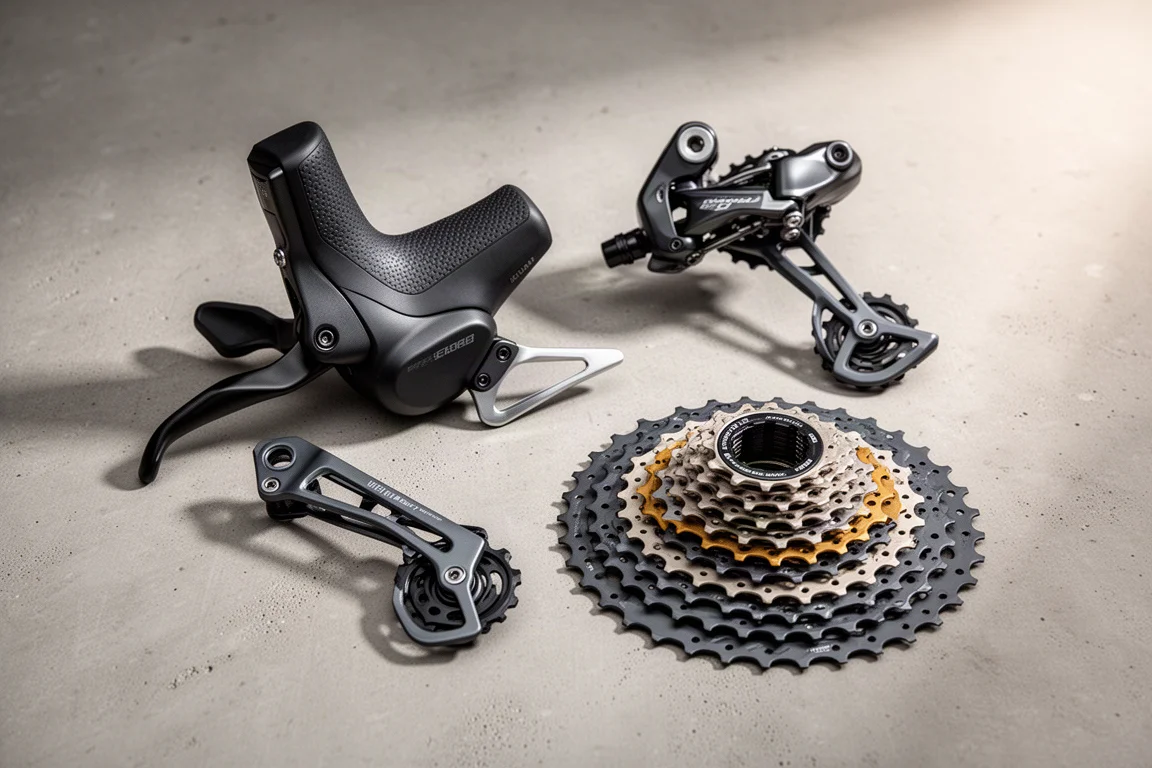
Hoods, Levers, and Braking Feel
Hood shape is one of the most personal parts of a groupset, and these two take opposite approaches.
Shimano’s hoods are large, as all of the brand’s mechanical shift and hydraulic braking hoods tend to be. They provide a secure hold when the terrain gets rough, but the ridges on the surface are aggressive enough to dig into bare hands, which makes gloves a sensible pairing. Shimano has also addressed the trend toward flared gravel drop bars, which previously placed the lever in an awkward spot for the hand.
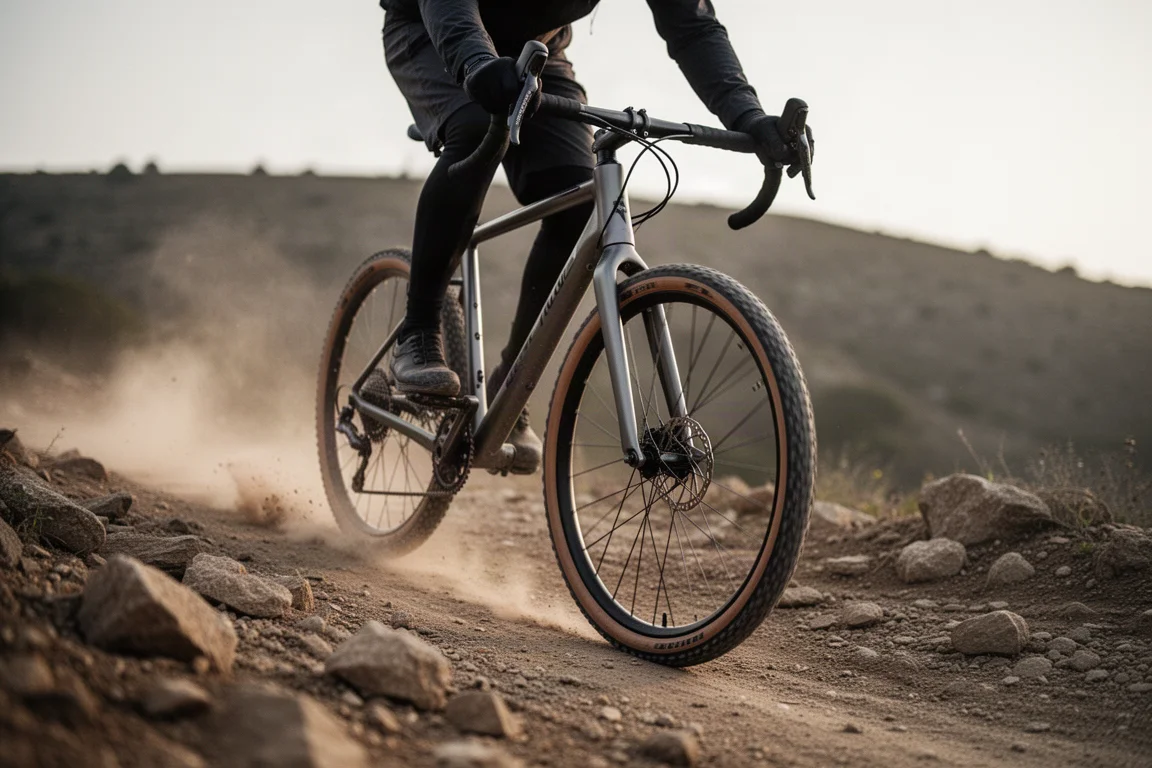
SRAM’s hoods are boxier and sit oddly on the bar for some riders, and getting properly comfortable on them can take time. They are a clear improvement over the brand’s older designs, but the shape remains divisive.
On braking, Apex offers strong outright power while Shimano’s Servo Wave system delivers noticeably more progression through the lever stroke, which makes late braking into a corner feel more predictable and, in turn, more confidence-inspiring.
Weight, Customization, and Looks
On weight, GRX has the advantage. In its widest configuration with a 51-tooth cassette, it is lighter than either Apex option. That said, the gap is small in practice: a bike available with both groupsets shows a difference of just 166 grams in Shimano’s favour, which is not enough to notice on a gravel ride.
Customization splits the other way. Shimano offers a choice of three gear combinations, and the GRX GS and SGS rear derailleurs allow the cages to be swapped, making it slightly less expensive to move between a standard and a super wide cassette. SRAM would require a whole new Apex Eagle derailleur to do the same job. Against that, SRAM’s companion app is excellent, covering everything from shift speed tuning to gear usage analysis, while Shimano’s app has improved but has no connectivity on a mechanical groupset.
On looks, SRAM takes the edge thanks to the wireless design, even though neither groupset has the presence of a top-end road group. Shimano’s two-tone cassette and dull crankset do not help its case, and the GRX rear derailleur is effectively borrowed from the mountain bike range.
Price and Value
This is where the comparison gets genuinely complicated, because the two groupsets sit at very different points in their respective ranges.
Apex is SRAM’s fourth tier, and a build with the optional power meter comes in at just under two thousand pounds. GRX RX820 is Shimano’s top-end gravel groupset and borrows components from the Deore range, and a comparable build without a power meter costs around one thousand three hundred and fifty pounds. That is cheaper, but it is a mechanical groupset against an electronic one, and there is no power meter option.
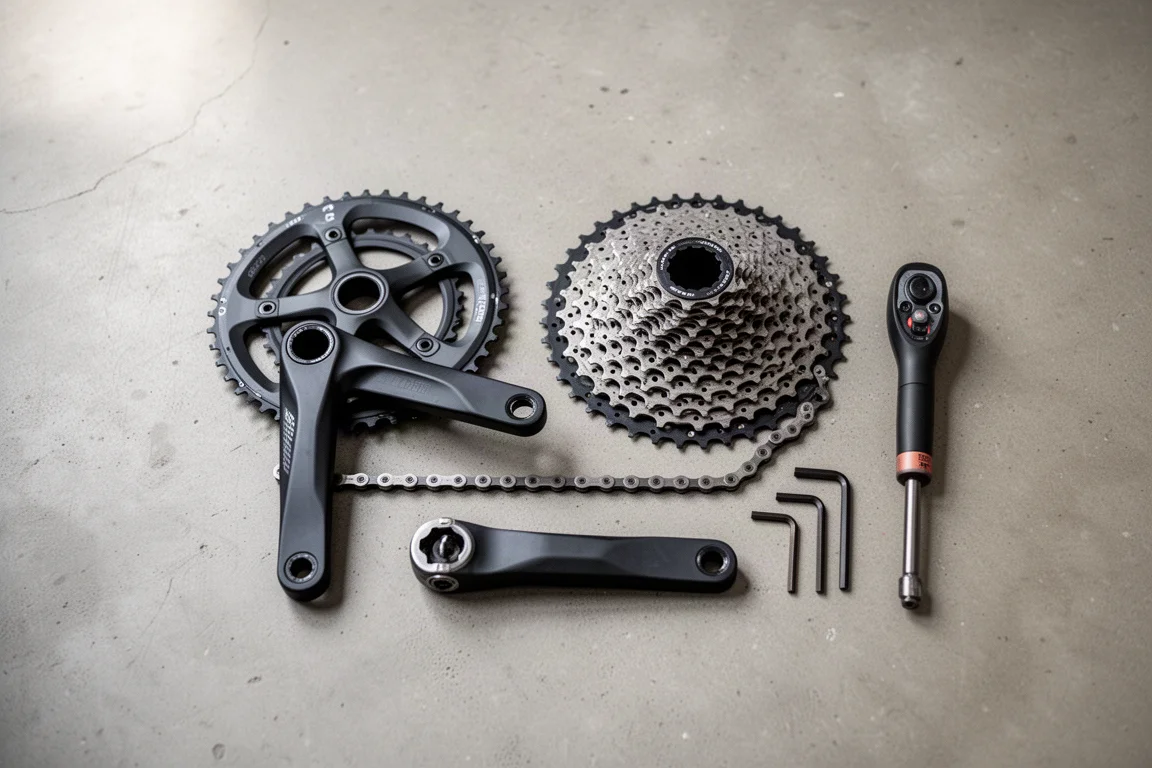
Bike pricing tells a similar story. A gravel bike with GRX comes in around two thousand eight hundred pounds, while the same bike with Apex is around two thousand three hundred and fifty pounds. A difference of four hundred and fifty pounds is enough to make most buyers pause and think carefully before committing.
Buying Advice
Start with the categories you actually notice on a ride. If braking feel and lever shape matter most to you, GRX RX820 is the more satisfying choice, and it is the lighter of the two. If wireless shifting, simple shift logic, app-based tuning, and a lower price matter more, Apex is the stronger package.
It is also worth thinking ahead. If you want a wide-range one-by electronic setup from Shimano, that option does not currently exist at this level, which matters if you plan to keep the bike for a long time. Whichever you choose, budget for regular indexing checks or a trip to a local bike shop, because setup quality affects both systems more than brand loyalty does.
Conclusion
There is no universal winner here. GRX RX820 takes braking, hood feel, weight, and gearing customization, while Apex takes shifting logic, app support, looks, and price. Rank the categories by what you care about, apply your own ratings, and the answer will be the one that fits your riding rather than someone else’s.
Further reading
Related Reviews
Gravel Groupsets
Campagnolo Ekar GT Review: Wider Gearing and a Lower Price for Gravel
Campagnolo's Ekar GT brings a new 10-48 cassette, a 36-tooth chainring option and a lower price, with weight and materials as the main trade-offs.
Gravel Groupsets
L2 GRT Groupset Review: An Affordable 12-Speed Hydraulic Gravel Build
A practical look at the L2 GRT 1x gravel groupset, covering what comes in the box, clutch-equipped shifting, hydraulic braking, shifter comfort and the extra parts you still need to buy.
Gravel Groupsets
SRAM Apex AXS vs Shimano GRX RX820: Which Gravel Groupset Is Right for You?
A practical comparison of SRAM Apex AXS and Shimano GRX RX820 for gravel riders, covering shifting, braking, weight, customization, and real build prices.