Gravel Groupsets
L2 GRT Groupset Review: An Affordable 12-Speed Hydraulic Gravel Build
A practical look at the L2 GRT 1x gravel groupset, covering what comes in the box, clutch-equipped shifting, hydraulic braking, shifter comfort and the extra parts you still need to buy.
Introduction
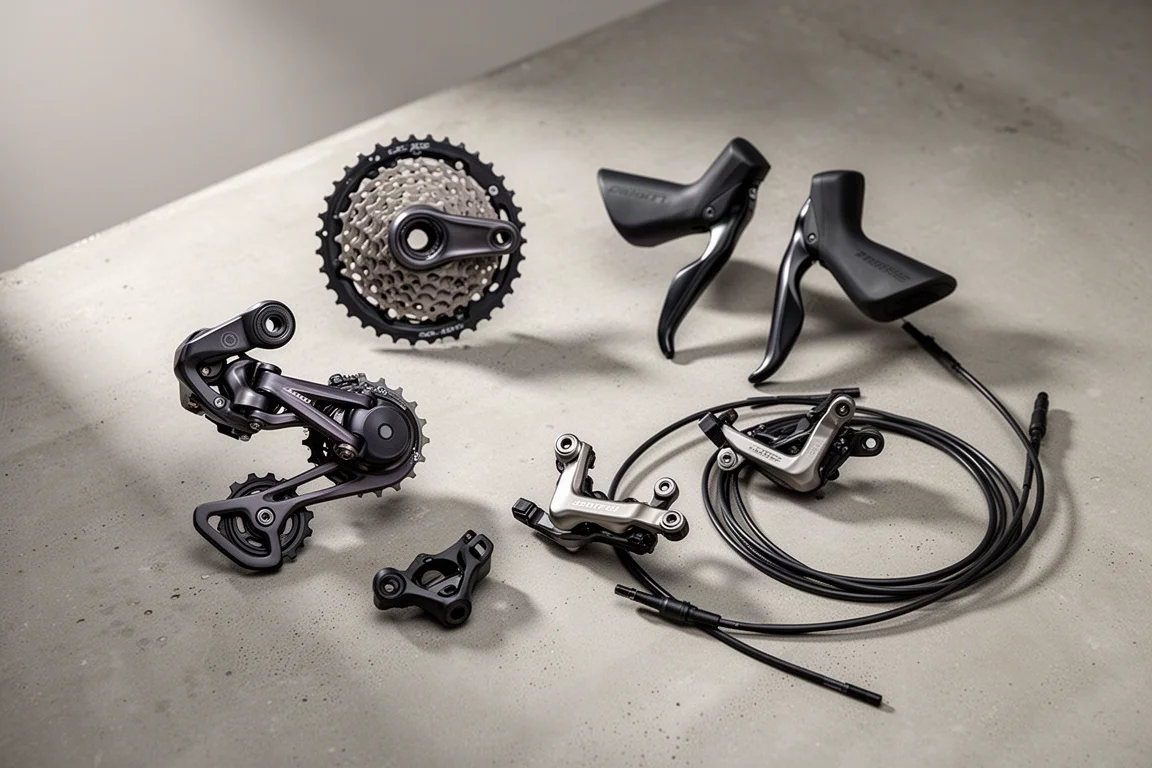
The L2 GRT is a gravel-specific 1x groupset built around hydraulic disc braking and a 12-speed drivetrain. It sits in an interesting place in the market because it is sold as a partial kit rather than a complete groupset, and because it is priced to undercut the major brands. At around £200 for the rear derailleur, a pair of shifters, a pair of calipers and hoses with fluid already inside them, it is a genuinely affordable entry point into a modern hydraulic gravel setup.
The catch is that £200 does not buy you a rideable bike. Crankset, chain, bottom bracket, rotors and cassette all have to come from somewhere else, and those parts add up quickly once you commit to 12-speed. This review focuses on what the L2 GRT actually delivers on the trail, where it makes sense, and where a buyer should budget carefully.
Who This Groupset Is For
The L2 GRT is aimed squarely at gravel riders who want a single-chainring setup with hydraulic brakes and 12 speeds at the rear, without paying flagship prices. It is a natural fit for anyone building up a frameset from parts, or refreshing an older mechanical gravel bike with a hydraulic drivetrain.
L2 offers the groupset in two versions. The alloy version is the one reviewed here, and it is the more affordable option. A carbon version costs a little more and saves a small amount of weight. For a gravel bike that will see rough surfaces, mud and general abuse, the alloy version is a sensible choice, since the weight penalty is modest and the price difference can go toward the cassette and chain you still need to buy.
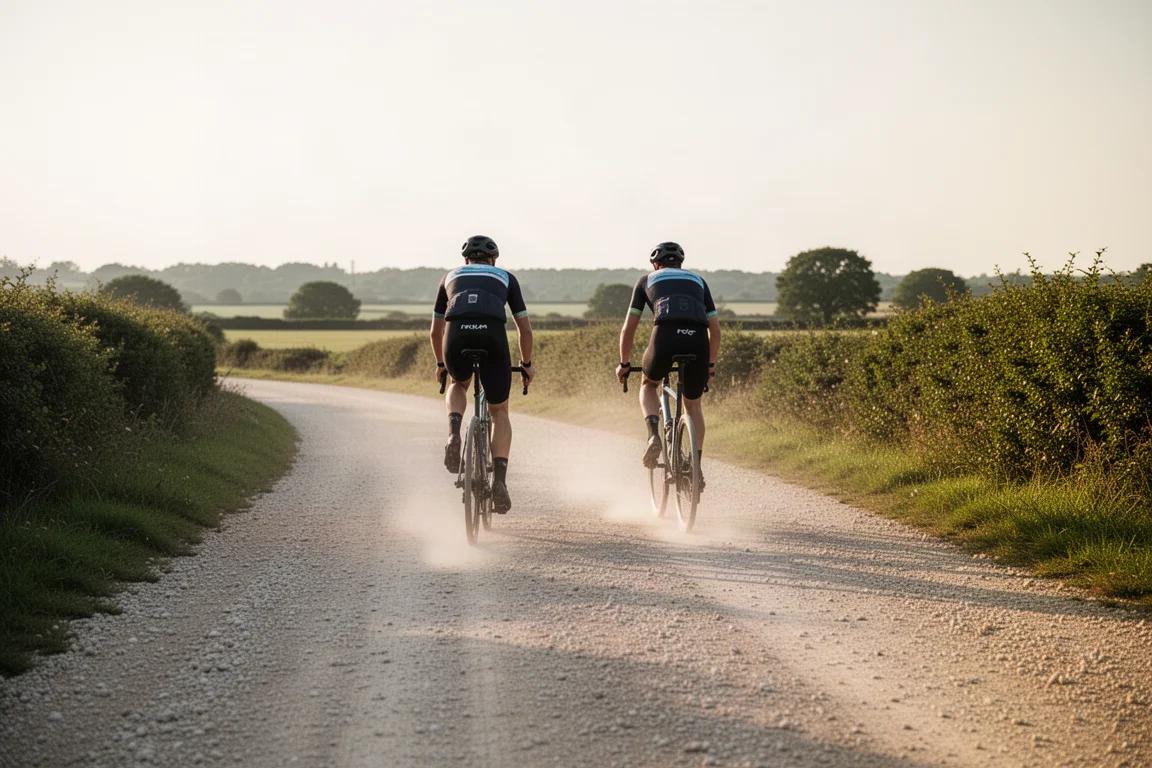
It also suits riders who like the simplicity of 1x gearing. There is no front derailleur to think about, no front shift to time on a steep, loose climb, and fewer parts to clean after a wet, gritty ride.
What Comes in the Box and What You Still Need to Complete the Build
The kit covers the rear derailleur, a pair of shifters, a pair of brake calipers, and hoses that arrive with fluid already inside. That is enough to cover the shifting and braking control points of the bike, and the pre-filled hoses save a step during the build.
Everything else is on you. A realistic shopping list to finish the build includes a crankset, a chain, a bottom bracket, disc brake rotors and a 12-speed cassette. That list is where the real cost lives. A 12-speed chain typically runs somewhere in the region of £30 to £40, a pair of cheap rotors around £40, a bottom bracket in the £30 to £40 range depending on the frame, and a 12-speed cassette can be a significant line item on its own.
It is worth thinking about where those parts come from before committing. Budget 12-speed cassettes and chains sourced from overseas sellers can be very good value, but availability and delivery times can stretch to several weeks if something needs replacing. A local bike shop will usually have a premium cassette on the shelf, at a premium price.
Shifting Performance and the Built-In Clutch
The rear derailleur is the most distinctive part of the L2 GRT, and it is a clear step away from the road-oriented derailleur in the same family. Two features matter most for gravel. First, it can accept a cassette up to 50 teeth, which gives plenty of room for the low gears that long, steep gravel climbs demand. Second, it has a clutch built in. A clutch takes up slack in the chain so that on bumpy terrain the chain is far less likely to drop off the chainring.
The derailleur also has more clearance than expected, which means larger cassettes remain an option rather than a limit you run into immediately. In this build, shifting was consistent and no shift was missed, and that was with a mixed parts list that included a cassette from a different brand, a chain from another manufacturer, and full-length outer cable routing on a frame designed around wireless shifting. That combination can dull shift quality slightly, and it still performed well.
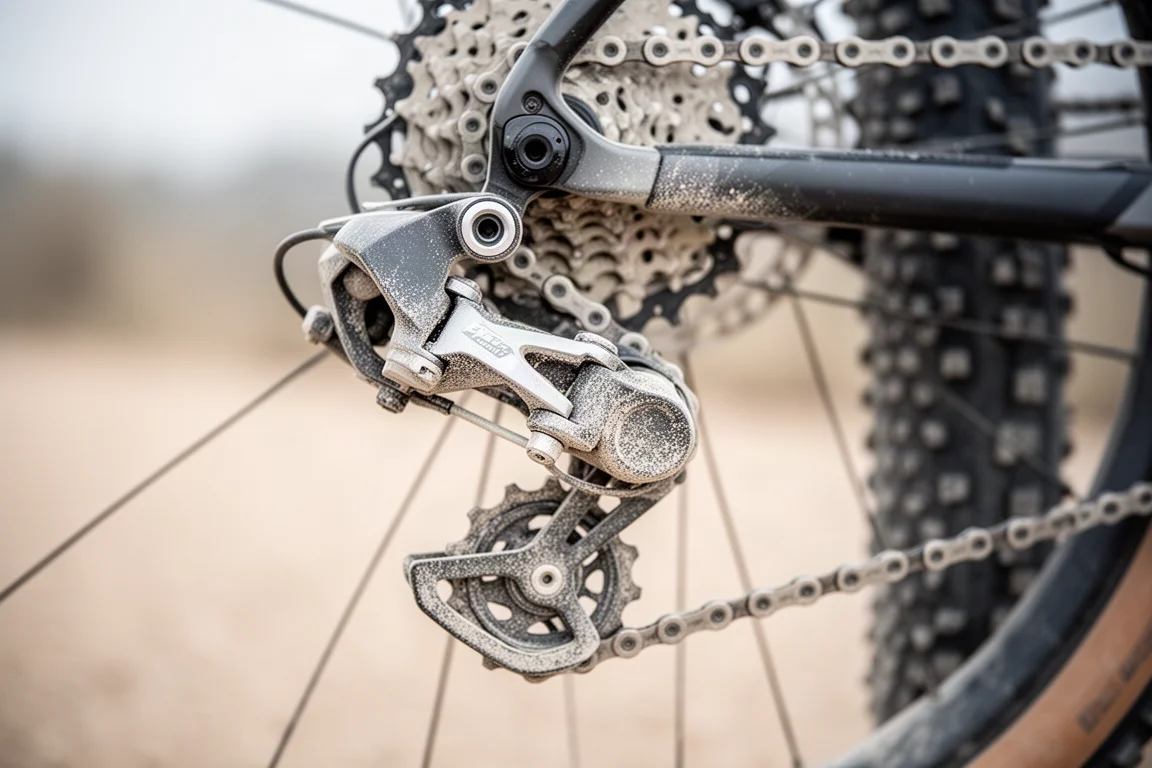
That said, it did not shift noticeably better than a Shimano 105 setup. There was some twitchiness in the shifts, though that was most likely down to setup rather than the groupset itself, since the build was assembled quickly and without much reference to the instructions. Buyers who take the time to set cable tension and derailleur alignment carefully should expect a cleaner result.
Braking and Overall Ride Feel
The hydraulic brakes are the standout part of the package. They felt exactly as good as the hydraulic brakes on the road version of the same family, which is to say powerful, well modulated and confidence inspiring on loose surfaces. Gravel braking is mostly about control rather than outright power, and the calipers delivered that without fuss.
On the whole, the groupset rides well. It does not feel like a compromise part, and it does not feel like a downgrade from the established brands. It simply works, which is a fair standard for a budget gravel groupset. The complete build, assembled with a mix of parts, came in at around 8.17 kg on the scales, though that figure reflects the whole bike rather than the groupset alone.
One non-performance note: the branding and typeface lean very close to another well-known gravel groupset family. It is a cosmetic point rather than a functional one, but it is the kind of thing some buyers notice and others ignore entirely.
Shifter Comfort and Setup Notes
Shifter comfort is a mixed picture. The main hand position on the hood is very comfortable, with a shape that supports the palm well on long rides. The issue is at the heel of the hand, where the body of the shifter sits noticeably higher and creates a lump that becomes more obvious the longer you ride. For short spins it is easy to ignore. For long gravel events or multi-hour training rides, a pair of padded gloves makes a real difference.
Setup deserves more attention than the price tag might suggest. Because the hoses arrive pre-filled and the kit is straightforward, it is tempting to bolt everything on and ride. Spending time on derailleur alignment, cable tension and lever position pays off, since a rushed build can make the shifting feel twitchy when the hardware itself is fine.
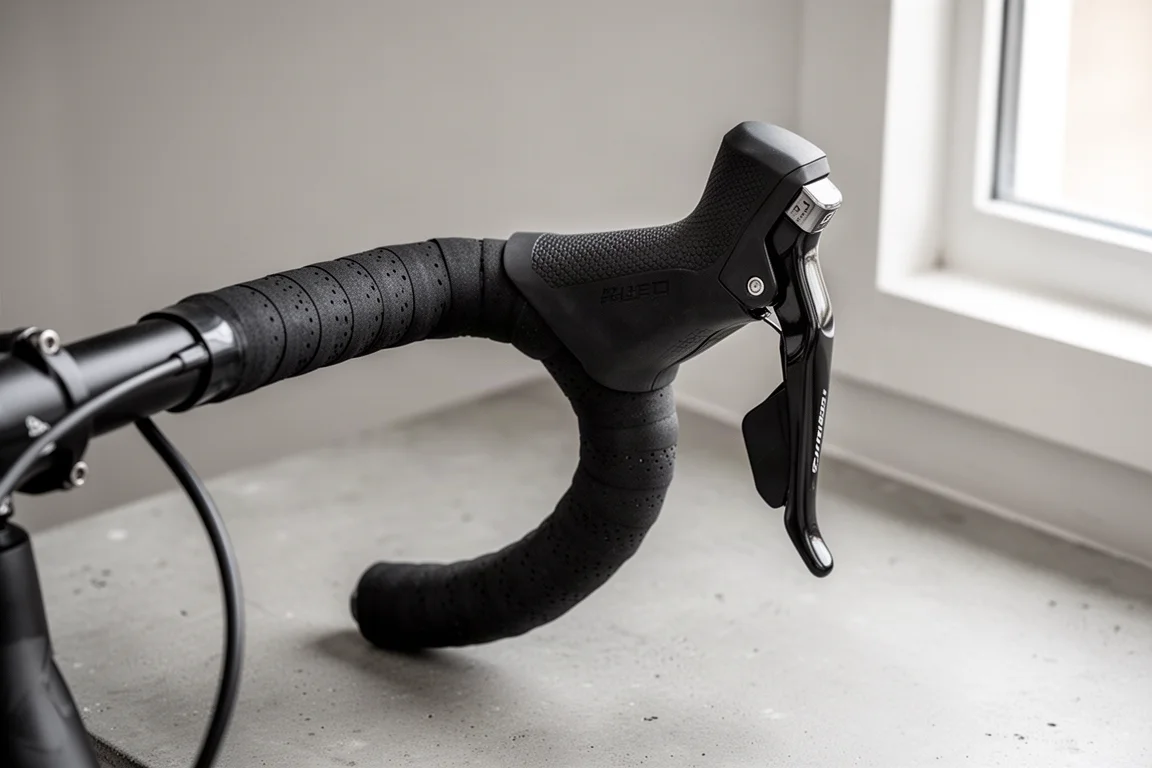
Riders coming from a wireless drivetrain should also expect a slightly different feel. Full-length outer cable routing, which some gravel frames require, adds a small amount of friction compared with a fully wireless system, and that is worth factoring into your expectations rather than blaming on the groupset.
Value and Things to Consider Before Buying
Value depends entirely on how you build around the kit. At around £200 for the mech, shifters, calipers and hoses, the groupset itself looks like excellent value. Once you add a 12-speed cassette, chain, crankset, bottom bracket and rotors, the total moves much closer to what a complete groupset from a mainstream brand costs, and a full 11-speed hydraulic groupset including bottom bracket and rotors has been available for roughly £425 to £450 in the past.
That comparison is the honest one to make. If your priority is the lowest possible total spend, an 11-speed complete groupset is likely to be better value. If your priority is 12 speeds, a wide-range cassette, a clutched derailleur and a build you can configure exactly how you want, the L2 GRT makes more sense.
Two practical points are worth planning for. First, budget for a wide-range cassette from the start, because the derailleur’s 50-tooth capacity is one of the main reasons to choose this groupset. Second, think about spares before you commit to low-cost imported components, since waiting weeks for a replacement chain or cassette can take a bike out of action at the worst possible moment.
Buying Advice
Buy the alloy version if you are building a gravel bike to a budget and want hydraulic braking and 12 speeds without paying flagship money. The weight difference against the carbon version is small, and the savings are better spent on a good cassette and chain.
Buy the carbon version only if shaving weight is a genuine priority and the extra cost is comfortable. Neither version is a heavy groupset by gravel standards, so the decision is more about budget than performance.
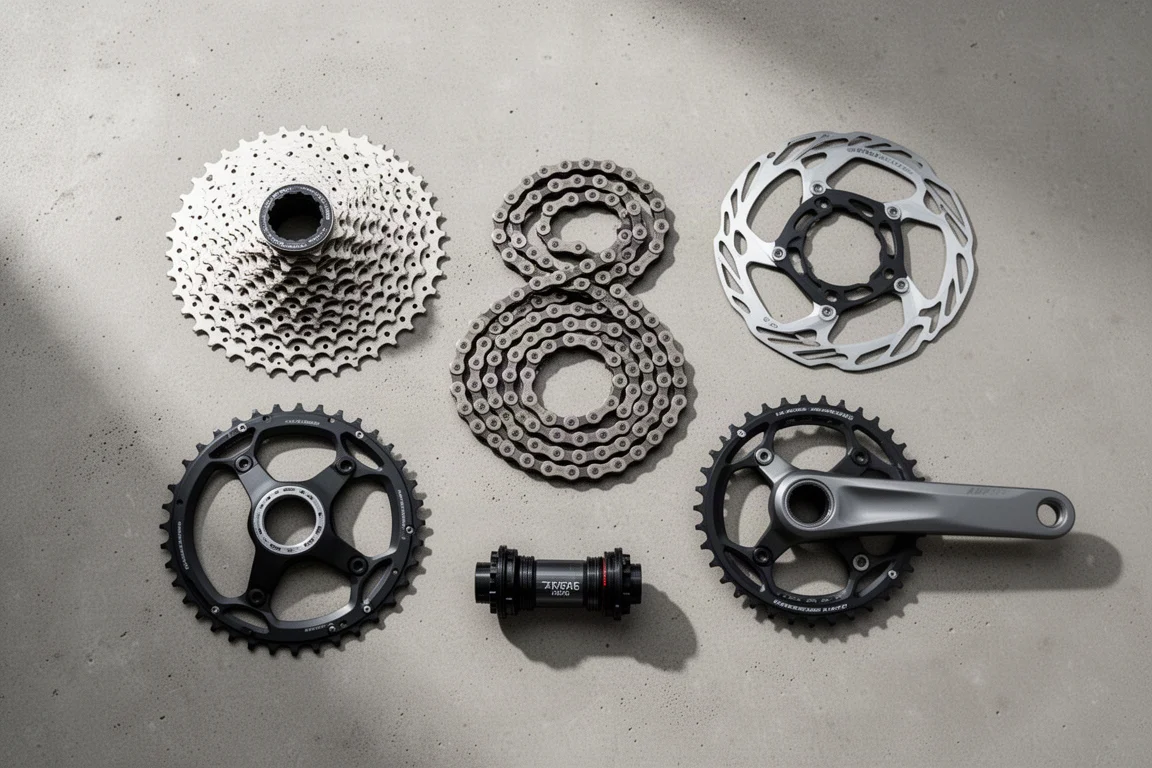
Whichever version you choose, plan the whole build before ordering. Decide on your cassette range, confirm your bottom bracket standard, check rotor sizes for your frame, and pick a chain that matches the drivetrain. Riders who want a simple, low-maintenance 1x setup for mixed surfaces will find the L2 GRT a reasonable and affordable route to hydraulic gravel gearing.
Conclusion
The L2 GRT is not a spectacular groupset, and it does not need to be. It shifts reliably, its clutched derailleur handles rough terrain and wide cassettes, and its hydraulic brakes are genuinely excellent. The shifter hood has a pressure point at the heel of the hand that gloves will fix, and the shifting benefits from a careful setup rather than a rushed one. If you are building a gravel bike around a 12-speed 1x drivetrain and you want to keep the headline cost low, this kit is worth a close look, provided you budget for everything that is not in the box.
Product link
View more details for L2 GRT Groupset
This product is mentioned in the review. Check the specifications, options, and compatibility before buying.
View more details for L2 GRT GroupsetFurther reading
Related Reviews
Gravel Groupsets
Campagnolo Ekar GT Review: Wider Gearing and a Lower Price for Gravel
Campagnolo's Ekar GT brings a new 10-48 cassette, a 36-tooth chainring option and a lower price, with weight and materials as the main trade-offs.
Gravel Groupsets
SRAM Apex AXS vs Shimano GRX RX820: Which Gravel Groupset Is Right for You?
A practical comparison of SRAM Apex AXS and Shimano GRX RX820 for gravel riders, covering shifting, braking, weight, customization, and real build prices.
Gravel Groupsets
SRAM Apex vs Shimano GRX RX820: Which Gravel Groupset Suits You?
A category-by-category look at SRAM Apex and Shimano GRX RX820, with a simple scoring method to help you pick the gravel groupset that fits your riding.