Gravel Groupsets
Campagnolo Ekar GT Review: Wider Gearing and a Lower Price for Gravel
Campagnolo's Ekar GT brings a new 10-48 cassette, a 36-tooth chainring option and a lower price, with weight and materials as the main trade-offs.
Introduction
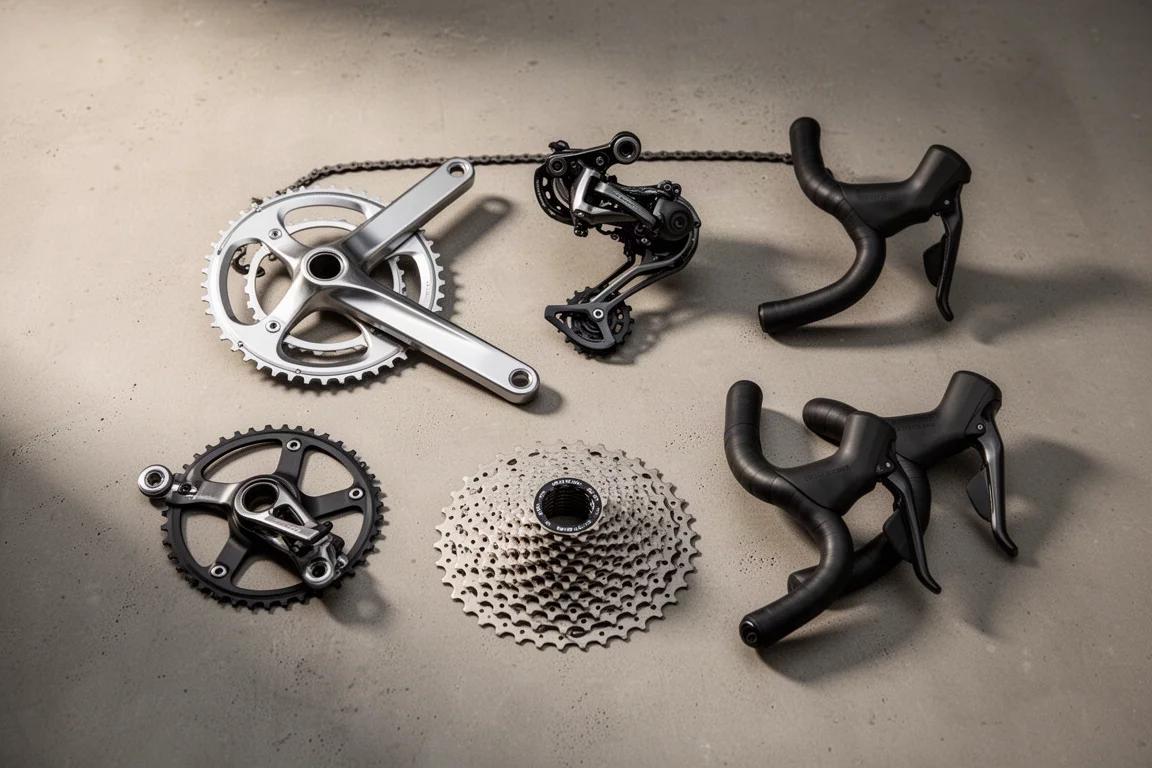
Campagnolo has introduced a new version of its Ekar gravel groupset, named Ekar GT, and two things stand out straight away. It costs less than the groupset it sits alongside, and it opens up gearing that was previously out of reach for riders who wanted the lowest possible climbing ratios.
For anyone who has wanted to run an Italian mechanical gravel groupset but found the price or the range hard to justify, that combination changes the conversation. Ekar GT keeps the mechanical, single-ring approach that defines the Ekar family, while making more budget-conscious material choices and expanding the cassette range at the adventure end of the spectrum.
Wider Gearing and New Cassette Options
When the original Ekar arrived in 2020, it came with a distinctive 9-tooth smallest sprocket, but the big cog options were limited to 30t or 42t. Riders who wanted a more adventure-friendly 44-tooth cog had to start from a 10-tooth sprocket instead, which trimmed the overall range in a way that took the edge off the headline numbers.
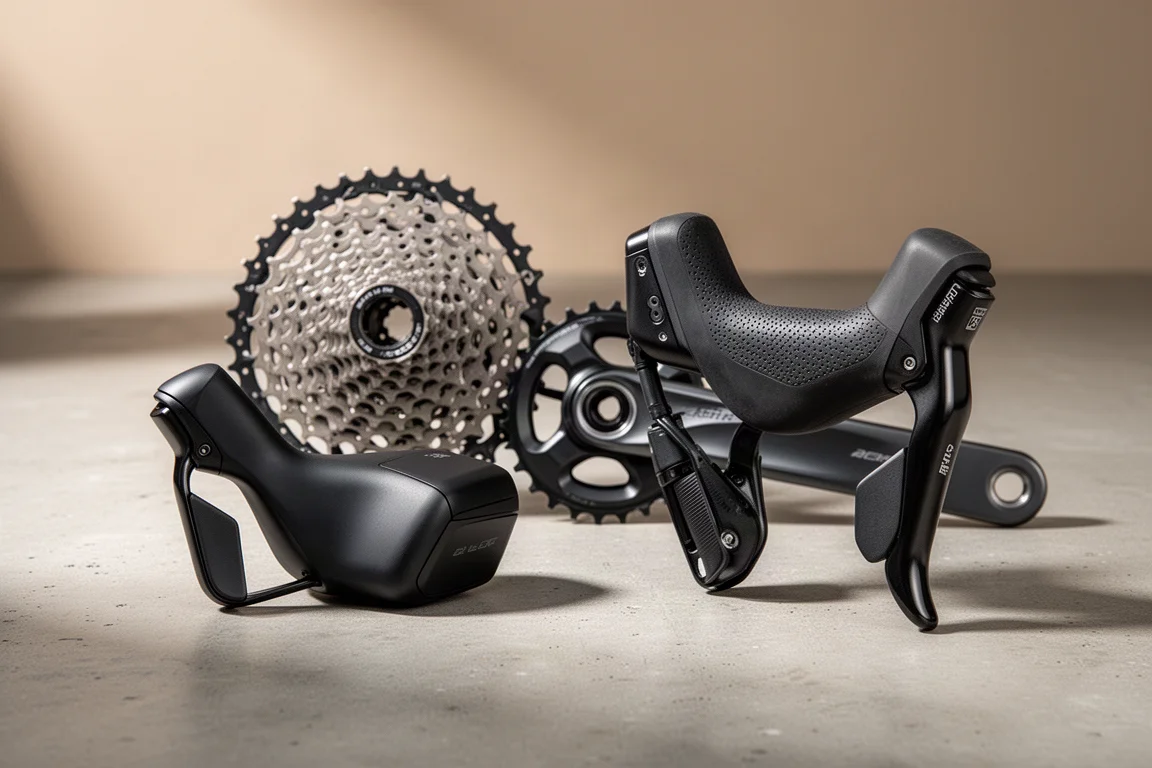
Ekar GT adds a fourth cassette option. The range now covers 9-36, 9-42, 10-44 and 10-48, with the new 10-48 sitting firmly at the adventure end. There is also a new 36-tooth chainring, and pairing it with the 10-48 cassette produces a lowest gear ratio of 0.75.

That figure matters because it puts Ekar GT into direct competition at the low end. Shimano’s GRX setup delivers around 0.78 from a 40-tooth chainring and a 51-tooth lowest cog, while SRAM’s Apex Eagle mullet arrangement reaches 0.73 with a 38-tooth chainring and a 52-tooth cassette. All of these ratios sit below 1:1, and Ekar GT now lands in the middle of that group rather than behind it. If low gearing for loaded, steep gravel riding is the goal, Campagnolo has become properly competitive here.
Shifting and Ergonomics
The shift logic carries over unchanged from Ekar. A finger paddle moves you to an easier gear, while a thumb paddle with a stepped, twisted design shifts you to a harder gear. That stepped shape was designed to be operable from both the hoods and the drops.
The hood shape is reminiscent of older Super Record shifters, which gives the groupset a familiar feel for long-time Campagnolo users. The finish has a glossy, glittery quality that stands out against the matte black hardware common on rival groupsets. The stepped thumb paddle still looks unconventional, but the logic behind it is straightforward and it performs as intended in use.
Weight, Materials and Price
Campagnolo quotes a weight of 2.7 kg for Ekar GT, though it is not clear which components are included in that figure or in what configuration, which makes a direct comparison with rival groupsets difficult. For context, the original Ekar carried a claimed weight of 2,385 g, so the more cost-conscious material choices have added weight.

The clearest example is the crankset, which is made from aluminium rather than the carbon used on the original Ekar, and that theme runs through the groupset. On price, Ekar GT comes in at $1,599 or £1,490, with launch pricing still to be confirmed. The original Ekar launched at $1,764 or €1,696, so the saving looks modest on paper, though material, shipping and general costs have risen considerably in the years between the two launches.
Against rivals, Shimano remains cheaper at around $1,542 or £1,192, depending on the build you choose. SRAM does not offer a directly equivalent mechanical gravel groupset, but its Apex Eagle sits at a lower price point, while a budget of around $1,616 reaches the Force groupset with wireless electronic shifting.
Who This Product Is For
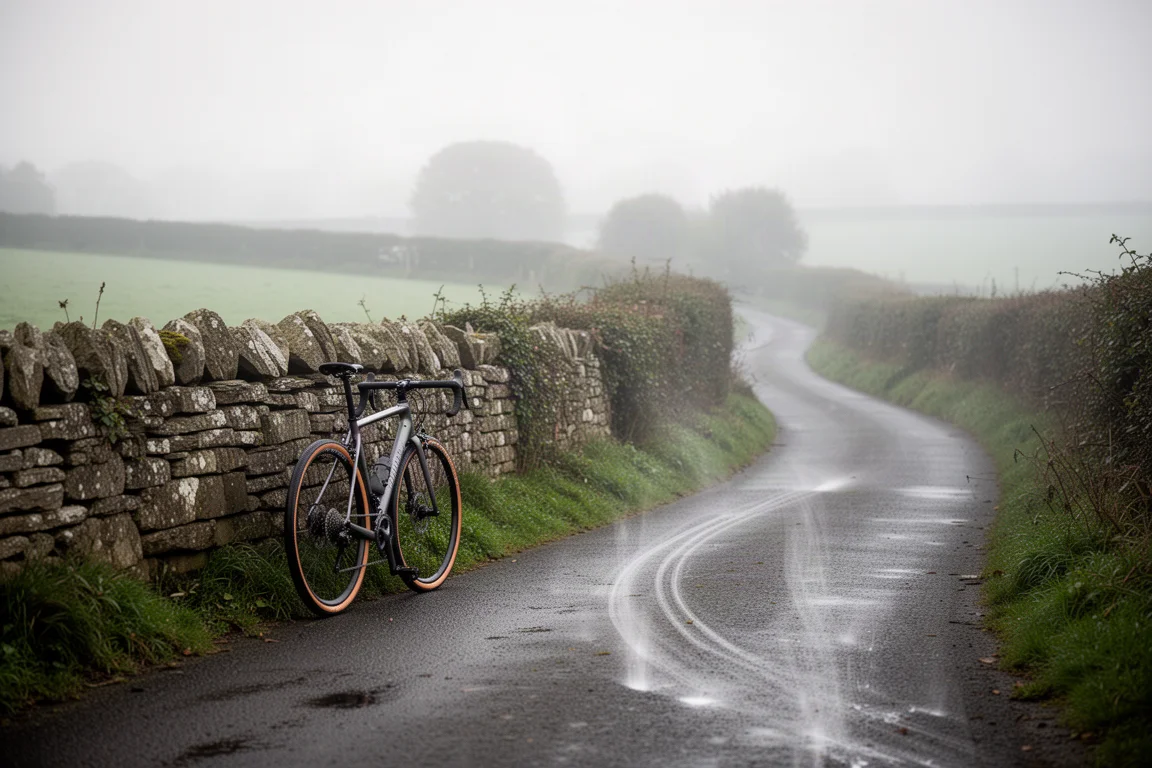
Ekar GT makes most sense for gravel riders who want very low climbing gears without moving to electronic shifting. The 36-tooth chainring and 10-48 cassette combination is aimed squarely at loaded adventures, long loose climbs and steep, muddy terrain.
It also suits riders who already like Campagnolo’s hood shape and paddle layout, and anyone who prefers to keep a mechanical drivetrain for simplicity and ease of repair away from home. Riders building up a frameset from scratch, rather than replacing an existing groupset, are likely to get the most value from it.
Main Strengths
The strongest argument for Ekar GT is the combination of a lower price and a wider spread of gears. A 0.75 lowest ratio is genuinely competitive against the main alternatives, and the addition of a 36-tooth chainring gives riders more ways to tune the setup to their terrain without changing the rest of the groupset.
Retaining the existing shift logic is another plus. Riders already comfortable with the finger and thumb paddle arrangement will find nothing to relearn, and the hood shape will feel familiar to anyone with experience of Campagnolo’s older shifters. The four cassette options also mean the same groupset can be set up for fast gravel racing or for heavily loaded touring.
Things to Consider Before Buying
Weight is the obvious trade-off. The claimed 2.7 kg figure is higher than the original Ekar’s 2,385 g claim, and the aluminium crankset is a visible reminder of where part of the cost saving comes from. Because the quoted weight does not specify which parts are included, it is worth waiting for independent measurements before drawing firm conclusions.
There is also the question of positioning. If you want to stay mechanical, Shimano’s GRX line costs less. If you can stretch slightly further, wireless electronic shifting becomes an option elsewhere. Ekar GT sits between those two paths rather than clearly ahead of either, so the decision comes down to how much you value the Campagnolo feel and the specific gearing on offer.
Buying Advice
If low gearing for genuinely adventurous gravel riding is your priority, Ekar GT is worth a close look. The 10-48 cassette and the 36-tooth chainring option are the parts that matter most, and together they deliver a ratio that competes directly with the established alternatives.

If weight is a primary concern, or if you are simply looking for the cheapest route into a mechanical gravel groupset, it is worth comparing carefully before committing. For riders who value the Campagnolo hood shape and want a broader gear range at a lower price than before, the case is much clearer.
Conclusion
Ekar GT addresses two long-standing criticisms of the original Ekar by lowering the price and widening the gearing at the adventure end of the range. The trade-offs are real, particularly around weight and the aluminium crankset, but the groupset now sits genuinely among its key rivals rather than behind them. For gravel riders who want low gears and a mechanical drivetrain, that is a meaningful improvement.
Product link
View more details for Campagnolo Ekar GT
This product is mentioned in the review. Check the specifications, options, and compatibility before buying.
View more details for Campagnolo Ekar GTFurther reading
Related Reviews
Gravel Groupsets
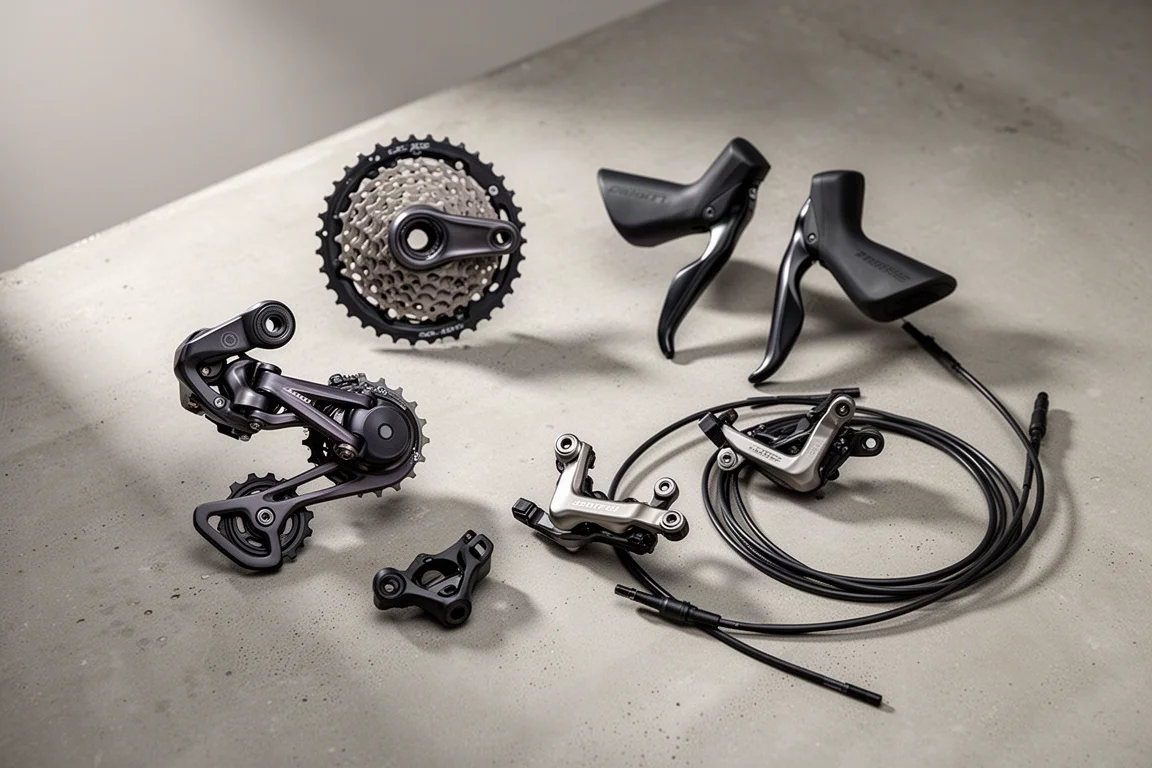
L2 GRT Groupset Review: An Affordable 12-Speed Hydraulic Gravel Build
A practical look at the L2 GRT 1x gravel groupset, covering what comes in the box, clutch-equipped shifting, hydraulic braking, shifter comfort and the extra parts you still need to buy.
Gravel Groupsets
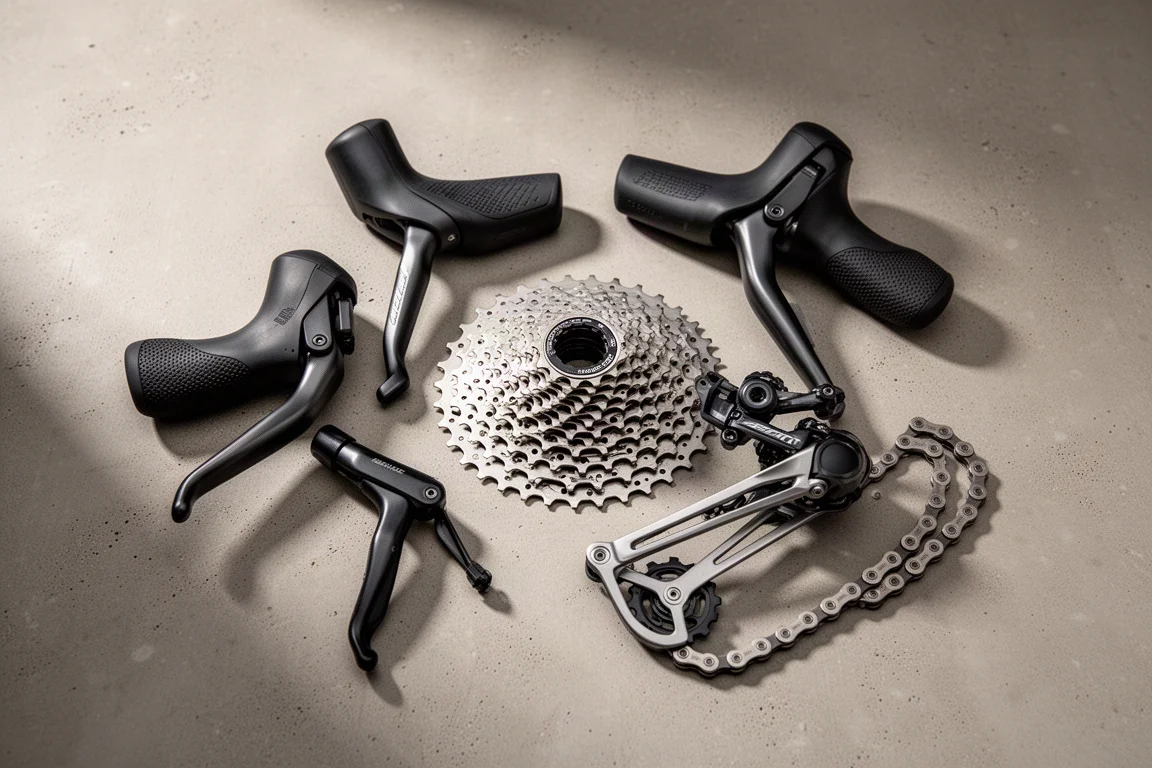
SRAM Apex AXS vs Shimano GRX RX820: Which Gravel Groupset Is Right for You?
A practical comparison of SRAM Apex AXS and Shimano GRX RX820 for gravel riders, covering shifting, braking, weight, customization, and real build prices.
Gravel Groupsets
SRAM Apex vs Shimano GRX RX820: Which Gravel Groupset Suits You?
A category-by-category look at SRAM Apex and Shimano GRX RX820, with a simple scoring method to help you pick the gravel groupset that fits your riding.