Gravel Groupsets
SRAM Apex AXS vs Shimano GRX RX820: Which Gravel Groupset Is Right for You?
A practical comparison of SRAM Apex AXS and Shimano GRX RX820 for gravel riders, covering shifting, braking, weight, customization, and real build prices.
Introduction
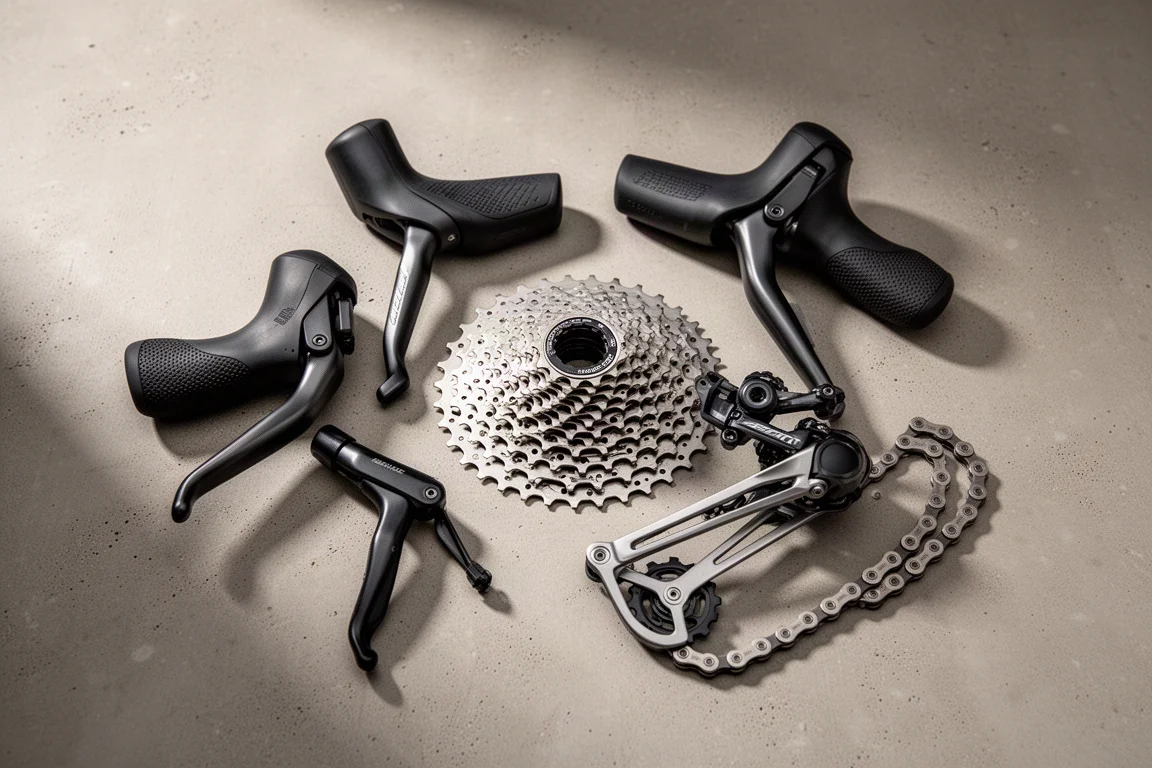
If you are shopping for a gravel bike at an accessible price point, two groupsets come up again and again: SRAM Apex AXS and Shimano GRX RX820. They sit at very different points in their makers’ ranges, and they take two very different routes to the same job. Apex is SRAM’s fourth-tier electronic groupset and it is fully wireless. GRX RX820 is Shimano’s top-end mechanical gravel offering, borrowing heavily from the Deore mountain bike range and sitting at around Ultegra level on the road side of the catalogue.
That mismatch is what makes the comparison genuinely interesting. One system wins on shift logic, wireless simplicity, and app-based tuning. The other wins on braking feel, hood shape, and weight. Neither is the automatic choice for every rider, and the right answer depends on which traits you value once the mud starts flying.
How These Two Gravel Groupsets Compare
Seven categories do most of the work when you are living with a groupset over thousands of kilometres: shifting, lever and hood feel, braking, customization, looks, weight, and price.
Shifting is the first thing you notice, because it is the first thing you do. Both systems reward good setup. Whatever you ride, learning to index the gears properly, keeping on top of the adjustment, or having a local bike shop check it regularly will matter more than the badge on the derailleur.
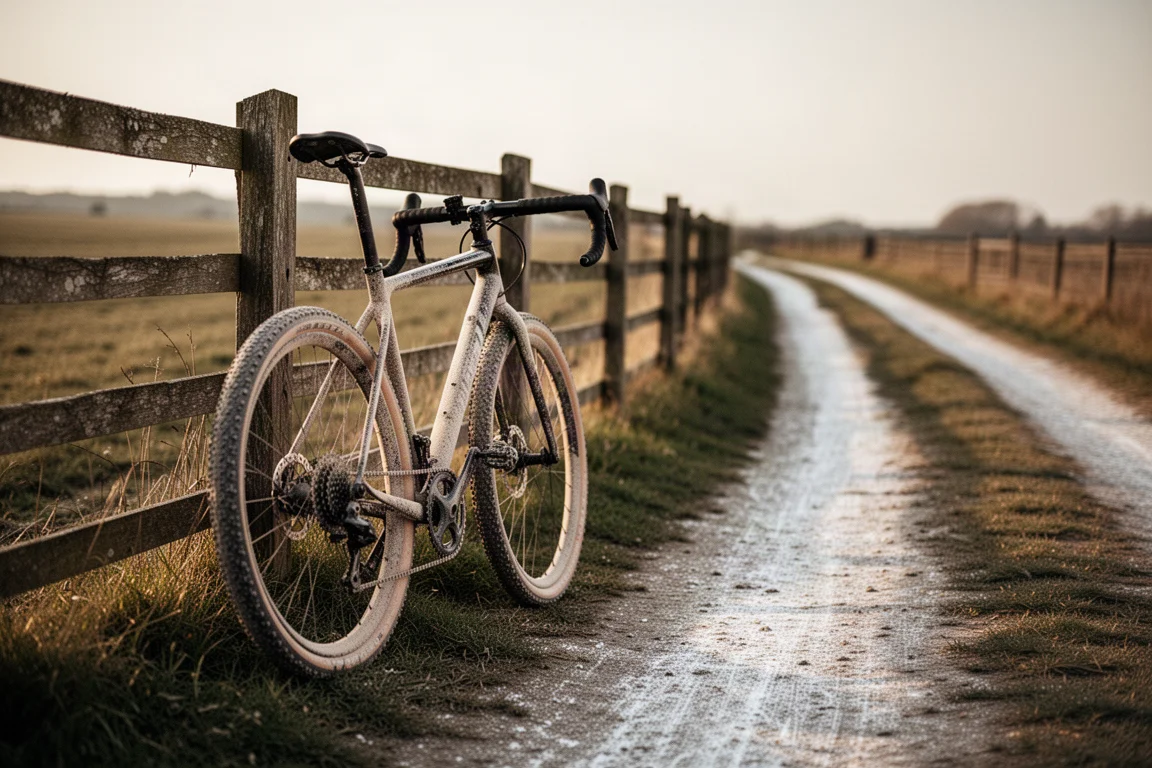
Braking is where the two diverge most in feel. Both are hydraulic disc setups with plenty of stopping power, and both stay quiet and well behaved as long as you keep the pads and rotors free of contamination. The difference is in how the power arrives through the lever stroke, and that shapes how late you are willing to brake into a corner.
Customization and looks complete the picture. SRAM leans on its app and a broad range of add-ons, including an optional power meter. Shimano leans on mechanical configurability, with several gear combinations and swappable derailleur cages. Neither groupset carries the visual polish of each brand’s top-end road offerings, and both will be covered in dust within a few rides anyway.
SRAM Apex AXS: Wireless Shifting and Customization
Apex is the electronic option in this comparison, and it is fully wireless. There are no shift cables to route and nothing to plug in beyond the derailleur batteries. SRAM also offers mechanical versions of Apex for riders who prefer them, which makes the platform unusually flexible for an entry-level electronic groupset.
The shift logic is what most riders notice first. One lever makes the gear harder, the other makes it easier, and that is the entire system. It is easy to learn and, in practice, dependable. Apex is SRAM’s fourth tier, so it does not carry the visual polish of the brand’s top-end road groupsets, but the wireless design gives it a cleaner look than a cabled setup.
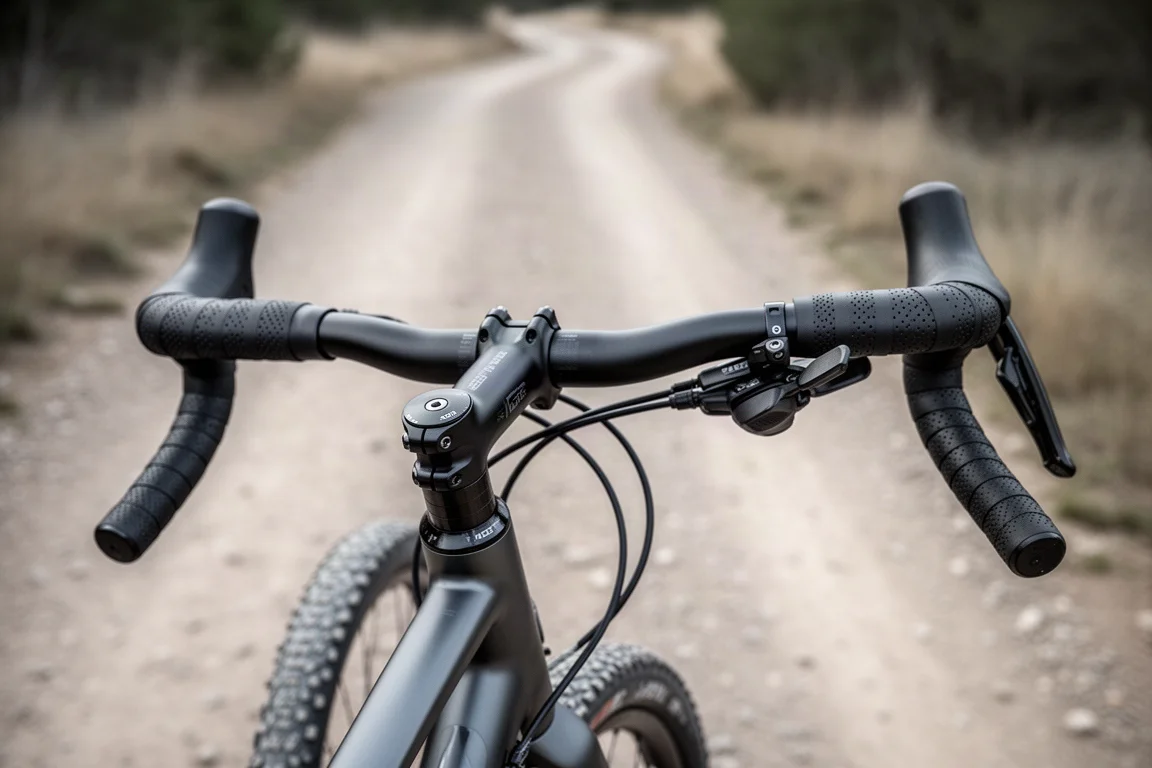
Where Apex pulls clearly ahead is the app. Adjusting shift speed and reviewing gear usage from a phone is genuinely well executed, and it is the kind of functionality a mechanical groupset cannot match. There is also an optional power meter, which is not available on GRX.
Drivetrain range is the catch. Moving to a very wide cassette means buying a whole Apex Eagle derailleur along with the other required parts, rather than swapping a single component. Braking is the other trade-off: Apex brakes have plenty of power, but the lever feel is wooden, with little defined progression through the stroke.
Price works in Apex’s favour. A build with the optional power meter comes in just under £1,200, and a Canyon Grizl CF with Apex is priced at £2,350.
Shimano GRX RX820: Braking Feel and Mechanical Dependability
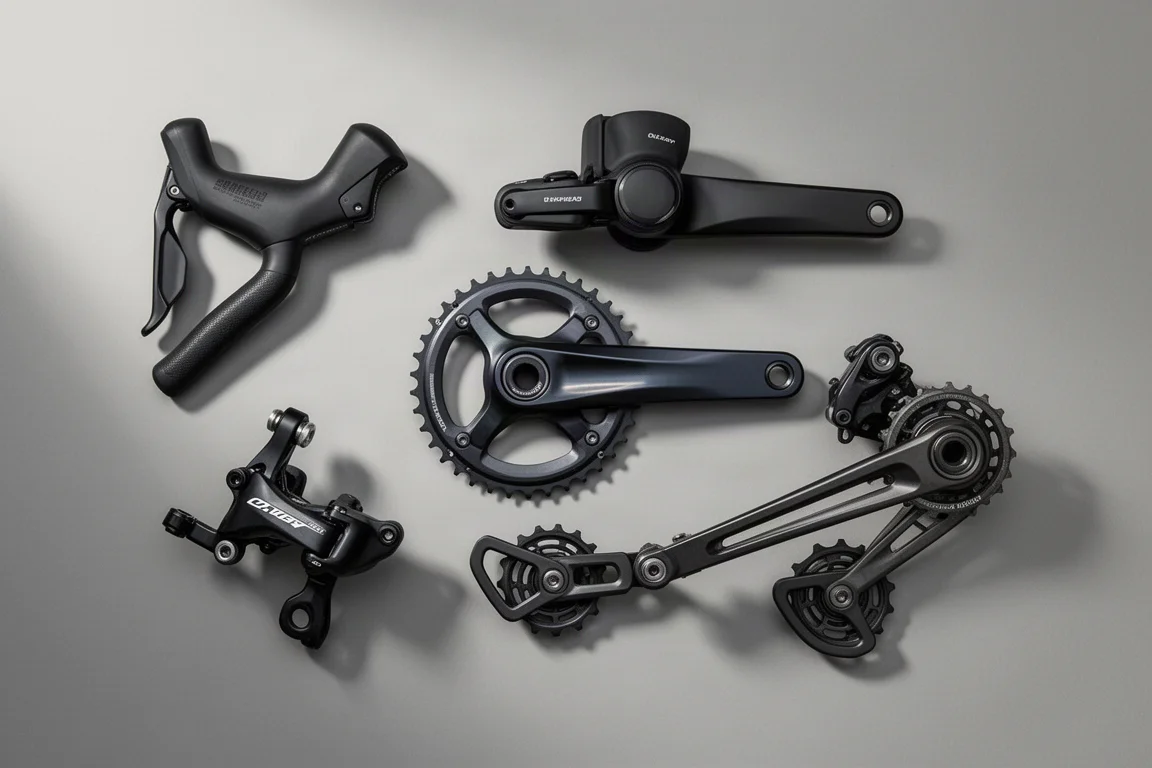
GRX RX820 is mechanical, and it leans on the dependability that comes with that. Shifting is indexed in the traditional way with a cable tension dial, and it performs beautifully across the cassette. In gritty conditions it feels a touch smoother than the electronic alternative.
There are quirks worth knowing about. Rear shifting is tied entirely to the right-hand lever, and the left lever does nothing at all. Fitting a front derailleur would mean buying a whole new shifter, which is not cheap. Against that, a mechanical rear derailleur is the one most riders would back themselves to bodge well enough to get home if something failed mid-ride.
The hoods are large, as they are on all of Shimano’s mechanical and hydraulic drop-bar levers. They are not the most elegant shapes, but they give a secure hold on rough terrain. The ridges are a matter of taste: riders who prefer not to wear gloves may find they dig into the hands, while gloved riders tend to get along with them. Shimano has also adapted its lever shape well to the trend for flared gravel bars.
Braking is the strongest argument for GRX. Servo Wave technology uses a roller cam at the top of the lever, so power ramps up progressively through the stroke. There is plenty of lever travel at the start with relatively little braking, then less and less travel is needed to produce more and more power. It mimics the feel of a rim brake, and it is a genuinely refined sensation on loose surfaces.
Customization here is more mechanical than digital. Shimano offers three gear combinations, from a wide-range adventure setup to a tighter two-by arrangement, and the GS and SGS derailleurs allow cage swaps so that moving between standard and super-wide cassettes costs less than a new derailleur. Shimano’s app has improved significantly, but a mechanical groupset has no connectivity to speak of, and the Di2 alternative is considerably more expensive and two-by only. There is no power meter option.
The final piece is positioning. This is Shimano’s top-end mechanical gravel groupset, and because it borrows heavily from the Deore mountain bike range it sits at roughly Ultegra level on the road side of the catalogue.
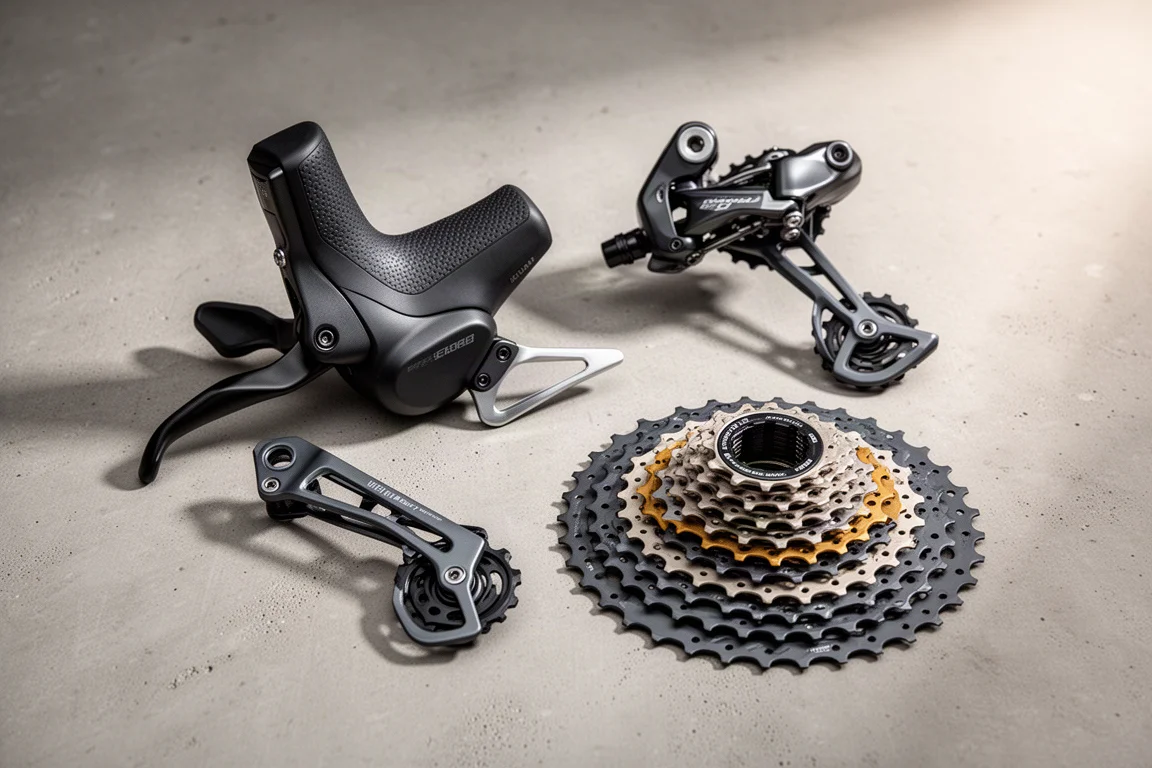
Weight: Where GRX Has the Edge
Weight claims deserve a little scrutiny, because manufacturers sometimes leave essentials such as batteries and cables off the figure. Even so, the real-world gap between these two is small. The Canyon Grizl CF is available with either groupset, and the difference comes to just 166 g in Shimano’s favour.
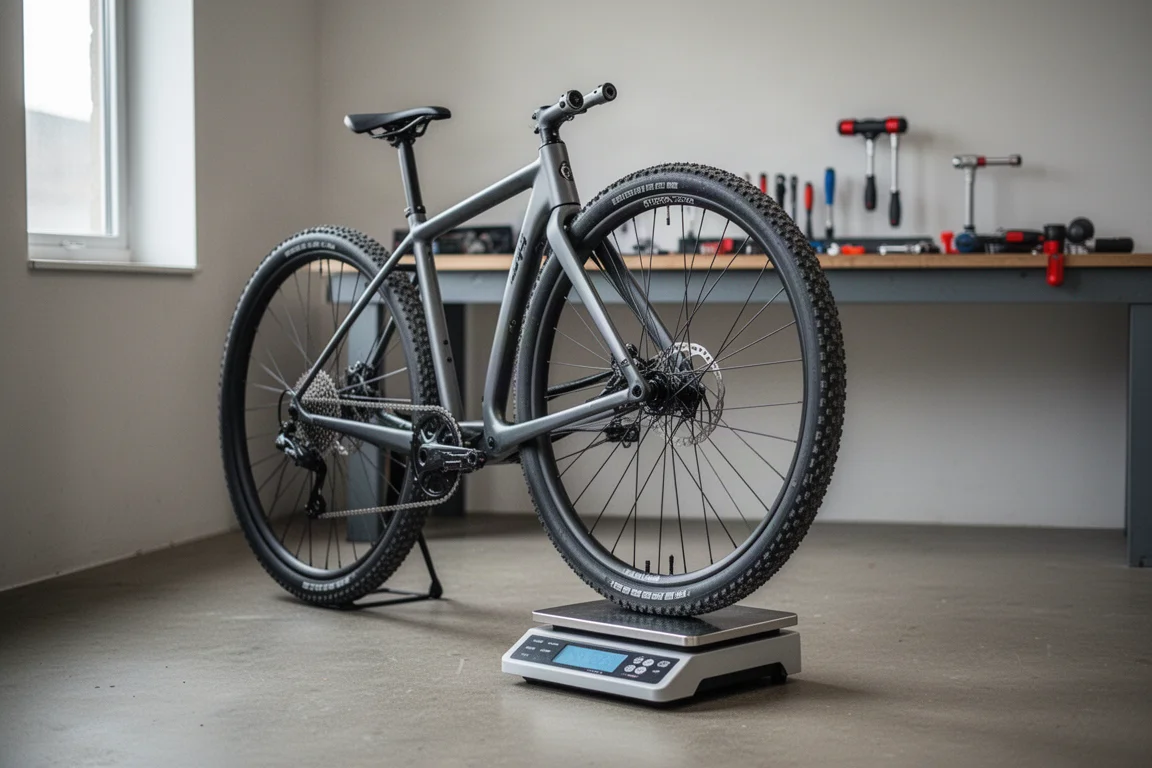
GRX RX820 in its wide-range form with the 51-tooth cassette is lighter than either Apex option, so if you are building a light gravel bike, that is the version to look at. Whether 166 g on a complete bike changes how it rides is another question, and for most riders it will not.
Price and Value: Where Apex Has the Edge
This is where the two diverge most sharply. A comparable GRX build without a power meter comes in at around £1,350. An Apex build with the optional power meter comes in just under £1,200. On complete bikes, a Canyon Grizl CF costs £2,350 with Apex and £2,800 with GRX, a £450 difference that would make most buyers think hard before committing.
GRX Di2 sits above RX820 at around £2,100, and Shimano has not yet released a wide-range one-by Di2 gravel groupset. Meanwhile, Apex is SRAM’s fourth tier while RX820 is the top of the mechanical GRX line. The value question is therefore whether you would rather have an electronic groupset for less money or a higher-tier mechanical one for more. On price alone, Apex wins.
Overall Buying Advice: Choosing Your Winner
With the options this close, the sensible approach is to rank the categories by how much you personally care, score each groupset from one to five in each area, and add up the points.
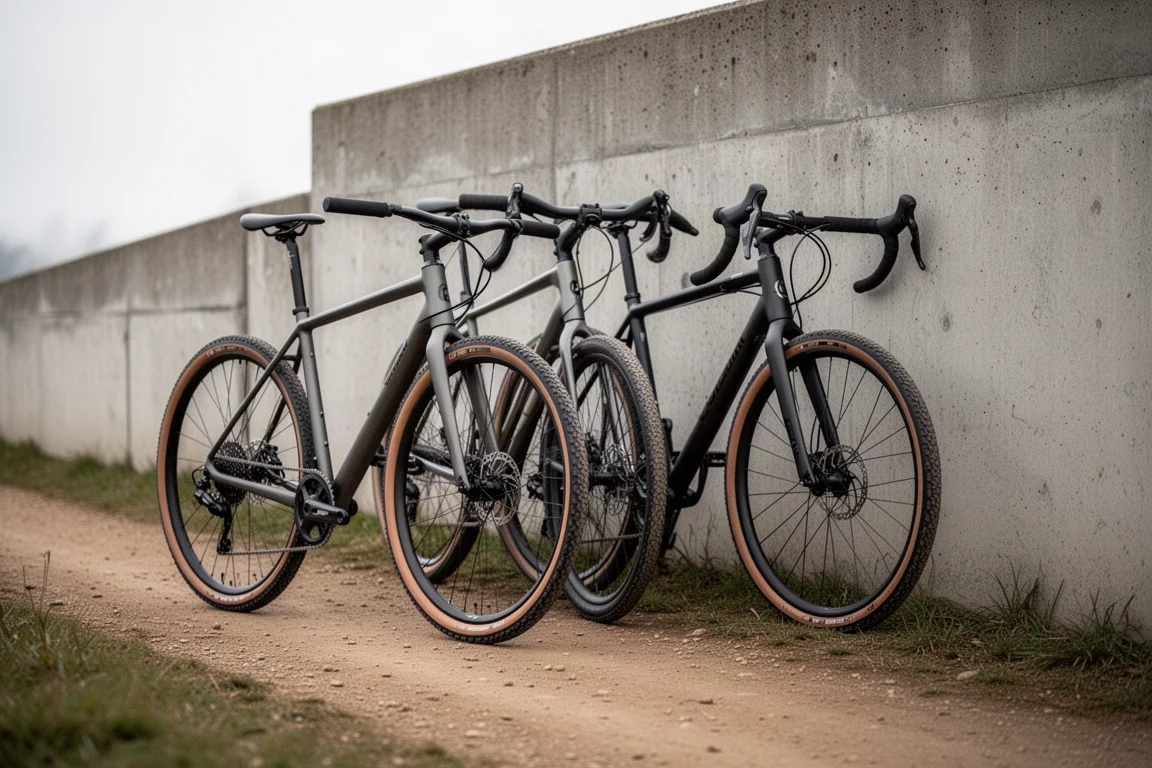
If braking and shifting sit at the top of your list, and lever feel in the hand matters a great deal, GRX tends to come out ahead. That is especially true if you ride loose, technical terrain where progressive brake feel builds confidence. Add weight as a priority and the case for GRX gets stronger still.
If wireless shifting, app-based tuning, add-on flexibility such as a power meter, and a lower price carry more weight, Apex is the natural pick. Riders who like to tinker with shift speed and review their gearing data will get more out of it.
You can also add categories of your own. Power meter availability, for example, is a straightforward win for Apex and a real consideration for anyone training with power. Whichever way the scoring lands, take your time: a groupset is a component you will live with for years.
Conclusion
SRAM Apex AXS and Shimano GRX RX820 are both strong gravel groupsets, and neither is a mistake. Apex brings wireless electronic shifting, simple shift logic, a genuinely good app, and a lower entry price. GRX RX820 brings smoother mechanical shifting in poor conditions, the better brake feel of the two, a lighter wide-range build, and a higher-tier position in its maker’s range.
The honest answer is that the winner depends on your priorities. Score the categories that matter to you, weigh price and braking honestly, and the right groupset for your gravel bike becomes obvious.
Further reading
Related Reviews
Gravel Groupsets
Campagnolo Ekar GT Review: Wider Gearing and a Lower Price for Gravel
Campagnolo's Ekar GT brings a new 10-48 cassette, a 36-tooth chainring option and a lower price, with weight and materials as the main trade-offs.
Gravel Groupsets
L2 GRT Groupset Review: An Affordable 12-Speed Hydraulic Gravel Build
A practical look at the L2 GRT 1x gravel groupset, covering what comes in the box, clutch-equipped shifting, hydraulic braking, shifter comfort and the extra parts you still need to buy.
Gravel Groupsets
SRAM Apex vs Shimano GRX RX820: Which Gravel Groupset Suits You?
A category-by-category look at SRAM Apex and Shimano GRX RX820, with a simple scoring method to help you pick the gravel groupset that fits your riding.