Cycling Components
SRAM Apex Review: 12-Speed Electronic Shifting at an Entry-Level Price
SRAM Apex moves to 12-speed, goes one-by only, and brings wireless electronic shifting to its most affordable point yet, with a mechanical option still available.
Introduction
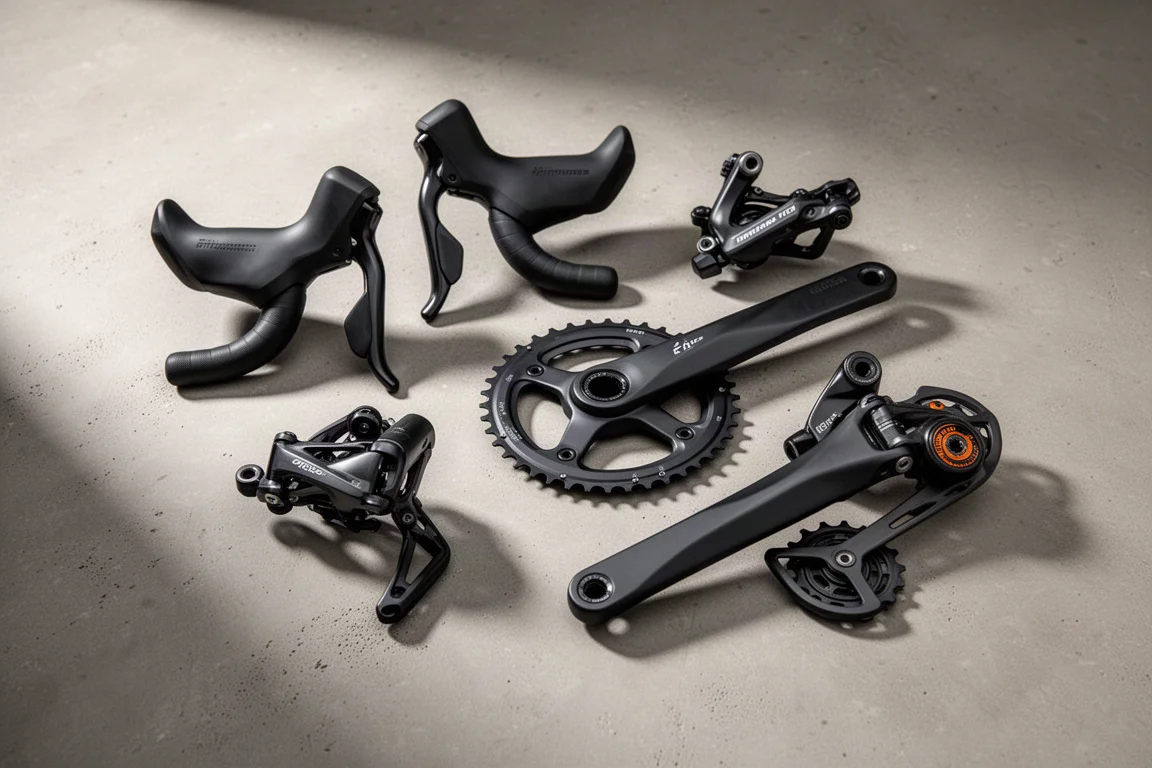
SRAM Apex is the entry-level groupset in the brand’s road and gravel range, and this generation is a bigger step than that position usually suggests. The new Apex has moved to 12-speed, is one-by only, and brings wireless electronic shifting down to its lowest price point yet. Crucially for riders who still prefer cables, a mechanical version is also available.
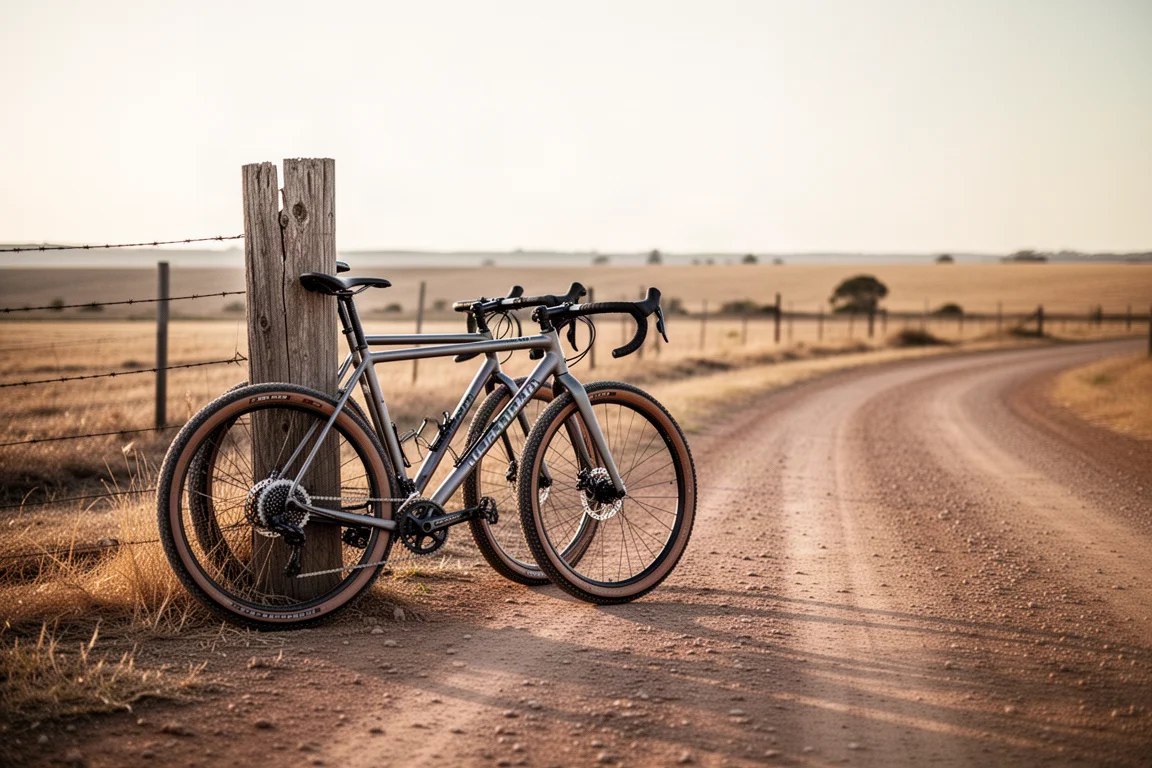
Apex sits squarely at gravel riding, commuting, and entry-level road bikes, and it caters to drop bar bikes while also offering flat bar shifters that suit hybrid bikes. That combination means it should appear on a lot of reasonably priced complete bikes.
The numbers underline the positioning. The mechanical version starts at around £1,035 or $971, while the electronic version is priced at $1,195 or £1,262. SRAM expects complete bikes with an electronic drivetrain to start from about $2,500, with mechanical complete bikes from about $2,000. The electronic groupset was made available from June 2023, with the mechanical version following in September.
There is a power meter option too. An Apex power meter upgrade is offered at $220 or £205, which makes it one of the most affordable crank-based power meters around.
Who This Group Set Is For
Apex is aimed at riders buying a complete bike rather than building a dream machine, and the design reflects that. The one-by-only layout removes the front derailleur entirely, which keeps shifting simple and reduces the number of parts on the bike. If you have ever been annoyed by front shifting on rough ground, that simplicity is the point.
It suits drop bar gravel bikes, flat bar hybrid and commuter builds, and entry-level road bikes. It is disc only, so there is no rim brake option to consider. It is also the most accessible route into 12-speed electronic shifting for riders who want wireless gear changes without moving up the range.
What it is not is a two-by road groupset. There is no two-by road model and no standard road gearing in the Apex line, so riders who want a front derailleur or tightly spaced road ratios will need to look elsewhere in the range.
Main Strengths
The headline strength is straightforward: 12 speeds, one chainring, and wireless electronic shifting at a price point that did not previously offer it. SRAM’s stated goal was to bring electronic shifting down to its third-tier road range, and Apex is the result of about three years of development.
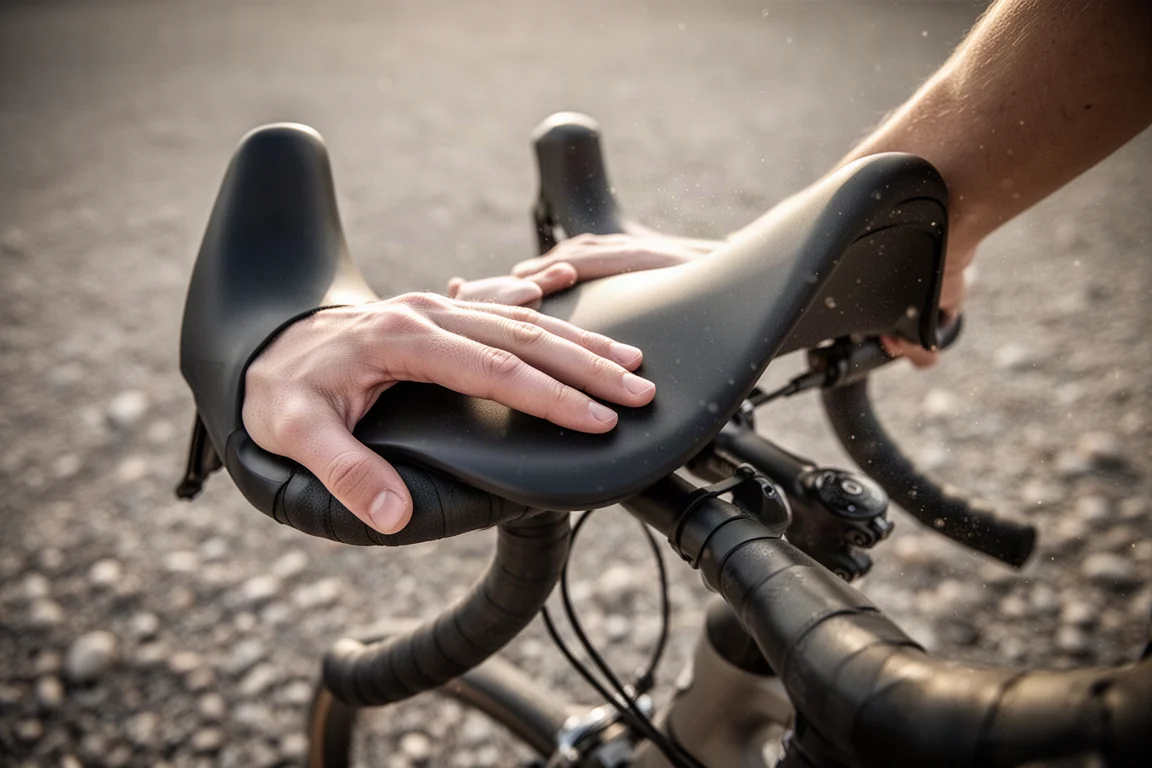
The shifters have been completely redesigned. The old mechanical shape, carried over from the original SRAM Force CX1 design from 2014 with its oversized hoods and DoubleTap shifting, has given way to ergonomics that line up with the current Force and Rival AXS designs. Shifting still works the same way at its core, with a single paddle on the right hand shifter covering both up and down shifts, but the internals have changed to account for the extra cog on the cassette.
Underneath, Apex comes in two flavours: XPLR and Eagle. XPLR is the name SRAM uses for its gravel components, while Eagle is the umbrella name for its 12-speed mountain bike components. That gives two cassette options, an 11-44 tooth XPLR cassette and an 11-52 tooth Eagle cassette, each with its own matching rear derailleur.
The XPLR rear derailleur works with cassettes whose largest sprockets run from 36 to 44 teeth, and it manages chain bounce with a spring clutch. It is designed around an 11 tooth HG-compatible cassette, but it can also be used with a 10 tooth XDR cassette, which opens up compatibility with existing 12-speed sets. The Eagle rear derailleur is compatible with SRAM Eagle drivetrains, uses a Type 3 roller bearing clutch to prevent chain slap, and adds an overload clutch that disengages the motor system in the event of a serious impact to protect the shift motor and electronics. Cage lock has been carried over as well, which makes wheel changes and chain installation easier. It works with 50 and 52 tooth cassettes across both 10 and 11 tooth HG and XD drivers.
The brakes get a new caliper too. The more compact flat-mount shape is based on the design used on SRAM’s mountain bike Level brakes, and SRAM states there is no difference in performance between this new brake and those from higher up the range. It does without SRAM’s Bleeding Edge port, using older threaded bleed ports instead. The same hydraulic disc brake calipers are used across both the AXS and mechanical versions of Apex.
Shifting, Braking, and Ride Feel
On the mechanical Eagle version, mounted on a gravel bike, shifting is intuitive and works best when you do not overthink it. Downshifts are snappy and impressively fast, and they are not at all fazed by rough terrain. Moving into an easier gear requires pushing through to the double click without hesitating; lingering on the paddle for a moment can produce the occasional grumbly noise as the chain moves across two cogs. On first impressions this generation is leagues ahead of the previous one.
The electronic XPLR version, ridden on a gravel bike over long distances, feels immediately familiar to anyone who has spent time on SRAM’s recent AXS groupsets. Apart from a slightly different manufacturing process, these are the same shifters found on the more expensive Rival and Force groups. The broad profile of the lever is a clear improvement over the older shape, with better feel and improved interaction from the hood. Reach can be adjusted with a 2.5 mm hex bolt on the hood, just like Rival AXS, and the scallop-shaped trigger is easy to locate while bouncing across rough ground.
Shifting is smooth and efficient up and down the rear block. The spring-loaded clutch does a superb job of keeping chain bounce in check, with no hint of slap even on root-strewn singletrack and pure gravel roads, and shift quality across the 11-44 tooth cassette felt consistent. The grey finish of the chain does look somewhat used even when it is clean, which is worth knowing if appearance matters to you.
Braking follows the same design as the latest Force AXS brakes, with reprofiled internals and a new two-piece body, and the performance and feel are very familiar. Most notable was the complete absence of rotor scrape even after many hours in hot, dry, dusty conditions. Wheels turned smoothly and braking stayed quiet throughout. The chainset is practically a carryover from Rival AXS; the matte finish with laser-etched logos may not look as premium as Rival’s high gloss, but underneath it is the same unit.
On weight, an Apex AXS XPLR setup comes in at 2,971 grams, roughly 100 grams heavier than the equivalent Rival AXS XPLR drivetrain. Mechanical Apex Eagle weighs 3,148 grams.
Things to Consider Before Buying
The first thing to weigh up is that Apex is disc only, so rim brake fans are out of luck. The second is the one-by-only design, which rules out a front derailleur and standard road gearing. For entry-level bikes that simplicity makes sense, but it is a genuine constraint rather than a neutral choice.
SRAM took some obvious and not-so-obvious steps to keep costs down. Keeping the groupset one-by only limits the number of parts in the set, and many component designs have clearly trickled down from existing AXS and Eagle parts. Apex cassettes start with an 11 tooth cog rather than the 10 tooth cogs SRAM has pushed for years; using the 11 tooth cog reduces the gear range compared with SRAM’s usual approach, but it allows the cassette to be built to Shimano’s HG freehub standard.
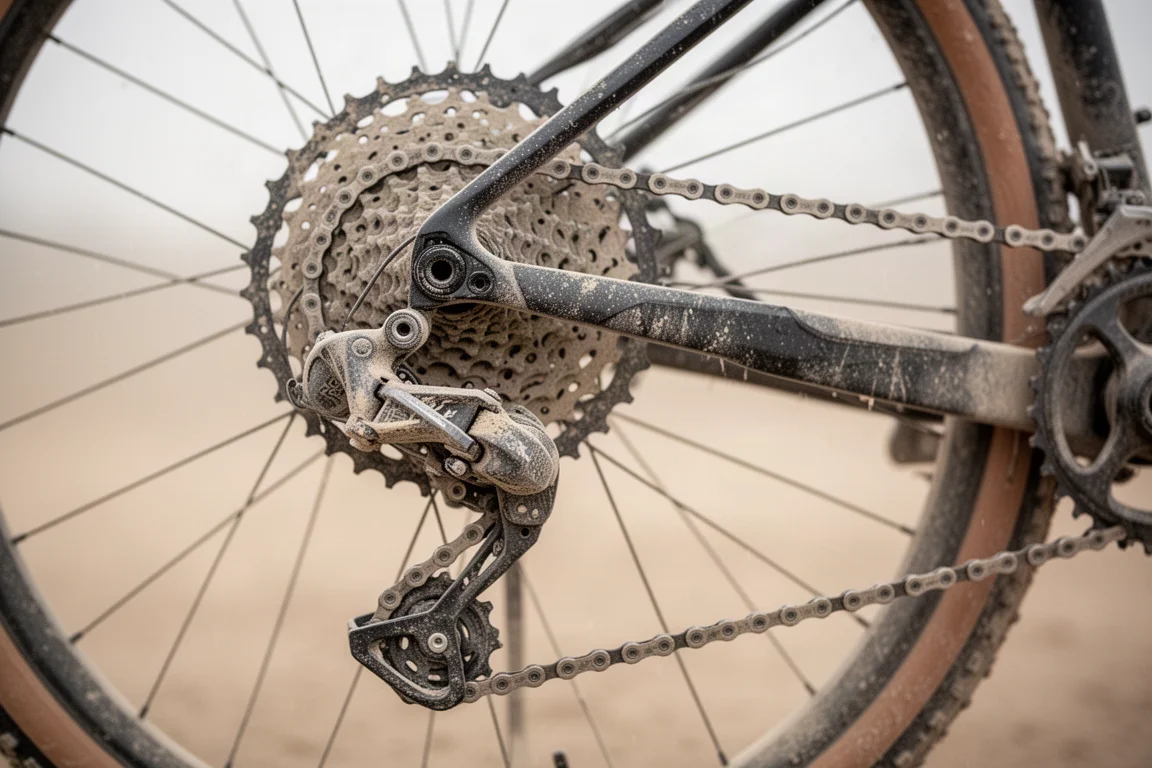
That said, you are not locked in. SRAM states the rear derailleurs work perfectly well with its existing 10 tooth cassettes, so a wider gear range is available if you want it. The catch is that you would need a rear wheel with a SRAM XD hub body, which is an upgrade wheel brands commonly offer.
It is also worth being clear about where Apex sits against Rival, one rung higher on the ladder. When you compare individual parts, the real differences come down to material choices and finish. They share the same electronics and motors as well as the same brake design, so physical performance should be the same. The practical difference, as always, is what a complete bike build ends up costing.
Electronic Versus Mechanical
Both versions exist, and both make sense for different buyers. The electronic groupset is the cheapest way into 12-speed wireless shifting that SRAM offers, and on the bike it delivers the same lever feel, reach adjustment, and trigger shape as the more expensive Rival and Force groups. If you want wireless shifting and you are shopping at the entry end of the market, this is the version that gets you there.
The mechanical version keeps the cable-operated shifter alive. SRAM has said it never gave up on cable-operated shifting, and that electronic development simply absorbed a lot of engineering time. Mechanical Apex has been redesigned rather than carried over, with the same updated ergonomics and the same brake calipers as the electronic version. It is a sensible choice if you prefer cable simplicity, want to avoid charging batteries, or want to spend less on the complete bike.
One small detail worth noting from the electronic build: the bar was fitted with SRAM’s wireless Blips mounted under the bar tape area. The functionality is genuinely useful, though the disposable design raises fair questions. SRAM claims they will last a normal-usage rider for nearly 10 years, a figure that drops sharply in high-usage applications such as time trial or triathlon use. That is worth factoring in if you ride enormous volume.
Buying Advice
The decision really comes down to three questions: electronic or mechanical, XPLR or Eagle, and what kind of bike the groupset is going on.
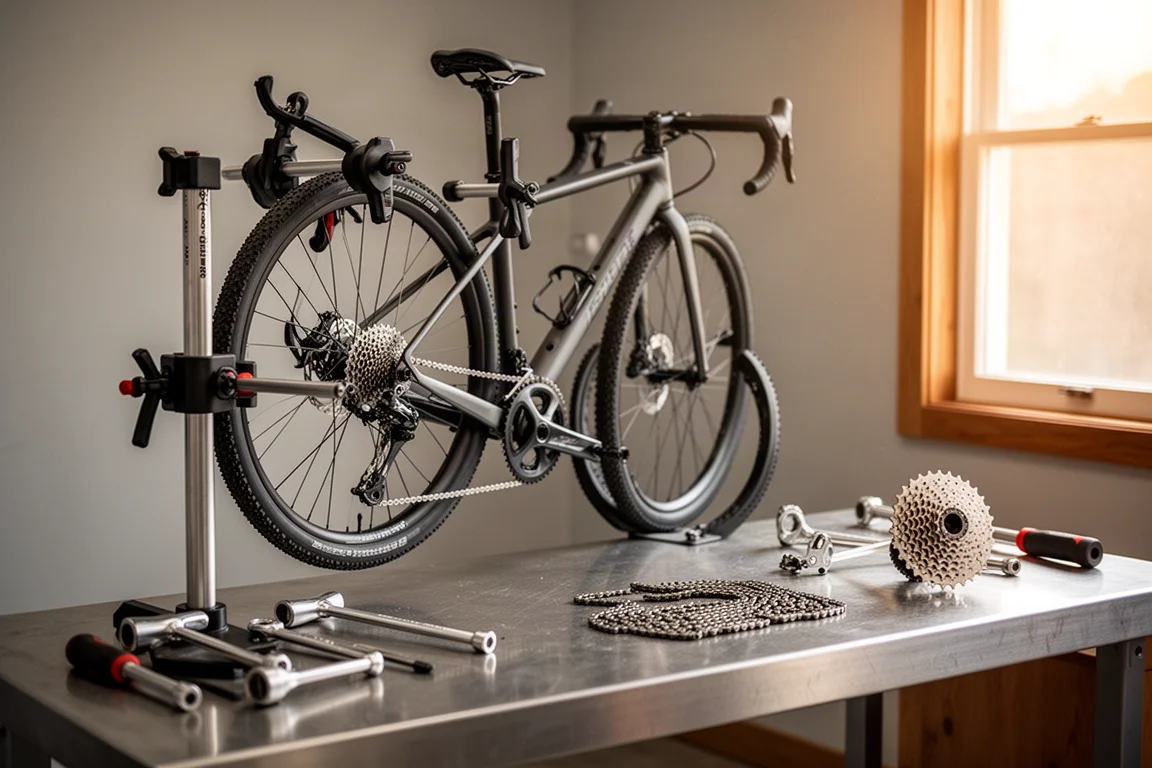
For most gravel riders, the XPLR setup with the 11-44 tooth cassette covers the terrain that entry-level and mid-range gravel bikes are actually ridden on, and the spring clutch keeps everything quiet when the surface turns rough. Eagle with the 11-52 tooth cassette is the pick if you want a wider range and you are comfortable with the gearing that comes with a mountain bike-derived layout. Either way, check what cassette and freehub standard your wheels use before committing to an upgrade path, because the 11 tooth HG cassette is the default and a 10 tooth XDR setup requires the appropriate hub body.
On timing, the electronic groupset was available from June 2023 and the mechanical version followed in September. If budget is the priority, a mechanical complete bike starting from around $2,000 is the cheaper entry point, while electronic complete bikes were expected from around $2,500. If you want crank-based power measurement, the Apex power meter upgrade at $220 or £205 is a compelling add-on, and it is one of the most affordable options of its type.
Above all, match the groupset to the riding you actually do. Apex rewards riders who value simplicity and low fuss: one chainring, clean shifting, quiet braking, and a clear upgrade path if you decide you want more range later.
Conclusion
SRAM Apex is an important groupset because of what it makes possible rather than because of headline specifications. It brings 12-speed wireless electronic shifting to an entry-level price, keeps a mechanical option alive for riders who want it, and shares enough engineering with Rival to reassure buyers that performance has not been compromised to hit the price.
The trade-offs are real and clearly stated: disc only, one-by only, and a design that leans on parts trickled down from existing groupsets. For gravel riders, commuters, and entry-level road bikes, those trade-offs line up with how the bikes are actually used. If you want electronic shifting without paying upper-tier money, Apex is the version to look at.
Product link
View more details for SRAM Apex
This product is mentioned in the review. Check the specifications, options, and compatibility before buying.
View more details for SRAM ApexFurther reading
Related Reviews
Cycling Components
A 20,000-Mile Budget Race Bike Build: Five Parts Worth Knowing
A rim brake race bike assembled from low-cost components and ridden for 20,000 miles. Here is what delivered real speed, what caused problems, and what to weigh before copying the formula.
Cycling Components
7 Bike Fit Products Fitters Avoid: What to Check Before You Buy
Seven bike components that regularly cause knee, foot and saddle problems, with the specific concerns behind each one and what to look for instead.
Cycling Components
Four Affordable Bike Upgrades That Improve Ride Feel
Four low-cost cycling products that make a real difference to ride feel, plus the free setup changes worth trying first.