Backpacking Gear
Spring Backpacking Gear Shakedown: Seven Pieces Worth Testing in 2026
Seven pieces of spring backpacking gear tested through warm days and below-freezing nights, from a fastpacking pack and armless sunglasses to a freestanding tent, an all-season pad, a fast-boil cook system and a lightweight down jacket.
Introduction
Spring backpacking in the mountains is unpredictable. Afternoon temperatures can climb well above 20 degrees Celsius and then fall below freezing the same night, snow can arrive without warning, and bears are out of hibernation on the same trails people want to walk. That mix of warm days and genuinely cold nights is a useful test bed for gear, because it exposes the difference between equipment that performs on a specification sheet and equipment that performs in the field.
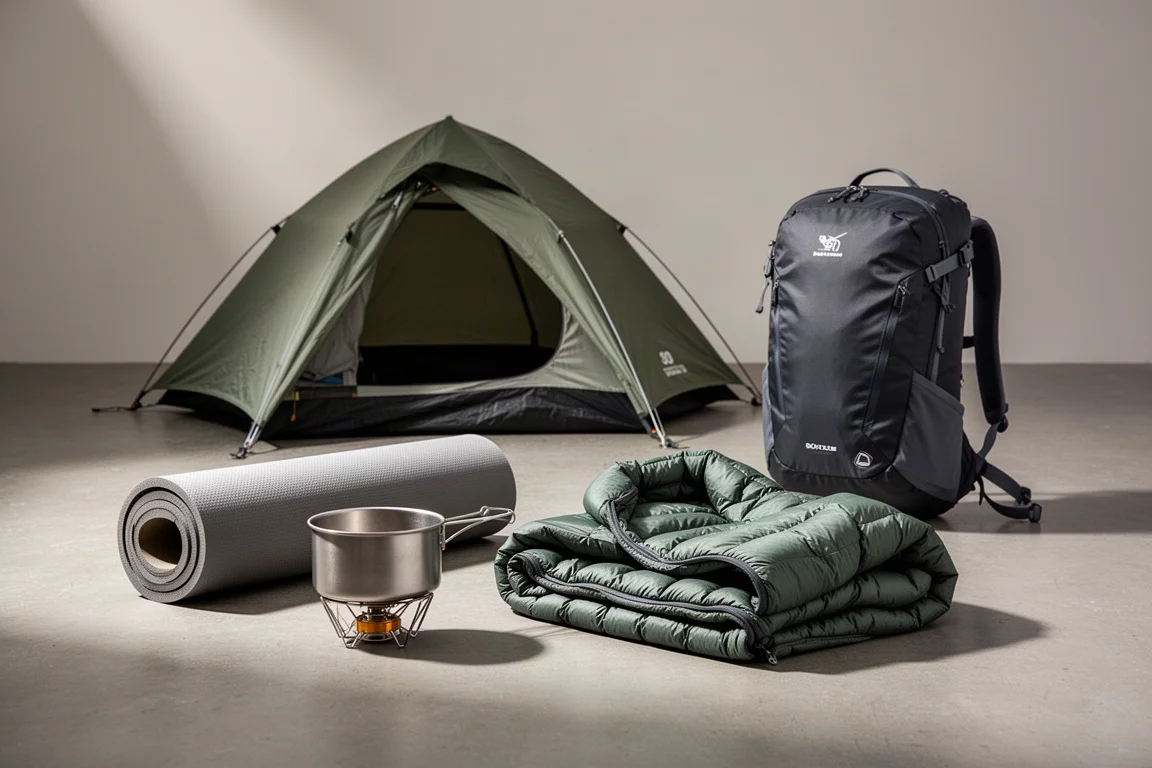
The seven items below were selected for a spring shakedown trip, with four of them aimed squarely at camp comfort: a tent, a sleeping pad, a cook system and a down jacket. Two more were tested on the move, and one is included as a reference point for ultralight pack design. Every assessment here is a first impression from a single trip, and each item is framed around the question it was chosen to answer.
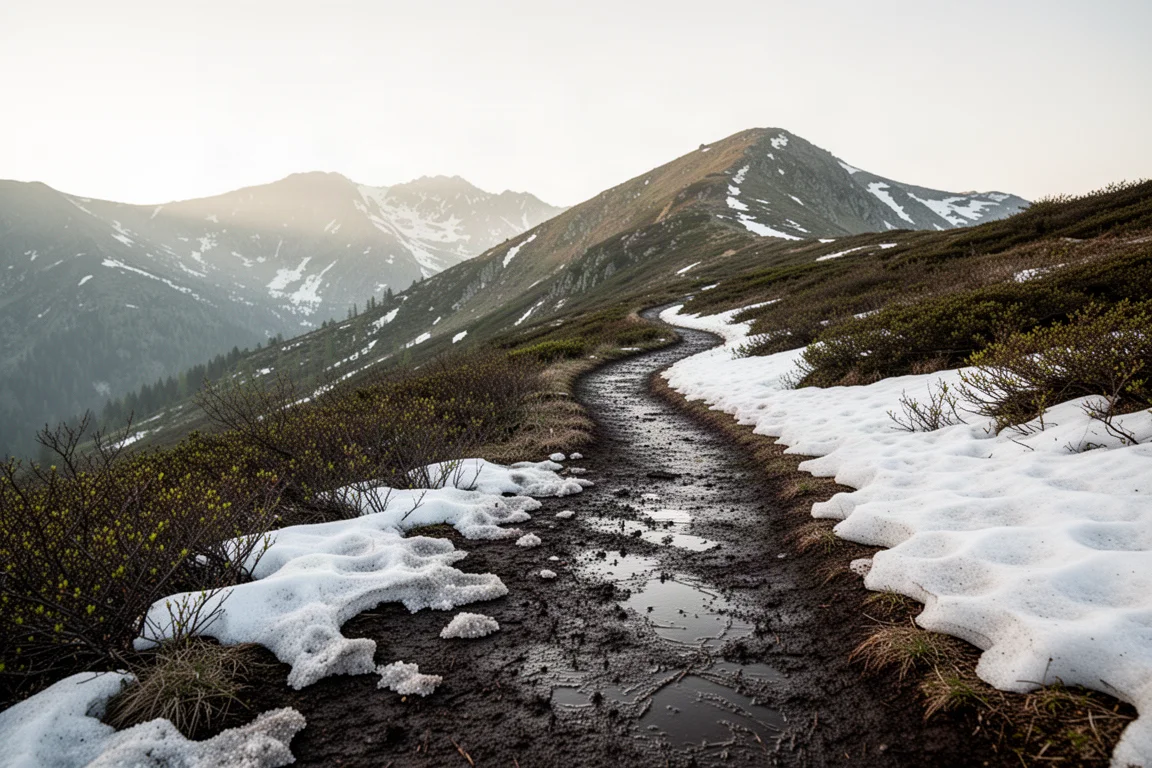
Taken together, the selection covers the decisions that matter most in shoulder-season conditions: warmth to weight, packed size, real-world comfort, and whether a higher price actually buys a better night out.
What We Looked For
Four criteria shaped this selection. First, warmth to weight, since spring nights can drop below freezing while daytime loads still have to be carried uphill. Second, real comfort rather than specification comfort, which means a sleeping pad that stays supportive at partial inflation and a pack harness that spreads load across the chest instead of the shoulders alone. Third, durability of materials, particularly fabrics that do not sag or stretch when wet. Fourth, value, which is not the same thing as cheap. A cook system that costs a fraction of a well-known alternative but performs comparably deserves attention, while a premium jacket has to justify its price in genuinely cold conditions.
Black Diamond Beta Light 30: A Fastpacking Hybrid
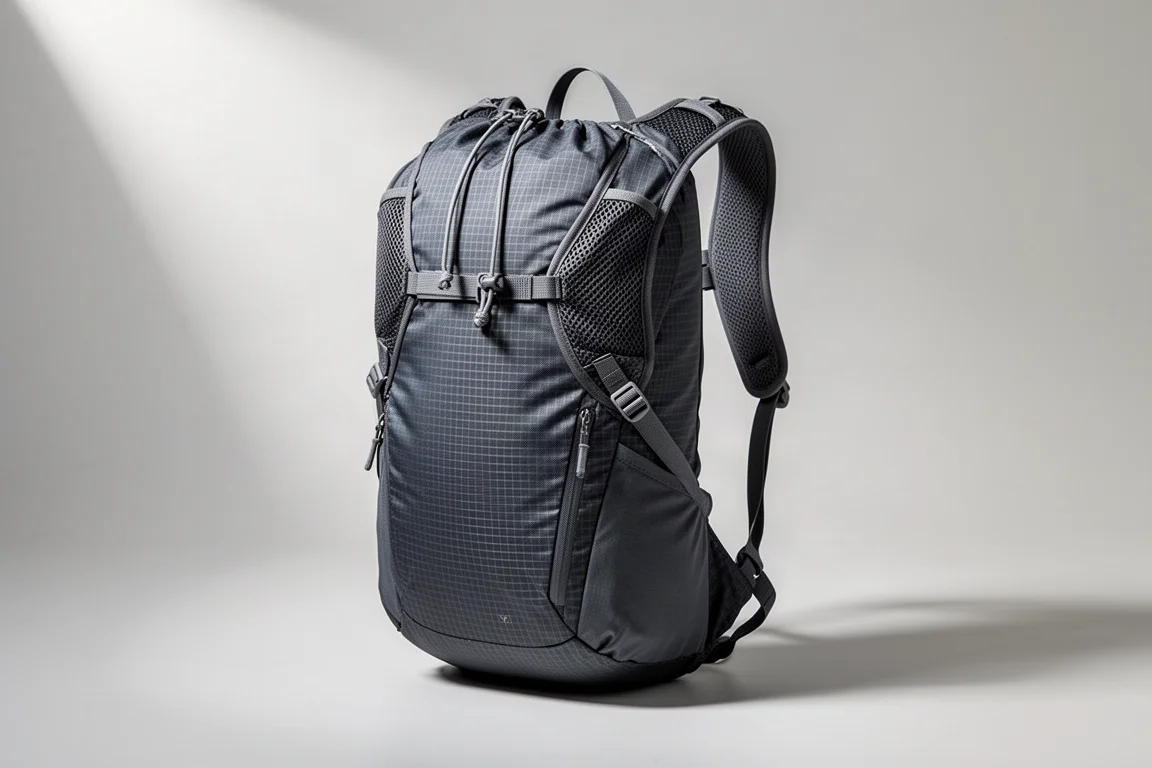
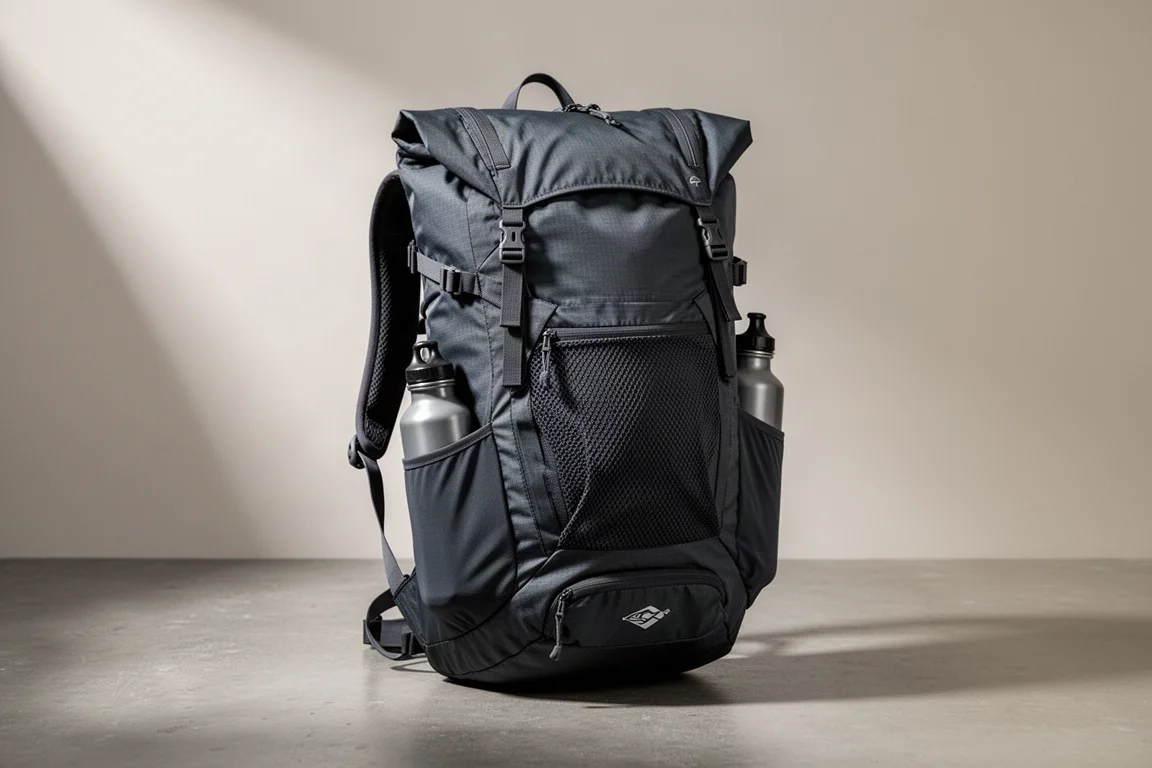
The Beta Light 30 is notable for its fabric choice. It uses Ultra fabric, which is unusual from a manufacturer of this size, and it pairs that with a running vest style harness: shoulder straps that wrap the chest, two sternum straps, and a removable hip belt.
On the trail, water bottle access turned out better than expected. Bottles come out of the side pockets without unusual arm flexibility, though pushing them back in takes a little more effort because the pockets are on the tight side. The harness carries well, spreading load from the shoulders across the chest, and the two sternum straps keep the pack stable. Even with a fairly heavy load, running produced limited bounce.
There was one clear failure. A line lock hook on the base of the pack snapped in half while a camp chair was being cinched down. It may have been a defective plastic component, or it may be that the cordage is thick enough to make the line lock hard to pull through, encouraging more force than the part can take.
The removable hip belt is a puzzling inclusion at this capacity. It would take an unusually heavy load to make it worthwhile, and going without it allows more hip movement on the trail. The most useful way to describe the pack is as a hybrid: roughly 60 to 65 percent hiking pack and 35 to 40 percent running pack. Pure runners will miss a second shoulder strap pocket for collapsible bottles and may find it bulky, but for fastpacking that mixes long hiking days with runnable sections, it is one of the better options tried recently.
Ombraz Sunglasses: No Arms, One Adjustable Cord
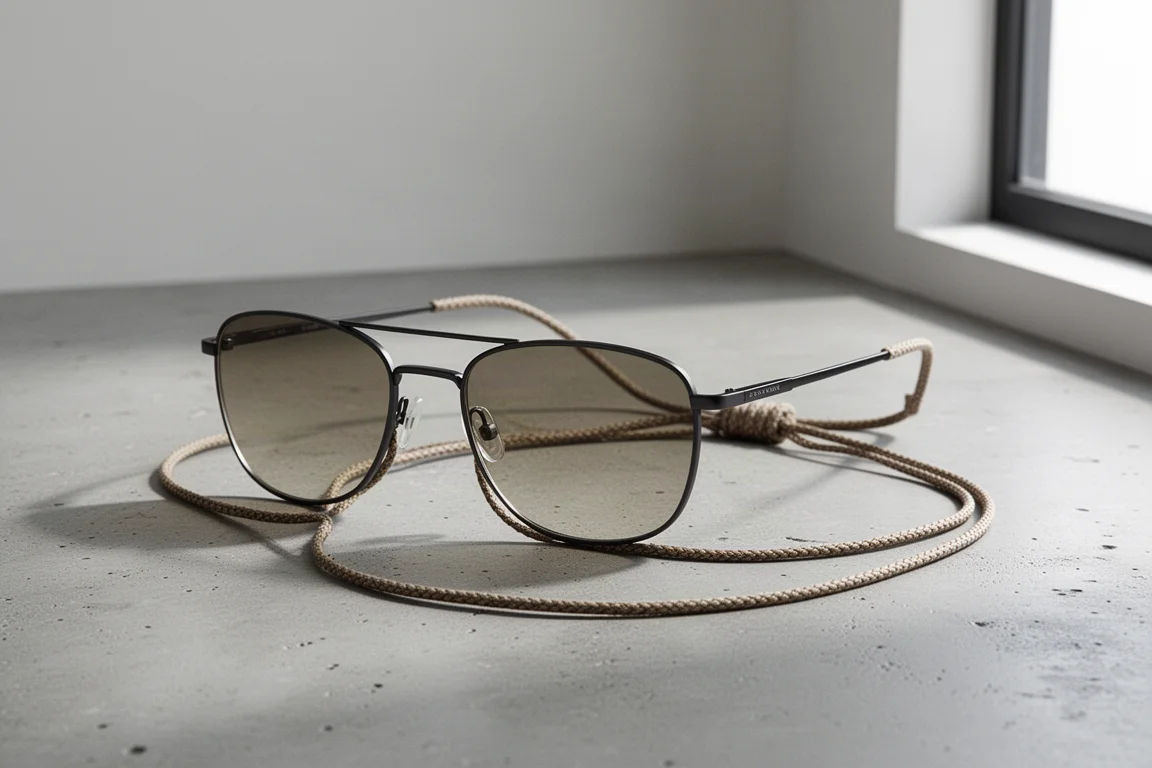
Ombraz removes the two components that break first on most sunglasses. There are no arms over the ears. Instead, an adjustable cord wraps around the back of the head, and the frame rests only lightly on the ears.
That design produces three practical benefits. Unhooked, the sunglasses hang against the chest rather than disappearing into a pack or off a cliff. The cord can be tightened for skiing or running so the frame stays locked in place. And with no hinges, the most common failure point is simply gone.
In use, they performed well. They did not slide down a sweaty face, and coverage was strong, with few gaps at the sides or across the top where sunlight typically leaks in and irritates the eyes. The trade-off is price: they cost noticeably more than a typical pair of sunglasses. The durability argument is logical but still needs time to prove out. For anyone who regularly loses or breaks sunglasses, though, the retention system addresses a real problem rather than a hypothetical one.
Marmot Tungsten Ultralight 1-Person Tent: Compact and Freestanding
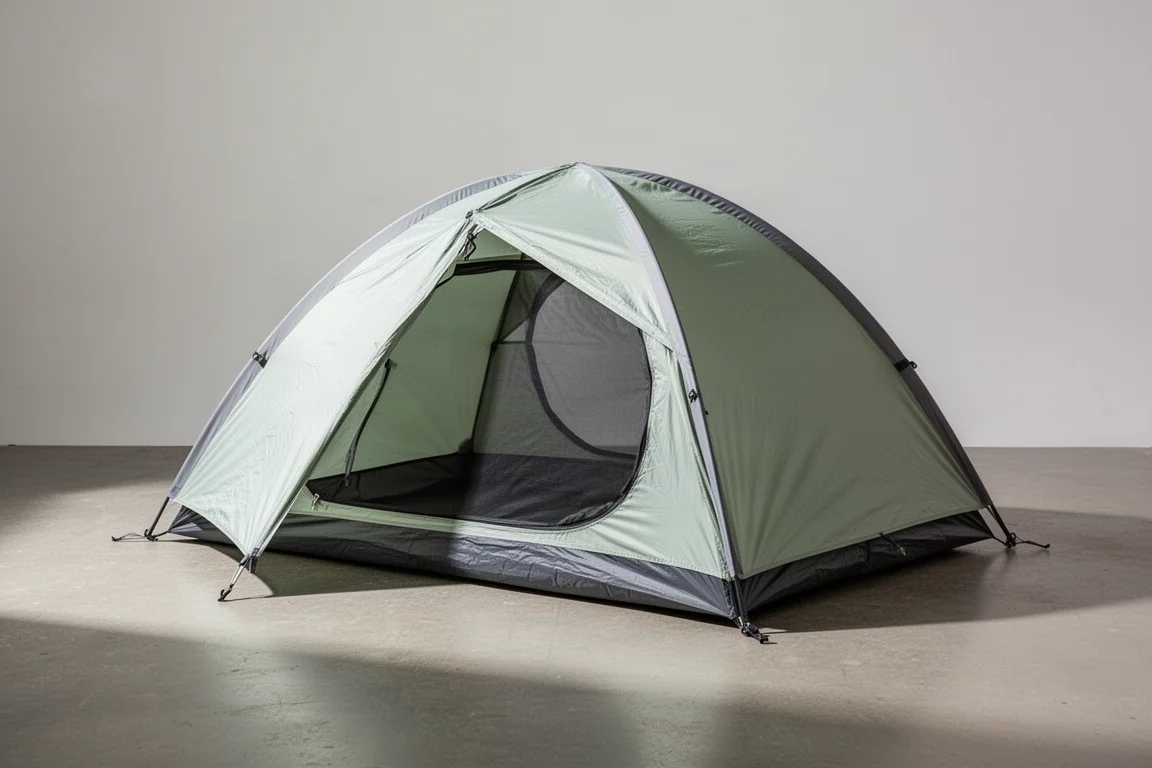
This tent was selected to answer a long-standing gap: a freestanding one-person shelter that is roomy, weather-resistant and reasonably priced. It uses a sil-poly fly, which resists the sagging and stretching that nylon develops when wet, and it is light for a freestanding tent from a major brand at around $350.
Inside, the space works. It is tall enough that the walls stay more vertical at the head and foot ends, so the inner mesh does not press against a sleeping bag or a face, and it accommodates a large pad without feeling cramped. Ventilation is excellent. With a mesh inner and a vent at the top, there was no condensation buildup at all, even beside a creek.
The one real limitation is length. At 5 ft 10 in there was just enough room at both ends to avoid compressing the mesh. Anyone around 6 ft or taller may find it tight.
The footprint is the other standout. Freestanding one-person tents generally pitch in smaller spaces than trekking pole shelters, which makes this a good choice for slickrock desert camping, winter trips where a structure needs to hold a snow load, and unfamiliar areas where the available pitch is unknown. The trade-off is weight: ultralight trekking pole tents remain roughly half as heavy, and in some cases a third, which is why they will still be the default for most trips.
Nemo Tensor All-Season: More Warmth, More Comfort
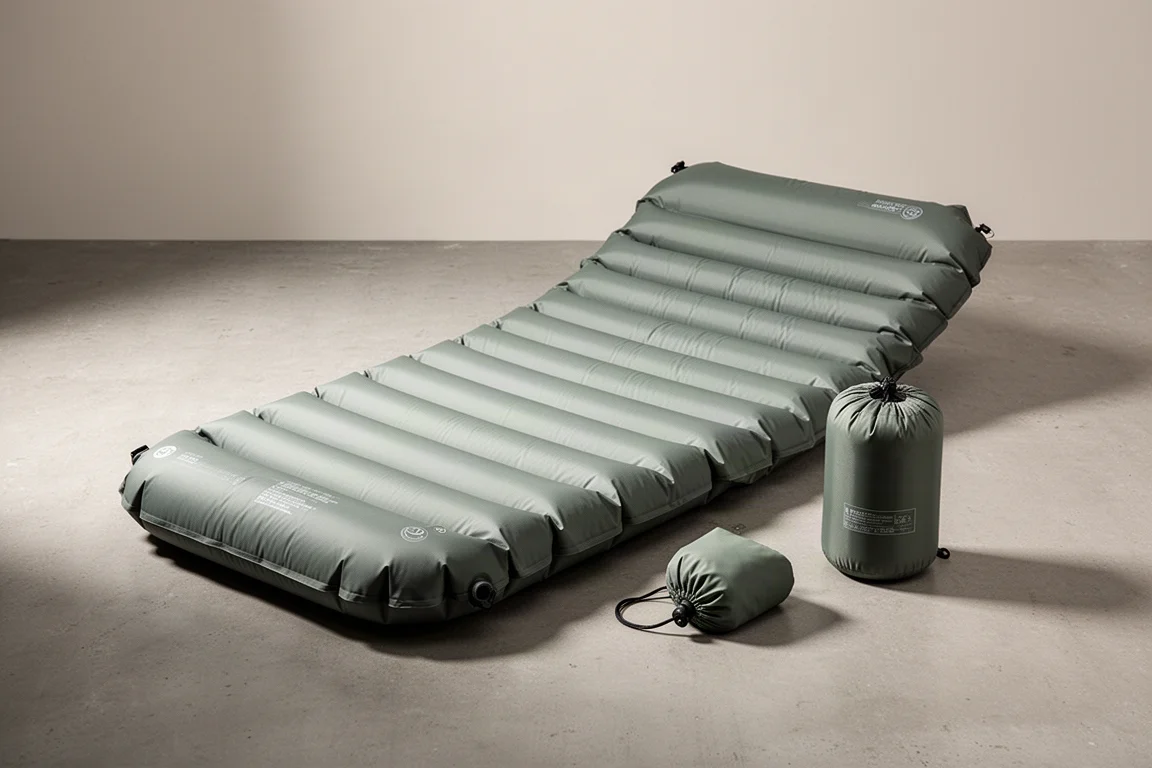
Nemo pushed the All-Season in two directions at once. The R-value rises to 5.4 from 4.2 in the previous version, the fabric switches from polyester to nylon, and the construction uses a 20D top with a more durable 40D base. The pad is also half an inch thicker at 3.5 in, and it keeps the horizontal baffle pattern with slight dimpling.
Field conditions were close to ideal for testing warmth: temperatures dropped to right around freezing, the ground was cold but not frozen, and there was no snow to sleep on. The pad was warm, and it produced the sensation of heat being reflected back, which is unusual and welcome in a sleeping pad.
Comfort was the bigger surprise. The Tensor line has always been decent but not the plushest option available, largely because of the baffle design. The extra thickness changes the equation, because it allows the pad to be slept on at roughly 70 percent inflation rather than the 90 percent that the previous 3 in version needed to keep hips and shoulders off the ground. A partially deflated pad normally loses R-value wherever it compresses, so it is worth noting that warmth did not appear to suffer.
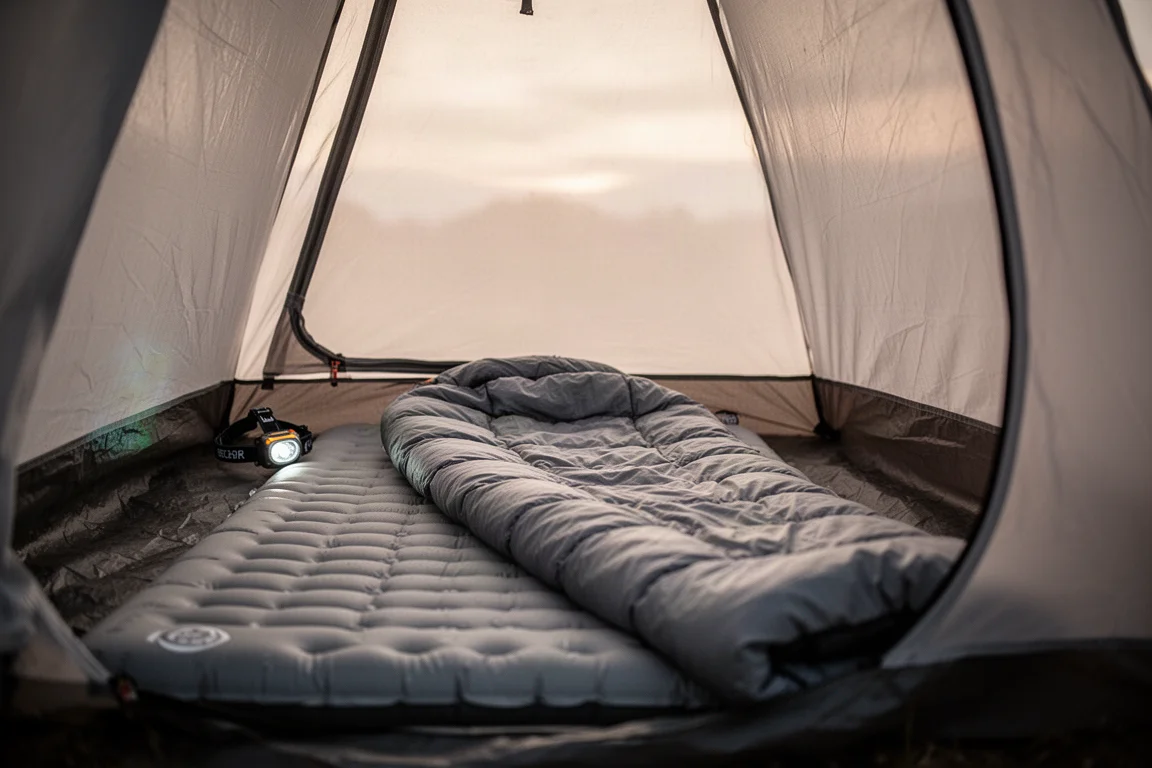
That combination of a higher R-value, a lower weight and heavier materials is counterintuitive, and it is worth verifying further. On this trip, though, the All-Season was a clear improvement over the version it replaces.
Fire Maple Hornet II: Fast Boils at a Low Price
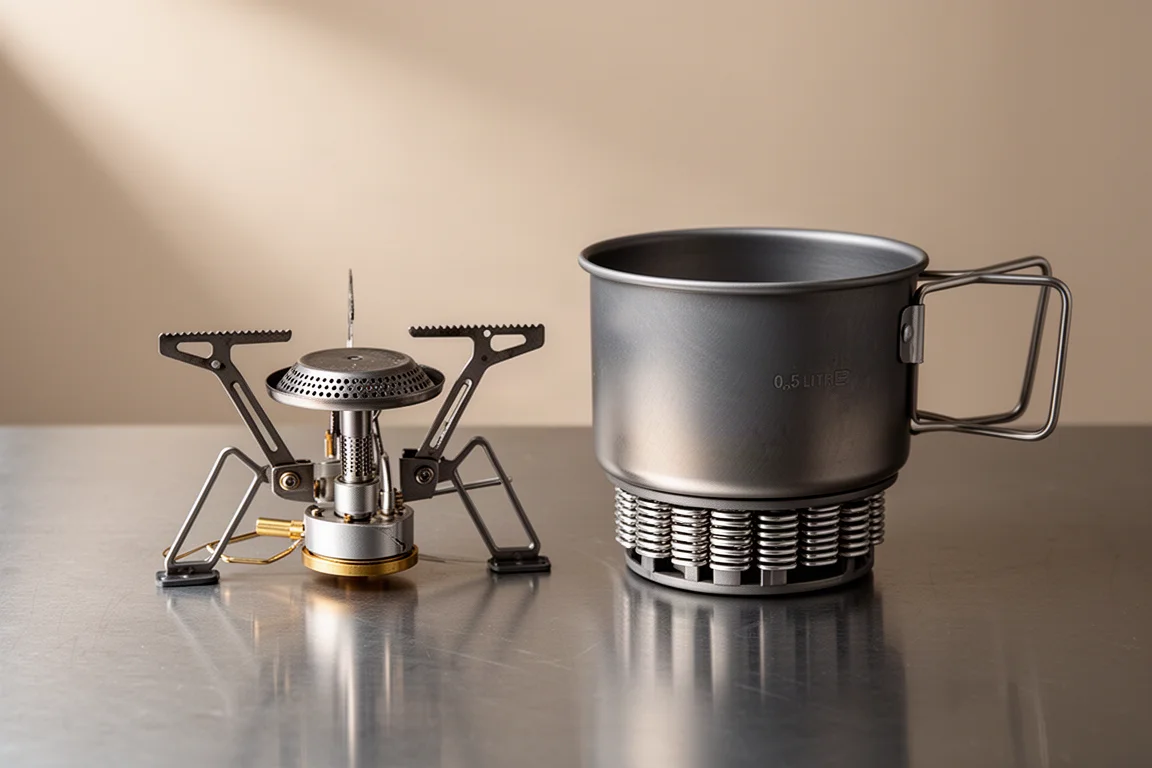
Fire Maple has a reputation for copying other brands, but this pot and stove combination is genuinely interesting. The set centers on a 0.5 L pot with a heat exchanger: aluminium fins wrapped around the base that both shield the flame from wind and improve heat transfer from the flame to the pot and then to the water.
In home testing, the system boiled half a litre of water in about 1 minute 30 seconds. That is roughly 30 seconds faster than the advertised time for a comparable Jetboil system, at around half the weight and roughly a quarter of the price.
The stove itself, the Hornet II, weighs 48.5 g and has a small lip around the burner to protect the flame from wind. It nests neatly inside the pot along with a lighter and a fuel canister, and the pot handle folds over the lid to hold everything together. The pot also works with most three-arm canister stoves, so the heat exchanger is useful even without the matching burner.
The obvious audience is anyone considering a jetboil style system for fast boils, wind performance and a compact kit. This delivers comparable performance for far less money and weight. The exception is ultralight hikers, who will still save meaningful weight with a minimalist stove and a separate pot.
Rab Mythic G: Warmth for Its Weight
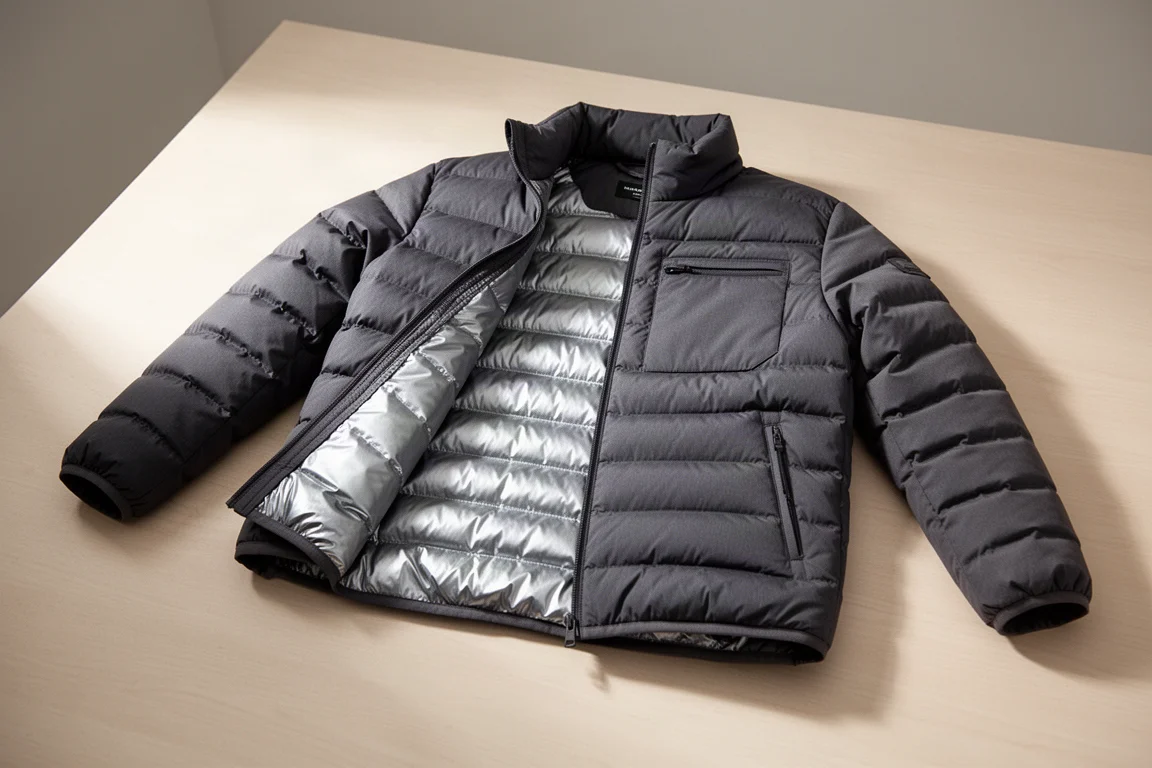
The Mythic G is described as the warmest three-season down jacket for its weight, and the construction explains why. It uses a 7D nylon shell, 1000 fill power down, and a reflective layer on the inside that returns body heat to the wearer. Lighter summer-weight down jackets are built for mild evenings rather than cold camps, and this one sits well above them in insulation.
On this trip the conditions did not cooperate. Temperatures around camp stayed just above freezing, which is short of the range where a jacket like this should prove itself. Sitting still, it felt chillier than expected given the specification, and it was warm enough that wearing it while moving quickly became uncomfortable.
That makes the Mythic G a jacket in need of a colder test. Its specification suggests it should handle static camp use down to around -6 degrees Celsius, but that has not been confirmed yet, and the price is high enough that the warmth has to be demonstrated rather than assumed.
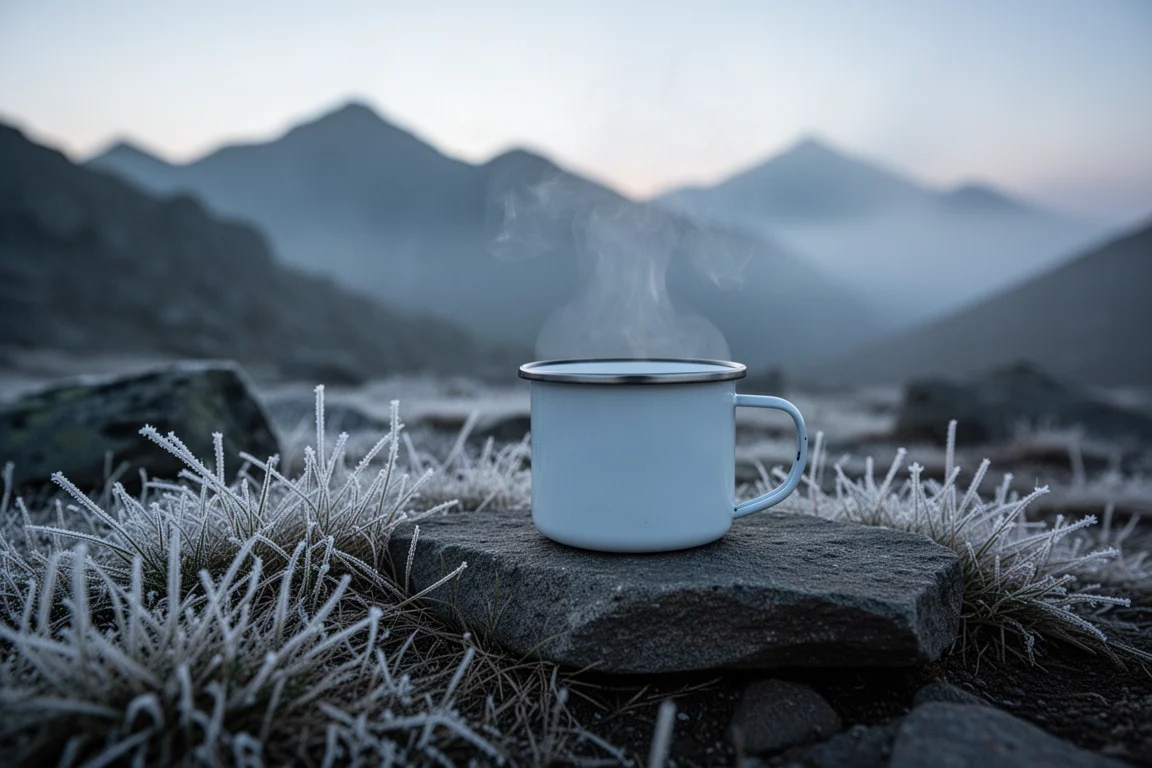
Until that colder test happens, the sensible position is that the jacket has excellent warmth-to-weight credentials on paper and a price that demands real-world proof before it can be recommended outright.
Durston Wapta 30: The Ultralight Benchmark
The Wapta 30 is included here as the reference point against which the Beta Light 30 was judged. It is more ultralight in character and more clearly aimed at fastpacking where hiking dominates the day. It has been used on trips with a base weight under 5 lb without a significant comfort penalty, which is an impressive combination.
The two packs are not direct competitors. The Wapta 30 leans toward long-distance, weight-conscious hiking, while the Beta Light 30 runs more easily and carries a slightly heavier load more comfortably. Choosing between them comes down to how much of the day is spent running rather than walking.
Overall Buying Advice
Two items produced clear wins. The sleeping pad delivered more warmth and more comfort than its predecessor, which makes it easy to recommend for shoulder-season and cold-weather trips. The cook system matched a well-known fast-boil design on performance while weighing about half as much and costing roughly a quarter as much, which is a strong value argument.
The tent answers a specific need rather than a general one. Anyone who wants a freestanding shelter that pitches in a small space, handles a snow load and stays condensation-free should look closely at it, provided they are not much over 5 ft 10 in. For everything else, an ultralight trekking pole tent still saves substantial weight.
The pack is best understood as a hybrid. It is comfortable, stable and well organized for fastpacking that mixes hiking and running, but the snapped line lock hook is worth watching, and pure runners should look at dedicated running packs. The sunglasses solve a real problem for people who lose or break eyewear, at a higher price than usual. The down jacket needs colder conditions before its price can be justified, and the Wapta 30 remains the ultralight reference for hiking-focused fastpacking.
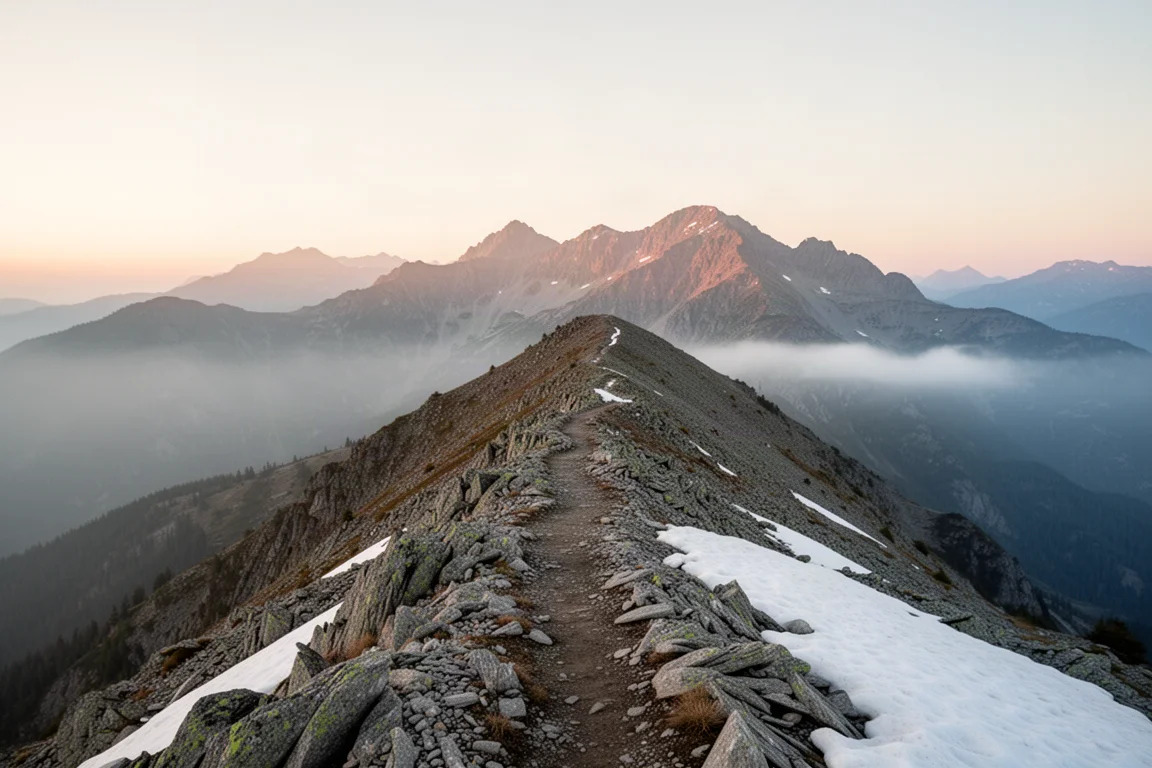
If there is a theme across the selection, it is that the best value this season came from the items that improved on an existing design rather than the ones with the most impressive specifications. The pad and the cook system changed how a night out felt for a modest outlay, while the jacket and the pack both have questions that only more time on the trail will answer.
Conclusion
Spring conditions reward gear that is honest about its limits. The Nemo Tensor All-Season and the Fire Maple Hornet II both delivered immediately and clearly. The Marmot Tungsten Ultralight is a genuinely useful freestanding shelter for shorter sleepers and awkward pitches. The Ombraz sunglasses are a strong fit for anyone tired of replacing eyewear. The Black Diamond Beta Light 30 is a capable fastpacking hybrid with one hardware question mark, the Rab Mythic G still needs a colder test to justify its price, and the Durston Wapta 30 remains the benchmark for ultralight, hiking-focused fastpacking.
These are first impressions from a single trip, and further testing will settle the open questions. For readers assembling a shoulder-season kit, the pad and the cook system are the two safest places to start.
Further reading
Related Reviews

Backpacking Gear
Building a 10 lb Base Weight: An Ultralight Backpacking Gear List
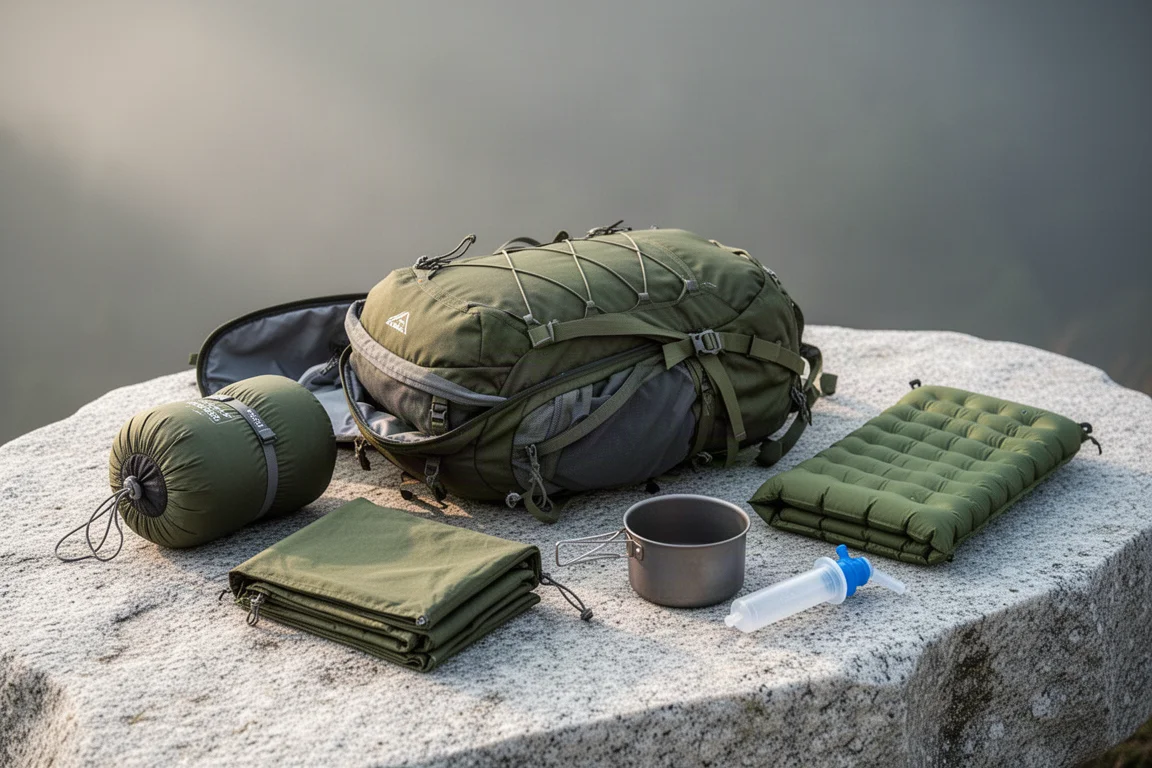
A practical walkthrough of the ultralight pieces behind a 10 lb base weight, from a 765 g pack and a roomy one-person tent to a full camp chair and a dependable water filter.
Backpacking Gear
A 15-Pound Lightweight Backpacking Gear List for Solo Trips
A beginner-friendly 15-pound backpacking setup built from easy-to-find gear, with notes on what each piece does, how it packs, and where to spend your attention.
Backpacking Gear
8 Ultralight Backpacking Gear Upgrades Worth Carrying
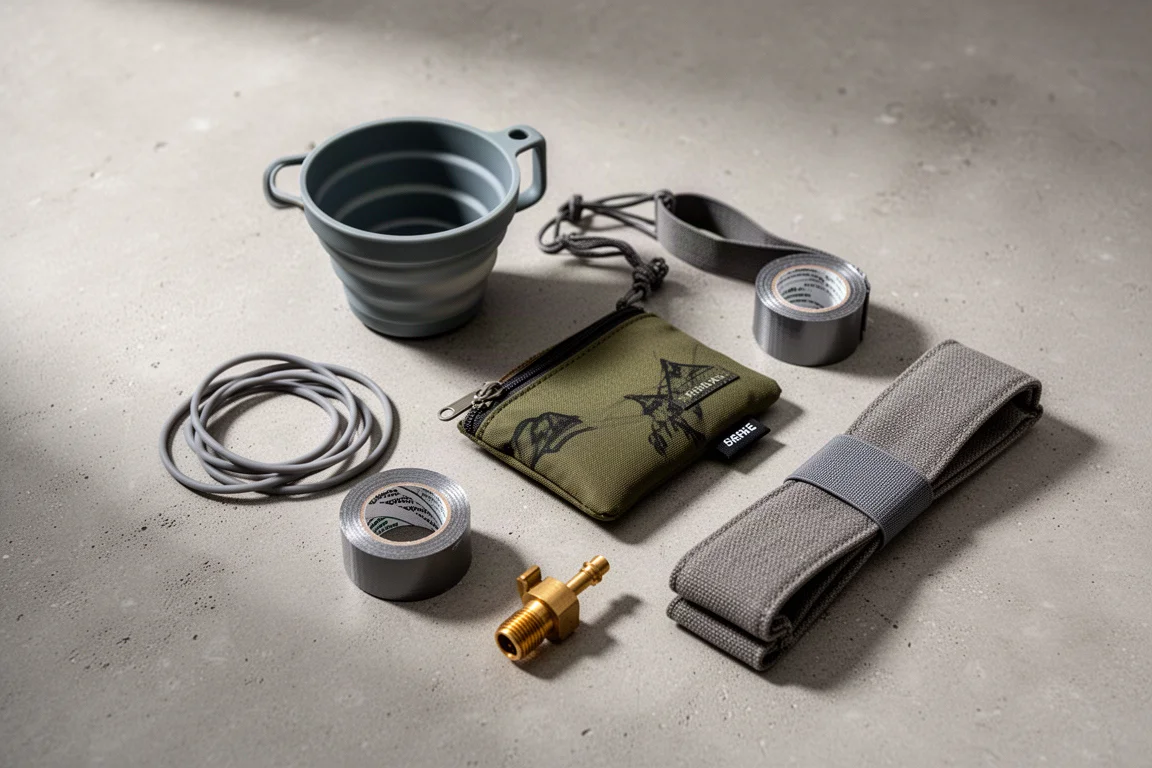
Eight small, affordable backpacking upgrades that solve real trail annoyances, from a pillow that stays put to a fuel valve that rescues leftover canister gas.