Backpacking Gear
Spring Backpacking Gear Guide: 10 Lightweight Essentials for Unpredictable Weather
Ten lightweight backpacking items chosen for cold ground, wet weather, and frozen water sources, with clear notes on who each one suits.
Introduction
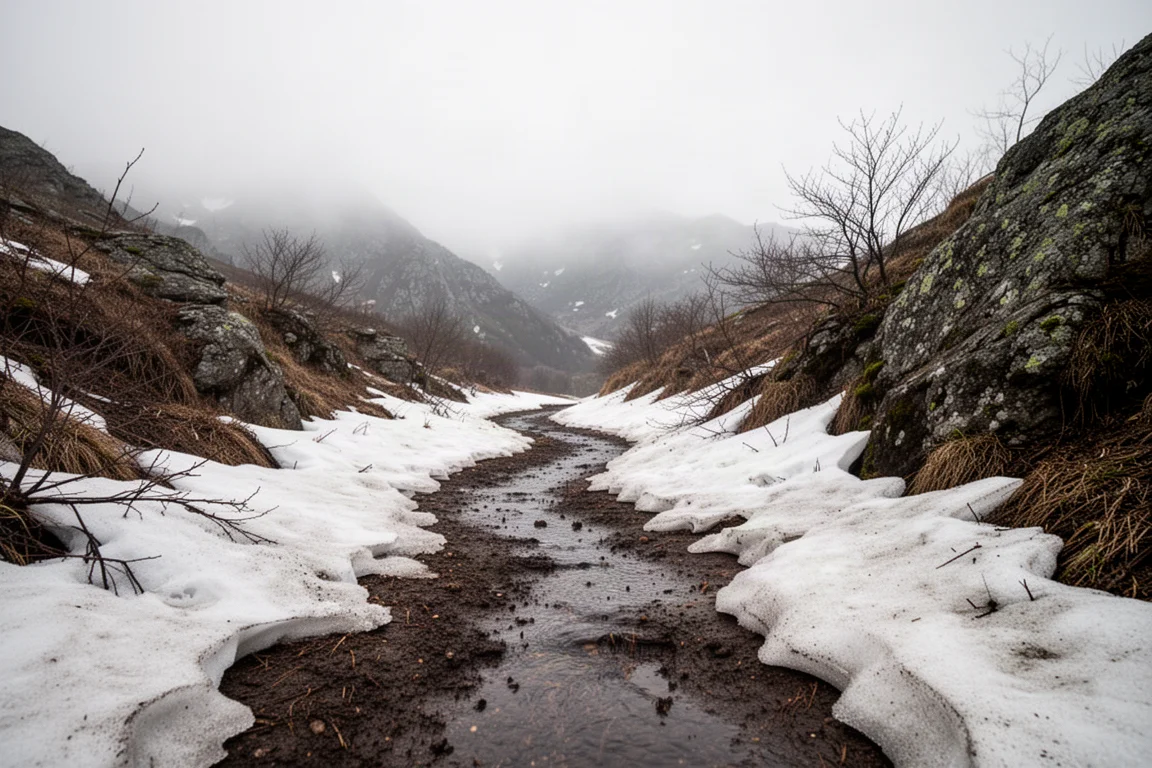
Spring backpacking sits in an awkward window. Snow is still melting, creeks may be frozen solid, overnight temperatures can drop below freezing, and a mild afternoon can turn into cold rain by evening. Gear that works well in midsummer often comes up short.
This guide covers ten lightweight items that make spring overnights more comfortable and more predictable. They are grouped by the job each one does: shelter, sleep insulation, carrying, rain protection, water treatment, cooking, food storage, camp comfort, and emergency communication. Every pick below is chosen for how it handles wet, cold, and changeable conditions rather than for headline specifications alone.
What Matters Most in a Spring Backpacking Loadout
Spring conditions put pressure on a few specific things. Cold ground pulls heat out of a sleeping system, so insulation under and around the body matters more than it does in summer. Wet weather is more likely and more persistent, which makes moisture management a core requirement rather than a nice extra. And because water sources can still be frozen, cooking gear sometimes has to do double duty melting snow.
That combination explains why the picks below lean toward materials that resist holding moisture, stoves that stay reliable near freezing, and small safety items that are worth the weight when trails are quiet and conditions change quickly. Weight still matters, but the priority is gear that keeps working when the weather stops cooperating.
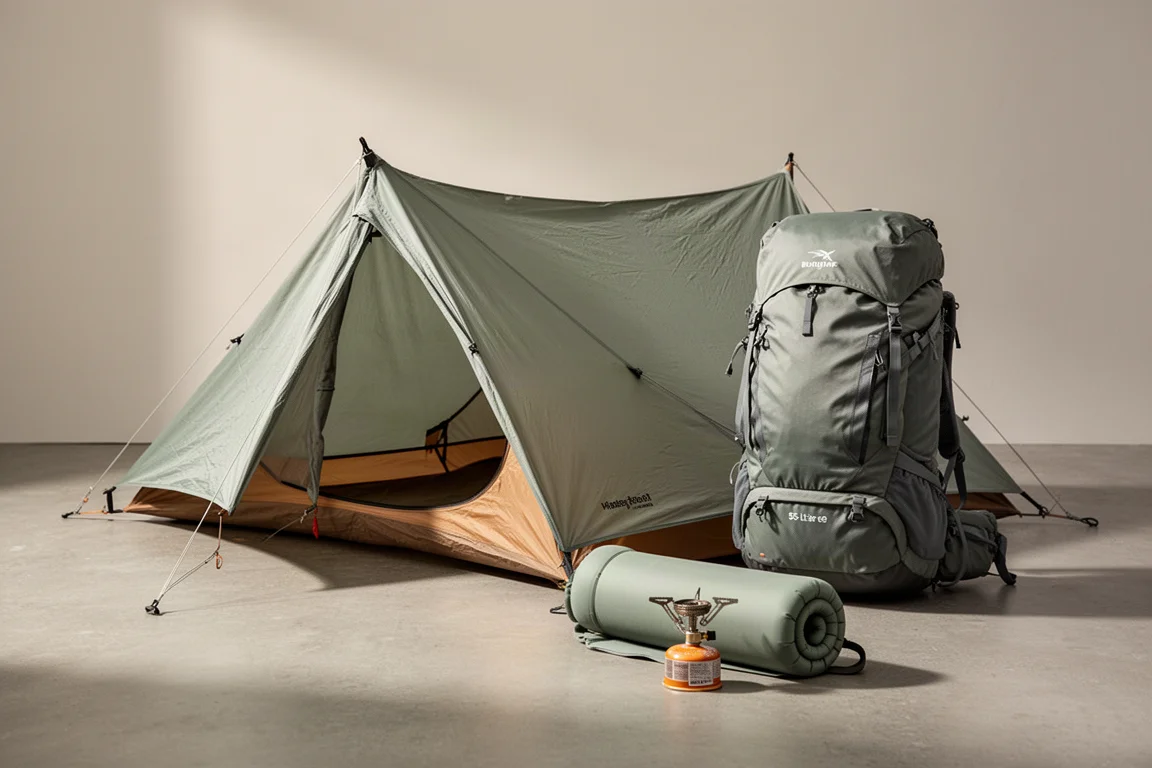
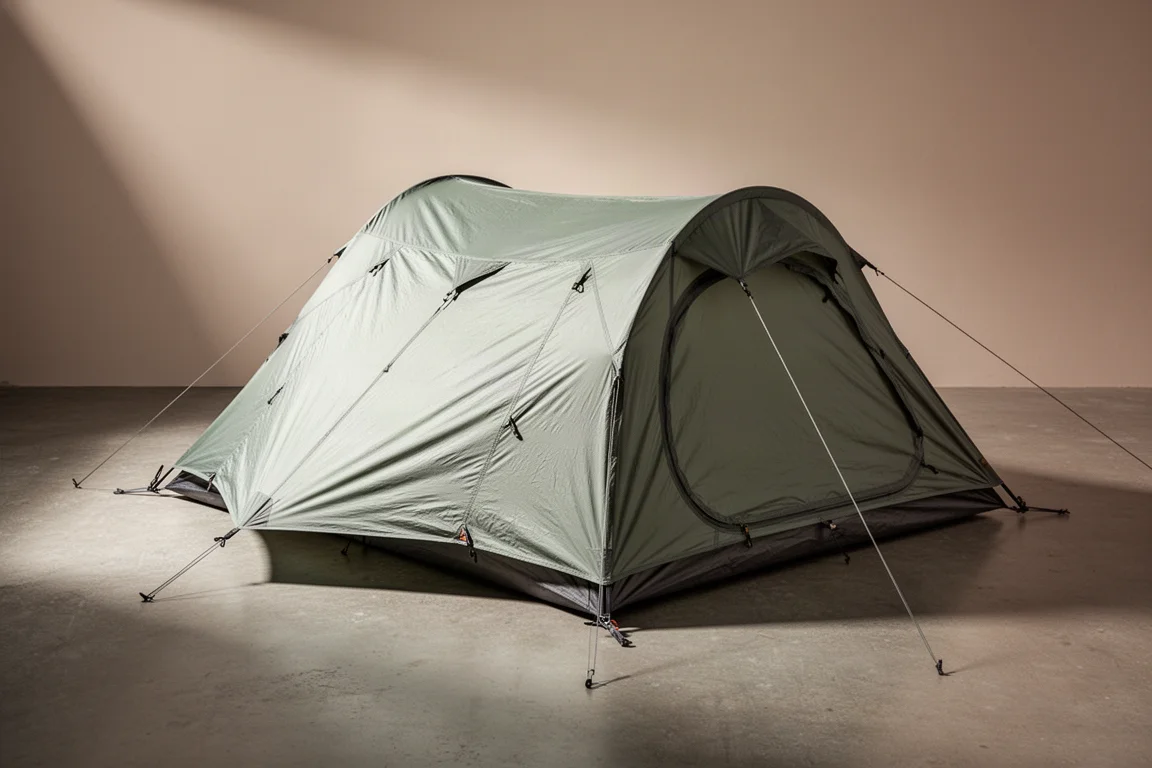
Shelter: Durston X-Mid 2P
The X-Mid 2P is a strong spring shelter because of its silpoly construction. Silpoly does not sag when it gets wet and does not absorb much moisture, so a rainy, humid spring night does not leave the tent flapping or heavy with water the way silnylon can.
Its pitch design is another advantage in bad weather. The inner and the fly go up together as a single unit, so you are not setting up an inner tent first and then adding a fly over the top. In a downpour, that keeps the inside of the shelter from getting soaked during setup.
Sleeping Insulation: Nemo Tensor
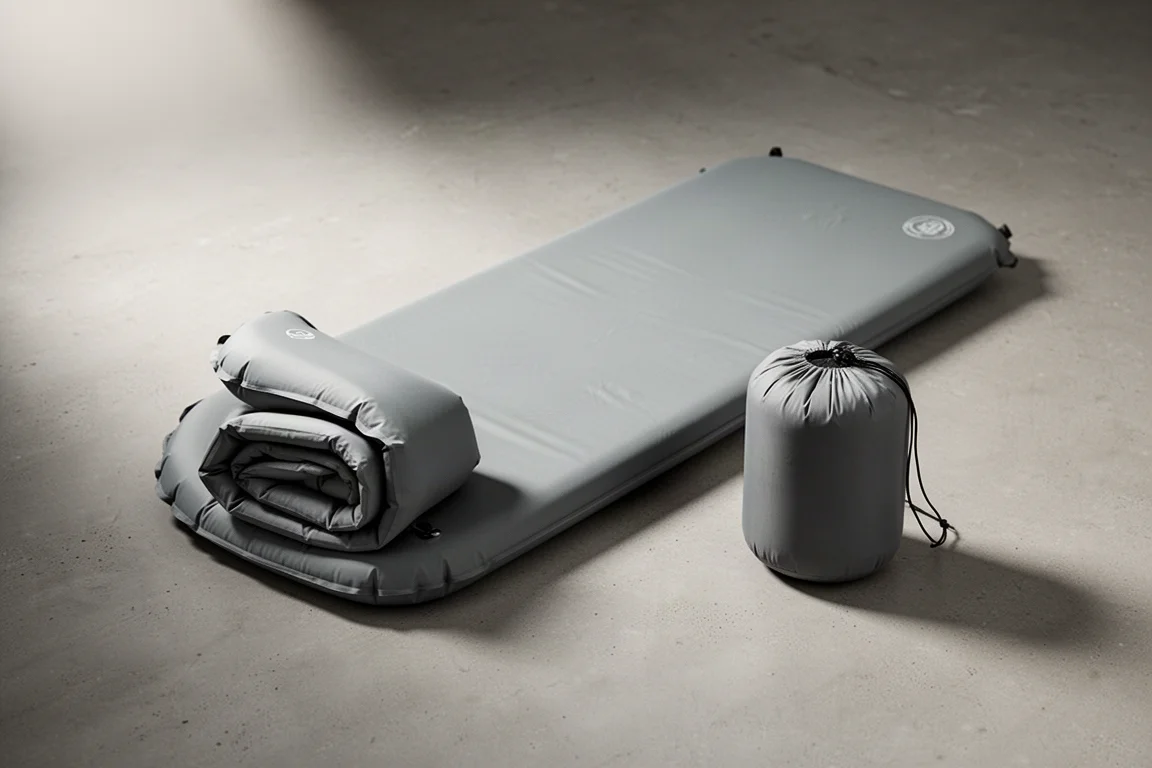
Cold ground is one of the biggest comfort problems in spring. The Tensor addresses that with an R-value of 4.2, a meaningful step up for shoulder-season trips. The update that raised the R-value did not add weight, which keeps it practical on longer carries.
It works best as a shoulder-season pad rather than a deep-winter one. When the ground is frozen or saturated, adding insulation underneath the pad is a sensible way to stop heat draining away through the night.
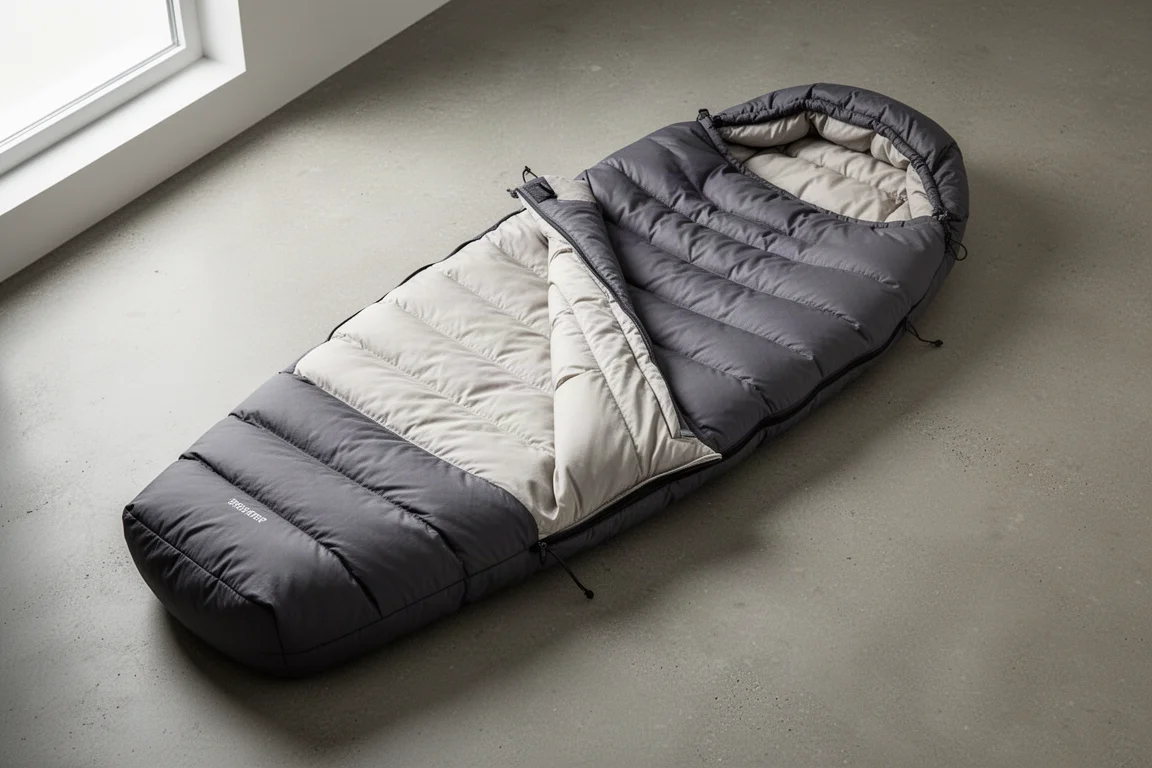
Sleeping Bag: Sea to Summit Spark 4
For spring overnights, the Spark 4 is a warm bag for its weight. Its limit rating is minus 15 degrees Celsius, and the comfort range lands around minus 9 degrees Celsius with thin base layers on. Adding fleece pants and a fleece sweater extends usable range closer to that comfort rating.
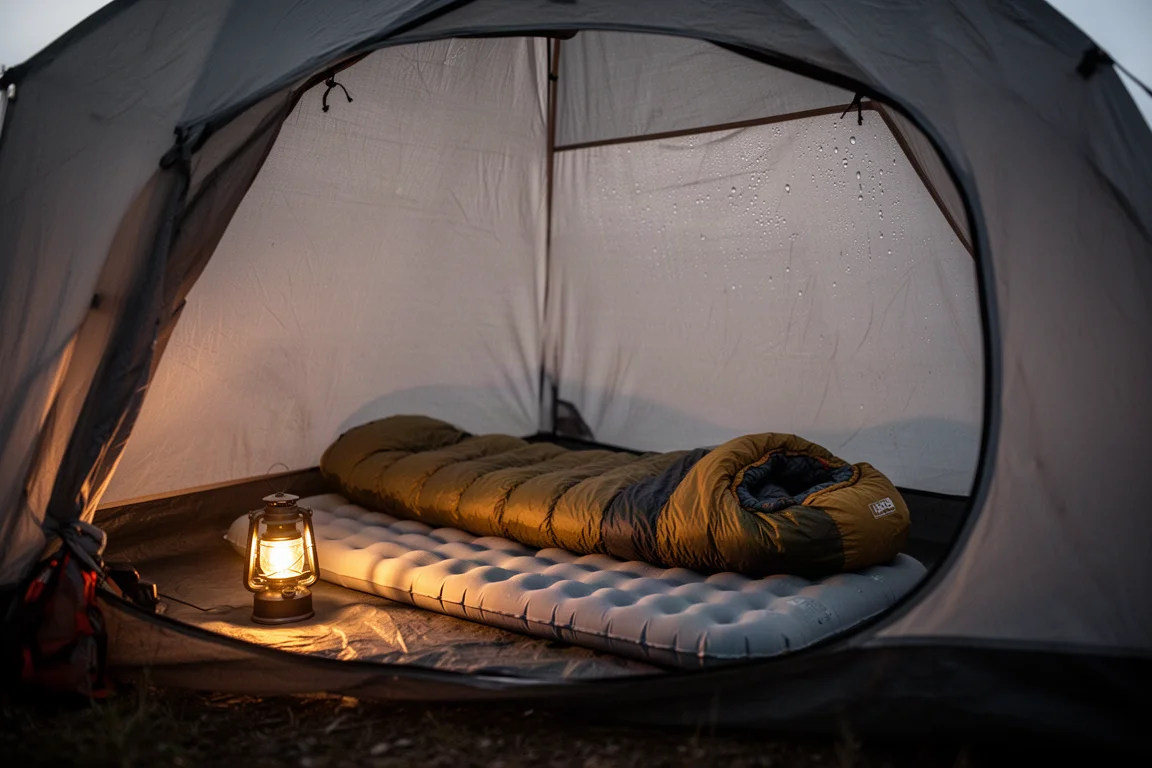
The trade-off is format. Anyone who prefers a quilt will want to look elsewhere, but for cold sleepers and straightforward shoulder-season use, the warmth-to-weight balance is the main appeal.
Backpack: REI Flash 55
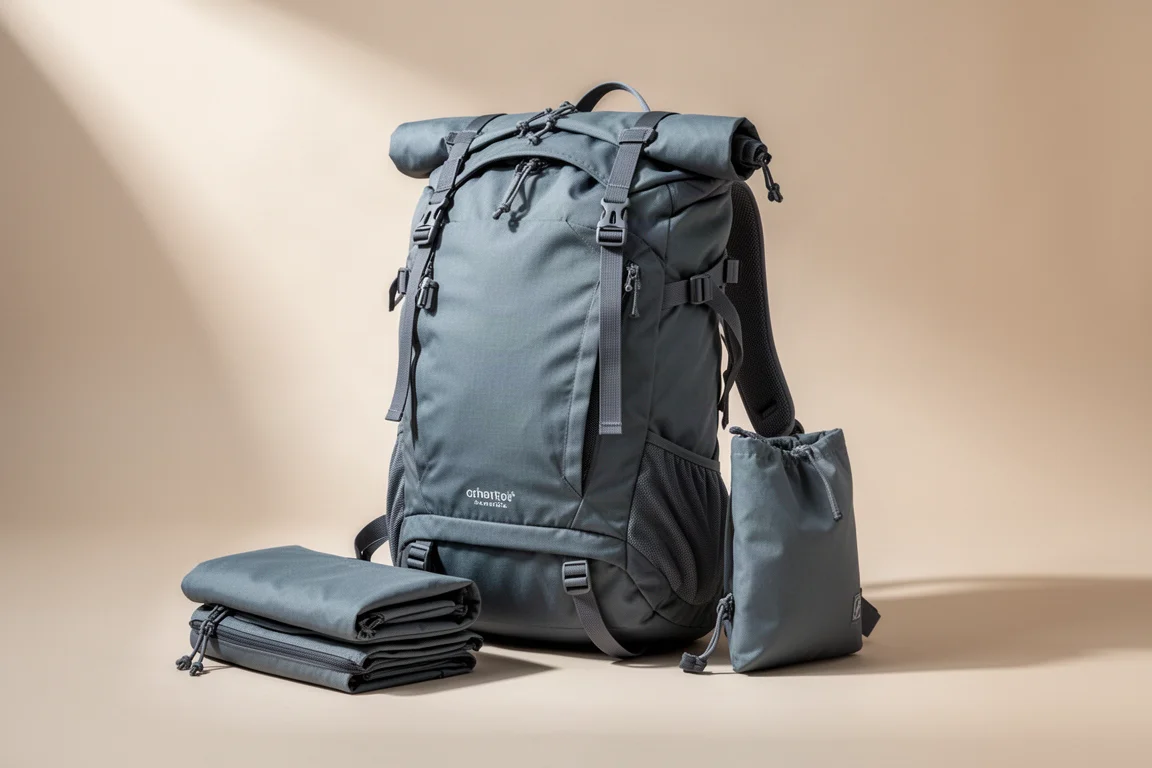
The Flash 55 has two features that matter specifically in spring. The lid is waterproof, which makes it a natural home for items that cannot get wet: phone, first aid kit, battery bank, and hygiene supplies. The main body is water resistant rather than waterproof, so it shrugs off drizzle but needs a pack liner once the weather turns serious.
The water bottle pockets sit forward of the side pockets, which makes reaching back for a bottle noticeably easier while walking. Hip belt pockets keep small items such as snacks and traction devices within easy reach.
Rain Protection: Enlightened Equipment Visp Rain Jacket
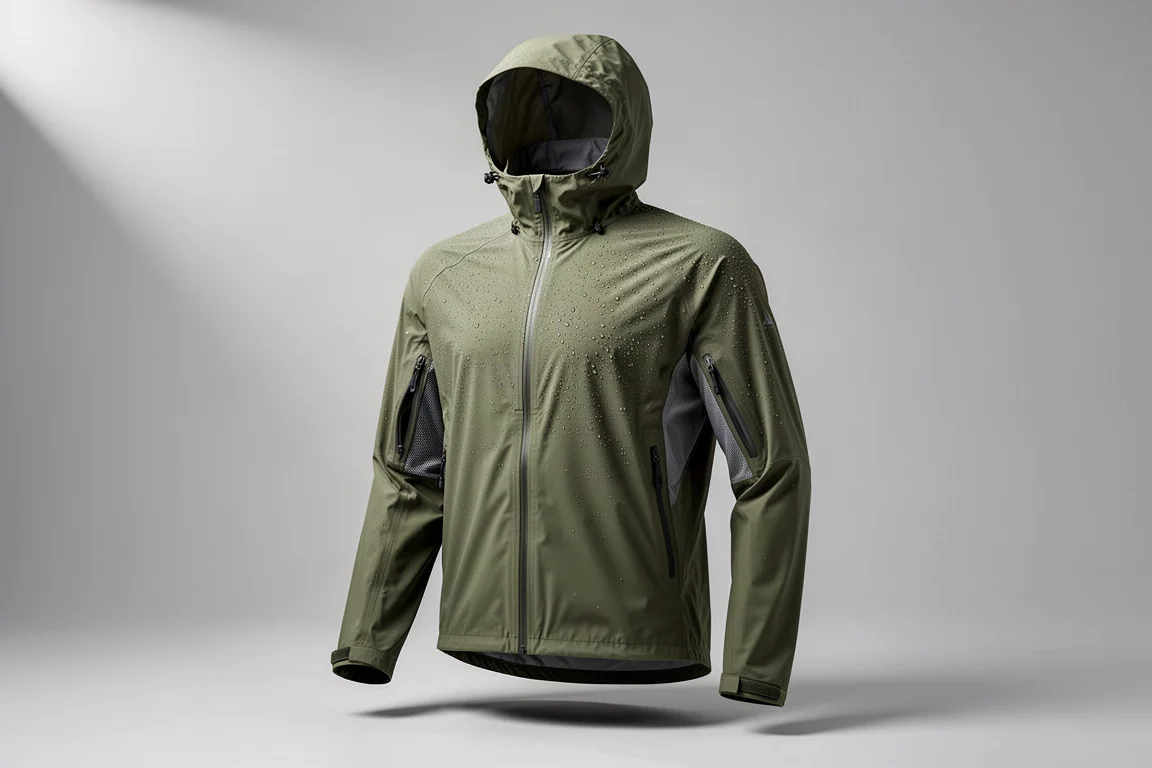
A spring shell has to handle rain without turning into a sauna. The Visp is lightweight but slightly thicker and more durable than the lightest emergency shells, and it includes pit zips for mechanical ventilation when you are working hard on a climb.
Breathability is the other half of that equation, and the Visp performs well there too. That matters when rain arrives with mild temperatures rather than cold ones, which is common in spring.
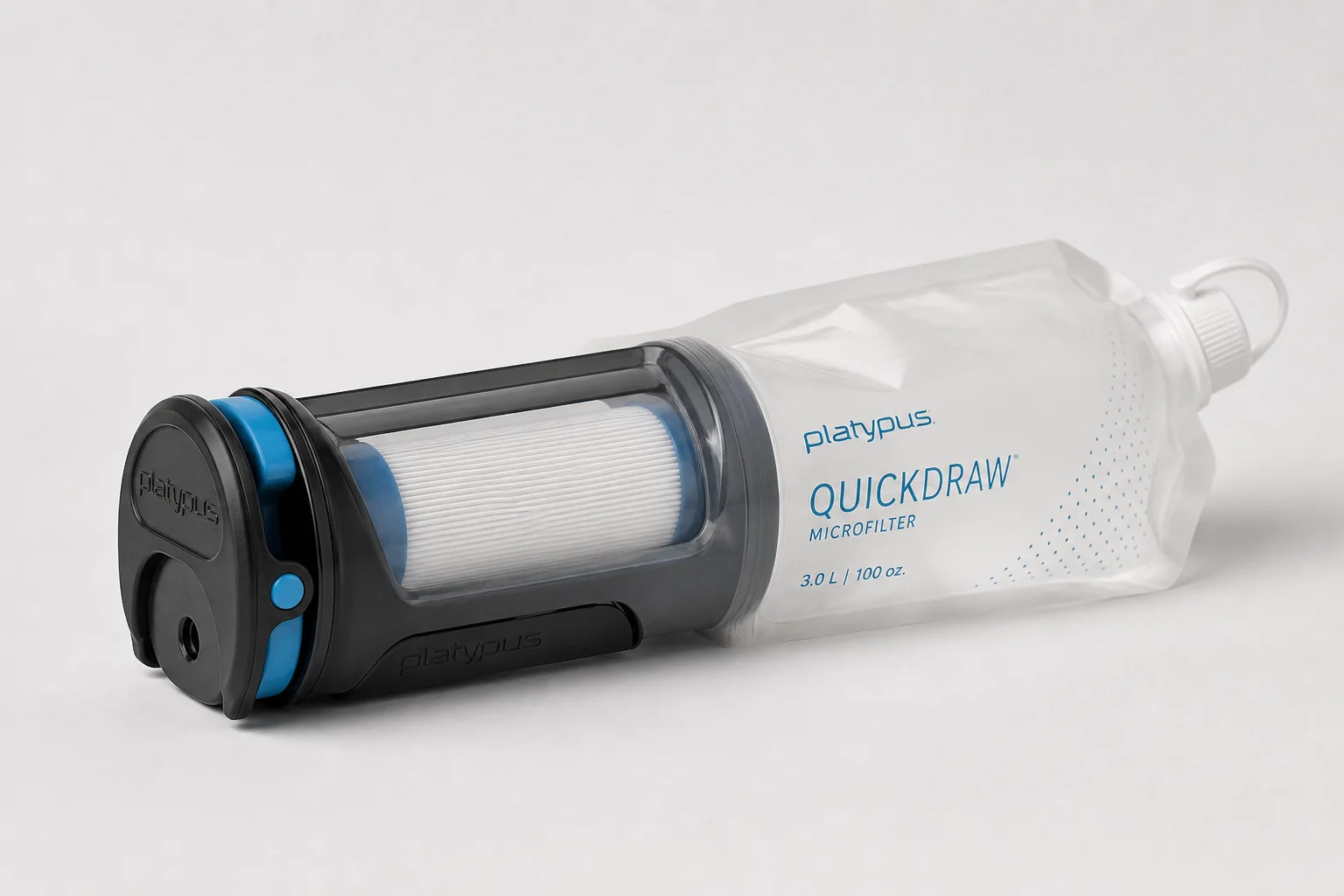
Water Treatment: Platypus QuickDraw
Frozen creeks mean water treatment is not always needed in early spring, but when it is, reliability counts. The QuickDraw has proven to be robust and effective in the field, and it is the kind of filter you can rely on without fussing over it.
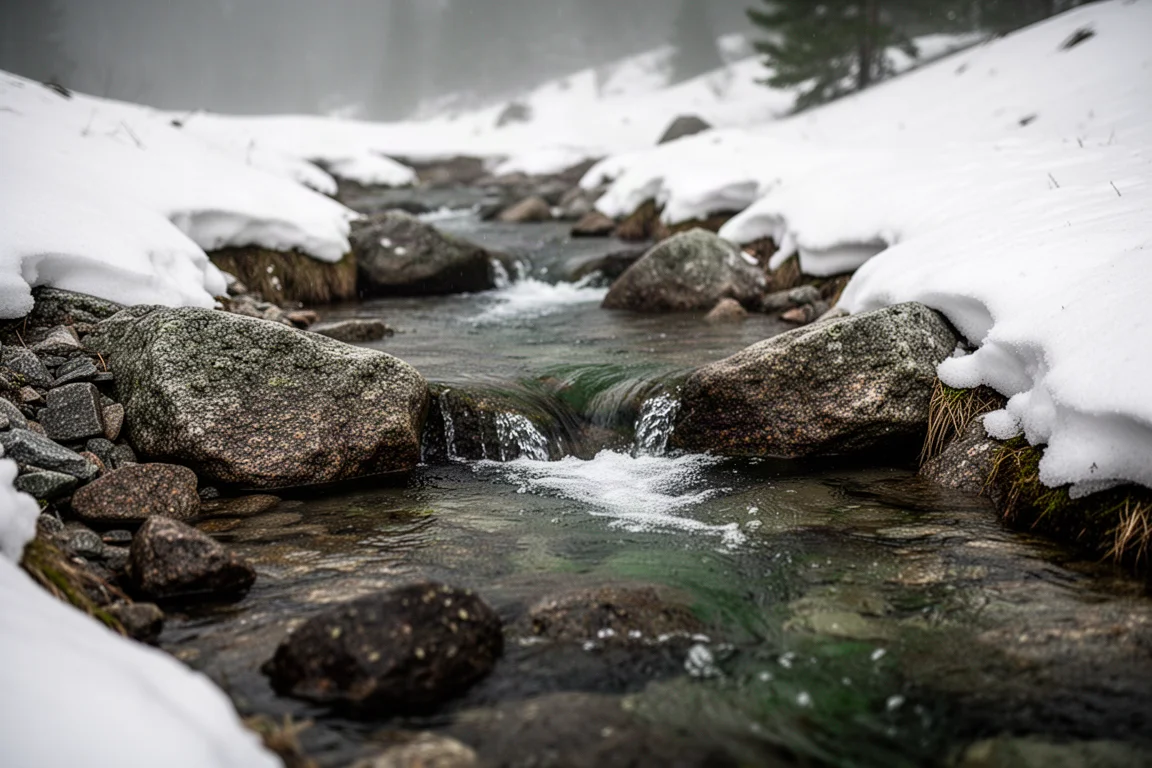
Because spring water sources are inconsistent, carrying treatment even on trips where you expect running water is worth the small weight. A frozen or buried source can change the plan quickly.
Cooking: MSR PocketRocket Deluxe
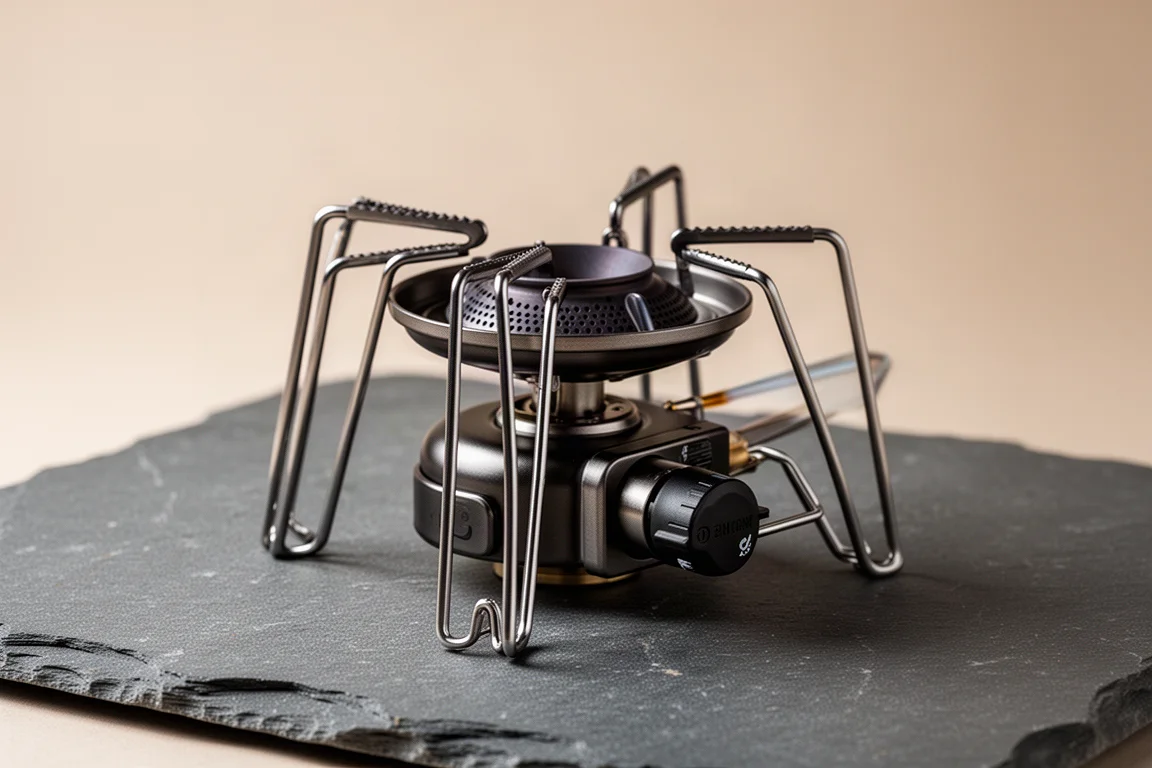
Spring cooking often happens below freezing, which is where a regulated stove earns its place. The PocketRocket Deluxe includes a regulator, and regulated stoves hold up far better in low temperatures than unregulated ones. Getting dinner going at a frozen campsite becomes a much less frustrating process as a result.
Food Storage: Ursack
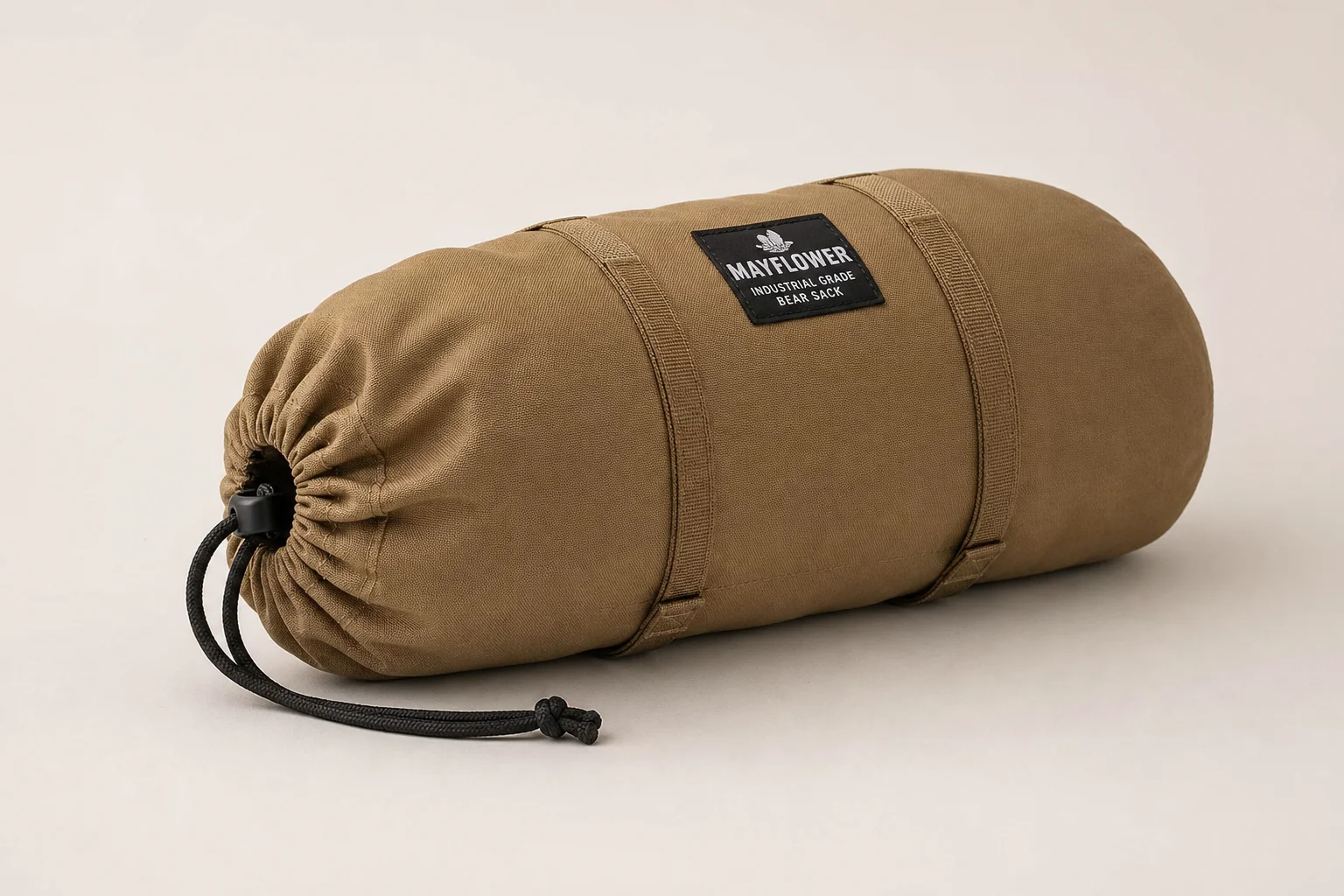
Bears start becoming active again in spring, so food storage is not optional. An Ursack provides a bear-resistant option that can be tied off away from camp, keeping food secure without the bulk of a rigid canister.
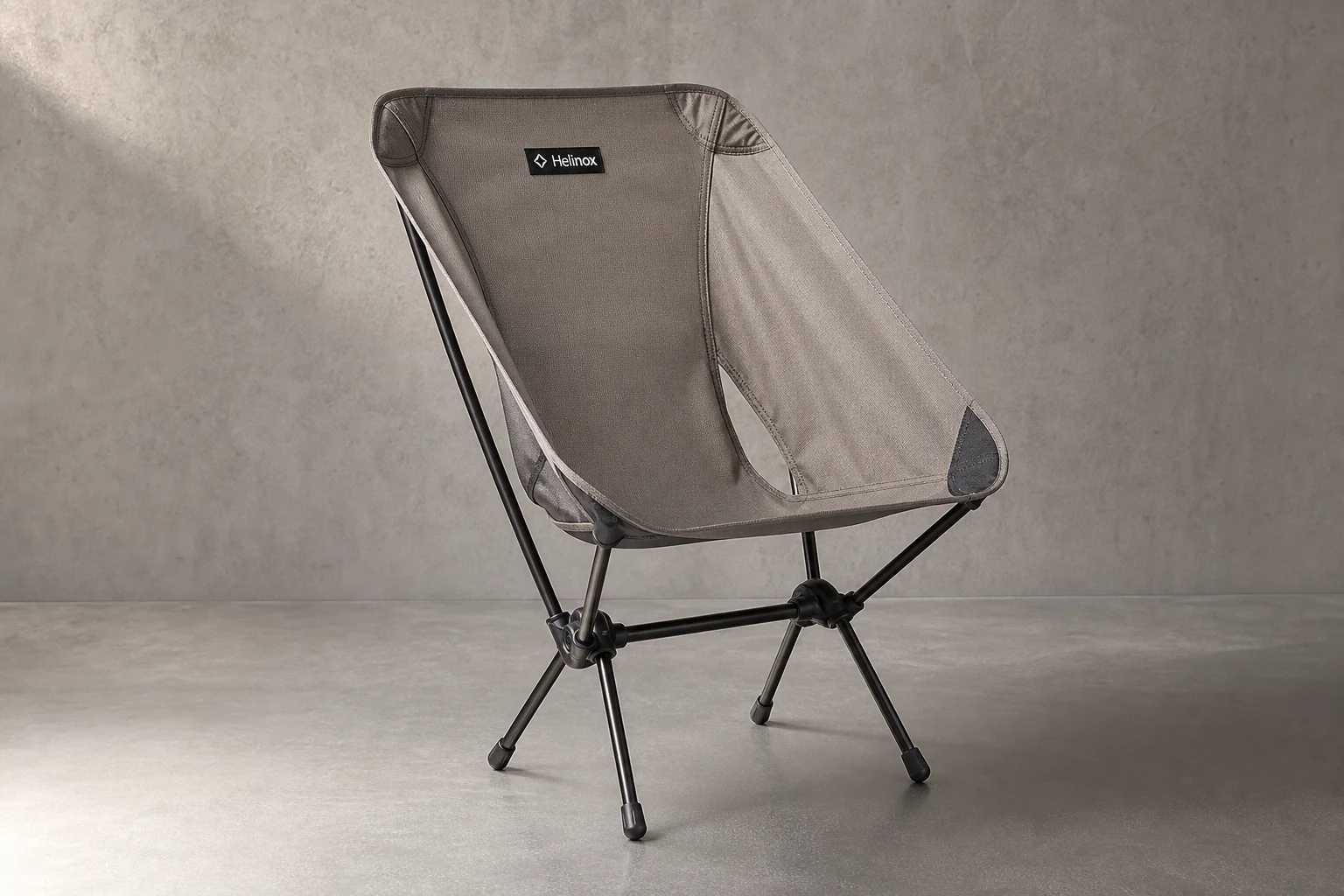
Camp Comfort: Helinox Chair Zero
Spring ground is often wet or saturated, and getting off it makes a real difference over a long evening. The Chair Zero is light enough to justify carrying and takes some pressure off your back after a day of walking.
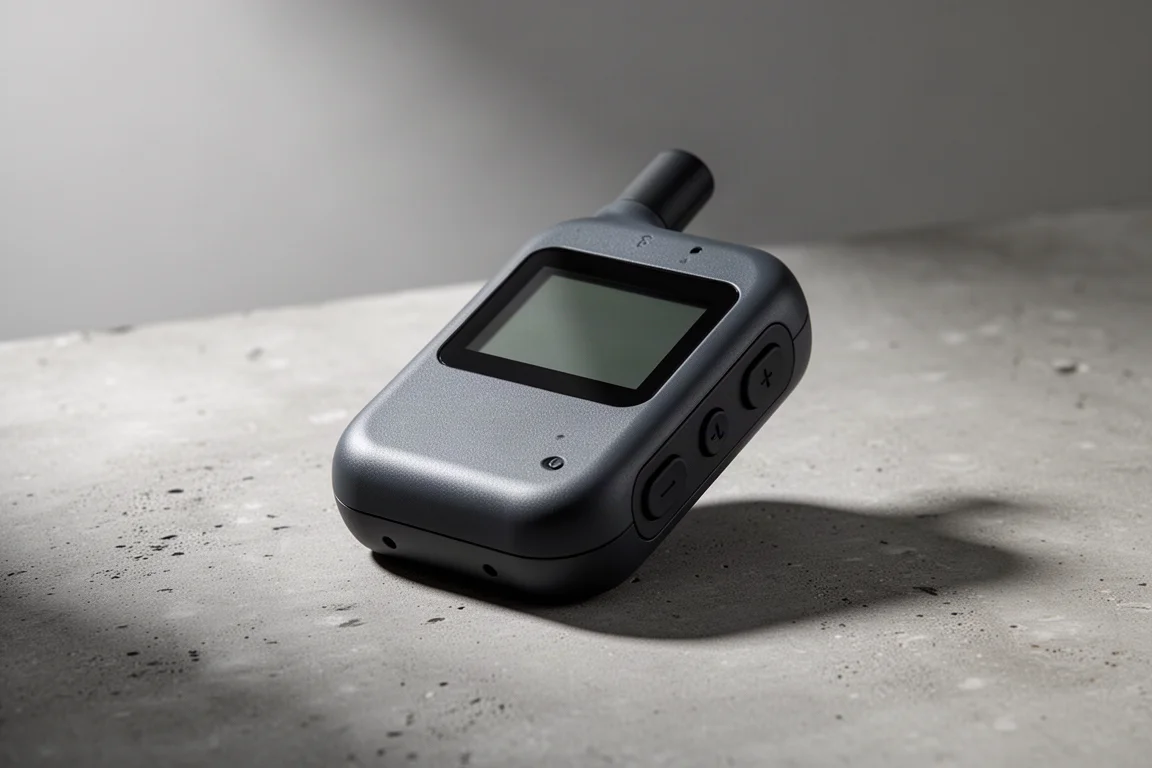
Safety and Communication: Garmin inReach Mini 2
Spring trails are quieter, and conditions can change faster than a forecast suggests. The inReach Mini 2 is a compact satellite communicator with SOS capability, updated for 2022, and it is the item you hope never to need but are glad to have when cell coverage disappears.
Buying Advice: How to Prioritize Your Spring Kit
If you are building a spring kit from scratch, prioritise in this order: sleep insulation first, weather protection second, then carrying comfort, then the small items. A warmer pad and bag solve the problem that ruins the most trips, and a reliable shell paired with a pack liner keeps everything else in your pack usable when it rains.
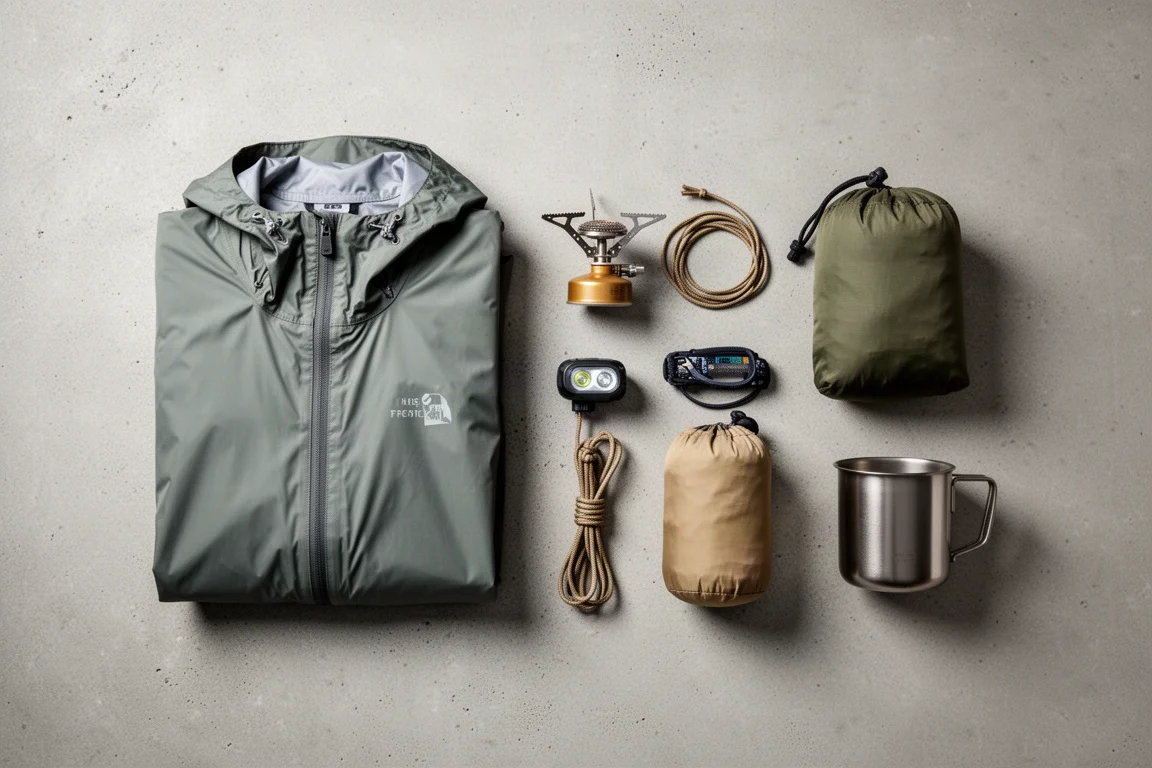
Optional comfort items such as a camp chair or an insulated mug are worth adding once the core system is dialled in. Safety gear such as a satellite communicator earns its place on any trip where you will be out of contact, and lightweight traction devices for icy sections belong in the same category: small enough to carry even on trips where you may not need them.
Conclusion
Spring backpacking rewards gear chosen for wet, cold, and changeable conditions rather than for a single forecast. Insulate from the ground up, treat moisture as the main enemy, and keep a small margin of safety for the days when the weather does not follow the plan.
Further reading
Related Reviews

Backpacking Gear
Building a 10 lb Base Weight: An Ultralight Backpacking Gear List
A practical walkthrough of the ultralight pieces behind a 10 lb base weight, from a 765 g pack and a roomy one-person tent to a full camp chair and a dependable water filter.

Backpacking Gear
A 15-Pound Lightweight Backpacking Gear List for Solo Trips
A beginner-friendly 15-pound backpacking setup built from easy-to-find gear, with notes on what each piece does, how it packs, and where to spend your attention.

Backpacking Gear
8 Ultralight Backpacking Gear Upgrades Worth Carrying
Eight small, affordable backpacking upgrades that solve real trail annoyances, from a pillow that stays put to a fuel valve that rescues leftover canister gas.