Backpacking Gear
Spring Backpacking Gear in the Canadian Rockies: Nine Items Put to the Test
Nine backpacking items carried into cold, wet, unpredictable spring conditions, with clear notes on warmth, weight, condensation, and carrying comfort.
Introduction
Spring in the Canadian Rockies is a moving target. Temperatures swing hard between day and night, water sources disappear or stay locked under ice, the ground stays frozen well into the morning, and snow can appear without warning on a trail that was bare an hour earlier. That combination puts pressure on gear in ways a mild summer weekend never does.
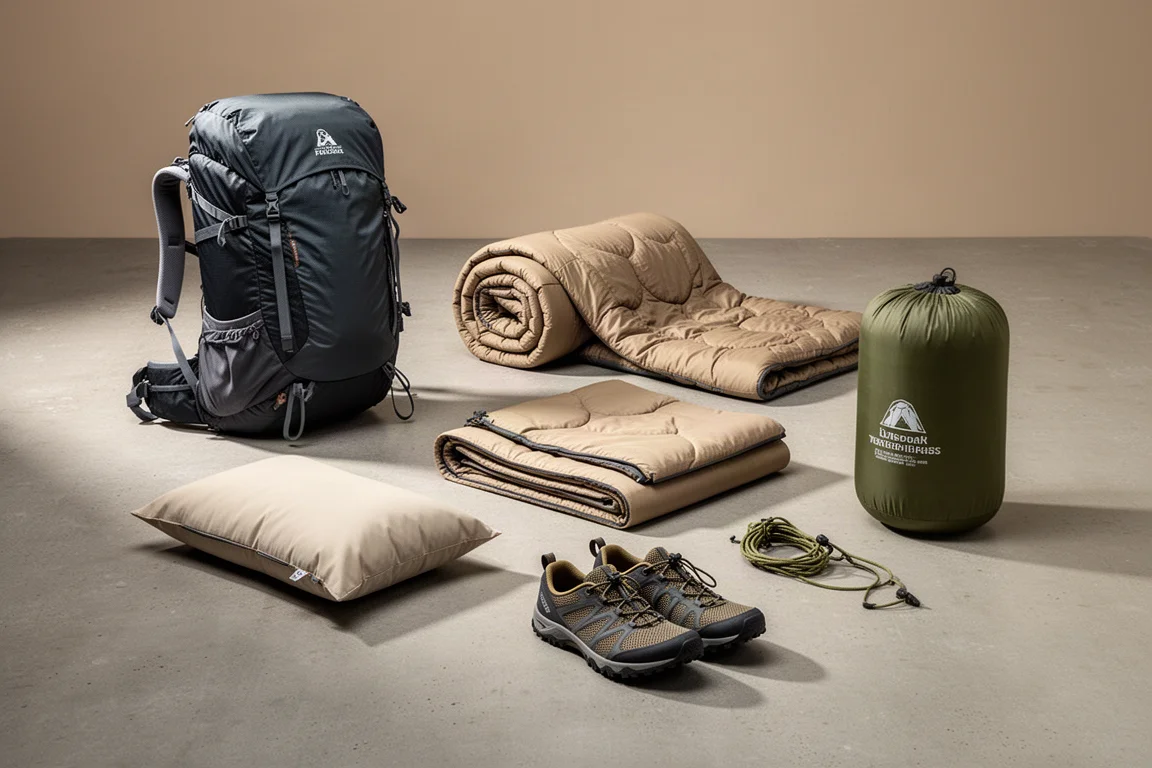
Nine items were carried into those conditions on a climb to a mountain lake, and each one came with a specific question attached. Could a frameless pack handle a heavier load once its hip belt was fitted? Would a one-person tent finally build condensation? Would a quilt’s draft protection translate into real warmth? And would a modest R value hold up on frozen ground?
What Matters in Spring Conditions
The overnight hours do most of the work in spring. Air temperatures drop below freezing while the ground underneath stays cold and wet, so a sleep system has to manage cold from below and above at the same time. Water is another variable: a creek that looks reliable on a map can be running dry, and a lake at elevation can still be frozen, which turns a simple resupply into a snow-melting exercise.
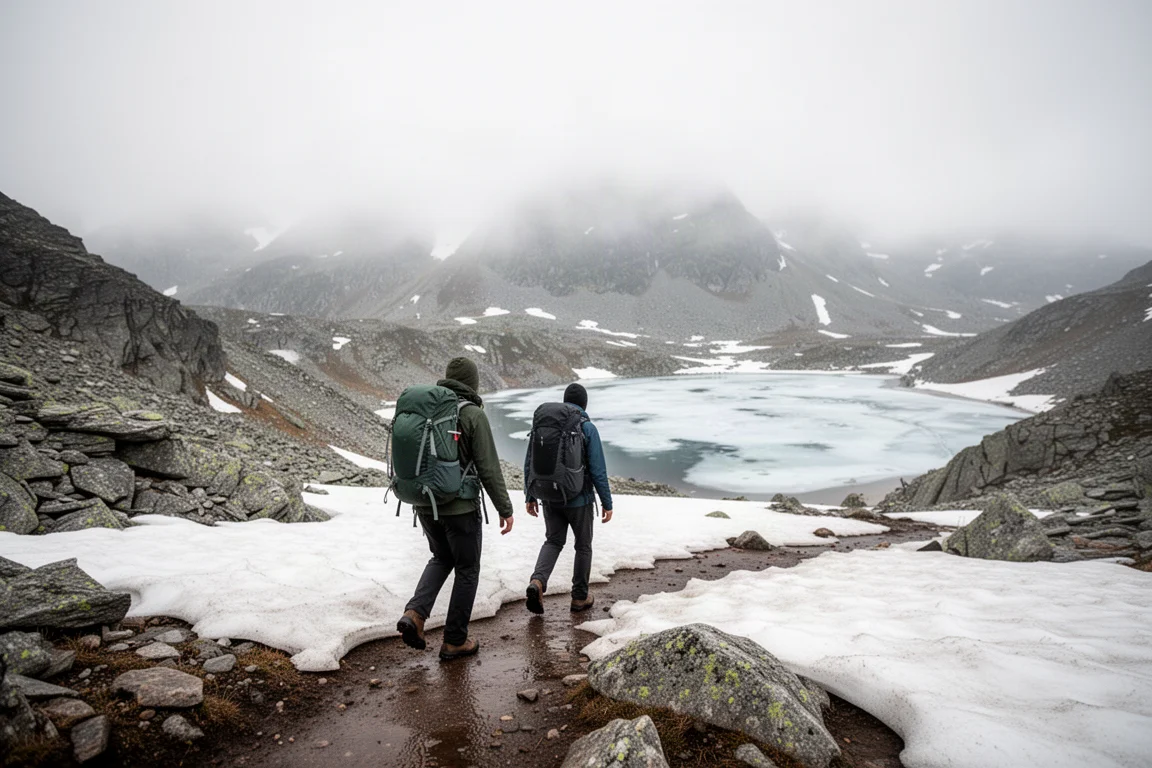
Weight and packing flexibility matter just as much. A pack that carries a light base weight beautifully can behave differently once a bear canister and extra insulation go in, and a tent that stays dry in still, cold air is worth more than one that saves a few grams. The notes below come from a single spring trip, so treat each verdict as one data point rather than a final word.
Durston Wapta 30: Frameless Carry With a Bear Canister On Top
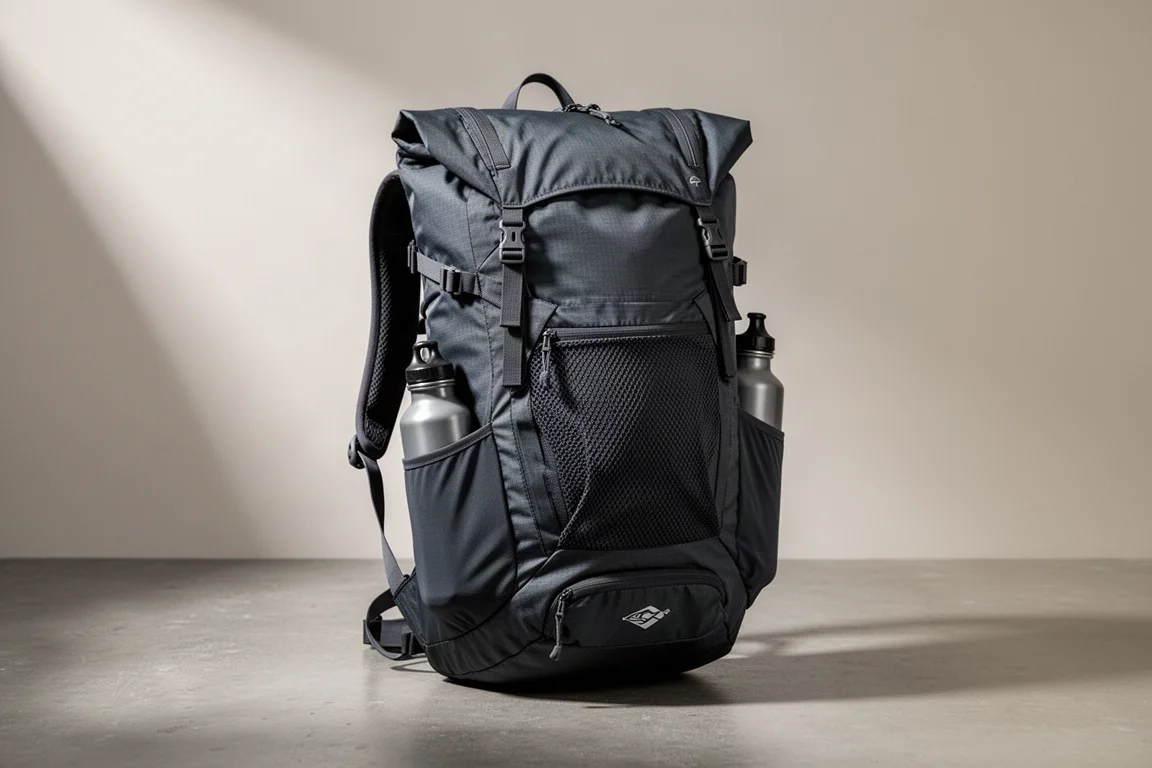
The Wapta 30 is a frameless pack that carries a five to eight pound base weight very well, and most of its use has been without the optional hip belt. With roughly 30 pounds on board, the hip belt did help: it moved part of the load onto the hips and took strain off the shoulders and traps. Because the belt is minimal and the pack has no load lifters or frame, the split landed closer to 50/50 between hips and shoulders than the 80/20 ideal.
A full-size bear canister will not fit inside the pack, but the top V strap holds it firmly in place with very little shifting, and carrying it on top proved workable rather than miserable. For a long thru-hike, the belt can be left at home once shoulder strength builds up; for most people carrying more than 20 pounds, the belt is the more comfortable choice.
Durston X-Dome 1+: Two Vents and No Condensation
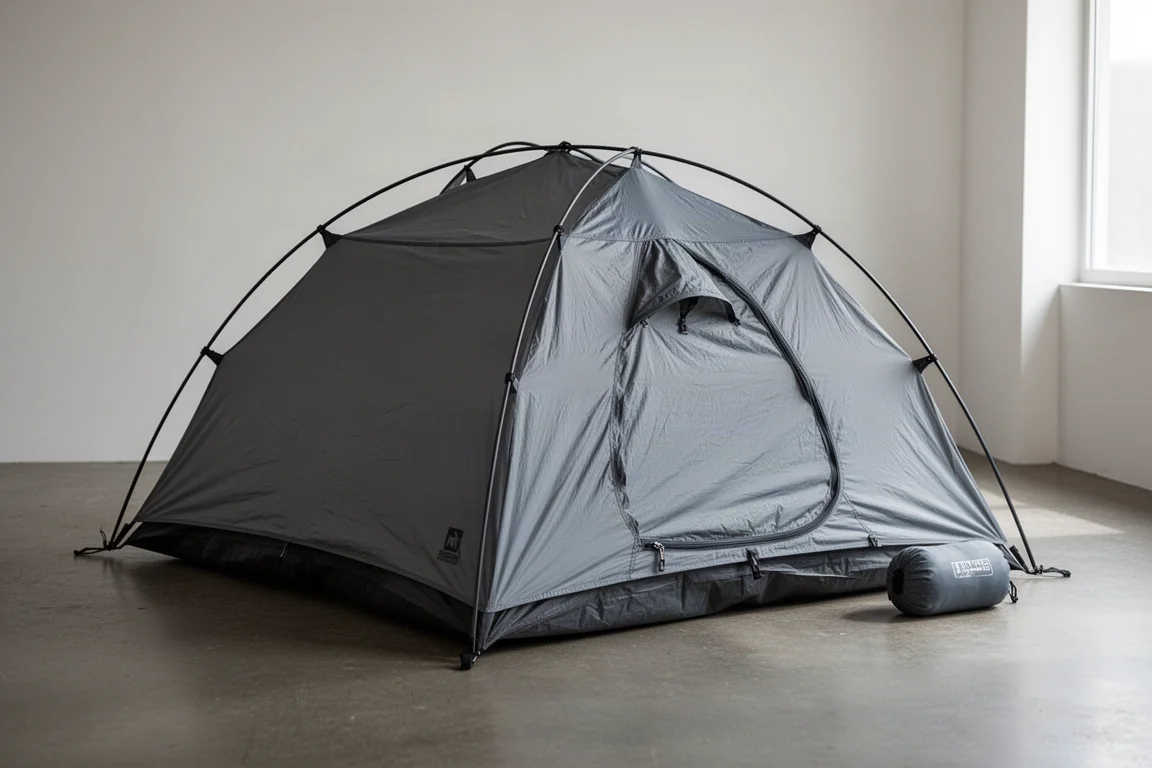
The X-Dome 1+ has already covered a lot of ground, including cold winter conditions where frost build-up inside was surprisingly limited. The open question was condensation. Wet ground, sub-freezing overnight air, and clear skies with no tree cover created exactly the conditions that usually soak the inside of a fly-covered tent.
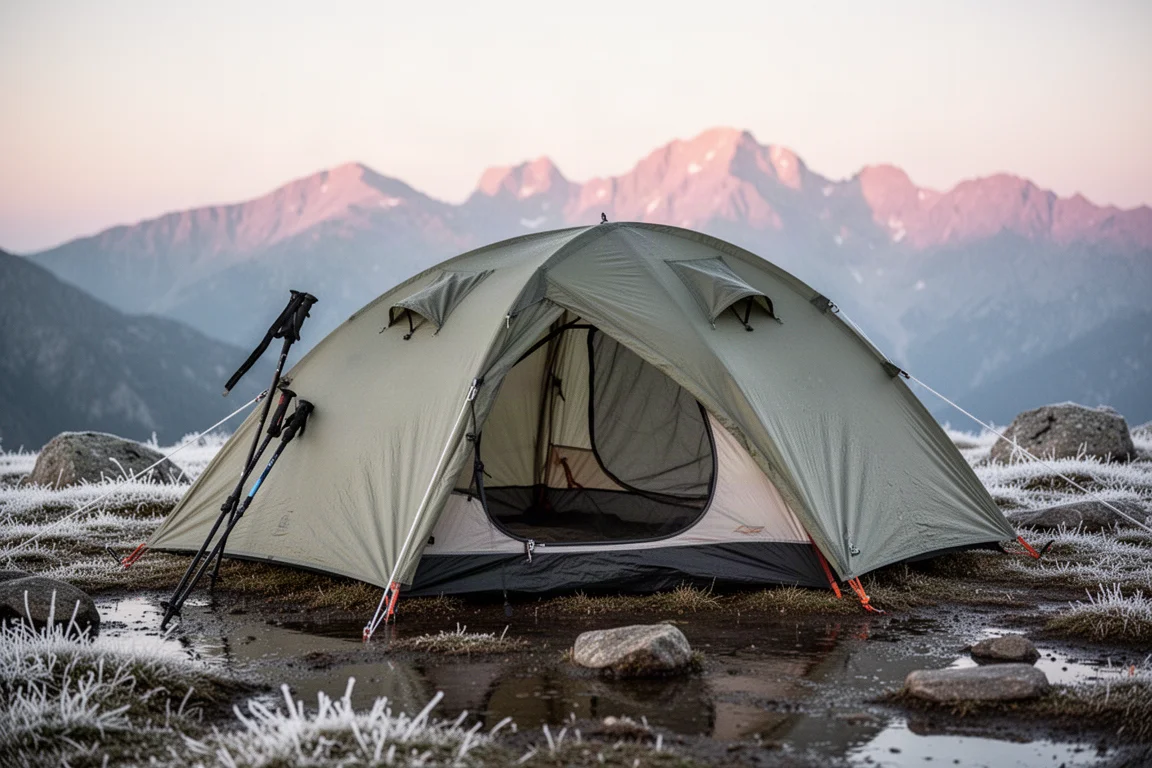
The door was closed with both roof vents left open, and by morning the interior was dry. Two vents, where many one-person tents offer only one, appear to create a cross breeze across the top that pulls moist air out, and the relationship between the inner mesh and the outer fly may add to that effect. Either way, it remains a favorite for solo trips.
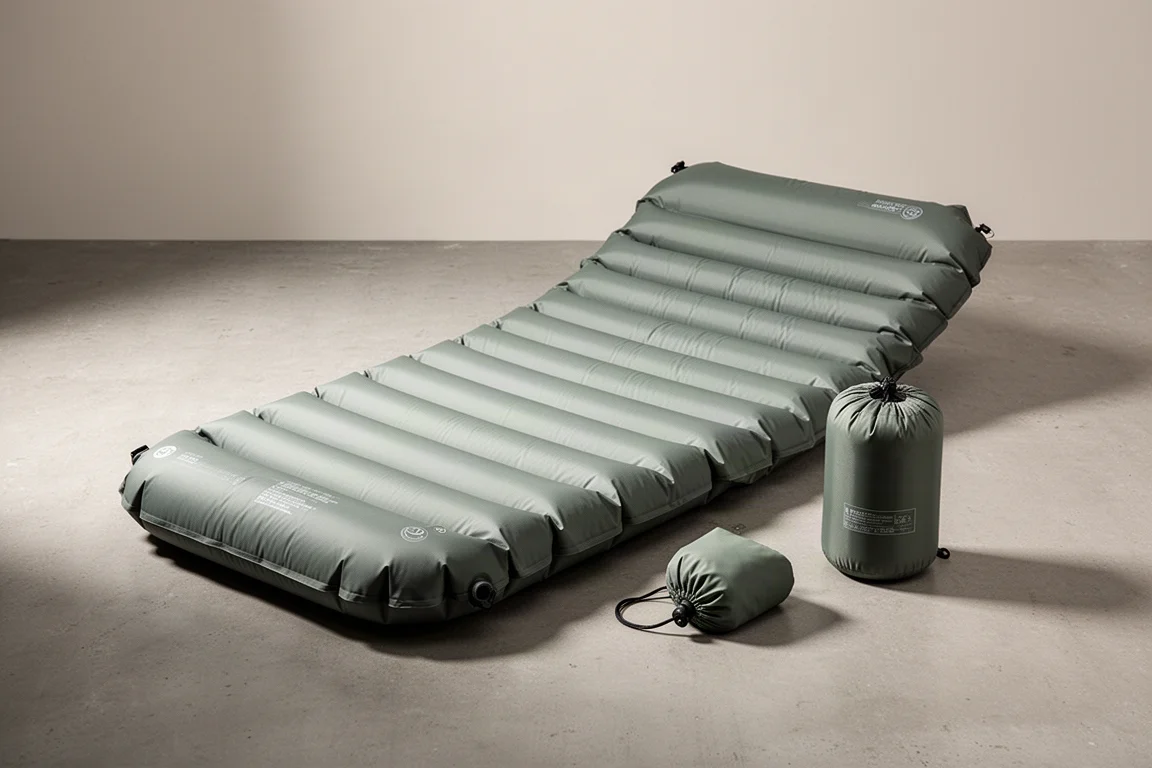
Sea to Summit Ether Light XT: Warmth at an R Value of 4.1
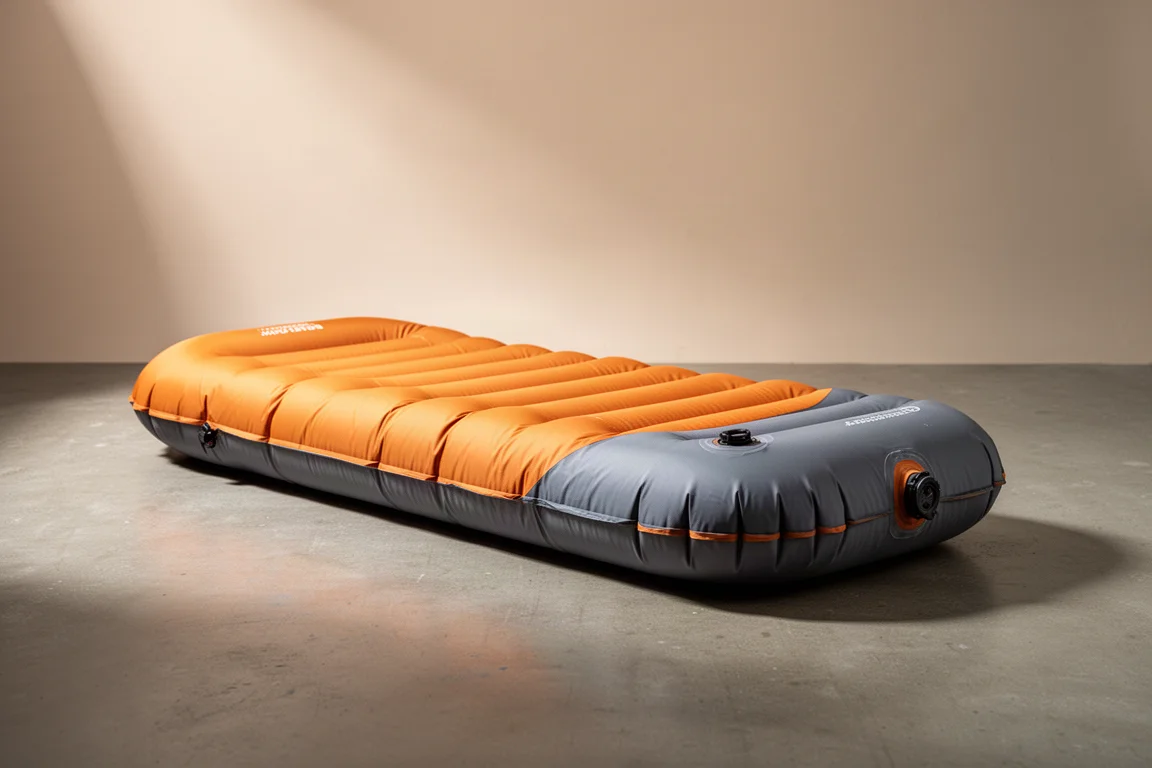
The Ether Light XT carries an R value of 4.1, which is a modest number for shoulder-season use. Overnight temperatures fell to about minus 2 Celsius, frost formed on the ground nearby, and the pad still kept its sleeper warm from lights-out through the coldest hours before dawn.
Comfort was the other surprise. Earlier trips had raised questions about how the pad felt across a full night, but this one passed without a wake-up apart from one brief change of position. At its weight, warmth, and cushioning, it makes a genuinely well-rounded pad and now sits close to the NEMO Tensor All-Season at the top of the all-around category.
Rockfront 600 Quilt: Strong Draft Control, Weighty for Its Warmth
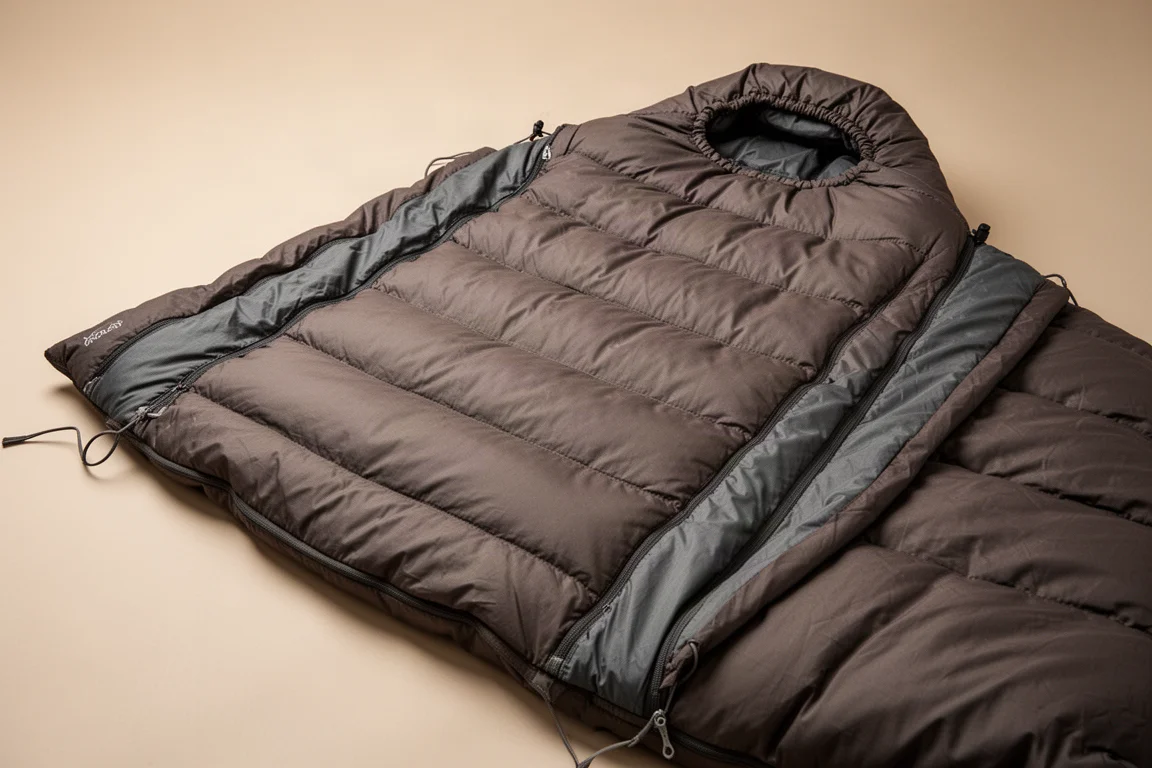
The 600 quilt is not a winter bag, but it is packed with features aimed at shoulder-season nights: an elastic edge tension system running along the sides, draft tubes down the full length of both edges, and a neck cinch with its own draft tube to seal around the shoulders. Those features did their job, and the quilt kept its sleeper warm below freezing.
The catch is weight. At just under a kilogram, the quilt should have been too warm for the conditions and needed venting, but it delivered only just enough warmth. The edge tension control made little noticeable difference whether tightened or loosened, and the baffle design may be preventing the down from lofting fully. Other quilts at half the weight handled the same night comfortably.
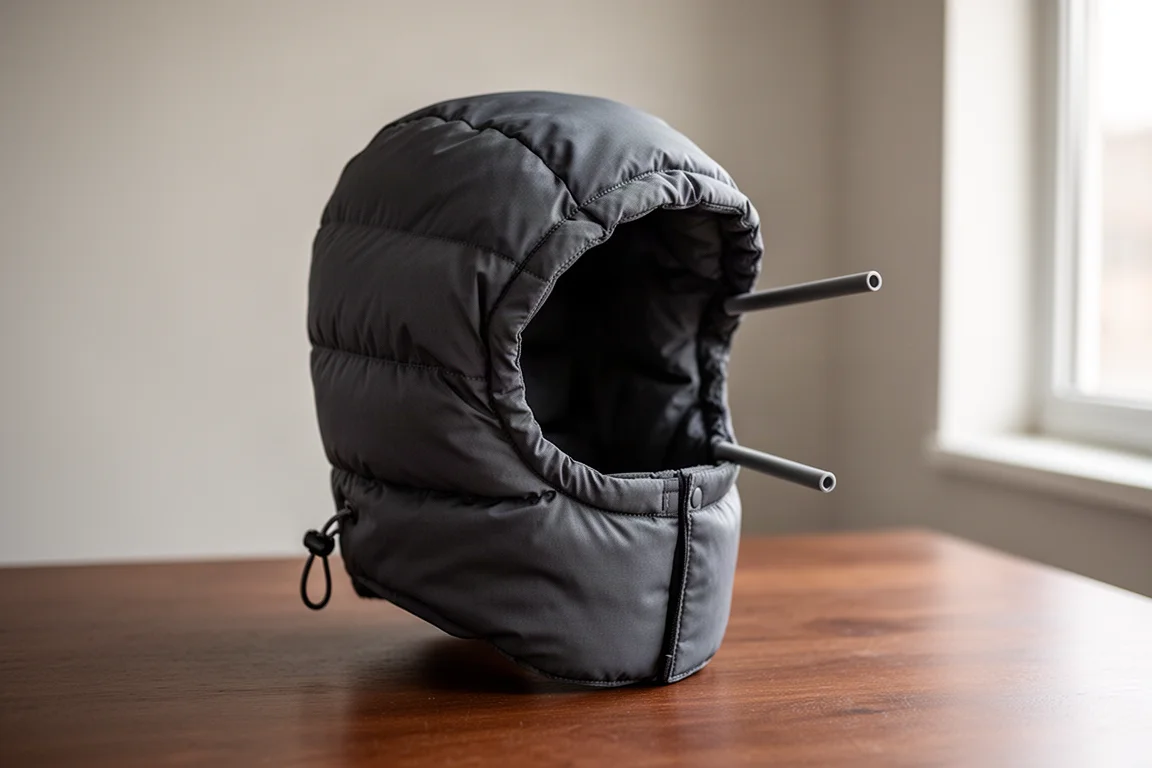
Rockfront Snorkel System: A Hood Built for Breath Moisture
The snorkel system is a hood designed to pair with the quilt, and its distinguishing feature is a synthetic section that protrudes from the face opening. That tube manages the moist air leaving your breath, so less of it reaches the down in the hood and in the upper insulation of the quilt.
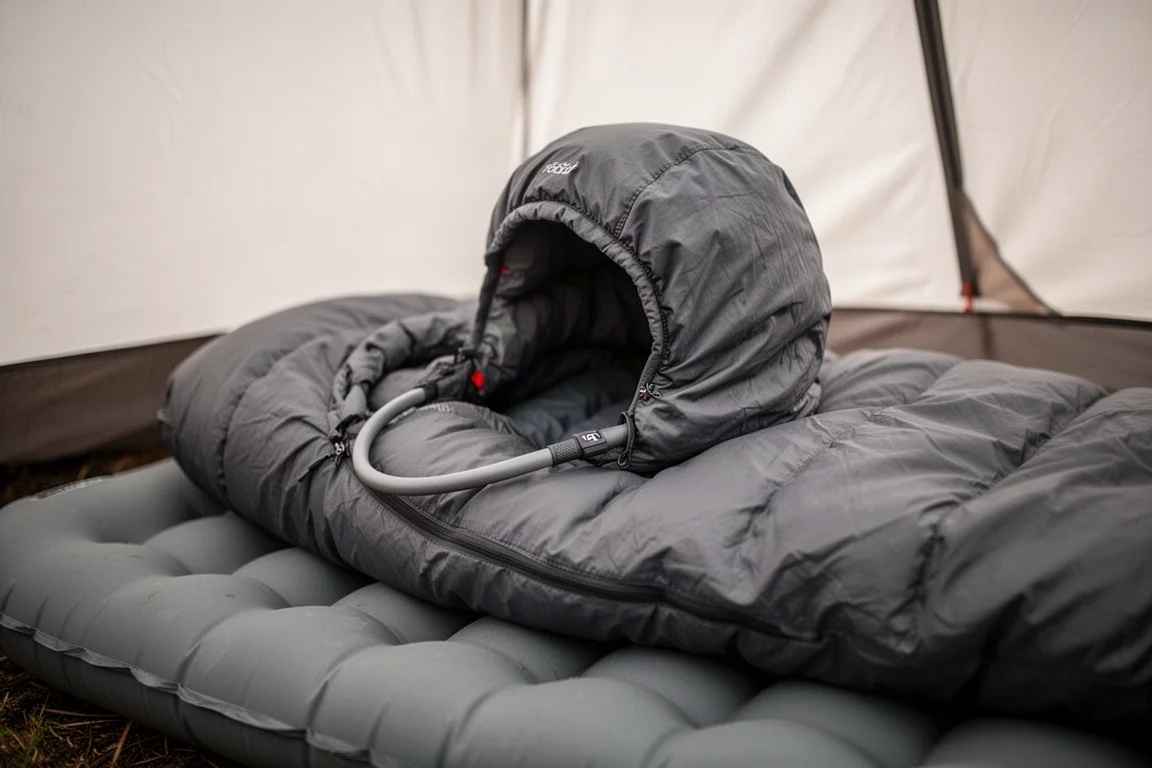
For anyone who has woken up to a damp, flattened collar of down, the logic is easy to appreciate. It targets one specific cold-weather problem without adding much bulk to the sleep system.
Zpacks Pillow Topper: Modular Cushion and Insulation
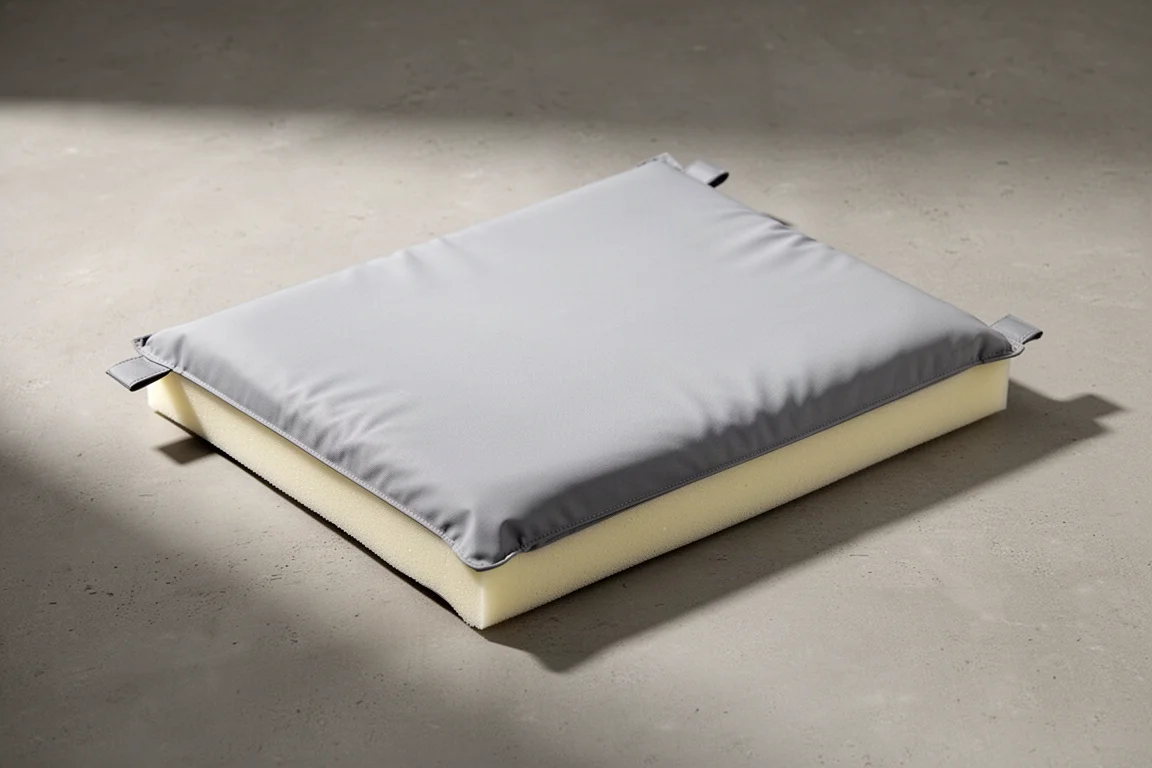
The pillow topper is a layer of synthetic insulation inside a fabric bag, with a pad attachment system and two loops on the underside that let it mount to almost any pillow. That modularity is the appeal: it adds height, softness, and a little insulation to whatever pillow is already in the pack, and paired with the Big Sky DreamSleeper the two together weigh around 120 grams.
The one annoyance is the placement of the strap. Because it sits on the topper rather than the pillow, the pillow can roll over during the night. Moving the pad strap onto the pillow itself, and choosing pillows that carry their own straps, is the straightforward fix.
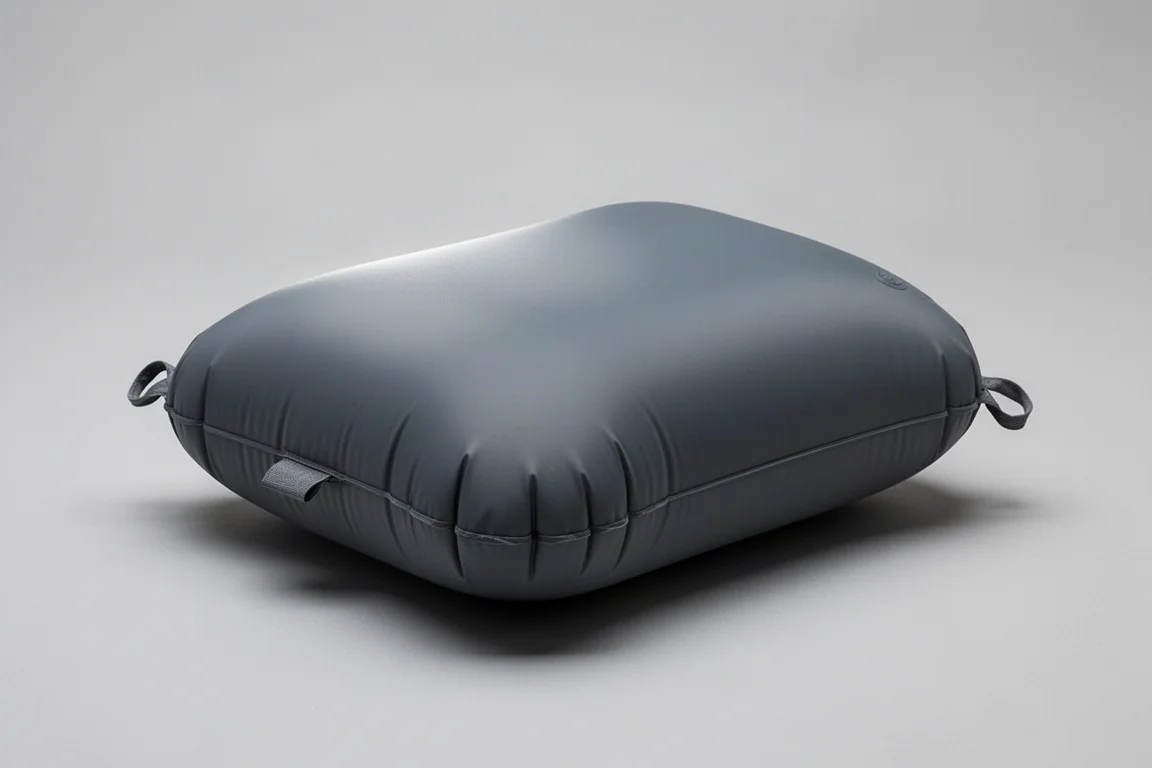
Big Sky DreamSleeper Pillow: A Light Pairing
The DreamSleeper pairs neatly with the insulated topper, and the two combined come in at roughly 120 grams, which is light for a pillow setup that adds both cushioning and warmth.
If stability matters more than weight, choose a pillow with its own pad strap so the topper can be anchored directly to it rather than relying on the topper’s own attachment points.
Zpacks Camp Shoes: Slipper Mode for Night Trips
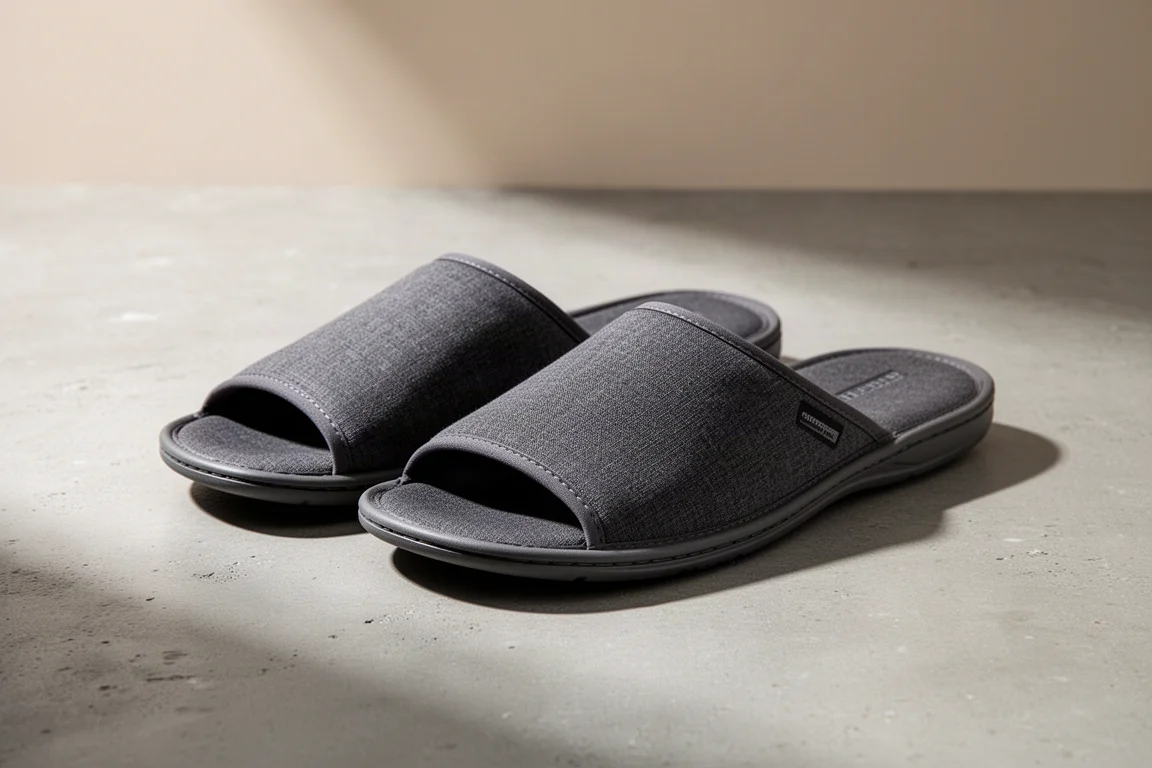
The camp shoes are extremely light and, unlike minimal open-strap sandals, they cover the toes. They weigh about twice as much as the sandals they replace, but the trade buys a more durable build, a more comfortable fit, and a sole that blocks sharp rocks and sticks.
Slipper mode is the feature that matters most. There is no need to wrap the elastic around the back of the ankle; the foot slides straight in like a house slipper. For middle-of-the-night trips out of the tent, that saves fumbling in the dark and gets you back into the quilt faster. Holding the foot securely and staying planted on rough ground were both confirmed over the course of the trip.
NEMO Tensor All-Season: The Weight and Warmth Choice
The Tensor All-Season holds the top spot among all-around pads when weight and warmth are the priorities, and the Ether Light XT’s strong showing in cold, wet spring conditions puts the two close together.
The decision between them is straightforward. Choose the Tensor All-Season if pack weight and insulation come first; choose the Ether Light XT if a plusher, more comfortable night matters more.
Overall Buying Advice
Match the pack to the load. A frameless design is excellent at light base weights, but once a trip pushes past 20 pounds, or a bear canister has to come along, the hip belt earns its place. Hikers who want maximum freedom of movement can still run the pack belt-free, and a canister that will not fit inside can ride securely on the top strap for shorter stretches of a route.
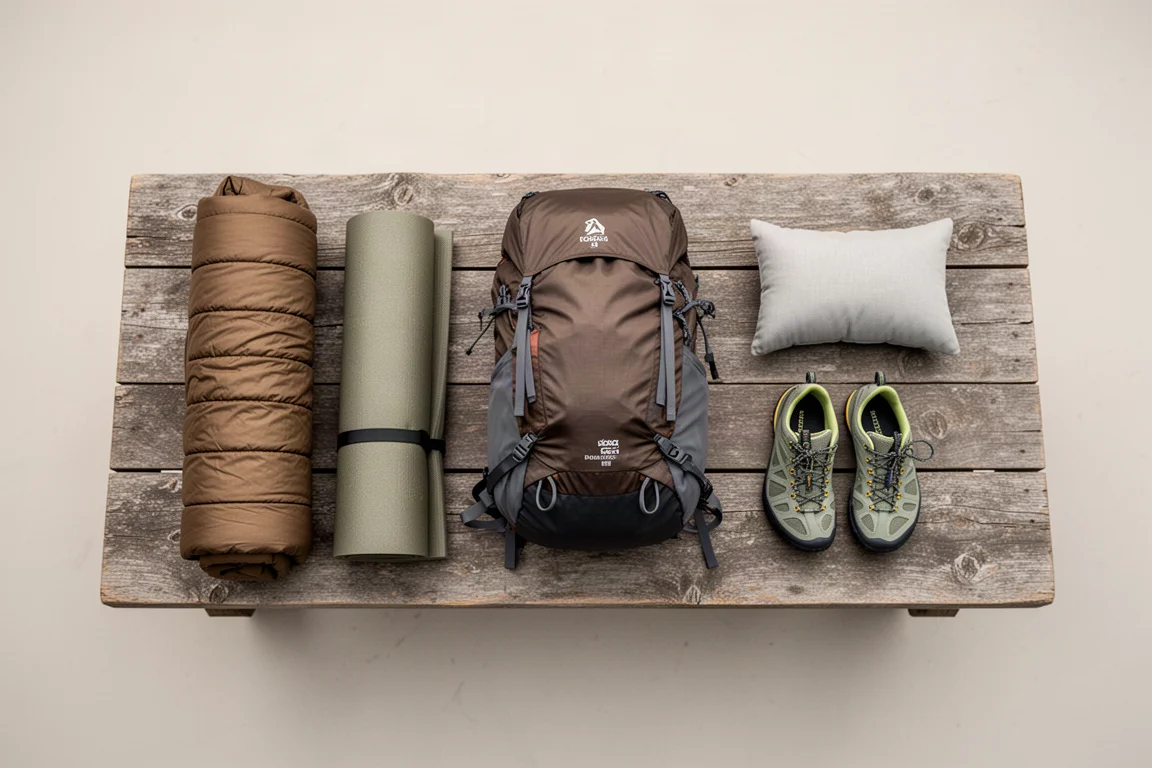
For sleep systems, be honest about the temperatures you expect. A quilt with strong draft protection is only a good buy if its warmth justifies its weight, and a pad that matches its R value on frozen ground is worth more than a higher number that does not deliver. Small items are where the easy wins live: a hood that keeps breath moisture out of the down, a modular pillow topper, and camp shoes that slip on without straps.
Conclusion
Spring conditions expose the difference between gear that looks good on paper and gear that works when the ground is frozen and the air is cold. The Wapta 30 handled a heavier load with its hip belt and carried a bear canister on top without fuss. The X-Dome 1+ stayed dry once again. The Ether Light XT matched its R value and its comfort reputation. The 600 quilt protected well against drafts but asked too much weight for the warmth it delivered, while the snorkel hood, pillow topper, DreamSleeper pillow, and camp shoes each solved a small, specific problem neatly. Choose the Tensor All-Season for weight and warmth, the Ether Light XT for comfort, and let the load you actually carry decide the rest.
Further reading
Related Reviews

Backpacking Gear
Building a 10 lb Base Weight: An Ultralight Backpacking Gear List
A practical walkthrough of the ultralight pieces behind a 10 lb base weight, from a 765 g pack and a roomy one-person tent to a full camp chair and a dependable water filter.

Backpacking Gear
A 15-Pound Lightweight Backpacking Gear List for Solo Trips
A beginner-friendly 15-pound backpacking setup built from easy-to-find gear, with notes on what each piece does, how it packs, and where to spend your attention.

Backpacking Gear
8 Ultralight Backpacking Gear Upgrades Worth Carrying
Eight small, affordable backpacking upgrades that solve real trail annoyances, from a pillow that stays put to a fuel valve that rescues leftover canister gas.