Electric Mountain Bikes
Specialized Turbo Levo SL Review: Three Months on a Lightweight Electric Mountain Bike
A long-term look at the Specialized Turbo Levo SL, a lightweight electric mountain bike built to keep both the effort and the fun in mountain biking.
Introduction
Fun is one of the most common reasons people ride bikes, and it is also one of the easiest things to lose as life gets busier. Over three months of riding the Specialized Turbo Levo SL, the question was simple: can a lightweight electric mountain bike put the fun back into mountain biking?
This is not a spec-sheet verdict. It is a record of what the bike felt like to live with, where it genuinely helped, and where it left an open question.
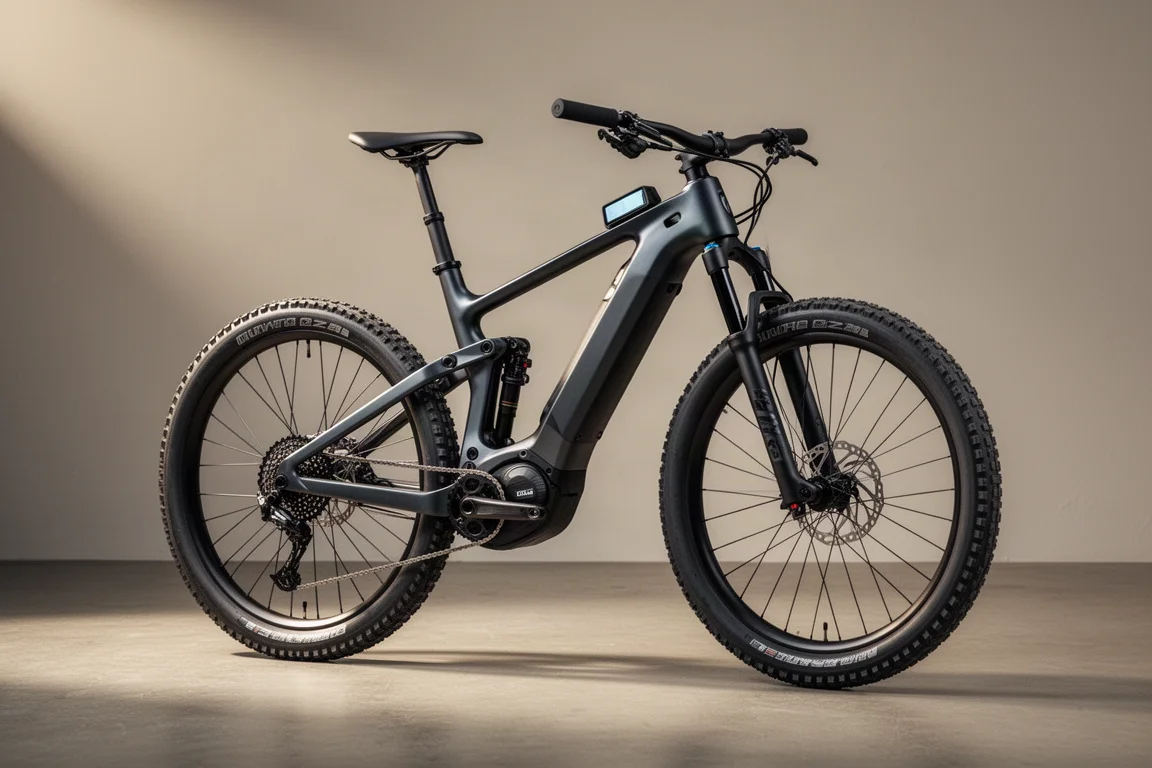
The Levo SL belongs to the newer lightweight end of the electric mountain bike market rather than the full-power category. The idea is a less powerful motor, a smaller battery, and a lighter overall build than a typical full-fat e-MTB running a Shimano or Bosch motor. In practice that makes it feel closer to a slightly heavier normal mountain bike than to a heavyweight electric one, and that distinction shapes almost everything else about the ride.
Who This Bike Is For
This is a bike for riders who want assistance without giving up the feeling of riding a mountain bike. Over three months it proved most appealing for someone with less time and declining fitness than in their twenties and thirties, but who still wants the challenge, the elevated heart rate, and the effort of a real ride.
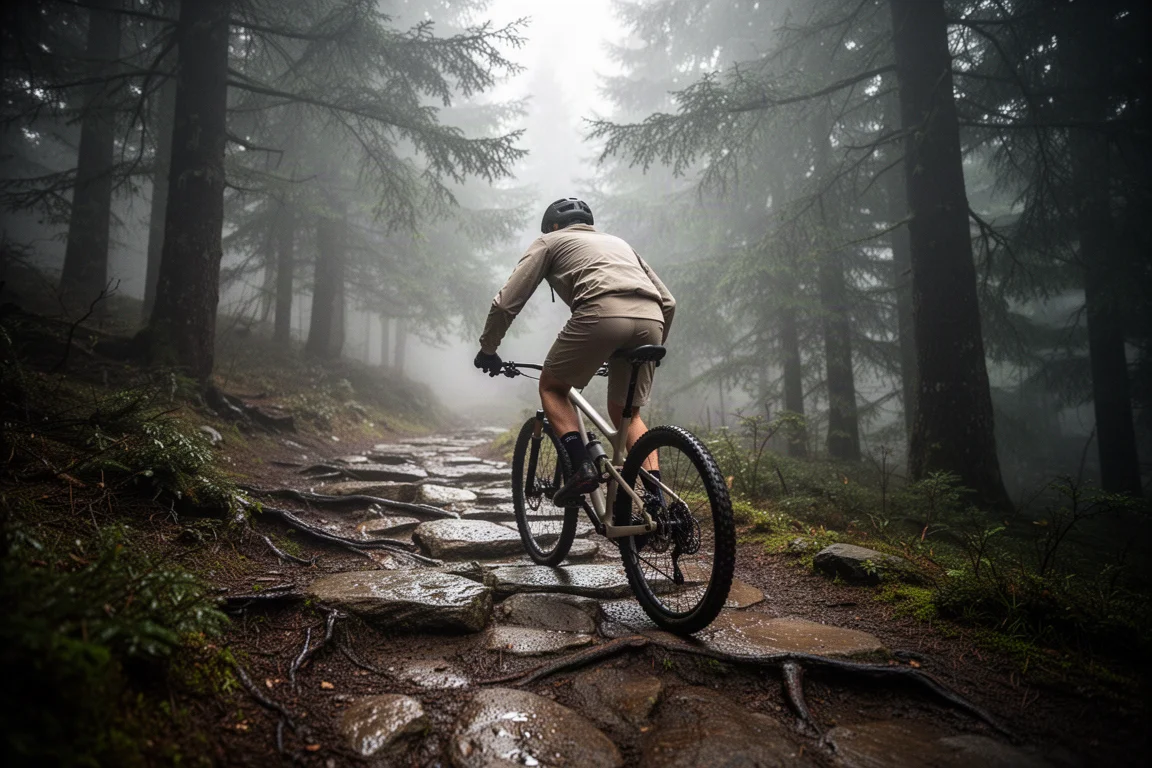
It also suits riders who found full-power electric mountain bikes to be too much. A heavier, more powerful e-MTB ridden previously felt overpowered even in its lowest assistance setting, flattening climbs and removing much of the involvement. The Levo SL is tuned in the opposite direction: enough help to make difficult climbs achievable, while still asking for real work from the rider.
That balance matters most for people riding regularly. Being able to reach the top with energy left in reserve means more descents, more repeats, and more time actually riding rather than recovering.
Motor Feel and Assistance Balance
Torque is quoted at 55 Nm in the most powerful setting, and that figure describes the character of the bike well. Even in Turbo, climbing still requires effort. Gears matter more, breathing gets heavier, and a heart rate monitor confirms that the work is genuine rather than simulated.
The assistance helps a rider clear climbs that would be very tough or nearly impossible on an unassisted mountain bike, but it never takes over. The common argument that electric assistance is cheating does not hold up here. The ride is easier than on a regular mountain bike, but the effort and the elevated heart rate are still there, and the reward is arriving at the top with something left for the descent.
On a road climb in the top mode, spinning hard, the bike settled around 16 km/h, where a full-power e-MTB could sit at 25 km/h with ease. There is also no abrupt cut-off at the assistance limit of 25 km/h, roughly 15 mph. The transition is smooth enough that it is barely noticeable, which keeps the ride feeling natural.
Frame, Suspension and Handling
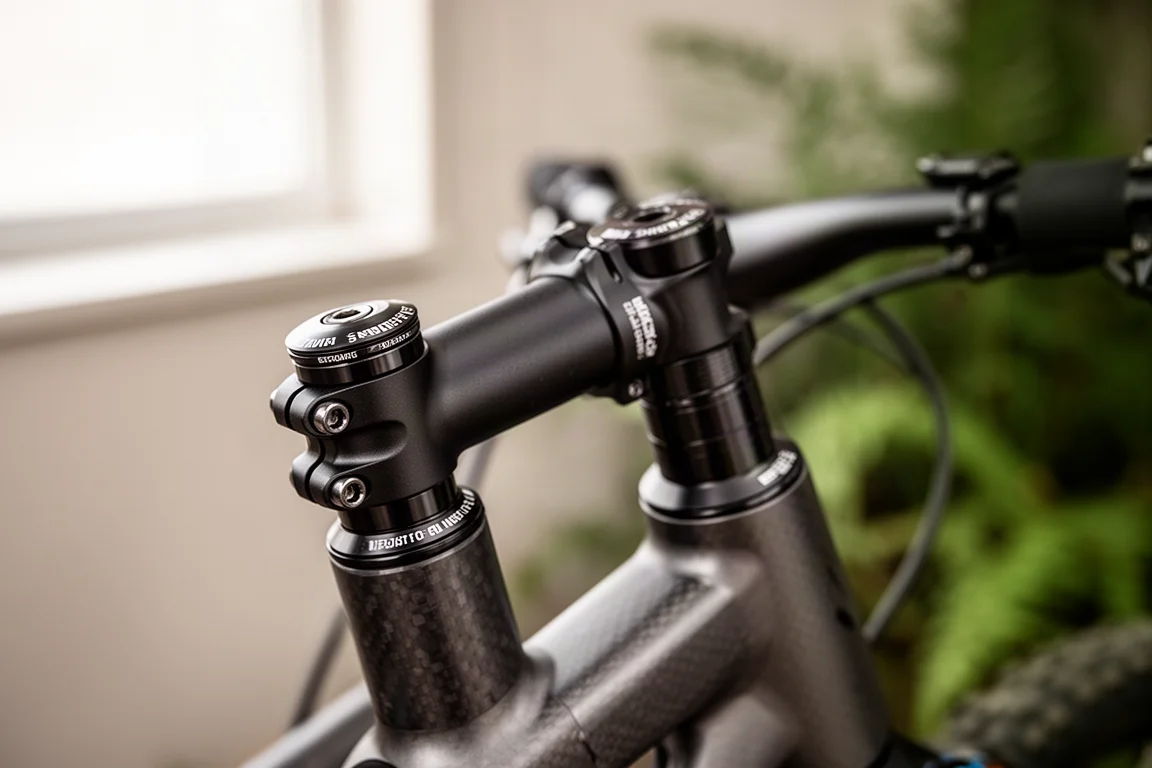
The entry-level model uses a full carbon fibre frame with a mixed wheel setup: a 29 inch front wheel for steering precision and roll-over capability, paired with a smaller 27.5 inch rear wheel for more nimble, agile handling. That combination gives the bike a playful character that belies its weight.
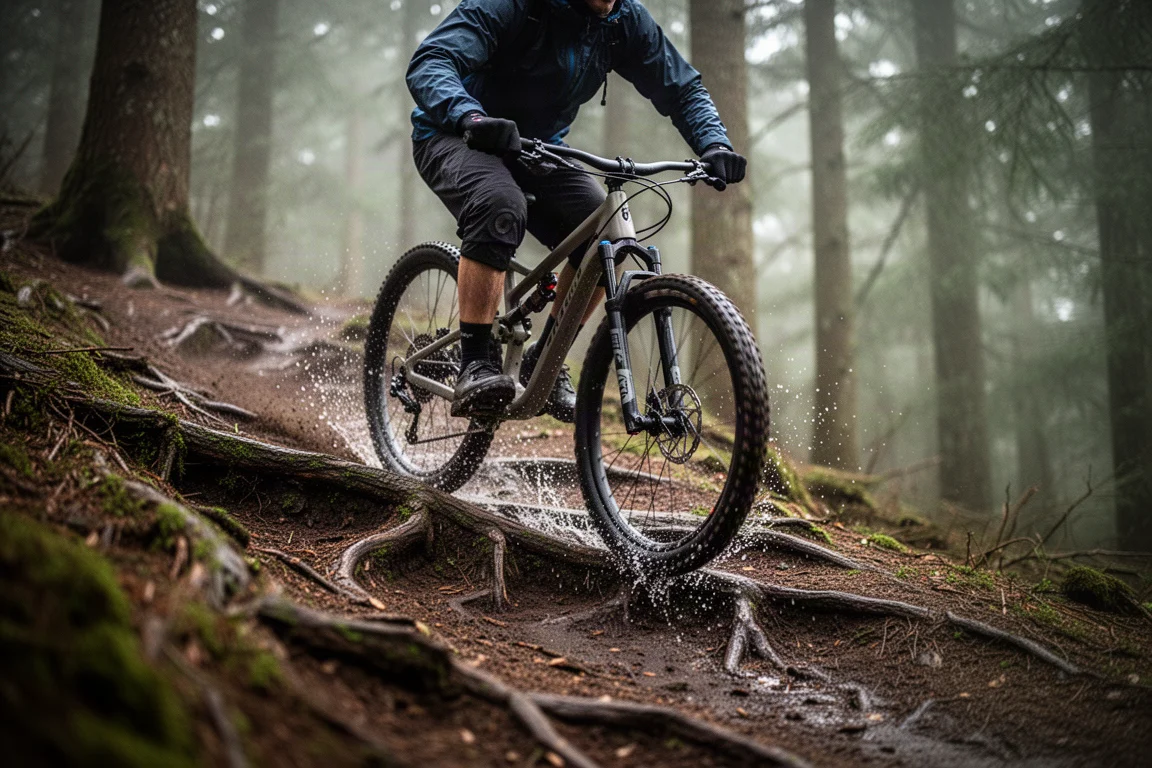
Suspension felt well judged for the trails it was ridden on, and the tyres worked well in mixed conditions. The bike can be moved around far more easily than a full-power heavyweight, and that is exactly what makes it fun rather than merely capable. Trails that had been soaked through a long, wet winter remained rideable, and the assistance helped cut through mud and keep the ride enjoyable rather than a slog.
Motor Modes, Display and Customisation
There are three modes, running from Eco up to Turbo, with a control unit on the top tube and a handlebar remote for switching between them. The display is high quality and clear, showing remaining range, speed, and distance. A smartphone app makes customising each power mode straightforward.
Default settings work well out of the box, but the real value is in tuning. Eco and Trail can be brought closer together, with Turbo kept as occasional climbing assistance, and most riding done in a detuned Trail mode that provides enough help while still demanding effort. That tuning is personal: it depends on fitness, the terrain on your doorstep, and how much work you actually want to do. Getting it right also extends the battery considerably.
Range, Battery and Charging
Realistic range with a mix of Eco and Trail, with the occasional treat of Turbo on bigger climbs, worked out at two to three hours of riding. For local trails that was plenty.
A range extender battery can be added in the bottle cage to increase distance, but it takes over the bottle mount, so longer rides then need a hydration pack instead of a bottle. It is a reasonable trade-off to plan around rather than a flaw, and for most shorter local rides the main battery is sufficient.
What to Consider Before Buying
Price is the first thing to weigh. The entry-level model costs £7,000 in the UK, which is a serious outlay, although the frame, motor, and battery are shared with the more expensive models in the range. Higher up, the same motor and battery come with fancier components, wheels, and equipment, so there is little reason to spend more unless the upgraded kit matters to you.
Second, think about whether this would be your only mountain bike. Even after three months of being genuinely impressed by the ride, performance, and capability, the decision to buy stayed open. With unlimited funds and space, it would be an easy yes, but there are several interesting lightweight electric mountain bikes arriving on the market at the same time.
Third, consider what you would miss. The appeal of riding a non-assisted mountain bike remains real, particularly for hard, focused training efforts. In an ideal world there would be room for two bikes: this one, plus a lightweight short-travel cross-country race bike for the days when the goal is to push hard. Buying two mountain bikes is expensive, and that is the honest conundrum.
Finally, the frame is UDH compatible, so a transmission rear mech and electronic shifting can be fitted if you want it, although the cable setup works very well as it is. An alloy version of the bike has since been released, which may open up a lower entry point into the same platform.
Buying Advice
Buy the Turbo Levo SL if you want more laps, less recovery time, and a bike that still feels like a mountain bike underneath you. It makes the most sense for riders whose fitness or available time has changed, and for anyone who found a full-power e-MTB overpowered and uninvolving.
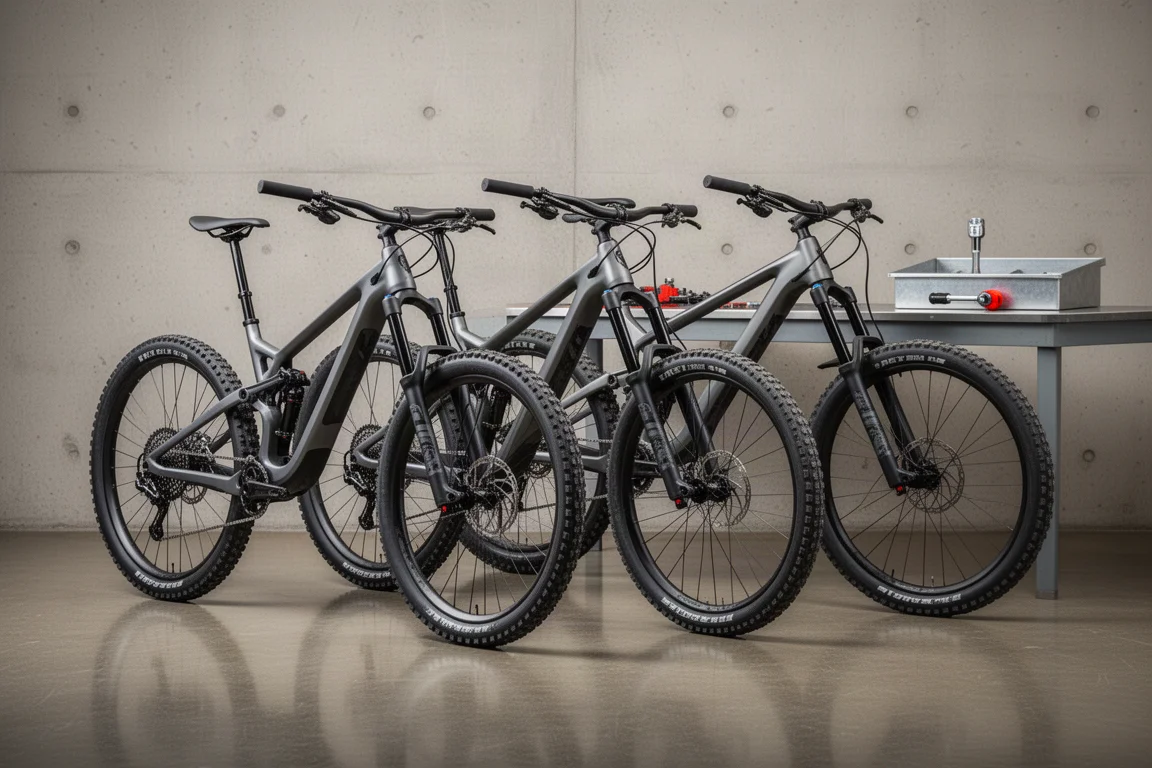
If you want maximum power and range, or if the pure challenge of an unassisted bike is the whole point for you, this is not the right fit. Start with the entry-level model rather than assuming you need a higher tier, and be realistic about whether an electric mountain bike would be your only mountain bike or the second bike in the garage. If the answer is the second bike, budget accordingly before committing.
Conclusion
As a product, the Specialized Turbo Levo SL earns a strong recommendation apart from the price, which is punchy. The motor, battery integration, and interface all work well together, and the lightweight formula makes far more sense for this kind of riding and fitness level than a full-fat electric mountain bike. It is more fun to ride, more challenging than expected, and still delivers a genuine workout.
Whether it becomes a permanent part of the garage is a different question, and one worth answering slowly. What three months of riding does make clear is that a lightweight electric mountain bike keeps the effort, the heart rate, and the fun intact while making more riding possible in less time.
Product link
View more details for Specialized Turbo Levo SL
This product is mentioned in the review. Check the specifications, options, and compatibility before buying.
View more details for Specialized Turbo Levo SLFurther reading
Related Reviews
Electric Mountain Bikes
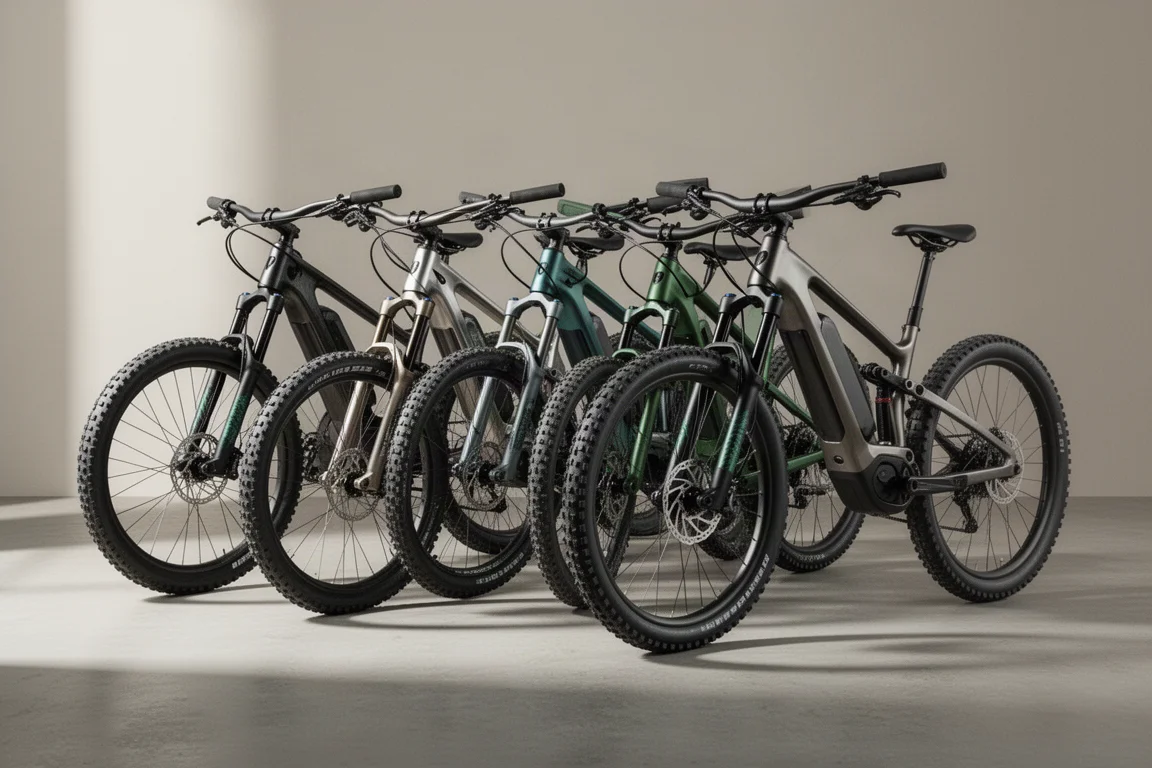
Best E-Mountain Bikes: Five Electric Trail and Enduro Bikes Compared
A practical look at five electric mountain bikes, from a lightweight carbon trail build to long-travel enduro machines, with the trade-offs that matter before you buy.
Electric Mountain Bikes
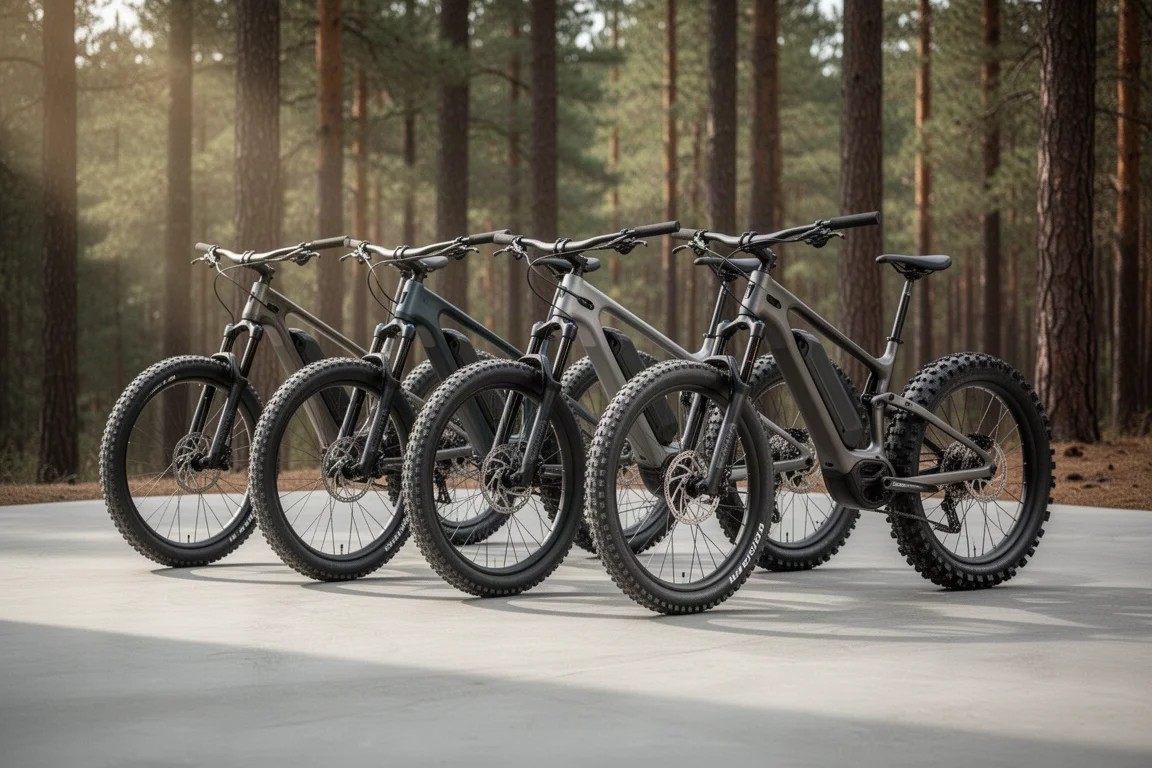
Best Electric Mountain Bikes 2026: Four Price Points Compared
Four electric mountain bikes from £999 to £9,999 compared on motor power, battery capacity, weight, and trail performance.
Electric Mountain Bikes
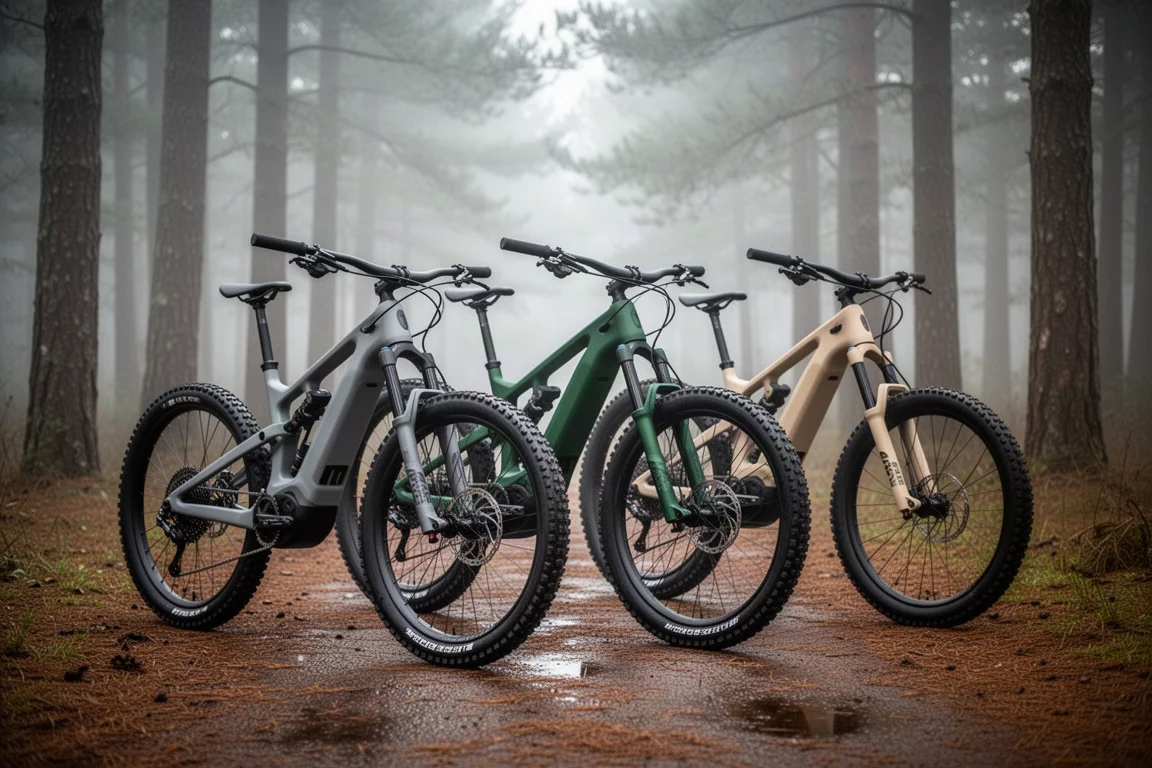
Best Electric Mountain Bikes: Five E-MTBs Worth Shortlisting
Five full-suspension electric mountain bikes compared, from lightweight trail machines to full-power enduro rigs, with the strengths and trade-offs to weigh before buying.