Mountain Bikes
Specialized Stumpjumper Pro Review: Fast, Efficient Trail Performance
A close look at the Specialized Stumpjumper Pro, covering its Factory-level suspension, carbon wheels, electronic shifting, and how it rides on flowing trail terrain.
Introduction
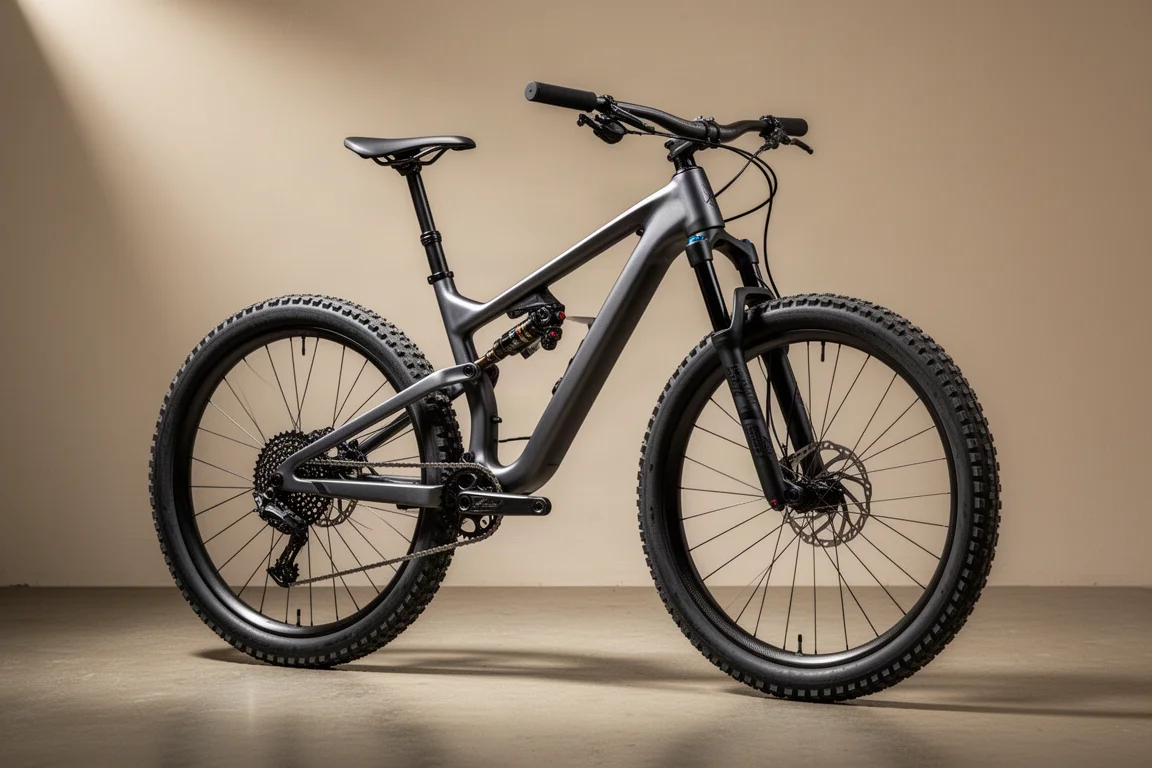
The Specialized Stumpjumper Pro is built on the same frame as the Stumpjumper Expert, which makes the Pro an easy build to understand. Geometry and suspension layout carry over, while the parts list steps up: Factory-level suspension, carbon wheels, carbon bars and cranks, and electronic X01 shifting are the headline changes.
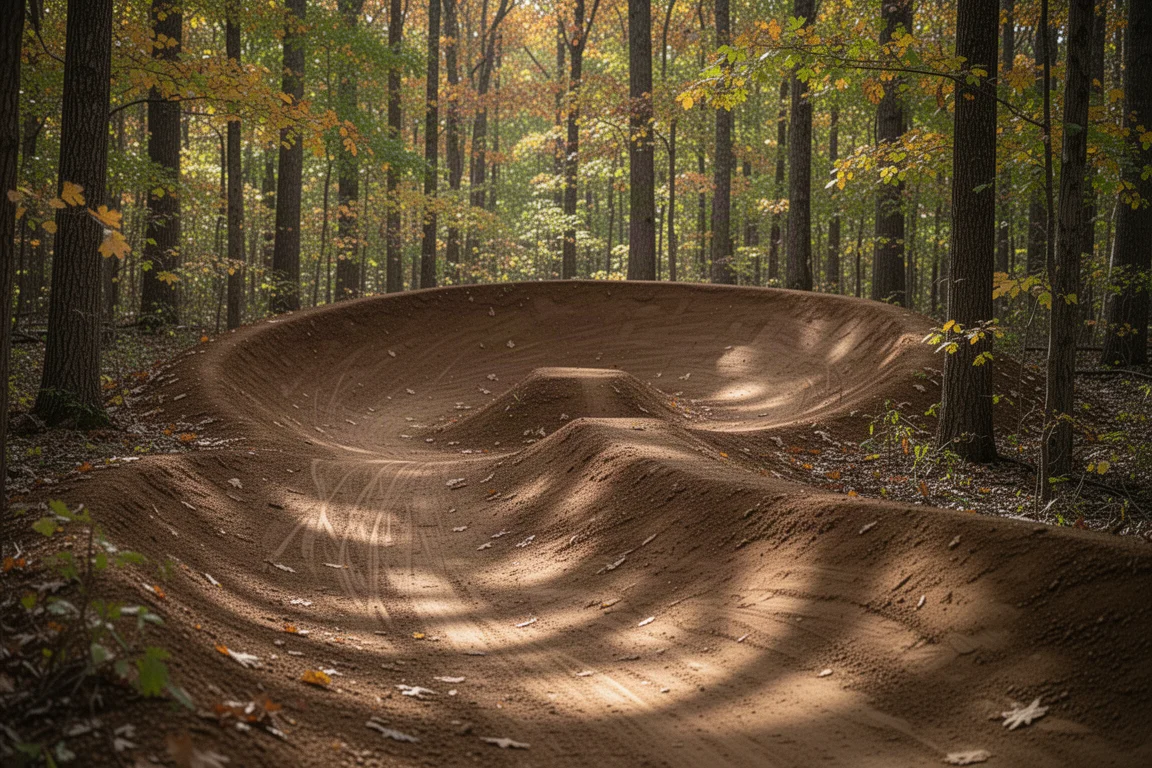
Ride time on the Pro covered climbing, machine-built flow trails, sculpted berms, jumps, and rockier descents in Vermont, with roughly two hours in the saddle on the S3 size. The impression that stays is speed. The bike accelerates hard out of corners, holds momentum well, and the carbon cockpit keeps fatigue at the hands low over a long ride.
That combination matters, because the Pro is not simply a costlier version of a familiar bike. The upgrades change the ride in ways that are obvious within the first few corners, and the wheels are the clearest reason why.
Who This Bike Is For
The Pro suits trail riders who value efficiency, quick acceleration, and a light, responsive feel over plush composure in the roughest terrain. Riders who spend most of their time on flow trails, jump lines, and rolling singletrack will get the most from it.
It also suits riders who already like the Stumpjumper platform and want the version that arrives with the parts many owners would otherwise upgrade themselves: carbon wheels, a carbon bar, and a better fork damper.
Sizing deserves attention. Riders around 5’10” sit between the S3 and the S4. The S3 felt more controlled and easier to lean into corners, while the S4 offers a longer, more stretched-out position.
Main Strengths
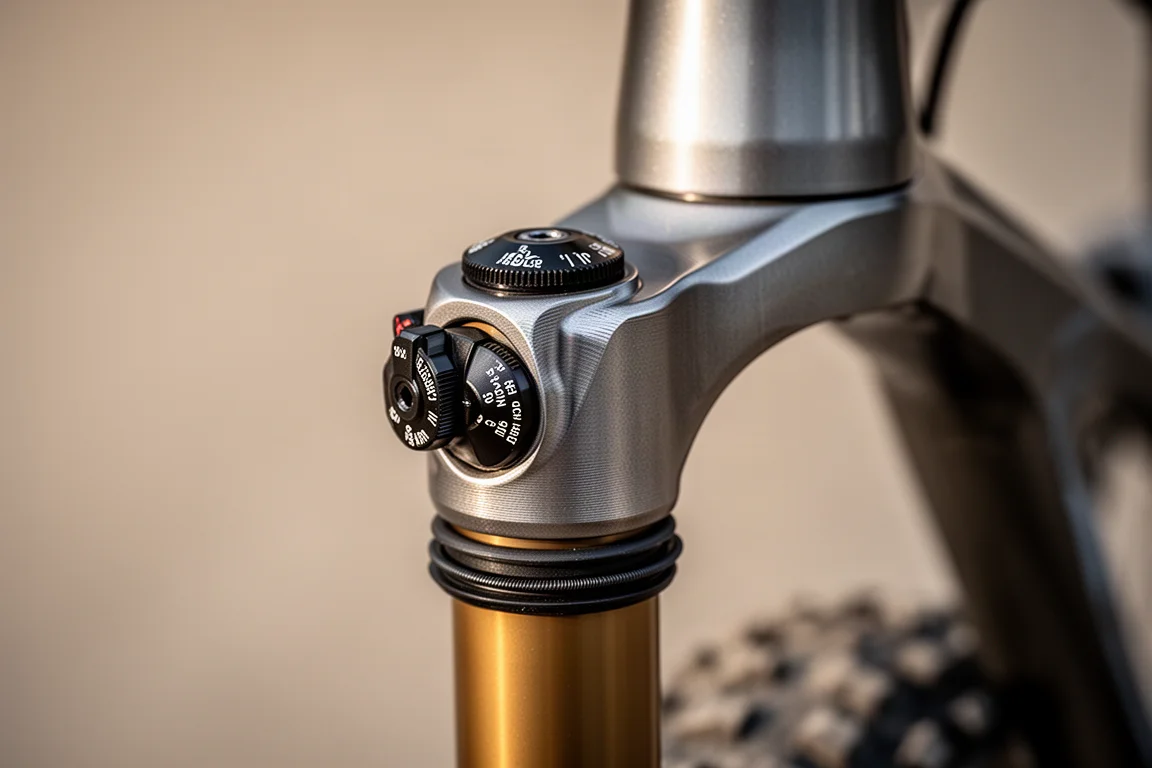
The suspension package is the first thing to notice. The fork adds high- and low-speed compression adjustment alongside rebound, which gives far more room to tune the ride than a simpler damper. The rear shock offers a smaller adjustment range, so the fork is where most of the tuning happens.
Carbon wheels are the second major upgrade, and arguably the most consequential. Rotational weight is where the difference shows up: the bike spins up quickly out of corners, and each pedal stroke converts to forward momentum almost immediately. Overall bike weight may not change dramatically, but the feel does.
The rear hub is a DT Swiss 350 rather than a 370, which means a star ratchet design rather than a pawl setup, and it remains serviceable and upgradable over time. Electronic X01 shifting is fast and precise, and it is most appreciated on climbs where clean shifts under load matter. Carbon cranks and a 35mm stem round out a cockpit that feels deliberately chosen rather than assembled from whatever was available.
The carbon bar deserves its own mention. Small-bump vibration reaching the hands is reduced, and after roughly two hours of riding, hand fatigue was not a factor.
Trail Performance and Efficiency
The Pro’s defining trait is efficiency. It gains speed in places where a heavier bike would lose it: pumping rollers, loading the rear wheel over roots, and driving out of berms. Even in rockier sections where momentum drops away, the bike recovers it quickly.
That efficiency partly compensates for the suspension travel. In chundery, rocky terrain, a longer-travel bike feels calmer and more planted, and the Pro can feel a little touchy when a jump is overshot or a section turns rough. It never feels out of its depth, but it does ask the rider to be more precise.
On flow trails the picture changes. Tight, bermed, jump-filled descents suit the Pro well, and the quick handling that feels slightly nervous on rough ground becomes an advantage once the trail is shaped and fast.
Things to Consider Before Buying
Electronic shifting takes some adaptation. The shifter layout is reversed compared to a mechanical setup, and moving through several gears means a series of rapid individual clicks rather than one long sweep. Riders who habitually ratchet through multiple gears will need a few rides to adjust.

The bike is at its best on shaped, flowing trails and less at home in sustained rough terrain, where a longer-travel bike has a clear edge. Riders whose local descents are rocky and steep from top to bottom should weigh that carefully.
Sizing is the other decision to get right. The S3 and S4 sit close together for riders around 5’10”. The smaller size felt more controlled, but taller riders or those who prefer a stretched-out position may lean toward the S4.
Finally, the Pro build includes parts the Expert does not, so it occupies a higher position in the range. Buyers who specifically want the carbon wheels and the upgraded fork damper should compare the two builds carefully, because the Expert remains a strong value for riders who are happy to upgrade later.
Sizing and Fit Notes
The S3 uses a 35mm stem and a 780mm carbon bar, a combination that places the hands slightly forward and provides plenty of leverage for steering through tight, technical sections. Riders who prefer a narrower bar or a longer stem may want to adjust, but the stock setup is well matched to the bike’s quick handling.
For riders around 5’10”, the S3 is the more controlled choice and the S4 the more stretched-out one. Both are viable, and the decision comes down to whether control or roominess matters more.
Buying Advice
The Stumpjumper Pro makes the most sense for riders who want a trail bike that feels fast everywhere: on the climb, out of every corner, and along flow trails where momentum is everything. The carbon wheels and the adjustable fork are the two upgrades that justify the build, and both are the kind of parts many riders would buy anyway.
Riders who spend most of their time in rough, rocky terrain may prefer a longer-travel option or a build with more suspension adjustment at the rear. Riders who are unsure about electronic shifting should consider whether the quick, precise shifts are worth the relearning period; the payoff is real, particularly on climbs.
For everyone else, the Pro is a coherent, fast, and comfortable trail bike that gets the important details right.
Conclusion
The Specialized Stumpjumper Pro is a quick, efficient trail bike with a parts list that makes a visible difference. The carbon wheels transform how it accelerates, the fork damper adds genuine tuning range, and the carbon cockpit keeps long rides comfortable. It is not the calmest choice in rough terrain, and the electronic shifter takes some getting used to, but on flowing trails it is hard to fault.
Product link
View more details for Specialized Stumpjumper Pro
This product is mentioned in the review. Check the specifications, options, and compatibility before buying.
View more details for Specialized Stumpjumper ProFurther reading
Related Reviews
Mountain Bikes
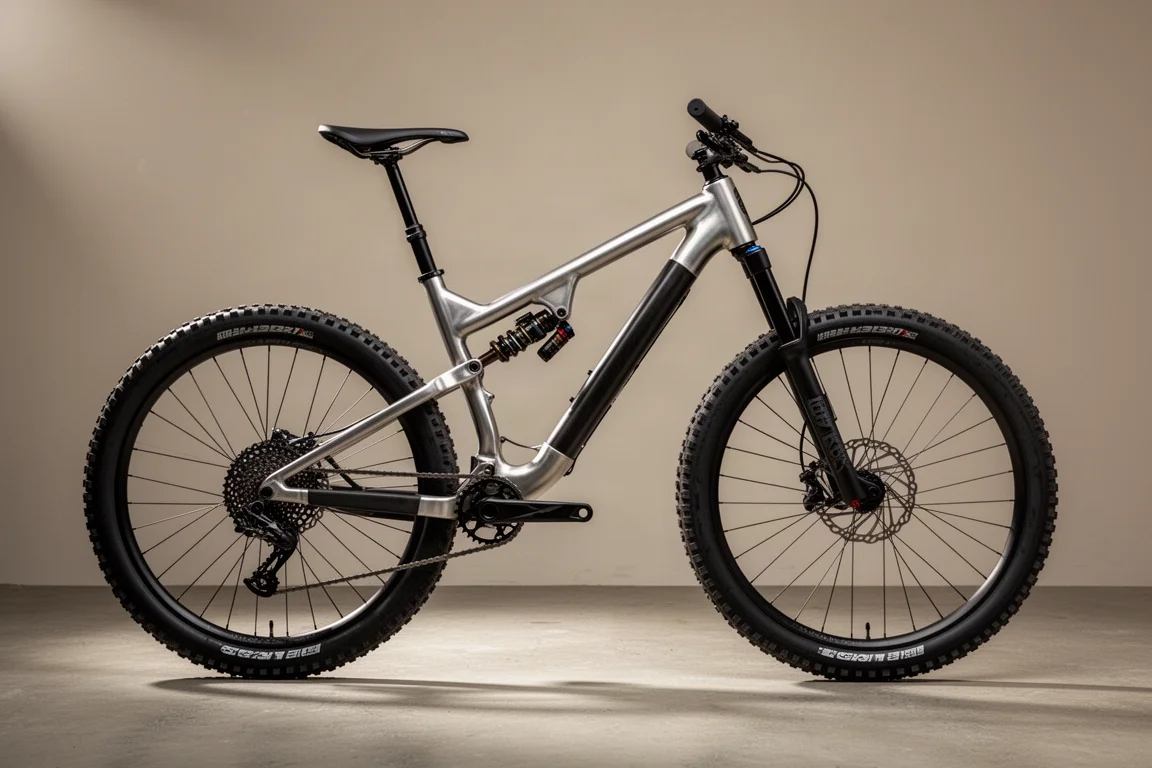
Atherton AM.130 Review: 3D-Printed Titanium Lugs and a 130mm Trail Bike That Descends Like a Bigger Machine
The Atherton AM.130 pairs 3D-printed titanium lugs with carbon tubes and a DW6 suspension platform. Here is how it rides, what the build delivers, and who it suits.
Mountain Bikes
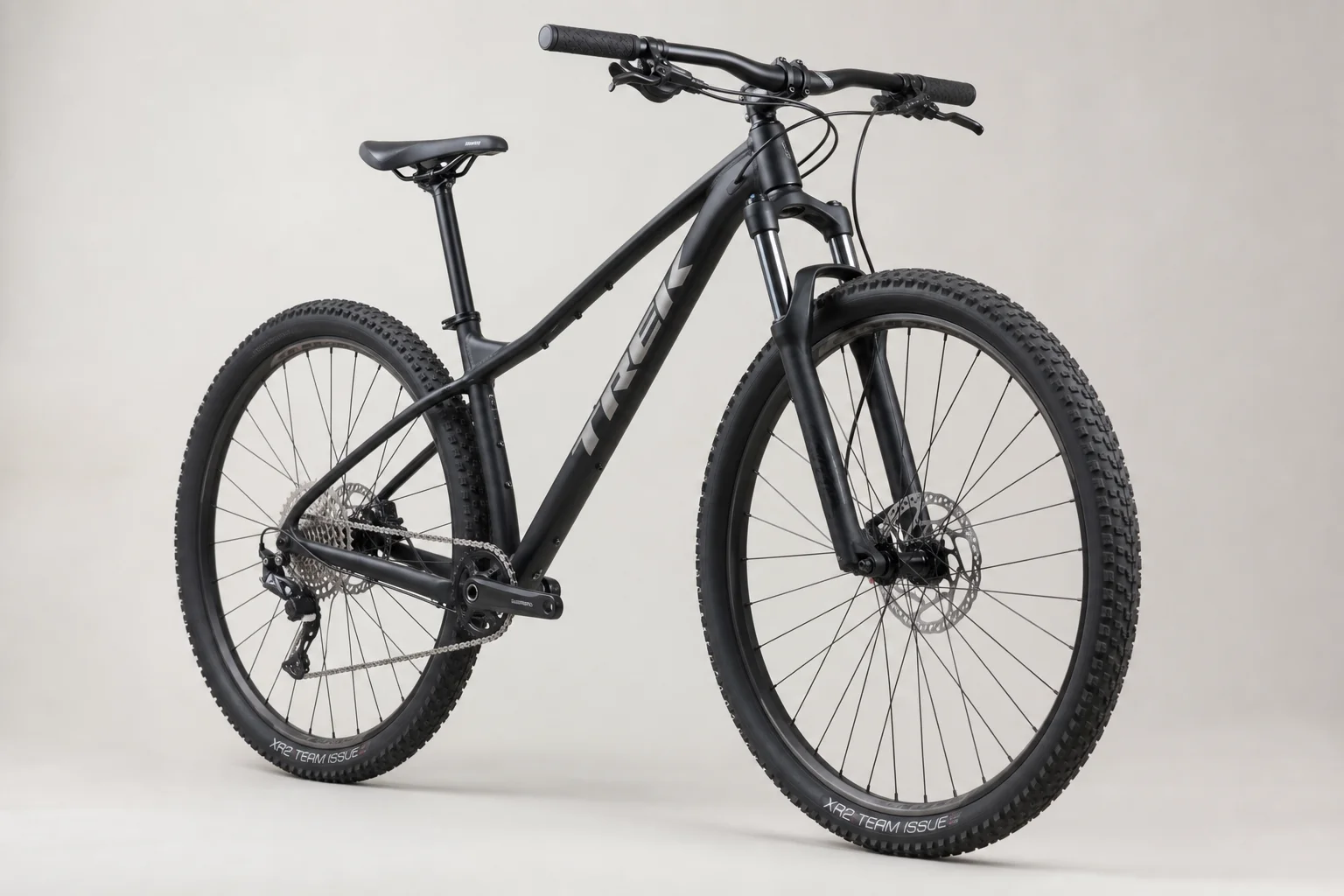
Beginner Mountain Bike Buying Guide: What to Look For in a Trailworthy Hardtail
A practical framework for evaluating beginner mountain bikes, whether new or used, by examining key components that indicate real trail capability.
Mountain Bikes
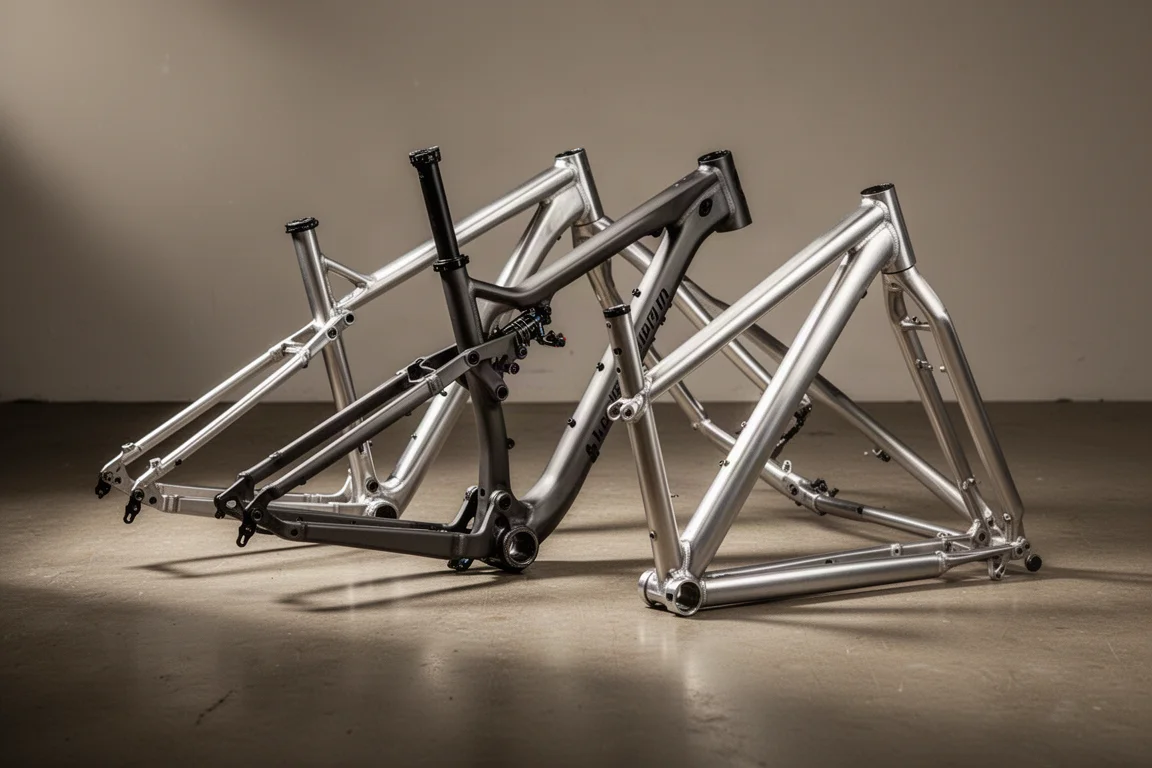
Best Aluminum Mountain Bikes 2026: Five Alloy Bikes Worth Your Attention
Five aluminum mountain bikes that show how far alloy has come, from a 120mm trail bike and a versatile machined frame to a 180mm freeride machine.