Mountain Bikes
Specialized Stumpjumper EVO Comp Review: Plush Descending and Real Adjustability
A 160/150mm mountain bike that trades some climbing pace for composure on rough descents, with unusual frame adjustability and strong value at its discounted price.
Introduction
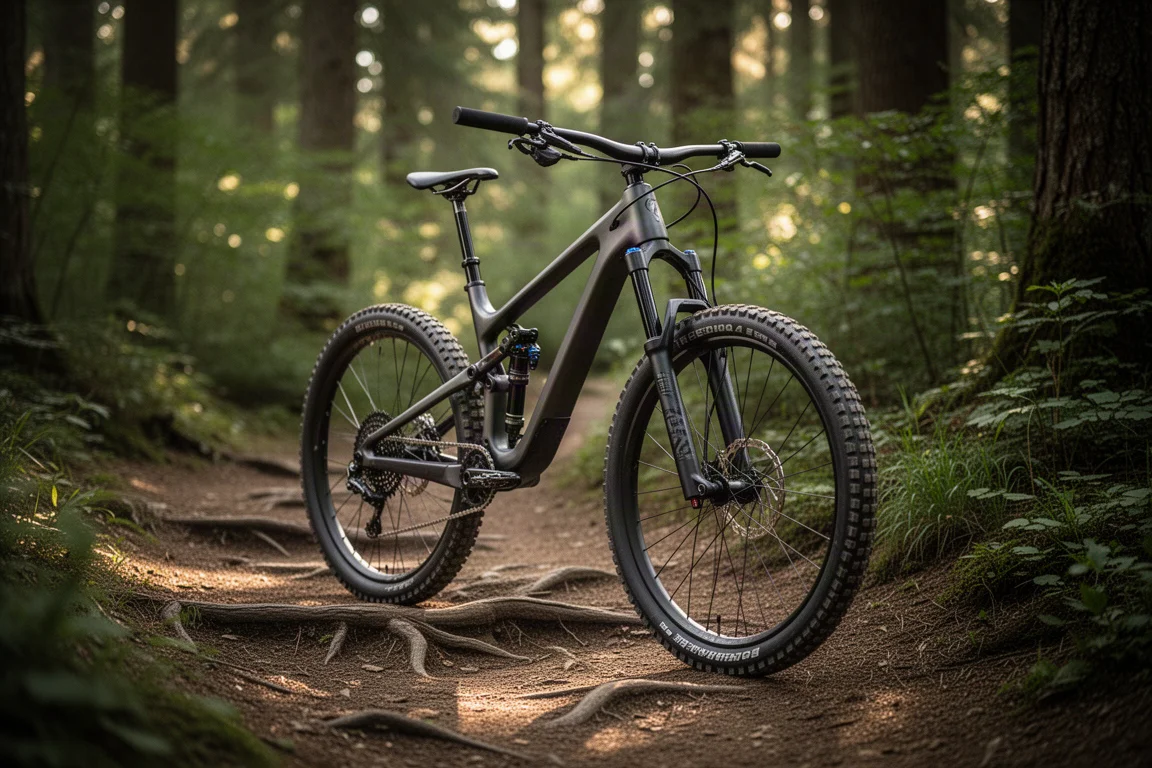
The Specialized Stumpjumper EVO Comp Carbon is a full suspension mountain bike with 160mm of front travel and 150mm at the rear. It sits in a category that has to do several jobs at once: pedal to the top, stay composed when the trail turns rough, and still feel enjoyable on a jump line.
Ridden back to back against the standard Stumpjumper, the EVO shows a clear personality. It gives up some climbing pace and low-speed agility in exchange for a plusher, more forgiving ride on demanding descents. It also carries a $5,400 full price, with a markdown listed on the manufacturer’s site at the time of writing, which makes the value argument unusually easy to make.
Who the Stumpjumper EVO Comp Is For
This is a bike for riders who have spent time on trails and are now starting to ride bigger, more challenging terrain. It works as a step up in suspension travel and overall capability rather than a blanket upgrade for every rider.
It also suits riders who like to tinker. The frame offers adjustment at many points, so geometry and ride feel can be tailored well beyond what most bikes in this class allow.
Riders who mostly ride flowing trails and value a quick, snappy feel may be better matched to a standard Stumpjumper. The EVO leans toward stability and composure at speed rather than instant acceleration out of every corner.
Main Strengths
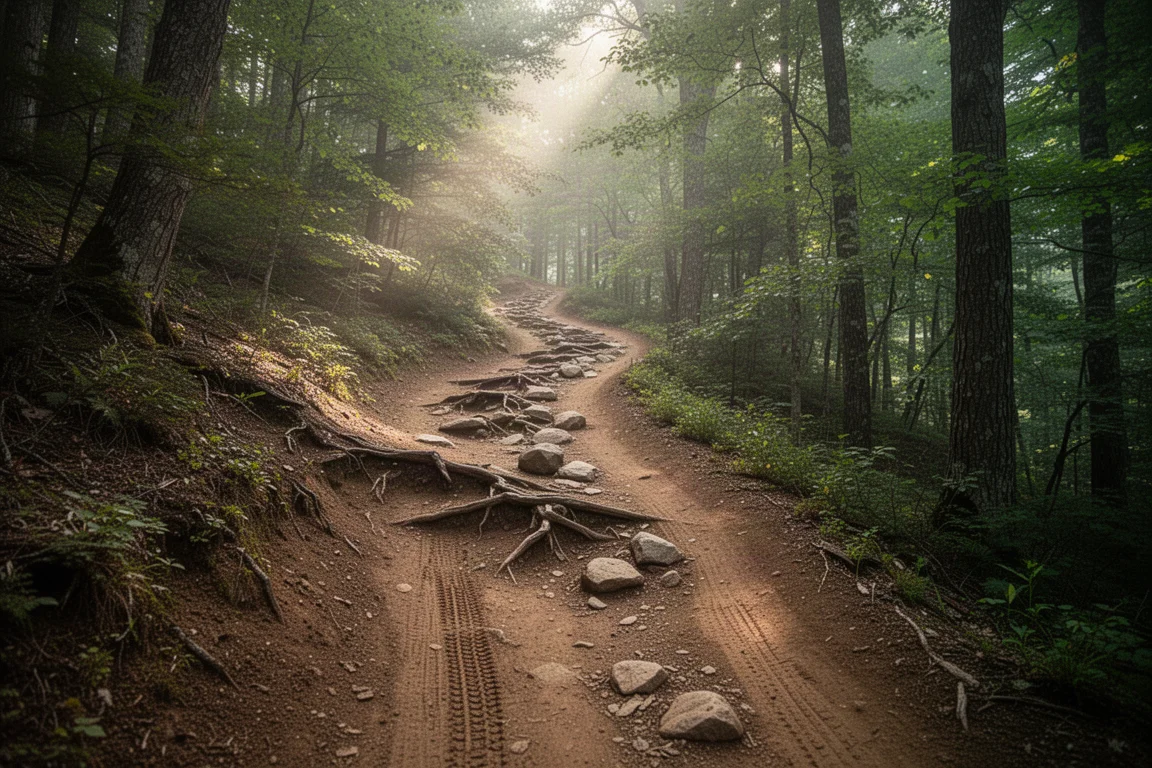
Rough terrain is where this bike makes its case. It rolls over obstacles easily, soaks up small bumps, and stays calm when the trail gets loose and chunky.
Descending Confidence and Rough-Terrain Composure
Compared with the standard Stumpjumper, the EVO descends better, particularly over rough ground. The suspension feels plush and the bike is forgiving, absorbing chatter and repeated hits instead of passing them on to the rider.
It corners well at speed. Commit to a line and it stays planted rather than diving to the inside, which makes fast, linked turns feel predictable rather than nervous.
Jumping and Cornering Character
Jumping produced a split opinion, and that is worth understanding before buying. One rider preferred the standard Stumpjumper for the extra snap it offered off the lip. The other found the EVO smoother and more forgiving in the air, with predictable manners and a body position that felt natural. Both observations describe the same trade: less pop, more stability and large-bump compliance.
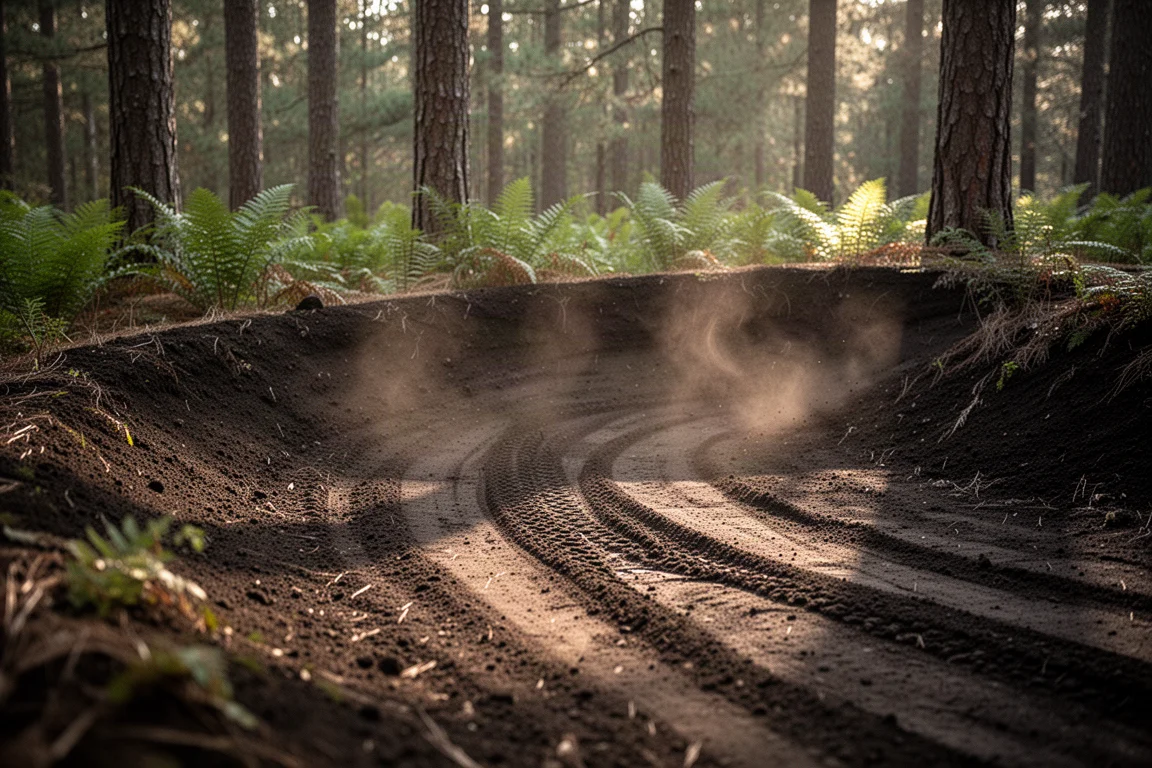
Cornering held up throughout. The bike carries speed through linked turns, stays stable when you commit, and does not punish a rider who keeps momentum. Through sustained rough sections it simply lets the trail run underneath it.
Adjustability Across the Board
The frame offers adjustment at many points, which is unusual in this price bracket. Head tube angle can be altered, and the bike can be dialled in considerably to suit a rider’s preferences and the terrain they ride most.
That adjustability cuts both ways. A very slack setting feels stable downhill but noticeably floppy at slow speed, and tight switchbacks require a wider entry line. It is a reasonable trade for downhill stability, provided the rider takes time to find a setup that matches their local trails.
Things to Consider Before Buying
Climbing Pace and Pedal Strikes
This bike does not climb like the standard Stumpjumper. It is smooth and capable on the way up rather than quick, which is fair for a 160/150mm bike that was never designed as a dedicated climber.
Pedal strikes deserve attention. The bottom bracket sits low, and the pedals contacted the ground twice on climbs in spots where contact would not normally be expected. Riders who keep pedalling through technical, rooty climbs should factor that into their decision.
Asymmetrical Frame Contact
The asymmetrical frame design caused repeated contact with the rider’s right knee, to the point of discomfort. It was the most significant complaint raised about the bike, and it is the kind of issue worth checking with your own stance on a test ride if one is available.
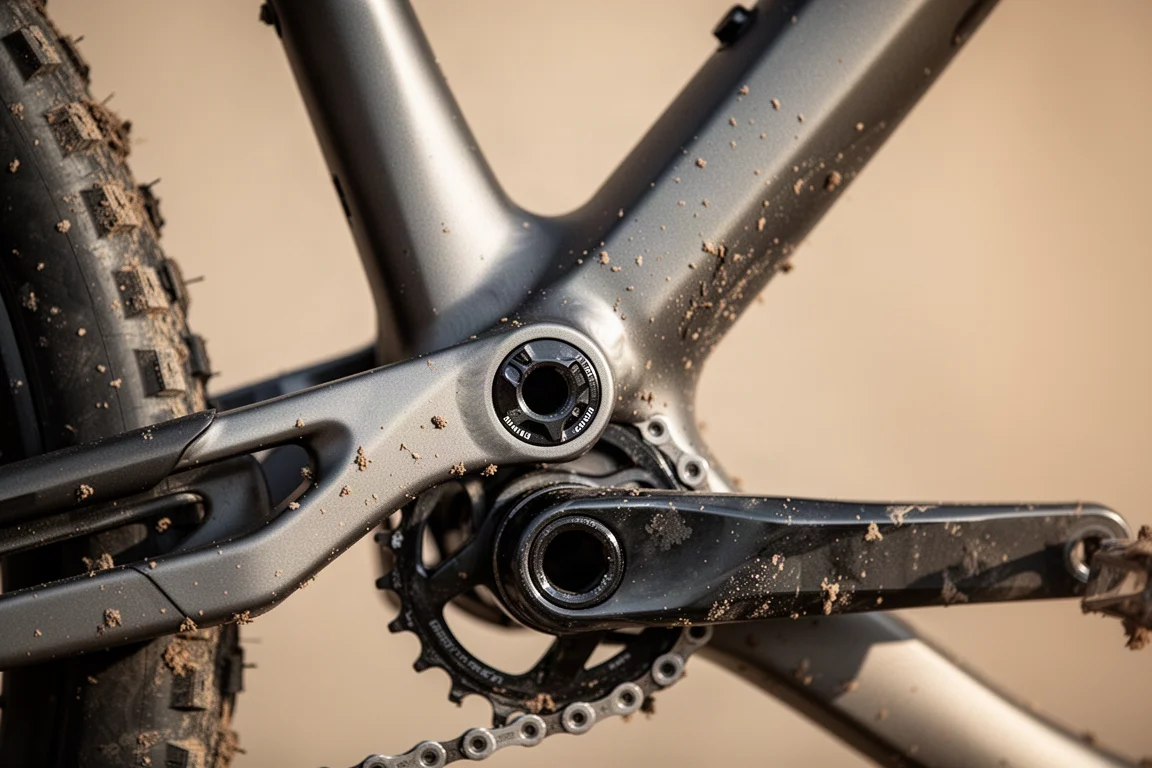
This is a personal-fit question rather than a performance one, but it is exactly the sort of detail that only becomes clear over a long ride rather than a short spin.
Low-Speed Steering and Suspension Setup
In the slackest geometry setting, the front wheel wants to flop at low speed. Tight, slow corners need a wider approach, and the steering feels less precise there than on a quicker-handling trail bike.
Rear suspension feel also rewards patience. The shock does not offer endless adjustability, but time spent on setup can reduce the bouncier feel some riders notice, especially off jumps where a little more support helps. The two jumps that were not cleared on one rough section may well have been a setup question as much as a bike question.
Buying Advice
The value story here is strong. At $5,400 full price with a markdown listed on the manufacturer’s site, the EVO Comp delivers a lot of bike for the money, and the frame’s adjustability means it can grow with a rider rather than being outgrown in a season.
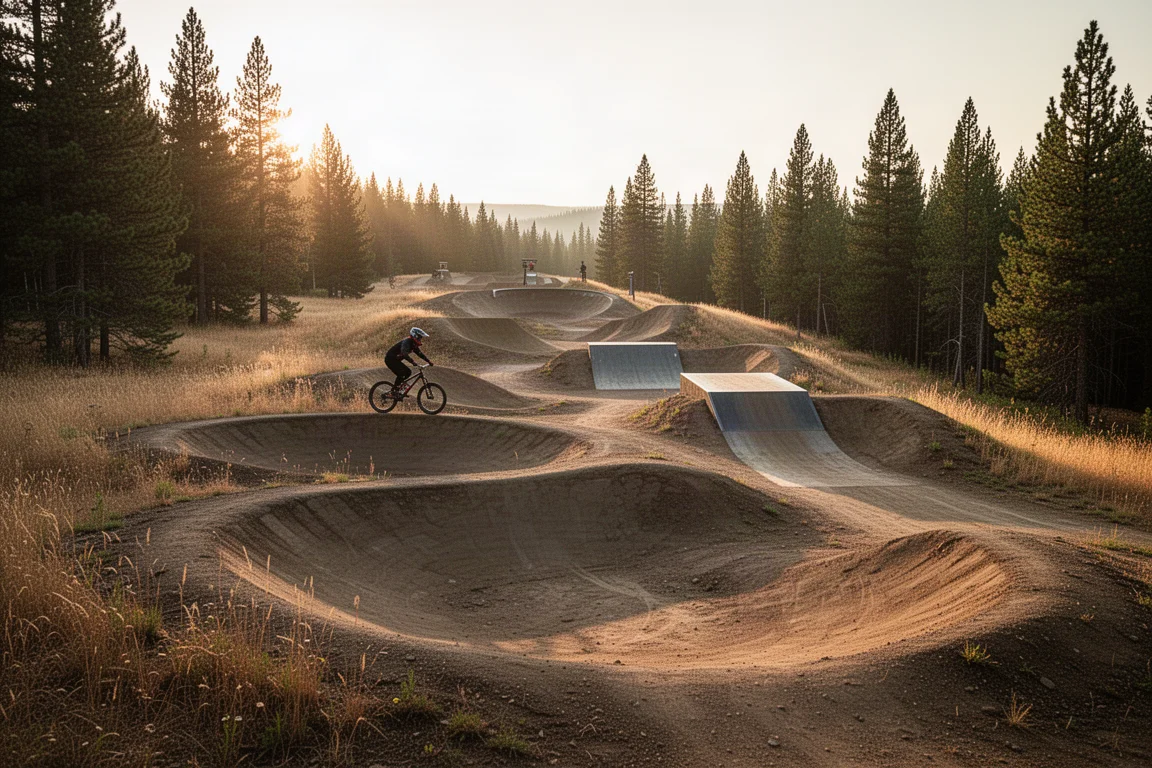
Think about the terrain you ride most. If your riding is mostly trails with the occasional bigger day, a standard Stumpjumper is likely the better trail bike for most people. If you are starting to ride bigger features and more challenging descents, or you want one bike that covers trails and moderate bike park use, the EVO is a sensible step up in travel and capability without leaning fully toward a park bike. It can handle technical descents at smaller bike parks, though the suspension is likely to reach its limits at larger, faster parks.
Component preferences are worth budgeting for as well. Riders who value comfort on long descents often move to carbon handlebars, which noticeably reduce vibration through the hands. For anyone whose priority is climbing speed and snappy handling above all else, the standard Stumpjumper remains the more natural choice.
Conclusion
The Specialized Stumpjumper EVO Comp Carbon is a plush, stable and highly adjustable mountain bike that shines on rough descents and absorbs terrain that would unsettle a quicker trail bike. It gives up some climbing pace and low-speed agility to get there, and the asymmetrical frame did not suit one rider’s knee position.
For riders moving from trail riding toward bigger terrain, or looking for a single bike that covers trails and light bike park duty, the combination of capability, adjustability and value is hard to argue with. Riders who prioritise climbing speed and quick handling should look at the standard Stumpjumper instead.
Product link
View more details for Specialized Stumpjumper EVO Comp
This product is mentioned in the review. Check the specifications, options, and compatibility before buying.
View more details for Specialized Stumpjumper EVO CompFurther reading
Related Reviews
Mountain Bikes
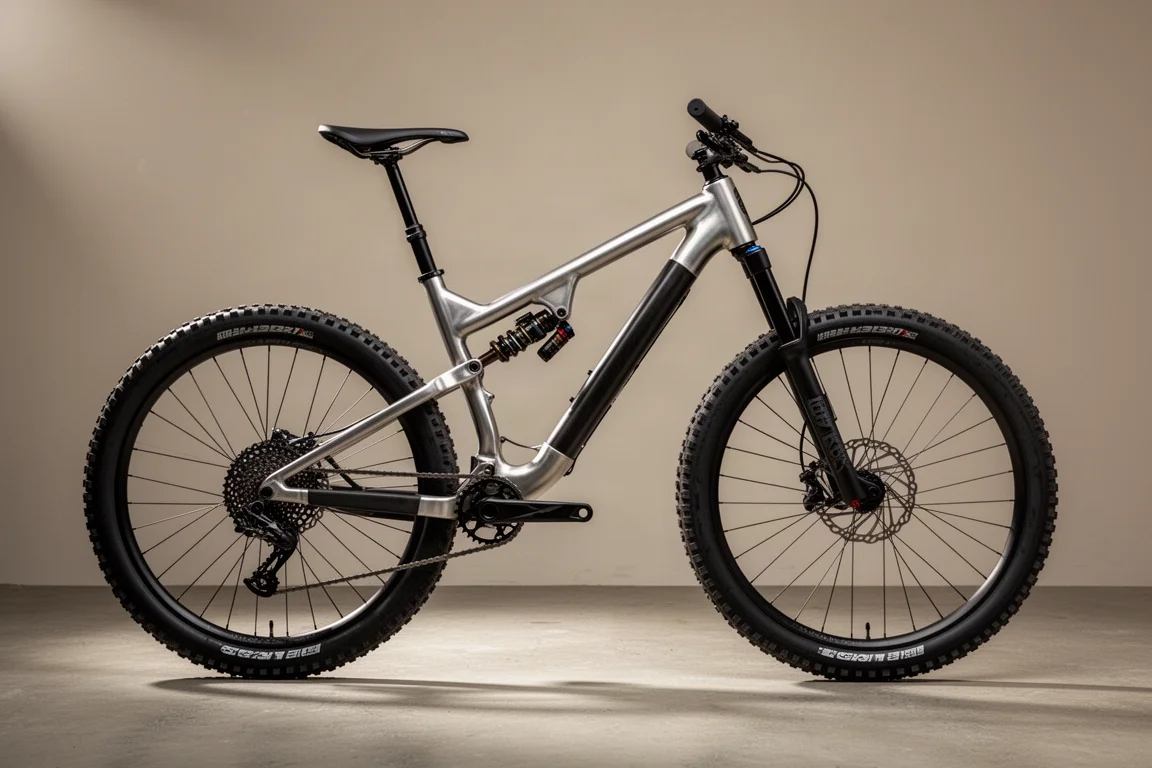
Atherton AM.130 Review: 3D-Printed Titanium Lugs and a 130mm Trail Bike That Descends Like a Bigger Machine
The Atherton AM.130 pairs 3D-printed titanium lugs with carbon tubes and a DW6 suspension platform. Here is how it rides, what the build delivers, and who it suits.
Mountain Bikes
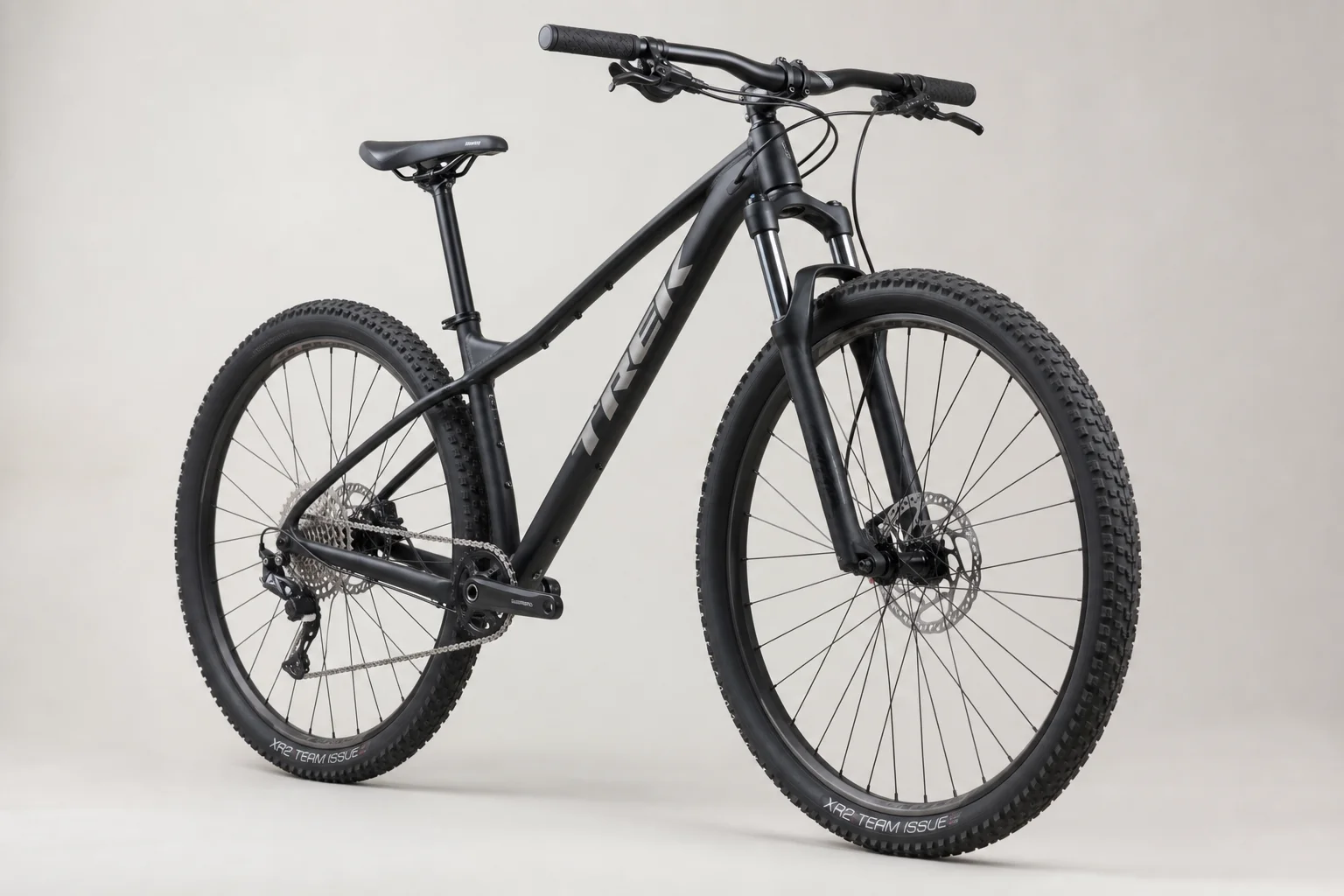
Beginner Mountain Bike Buying Guide: What to Look For in a Trailworthy Hardtail
A practical framework for evaluating beginner mountain bikes, whether new or used, by examining key components that indicate real trail capability.
Mountain Bikes
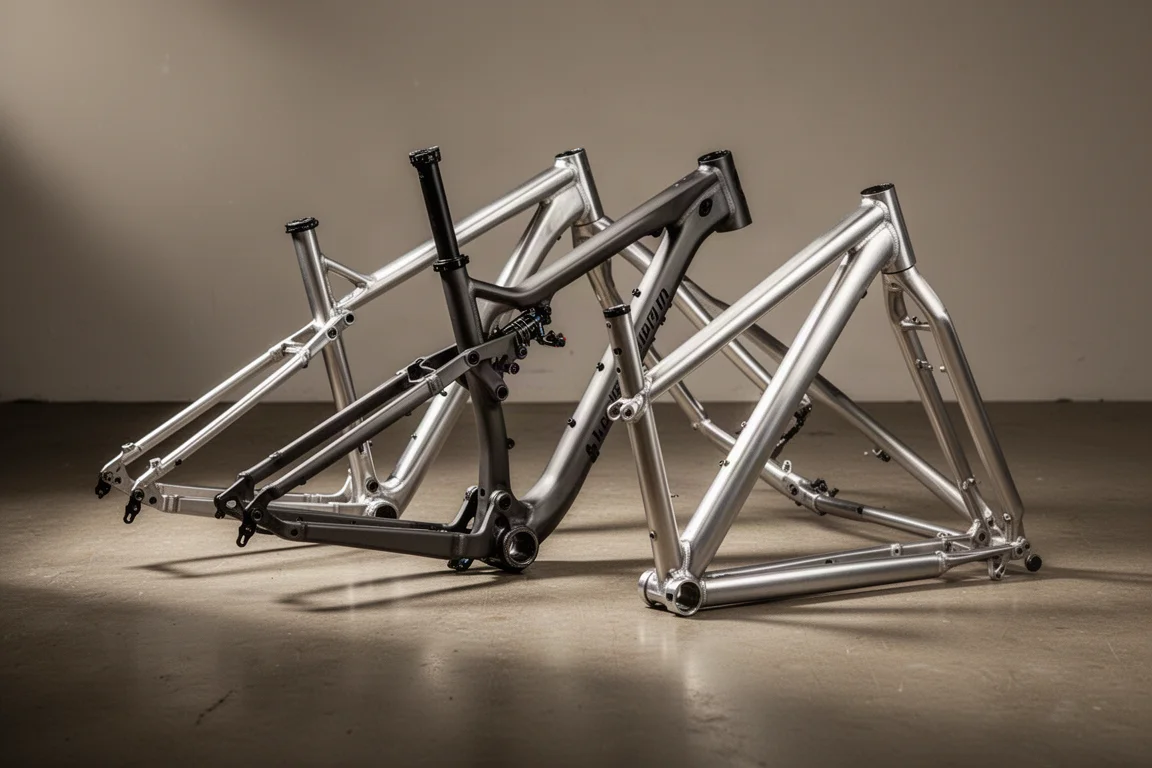
Best Aluminum Mountain Bikes 2026: Five Alloy Bikes Worth Your Attention
Five aluminum mountain bikes that show how far alloy has come, from a 120mm trail bike and a versatile machined frame to a 180mm freeride machine.