Mountain Bikes
Specialized Stumpjumper Comp Review: A Carbon Trail Bike at the Entry Point of the Range
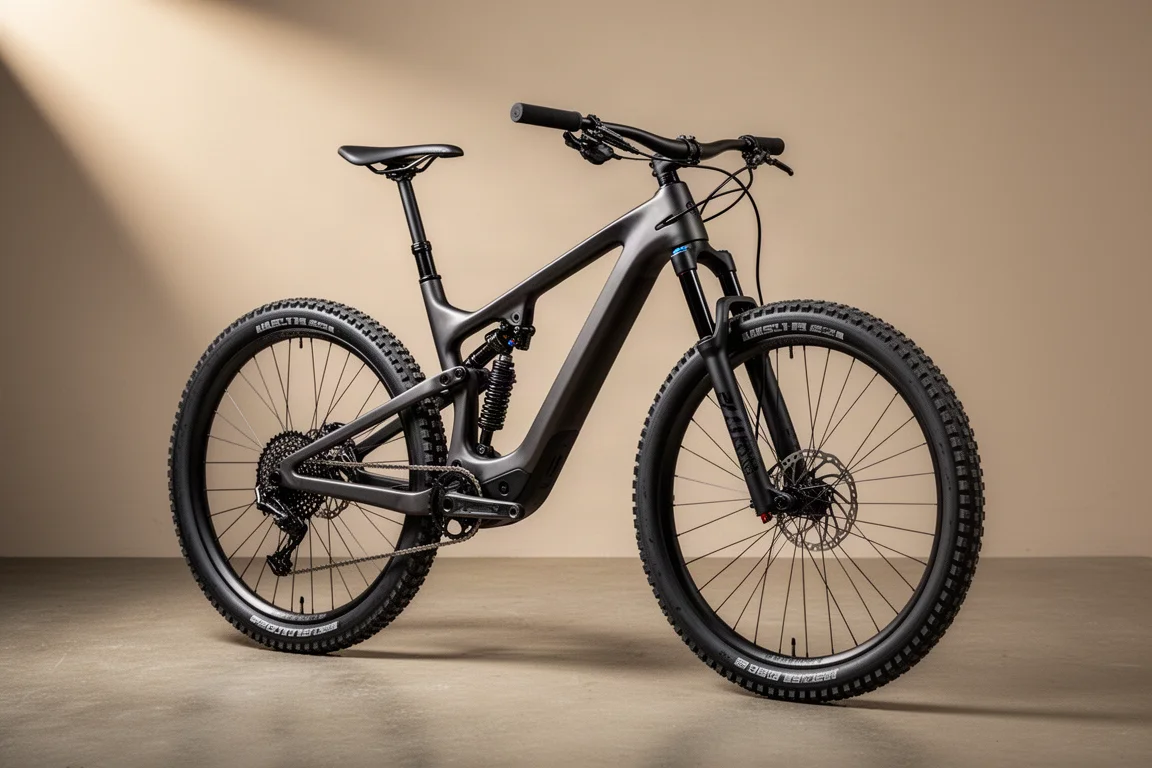
A FACT 11M carbon trail bike with 130mm of rear travel, Shimano SLX components, and geometry that suits a very wide range of riders.
Introduction
The Stumpjumper is one of Specialized’s longest-running mountain bike families, and the name stretches back close to the early years of the sport itself. The Comp is the most affordable bike in that line, a 130mm travel trail bike built around a FACT 11M carbon frame. Only the S-Works models step up to a higher grade of carbon. Specialized also offers an Evo version with a little more travel and a more aggressive shape across a wider spread of prices.
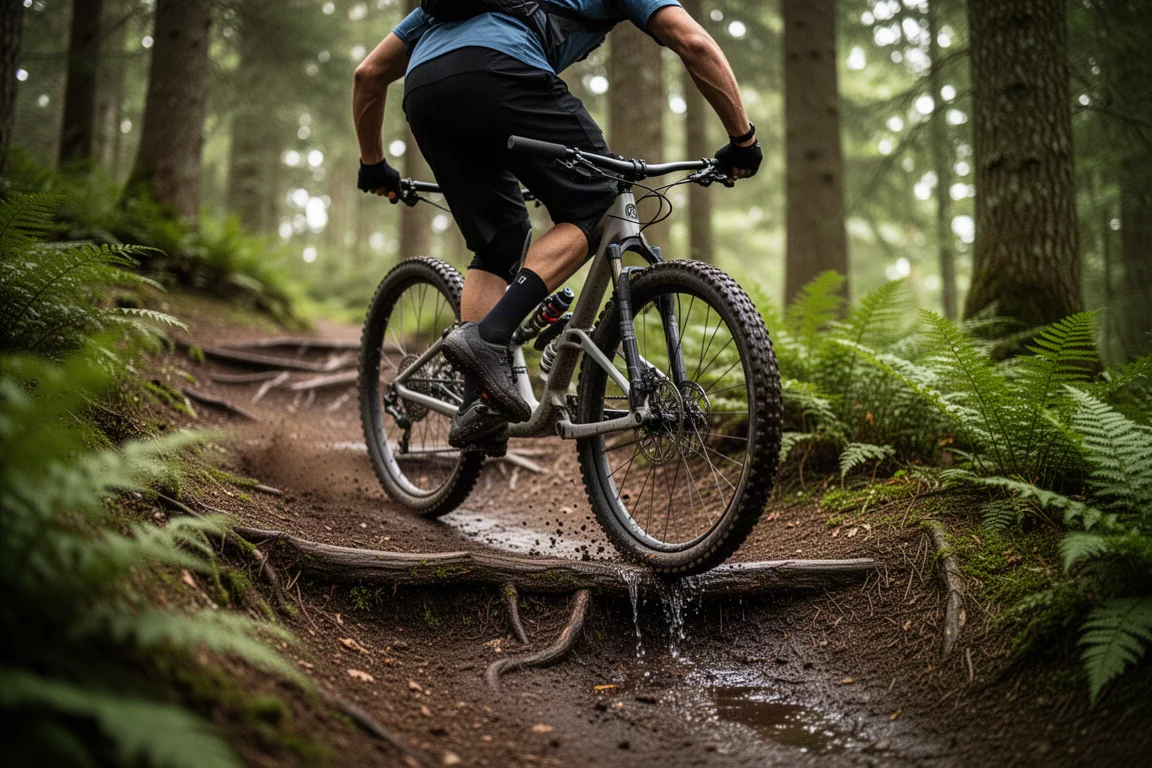
That positioning matters. The Comp is not the sharpest or wildest bike in the range, and it is not meant to be. It is the version most riders will actually consider, so the question worth answering is whether the package makes sense for the kind of riding most people do.
Who the Stumpjumper Comp Is For
This is a classic trail bike for the middle of the bell curve: riders who want a capable machine for day rides on natural singletrack, quick blasts around a trail centre, and long mixed days where climbing matters as much as descending.
It is a good match for riders who value predictable handling and a bike that feels natural from the first pedal stroke. The frame sizing, the geometry chip, and the broad component choice all point to a bike designed to suit a lot of different people rather than a narrow slice of aggressive riders.
It is a less obvious choice for anyone chasing the steepest, gnarliest tracks they can find, or for riders whose main goal is setting personal bests on fast technical descents. In those settings other machines will feel more settled and more rapid.
Frame, Geometry, and Build Details
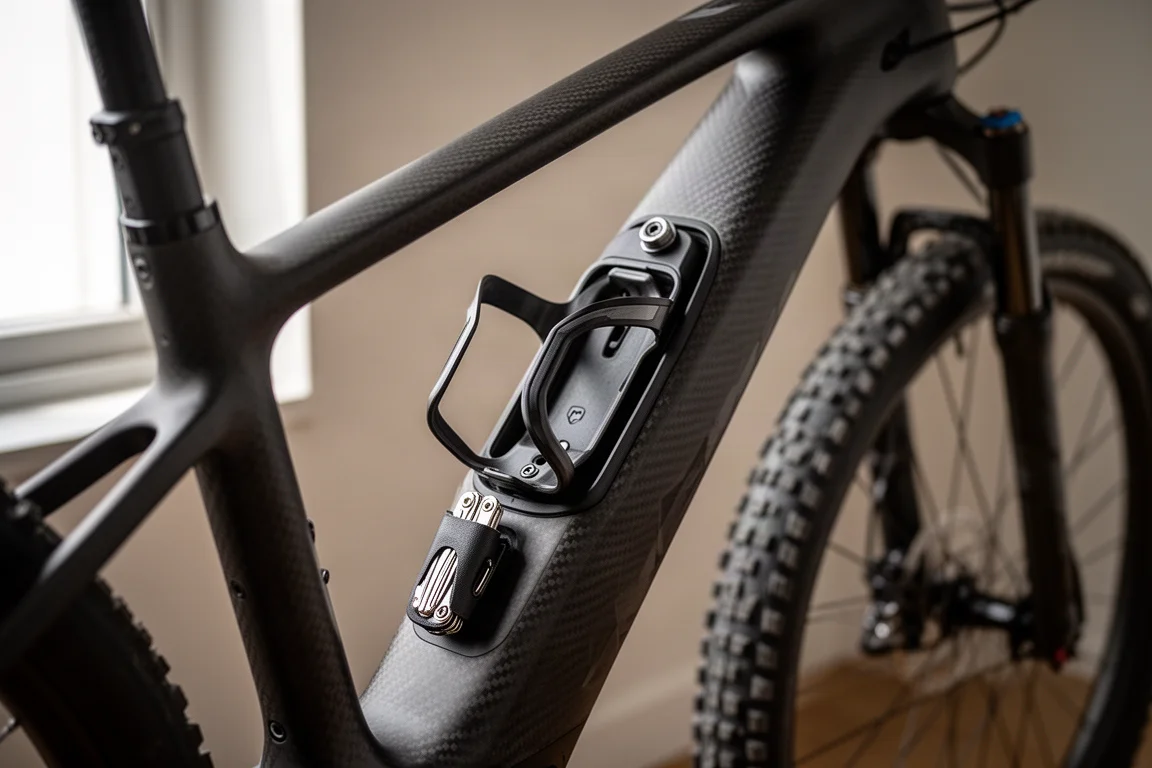
The frame is FACT 11M carbon with rubberised protection on the down tube and chainstays, which is a sensible touch for a bike that will spend time in rock gardens. The down tube also houses SWAT door storage: a plate under the bottle cage lifts away to reveal a storage compartment inside the frame, with a neat bag available if you want to use it. The included bottle cage carries a mini tool holster bolted to its base, and the mini tool covers the usual Allen key sizes.
Other frame details are refreshingly practical. There is a threaded bottom bracket, internal hose guiding, sealed bearings at the pivots, and pivot bolts that are easy to reach. Internal cables feed neatly into the head tube, which keeps cable rub to a minimum, and tyre clearance is generous.
Sizing runs from S1 to S6 rather than the usual small, medium and large labels. The idea is to buy based on bike length rather than seat tube length, and the short seat tubes mean most riders can choose between two sizes to fine tune the feel. A geometry adjusting chip shifts the head and seat angles by half a degree and moves bottom bracket height by 7mm between the high and low settings. In the low setting the tested S4 measures a 425mm seat tube, a 475mm reach, a 632mm stack, a 65 degree head angle and a 76 degree seat angle.
The build is centred on Shimano’s SLX groupset, with a 10 to 51 tooth cassette and a 30 tooth chainring. The four piston brakes are snappy and deliver plenty of power. Up front sits a Fox Rhythm 34 with a Grip damper and 140mm of travel, complete with a compression adjustment bar and an easy to grab dial on top of the fork. At the rear there is a Fox Float DPS Performance shock with a Specialized RX trail compression tune and a three position lever that toggles from open to firm.
Almost everything else comes from Specialized’s own range, including the cockpit, the 28 spoke alloy wheels and the tyres. The Purgatory and Butcher rubber uses the harder T7 compound and Grid casing in a 29 x 2.3 inch size. The one notable exception is the X-Fusion Manic dropper post, which offers 100mm of travel on the smallest S1 and 190mm on the largest S6, with the tested S4 getting 175mm.
How It Climbs
Technical climbs are where the rear suspension shines. It is impeccably smooth, helping the rear tyre extract grip from rocky and rooty steps and from wet grassy drags where traction is scarce. Because the T7 compound is not the softest and the tread is not the most aggressive, it often feels as though the suspension is doing the work of massaging extra grip out of the tyre.
On smooth climbs there is a little pedal bob, particularly if the suspension has been set up to be compliant on descents with sag in the region of 28 to 30 percent. Reaching for the shock’s lockout lever quickly settles that. The firmer rubber does help the bike roll efficiently on tarmac and fire road surfaces, so long climbs rarely feel like a chore.
At 76 degrees the seat angle is not the steepest around, though it can be effectively steepened by pushing the saddle forward in the seat clamp. For most rides that angle will be ample, and riders who spend a lot of time on steep technical climbing will appreciate having that small adjustment available.
How It Descends
On paper Specialized has set a high bar here. A slack 65 degree head angle, a long reach and a bottom bracket sitting 42mm below the axles in the low setting are all modern numbers, even with 130mm of travel at the rear. The four piston brakes working with that shape make slow speed and technical descents feel controlled, as long as the tyres can keep pace.
The Fox 34 is not an enduro fork, but it holds its own with smooth, supportive and predictable performance. When the terrain gets really rough or the fork is loaded hard into a turn, the chassis can squirm, and that becomes more noticeable with heavier riders. The Grip damper is not as sophisticated as the higher tier options in the Fox line, but it is friendly on the hands and up to the job almost all of the time.
On grippy grit stone the Butcher T7 front tyre sticks confidently, which makes rocky technical moves easy to dispatch. On smoother rock or damp roots the harder compound struggles to match softer rubber, so those surfaces demand more care. The rear suspension itself is light and responsive. It flutters nicely over high frequency stutter bumps, boosts grip when the brakes are dragged, and stays fairly active under braking loads. Harsh landings can push the shock onto its bottom out bumper, and the resulting thunk is a little more pronounced than on some bikes, but volume spacers can be added if you find yourself there regularly. Under normal weight shifts the support is there to push against.
Main Strengths
The overall package is remarkably competent. The geometry gives confident handling in most conditions, and the specification has clearly been chosen with care rather than to hit a number. It is very easy to jump on and ride, with no odd quirks to catch you out and nothing so radical that it feels awkward.
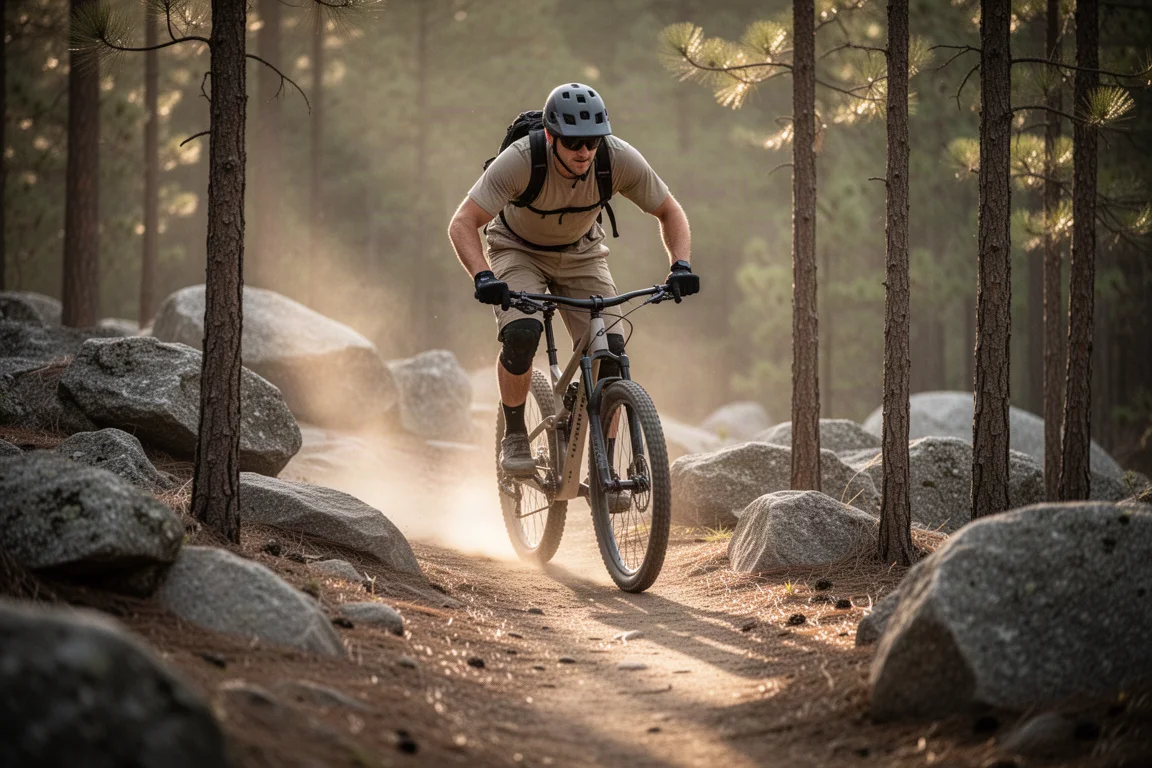
On mellower terrain the bike weaves a nice line between rocks and trees. It is not the tautest bike when pumping through rolls or stamping hard on the pedals, but it is far from sluggish. It holds speed well, encourages you to push a little harder, and is genuinely relaxed and fun to ride. If it has a natural home, it is day rides on natural singletrack and quick laps at a trail centre.
Things to Consider Before Buying
Pushed hard on fast technical terrain the bike can start to feel unsettled in its balance, and the rear suspension can feel a touch overwhelmed. It lacks the absolute composure of the most capable bikes in this class, and on the very steepest tracks some rivals feel more assured.
The tyres are the other clear compromise. The T7 compound works well on grippy rock but gives away grip on smoother rock and damp roots, so riders who ride wet roots often may want to budget for a tyre change.
It is also worth going in with realistic expectations about the suspension setup. If you run soft sag for descending comfort, you will notice pedal bob on smooth climbs and will need to use the shock lever. Running more pressure settles the rear end under power but reduces the ground hugging feel that makes the bike so good on technical climbs. Choose your setup for the terrain you ride most.
Buying Advice
For most riders, the decision comes down to riding style rather than specification. If your idea of a good day is natural singletrack, trail centre loops and long mixed rides where you want a bike that feels immediately familiar, the Comp is a strong fit. It will flatter developing riders and keep experienced riders entertained without demanding constant attention.
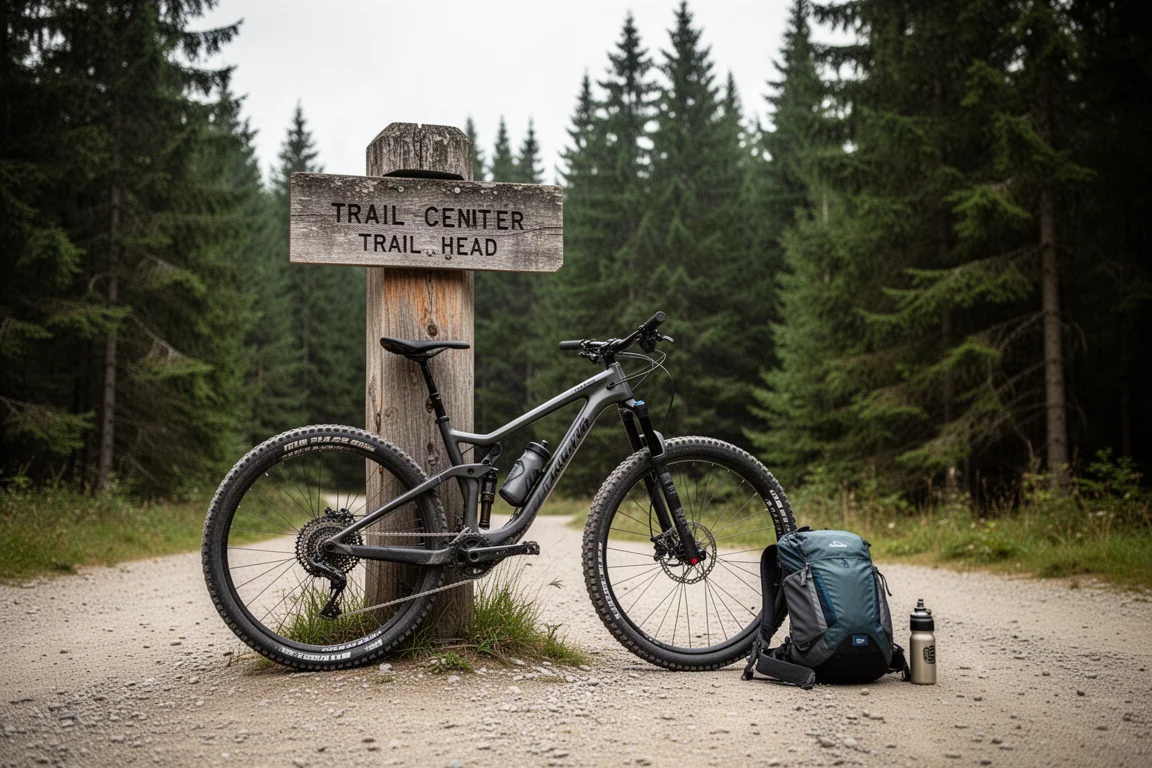
If you are chasing the gnarliest descents you can find, or you want to set personal bests on fast technical tracks, there are machines that will do both faster. That is not a flaw in the Comp so much as a description of what it is built for.
On sizing, take the time to think in terms of bike length rather than seat tube height, and make use of the short seat tubes to try two adjacent sizes if you can. The geometry chip is worth experimenting with too, since the low setting is where the bike feels most planted and the high setting can sharpen up slower, tighter trails.
Conclusion
Specialized has built a remarkably well rounded trail bike here. The geometry is confident, the spec details are thoughtfully chosen, and the whole package is easy to live with. It is a bike you can ride without thinking about it, which is exactly what a trail bike should be.
It may not capture the imagination the way the most exciting bikes in the category do, but the Stumpjumper quietly offers something that will suit a whole lot of riding and a whole lot of riders. For the middle of the bell curve, that is a genuine strength.
Product link
View more details for Specialized Stumpjumper Comp
This product is mentioned in the review. Check the specifications, options, and compatibility before buying.
View more details for Specialized Stumpjumper CompFurther reading
Related Reviews
Mountain Bikes
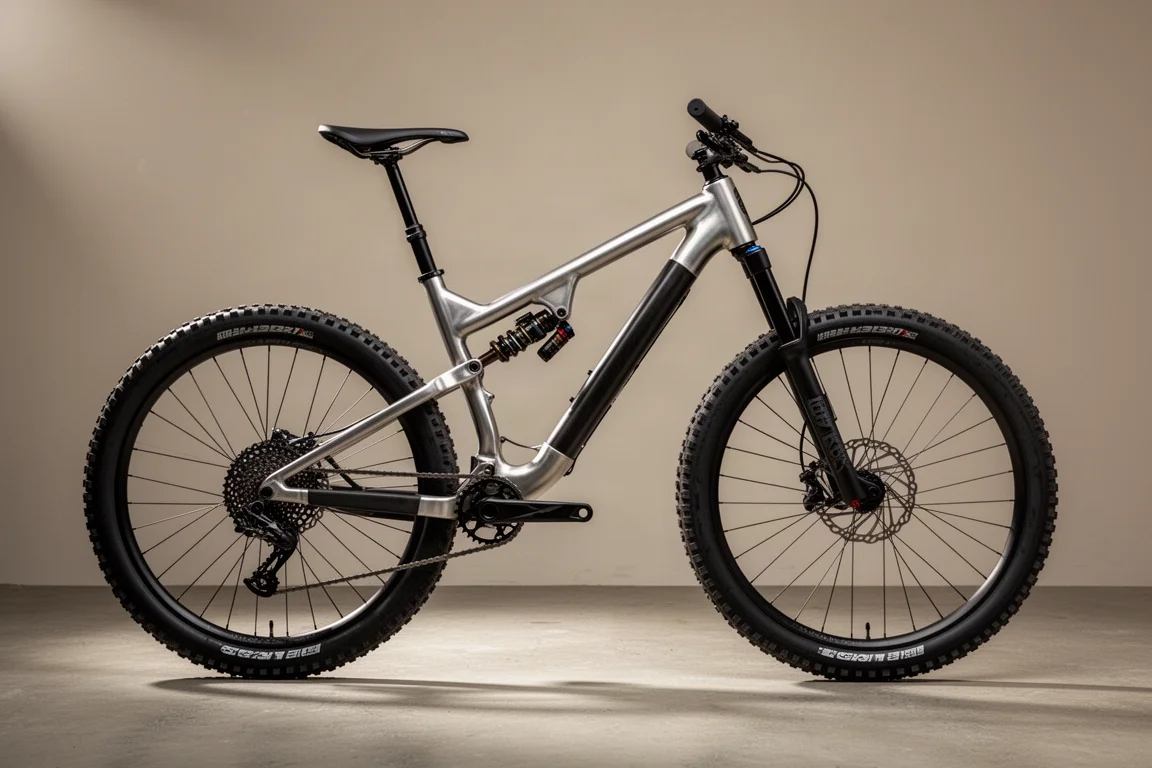
Atherton AM.130 Review: 3D-Printed Titanium Lugs and a 130mm Trail Bike That Descends Like a Bigger Machine
The Atherton AM.130 pairs 3D-printed titanium lugs with carbon tubes and a DW6 suspension platform. Here is how it rides, what the build delivers, and who it suits.
Mountain Bikes
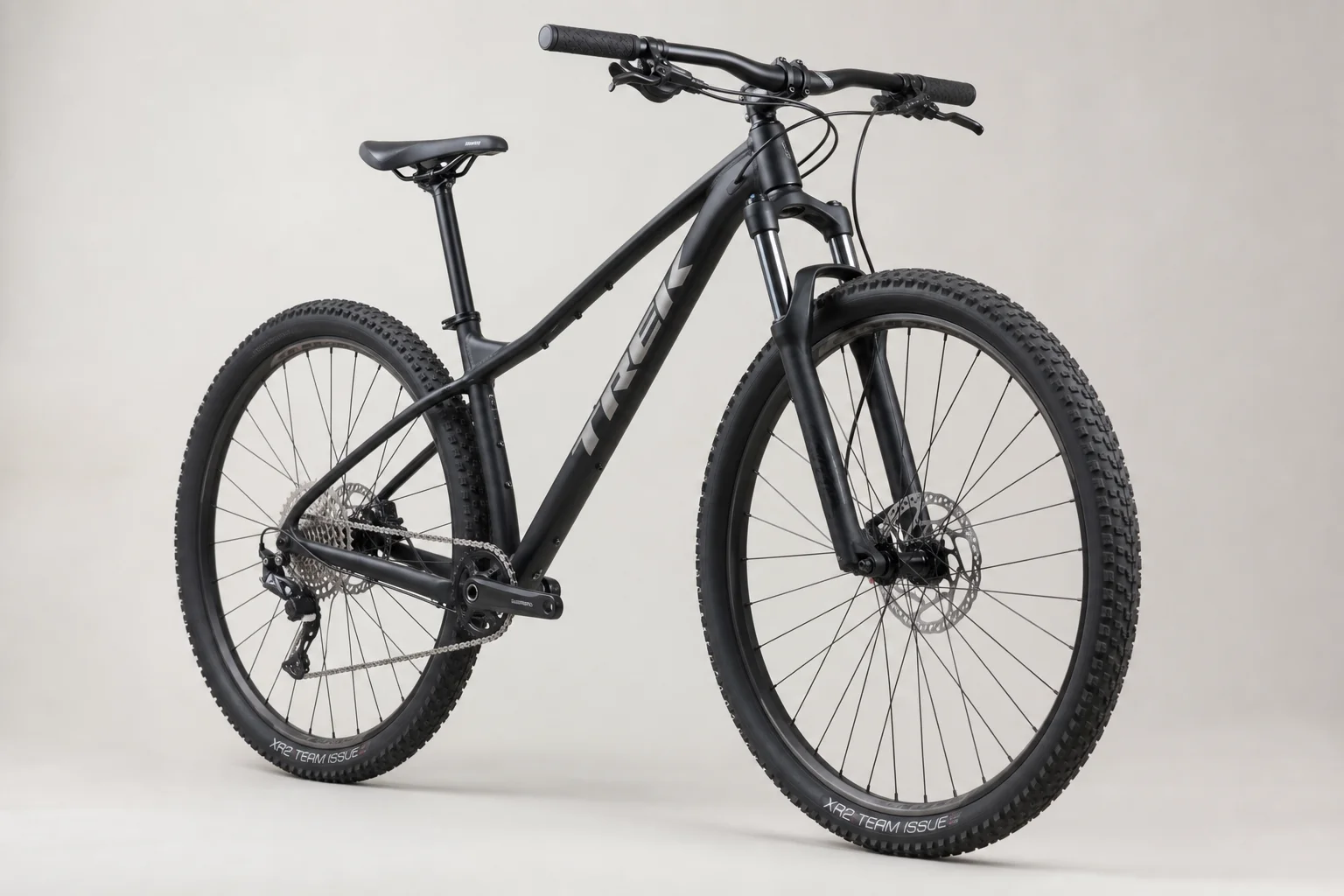
Beginner Mountain Bike Buying Guide: What to Look For in a Trailworthy Hardtail
A practical framework for evaluating beginner mountain bikes, whether new or used, by examining key components that indicate real trail capability.
Mountain Bikes
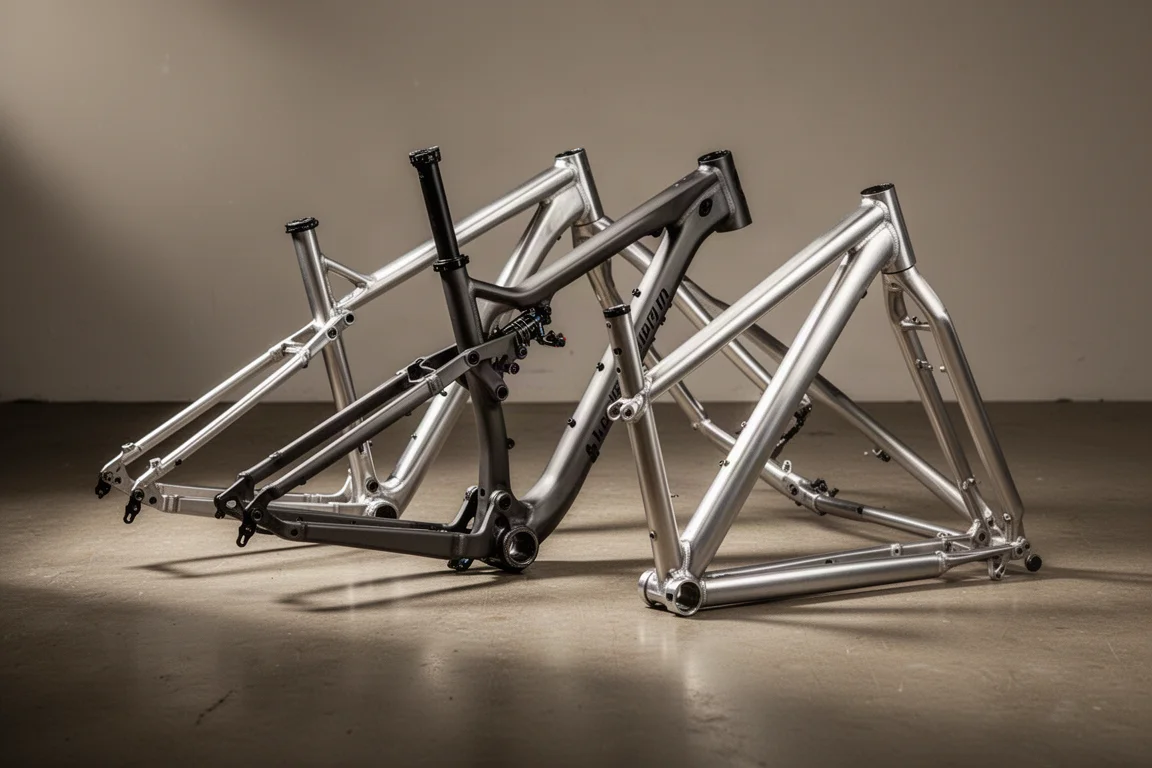
Best Aluminum Mountain Bikes 2026: Five Alloy Bikes Worth Your Attention
Five aluminum mountain bikes that show how far alloy has come, from a 120mm trail bike and a versatile machined frame to a 180mm freeride machine.