Mountain Bikes
Specialized Stumpjumper 15 Review: The Evo's Spirit in a New Frame
A close look at the Specialized Stumpjumper 15, including its new Fox Genie shock, adjustable geometry, 145mm of rear travel, and what the ride actually feels like on the trail.
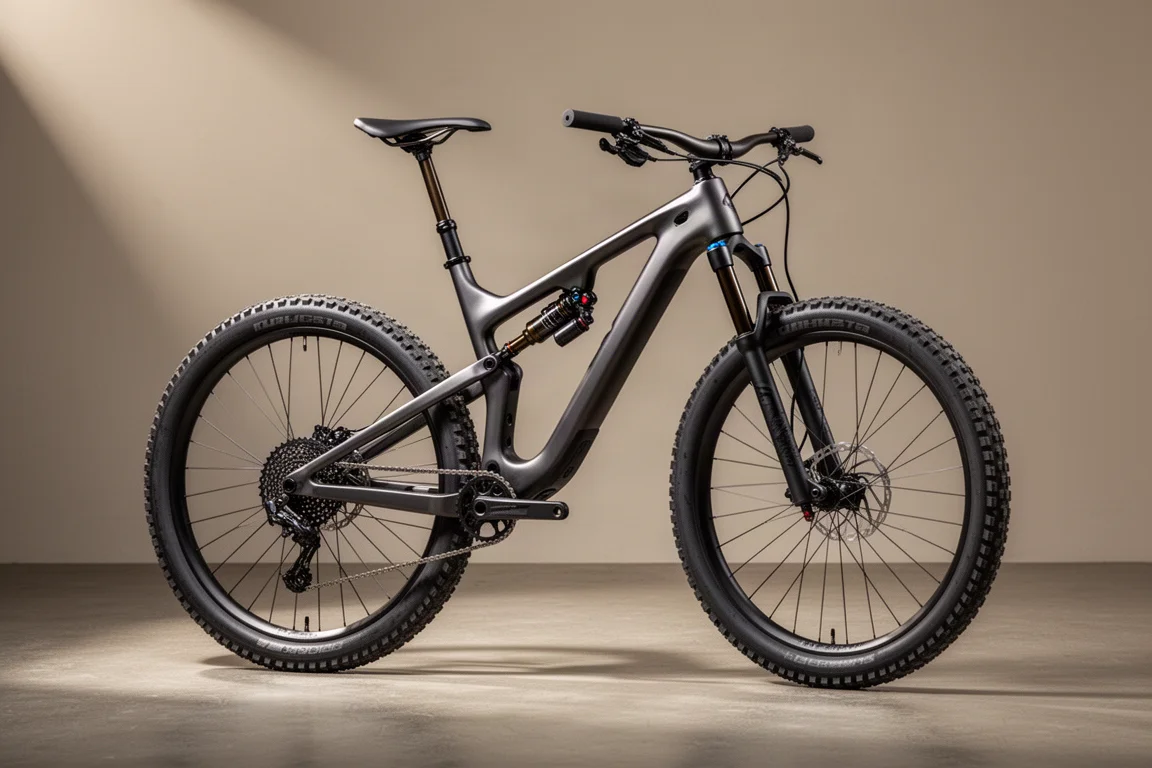
Introduction
The Specialized Stumpjumper 15 arrives at a moment when the question on a lot of riders’ minds is simple: what happened to the Stumpjumper Evo? The Evo is gone from the lineup, and the new Stumpjumper 15 takes its place with a redesigned carbon frame, a new Fox Genie shock, and a geometry package that carries over much of the adjustability that made the outgoing bike so well liked.
The headline numbers are a 145mm rear wheel travel figure, a claimed 63 degree head angle in the slackest and lowest configuration, and a shock that Specialized designed to feel longer travel than it is without losing the lively character of a shorter travel trail bike. In other words, the Stumpjumper 15 does not simply inherit the Evo’s role. It tries to blend the Evo’s hard hitting traits with the old Stumpjumper’s pep.
Who the Specialized Stumpjumper 15 Is For
This is a bike aimed at riders who want one machine to cover a lot of ground. It suits someone who pedals to the top of the hill, wants a comfortable seated position and a reasonably urgent feel under power, and then expects the bike to stay composed on the way back down.
Riders who valued the Evo for its geometry adjustment and its appetite for steep, rough terrain will find a lot of familiar thinking here. Riders who found the Evo a touch sluggish on mellower trails should also pay attention, because Specialized has clearly tried to keep some of the old Stumpjumper’s liveliness in the mix.
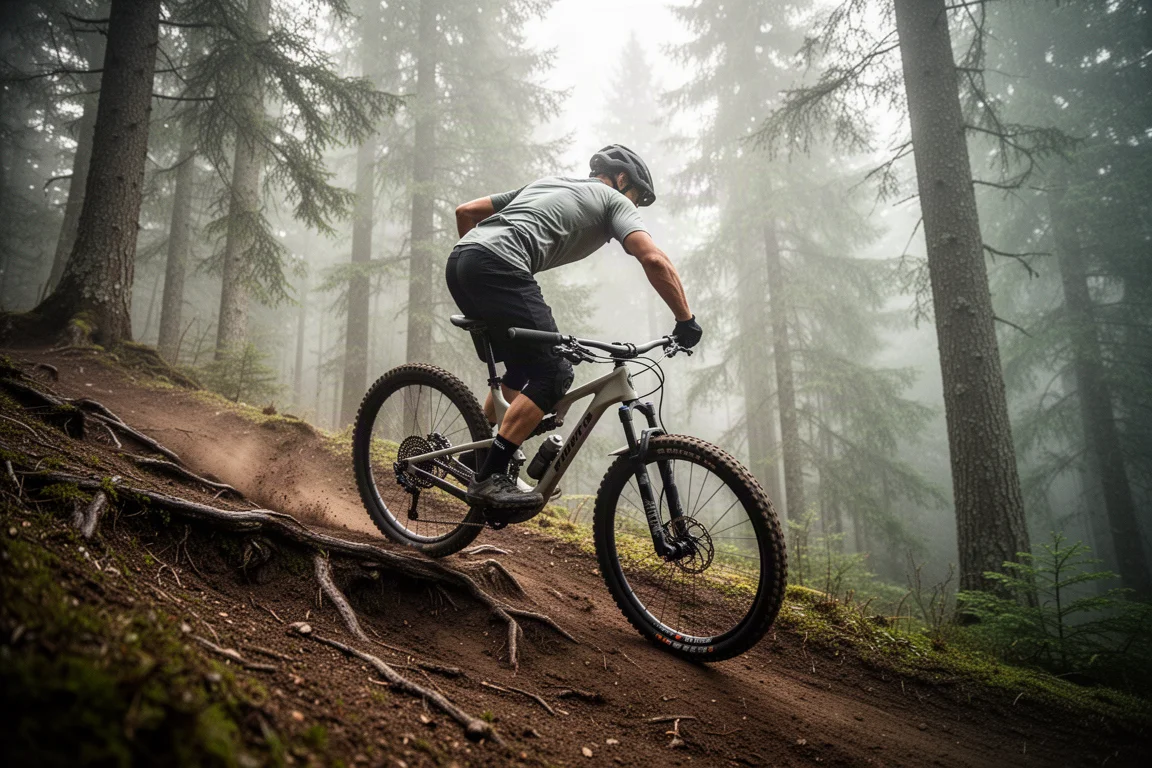
The frame is offered in six sizes, from S1 through S6. Sizes S1 and S2 come only with mixed wheel size builds, while S3 to S6 run 29 inch wheels front and rear. Reach figures span from 400mm on the S1 frame up to 530mm on the S6, and aftermarket links allow a smaller rear wheel to be fitted without disrupting the geometry.
Genie Shock: A New Take on Air Spring Tuning
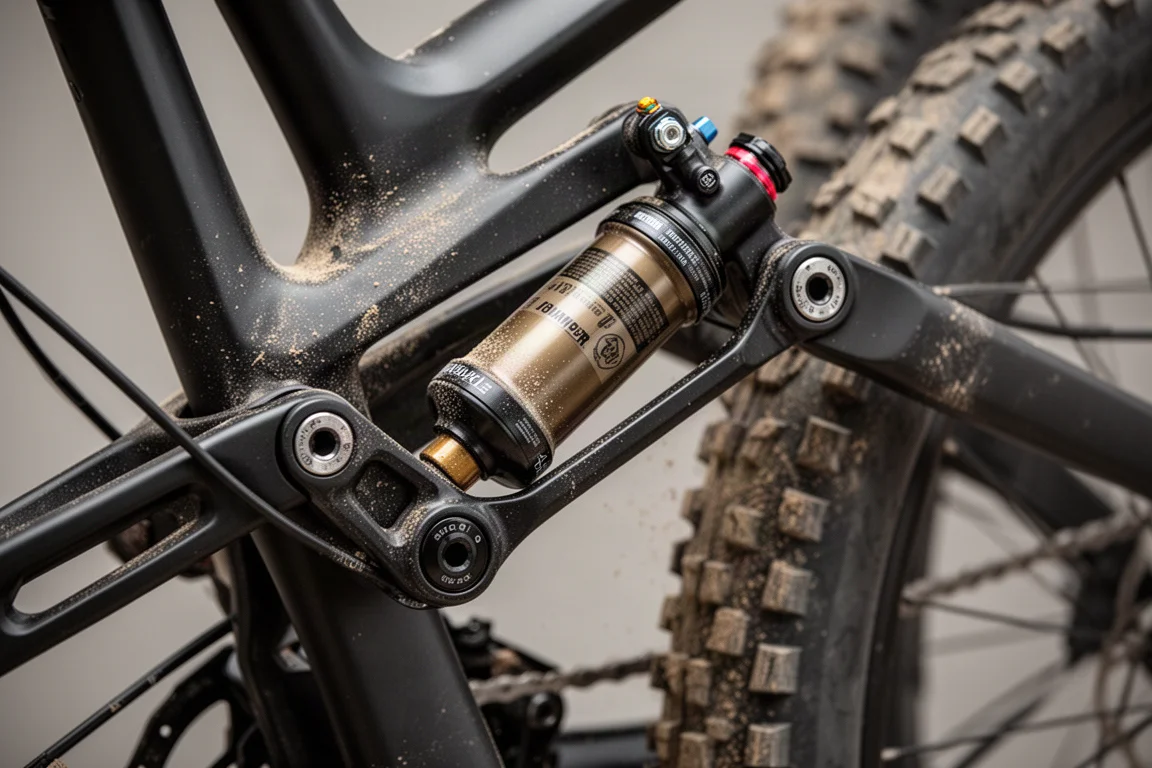
The Fox Genie shock is central to how the new Stumpjumper 15 rides. It uses a two stage tunable air spring built around two connected positive air chambers. The extra volume creates a flatter, less progressive spring curve across roughly the first 70 percent of the travel, which is intended to deliver a smooth, coil like feel that improves traction and comfort.
As the bike moves into the final 30 percent of its travel, a band inside the shock slides up and closes off the ports to the outer air chamber. That reduces the effective spring volume and raises the spring rate, creating a progressive ramp through the end of the stroke to handle heavier impacts.
Both positive air chambers accept volume spacers, so a rider who prefers a very supple feel can still add enough end stroke ramp for big hits. Importantly, the Genie shock is a standard 210x55mm length with a conventional Fox damper inside, so it can be swapped for a normal shock of your choosing if you would rather run something else.
Specialized also shared comparative figures to underline the difference from a standard equivalent setup, including a claimed 16.3 percent improvement in bump force management, 57 percent less traction loss time, and 39 percent fewer severe bottom out events.
Frame, Geometry, and Adjustment Range
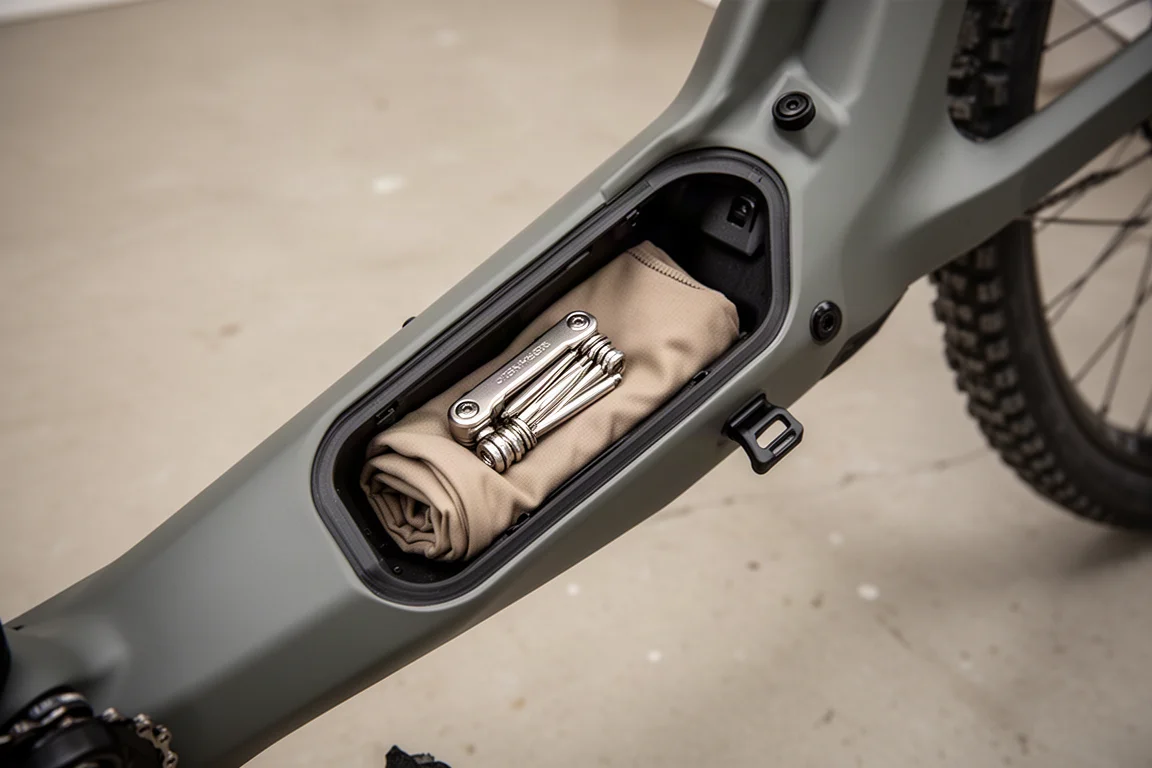
The new carbon frame departs from its predecessor in several ways, and the visual language borrows from the Turbo Levo SL. The sidearm has been removed, which Specialized says helped with clearance and space inside the front triangle without affecting strength or stiffness. Down tube storage has been updated to SWAT 4.0, now easier to reach thanks to a small lever and better sealed against the elements.
Geometry adjustment has been carried over and refined. Three angled headset cups each provide one degree of adjustment, while flip chips in the Horst pivot allow chainstay length to be tweaked and bottom bracket height to be altered by 7mm. In the slackest and lowest setting, the claimed head angle is 63 degrees with the bottom bracket sitting 330mm off the ground.
The seat tube angle is 77 degrees, close to the Evo’s figure. Effective chainstay lengths run from 430 to 435mm across sizes S1 to S4, with the longer S5 and S6 frames at 445mm. Stack heights have grown, and seat post insertion depth has increased, which should make life easier for riders running longer dropper posts.
The suspension platform itself is Specialized’s familiar FSR four bar Horst link design, delivering the 145mm of rear travel.
Trail Impressions: Climbing and Descending
Ride time on the new Stumpjumper 15 was limited to two days in Canada, on a Pro model rather than the S-Works build, though the frame, suspension, tires, and wheels are identical and the brakes are very similar.
On the climbs, the bike tracks well. The seated position is comfortable and there is a relatively urgent feel when you press on the pedals. In the stock shock setting, which uses a single spacer in the sleeve and a 0.2 spacer in the eyelet, the back end stays supple and keeps the rear tire gripping even on steep climbs that force you onto the front of the saddle. Fork pressure needed a tweak to better balance the suspension, but once dialled in the bike felt confident and ready to be ridden fast.
Dropping into fast, twisty trails, the smooth and almost silent ride stands out. Specialized set out to mimic the feel of a longer travel bike through roughly the first 100mm of travel, and the result is a supple, forgiving rear end when rattling through chatter and braking bumps. The stock Eliminator tire was the main thing holding the bike back when pushing hard on repeated runs.
Volume spacers in the shock sleeve change how that first 70 percent of travel feels. With no spacers fitted, the bike felt plush and comfortable but lacked support when loading it up through berms. With the full complement of four spacers, it felt closer to the older Stumpjumper, with more pep and a livelier ride, but roots and braking bumps demanded a tighter grip and the comfort of the previous setup was missed. Notably, both extreme setups used the same amount of travel without touching the eyelet spacer.
The stock configuration proved to be a sensible compromise, with ample support and impressive comfort. The bike could still be weighted meaningfully and thrown around, and when charging into unfamiliar terrain it felt confident and controlled despite only 145mm of travel on tap. A slacker, grippier, tougher rear tire would likely unlock even more capability. It is also worth remembering that these rides used the middle head angle position and the highest bottom bracket setting, so the handling could be made more confident still with simple changes.
Things to Consider Before Buying
The most obvious consideration is that the Evo is no longer part of the range. If you were specifically attached to that bike’s identity, the Stumpjumper 15 is the replacement rather than an addition.
Tire choice matters more than you might expect here. The stock rear tire was the limiting factor on harder, repeated descents, so budget for a swap if you ride aggressively.
Setup also rewards attention. The Genie shock is straightforward to tune and the volume spacers make a real, noticeable difference to how the first part of the travel feels, but you do need to spend time finding your preferred combination rather than accepting the stock setting.
Frame sizing deserves a look too. S1 and S2 riders get mixed wheel builds only, while the 29 inch option starts at S3, so riders at the smaller end of the range should think about which wheel setup they actually want.
Buying Advice
The Stumpjumper 15 makes the most sense for riders who want a single bike that climbs comfortably, stays composed when the trail gets rough, and can be tuned to suit very different tastes. The adjustment range on offer, from headset cups to pivot flip chips and shock volume spacers, means the bike can be set up slack and planted or quicker and more playful without changing frames.
If you spend most of your time racking up miles on smoother trails and rarely push into steep, technical descents, a lighter trail platform may suit you better, and the Epic Evo exists in the range for exactly that kind of riding. If your priority is a versatile bike that leans toward the harder hitting end of the trail spectrum, the Stumpjumper 15 delivers that brief with the flexibility to keep adapting as your riding changes.
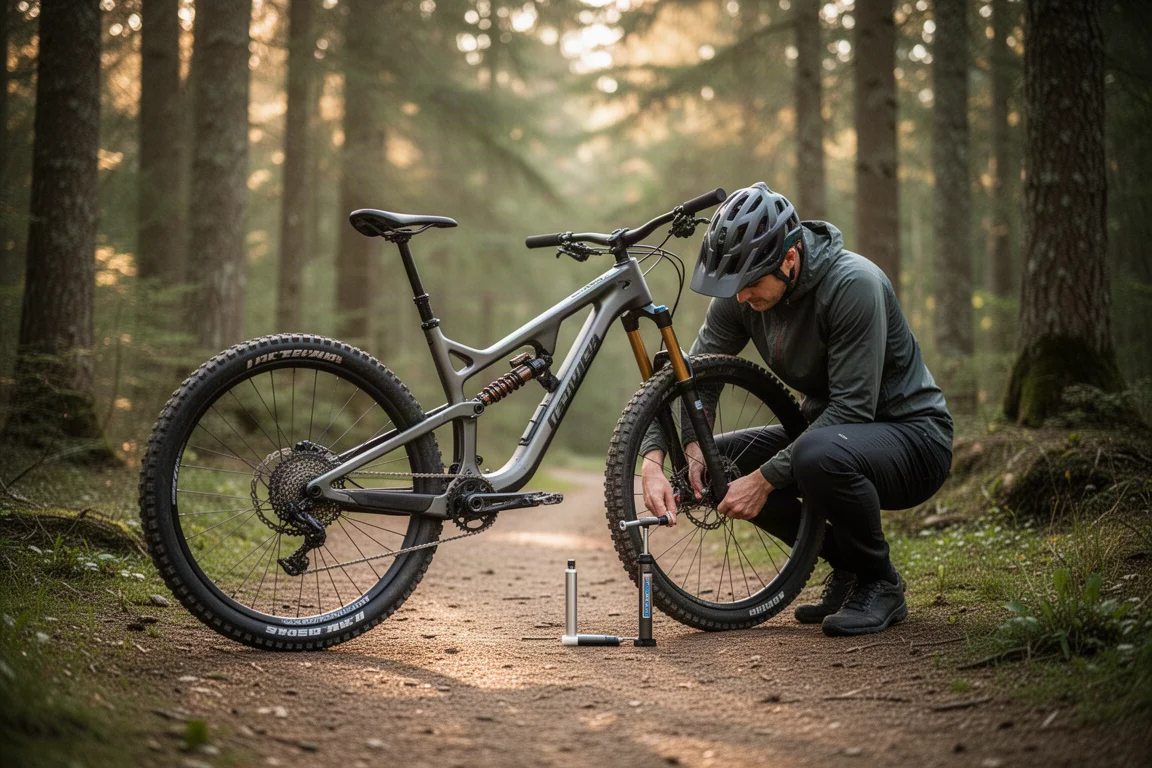
Riders coming from the Evo should feel at home quickly. Riders coming from an older, shorter travel Stumpjumper will notice the extra capability on descents and, with a little shock tuning, should be able to keep a good amount of the liveliness they liked.
Conclusion
The Stumpjumper 15 does not simply replace the Evo with a softened version of the same idea. It carries over the geometry adjustment and the descending confidence that made the Evo so popular, then layers in a new shock and a revised frame that bring back some of the older Stumpjumper’s energy.
The result is a genuinely adaptable 145mm trail bike. The Genie shock is the standout element, offering coil like suppleness early in the travel with enough ramp at the end for heavy impacts, and it can be swapped for a conventional shock if you prefer. Add the headset and pivot adjustment and the bike can be shaped to a wide range of riders and terrain. For anyone shopping for a versatile full suspension mountain bike that leans capable rather than fragile, the Stumpjumper 15 is a serious contender.
Product link
View more details for Specialized Stumpjumper 15
This product is mentioned in the review. Check the specifications, options, and compatibility before buying.
View more details for Specialized Stumpjumper 15Further reading
Related Reviews
Mountain Bikes
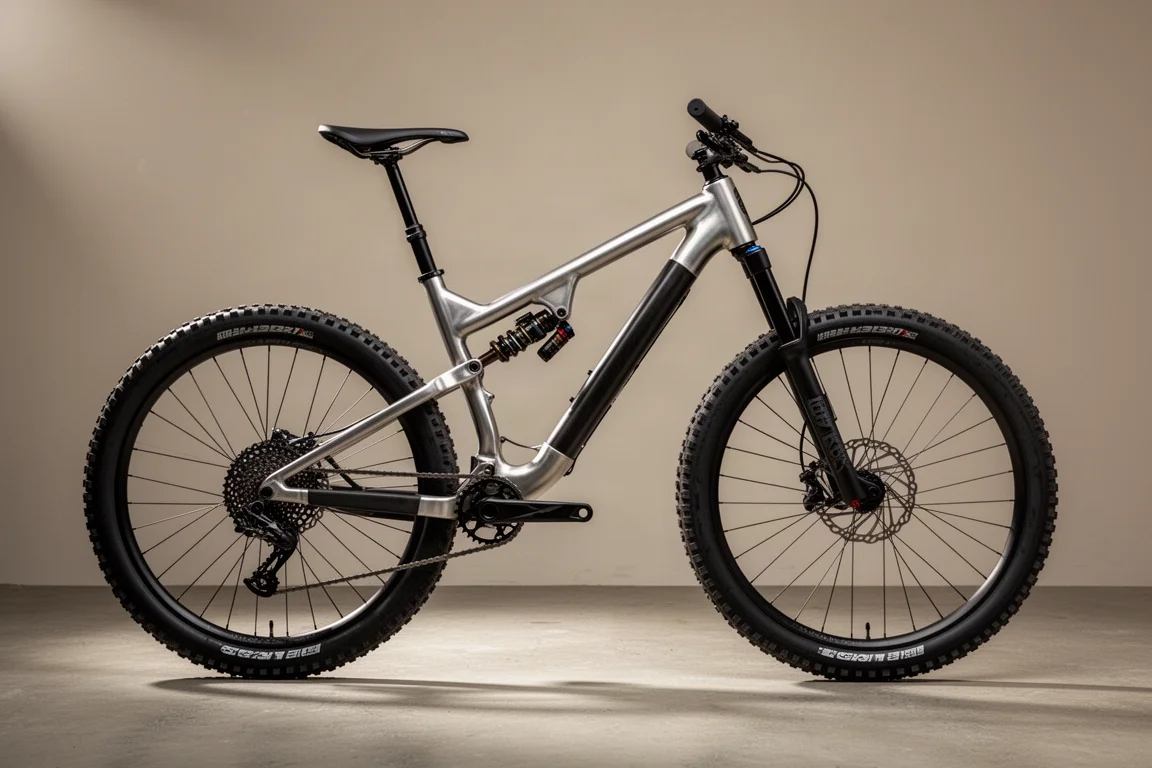
Atherton AM.130 Review: 3D-Printed Titanium Lugs and a 130mm Trail Bike That Descends Like a Bigger Machine
The Atherton AM.130 pairs 3D-printed titanium lugs with carbon tubes and a DW6 suspension platform. Here is how it rides, what the build delivers, and who it suits.
Mountain Bikes
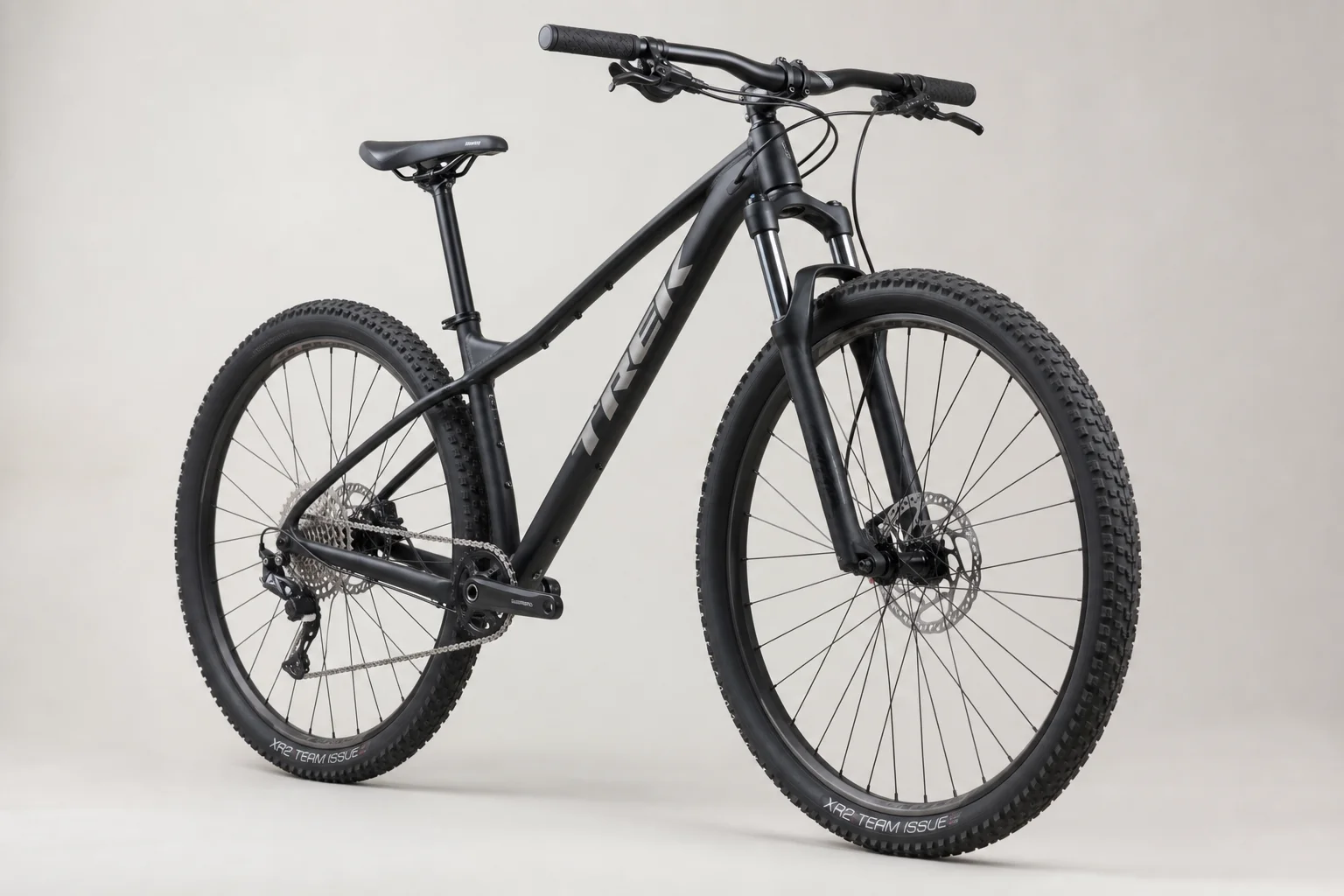
Beginner Mountain Bike Buying Guide: What to Look For in a Trailworthy Hardtail
A practical framework for evaluating beginner mountain bikes, whether new or used, by examining key components that indicate real trail capability.
Mountain Bikes
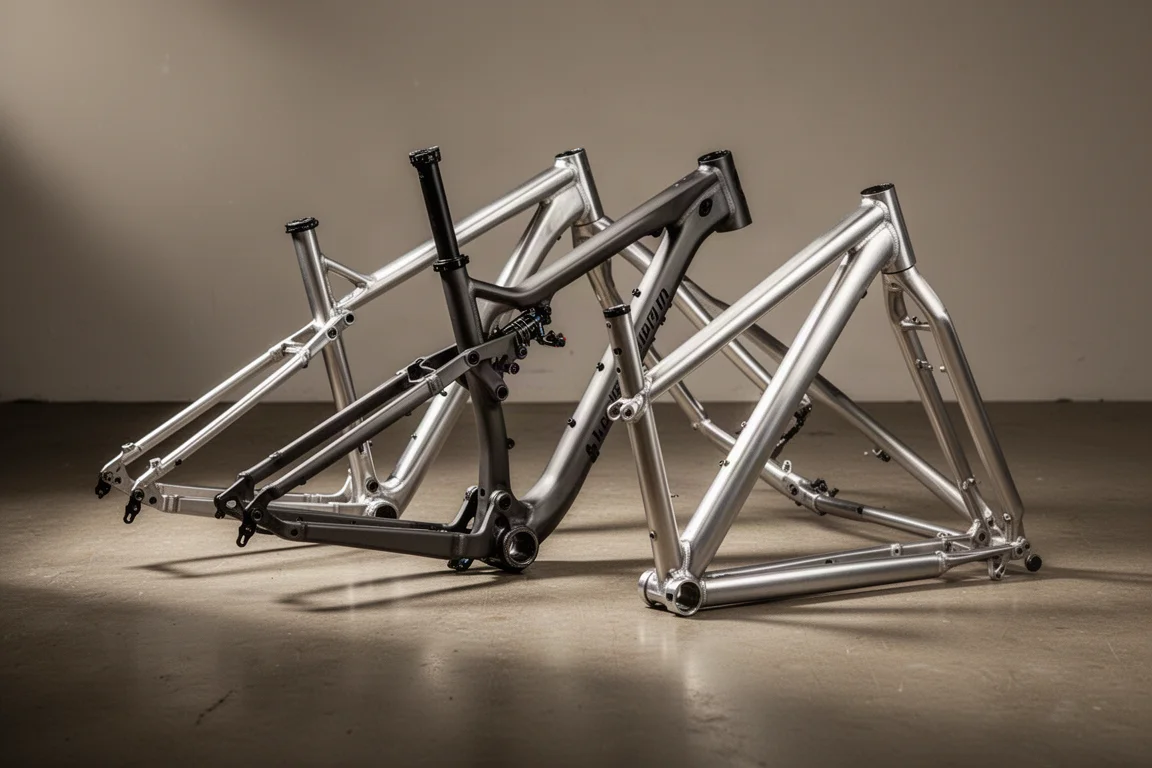
Best Aluminum Mountain Bikes 2026: Five Alloy Bikes Worth Your Attention
Five aluminum mountain bikes that show how far alloy has come, from a 120mm trail bike and a versatile machined frame to a 180mm freeride machine.